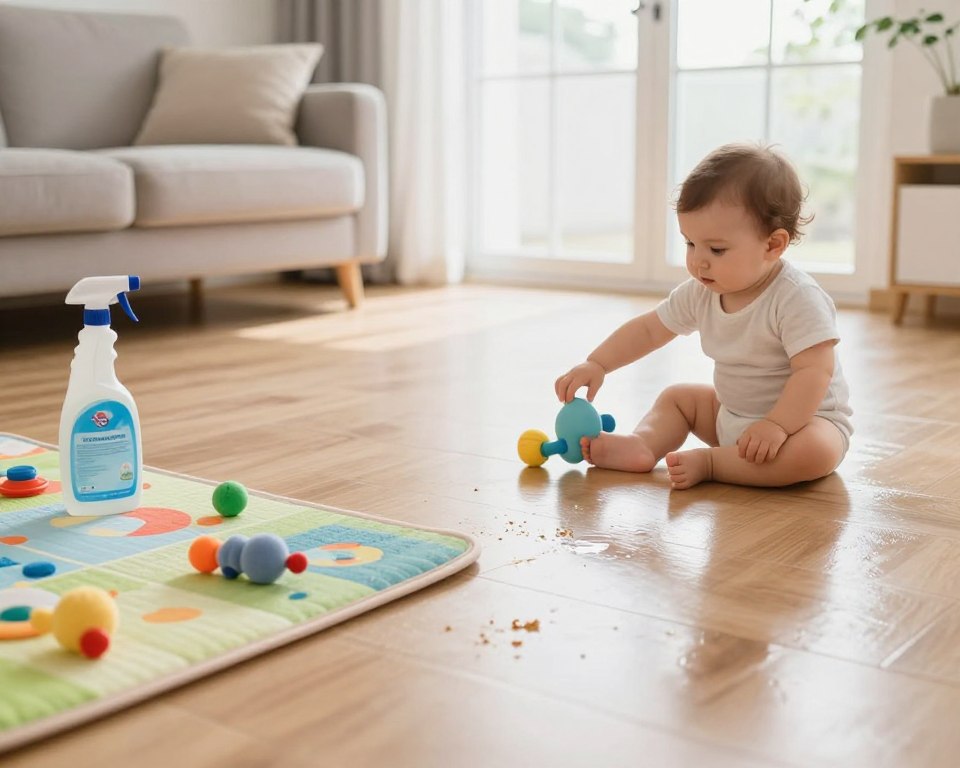
Did you know babies breathe twice as much air as adults? This makes them very sensitive to pollutants in our homes. When they crawl, they touch chemicals left behind by cleaning products.
Parents often worry about hidden dangers on the floor. We all want a clean home, but we must think about our children’s health too. Understanding what stays behind after cleaning is key to a healthy home.
Protecting your crawling explorer begins with knowing what we use. By choosing safer products, we can keep our homes clean and safe. Let’s find ways to make nurseries and play areas safer from chemicals.
Key Takeaways
- Infants have a higher breathing rate, increasing their sensitivity to airborne chemicals.
- Crawling brings children into constant contact with surface-level substances.
- Common household chemicals can linger long after the surface appears dry.
- Small changes in your routine can significantly reduce indoor pollutant levels.
- Prioritizing non-toxic alternatives helps create a healthier space for development.
Understanding the Reality of Floor Cleaning Residues
Even if your floors look clean after a quick mop, they might still have chemical residues that are harmful to babies. Many parents think a clean floor means it’s safe, but that’s not always true. These hidden residues can be dangerous, and it’s crucial to know how they affect your home, like when you’re pregnant.
The Science of Surface Residue
When you use a liquid cleaner on your floor, the water might go away, but the chemicals stay. These chemicals, like surfactants and fragrances, create a thin, invisible layer. This residue doesn’t just disappear; it stays until it’s washed away or worn off by foot traffic.
These chemicals are made to break down dirt and grease. But when they stay on your floors, they can easily get on skin or clothes. Keeping your floors safe for babies means knowing that regular cleaning often leaves these chemicals behind.
Why Floors Are High-Risk Zones for Infants
Floors are where babies play the most, making them a big risk for chemical exposure. Babies breathe more air relative to their body size than adults, so they’re more likely to inhale floor particles. Plus, their habit of putting hands in their mouths means they can easily ingest any residue they pick up.
The table below shows how different cleaning methods affect the amount of residue left on your floors:
| Cleaning Method | Residue Level | Risk to Infants |
|---|---|---|
| Standard Mop & Bucket | High | Significant |
| Steam Cleaning | Low | Minimal |
| Water-Only Rinse | Very Low | Negligible |
To keep your baby safe, choose the right cleaning products and use them carefully. Knowing how floor cleaning products residue persists helps you make your home safer. By reducing these residues, you can protect your child’s health.
Are Cleaning Product Residues on Floors Safe for Babies?
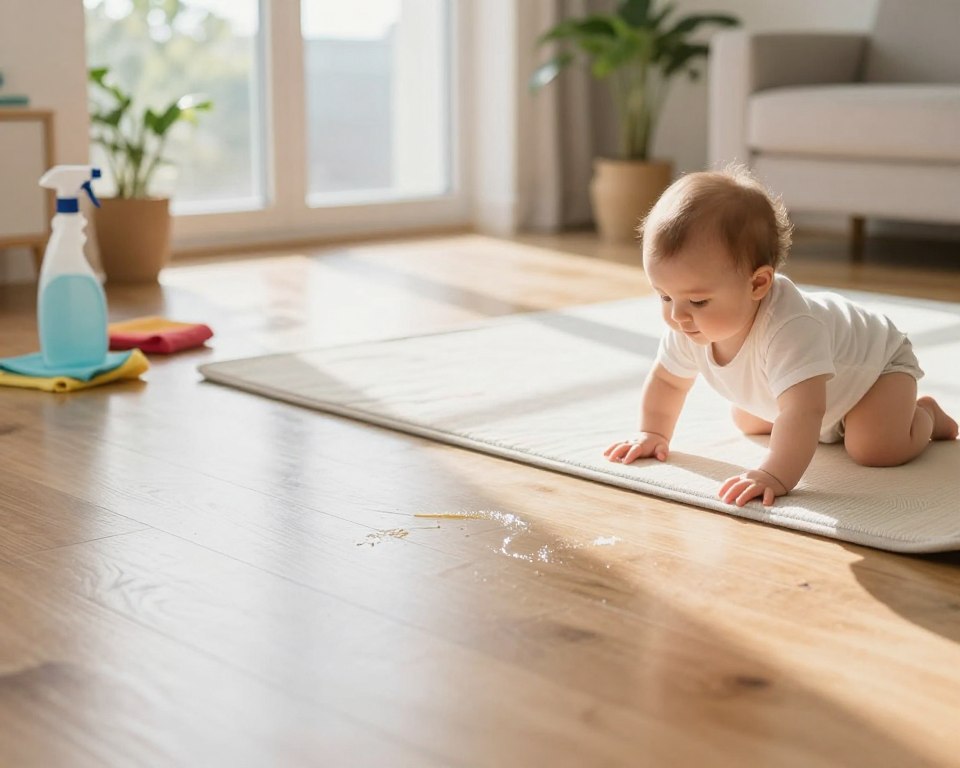
Every parent wants a safe space for their child. But, the products we use to clean our homes can be a worry. Are cleaning product residues on floors safe for babies? This question is not just about keeping things clean. It’s about the hidden effects of chemicals in our homes.
The Debate Over Chemical Safety Standards
Today’s rules check chemicals for adult safety. Unfortunately, they might not protect babies as well. Many parents worry that what’s labeled “safe” might not be safe for their little ones.
The industry tests chemicals in ways that don’t match how babies touch floors. This means some products might not be safe for babies, even if they’re legal. Transparency in labeling is a big problem for families trying to choose safe products.
Cumulative Exposure and Long-Term Health
It’s important to think about how small amounts of chemicals can add up. A 2021 study in Global Pediatric Health found a link between cleaning products and breathing problems in kids. This shows that even small amounts can affect a child’s health.
Because babies are close to the floor, they get exposed to more chemicals. We need to think about the total amount of chemicals they face. By reducing these residues, we can make a safer space for our children to grow and play.
Common Chemicals Found in Household Floor Cleaners
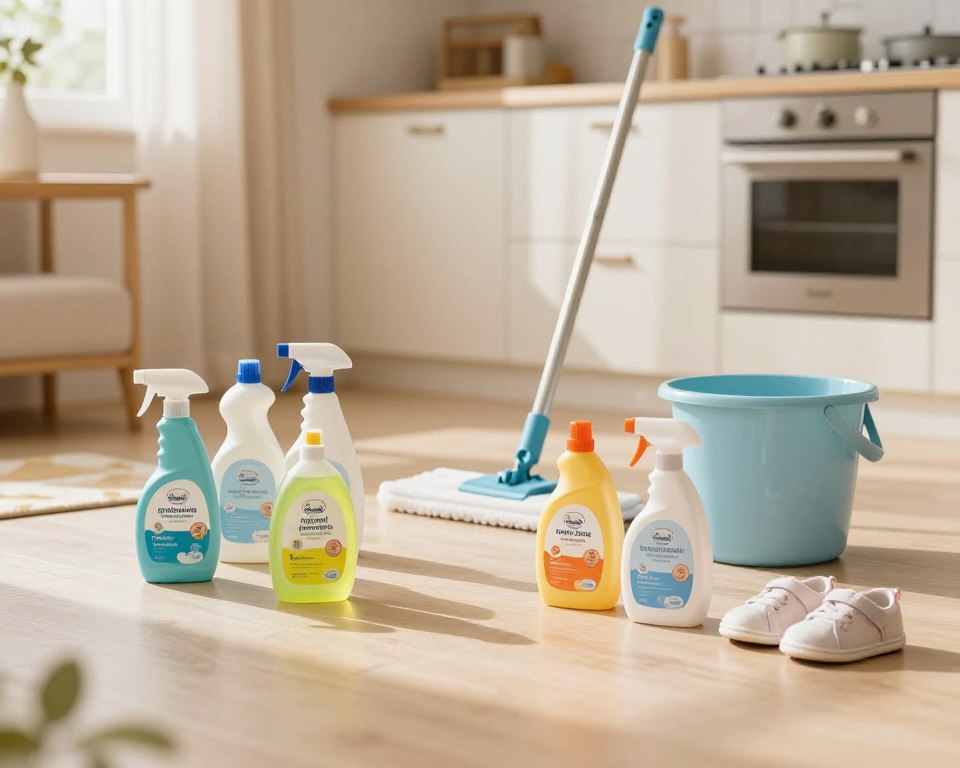
When you clean your home, the products you use often leave behind a thin layer of residue. Many parents assume these surfaces are clean, but it is important to realize that some floor cleaning chemicals baby safe standards are not as strict as we might hope. These residues are often heavier than air, causing them to settle and concentrate at the exact level where your little one crawls and plays.
Phthalates and Synthetic Fragrances
Many conventional cleaners rely on synthetic fragrances to provide that “fresh” scent we associate with cleanliness. Unfortunately, these fragrances often contain phthalates, which are chemicals used to help scents linger longer. These substances are known endocrine disruptors that can interfere with the delicate hormonal balance of a developing infant.
Quaternary Ammonium Compounds
Often found in disinfecting wipes and floor sprays, quaternary ammonium compounds—or “quats”—are powerful antimicrobial agents. While they are effective at killing germs, they can also be harsh on sensitive skin. Frequent exposure to these residues may lead to irritation or allergic reactions when your baby’s skin comes into direct contact with the floor.
Volatile Organic Compounds (VOCs)
Volatile Organic Compounds, or VOCs, are chemicals that easily turn into gas at room temperature. Because they are heavier than air, they tend to pool near the floor, creating a concentrated zone of exposure for crawling babies. Choosing floor cleaning chemicals baby safe alternatives is the best way to minimize the presence of these invisible pollutants in your living space.
How Infants Interact with Floor Surfaces
Infants spend a lot of time near the ground. This means they are exposed to what’s on your floors. Unlike adults, infant floor safety requires us to see things from a baby’s point of view.
The Crawling Phase and Hand-to-Mouth Behavior
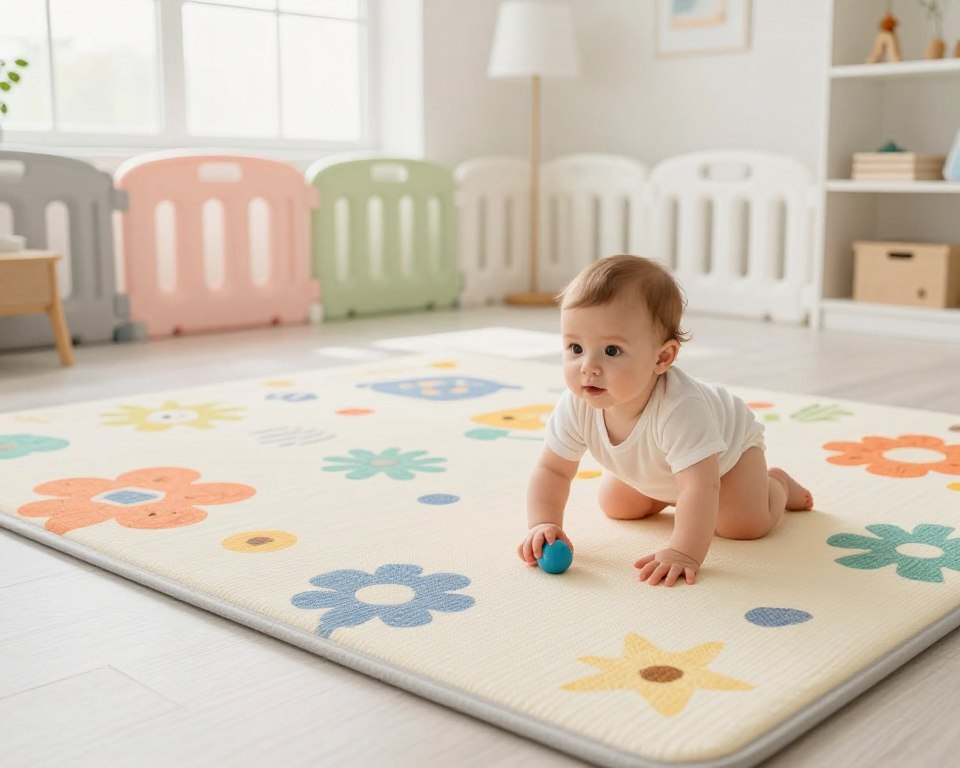
When crawling babies explore, the floor is their world. A 2019 study found that babies on carpets face more chemical exposure than adults.
Babies touch the floor and then put their hands in their mouths. This hand-to-mouth behavior lets them absorb chemicals from cleaning products.
Dermal Absorption Through Sensitive Skin
Babies also absorb substances through their skin. Their skin is thinner and more open than adults’, making it easy for chemicals to get in.
When babies crawl on a clean floor, they touch substances that can irritate their skin. It’s important to choose safe products for their skin during these important months.
Keeping chemical exposure low is crucial for parents. Knowing how babies interact with surfaces helps us make better choices for their safety.
Potential Health Risks of Chemical Exposure
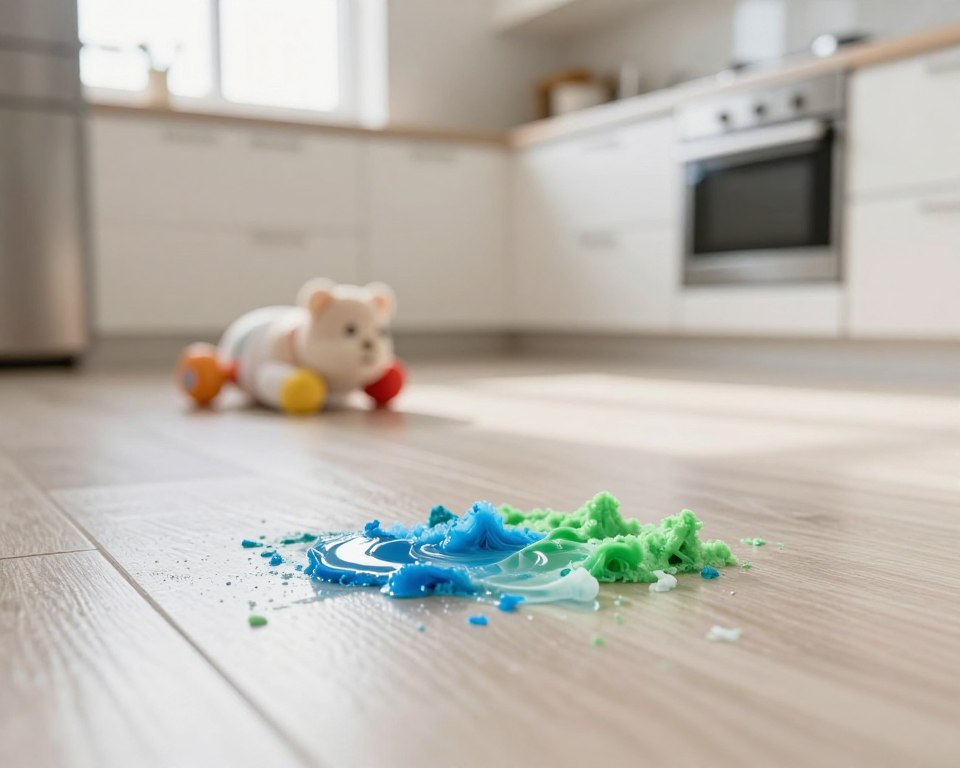
Your home should be a safe place, but cleaning product residue risk is something parents need to watch out for. Babies spend a lot of time on floors, making them more likely to get exposed to harmful chemicals.
Respiratory Irritation and Asthma Triggers
Babies’ lungs are very sensitive to air particles and chemical vapors. When floors are cleaned with strong chemicals, these vapors can stay in the air. This is right where babies crawl.
This constant exposure can cause respiratory irritation or even asthma. Keeping your child’s airways safe is key to a healthy home environment in their first two years.
Skin Sensitization and Contact Dermatitis
Babies’ skin is thinner and absorbs substances faster than adults. If you’re worried about how surfaces affect your child, learning about are fabric softeners safe for babies is a good start.
Touching chemical residues can cause skin sensitization or contact dermatitis. You might see redness, rashes, or dry patches on your baby’s knees and palms after they play on cleaned surfaces.
Endocrine Disruption Concerns
There are also deeper concerns about how synthetic chemicals affect a child’s developing systems. A 2022 Toxics journal review found long-term risks from early-life exposure.
Many cleaning agents have chemicals that can disrupt hormones. By reducing cleaning product residue risk at home, you help support your child’s long-term health.
Identifying Toxic Ingredients in Cleaning Products
Reading labels is key for parents who care about their baby’s health. Many brands promise a clean home but hide the truth in fine print. Spotting toxic ingredients early helps create a safer space for your baby to play.
Ingredients to Avoid on Labels
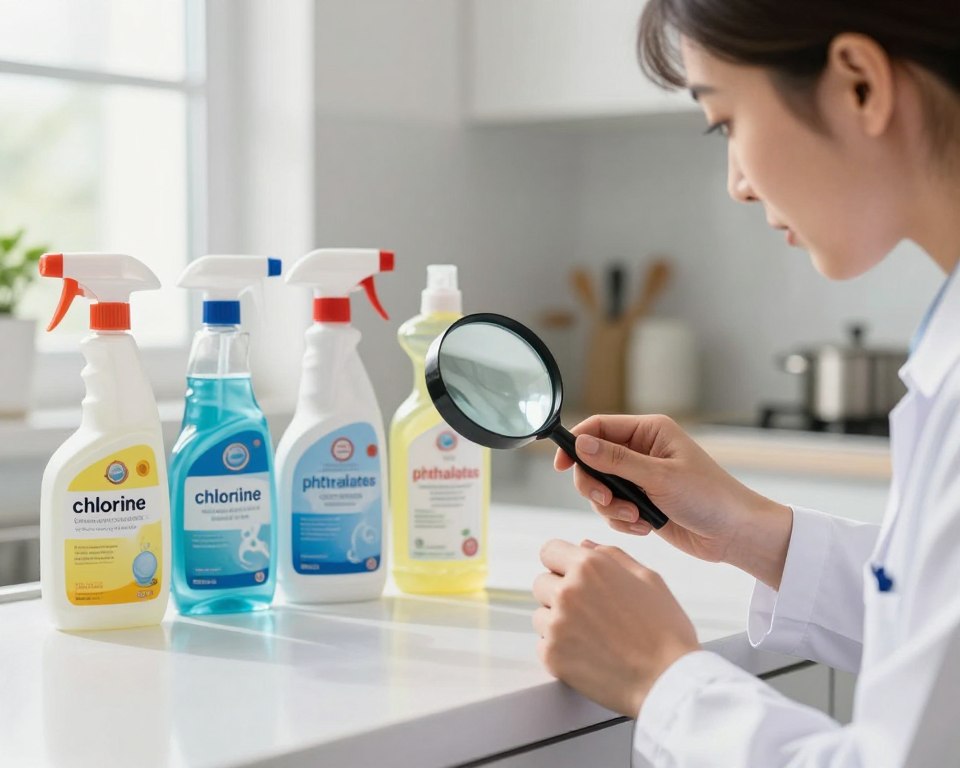
When checking a bottle’s back, watch for red flags. Many cleaning products have phthalates, hidden under “fragrance.” These chemicals can harm your baby’s growth.
Also, avoid products with quaternary ammonium compounds, or “quats.” These can irritate skin and cause breathing problems in babies. Choose baby-safe products that list their ingredients clearly.
The Hidden Dangers of Greenwashing
Pretty packaging with leaves or “eco-friendly” labels can be misleading. This is called greenwashing. It hides harmful substances behind a green facade.
Don’t trust a “green” label without checking the ingredients. True safety means a brand shows all its ingredients. If a product is secretive, choose something else for your home.
The Importance of Indoor Air Quality for Crawling Babies
Think about your home and how your baby spends most of their time near the floor. We worry about what they touch, but the indoor air quality is just as important for their lungs.
Chemicals can be in the air we can’t see. Keeping a healthy home means looking at both the floor and the air around it.
Off-gassing from Floor Finishes
Many floors and coatings release chemicals called VOCs into the air. This is called off-gassing.
“The air we breathe indoors is often more polluted than the air outside, specially for those who spend their time near the ground.”
New floor finishes and sealants release chemicals into the air. These pollutants can harm your baby while they crawl or play.
Ventilation Strategies During and After Cleaning
Good ventilation helps keep chemicals out of the air. Always open windows and doors when you clean.
Using fans can help clear out cleaning agents. Always keep your baby in a different room until the floors are dry and well-ventilated for at least an hour.
By focusing on airflow, you make your home a safe place for your child. Simple changes can make a big difference in their health.
Benefits of Switching to Baby-Safe Cleaning Products
Switching to non-toxic household products is good for your family’s health. By picking baby safe cleaning products, you cut down on harmful chemicals on your floors. This change makes your home cleaner and healthier for everyone.
Reducing the Toxic Load in the Home
Every cleaning session is a chance to reduce synthetic chemicals in your home. Many cleaners have harsh ingredients that stick to floors and surfaces. Choosing plant-based cleaners greatly reduces the toxic load your baby faces while playing.
This is crucial for young immune systems. Just as you check if baby safe laundry detergent works, you should also check your floor cleaners. A chemical-free home is better for long-term health of kids and adults.
Peace of Mind for Parents
Switching also gives parents peace of mind. Watching your baby explore the floor is exciting but worrying about what they might touch or eat. Using baby safe cleaning products lets you relax and enjoy your child’s discovery without worry.
Knowing your floors are cleaned with safe, non-toxic products makes your home a safe haven. This peace of mind is priceless during the busy times of crawling and growing. By focusing on safety in cleaning, you’re investing in a healthier future for your family.
Natural and Non-Toxic Alternatives for Floor Care
Many parents are now using simple, earth-friendly ingredients to keep their homes safe for babies. By picking safe cleaning products for infants, you can clean without harming their skin or breathing. This way, you keep your home clean and safe.
Vinegar and Water Solutions
White vinegar and water is a classic choice for many homes. Vinegar’s acidity breaks down dirt and grease well. It’s great for everyday cleaning.
To make this solution, mix one part white vinegar with four parts warm water in a spray bottle. It’s cost-effective and easy to find. It keeps your floors clean without harsh chemicals.
Castile Soap for Deep Cleaning
For deeper cleaning, try vegetable-based castile soap. It’s gentle and biodegradable. Unlike regular cleaners, it doesn’t have harsh chemicals.
Learn more about choosing the right cleaner for your home here: guide on safe floor cleaners. Remember, a little castile soap goes a long way.
Steam Cleaning as a Chemical-Free Option
Steam cleaning is a strong choice for non-toxic floor cleaning for babies. It uses only hot water vapor to clean and kill bacteria. No chemicals needed.
The best way to protect your child is to avoid synthetic compounds in your home.
This method works well on sealed hardwood and tile. It leaves no residue. Before adding other cleaning tools, check if disinfectant wipes are safe near babies.
| Method | Best For | Key Benefit |
|---|---|---|
| Vinegar & Water | Daily Maintenance | Natural acidity |
| Castile Soap | Deep Cleaning | Gentle surfactants |
| Steam Cleaning | Sanitization | Zero chemical residue |
Best Practices for Cleaning Floors Safely
Creating a smart cleaning routine is key to keeping your baby safe. By focusing on floor cleaning safety for babies, you can keep your home clean. This way, you won’t worry about your child touching or eating something harmful.
Dilution Ratios and Proper Usage
Many parents think using more cleaner means a cleaner floor. But, too much can leave a sticky film that holds dirt and allergens. Always use the amount recommended by the manufacturer.
Choosing the right amount of floor cleaning chemicals baby safe is crucial. If unsure, start with a weaker solution than suggested. This approach reduces chemicals on your floors while still cleaning effectively.
Timing Your Cleaning Routine
Timing your cleaning is a smart way to keep your baby safe. Plan your cleaning around your baby’s schedule. This way, surfaces are dry before they play.
Cleaning While the Baby Naps
Cleaning during your baby’s nap is the best time. It gives you a chance to finish without interruptions. Consistency is key for a healthy, stress-free home.
Allowing Sufficient Drying Time
Never let your baby crawl on a damp floor. Moisture can transfer residues to their skin or hands. To ensure safety, follow these tips:
- Open windows or use fans to speed up the evaporation process.
- Wait at least 30 to 60 minutes after mopping before allowing floor access.
- Check that the floor is completely dry to the touch before letting your baby crawl.
- Consider cleaning one room at a time to keep play areas available.
How to Properly Rinse Floors to Minimize Residue
Many people forget to remove floor cleaning products residue during their cleaning routine. Even natural cleaners can leave a thin film on the floor. This film can contain harmful ingredients that are not safe for babies.
Just like how dishwasher pod residue on dishes can be a problem, floor residue can also cause irritation. To keep your home safe for babies, make sure to clean your floors thoroughly.
The Importance of a Second Water-Only Pass
To ensure your floors are clean, use warm water for a second pass. After mopping, rinse your mop head well or use a fresh one. This step removes dirt and chemical residue from the floor.
Consistency is key for keeping your baby safe. By adding this extra step, you reduce the risk of harmful chemicals. Your baby will be safe from chemicals when crawling on the floor.
Choosing the Right Mop Materials
The mop you use affects how much residue is left. Traditional string mops can spread dirt around. Modern mops, on the other hand, are better at trapping dirt and moisture.
Microfiber mops are the best for removing residue. They absorb well and catch tiny particles and chemicals. Using a good microfiber pad helps pull the cleaning solution off the floor, not just spread it.
| Mop Type | Residue Removal | Ease of Use | Best For |
|---|---|---|---|
| String Mop | Low | Moderate | Large, rough areas |
| Sponge Mop | Moderate | High | Quick spills |
| Microfiber Mop | High | High | Deep cleaning |
| Steam Mop | Very High | Moderate | Sanitizing |
Evaluating Labels and Certifications for Safety
Looking for trustworthy cleaning supplies means more than just reading the front of the bottle. Terms like “natural” or “eco-friendly” are often vague. To find baby safe cleaning products, look for specific, verified seals of approval.
Understanding EPA Safer Choice Labels
The EPA Safer Choice label is a reliable sign of safety. It means the product has passed a rigorous scientific review by the Environmental Protection Agency. Each ingredient is checked for its impact on health and the environment.
Choosing products with this label ensures you’re using safe cleaning products for infants. It filters out harmful chemicals. This makes it easy to find safer options for your family.
Recognizing Third-Party Certifications
Independent organizations also check products. The EWG Verified mark is a top choice for parents. These groups do independent testing to confirm ingredients are safe and listed correctly.
Using these certifications makes shopping easier. They help you create a healthier home with confidence. The table below shows why these labels are better than marketing claims.
| Label Type | Verification Level | Focus Area |
|---|---|---|
| EPA Safer Choice | Government-backed | Human health & environment |
| EWG Verified | Independent non-profit | Strict ingredient transparency |
| Generic “Natural” | Self-reported | Marketing appeal only |
Creating a Baby-Friendly Cleaning Routine
Having a baby means you need to clean your floors smartly. You want to keep your home safe and clean. A regular cleaning schedule helps keep your home safe for your baby.
Weekly Deep Cleaning vs. Daily Maintenance
It’s smart to split your cleaning tasks into smaller jobs. Daily tasks should be quick and safe, like sweeping or using a dry mop. This keeps dust and pet hair away from your baby.
For weekly deep cleaning, use safe, plant-based cleaners. Always store cleaners safely and rinse with water to remove soap residue. This makes sure your floors are clean and safe.
Involving Older Siblings in Safe Cleaning
Teaching older kids to help with cleaning is good for them. It teaches them responsibility and keeps the home clean. Give them tasks like picking up toys or dusting with a safe duster.
Always watch them to make sure they’re using safe cleaning tools. When kids help keep the floor clean, they learn it’s a family effort.
| Task Type | Frequency | Primary Goal | Recommended Tool |
|---|---|---|---|
| Daily Dusting | Every Day | Remove loose debris | Microfiber Mop |
| Spot Cleaning | As Needed | Manage spills | Vinegar Solution |
| Deep Scrub | Weekly | Remove residue | Steam or Castile Soap |
Managing Spills and Daily Maintenance
Daily spills are a normal part of life with a curious infant. By focusing on baby-friendly floor cleaning, you make a safe space for your little one to explore. Simple habits help you manage messes and keep your home healthy.
Spot Cleaning Without Harsh Chemicals
You don’t need strong cleaners for common spills. A 3% hydrogen peroxide solution is a safe and effective disinfectant. It breaks down into water and oxygen, leaving no harmful residue for your baby.
To use it, lightly mist the spill and let it sit for a few minutes. Then, wipe it clean. This method is key for non-toxic floor cleaning for babies, keeping busy areas clean. Always test a small area first to make sure it works with your floors.
Using Microfiber Cloths for Dust Removal
Dust and allergens can be a problem for sensitive infants. Instead of using chemical sprays, use microfiber cloths to pick up particles. These cloths use static charge and dense fibers to trap dust, not just move it around.
Adding these tools to your cleaning routine is smart. You can dampen the cloth with water for tough spots or use it dry for everyday cleaning. This method is effective and keeps your floors free from harmful chemicals.
| Cleaning Method | Primary Benefit | Best Use Case |
|---|---|---|
| Hydrogen Peroxide | Disinfecting | Food spills and germs |
| Microfiber Cloth | Dust trapping | Daily surface maintenance |
| Plain Water | Residue removal | General light cleaning |
When to Consult a Pediatrician Regarding Chemical Exposure
Keeping your baby safe from harmful substances is crucial. Most household cleaners are safe when used right. But, knowing the cleaning product residue risk is key for parents. This way, you can act fast if your baby seems off.
Recognizing Symptoms of Irritation
Infants show discomfort in many ways. Look for redness, hives, or dry skin on their body. Respiratory signs like wheezing or a dry cough can also mean they’re reacting to something in the air or on surfaces.
Watch for changes in your baby’s mood or energy. If they seem extra fussy or tired after being on the floor, it’s a sign. Early detection of these signs is important to prevent bigger health problems.
“The health of a child is the foundation of their future, and a safe home environment is the first step in protecting that well-being.”
Documenting Product Exposure for Medical Professionals
When you see your pediatrician, having the right info is vital. Keep a log of the products you use on your floors and when. If you think a reaction happened, collect these details to share with your doctor:
- The exact brand and name of the cleaning solution used.
- A list of active ingredients found on the product label.
- The time elapsed between cleaning the floor and your baby’s symptoms.
- Any recent changes in your cleaning routine or new products introduced.
Take a photo of the ingredient label. It’s a smart, proactive step that saves time. By sharing these details, you help your pediatrician figure out if the cleaning product residue risk is causing your baby’s discomfort. Clear communication ensures your child gets the best care and advice.
Conclusion
Your home is where your baby grows and plays. Taking steps to make your floors safe is key. Choosing cleaners that are safe is important.
Look for the EPA Safer Choice label when you shop. It shows products are safe for your health. Using vinegar, water, or castile soap is a smart choice for cleaning.
Changing your cleaning habits can greatly improve the air in your home. Cleaning well and using natural cleaners keeps your floors safe. This lets your baby play freely.
Check your cleaning supplies now. Switching to safer options will make you feel better as a parent. Keeping your home safe helps your baby grow every day.
FAQ
Are cleaning product residues on floors safe for babies who spend a lot of time crawling?
The answer is not simple. Floors might look clean, but residues can stay long after drying. For adults, this is usually okay. But for babies, it’s a bigger risk.
Babies have more skin compared to their body size. They also have developing systems. So, cleaning products for babies need to be extra safe. It’s best to use products that leave no toxic film.
Why are infants more vulnerable to floor cleaning chemicals than adults?
Infants are always in contact with the ground. Their skin absorbs residues easily. Plus, they often put their hands in their mouths, ingesting any residue.
Many chemicals are heavy and stay near the floor. This is where babies play. So, they breathe in these vapors.
Which specific ingredients should I avoid for baby-friendly floor cleaning?
Watch out for Quaternary Ammonium Compounds (Quats) in disinfecting wipes. They can cause breathing problems. Phthalates, hidden in fragrances, might harm endocrine systems.
For safe cleaning, avoid synthetic dyes, ammonia, and bleach. They can cause skin problems and asthma.
How can I tell if a product is actually one of the safe cleaning products for infants?
Don’t trust “natural” or “green” labels alone. They might be misleading. Look for third-party certifications like the EPA Safer Choice label and the EWG Verified mark.
Brands like Seventh Generation, Babyganics, and Dr. Bronner’s are known for safe ingredients. They help keep floors safe for babies.
Is vinegar and water an effective way to ensure non-toxic floor cleaning for babies?
Yes, vinegar and water are safe for many surfaces. For tougher messes, use a diluted Castile soap solution. Steam mops from Shark or Bissell are also great. They use only heat and water.
What is the best way to minimize residue if I use conventional cleaners?
If you must use conventional cleaners, use a second water-only pass. This “rinse cycle” reduces residue. Microfiber cloths or mop pads are also effective. They pick up dirt and bacteria without needing much chemical.
Can floor cleaning residues cause long-term health issues for my child?
Repeated exposure to residues can be a problem. It can lead to a “toxic load.” Early-life exposure to certain chemicals might cause asthma and allergies.
Using safe cleaning products for the first two years is crucial. It helps protect your child’s health in the long run.