Did you know 8.3% of ASPCA Animal Poison Control Center calls are about household chemicals? This shows a big risk in many homes. Pet owners often worry about their pets’ safety when cleaning.
Pets naturally explore with their nose and tongue. But, they might touch chemicals left by cleaning supplies. Knowing these dangers is key to keeping your pet healthy and your home safe.
We’ll look into why pets are attracted to these surfaces and how to keep them safe. By choosing the right cleaning methods, you can keep your home clean without harming your pet.
Key Takeaways
- Household chemicals account for over 8% of pet poison emergency calls.
- Exploratory behavior makes pets vulnerable to chemical residues on surfaces.
- Proper dilution and rinsing are essential to minimize toxic exposure.
- Switching to pet-safe alternatives significantly reduces household hazards.
- Always monitor your pet for unusual symptoms following a deep scrub.
Understanding the Risks of Floor Cleaning Chemicals
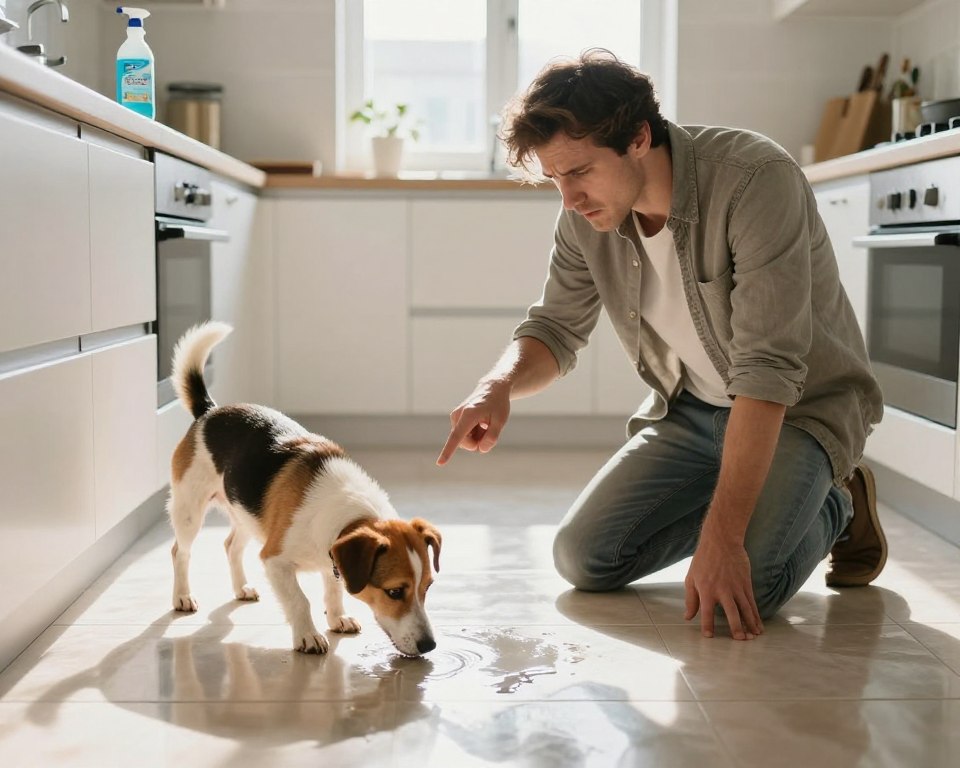
When you mop your floors, you might be leaving behind more than just a fresh scent. Many common cleaning products that could affect pets’ leave behind invisible chemical films. These films linger long after the surface appears dry. These household cleaning risks are often overlooked by busy homeowners.
How Residue Accumulates on Surfaces
Most floor cleaners are designed to break down grease and grime, but they do not always evaporate completely. When you use a mop and bucket, a thin layer of surfactants and synthetic agents often remains on the floorboards or tiles. Over time, this residue can build up, if you don’t rinse the floor with plain water after the initial cleaning.
This persistent film acts like a magnet for dust and allergens. It also keeps concentrated chemicals in direct contact with your home environment. If you fail to account for these household cleaning risks, your floors can become a source of chronic, low-level exposure for your animals.
The Vulnerability of Canine Paws and Tongues
Dogs interact with their world mainly through their paws and mouths. This makes them uniquely susceptible to chemical irritants. Their paw pads are highly absorbent, allowing chemicals to penetrate the skin barrier more easily than in humans.
When a dog walks across a freshly cleaned floor, they pick up these residues. They later ingest them while grooming themselves. A dog’s tongue is extremely sensitive to harsh substances. Even trace amounts of cleaning agents can cause oral irritation or gastrointestinal distress.
Recognizing these floor cleaning dangers for pets is the first step in creating a safer home. By being mindful of the products you choose, you can effectively mitigate these floor cleaning dangers for pets. This ensures your companion stays healthy and happy.
Can Dogs Get Sick From Licking Floors After Cleaning?
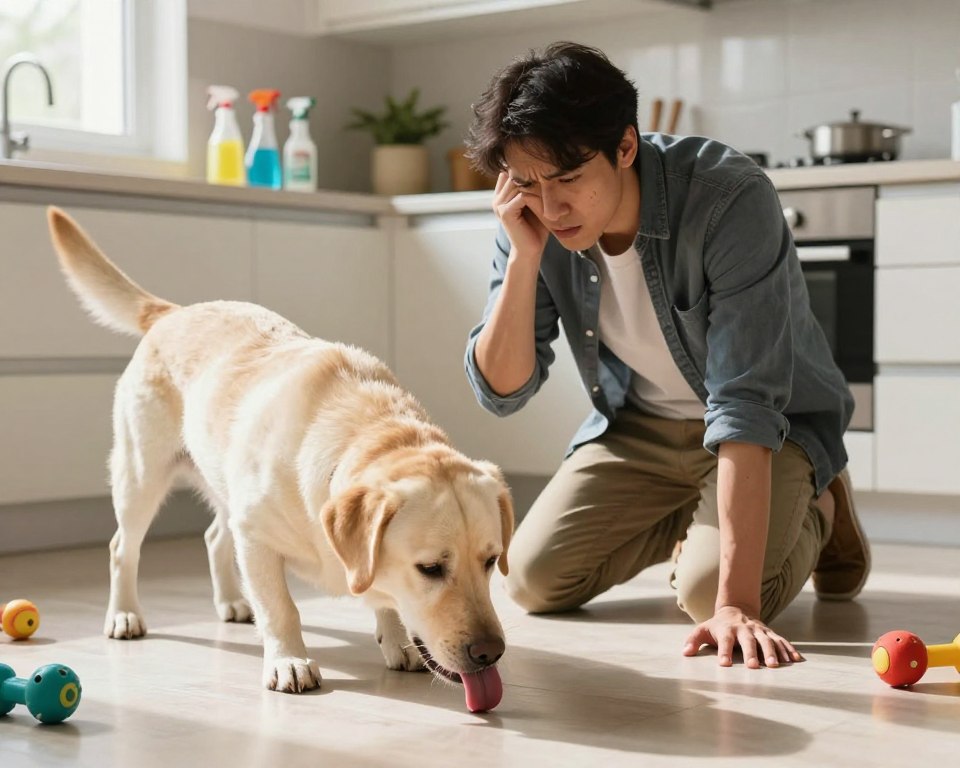
If you’ve seen your dog licking a freshly mopped floor, you might worry about their health. Many pet owners wonder, Can Dogs Get Sick From Licking Floors After Cleaning? The answer depends on the cleaning solution’s ingredients.
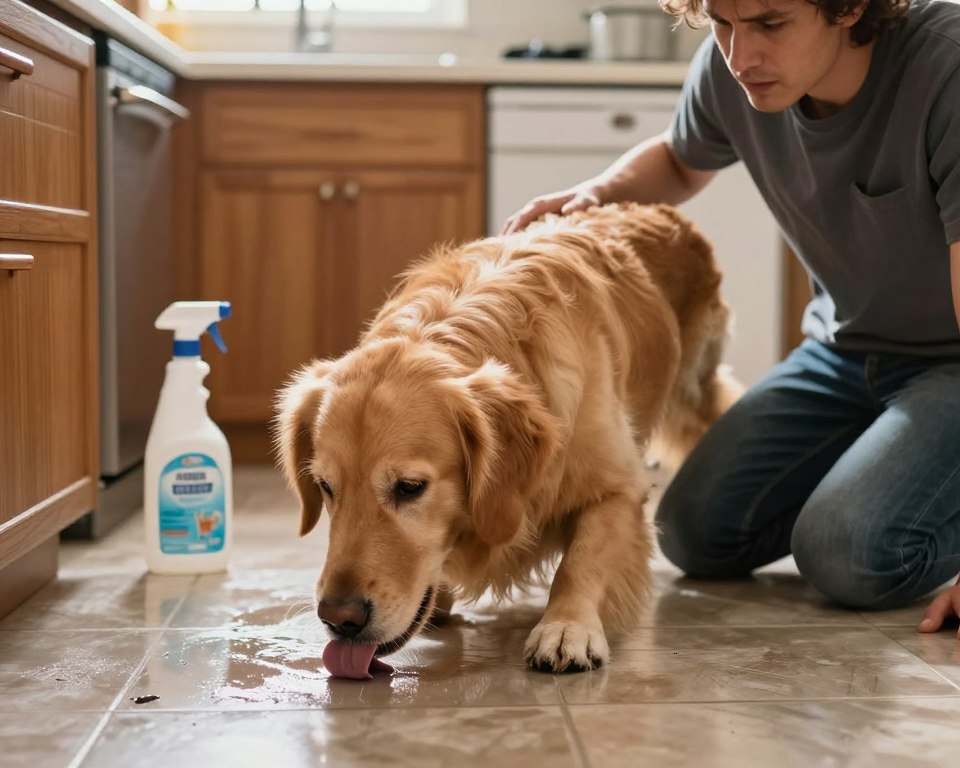
Some cleaning products are gentle, while others have harsh chemicals. For example, people often check if Fabuloso is toxic to dogs before cleaning. Knowing this helps keep your pet safe.
Acute Toxicity vs. Chronic Exposure
It’s crucial to know the difference between acute and chronic toxicity. Acute toxicity is a quick reaction after a dog eats a lot of cleaning agent. Symptoms can include vomiting, drooling, or feeling very tired.
Chronic exposure happens when a dog keeps licking small amounts of residue over time. This might not show symptoms right away but can harm your dog’s organs like the liver or kidneys over time.
Factors Influencing the Severity of the Reaction
Every dog reacts differently to chemicals. Several factors affect how a dog will react:
- Body Weight: Smaller dogs are more likely to get sick because they can’t handle chemicals as well.
- Chemical Concentration: How strong the cleaning product is matters a lot.
- Amount Ingested: A single lick is usually safer than drinking a lot of cleaning solution.
- Health Status: Dogs with health problems might react worse than healthy, younger dogs.
Even if your dog seems okay, watch for any changes. If you think they’ve eaten something bad, call your vet right away to keep them safe.
Common Household Cleaning Agents and Their Toxicity
Knowing what’s in your floor cleaners is key to keeping your dog safe. Many pet owners don’t realize that common cleaning supplies can be dangerous. Learning about household cleaning products is the first step to avoid accidents.
Dangers of Ammonia and Bleach-Based Cleaners
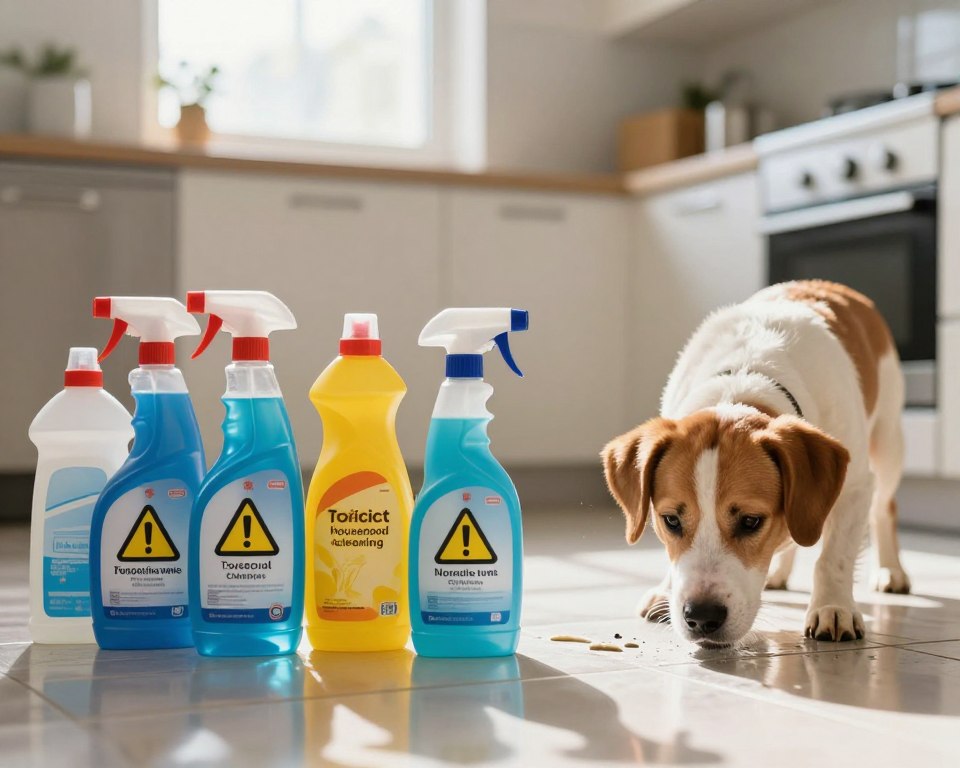
Ammonia and bleach are common in homes but pose big Household Cleaning Risks. They can burn a dog’s mouth, throat, and stomach if licked from a wet floor.
These chemicals can also release harmful fumes that affect your pet’s breathing. Even small amounts can be toxic if your dog keeps licking the floor.
Risks Associated with Quaternary Ammonium Compounds
Quaternary ammonium compounds, or “quats,” are in many disinfectants. They kill bacteria well but can harm a dog’s skin and stomach.
- They can burn a dog’s paw pads.
- They make dogs drool and vomit a lot.
- Long-term use can harm a dog’s health.
Phthalates and Synthetic Fragrances in Floor Soaps
Many floor soaps use synthetic fragrances for a fresh smell. These fragrances often have phthalates, which can harm pets. Phthalates can mess with a pet’s hormones.
Dogs smell things much stronger than humans. Using natural products can reduce these Household Cleaning Risks. It keeps your home safe for your pet.
Recognizing Symptoms of Chemical Poisoning in Dogs
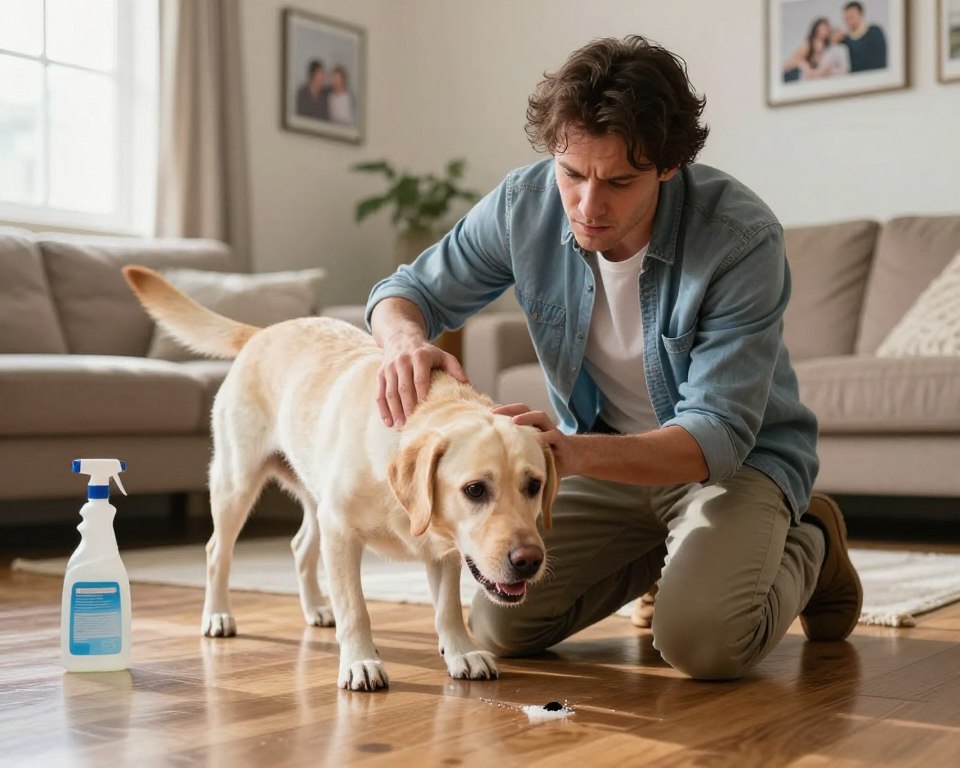
After cleaning your floors, your home might look perfect. But it could still be dangerous for your dog. Knowing the early signs of chemical exposure can save your dog’s life. It’s crucial to watch out for Dog Health Concerns to be a good pet owner.
Gastrointestinal Distress and Vomiting
Your dog’s stomach might react first to toxic residue. You might see them vomiting or having diarrhea after walking on a clean floor. They might also look hunched or restless due to stomach pain.
Neurological Signs and Behavioral Changes
Chemicals can harm your dog’s nervous system, leading to serious symptoms. If your dog seems very tired or confused, act fast. In bad cases, they might shake or have seizures, needing emergency vet care.
Dermal Irritation and Oral Burns
Harsh cleaners can hurt your dog’s skin and mouth right away. You might see them rubbing their mouth or drooling a lot, showing oral burns. Check their paws and skin for redness or swelling, signs of harm from a harmful substance.
Immediate Steps to Take if Your Dog Licks Cleaned Floors
Accidents can happen, and knowing how to react is key for your dog’s safety. Staying calm is crucial, as your pet will likely reflect your mood. Having a plan helps prevent pet illness and ensures your dog gets the care they need.
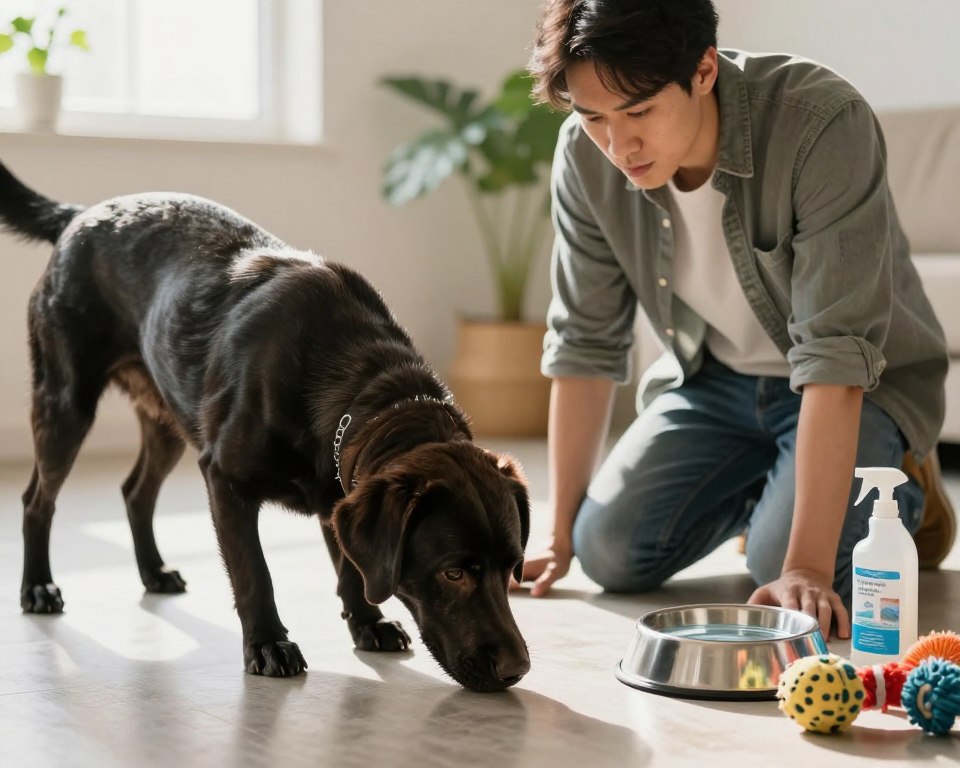
Assessing the Situation and Identifying the Product
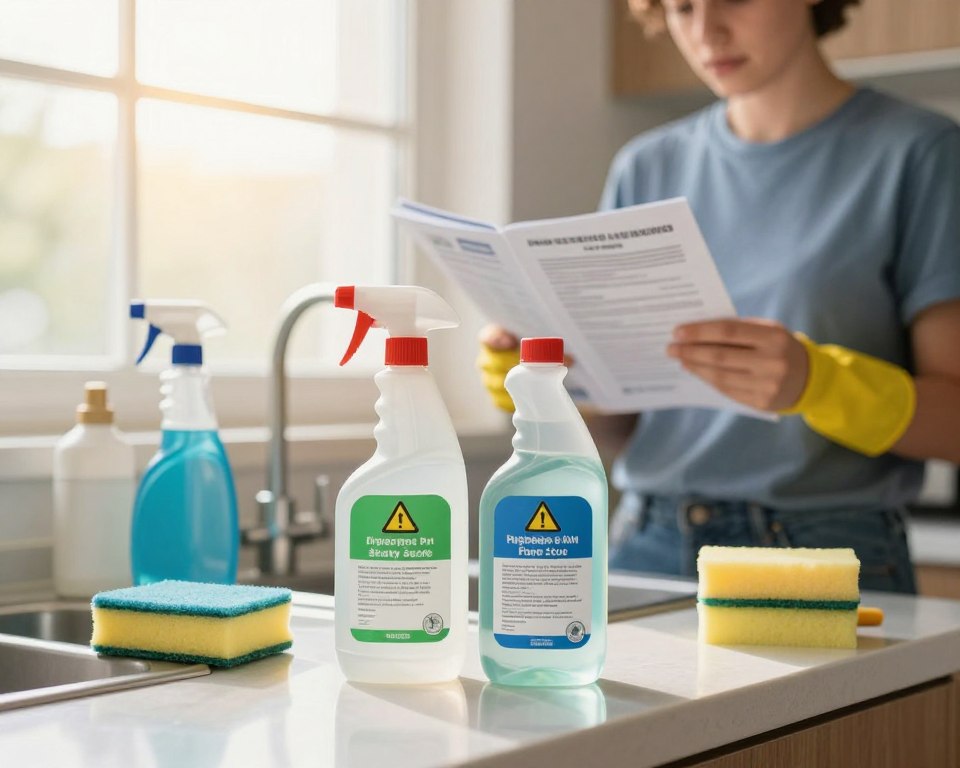
When you see your dog licking the floor, quickly find out what product was used. Look at the bottle for ingredients or warnings about pet safety. If the bottle is gone, search for the brand and type of cleaner, like a degreaser or disinfectant.
Take a quick photo of the product label if you need to call a professional. This helps experts understand the level of danger. Quick identification is vital in preventing pet illness after an accident.
Safe Decontamination Procedures at Home
If your dog seems fine, you can clean them at home. Gently wipe their mouth with a damp cloth to remove chemicals. Then, give them a small amount of fresh water to help flush their mouth and dilute any swallowed chemicals.
Don’t make your pet vomit unless a vet tells you to. Forcing vomiting can sometimes harm more than the chemical. Watch your pet closely for a few hours to make sure they’re okay.
When to Contact Poison Control
If you’re not sure about the cleaner’s safety, don’t wait for symptoms. Call the Pet Poison Helpline at 855-764-7661 for expert advice. They can guide you based on the product and your dog’s size.
Save this number in your phone to be proactive in preventing pet illness. When you call, have the product name, amount ingested, and your dog’s weight ready. This ensures you get the best advice in an emergency.
| Action Step | Priority Level | Goal |
|---|---|---|
| Identify Product | High | Determine Toxicity |
| Wipe Mouth | Medium | Remove Residue |
| Call Helpline | Critical | Professional Advice |
| Monitor Pet | High | Observe Changes |
How Different Flooring Materials Affect Chemical Absorption
Knowing how floors react to cleaners is key for keeping your pet clean. The type of floor you have decides if a cleaner just sits there or soaks in.
When you clean, the floor type affects how much dirt stays behind. Knowing this helps you clean in a way that keeps your pet safe and healthy.
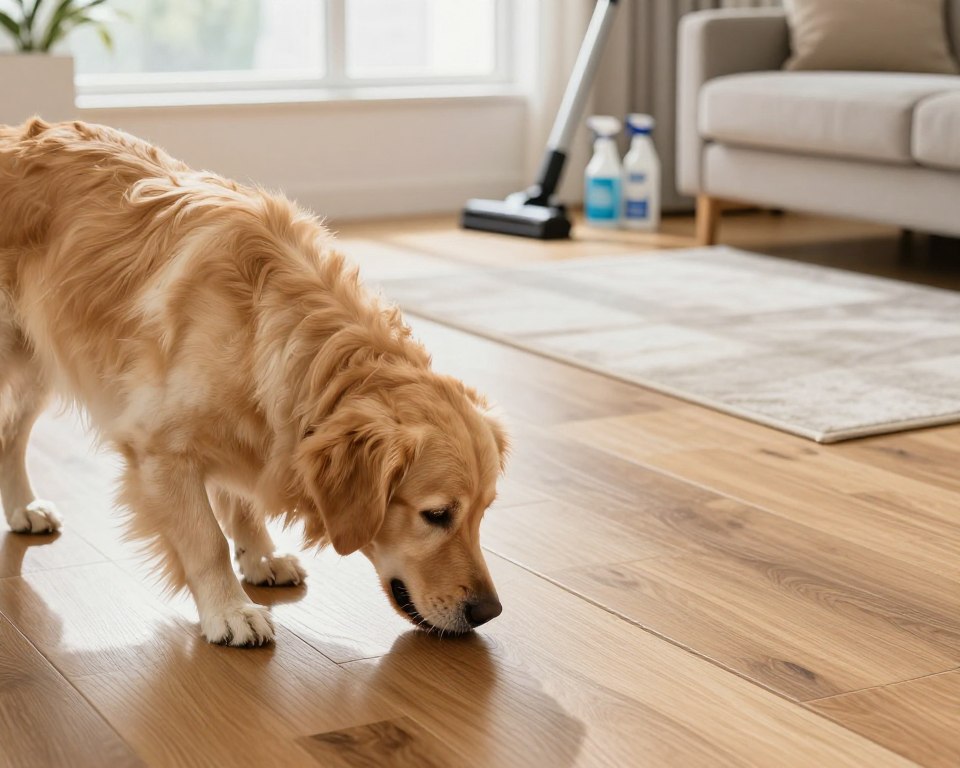
Porous Surfaces Like Hardwood and Natural Stone
Hardwood, marble, and slate are spongy. They soak up cleaners deep into their tiny holes.
These floors hold onto moisture, making them hard to rinse. Even when they seem dry, chemicals can still be trapped inside. This poses a hidden danger for pets who lie on or lick these areas.
Non-Porous Surfaces Like Tile and Vinyl
On the other hand, floors like ceramic tile, porcelain, and vinyl plank are safer for pets. These floors don’t soak up liquids, so cleaners stay on the surface.
These floors are easier to clean because they don’t absorb chemicals. But, make sure to remove all water and soap to keep your pet’s area clean.
The Role of Grout in Trapping Residue
Tile itself is not absorbent, but the grout between them is. Grout collects dirty water and cleaners when you mop.
Grout can become a trap for cleaning agents if not handled right. To keep your pet safe, follow these tips:
- Use minimal water when mopping to prevent excess liquid from pooling in grout lines.
- Wipe grout lines dry with a clean cloth after mopping to remove trapped residue.
- Avoid harsh chemicals that can degrade the integrity of the grout over time.
The Importance of Proper Dilution and Rinsing
Keeping your floors clean is key to keeping your dog safe. Many people focus on how well a cleaner works. But, it’s also important to watch the chemical levels.
By adding a few simple steps to your cleaning routine, you can make your home safer for your pets. Measuring correctly and rinsing well are crucial. These actions can make a big difference.
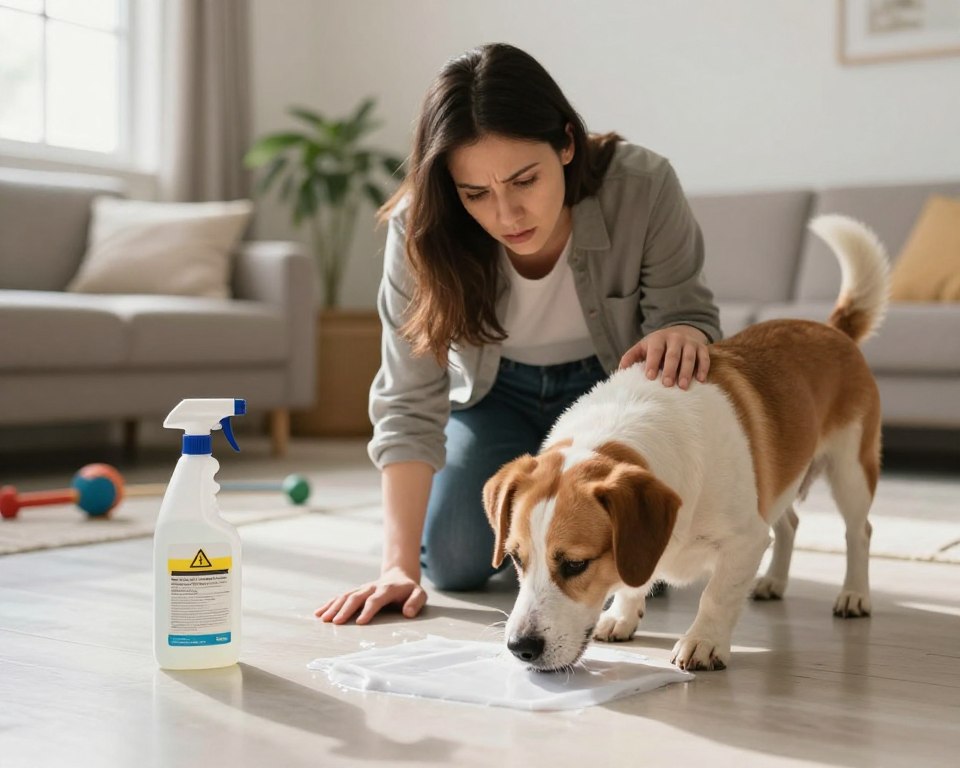
Following Manufacturer Guidelines for Safety
It might seem like adding more soap makes your floors cleaner. But, this is a mistake. The makers of cleaners have set the right amounts for safety and effectiveness.
Using too much cleaner leaves a sticky film that’s hard to clean. Always read the label to know which cleaners are safe for dogs. Follow the recommended amounts exactly.
The Benefits of a Secondary Water-Only Rinse
Even if you follow the instructions, some chemicals might still be left behind. A rinse with clean water is a great way to get rid of these chemicals.
This extra rinse does a lot:
- It removes soap film that holds dirt and bacteria.
- It helps avoid irritation on your dog’s sensitive paws.
- It lowers the chance of your dog licking harmful chemicals.
Adding this rinse can greatly reduce the risks of Floor Cleaning Dangers for Pets in your home.
Ensuring Floors Are Completely Dry Before Pet Access
The last step is patience. Letting your floors dry completely before letting your pets back in is crucial for their health.
Wet floors can pick up chemicals, which can then stick to your dog’s paws and fur. Once the floor is dry, the chance of your dog getting sick from licking it is drastically reduced. If you’re in a rush, use fans or open windows to dry the floor faster.
Pet-Safe Cleaning Alternatives for Your Home
Keeping your pets healthy starts with the cleaning products you use. Many cleaners have harsh chemicals that can harm pets. Choosing Pet Safe Cleaning Products reduces the risk of harm to your pets.
Using Vinegar and Baking Soda Solutions
Household items like vinegar and baking soda are great for cleaning. Vinegar and water mix well to remove dirt without toxins. Baking soda can lift stains and get rid of bad smells.
For a fresher home, try a rug deodorizer powder safe for pets. These DIY solutions are cheap and safe for pets.
Plant-Based and Non-Toxic Commercial Cleaners
Store-bought cleaners can be safe too. Look for Pet Safe Cleaning Products made from plants. Make sure they don’t have harmful chemicals.
Transparency is key when buying these products. Choose brands that list all ingredients. This keeps your floors clean and your pets safe.
Steam Cleaning as a Chemical-Free Option
Steam cleaning is a top choice for pet owners. It uses hot water vapor to kill germs and remove dirt. It’s safe and leaves no residue.
| Cleaning Method | Effectiveness | Chemical Level | Pet Safety |
|---|---|---|---|
| Vinegar & Water | High | None | Excellent |
| Plant-Based Soap | High | Low | Very Good |
| Steam Cleaning | Superior | Zero | Best |
Using these Pet Safe Cleaning Products makes your home safer. Avoiding harsh chemicals keeps your pets safe and your home clean.
Best Practices for Cleaning Floors With Pets in the House
Keeping your home clean and your pets safe is a challenge. But with a little planning, you can do both. Focus on preventing pet illness and still have a clean home.
Isolating Pets During the Cleaning Process
Keeping pets away from cleaning areas is key. Always move them to a different room or outside until the floors are dry.
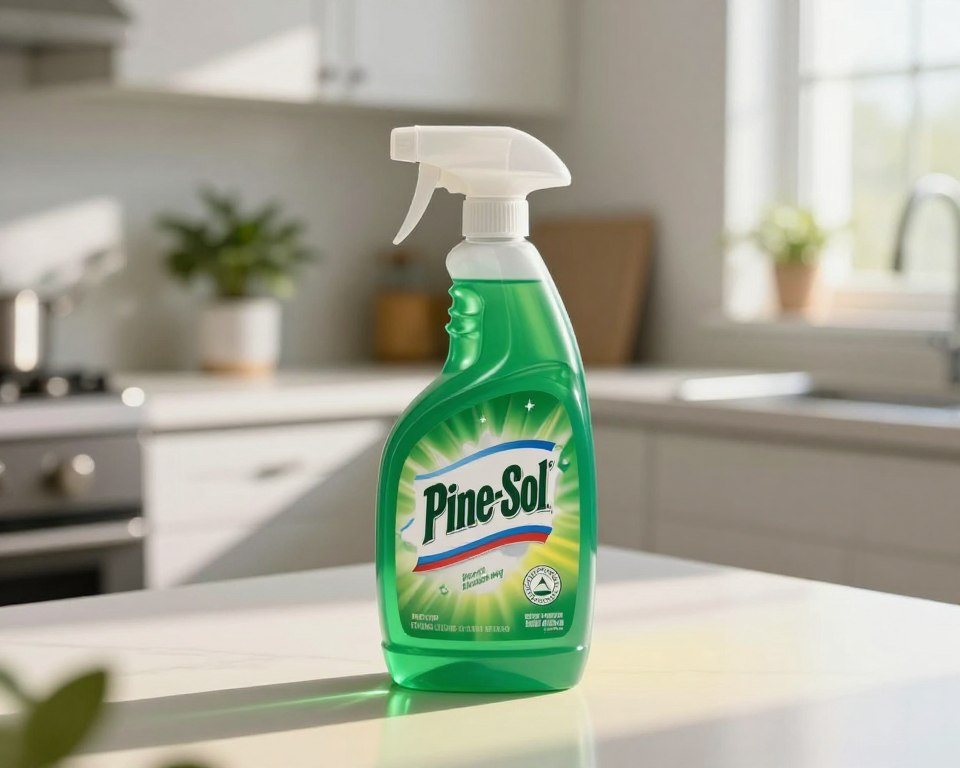
This keeps them safe from wet residue and cleaning chemicals. If you’re worried about what’s in your cleaning products, like Pine-Sol, it’s best to keep them away.
Utilizing Fans to Accelerate Drying Times
Moisture attracts pets. Use fans to dry floors faster. Ceiling or portable fans help speed up evaporation.
Quick drying means less chance for pets to get into cleaning agents. Proper ventilation is crucial for a safe home.
Strategic Cleaning Schedules
Plan cleaning around your pet’s schedule. Clean when they’re sleeping or outside. This keeps them safe and your home clean.
Choosing Pet Safe Cleaning Products reduces risks. Regular, well-timed cleaning keeps your home beautiful and your pets healthy.
When to Consult a Veterinarian
Keeping your Pet Health top priority means knowing when to seek vet help. Some home incidents are minor, but others are medical emergencies. It’s key for pet owners to know when to act fast.
Identifying Emergency Warning Signs
If your dog vomits a lot, has a swollen belly, or trouble breathing, it’s an emergency. These signs often mean they’ve eaten something toxic. Watch for too much drooling, seizures, or acting very tired, as these are serious Dog Health Concerns needing quick vet care.
Don’t wait if your dog shows severe symptoms. Time is crucial for treatment. If unsure about a product’s safety, like Lysol’s effect on dogs, call your vet for advice.
Preparing Information for Your Vet
When you get to the vet, having the right info is key. Bring the cleaning product’s original container if you can. The ingredient list is important for treatment. If you can’t bring it, take a photo of the label.
- Note the exact time the exposure occurred.
- Estimate the amount of product your dog may have ingested or touched.
- List any specific symptoms you observed immediately after the incident.
Diagnostic Procedures for Chemical Ingestion
Vets have specific steps for poisoning cases. They’ll check your dog’s heart, breathing, and brain function. Blood tests or scans might be needed to check organs.
These steps help the vet decide the best treatment. This could be making your dog vomit, giving activated charcoal, or just supporting them. By staying calm and giving the right info, you help your Pet Health and address these Dog Health Concerns well.
Long-Term Health Implications of Chemical Exposure
Many pet owners focus on the immediate safety of their floors. But, the long-term health effects of chemical exposure are just as important. A single incident might cause acute distress, but chronic, low-level contact with common household products can create hidden risks for your dog. Understanding these dangers is a vital step in protecting your furry friend’s well-being over the years.
Impact on Liver and Kidney Function
The liver and kidneys act as the primary filtration systems for your dog’s body. When a pet repeatedly absorbs or ingests trace amounts of harsh cleaners, these vital organs must work overtime to process the toxins. Over time, this constant strain can lead to diminished function or even permanent damage.
It is important to recognize that Cleaning Chemicals Toxicity often manifests slowly. You might not notice symptoms immediately, but the cumulative stress on these organs can eventually lead to significant health challenges. Prioritizing safer, non-toxic alternatives helps ensure these organs remain healthy throughout your dog’s life.
Respiratory Sensitivities and Allergies
Beyond internal organ health, your dog’s respiratory system is highly sensitive to airborne particles and chemical residues. Frequent use of strong, synthetic fragrances or ammonia-based cleaners can trigger chronic inflammation in the nasal passages and lungs. This often results in persistent sneezing, coughing, or the development of seasonal-like allergies that never seem to go away.
If your dog frequently licks or walks on floors treated with these substances, they are also inhaling the vapors directly. This direct contact can exacerbate existing sensitivities, making your home environment less comfortable for them. Switching to mild, plant-based cleaners can significantly reduce these respiratory irritants.
Cumulative Effects of Low-Level Exposure
The most dangerous aspect of Cleaning Chemicals Toxicity is its subtle, cumulative nature. Small amounts of residue may seem harmless in the short term, but they build up in your pet’s system over months and years. This preventative approach to home maintenance is essential for long-term vitality.
By choosing to minimize the use of harsh agents, you are investing in your pet’s future health. Being mindful of what touches your floors today prevents the buildup of toxins that could cause serious issues later. Consistency is key when it comes to maintaining a truly safe living space for your beloved companion.
Creating a Pet-Friendly Cleaning Schedule
Effective Canine Hygiene starts with a schedule that puts your pet’s health first. Many owners find a structured plan helps manage chores safely. This way, floors are safe before your pet returns.
Balancing Hygiene Needs with Pet Safety
It’s key to balance a clean home with a safe space for pets. Clean when your dog is outside or resting. This prevents accidents and reduces chemical risks.
Consistency is the key to high Canine Hygiene standards. A predictable routine helps your pet feel secure. Always choose non-toxic products to keep your dog safe.
“A clean home is a happy home, but a safe home is a healthy one. Always prioritize your pet’s well-being when selecting your cleaning supplies and methods.”
Routine Maintenance to Reduce Chemical Use
You don’t need harsh chemicals for clean floors. Regular vacuuming or dry mopping works well. Daily cleaning keeps floors safe and clean.
Here’s a table to help organize your cleaning:
| Task Type | Frequency | Chemical Level | Pet Safety Impact |
|---|---|---|---|
| Dry Vacuuming | Daily | None | High |
| Spot Cleaning | As Needed | Low | Moderate |
| Deep Scrubbing | Monthly | High | Low |
Monitoring Your Pet for Subtle Changes
Watching your dog’s behavior after cleaning is crucial. Changes like excessive licking or loss of appetite can mean something’s wrong. Catching these early is key to your pet’s health.
If your dog seems off, check your cleaning habits. Keeping a log of products used can help your vet quickly find the cause. Being proactive keeps your home safe for your pet.
Conclusion
Keeping your home clean is important for pet owners. You might ask, can dogs get sick from licking floors after cleaning? It depends on the cleaning products and household habits.
Making small changes can help a lot. Using plant-based cleaners from brands like Seventh Generation or Method is safer. Also, make sure to dilute cleaners and let floors dry before letting your dog play.
Watch your dog closely after mopping. If they seem tired or have stomach problems, call your vet right away. Quick action is key to helping your pet.
Creating a safe space for your dog is your goal. Knowing about the risks of cleaning products helps you keep your home safe. Keep your floors clean and your dog happy with careful attention.
FAQ
How long should I wait after mopping before letting my dog on the floor?
Wait until the floor is completely dry to the touch. Depending on humidity and ventilation, this usually takes 15 to 30 minutes. Using a fan can speed up this process to ensure Pet Health.
Are Swiffer WetJet pads safe for dogs?
While Swiffer has stated their products are safe when used as directed, the solution contains chemicals that can cause mild irritation if licked while wet. It is best to keep pets away until the surface is dry.
Is white vinegar really effective for cleaning floors?
Yes! Heinz White Vinegar is an excellent natural disinfectant for most hard surfaces. It is one of the most recommended Pet Safe Cleaning Products because it breaks down odors and grime without toxic residue.
What are the signs of “Quat” poisoning in dogs?
Quaternary Ammonium Compounds can cause drooling, fever, and painful ulcers on the tongue or in the mouth. If you use Lysol and see these signs, contact a vet immediately regarding Cleaning Chemicals Toxicity.
Can I use essential oils to scent my floor cleaner?
Be cautious. Many essential oils, such as tea tree, peppermint, and citrus, can be toxic to dogs if ingested or absorbed through the skin. Stick to pet-safe options or skip the scents to avoid Dog Health Concerns.
What should I do if my dog licks a floor cleaned with bleach?
Immediately offer your dog water or milk to dilute the chemical, and check for oral burns. Contact the Pet Poison Helpline or your veterinarian immediately to manage potential Floor Cleaning Dangers for Pets.
Are steam mops better for homes with pets?
Absolutely. A Bissell or Shark steam mop uses only water to kill 99.9% of bacteria, making it the ultimate tool for Preventing Pet Illness while maintaining a high standard of Canine Hygiene.