Did you know over 80% of American homeowners keep baking soda and vinegar under their kitchen sink? Many enjoy the fizzing reaction. But, few know this mix might be less effective than using each alone.
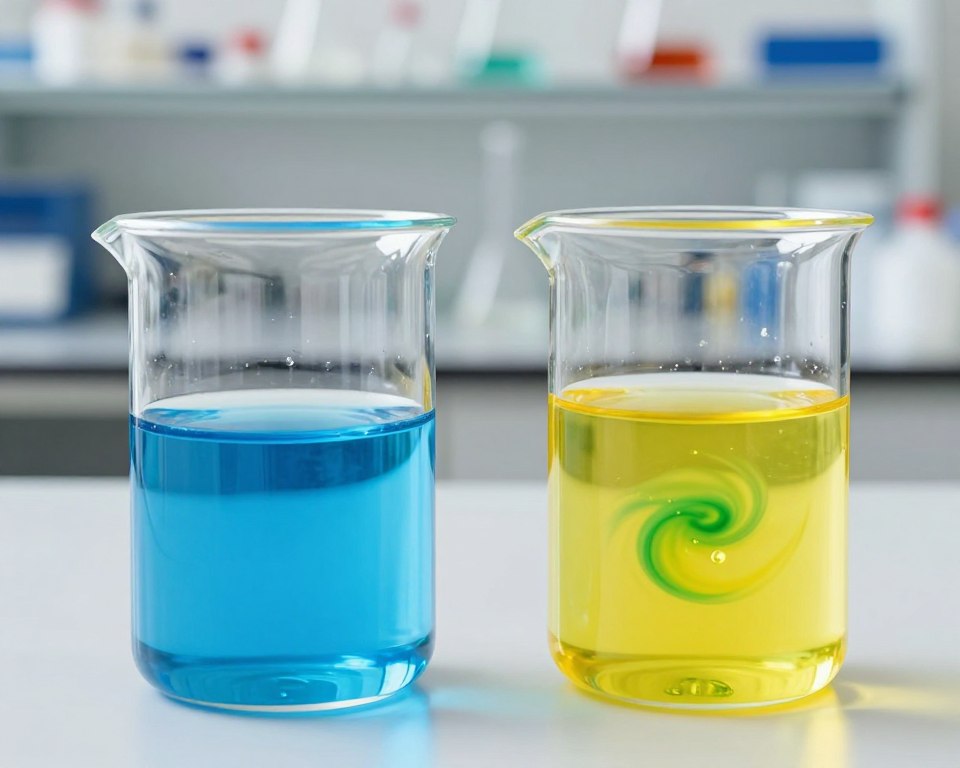
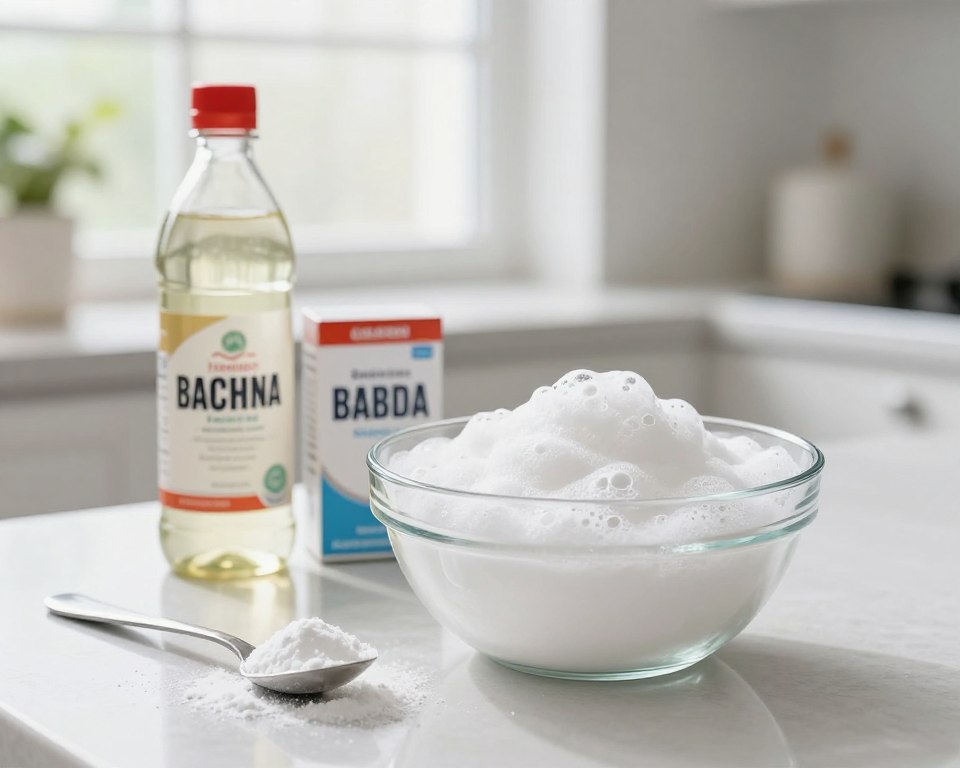
When you mix these, an acid-base reaction happens right away. This reaction creates carbon dioxide gas, causing the bubbles. But after the fizzing stops, you’re left with mostly water and a bit of salt.
Understanding the chemistry behind your chores can lead to better results. We’ll look into whether mixing these is a helpful trick or a myth. Our guide will give you the facts to keep your home sparkling with proven methods.
Key Takeaways
- The fizzing reaction is mostly just carbon dioxide gas escaping.
- Combining these items often neutralizes their individual cleaning power.
- Using them separately allows each to work at its optimal pH level.
- Many DIY enthusiasts rely on this mixture despite limited scientific evidence.
- Effective home maintenance requires choosing the right tool for the specific task.
The Chemistry Behind the Fizz
Ever wondered why mixing certain cleaners turns your kitchen into a science lab? Many use baking soda and vinegar cleaning to tackle tough messes. It’s exciting to watch, but knowing the science behind it helps get better results.
Understanding Acid-Base Reactions
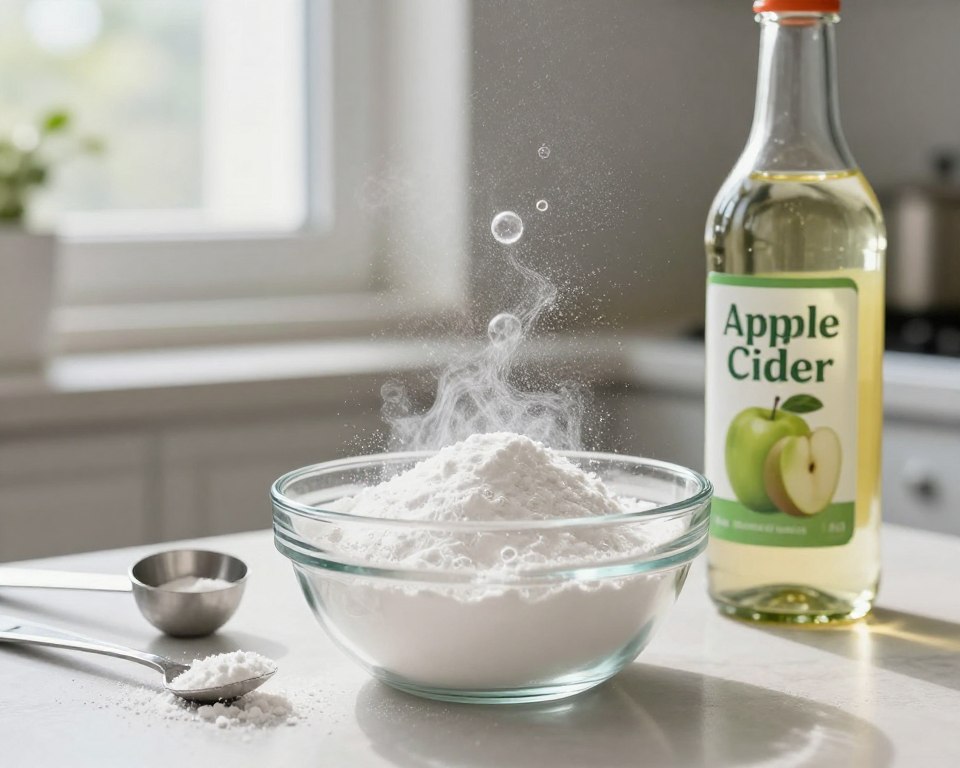
This reaction is a classic acid-base interaction. Vinegar, a dilute acetic acid solution, has a pH of about 2.4. It’s great for dissolving mineral deposits and soap scum. You can check if white vinegar is safe for cleaning your surfaces.
Baking soda, or sodium bicarbonate, is the base. When acid and base meet, they neutralize each other. This is key to chemistry and why they react quickly.
What Happens When You Combine Sodium Bicarbonate and Acetic Acid
When these ingredients mix, they undergo a chemical change. The acetic acid reacts with sodium bicarbonate to form water, sodium acetate, and carbon dioxide gas. This neutralization process makes both ingredients less potent.
The resulting mixture is a salt solution. It may look like a powerful foam, but it’s actually less effective than using each ingredient alone. Using this combo for baking soda and vinegar cleaning often results in weaker cleaning.
The Role of Carbon Dioxide Gas
The fizzing you see is carbon dioxide gas being released. This gas forms bubbles, creating the foam many associate with deep cleaning. But, this fizzing doesn’t provide scrubbing power.
After the bubbling stops, the reaction is over. You’re left with a neutral liquid that lacks vinegar’s acidity or baking soda’s abrasive quality. Knowing this helps improve your baking soda and vinegar cleaning routine.
Is It Safe to Mix Baking Soda and Vinegar for Household Cleaning?
Many people wonder if mixing baking soda and vinegar is safe for cleaning. The answer is yes, but it’s more complex than many DIY blogs say.
Analyzing the Safety Profile of the Mixture
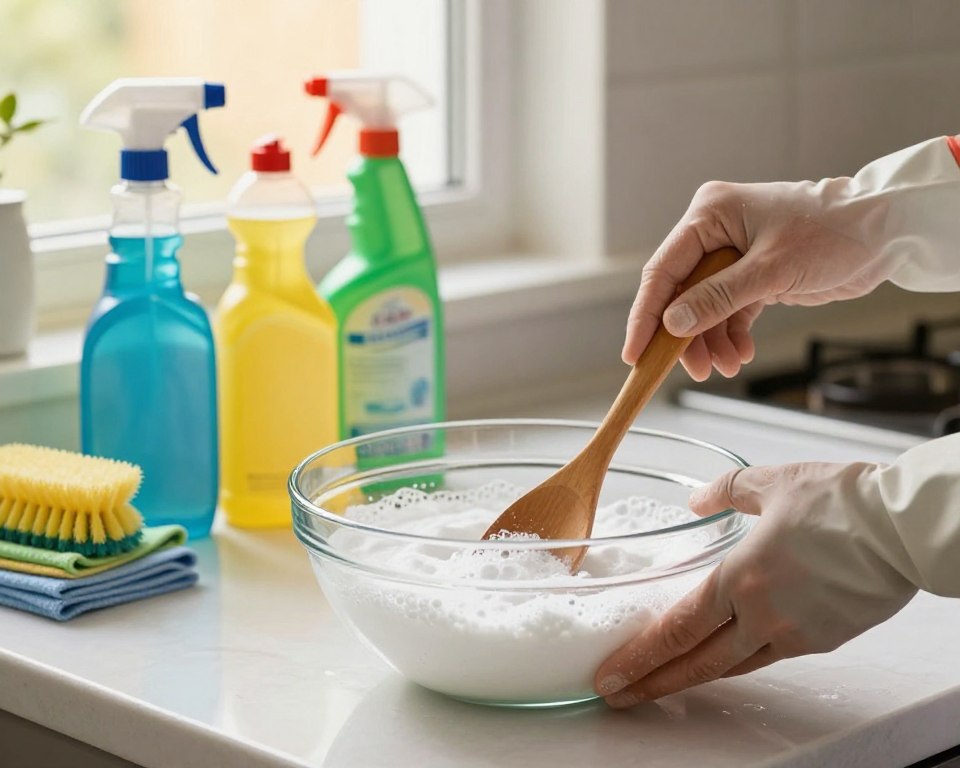
Mixing baking soda and vinegar creates a mild reaction. This makes a baking soda vinegar cleaning solution that’s safe to touch. You won’t face dangerous chemical burns or toxic fumes.
“Natural ingredients are often safer for the home environment, but they must be used with an understanding of their chemical properties to be truly effective.”
Why the Mixture Is Generally Non-Toxic
Using safe household cleaning with baking soda and vinegar is common. Both are food-grade and don’t release harmful fumes. This makes them great for families with pets or small children who avoid harsh chemicals.
- Non-toxic to humans and pets.
- No harsh chemical odors or fumes.
- Readily available and affordable.
Understanding the Limitations of the Resulting Solution
The mixture is safe, but it’s not a super-powered cleaner. Once the fizzing stops, the reaction neutralizes the ingredients. You’re left with salty water.
This liquid isn’t as effective as the individual ingredients. It can’t handle tough grease or grime. Knowing this helps you choose better cleaning options for your home.
Debunking Common Baking Soda and Vinegar Cleaning Myths
Natural cleaners are very popular today. But, there are vinegar and baking soda cleaning myths that need to be looked at closely. Many think these natural ingredients can solve all cleaning problems. But, it’s important to know how they work for effective cleaning.
The Myth of the Super-Cleaner Solution
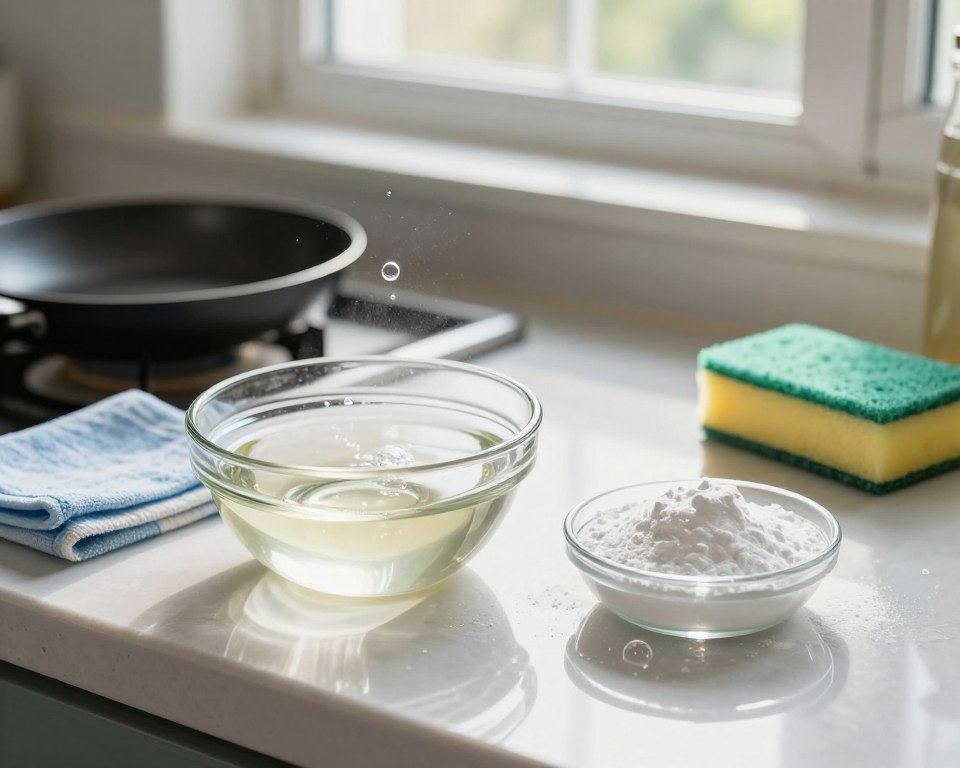
Many believe mixing vinegar and baking soda makes a super-cleaner for any stain. But, this mix actually cancels out the good stuff in both. You can find out more about these house cleaning myths to use the right cleaners.
Why the Fizzing Does Not Increase Cleaning Power
Homeowners often think the fizzing action lifts dirt. But, it’s just the acid and base reacting, releasing gas. After the fizzing, the solution’s cleaning power drops a lot.
Addressing Misconceptions About Disinfection
Some think this mix is a strong disinfectant. But, it doesn’t kill germs well. Using it for cleaning can leave your home open to germs.
| Myth | Scientific Reality | Cleaning Impact |
|---|---|---|
| Fizzing equals cleaning | Gas release only | None |
| Universal disinfectant | No antimicrobial effect | Low |
| Stronger when mixed | Neutralized solution | Reduced |
The Science of Neutralization and Why It Matters
Mixing baking soda and vinegar starts a chemical reaction. This reaction changes both ingredients. The bubbling is fun, but it means the mixture becomes milder. Knowing this helps you use your baking soda vinegar cleaning solution better at home.
What Happens After the Reaction Stops
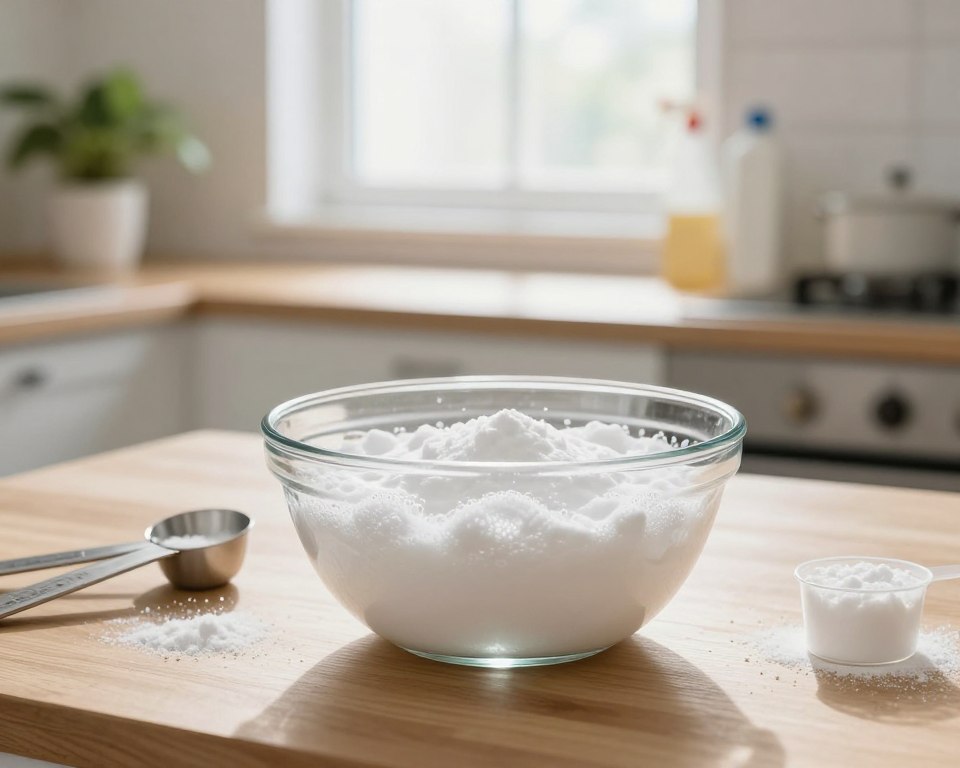
The fizzing is carbon dioxide gas being released quickly. Once it stops, the reaction balances out. At this point, the vinegar and baking soda cancel each other out.
After the fizzing stops, you’re left with a water-like liquid and a dissolved salt. This neutralized state is why the mixture loses its strong cleaning power.
The Resulting Sodium Acetate Solution
The reaction makes sodium acetate, a type of salt dissolved in water. Sodium acetate has industrial uses but not the same cleaning power as the original ingredients.
The mixture’s chemical structure changes, making it less effective as a cleaner. It’s now a diluted, pH-neutral liquid. Using it for tough grime can be frustrating because the active cleaners are gone.
Why Neutralized Solutions Have Less Cleaning Efficacy
Using a baking soda vinegar cleaning solution after it stops fizzing is not effective. Vinegar cuts through mineral deposits, and baking soda scrubs. When mixed, you lose these benefits.
The table below shows why it’s better to use these ingredients separately:
| Ingredient | Primary Property | Best Use |
|---|---|---|
| Vinegar | Acidic | Descaling and degreasing |
| Baking Soda | Alkaline | Abrasive scrubbing |
| Combined Mixture | Neutral | Limited cleaning utility |
Keeping these ingredients separate ensures they work best. Efficiency in cleaning comes from using the right tool for the job.
Benefits of Using Baking Soda and Vinegar for Cleaning
Using baking soda and vinegar for cleaning is a smart choice. It saves money and is better for your health. These simple ingredients are a great alternative to harsh chemicals found in most cleaners.
Cost-Effectiveness of Natural Ingredients
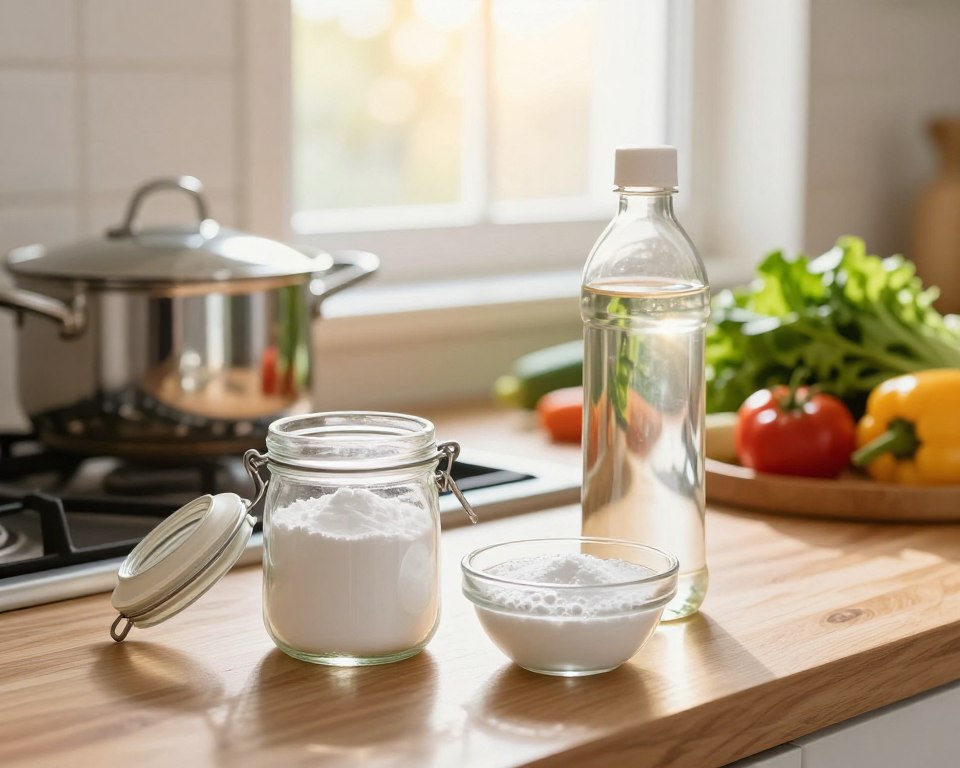
One big benefit of using baking soda and vinegar for cleaning is saving money. Commercial cleaners are expensive because of their packaging and chemicals. But, buying these items in bulk can clean your whole house for just a few cents.
Reducing Exposure to Harsh Chemicals
Many cleaners have harmful chemicals that can hurt your lungs. Switching to natural cleaners like baking soda and vinegar reduces this risk. This is crucial for families with pets, young kids, or people who are sensitive to chemicals.
Versatility in Household Applications
Baking soda and vinegar are incredibly versatile. They can clean everything from bathtubs to carpets. You don’t need a lot of different cleaners anymore. Just these two items can do most of your cleaning tasks.
| Feature | Natural Ingredients | Commercial Cleaners |
|---|---|---|
| Cost | Very Low | High |
| Chemical Content | Non-Toxic | Often Synthetic |
| Storage Space | Minimal | Extensive |
| Environmental Impact | Biodegradable | Variable |
Potential Dangers and Safety Precautions
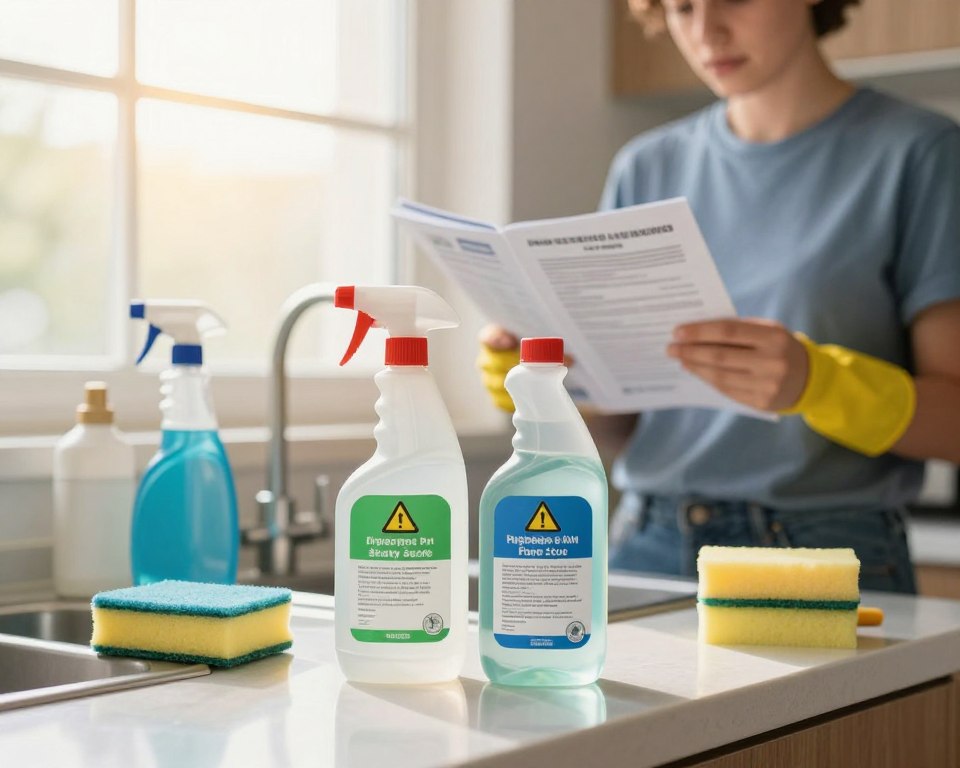
Even natural cleaning agents need careful handling to keep your home safe. To ensure safe household cleaning with baking soda and vinegar, understand their chemical properties. These common items can still cause accidents if not handled properly.
Handling Concentrated Vinegar Safely
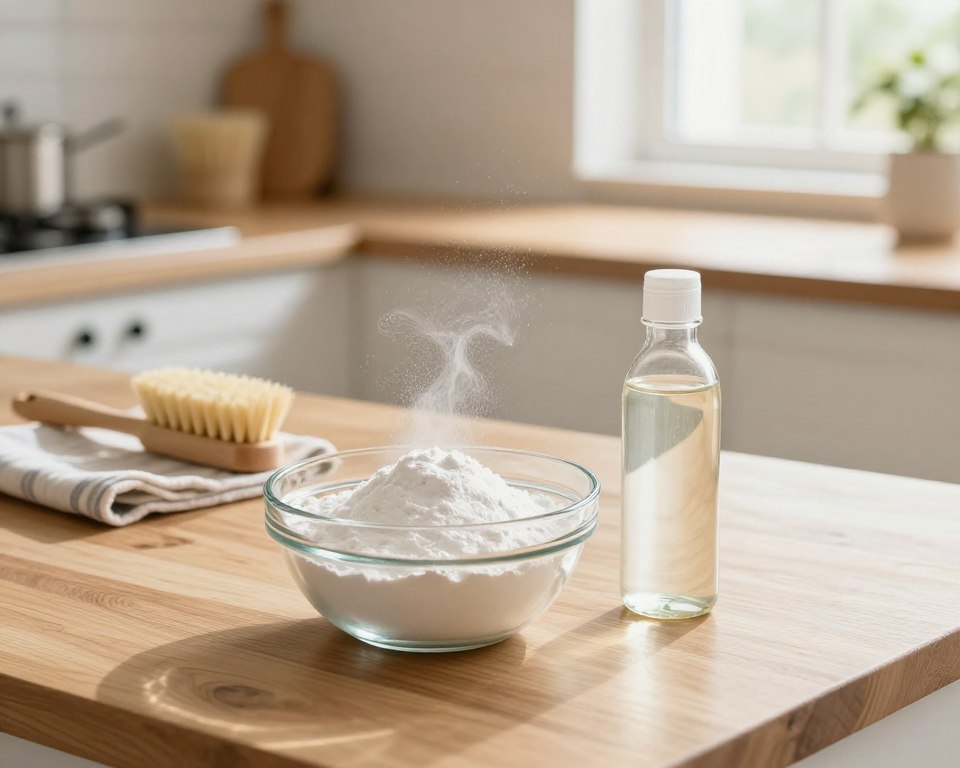
Vinegar is a diluted form of acetic acid. It’s great for cleaning, but high concentrations can irritate your skin or eyes. Always wear gloves when using strong vinegar or if your skin is sensitive.
If vinegar gets in your eyes, rinse them with cool water for several minutes. Always keep these solutions out of reach of children and pets to avoid accidents.
Avoiding Inhalation of Fumes in Enclosed Spaces
Good ventilation is crucial for cleaning. In small, windowless rooms like bathrooms, keep the door open or use a fan. This helps air circulate. Also, be aware of the dangers of mixing baking soda with other substances.
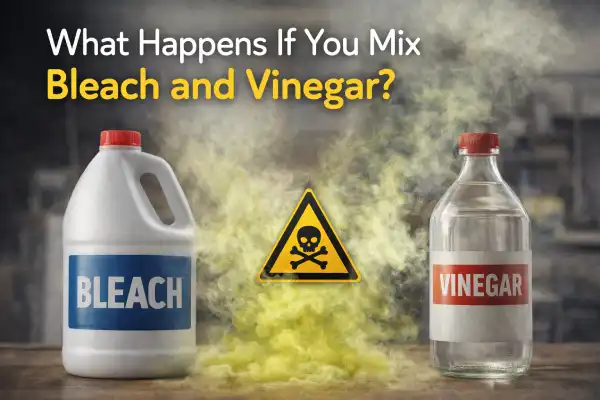
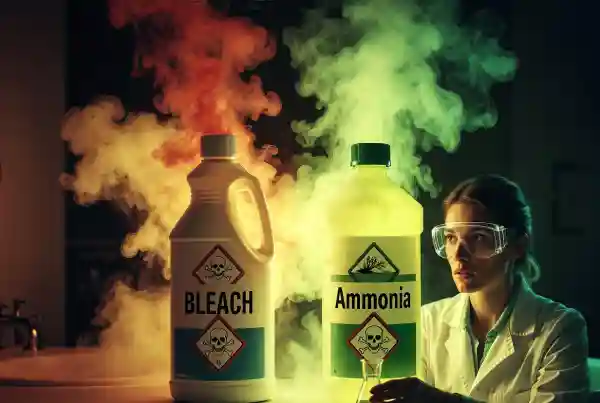
Most importantly, never combine bleach with any acidic cleaners, like vinegar. This mix can create toxic chlorine gas, which is harmful to your lungs. If you’ve used bleach, wait until it’s completely rinsed and dry before using other products.
Storage Tips for Household Chemicals
Proper storage is key to a safe home. Store cleaning supplies in their original containers with clear labels. If you transfer them, label the bottles clearly to avoid confusion.
Keep your cleaning agents in a cool, dry place, away from sunlight. It’s also smart to store acids and bases on separate shelves to avoid spills and reactions. Use the table below to manage your supplies safely.
| Substance | Safety Level | Primary Risk |
|---|---|---|
| Baking Soda | High | Minor skin irritation |
| White Vinegar | Moderate | Eye/Skin irritation |
| Bleach | Low | Toxic gas if mixed |
Effective Ways to Use Baking Soda and Vinegar Separately
Using household staples separately can be surprisingly effective. Many people find that natural cleaning with baking soda and vinegar works best when used alone. This way, each ingredient can do its job without being mixed up.
Using Baking Soda as an Abrasive Scrubber
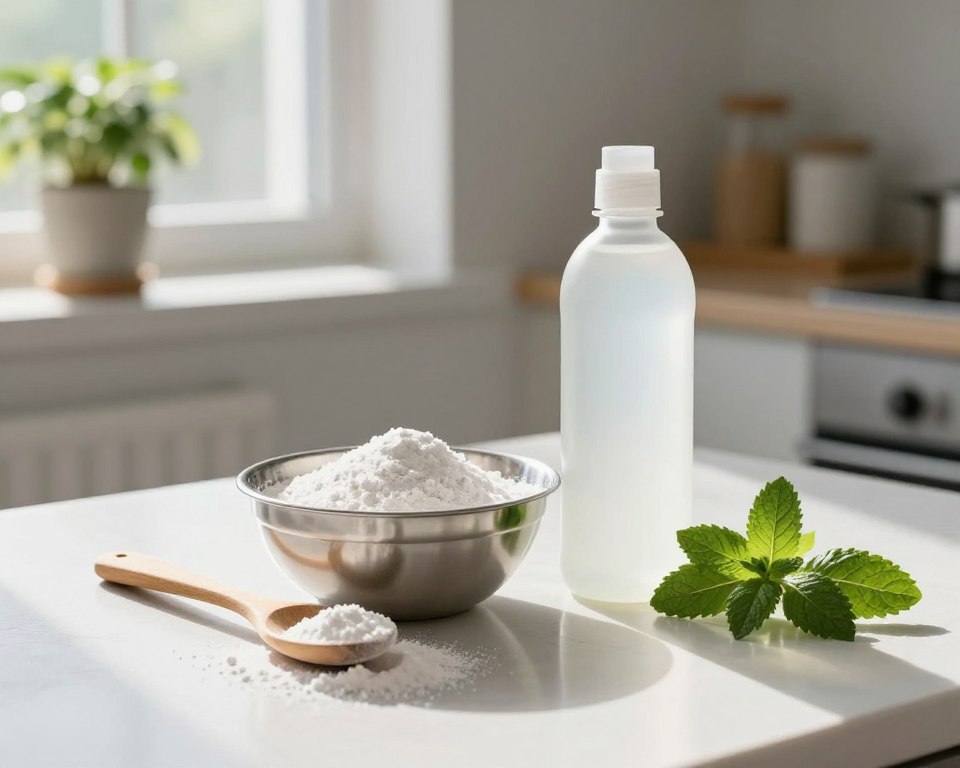
Baking soda is a mild alkali that scrubs well. Mixing it with water makes a paste that gently removes dirt. It’s safe for most kitchen surfaces, like countertops and sinks, as it’s baking soda safe for cleaning.
Using Vinegar as a Degreaser and Descaler
Vinegar is a strong acidic cleaner. It’s great for removing mineral deposits and grease. It’s perfect for descaling espresso machines and cleaning showerheads or faucets. Its acidity breaks down soap scum and grime that other cleaners can’t.
Sequential Application for Maximum Results
For the best results, use your cleaners in order. First, scrub with a baking soda paste to loosen dirt. Then, spray with vinegar to dissolve any left-over residue and sanitize. This way, each ingredient works its best.
| Cleaning Task | Primary Ingredient | Application Method |
|---|---|---|
| Hard-water deposits | Vinegar | Soak or spray |
| Scrubbing stovetops | Baking Soda | Paste and scrub |
| Greasy surfaces | Vinegar | Wipe down |
| Deep tile cleaning | Sequential | Scrub then rinse |
Best Practices for Combining Them for Specific Tasks
Mixing these ingredients in a bowl often doesn’t work well. But, using them in the right way can make a big difference. Many people look for baking soda vinegar cleaning hacks to make cleaning easier. The key is to use them in the right order.
Clearing Clogged Drains Effectively
To clear small clogs, start by pouring half a cup of baking soda down the drain. Then, add half a cup of vinegar. The fizzing action creates pressure that helps remove hair and soap scum.
Always cover the drain with a cloth to push the reaction down into the pipe. This helps avoid letting it escape into the air. Remember, even though these are natural, it’s important to work in a well-ventilated area. For more safety tips, check out this guide on ventilation.
Refreshing Garbage Disposals
Garbage disposals can trap bad smells that are hard to get rid of. You can use these baking soda vinegar cleaning hacks to get rid of odors and clean the blades at the same time. Pour a lot of baking soda into the disposal, then add vinegar.
Let it sit for a few minutes until it bubbles. Then, flush it with hot water while the disposal is running.
Removing Stubborn Stains from Surfaces
For tough stains on countertops or sinks, make a thick paste with baking soda and a little water. Apply the paste to the stain and then spray it with vinegar. This method uses the mechanical scrubbing power to remove stubborn marks without damaging the surface.
“Natural cleaning is not just about the ingredients you choose, but the method you employ to maximize their physical properties.”
| Task | Primary Benefit | Application Method |
|---|---|---|
| Drain Clearing | Pressure/Dislodging | Sequential Pouring |
| Disposal Refresh | Deodorizing | Fizzing Reaction |
| Surface Stains | Abrasive Scrubbing | Paste Application |
Cleaning Hacks That Actually Work
You don’t need expensive chemicals to keep your home clean. Simple pantry staples can do the trick. These baking soda vinegar cleaning hacks solve common household problems easily.
Revitalizing Tile Grout
Dirty grout lines can make your bathroom look old. Make a paste with baking soda and water to brighten your floors.
- Apply the paste to the grout lines.
- Lightly spray white vinegar over the paste for a reaction.
- Scrub with an old toothbrush and rinse with warm water.
Cleaning Stainless Steel Appliances
Keeping your kitchen appliances shiny is simple. Many cleaning tips with baking soda and vinegar show how to remove grease and fingerprints.
First, wipe the surface with vinegar to remove grime. Then, buff with olive oil to keep it shiny and smudge-free.
Deodorizing Carpets and Upholstery
Bad smells in soft fabrics can be tough to get rid of. Baking soda is a natural absorbent that removes moisture and smells.
Just sprinkle baking soda on your carpet or upholstery and wait thirty minutes. Vacuum it up to leave your home smelling fresh.
These methods help keep your home clean without the need for harsh chemicals. Use these targeted applications to get the best results from your natural supplies.
When to Avoid Natural Cleaning Solutions
Not every surface can handle DIY cleaners. Using the wrong cleaner can cause permanent damage. It’s important to know the dangers of mixing baking soda and vinegar or using them wrong on sensitive materials. Always check the care instructions before cleaning a new surface.
Surfaces Sensitive to Acidic Cleaners
Vinegar is great for cleaning but can be too harsh for some surfaces. Hardwood floors, waxed surfaces, and some tiles can get damaged by acidic cleaners. Always test a small, inconspicuous area first to avoid damage.
“The best cleaning strategy is one that respects the integrity of your home’s surfaces while maintaining a healthy environment.”
Natural Stone and Marble Considerations
Natural stone, like marble, granite, and limestone, can react badly to chemicals. Acidic cleaners can cause permanent etching on these surfaces. This results in dull, white spots that are hard to remove without professional help. If you’re looking for safer options, check if hydrogen peroxide is safe for your stone type.
Electronic Equipment and Delicate Finishes
Electronic screens, keyboards, and glossy finishes need special care. Natural mixtures can’t provide the right care for these items. Moisture can damage electronics, and the dangers of mixing baking soda and vinegar can harm delicate finishes. Use recommended wipes or microfiber cloths to protect your tech and heirlooms.
Comparing Natural Cleaners to Commercial Products
Deciding between DIY cleaners and store-bought ones needs a good understanding of their benefits. Natural ingredients are great for everyday cleaning. But, they might not be enough for tough stains. It’s key to debunk vinegar and baking soda cleaning myths to keep your home clean and safe.
Efficacy in Heavy-Duty Cleaning
Natural cleaners are good for light tasks, but they can’t handle heavy grime. Heavy-duty cleaning needs special chemicals to remove tough stains. Using only DIY cleaners for deep cleaning can be frustrating and not effective.
Time-Saving Benefits of Specialized Cleaners
Commercial cleaners are made for quick and easy use. A single spray-and-wipe cleaner can replace many steps needed for natural cleaners. Efficiency is a big plus for those with busy lives.
- Specialized cleaners often have ergonomic spray nozzles for better coverage.
- Formulas are pre-mixed for the right concentration right away.
- Many commercial brands have nice scents that get rid of odors fast.
When to Choose Commercial Disinfectants
In some cases, safety is more important than natural cleaners. If you’re dealing with raw meat or someone in your home has a weak immune system, commercial disinfectants are crucial. These products are tested to kill germs that natural cleaners can’t.
Don’t let vinegar and baking soda cleaning myths risk your family’s health in high-risk areas. While eco-friendly cleaners are good, professional sanitizers offer necessary protection for kitchens and bathrooms. Always use them as directed to get the best results.
Environmental Impact of Household Cleaning Choices
Your choice of household cleaners affects our planet’s health. Many products contain harsh chemicals that harm our water systems. By using benefits of using baking soda and vinegar for cleaning, you protect your home and the environment.
Biodegradability of Baking Soda and Vinegar
Baking soda and vinegar are good for the environment because they break down easily. They don’t harm our water systems like synthetic detergents do. This makes them safer for our planet.
Choosing these natural cleaners reduces harm to our ecosystems. Nature-friendly cleaning is more than a trend; it’s a responsible choice. Using these simple substances cuts down synthetic waste in our water.
Reducing Plastic Waste Through Bulk Buying
Buying in bulk also helps reduce plastic waste. Many cleaners come in non-recyclable plastic bottles. Buying baking soda and vinegar in bulk cuts down on plastic waste.
Buying in bulk is a key part of sustainable living. It helps you enjoy the benefits of using baking soda and vinegar for cleaning while reducing waste. These small changes make a big difference for our planet.
The Role of Sustainable Cleaning Habits
Sticking to sustainable habits is crucial for an eco-friendly cleaning routine. Consistency is key when switching from harsh chemicals. Using natural methods in your cleaning routine benefits your family and the planet.
| Feature | Natural Cleaners | Synthetic Cleaners |
|---|---|---|
| Biodegradability | High | Low |
| Packaging Waste | Minimal | High |
| Chemical Safety | High | Variable |
| Environmental Impact | Low | High |
The benefits of using baking soda and vinegar for cleaning go beyond a clean home. They show a commitment to sustainability. By making these choices, you help create a cleaner future for all.
Essential Tools for Natural Home Maintenance
Having the right tools makes natural cleaning with baking soda and vinegar easy. These ingredients are powerful, but the right accessories help you clean with confidence.
Microfiber Cloths and Scrub Brushes
Microfiber cloths are a game-changer for cleaning. They trap dust and grime well without leaving lint on surfaces.
Use these cloths with durable scrub brushes. A stiff-bristled brush is great for removing tough stains from tile grout or bathroom fixtures.
Spray Bottles and Measuring Tools
When following cleaning tips with baking soda and vinegar, precision is key. Use a high-quality glass or BPA-free plastic spray bottle for even distribution.
Keep measuring spoons and cups handy. Accurate ratios are crucial for effective cleaning, whether it’s deodorizing a carpet or degreasing a stovetop.
Proper Storage Containers for Ingredients
Storing supplies correctly keeps them potent. Store baking soda in an airtight glass jar to avoid absorbing odors.
Vinegar should be in its original container or a labeled glass bottle, away from sunlight. Proper organization saves space and keeps your cleaning routine smooth.
“For every minute spent organizing, an hour is earned.”
| Tool Name | Primary Use | Maintenance Tip |
|---|---|---|
| Microfiber Cloth | Dusting and Polishing | Wash without fabric softener |
| Scrub Brush | Deep Cleaning Grout | Rinse and air dry thoroughly |
| Glass Spray Bottle | Surface Application | Label contents clearly |
| Measuring Set | Mixing Ratios | Keep in a dry location |
Conclusion
Getting your home spotless is more than just mixing stuff in a bowl. You now know how to avoid common myths and adopt better cleaning habits.
Using Arm & Hammer baking soda and Heinz vinegar separately makes them work better. You get better results by using them in the right order for different tasks. This saves time and keeps your surfaces looking great.
Natural maintenance is a strong way to take care of your home. It reduces your use of harsh chemicals and keeps your home smelling fresh. Your efforts help create a healthier space for your family.
Look at your cleaning supplies and see what you need. Having good microfiber cloths and durable brushes makes cleaning easier. You’re now ready to handle any mess with confidence.
Share your favorite cleaning tips with friends or neighbors who care about the planet. Your path to a cleaner home begins with these simple, effective steps. Keep trying out these versatile ingredients to find what works best for your home.
FAQ
Is It Safe to Mix Baking Soda and Vinegar for Household Cleaning?
Yes, mixing Arm & Hammer baking soda with Heinz white vinegar is safe and non-toxic. But, it’s often counterproductive. The fizzing reaction neutralizes the cleaning power of both.
The resulting mix is mostly water and sodium acetate. It doesn’t cut grease like vinegar or scrub like baking soda.
What are the most common vinegar and baking soda cleaning myths?
A big myth is that the fizz “eats away” at dirt. But, the fizz is just carbon dioxide gas escaping. After it stops, you’re left with a weak liquid.
For better results, use baking soda to scrub first. Then, rinse with vinegar to dissolve mineral deposits.
Are there any real dangers of mixing baking soda and vinegar?
The mix is safe, but storing it in a sealed container can be dangerous. The reaction creates carbon dioxide gas, which can build up and cause the container to explode.
Also, never mix vinegar with Clorox bleach. This creates lethal chlorine gas. Always clean with them in well-ventilated areas.
What are some of the best baking soda vinegar cleaning hacks for the kitchen?
Effective hacks involve using them in sequence. For example, sprinkle baking soda to deodorize a Whirlpool dishwasher or garbage disposal. Then, rinse with vinegar to descale mineral buildup.
This method uses the benefits of using baking soda and vinegar for cleaning without neutralizing them.
What are the environmental benefits of natural cleaning with baking soda and vinegar?
A: Natural cleaning with baking soda and vinegar greatly reduces your home’s environmental footprint. These ingredients are fully biodegradable and free from synthetic surfactants and artificial fragrances found in commercial cleaners.
Buying distilled white vinegar in bulk jugs also reduces single-use plastic waste, promoting a sustainable lifestyle.
When should I avoid using vinegar-based cleaning tips with baking soda and vinegar?
Avoid using them on acid-sensitive surfaces. This includes natural stone like marble or granite countertops from MSI Surfaces, as the acid can cause permanent etching.
It’s also wise to avoid vinegar on electronic screens or waxed wood furniture. It can strip away protective coatings and damage delicate finishes.