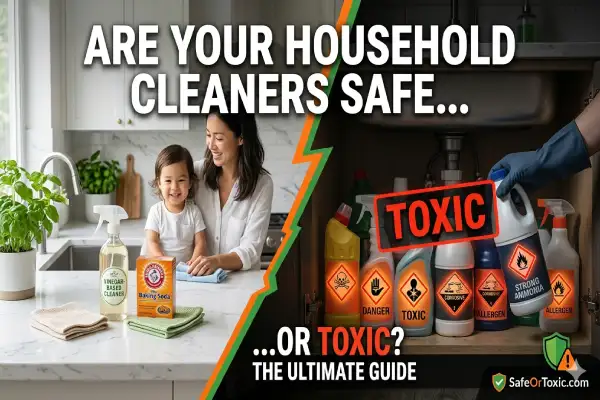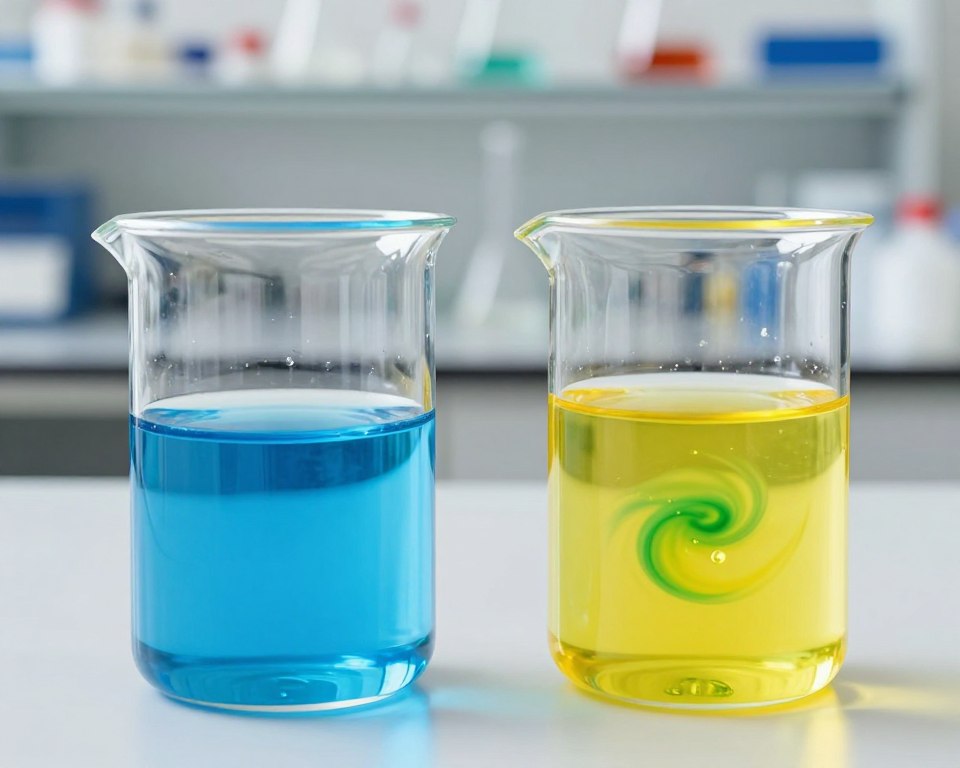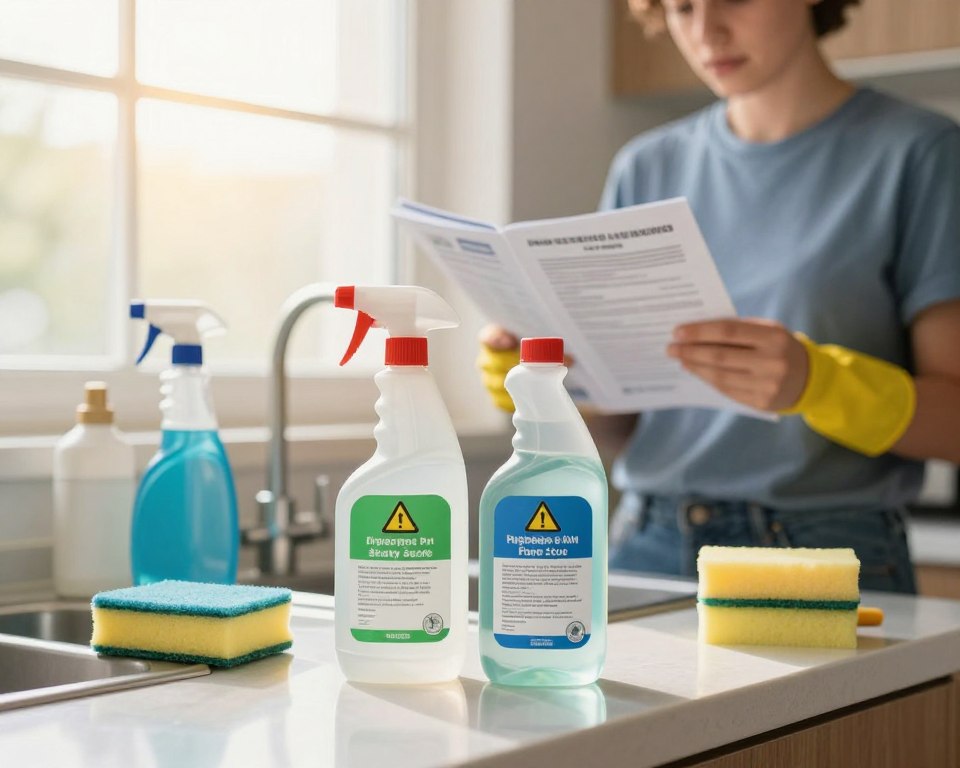
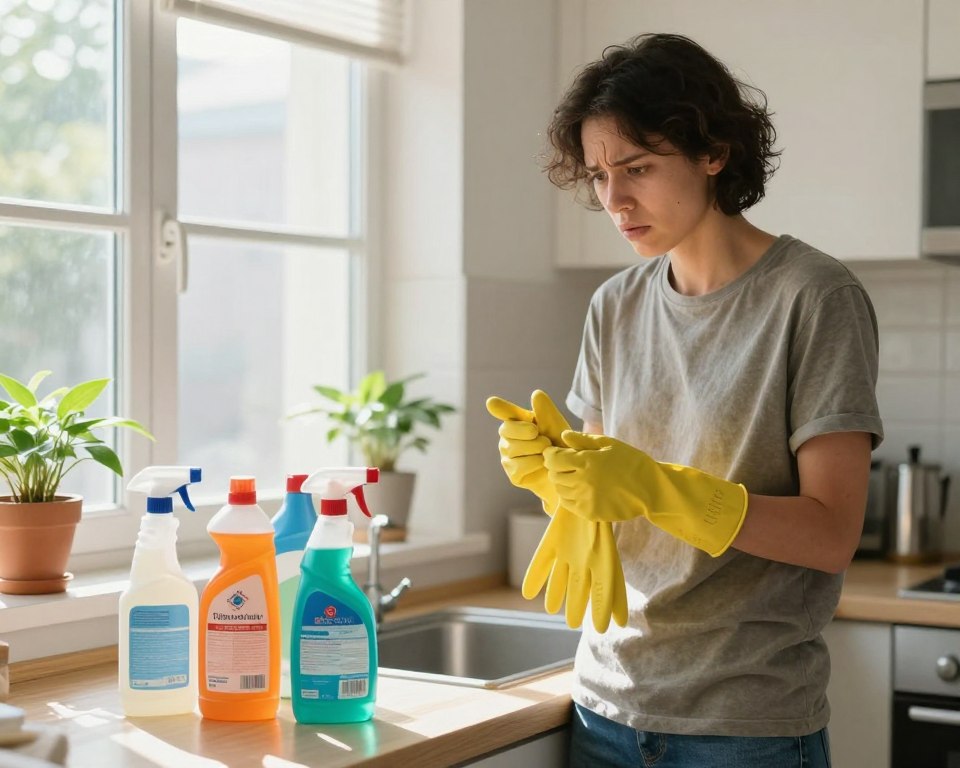
Did you know over 50,000 calls go to poison control centers each year because of accidents with home products? Many think mixing two effective products will make a super solution for tough stains. But, this often causes dangerous chemical reactions that can harm your family’s health.
Knowing these hidden dangers is the first step to keeping your home safe. Many common items in your cabinets can release toxic gases when mixed, leading to breathing problems or worse. We’ll show you how to spot dangerous mixes and teach safer cleaning habits to protect your family.
Key Takeaways
- Mixing bleach with ammonia creates toxic chloramine gas.
- Always read product labels before starting any chore.
- Never combine different brands or types of drain openers.
- Proper ventilation is essential when using strong chemicals.
- Store all supplies in their original, labeled containers.
Understanding the Chemistry of Household Cleaning Products
Household cleaning products are amazing feats of modern chemistry. But, they need careful handling to stay safe. Many people don’t realize the household cleaner toxicity risks from using these products wrong. Learning how they work helps keep your home clean and your family safe.
Common Ingredients in Modern Cleaners
Cleaners have acids, alkalis, and surfactants to remove dirt and grime. For example, many products for toilets, tubs, and metal surfaces have strong acids. These acids are great at removing mineral deposits but can harm skin if not used right.
Surfactants help water and oil mix, making it easier to clean tough stains. Knowing about these ingredients helps us understand why labels have warnings. Safety starts with knowledge, which is crucial when working with strong chemicals.
How Chemical Stability Affects Safety
Cleaning agents are made to be stable in their containers. They’re designed to work well without harming us when used as directed. But, mixing different products can lead to household cleaner chemical reactions.
These reactions happen because adding a new substance can upset the balance of the ingredients. What was once safe can become dangerous or release dangerous fumes. Always keep products separate to keep your home safe.
Can You Get Poisoned by Accidentally Mixing Household Cleaners?
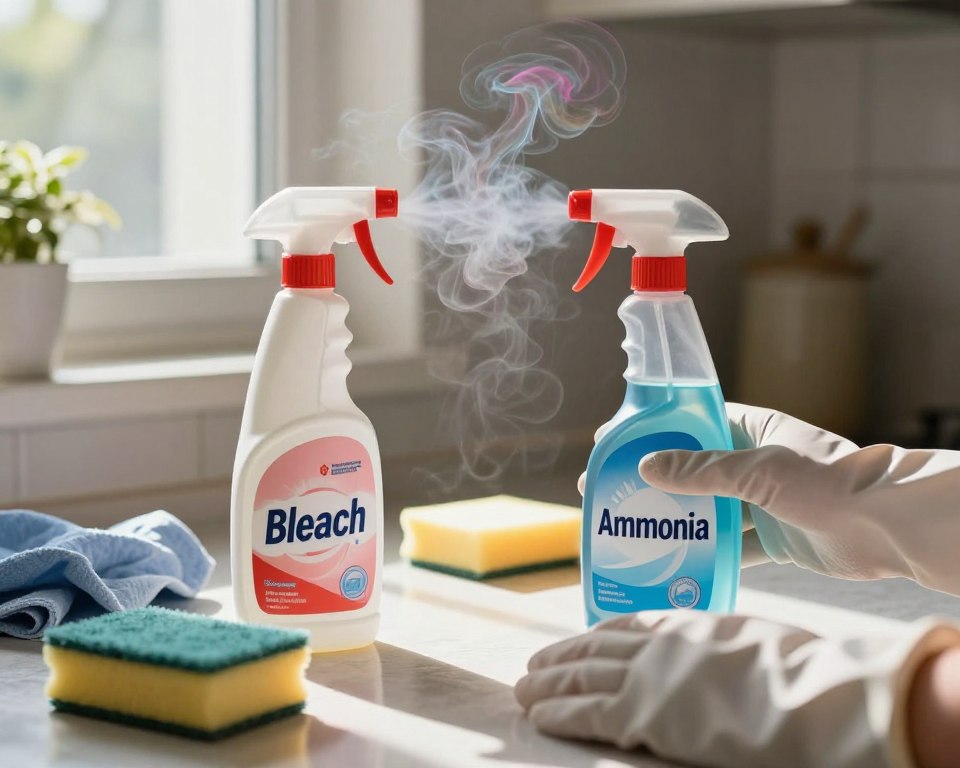
Many people think mixing two strong cleaners will make a stronger cleaning solution. But this can lead to dangerous reactions. Can You Get Poisoned by Accidentally Mixing Household Cleaners? Yes, it’s a big risk in many homes in the U.S.
The Reality of Accidental Exposure
When you mix the wrong cleaners, danger starts right away. You might breathe in harmful fumes or touch something toxic. This can cause burning eyes, throat problems, or trouble breathing.
These issues aren’t just for the person cleaning. Toxic fumes can spread fast, affecting everyone nearby. It’s crucial to know that even a little mixed chemical can release harmful vapors.
Acute vs. Chronic Toxicity Risks
There are two main types of risks from mixing cleaners. Acute toxicity causes quick, severe reactions. This might include coughing, skin rashes, or chemical burns that need immediate help.
Chronic toxicity, though, is about long-term health problems from repeated exposure. While most accidents cause quick symptoms, ignoring safety can lead to lasting respiratory issues. Knowing what chemicals you use is key to keeping safe and healthy.
The Dangers of Mixing Bleach and Ammonia
Mixing bleach and ammonia is a big mistake when cleaning. Many think it makes things cleaner, but it’s very dangerous. These products don’t mix well and can harm your health.
Formation of Chloramine Gas
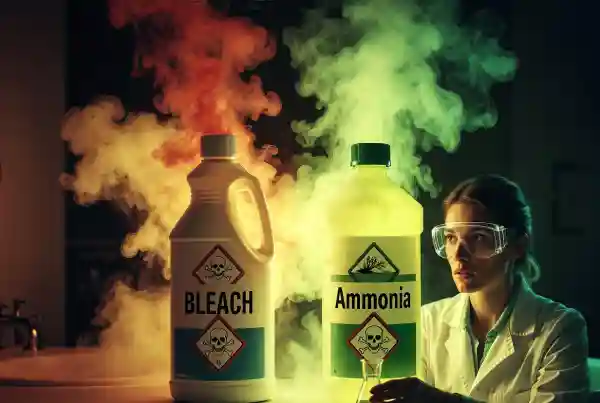
When you mix bleach and ammonia, a dangerous gas forms quickly. This gas, called chloramine, is very harmful. It can fill a room fast, posing a big risk to anyone nearby. If you use an ammonia-based cleaner, keep it away from bleach.
Physiological Effects of Chloramine Inhalation
Chloramine gas can cause serious problems if you breathe it in. It mixes with the moisture in your body, leading to acid formation. This acid irritates your eyes, nose, and throat, feeling like a burn.
Respiratory Distress Symptoms
Exposure to chloramine gas can be scary. You might cough a lot, wheeze, or have trouble breathing. Some people feel their chest tighten or have a burning throat.
Long-term Lung Health Implications
The effects of chloramine gas can last a long time. It can cause long-term lung problems or make breathing harder. It’s crucial to avoid mixing these cleaners to protect your lungs.
Risks Associated with Combining Bleach and Acids
Cleaning your bathroom might seem like a routine chore, but mixing certain products can be risky. Many think using strong cleaners together will clean better. But, this can lead to serious health hazards of combining household cleaners. It’s important to know that some products don’t mix well.
Mixing bleach with acidic products causes a fast chemical reaction. This reaction is not just messy; it’s potentially life-threatening if you’re not careful. Knowing these risks helps keep your home safe.
The Creation of Chlorine Gas
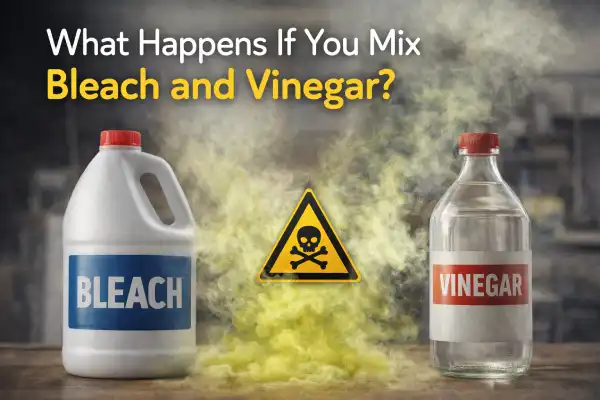
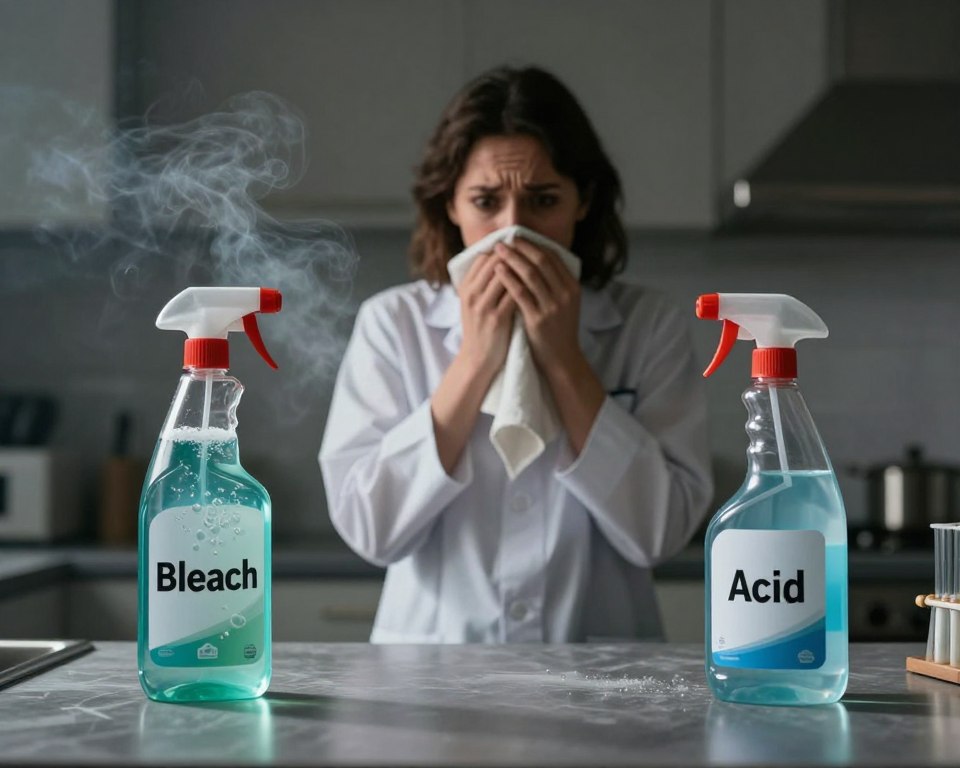
Mixing bleach with an acid releases chlorine gas. This gas is very toxic and can irritate your body. It quickly affects your breathing, eyes, and throat.
Even a little bit of this gas can cause immediate physical discomfort. You might cough, feel burning, or have trouble breathing. In serious cases, it can harm your lungs or cause other health problems. You must avoid this reaction to stay safe.
Why Toilet Bowl Cleaners and Bleach Don’t Mix
Toilet bowl cleaners have strong acids to remove deposits and rust. Adding bleach to these cleaners makes your bathroom dangerous. The small space in bathrooms can make the gas concentration higher, posing a bigger risk.
It’s critically important to keep these products separate and not use them together. Always check the labels of your cleaning supplies for acidic ingredients before starting. By keeping chemicals apart, you make cleaning safer for your whole family.
Hazards of Mixing Hydrogen Peroxide and Vinegar
Many think mixing hydrogen peroxide and vinegar is a smart cleaning trick. But, it’s not safe. These natural products can be harmful when combined in one bottle. This mix can risk your health.
Formation of Peracetic Acid
Mixing hydrogen peroxide and vinegar doesn’t just make a stronger cleaner. It starts a reaction that creates peracetic acid. This acid is much stronger and more dangerous than the original ingredients.
The acid in vinegar reacts with hydrogen peroxide. This makes a corrosive liquid that’s unstable and risky to store. So, it’s crucial to keep these two separate while cleaning.
Corrosive Nature of the Resulting Mixture
The peracetic acid is very corrosive. It can hurt your skin or even cause burns. The fumes from this mix can also irritate your lungs and eyes.
Knowing about these household cleaner toxicity risks helps you choose safer options. Use these products alone and rinse well between uses. Safety should always be your top priority when dealing with chemicals, even if they seem natural.
Why Combining Different Drain Cleaners is Dangerous
Many people think mixing different drain cleaners will clear blockages faster. But this is very dangerous. The accidental mixing of household cleaners risks are high with plumbing products. Never try to mix these strong substances in your pipes.
Acidic vs. Alkaline Drain Openers
Drain cleaners are either very acidic or very alkaline. Acidic cleaners break down organic matter with corrosive action. Alkaline cleaners turn grease into soap with lye or caustic soda. These are two different household cleaner chemical reactions.
When acid meets alkaline, they neutralize each other. This is not good for clearing your drain. It also makes a lot of heat. To see why mixing products is bad, check out the dangers of mixing two cleaning sprays.
The Risk of Violent Chemical Reactions
Mixing these products can cause a violent, unpredictable eruption. These chemicals are very strong. Their mix can boil over or spray out of the drain.
This can cause severe chemical burns if you’re nearby. Also, these household cleaner chemical reactions release toxic fumes. These fumes can quickly fill a small space.
To keep your home safe, follow these rules:
- Always read the manufacturer’s label before use.
- Never pour a second product into a drain if the first one failed.
- Ensure the area is well-ventilated if you must use a chemical cleaner.
By avoiding the accidental mixing of household cleaners risks, you keep yourself and your family safe.
Identifying Common Symptoms of Chemical Exposure
Knowing the signs of toxic reactions from mixed household cleaning products is key for homeowners. Understanding how your body reacts to harmful fumes helps you act fast to keep yourself safe.
Respiratory and Throat Irritation
Chemical exposure often shows up in your breathing. You might feel an unpleasant burning sensation in your throat or chest after mixing cleaners. Signs like persistent coughing, wheezing, or feeling tight in the lungs are big warnings.
If you’re having trouble breathing, get to fresh air right away. These signs mean your lungs are reacting to harmful gases from the chemical mix.
Dermal and Ocular Reactions
Your skin and eyes are very sensitive to many cleaners. If you splash a mix on your skin, you might feel intense stinging, redness, or even chemical burns. Fumes can also make your eyes water a lot, itch, or feel like they’re burning.
Don’t ignore these signs, as they can get worse fast if you’re not in well-ventilated areas. Spotting these toxic reactions from mixed household cleaning products early helps you get the right help before it’s too late.
Immediate Steps to Take After Accidental Chemical Mixing
If you’ve mixed household cleaners, get out of the danger zone fast. Staying calm is key, as panic can cloud your judgment. Quick action can help avoid harm to you and others.
Evacuating the Area and Ensuring Fresh Air
The first step is to leave the room where the mix happened. Don’t investigate or clean up if you’re feeling dizzy or having trouble breathing. Go to a spot with lots of fresh air, like outside or a room with an open window.
After you’re in a safe spot, keep the air moving by opening windows or using exhaust fans. Never go back to the room until the air is safe. If you’re showing signs of poisoning, get medical help right away.
Neutralizing the Spill Safely
It might be tempting to clean up the spill, but it’s safer to wait for the fumes to clear. Do not add more chemicals to the spill, as it could make things worse. If the spill is big or you’re unsure what it is, call a pro.
If you must clean up, wear gloves and a mask. Use paper towels to soak up the spill, but throw them away in a sealed bag outside. Always put your safety first, as stopping further poisoning is the main goal.
When to Seek Emergency Medical Attention
It’s crucial to know when to get emergency help if you think you’ve been poisoned by mixing household cleaners. Some spills might just irritate you a bit, but others can be very dangerous. Acting fast can help avoid serious health problems.
Recognizing Signs of Severe Poisoning
Keep an eye on yourself and others after any chemical spill. If you see trouble breathing, chest pain, or suddenly can’t wake up, call 911 right away. These signs mean your body is fighting off harmful fumes or chemicals.
Also, watch for severe burns on skin or eyes. These might look like redness, blisters, or a lot of pain. If you’re not sure, it’s better to be safe. Learn more about dangers by reading about what happens if you mix bleach and ammonia.
Preparing Information for Emergency Responders
When you call for help, being ready helps them treat you faster. Have the product labels ready so you can tell the dispatcher what’s in them. This helps responders know what happened.
Remember how long you were exposed and any symptoms you have. Giving this info helps the medical team work better. Clear communication is key in handling poisoning from household cleaners.
| Symptom Category | Mild Reaction | Emergency Indicator |
|---|---|---|
| Respiratory | Coughing or sneezing | Severe gasping for air |
| Dermal | Minor skin redness | Deep chemical burns |
| Neurological | Mild headache | Loss of consciousness |
| Ocular | Watery eyes | Vision loss or blistering |
Proper Ventilation Techniques for Safe Cleaning
When you clean your floors or counters, the air you breathe is just as important. Many people focus on the strength of their cleaning products but forget about letting in fresh air. By focusing on proper ventilation, you can lower the amount of fumes and keep your home healthy.
Learning how to safely clean your home starts with managing your space. Even mild cleaners can release vapors that irritate you when trapped. Preparing your space before cleaning is a smart habit that protects your health.
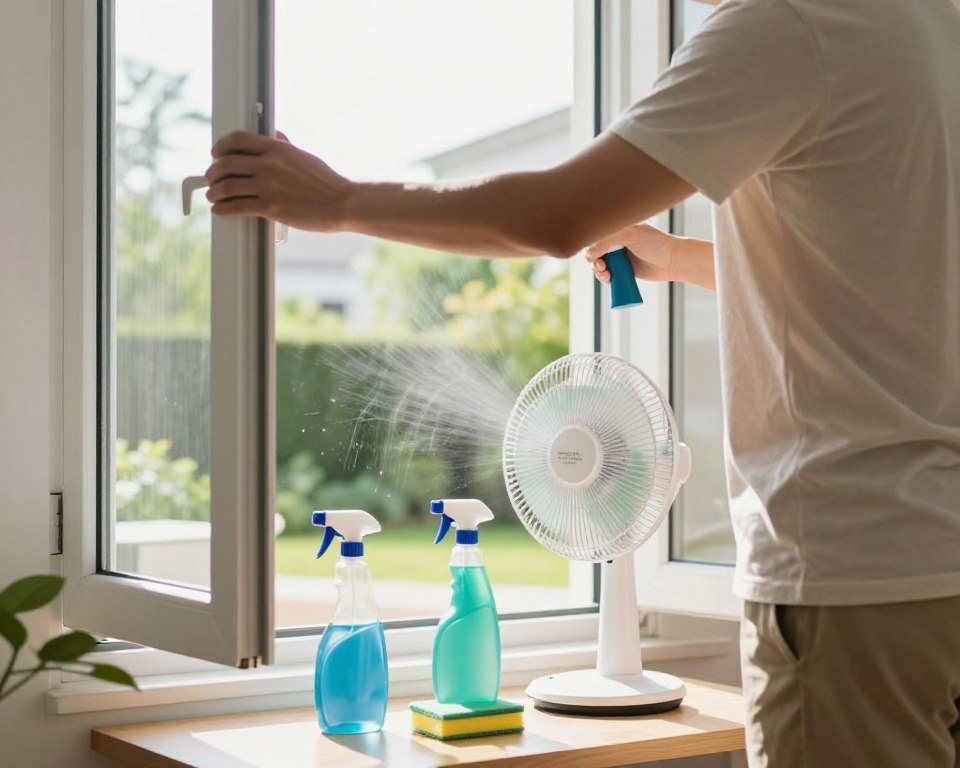
Using Exhaust Fans and Open Windows
The best way to clear the air is to create a cross-breeze. Open windows on opposite sides of the room to move air. If you have ceiling fans, set them to pull air upward or push it toward an open window.
Exhaust fans are key in kitchens and bathrooms. Always turn them on before using cleaners. These fans pull out stale air and bring in fresh air from outside.
The Importance of Airflow in Small Spaces
Small, enclosed areas like bathrooms or closets are at high risk for fume buildup. These spaces have less room, so particles build up faster. Always keep the door open in these areas to ensure air flow.
If your bathroom lacks a window or strong exhaust fan, use a portable box fan. Place it in the doorway to push fresh air in and stale air out. Good airflow makes cleaning safer and more comfortable every time.
| Ventilation Method | Best Use Case | Effectiveness |
|---|---|---|
| Open Windows | Large rooms and living areas | High (with cross-breeze) |
| Exhaust Fans | Bathrooms and kitchens | Very High |
| Portable Fans | Small, windowless closets | Moderate to High |
| Central HVAC | General home circulation | Low (for localized fumes) |
Reading and Understanding Product Safety Labels
Reading your cleaning product labels is crucial for a safe home. Many people overlook these labels, but they hold vital information to protect your health. Knowing what they say helps you manage risks from household chemicals.
Decoding Warning Symbols and Signal Words
Manufacturers use specific words to show a product’s risk level. These words are regulated to help you understand the potential severity of exposure. Learning to recognize these labels is key to a safe home.
- DANGER: This means the product is highly toxic, corrosive, or flammable. It’s the highest risk.
- WARNING: This shows the product is moderately toxic or irritating. You need to handle it carefully.
- CAUTION: This means a lower risk, but it can still cause irritation or minor harm if not used right.
Following Manufacturer Instructions for Use
The instructions for use are more than just guidelines. They tell you how to use the product safely. They cover things like correct dilution ratios, protective gear, and ventilation. Not following these can lead to harmful chemical reactions.
Always check if you need to wear gloves or goggles. Also, make sure to use the cleaner in a well-ventilated area. Following these steps is a critical safety practice for a safe home.
| Signal Word | Risk Level | Primary Concern |
|---|---|---|
| DANGER | High | Corrosive or toxic damage |
| WARNING | Moderate | Irritation or moderate toxicity |
| CAUTION | Low | Minor skin or eye irritation |
Safe Storage Practices for Household Chemicals
Storing household chemicals safely is key to protecting your family. Leaving products in easy-to-reach spots raises the risk of accidental ingestion of mixed household cleaning products. Organizing your supplies well makes your home safer for everyone.
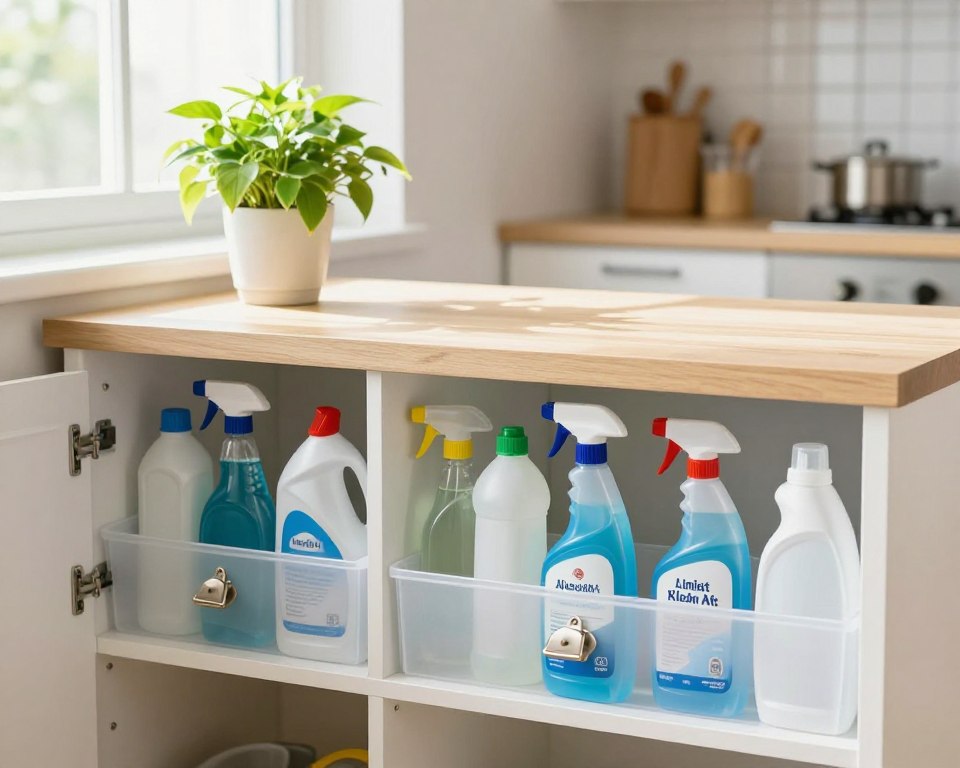
Preventing Accidental Spills and Leaks
Always use original containers for cleaning agents. This ensures you follow the safety guidelines from the manufacturer. Avoid transferring liquids into unknown bottles to prevent confusion and dangerous mixing. If a container is damaged or leaking, put it in a plastic bin to catch spills.
Keep chemicals off low shelves to avoid spills. Use high, stable shelves to keep containers upright and safe. Check your storage area often to make sure caps are tight and there’s no risk of accidental ingestion of mixed household cleaning products from leaks.
Keeping Chemicals Out of Reach of Children and Pets
Children and pets are naturally curious, so it’s crucial to lock up hazardous materials. Concentrated products, like liquid laundry detergent pods, are extra dangerous because they might look like toys or candy. If kids swallow these pods, it can cause severe vomiting and breathing problems.
Don’t store cleaning supplies under the kitchen sink unless you have child-proof locks. It’s also smart to keep chemicals away from food to avoid contamination. By following these steps, you can avoid accidental ingestion of mixed household cleaning products and keep your family safe.
| Storage Category | Best Practice | Safety Benefit |
|---|---|---|
| Original Packaging | Keep labels intact | Clear usage instructions |
| Location | High, locked cabinets | Prevents child access |
| Laundry Pods | Store in opaque bins | Reduces visual temptation |
| Spill Control | Use secondary trays | Contains leaks safely |
Alternatives to Harsh Chemical Cleaners
Starting a safer home begins with the products you use daily. Families are moving away from harsh chemicals to gentler, plant-based cleaners. This change reduces the risk of accidental ingestion of mixed household cleaning products by kids or pets.
Benefits of Using Natural Cleaning Agents
Ingredients like white vinegar, baking soda, and lemon juice are surprisingly effective against daily dirt. They are non-toxic, making them safer for families and pets. They also improve air quality by not releasing harmful fumes.
Using these natural items helps keep your home clean without the worry of chemical dangers. You can clean windows, counters, and floors with items from your pantry. This method ensures your home stays free from harsh toxins.
When to Stick to Commercial Products
Natural cleaners are great for everyday cleaning, but sometimes you need something stronger. For deep cleaning or disinfecting after sickness, you might need commercial cleaners. Always follow safety rules to avoid dangerous mix-ups.
If you’re not sure about a product’s safety, check if it’s toxic before using it. Always ensure good air flow and never mix different cleaners, even if they’re commercial. Mixing natural and commercial cleaners helps keep your home clean and safe from accidental ingestion of mixed household cleaning products or harmful inhalation.
Educating Your Household on Chemical Safety
Creating a safe home is key to avoiding chemical mishaps. When everyone knows the risks, you build a strong defense against accidents. Keeping your home safe is a team effort that needs open talk and regular habits.
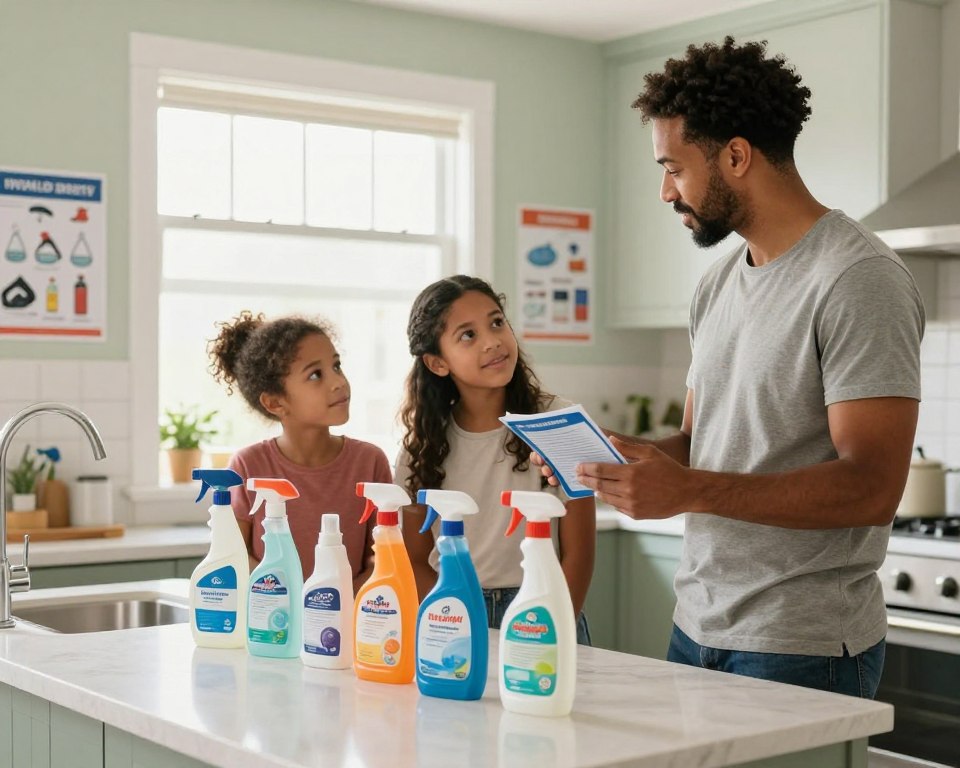
Creating a Safety-First Cleaning Routine
Having a clear cleaning plan is essential. Assign specific spots for cleaning supplies and make sure they stay in their original containers. Clear guidelines help everyone know which products are safe for certain jobs.
It’s also important to never mix cleaning agents. Keeping supplies organized helps avoid the urge to mix different formulas. Consistency is key to keeping your home safe for kids and pets.
Teaching Family Members About Chemical Compatibility
Teaching your family about chemical safety is crucial. Explain why mixing certain products is dangerous. When they understand the potential for harm, they’re more likely to follow safety rules.
Encourage your family to check labels before using new products. If they’re unsure about mixing cleaners, teach them to err on the side of caution and avoid mixing. This way, your home stays a safe place for everyone.
The Role of Poison Control Centers in the United States
Accidents with mixing cleaners and poison exposure can be scary. But, help is just a call away. Poison Control Centers in the U.S. offer free, confidential advice 24/7. They have experts in toxicology and emergency response.
“Safety is not just a practice; it is a mindset that protects the ones we love most from preventable household accidents.”
How to Contact Poison Control
If you think you’ve been exposed to harmful chemicals, don’t wait. Call 1-800-222-1222 for help. This number connects you to your local poison center from anywhere.
Save this number in your phone today. You might also post it on your fridge or near cleaning supplies. Having it ready gives you peace of mind when you need it most.
What Information to Have Ready During a Call
When calling about mixing cleaners and poison exposure, the specialist needs certain info. Stay calm and have this ready before you call:
- The exact name of the product or products involved.
- A list of the active ingredients found on the label.
- The approximate amount of the substance inhaled or ingested.
- The age and weight of the person affected.
- A clear description of any symptoms currently being experienced.
Sharing these details helps the experts assess the risk and guide you. Always follow the instructions given by the specialist. They are trained to handle these emergencies safely and effectively.
Conclusion
Your home should be a safe haven during this special time. Making small, smart changes to your daily routine helps keep you and your baby healthy.
Choosing natural cleaning products for pregnancy is a simple step. It makes your living space safer. These alternatives reduce exposure to harsh chemicals that can stay in the air or on surfaces.
Brands like Seventh Generation or Mrs. Meyer’s offer safe options. Using these products lets you keep your home clean without worry.
Keeping yourself comfortable is just as important as the products you use. Don’t be afraid to ask for help with heavy tasks. Talking about your needs with family members makes your home a supportive place for everyone.
Preventing poisoning from household cleaners starts with knowing the risks. Proper storage and never mixing chemicals are key. By understanding these dangers and following safety rules, you can protect your family.
If an accident happens, help is available through poison control centers. Stay informed and focus on safety. This way, your home will be a healthy and secure place for your new baby.
FAQ
Can You Get Poisoned by Accidentally Mixing Household Cleaners like bleach and ammonia?
Yes, mixing household cleaners can be dangerous. Bleach and ammonia create toxic gas when combined. This gas can cause breathing problems.
To stay safe, never mix these cleaners together.
What are the household cleaner toxicity risks of mixing bleach with acidic toilet bowl cleaners?
Mixing bleach with acidic cleaners like Lysol Power Toilet Bowl Cleaner is risky. It releases harmful gas. This gas can hurt your eyes, throat, and lungs.
It’s important to know the dangers of mixing cleaners to keep your home safe.
Are there toxic reactions from mixed household cleaning products if I combine vinegar and hydrogen peroxide?
Yes, mixing vinegar and hydrogen peroxide is dangerous. They create a corrosive substance. This can harm your skin, eyes, and breathing.
It’s safer to use them one at a time, with a good rinse in between.
Why is mixing different brands of drain openers considered a high-risk activity?
Different drain openers have different chemicals. Mixing them can cause a dangerous reaction. This reaction can splash back or release toxic fumes.
This is one of the most dangerous reactions because it can happen suddenly and explosively.
What are the common symptoms of mixing cleaners and poison exposure?
Symptoms include watery eyes, a burning throat, and coughing. In severe cases, you might feel chest pain, have trouble breathing, or get skin rashes.
If you see these signs, get to fresh air and seek medical help.
How can I prevent the accidental ingestion of mixed household cleaning products by children?
Keep all cleaners in their original containers and store them in locked cabinets. This way, you protect your family from accidental poisoning.
Is it safer to use natural alternatives like Arm & Hammer Baking Soda and vinegar?
Yes, Arm & Hammer Baking Soda and vinegar are safer for light cleaning. They are less likely to cause poisoning than harsh chemicals. But, for tough cleaning, you might need stronger products.
Always follow safety labels and ensure good ventilation.
Who should I contact if I suspect someone has been affected by accidental mixing of household cleaners risks?
Call the Poison Control Center at 1-800-222-1222 if you think someone has been poisoned. They offer free, confidential help 24/7. Be ready to give the product name and how it was used.