Did you know that nearly 70% of household cleaning products can be toxic? They can harm pets if ingested or absorbed through their paw pads. Keeping your home clean while protecting your pets is a big challenge.
It’s crucial to know how long surfaces need to dry to avoid accidents. You need to find a balance between a clean home and your pets’ health. For a complete guide on cleaning safely with, start by using non-toxic ingredients. Being careful is the best way to keep your pets safe while cleaning.
Key Takeaways
- Identify toxic ingredients in common household cleaners to protect animal health.
- Prioritize plant-based formulas that leave no harmful residues behind.
- Always allow surfaces to dry completely to prevent accidental ingestion or slipping.
- Consult your veterinarian if you suspect your animal has come into contact with harsh chemicals.
- Choose cleaning solutions that are safe for animals for your peace of mind.
Understanding the Risks of Wet Floors for Pets
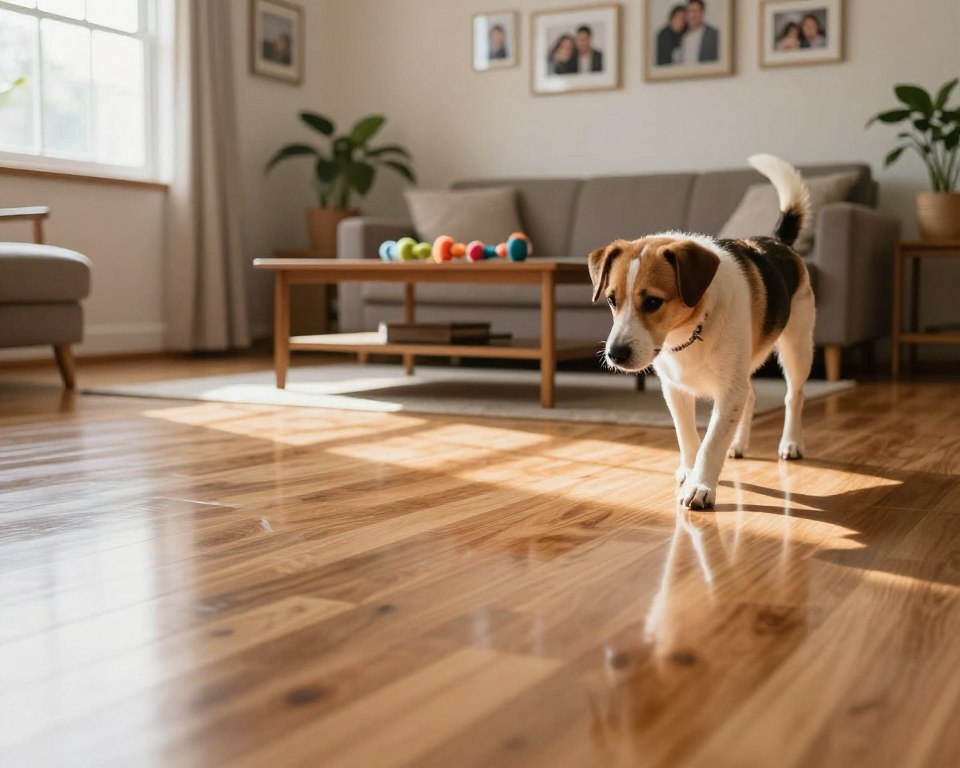
Knowing how pets interact with floors is key to a pet-friendly home. We often clean our homes, but the chemicals we use can be hidden threats to pets. To keep your home safe for pets, you need to look deeper than just the surface.
Chemical Exposure Through Paw Pads
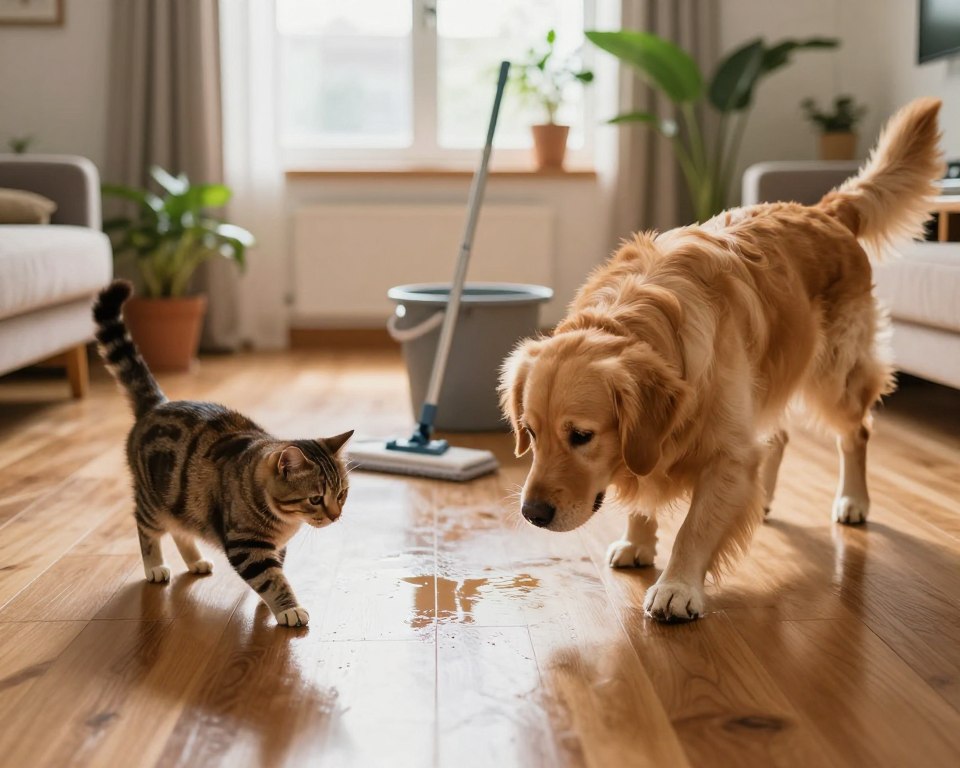
Pet paw pads are very absorbent and sensitive. They can soak up toxins from wet floors. Common household cleaners can be very harsh and cause irritation or burns.
- Increased redness or swelling between the toes.
- Constant licking or chewing of the paws after walking on a floor.
- Visible discomfort or limping immediately after cleaning.
The Danger of Ingestion During Self-Grooming
Pets, like cats and dogs, groom themselves by licking their fur and paws. If they walk on a wet floor, they pick up chemicals. This can be toxic, even in small amounts.
To keep your home safe, pets should not be allowed on wet floors. Ingestion is a major concern because it can cause nausea, vomiting, or serious damage.
Respiratory Irritation from Cleaning Fumes
Pets have a stronger sense of smell than humans. This makes them more sensitive to the VOCs in floor cleaners. Fumes from ammonia-based products can irritate their noses and lungs.
Proper ventilation is key when mopping floors. Open windows or use fans to clear the air. Always choose non-toxic products to keep your home safe for pets.
How Long After Mopping Is It Safe for Pets to Walk on the Floor?
Many pet owners wonder, “How long after mopping is it safe for pets to walk on the floor?” Patience is your best tool for keeping your pet healthy and comfortable after cleaning.
Factors Influencing Drying Time
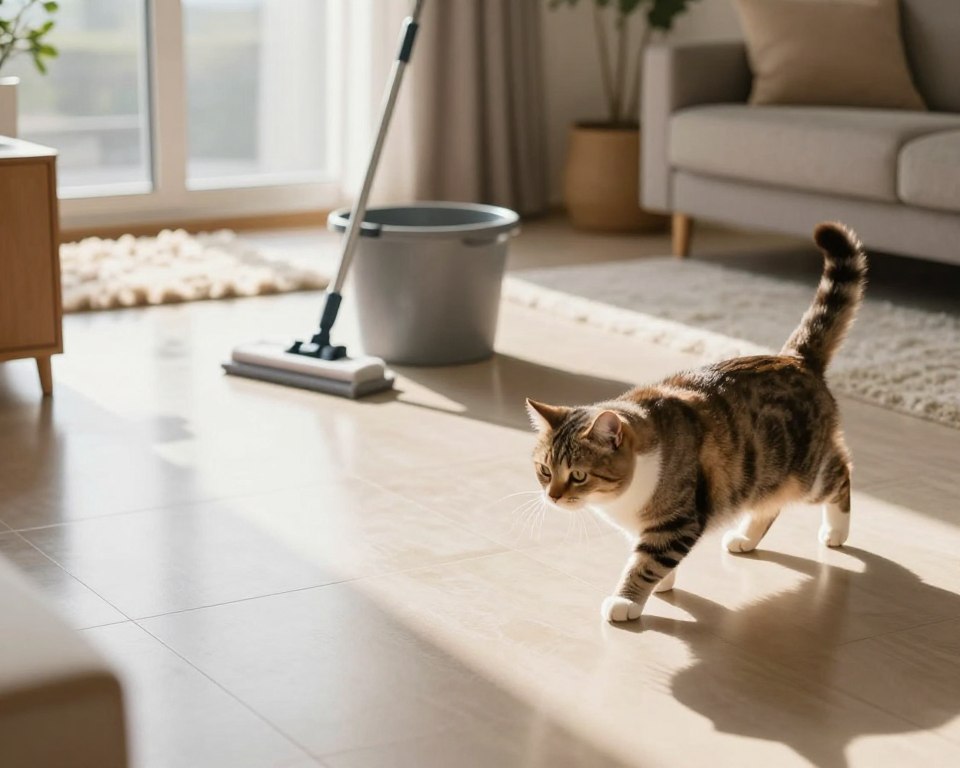
Several things affect how fast a floor dries. The amount of liquid used is key. A mop that’s too wet will take longer to dry, keeping pets away for longer.
The cleaning solution’s strength also matters. A floor that’s too wet can leave a sticky residue. Always use a damp-mop technique to avoid this.
Environmental Conditions and Airflow
Your home’s climate affects drying time. High humidity slows down evaporation, even with little water. Opening windows or using fans can speed up drying.
Good airflow is crucial for quick drying. A cross-breeze helps moisture escape, making floors safer for pets.
The Role of Flooring Material Porosity
Different materials dry at different rates. Hardwood floors, being porous, can trap moisture. Sealed tile or vinyl dry faster because they don’t absorb liquids.
Knowing your flooring type helps plan cleaning. Below is a guide for estimating drying times based on common conditions.
| Flooring Type | Porosity Level | Estimated Drying Time |
|---|---|---|
| Hardwood | High | 45–60 Minutes |
| Ceramic Tile | Low | 15–30 Minutes |
| Vinyl/Laminate | Very Low | 10–20 Minutes |
| Natural Stone | Very High | 60+ Minutes |
Identifying Pet-Safe Cleaning Ingredients
Creating a safe space for your pets starts with knowing what’s in your cleaning supplies. Many products have harsh chemicals that stay on floors long after cleaning. Keeping your home safe for pets is crucial for every pet owner.
Common Household Cleaners to Avoid
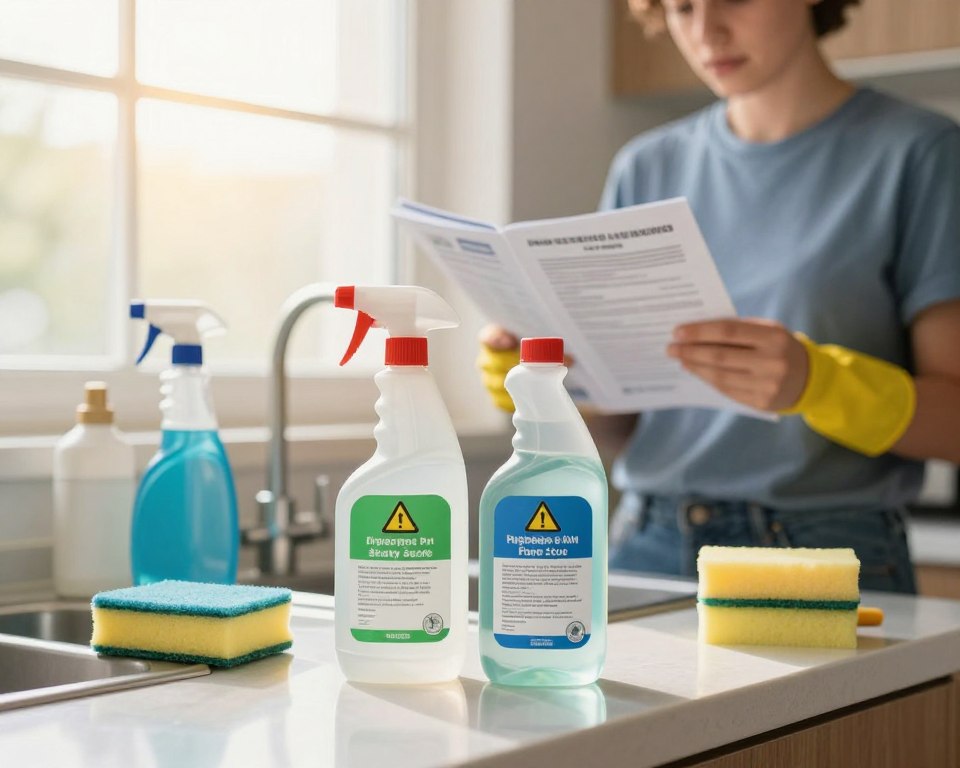
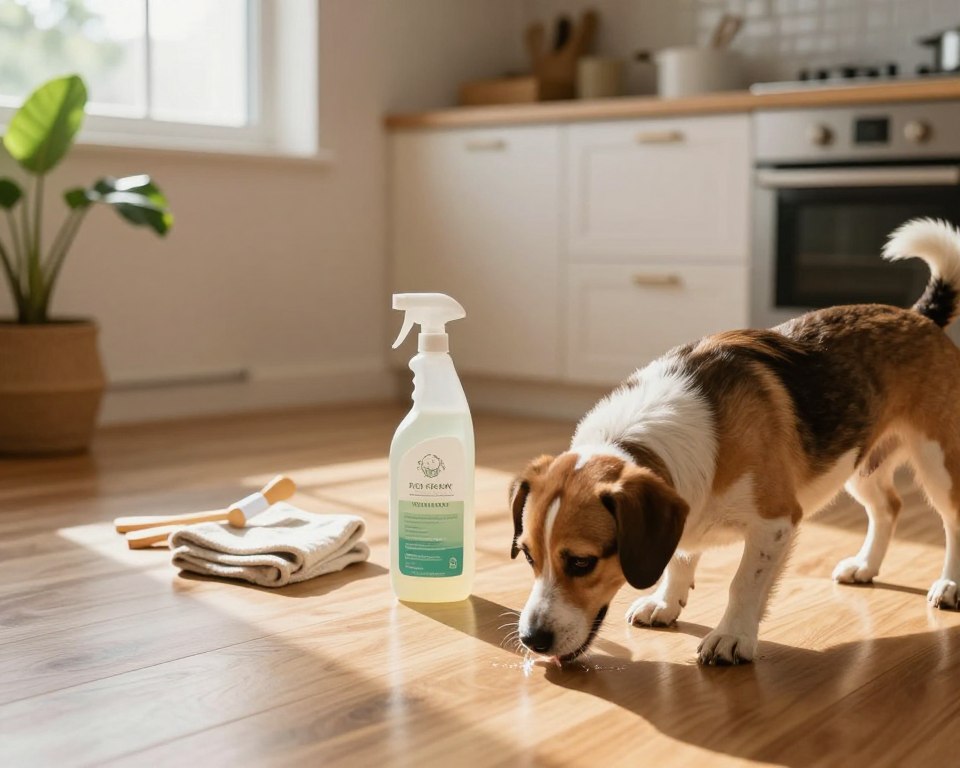
Some floor cleaners have ingredients that can harm pets. Be careful of products with ammonia, chlorine bleach, and phthalates. These can be dangerous if pets eat them or get them on their paws.
Even some cleaners can have fragrances that make pets sick. Always check if your rug deodorizer powder safe for pets doesn’t have these harmful smells. Your pet’s health depends on the quality of the products you use.
“The most effective way to protect your pets is to eliminate toxic chemicals from your cleaning routine entirely.”
Natural Alternatives for Pet-Friendly Homes
Using plant-based cleaners is a great way to keep your home clean and safe. These natural cleaners effectively remove dirt without leaving harmful residues. Many people find that white vinegar or enzymatic cleaners work well on different floors.
These options are generally safe for pets and give you peace of mind. Choosing biodegradable cleaners also helps keep the air in your home healthier. Just remember to use them in moderation to protect your floors.
Reading Labels for Toxic Compounds
It’s important for pet owners to know how to read labels. Look for specific ingredients instead of vague terms. If a product contains formaldehyde, phenols, or glycol ethers, it’s best to avoid it.
Being transparent is key to keeping your home safe for pets. Always research any chemicals you don’t recognize before buying. Being an informed shopper helps protect your pets from harmful substances.
Preparing Your Home for a Pet-Safe Mopping Session
Starting a cleaning day right is key. By taking a few steps ahead, you can keep your pet-friendly home cleaning safe for your pets. This way, you avoid any accidents with cleaning products.
Creating a Temporary Pet Containment Zone
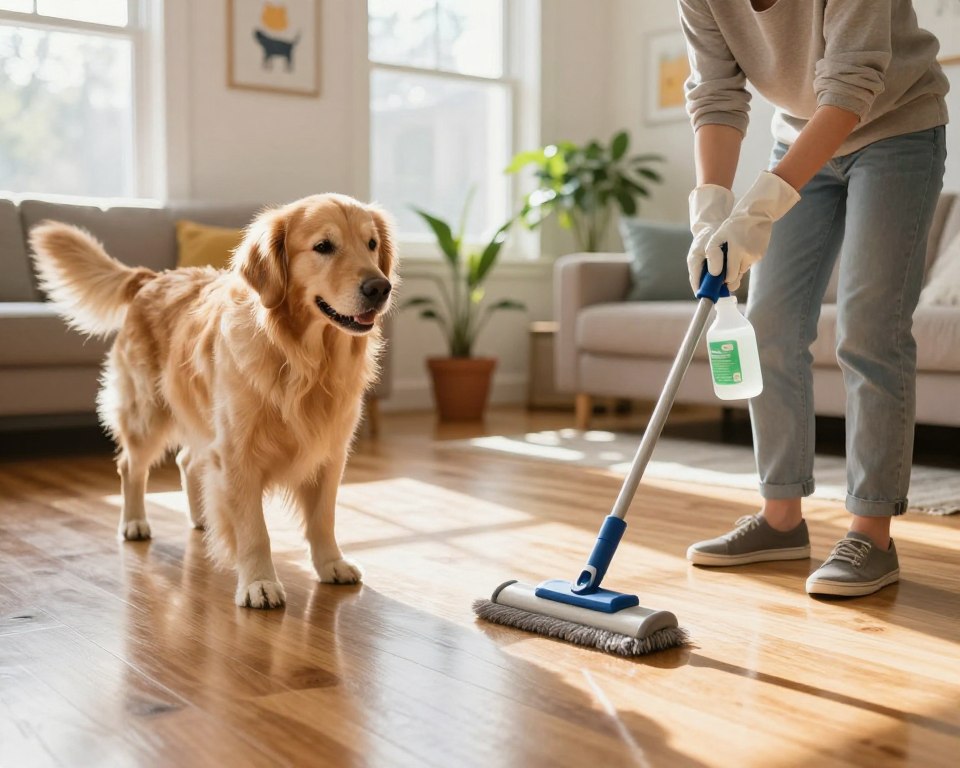
Keeping pets away from wet floors is the best way to protect them. Set up a special area, like a bedroom or laundry room, where they can’t get on damp floors. Consistency is key when teaching pets to stay in these places while you clean.
Use baby gates or portable playpens to block off the mopped area. This keeps your pets safe and happy while you clean. Make sure the area has fresh water and toys to keep them busy.
Ventilating the Area Before and After Cleaning
Good air flow is crucial for a healthy home. Open windows and doors before you start to let fresh air in. This helps get rid of chemical smells quickly, which is important for safety.
“Proper ventilation is the most overlooked step in home maintenance, yet it is the most critical for respiratory health in both humans and pets.” — Home Safety Expert
Removing Pet Toys and Bowls from the Floor
Before you mop, take away all pet items. Bowls, toys, and plushies can soak up cleaners or get wet. This stops your pet from getting sick from cleaning residue later.
| Preparation Step | Primary Benefit | Frequency |
|---|---|---|
| Containment | Prevents paw contact | Every mop |
| Ventilation | Reduces fume buildup | Every mop |
| Clear Clutter | Avoids chemical ingestion | Every mop |
These small steps make your home safe for your pets. A bit of extra effort in pet-friendly home cleaning protects your furry friends from harm.
The Science of Floor Drying Times
Learning about drying times is key to better floor cleaning for pets. Knowing how moisture evaporates helps keep your pets safe.
Why Different Floors Dry at Different Rates
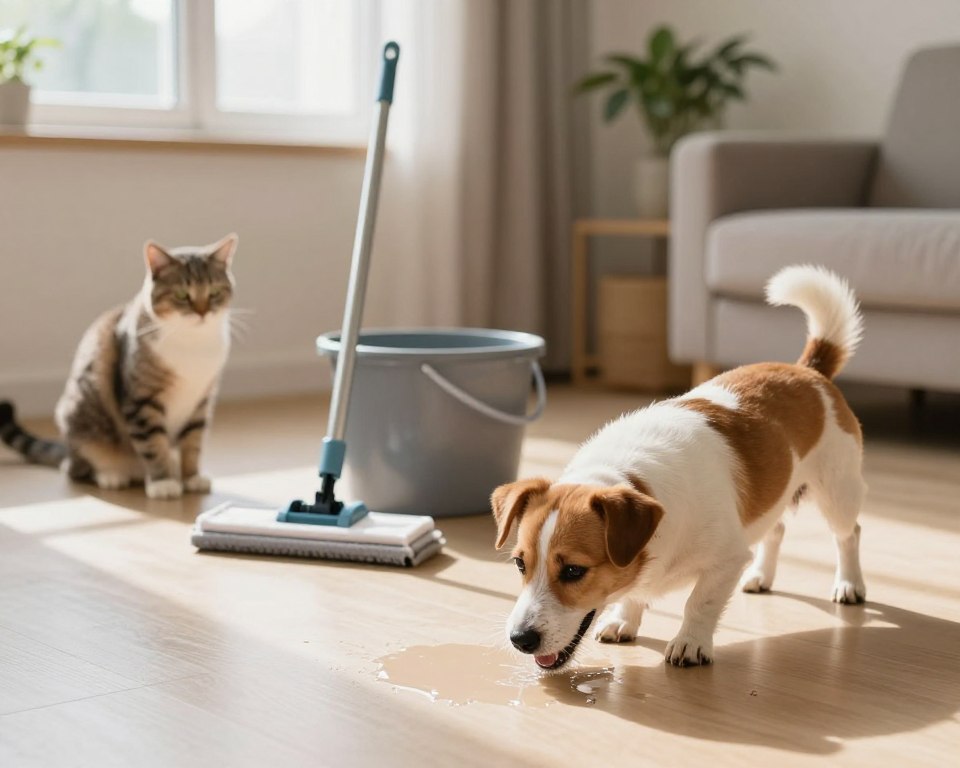
Not all floors dry the same. Porous floors like natural stone or unsealed hardwood soak up water. This makes them dry slower.
On the other hand, non-porous floors like ceramic tile or luxury vinyl plank don’t absorb water. But, they might take longer to dry if the air is still.
Impact of Humidity on Evaporation
Humidity greatly affects how fast floors dry. If the air is already full of moisture, it can’t take in water from your mop.
“The rate of evaporation is inversely proportional to the relative humidity of the surrounding air.”
In humid places, floors dry slower. This can lead to irritated paws in pets.
Using Fans and Dehumidifiers to Speed Up the Process
Using fans and dehumidifiers can help floors dry faster. Strategic airflow is crucial for quick drying.
- Ceiling fans: Turn these on high to circulate air across the entire floor surface.
- Portable fans: Place these near the floor to target areas that dry slowly.
- Dehumidifiers: Running a unit in the room pulls moisture from the air, creating a drier environment that encourages faster evaporation.
By using these methods, you can improve your floor cleaning for pets routine. Dry air means pets can safely return to their favorite spots.
Safe Mopping Techniques for Pet Owners
Learning to floor clean for pets is more than just picking the right soap. It’s about how you use it in your home. By improving your method, you can make a safer space for your pets. This way, they can move around without worrying about harsh chemicals.
Diluting Cleaning Solutions Properly
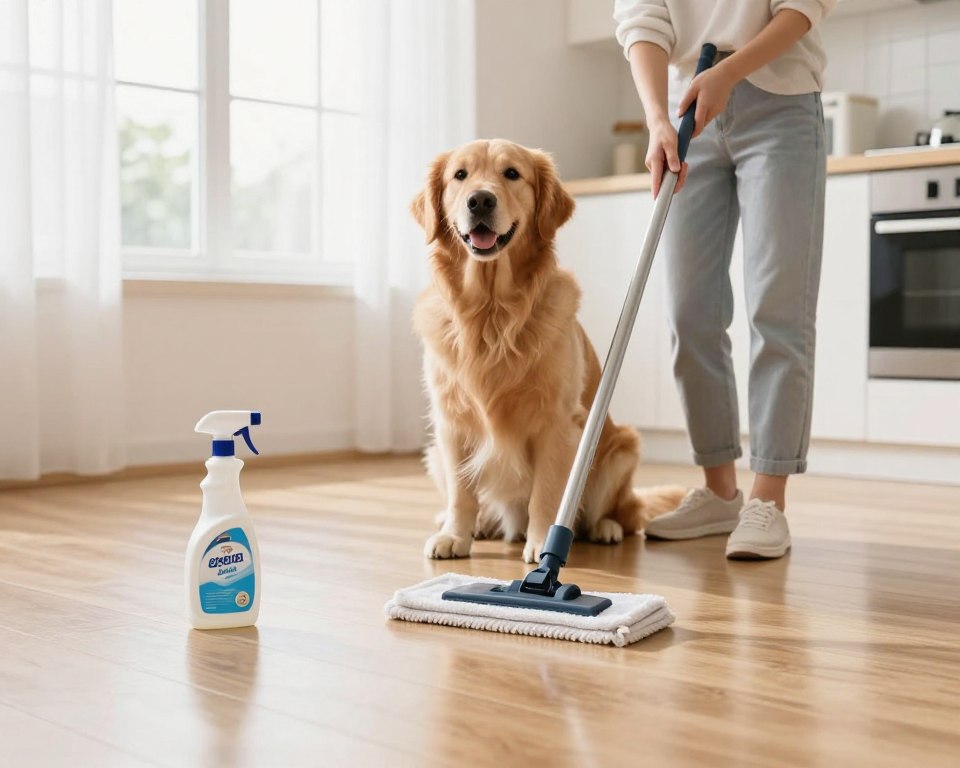
Many think more soap means a cleaner floor. But too much leaves a sticky film that traps dirt and irritants. Always follow the maker’s guide for dilution, or use even less if your pets are sensitive.
Using a precise measuring cup is key. It helps you avoid too much concentrate. This is crucial for pet-friendly mopping, as it reduces the active ingredients left on the floor.
The Importance of Rinsing with Clean Water
Even with mild products, rinsing with plain water is beneficial. It removes any leftover residue that might stick to your pet’s paws.
This step acts as a safety net for your floors. By rinsing, you make sure the mopping floor process leaves a clean, safe surface for your pets.
Avoiding Over-Saturating the Floor Surface
Too much water can harm your floors and create a place for bacteria. Use a mop that’s damp, not soaking wet, to help the floor dry fast.
Quick drying is key to prevent pets from walking on wet floors. If your floors stay wet, try using a fan to speed up drying.
| Cleaning Step | Goal | Pet Safety Impact |
|---|---|---|
| Proper Dilution | Reduce chemical load | High |
| Clean Water Rinse | Remove sticky residue | High |
| Damp Mopping | Minimize drying time | Medium |
Recognizing Signs of Chemical Exposure in Pets
Keeping your floors clean is key to clean floor pet safety. But it’s also important to watch your pets after cleaning. Even with safety precautions, pets can still get sick from leftover chemicals.
Symptoms of Skin Irritation and Paw Burns
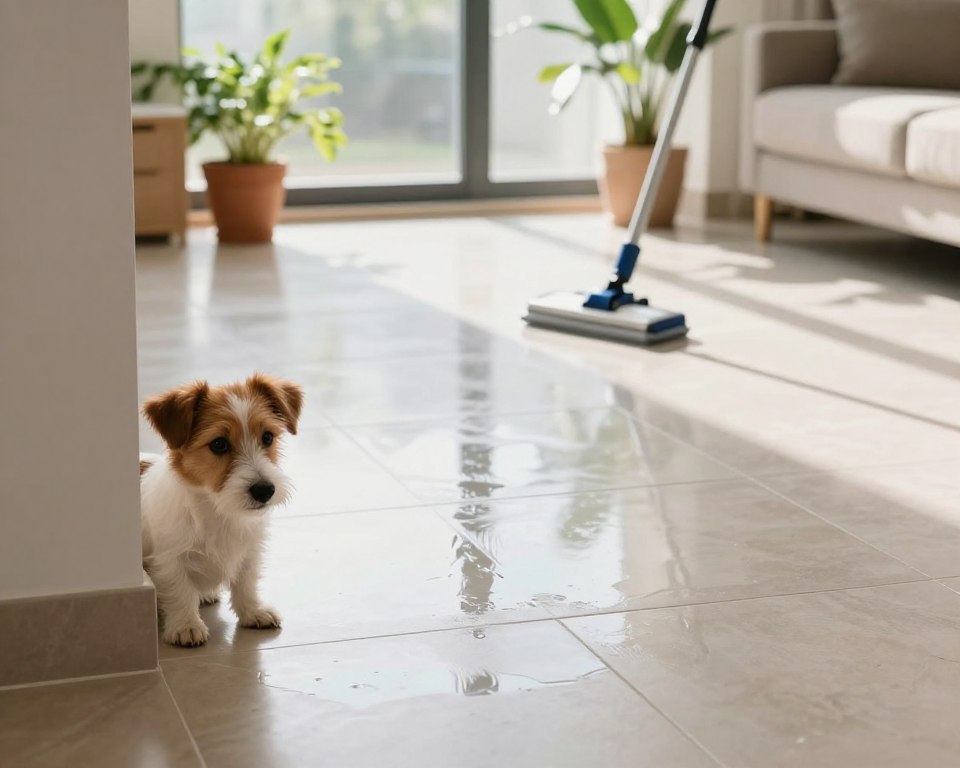
Excessive paw licking is a common sign of skin irritation. If your pet starts chewing their paws after walking on a damp floor, they might be reacting to chemicals. Look for redness, swelling, or blisters on their paw pads.
Severe cases can cause limping or refusal to walk. If you see this, wash their paws with lukewarm water. Always watch the area closely to prevent further irritation.
Signs of Ingestion Toxicity
Pets can ingest chemicals by walking on wet floors and then licking themselves. Many wonder if products like Fabuloso are toxic to cats. Look for sudden changes in behavior, like lethargy or loss of appetite.
Signs of toxicity include drooling, vomiting, or diarrhea. If your pet seems disoriented or trembles, it’s a serious sign. Take immediate action if you see these signs.
When to Contact Your Veterinarian
If you think your pet has been exposed to harmful chemicals, call your vet. Signs of respiratory distress, like coughing or trouble breathing, need emergency care. Always prioritize your pet’s health.
| Symptom Category | Common Warning Signs | Recommended Action |
|---|---|---|
| Dermal | Redness, licking, limping | Rinse paws, monitor |
| Gastrointestinal | Vomiting, drooling | Call vet immediately |
| Behavioral | Lethargy, disorientation | Seek emergency care |
Managing Pet Traffic During Cleaning Days
Starting a pet-friendly mopping routine means controlling where pets go when floors are wet. Pets often follow their owners, but this can lead to them touching damp floors. Simple strategies can help keep floors clean and pets safe from harmful chemicals.
Training Pets to Stay Off Wet Surfaces
Teaching pets to stay away from wet floors is a long-term safety measure. Use positive reinforcement to train your dog or cat to stay in a certain room. Give them treats when they stay on a rug or in their area until the floor is dry.
Being consistent is crucial for this training. If pets sometimes get to walk on wet floors, they’ll get confused. Clear communication helps pets know which areas are off-limits during cleaning.
Using Baby Gates and Barriers Effectively
Training alone might not stop a curious pet from exploring a wet area. Baby gates are incredibly effective for blocking off hallways or kitchen entrances. They keep pets safe without stressing them out.
If you don’t have baby gates, closed doors can also work. This keeps the area you’re cleaning safe. Make sure the barrier is high enough to prevent pets from jumping over or pushing it.
Establishing a Cleaning Schedule That Works for Pets
The timing of your cleaning can affect your pet’s comfort. Try to clean when your pet is resting or napping. Cleaning during a pet’s walk or playtime is often the most stress-free approach.
Aligning your cleaning with your pet’s routine reduces the need for constant watching. A regular schedule makes pets feel secure. It also makes pet-friendly mopping a smooth part of your weekly routine.
Special Considerations for Different Flooring Types
Keeping your home clean and safe for pets starts with knowing your floors. Each floor type reacts differently to water and cleaners. This is key for pet-friendly floor care. By adjusting your cleaning routine, you can keep your home safe for all pets.
Hardwood Floors and Moisture Sensitivity
Hardwood floors are stunning but very sensitive to water. Always use a barely damp mop when cleaning. This prevents water from getting into the wood and causing damage.
Choose a pH-neutral cleaner made for wood floors. Avoid harsh chemicals that can harm the sealant. Keeping your hardwood floors dry is crucial for pet-safe flooring.
Tile and Grout Cleaning Safety
Tile floors are tough, but grout lines soak up cleaners. Too much soap can leave residue in the grout. This poses a risk for pets who lick their paws after walking on the floor.
To stay safe, rinse the floor well with water after mopping. This removes any leftover chemicals from the grout. Consistency is important for keeping your tile floors safe for pets.
Laminate and Vinyl Floor Care
Laminate and vinyl floors are easy to care for but need attention. Avoid slippery surfaces that could make your pet slip. Only use the recommended amount of cleaner to prevent a sticky mess.
These floors dry quickly because they’re non-porous. Still, keep pets away until the floor is completely dry. This prevents them from tracking wet cleaner through your home.
| Flooring Type | Moisture Tolerance | Primary Risk | Best Practice |
|---|---|---|---|
| Hardwood | Low | Warping/Residue | Damp mop only |
| Tile/Grout | High | Chemical trapping | Rinse thoroughly |
| Laminate/Vinyl | Moderate | Slippery film | Use minimal soap |
The Role of Steam Mops in Pet-Friendly Homes
Many pet owners are using steam technology to keep their homes clean and safe. This is a smart choice for a pet-friendly home cleaning routine that avoids harmful toxins.
Benefits of Steam Cleaning Without Chemicals
Steam mops use hot water vapor to clean surfaces well. This method naturally eliminates bacteria, viruses, and dust mites without harsh chemicals or synthetic fragrances.
Choosing steam cleaning means your floors stay free of chemical residues. This is key for pet-friendly cleaning, as it keeps pets safe from harmful substances through their paws or skin.
Safety Precautions When Using Steam Mops
Steam is powerful but needs careful handling to stay safe. Make sure the steam mop works well before you start cleaning.
Keep the power cord away from pets and people to avoid tripping. It’s also smart to keep pets in another room until cleaning is done.
Preventing Thermal Burns on Pet Paws
The heat from steam mops can burn pets if they walk on hot surfaces. Let the floor cool down completely before letting pets back in.
Floors usually dry quickly because steam evaporates fast. But patience is key. Wait until the floor is room temperature to protect pets’ sensitive paws from burns.
Emergency Steps If Your Pet Walks on Wet Floors
Seeing your pet on a wet floor can be stressful. But knowing how to react quickly helps protect their health. Even with clean floor pet safety efforts, accidents can happen when pets explore wet rooms. Staying calm helps you handle the situation well and keep your home safe for pets.
Immediate Cleaning of Pet Paws
If your pet steps on a damp floor, act fast to prevent harm. Gently wipe their paws with a clean, damp cloth or paper towel to remove any chemicals. Avoid harsh soaps as they can irritate their skin or react badly with the cleaner.
After cleaning, rinse their paws with lukewarm water to remove all cleaner residue. Dry their feet well with a soft towel to stop them from spreading moisture. If the cleaner is very toxic, like bleach, check is bleach toxic to cats to understand the risks.
Monitoring for Delayed Reactions
After cleaning their paws, watch your pet closely for a few hours. Look for signs like paw licking, redness, or swelling. Also, watch for general symptoms like tiredness, vomiting, or drooling, which could mean they’ve ingested something.
If your pet seems uncomfortable, call your vet right away. Having the cleaning product label ready can help your vet understand the situation. Early action is key to a good outcome after an accident.
Keeping Cleaning Supplies Out of Reach
Prevention is the best way to keep your home safe for pets. Always keep cleaning supplies in high places or locked away. Never leave spray bottles or buckets alone while you work.
By keeping supplies safe, you reduce the chance of spills or direct contact. Putting products away right after use is crucial for clean floor pet safety. Regular habits make a safe space for your pets to explore without worry.
| Action Step | Priority Level | Goal |
|---|---|---|
| Wipe paws with damp cloth | High | Remove residue |
| Rinse with fresh water | High | Neutralize chemicals |
| Observe for 24 hours | Medium | Monitor health |
| Secure cleaning supplies | High | Prevent future accidents |
Best Practices for Daily Floor Maintenance
Keeping your home clean is key, but the right cleaning methods are crucial. Choosing gentle cleaning for floor cleaning for pets helps avoid harsh chemicals. This keeps your home safe and clean for everyone.
Spot Cleaning Versus Deep Mopping
Spot cleaning is often better than deep mopping for pet owners. Quick action on spills and muddy paws stops grime buildup. This proactive habit cuts down on chemical residue on your floors.
Save deep mopping for when floors are really dirty. Use little water and mild, safe cleaners. This keeps your home clean and safe for pets.
Choosing Pet-Safe Floor Polishes and Waxes
Always check labels for toxins when picking floor finishes. Traditional polishes can harm pets. Choose pet-friendly cleaning options or natural waxes like carnauba.
Stay away from strong fragrances and ammonia in cleaners. These can irritate pets. Plant-based cleaners offer a nice shine without harming pets.
Maintaining a Clean Environment Without Harsh Chemicals
Use simple tools like microfiber mops and steam cleaners. They clean with just heat or water, avoiding harsh chemicals. Regular use of these tools keeps floors safe for pets.
| Cleaning Method | Frequency | Chemical Risk | Best For |
|---|---|---|---|
| Spot Cleaning | Daily | Very Low | Small spills |
| Steam Mopping | Weekly | None | Sanitizing |
| Deep Scrubbing | Monthly | Moderate | Heavy grime |
Common Myths About Pet Safety and Floor Cleaning
Keeping your home safe for pets can be tough. Many people look online for advice, but not all of it is true. It’s key to know the facts about pet-safe flooring to keep your pets healthy.
Debunking Natural Cleaner Misconceptions
Many think “natural” means safe for pets. But, some natural ingredients can still harm animals. Always check the ingredients before using them on your pets.
Make sure to check if your cleaners are safe. For more info on switching to pet-friendly cleaners, look at vet websites. Don’t trust just the name of a product.
Clarifying the Safety of Vinegar and Essential Oils
Vinegar is common, but it’s too acidic for pets. Many essential oils, like tea tree or peppermint, are toxic to dogs and cats. Even if it smells good to you, it might harm your pets.
For pet-friendly floor care, avoid using essential oils in cleaners. If you’re unsure, like about disinfectants, ask your vet. Clear labels are your best protection against accidents.
Addressing the “Dry to the Touch” Fallacy
Many think a floor is safe when it feels dry. But, chemicals can stay on the floor even after it dries. These chemicals can get on your pet’s paws and into their system.
To keep your home safe, let the floor dry longer than it feels dry. Use fans to help remove chemicals. Remember, moisture isn’t the only thing to watch for:
| Cleaning Factor | Common Myth | Scientific Reality |
|---|---|---|
| Natural Ingredients | Always non-toxic | Can cause irritation |
| Essential Oils | Safe for all pets | Often toxic to cats/dogs |
| Surface Drying | Safe when dry | Residue remains active |
| Vinegar Use | Harmless cleaner | Acidic; can burn paws |
Conclusion
Keeping your home clean is important, but so is your pets’ health. You can make a safe space for them by choosing the right cleaning methods.
Use safe cleaning products to mop your floors. Options like white vinegar or pet-safe brands like Method or Mrs. Meyer’s work well. They clean without harming your pets.
Be patient when your floors dry. Letting them dry fully prevents irritation and keeps your pets safe. Good air flow helps speed up drying.
Watch your pets after you mop to make sure they’re okay. Regular cleaning keeps your floors and pets safe. Taking care of your home helps everyone in your family stay happy.
FAQ
How long after mopping is it safe for pets to walk on the floor?
Wait at least 30 to 60 minutes for the floor to dry. The exact time depends on your pet-safe flooring and home humidity. Keep pets in a separate room until the floor is completely dry and not tacky.
Are “natural” cleaners like vinegar and essential oils always safe for pets?
No, they’re not always safe. Vinegar can irritate pets if not diluted right. Some essential oils, like tea tree or peppermint, are toxic to cats and dogs. Always use pet-friendly cleaning products, like Dr. Bronner’s Sal Suds.
Why is it dangerous for my dog or cat to walk on a wet, freshly mopped floor?
Pets are vulnerable because their paw pads can absorb chemicals. They might also ingest toxins during grooming. Using pet-friendly mopping prevents irritants like ammonia or phenols.
Which cleaning ingredients should I avoid to ensure pet-friendly floor care?
Avoid products with phthalates, formaldehyde, bleach, and benzalkonium chloride. These can cause health problems. For floor cleaning for pets, choose non-toxic or solvent-free products.
Can I use a steam mop as a pet-safe alternative to chemical cleaners?
Yes, steam mops from Shark or Bissell are great for pet-friendly cleaning. They use hot water vapor to clean floors without chemicals. Just keep pets away to avoid thermal burns.
How can I speed up the drying time to make the floor safe for pets faster?
Increase airflow to dry the floor faster. Turn on fans, open windows, or use a Dyson fan. A dehumidifier can also help dry the floor quicker.
What should I do if my pet accidentally walks on a wet floor cleaned with chemicals?
Wash their paws with lukewarm water and mild soap right away. Watch for signs of chemical exposure. If they’ve ingested something, call your vet or the ASPCA Animal Poison Control Center.
Is a floor safe for pets as soon as it is “dry to the touch”?
Not always. Chemicals can still be present even if the floor feels dry. Always rinse with clean water after mopping to remove residues.
Are specific flooring types like hardwood or laminate more dangerous when wet?
A: Hardwood floors and laminate can be slippery and trap chemicals. Tile and grout can also hold moisture. Always ensure the floor is bone-dry for pet-friendly home cleaning.