Did you know that 8.3% of all calls to pet poison control centers involve common household cleaning products? Our homes may be clean, but our cats often suffer. Many owners ask: Can Cats Get Poisoned by Walking on Freshly Cleaned Floors?
Pets are close to the ground, making them more likely to get exposed to chemicals. Grooming habits mean they ingest substances on their paws. Knowing these risks helps keep your pet safe.
Key Takeaways
- Household cleaners account for over 8% of pet-related toxic exposure reports.
- Felines ingest chemicals through natural grooming behaviors after contact with surfaces.
- Residue left behind by common detergents can cause skin irritation or internal distress.
- Dilution and proper rinsing are essential steps to protect your pet after mopping.
- Always check labels for pet-safe ingredients before applying products to your home.
Understanding the Risks of Floor Cleaning Chemicals
Keeping a home clean is important, but we must think about how cats and freshly cleaned floors interact. Many household products have harsh chemicals that can harm cats. About 8.3% of pet poison calls are from these products, showing a big concern for pet owners.
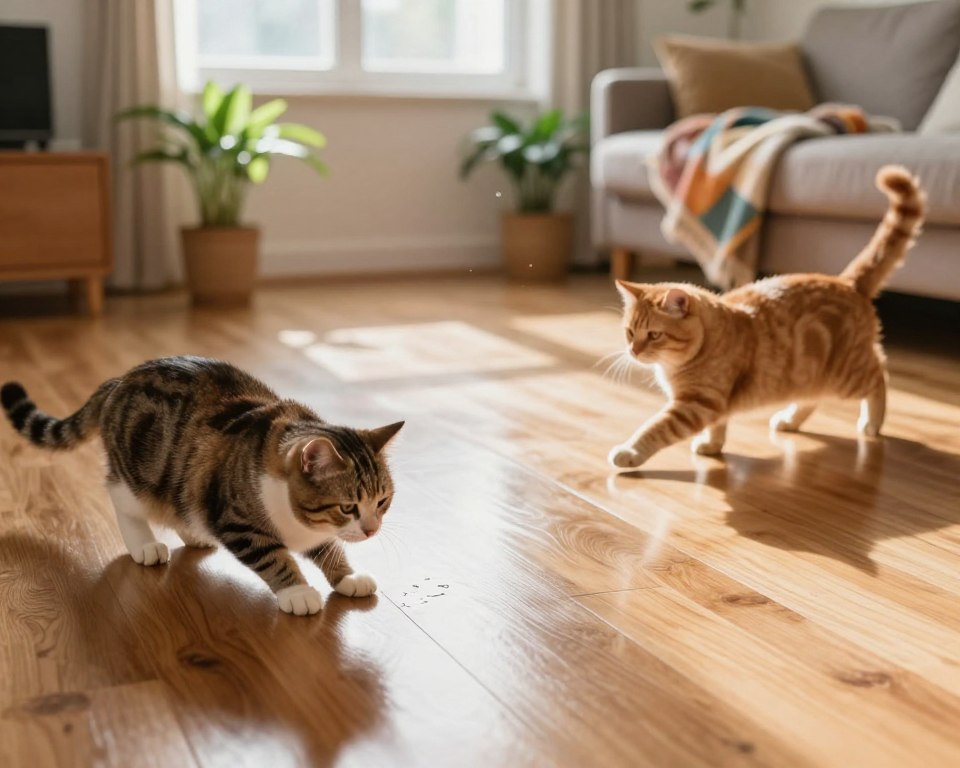
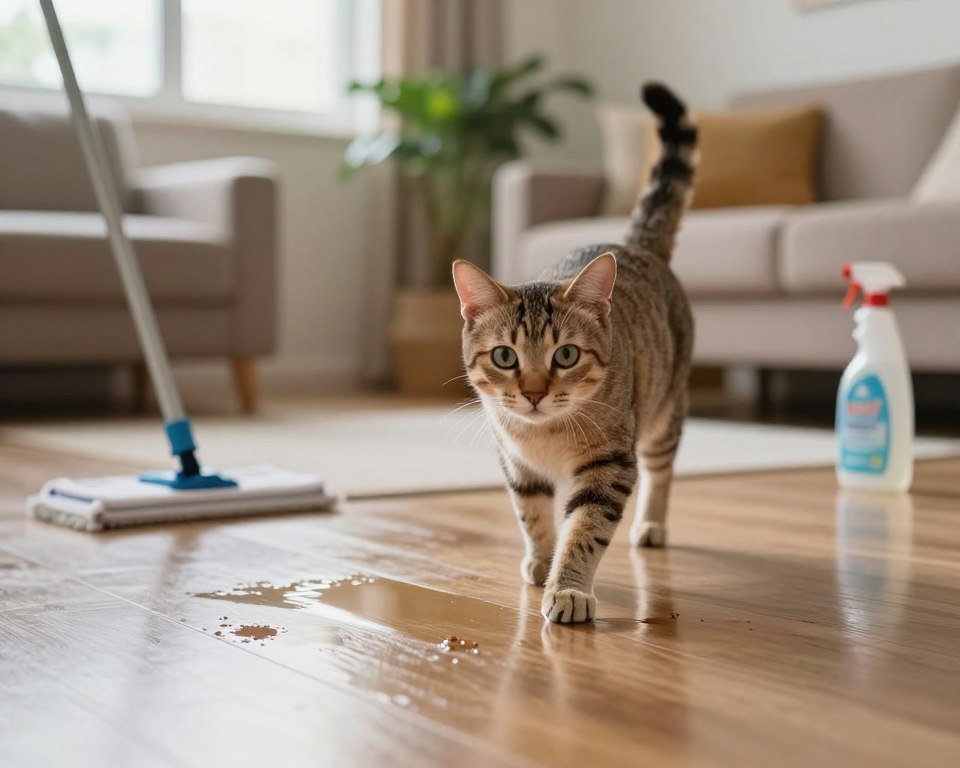
When you mop, you might make your home dangerous for your cat. Cats are curious and explore a lot. They often walk on damp floors, getting chemicals on their paws.
Cats also groom themselves by licking their paws. This means they can eat toxic substances. Plus, inhaling fumes from drying floors can hurt their breathing. Knowing these risks helps keep cats and freshly cleaned floors safe.
| Risk Factor | Potential Impact | Severity Level |
|---|---|---|
| Direct Ingestion | Gastrointestinal upset | Moderate |
| Dermal Contact | Skin irritation or burns | Low to Moderate |
| Inhalation | Respiratory distress | High |
Can Cats Get Poisoned by Walking on Freshly Cleaned Floors?
Yes, cats can get poisoned by walking on freshly cleaned floors. Their paws are very sensitive and can absorb chemicals easily.
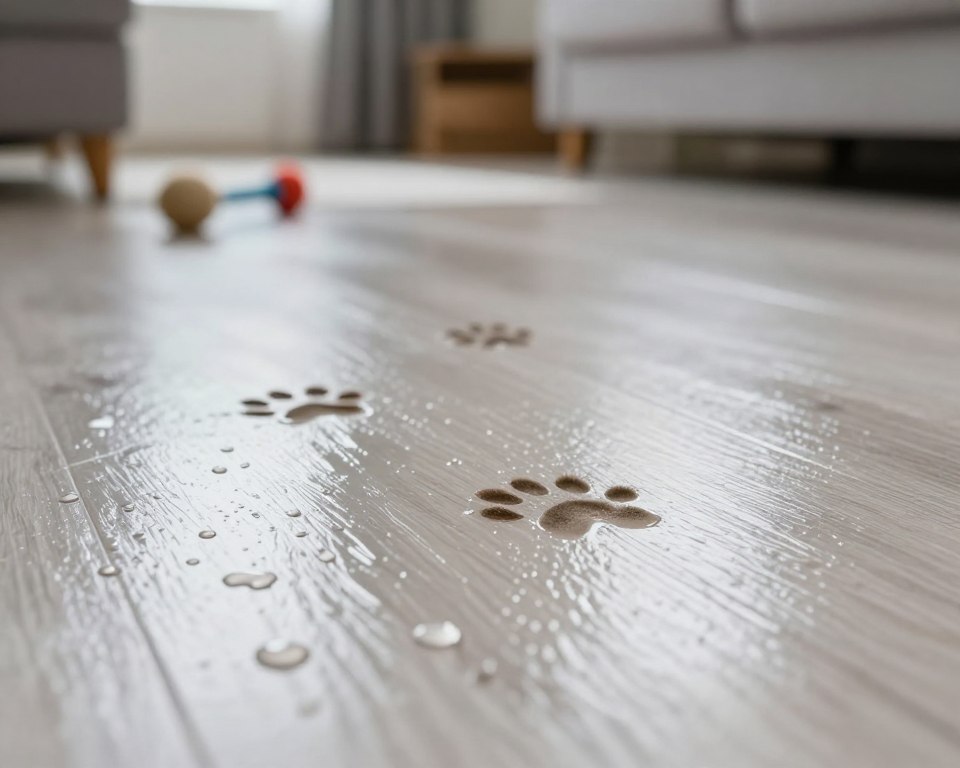
When you clean your home, you leave behind a thin layer of residue. If your cat walks on this, the chemicals can stick to their paws and fur. This direct contact is the first step in a potential poisoning event.
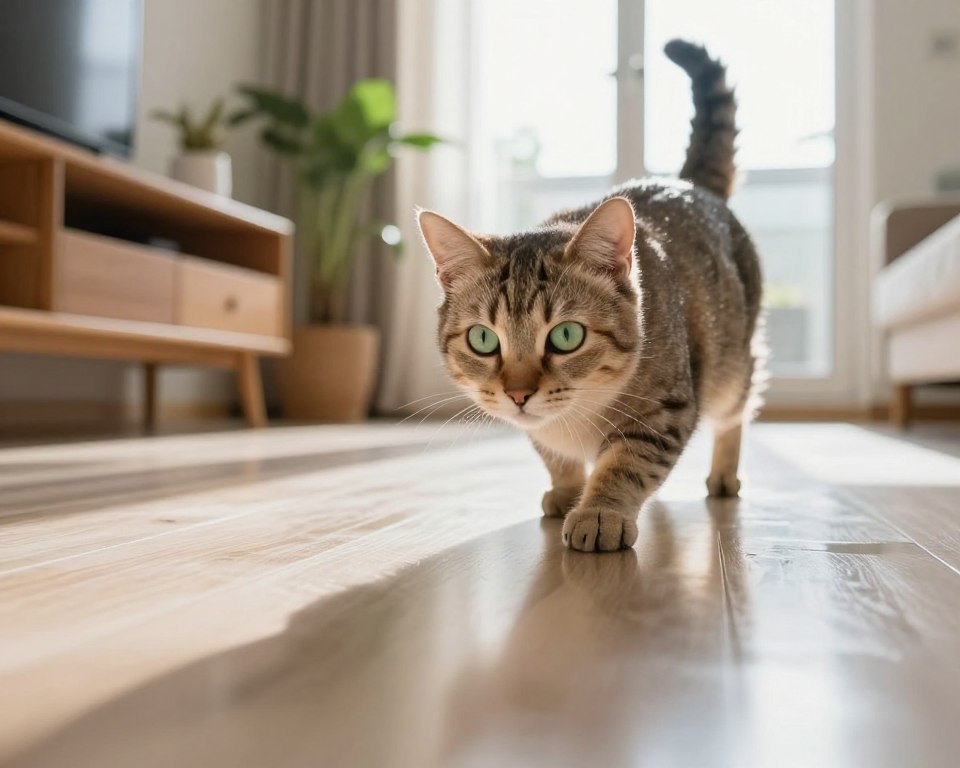
The risk depends on the cleaning product’s strength. Strong cleaners are more dangerous than mild ones. How long the cat is exposed also matters a lot.
“The safety of our pets should always be the primary factor when choosing household maintenance products, as their small bodies process toxins differently than our own.”
Cats groom a lot, which means they can swallow these chemicals soon after touching treated floors. Even a little bit of residue can harm them over time. Keeping floors safe is key for cat owners.
Knowing how floors can be dangerous helps you protect your cat. By understanding the risks, you can make your home safer for your pet. This way, you can ensure a safe space for your cat to live.
Common Household Cleaning Ingredients Toxic to Felines
Your floors might look clean, but they could have harmful substances. Many cleaning products are safe for humans but not for pets. Knowing what’s in your cleaner is key to a safe home.
Phenols and Coal Tar Derivatives
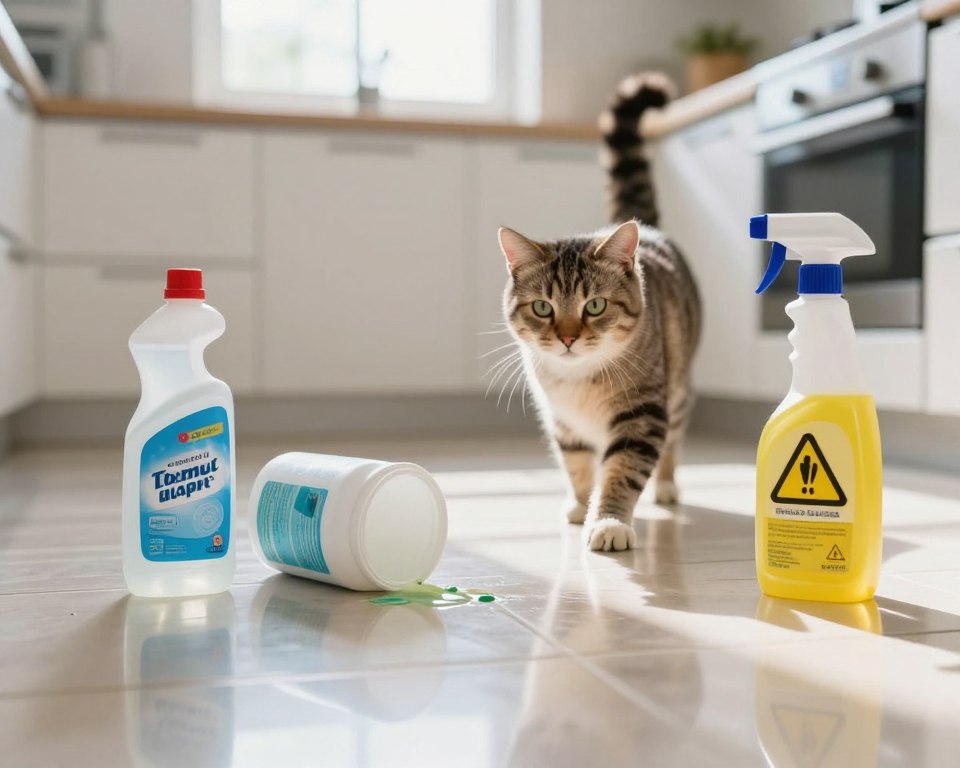
Phenols are in strong floor cleaners and disinfectants. They are very dangerous for cats because their livers can’t handle them. Even a little can cause serious health problems if your pet licks their paws after walking on it.
Ammonia and Bleach Hazards
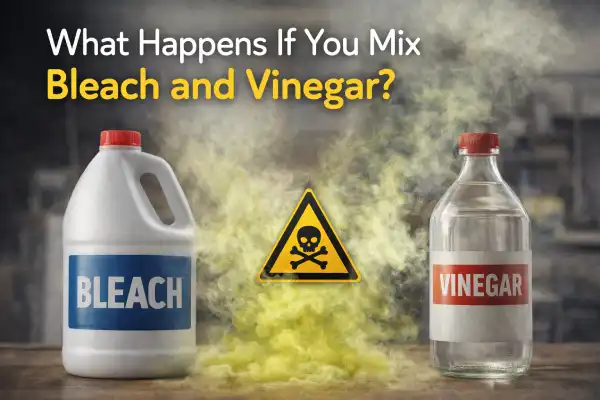
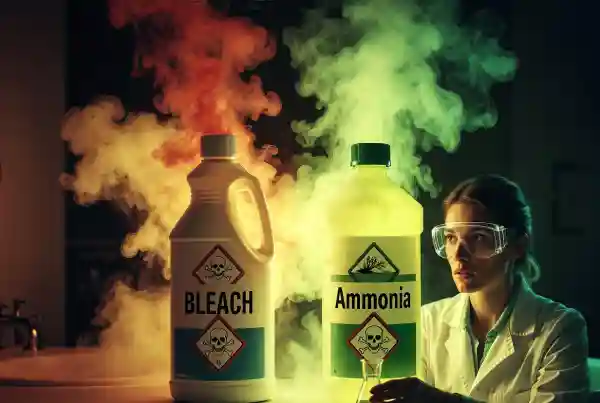
Ammonia, bleach, and chlorine are common but very harmful chemicals on floors for cats. They can burn a cat’s paws and irritate their breathing. The fumes can also harm their sensitive respiratory system.
“Pet owners should always prioritize products that are explicitly labeled as non-toxic and pet-safe to avoid accidental exposure to harsh industrial cleaners.”
When buying supplies, check the label for these ingredients and avoid them:
- Ammonia
- Bleach (Sodium Hypochlorite)
- Chlorine
- Formaldehyde
- Isopropyl Alcohol
Phthalates and Synthetic Fragrances
Many cleaners have synthetic fragrances for a “fresh” smell. But these often have phthalates, which can harm small animals. Choosing fragrance-free or naturally scented cleaners reduces the risk of harmful chemicals on floors for cats.
How Cats Absorb Toxins Through Their Paws
The interaction between cats and freshly cleaned floors can be risky. Many think a dry floor is safe for pets. But, tiny chemical bits can still be there, picked up by a cat’s sensitive paws.
The Grooming Habit and Ingestion Risks
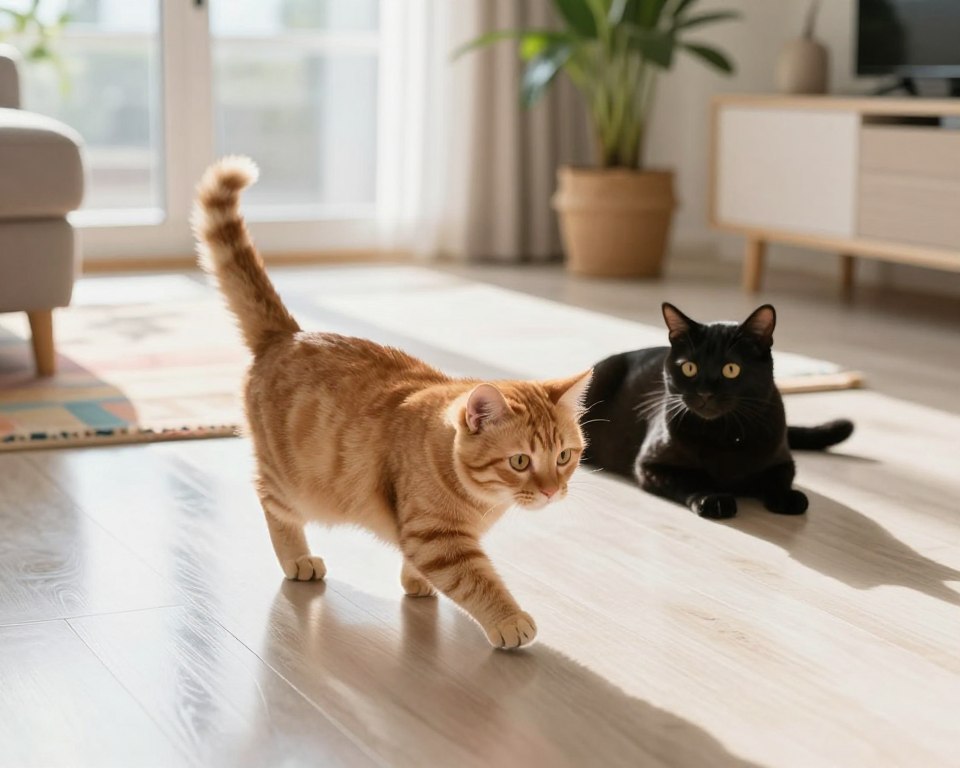
Cats groom a lot, which can be risky. Walking on chemical-treated floors can leave toxins on their fur and paws. Then, during grooming, they swallow these toxins, risking their health.
Even a little bit of chemical can harm. For example, some cleaners are toxic to cats if they eat them. Knowing this can help keep your pet safe.
Dermal Absorption Through Paw Pads
Cats can also absorb toxins through their skin. Their paw pads are sensitive and can take in chemicals. When cats and freshly cleaned floors meet, the skin can absorb toxins into the blood.
This dermal absorption is quicker than digestion. So, chemicals can get to organs fast. It’s crucial to keep floors clean and dry to keep your cat safe.
Recognizing the Symptoms of Chemical Poisoning in Cats
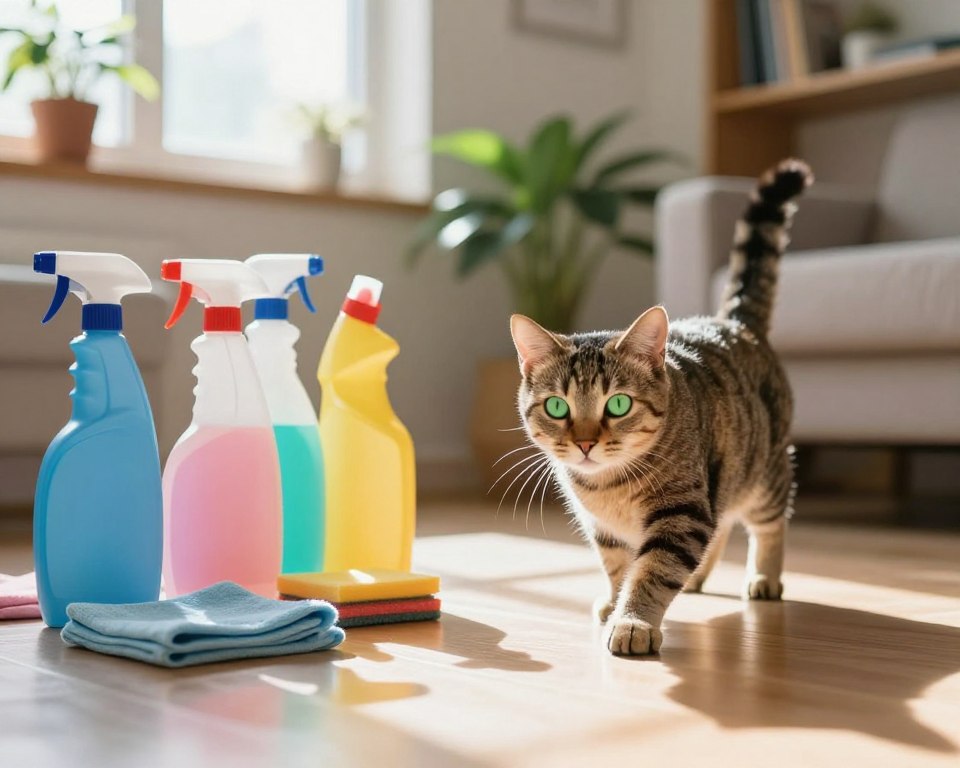
When you use cleaning products and cats are around, watch for changes in behavior. Even a little residue can upset sensitive cats. Staying alert to these signs can help your pet recover.
Gastrointestinal Distress Signs
The digestive system is often the first to react when a cat ingests toxins from a freshly cleaned floor. You might notice your cat drooling excessively or suddenly refusing to eat. Frequent vomiting is another common indicator that your pet has encountered harmful substances.
Neurological and Behavioral Changes
Chemical exposure can sometimes affect the nervous system, leading to more alarming physical responses. If your cat appears disoriented, lethargic, or uncoordinated, you should seek help immediately. In severe cases, exposure to toxic cleaning products and cats can even trigger seizures or tremors.
Respiratory and Skin Irritation Indicators
Beyond internal distress, look for signs of external irritation on your cat’s body. Red, inflamed paw pads or persistent scratching are clear indicators of dermal contact. If your cat is coughing, wheezing, or having trouble breathing, the fumes from your floor cleaner may be the culprit.
| Symptom Category | Common Signs | Severity Level |
|---|---|---|
| Gastrointestinal | Vomiting, Drooling | Moderate |
| Neurological | Seizures, Lethargy | Critical |
| Dermal/Respiratory | Redness, Coughing | Moderate |
Always monitor your pet closely after you finish your chores. If you suspect your cat has been exposed to cleaning products and cats, do not wait for symptoms to worsen. Quick action is the best way to ensure your feline friend stays safe and healthy.
Immediate Steps to Take if You Suspect Poisoning
If you think your cat has been poisoned, acting fast is crucial. Staying calm is key to keep your pet stress-free during a crisis involving toxins on floors for cats.
Assessing the Environment and Product Labels
First, find out what cleaning agent was used. Look at the label for ingredients and pet warnings. Many wonder, for example, is Fabuloso toxic to cats. Always check your cleaning supplies.
Get this info for your vet:
- The exact name of the cleaning product used.
- A list of active ingredients found on the back of the bottle.
- The approximate time of exposure and the amount of product involved.
- Any specific symptoms your cat is currently displaying.
Contacting Veterinary Emergency Services
If you suspect your pet has been poisoned, don’t wait. Call your local emergency vet or a specialized service for help.
Call the Pet Poison Helpline at 855-764-7661 for expert advice. Having this number ready is crucial when dealing with toxins on floors for cats. Always follow the vet’s instructions, as they know how to handle these situations.
Safe Cleaning Practices for Pet-Friendly Homes
Keeping your cat safe on floors is crucial for pet owners in the United States. Simple habits can keep your home clean without harming your cat. It’s best to prevent accidents by avoiding harmful substances.
Choosing Pet-Safe Cleaning Agents
Always check the labels when buying cleaning supplies. Many cleaners have harsh chemicals that can harm your cat. Look for non-toxic or pet-safe products to keep your home safe.
Stay away from cleaners with ammonia or chlorine. Knowing if bleach is toxic to cats is important. These can cause breathing problems and burns. Choose plant-based or enzymatic cleaners instead.
Implementing a Drying Time Protocol
Even mild cleaners need time to dry before letting your cat back in. Wet floors can pick up harmful chemicals on your cat’s paws. Wait until the floor is dry to reduce this risk.
Use fans or open windows to dry the floor faster. This helps keep your cat safe. Keep your pet in a separate room until the area is completely dry.
| Cleaning Product Type | Safety Level | Recommended Use |
|---|---|---|
| Chlorine Bleach | High Risk | Avoid around pets |
| Ammonia Cleaners | High Risk | Avoid around pets |
| Enzymatic Cleaners | Safe | Pet-friendly homes |
| Vinegar Solutions | Safe | General maintenance |
Natural and Non-Toxic Alternatives for Floor Care
Keeping your home safe for your cat starts with the cleaning products you use. Many are now choosing pet-friendly floor cleaning to avoid harsh chemicals. Using natural ingredients helps keep your home clean and your cat safe.
Using Vinegar and Water Solutions
White vinegar is a strong cleaner that’s safe for your home. Mixing it with water makes a solution that removes dirt without harm. It’s a good choice to avoid harmful cleaning products.
To use it, mix equal parts water and vinegar in a spray bottle. Lightly mist your floors and clean with a microfiber cloth. This is a great, safe choice for daily cleaning.
Baking Soda for Deodorizing Floors
Baking soda is great for freshening carpets or rugs. It’s a natural mineral that absorbs odors well. Always check ingredients, as some products are not safe for pets.
Just sprinkle baking soda on your carpet, wait 15 minutes, and vacuum. This method removes smells without using harmful chemicals. It’s a key part of a healthy home for cat owners.
Steam Cleaning as a Chemical-Free Option
Steam cleaning is a top choice for cleaning floors without chemicals. It uses hot water vapor to kill bacteria and remove dirt. It’s ideal for those who want pet-friendly floor cleaning.
Steam cleaners only use water, so there’s no risk of toxic residue. Once the floor is dry, your cat can walk on it safely. Getting a good steam mop is a smart choice for your pet’s health.
The Importance of Proper Ventilation During Cleaning
Did you know that the air your cat breathes while you clean can be harmful? Many owners focus on the surface, but airborne vapors can stay long after cleaning. It’s key to manage these toxins on floors for cats for a healthy home.
Reducing Airborne Chemical Concentrations
Strong cleaning agents release harmful fumes into the air. These can irritate your cat’s sensitive lungs and cause health problems. If you’re wondering about is Lysol toxic to cats, it’s good to know the risks.
To keep your pet safe, quickly disperse these vapors. Increase airflow to lower chemical inhalation risks. Consistent ventilation is a key defense against harmful substances.
Using Fans and Open Windows Effectively
Simple solutions can clear the air effectively. Open windows on opposite sides for a cross-breeze. If it’s not windy, use these tips:
- Position box fans in windows to pull fresh air in or push stale air out.
- Use ceiling fans on high to circulate air and avoid fume pockets.
- Keep doors open to improve air exchange in the house.
Keep your cat in a well-ventilated area away from cleaning until it’s dry. These steps help reduce toxins on floors for cats and keep your home safe for your pet.
How to Properly Dilute and Rinse Cleaning Solutions
To have a pet-friendly floor cleaning routine, you need to know about your cleaning supplies. Many household products are too strong for homes with pets. It’s important to mix your cleaning solutions right to keep your pet safe.
The Science of Dilution Ratios
Dilution ratios are not just suggestions; they are critical safety guidelines from manufacturers. Using too much cleaner can leave toxic residues that harm your cat’s paws.
Always measure your cleaning agents precisely using a dedicated cup or the cap provided. Never eyeball the mixture, as even a small increase in concentration can significantly change the chemical profile of the solution. Following these ratios ensures that the cleaner performs its job while remaining safe for your feline companion.
“The dose makes the poison; even the most common household cleaners can become dangerous if used in concentrations that exceed safety standards.”
Why Rinsing with Water Matters
Even with the right dilution, some chemical film often remains on the floor surface after mopping. This residue is a common culprit for accidental ingestion when cats groom their paws after walking across a freshly cleaned area. Implementing a thorough rinse with plain water is the most effective way to neutralize these lingering chemicals.
To ensure your pet-friendly floor cleaning process is complete, follow these steps:
- Mop the floor with your diluted cleaning solution as directed.
- Allow the floor to sit for the recommended contact time.
- Go over the entire area again with a clean mop dampened only with fresh, warm water.
- Dry the floor with a clean towel or allow it to air dry completely before letting your cat back into the room.
This final rinse step acts as a safety buffer, significantly reducing the amount of chemical residue left behind. By prioritizing this extra effort, you create a much safer environment for your cat to explore and play.
Creating a Safe Zone for Your Cat During Cleaning
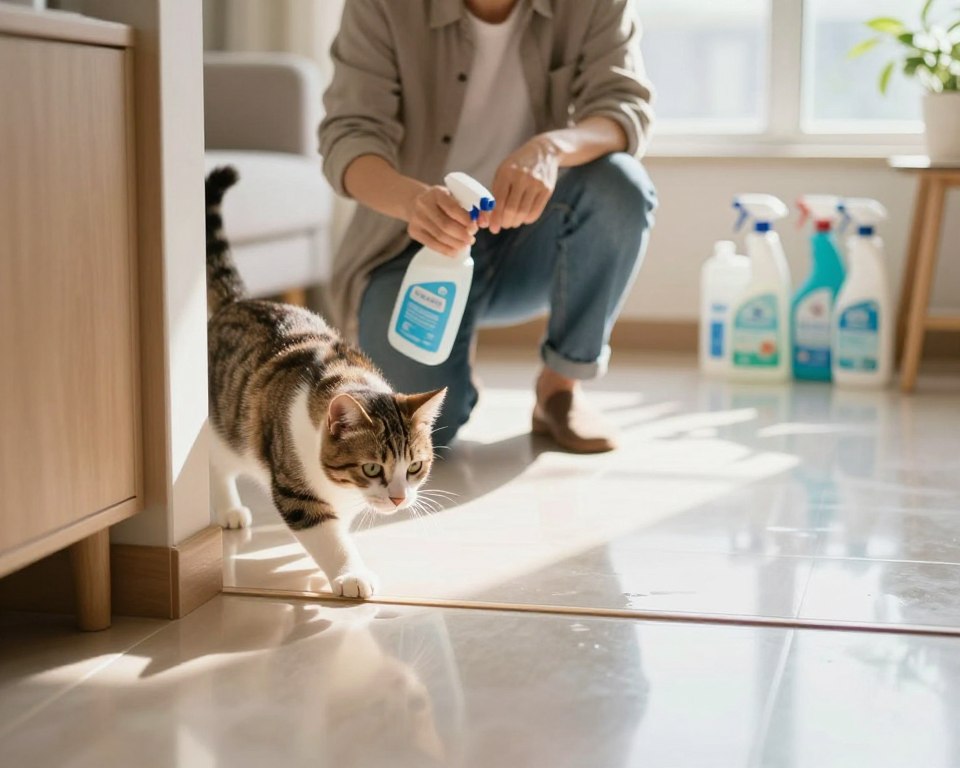
Keeping your home safe during cleaning is key for your cat’s well-being. Liquid cleaners can leave residue on surfaces for a long time. By keeping your pet away, you prevent them from getting wet and then licking it off.
Utilizing Crates and Separate Rooms
Designating a safe area is the best way to protect your pet. A crate can be a peaceful retreat for your cat. Make sure it has their favorite blanket and toys.
Or, you can put your cat in a separate room. This keeps them away from wet floors. Consistency is key to keeping your cat safe and calm.
Establishing Cleaning Schedules Around Cat Activity
Aligning cleaning with your cat’s routine makes it easier. Cats often nap at the same times every day. Cleaning during these times helps avoid wet floor accidents.
If your cat is active, use a laser pointer or feather wand elsewhere. This keeps them busy and away from the cleaning area. By planning carefully, you can keep your home clean and your pet safe.
Long-Term Health Impacts of Exposure to Floor Toxins
Long-term exposure to harmful chemicals on floors for cats can harm your cat’s health slowly. You might not see immediate effects, but these substances can build up in their body. Keeping your home clean safely is key to your cat’s long, healthy life.
Chronic Organ Stress and Liver Function
The liver is the main filter for toxins in cats. When cats walk on surfaces with harsh cleaners, they ingest small amounts during grooming. This can cause chronic organ stress and make the liver work too hard.
This stress can damage the liver’s ability to process nutrients and filter waste. Even small amounts of harmful chemicals on floors for cats can harm their vital organs. Keeping your home chemical-free is a great way to protect your cat’s health.
“The environment we create for our pets is the foundation of their long-term health. Small, consistent changes in how we clean can prevent significant medical issues down the road.”
Potential for Allergic Sensitization
Repeated exposure to synthetic fragrances and cleaners can cause allergic sensitization. Your cat may develop skin irritation or breathing problems. These issues can start with mild itching and get worse over time.
Watch for changes in your cat’s behavior or skin. If they scratch or sneeze after cleaning, it’s time to use safer products. Keeping your home free from harmful chemicals on floors for cats helps prevent these allergies.
| Exposure Type | Primary Risk | Common Symptom |
|---|---|---|
| Acute | Immediate toxicity | Vomiting or lethargy |
| Chronic | Organ stress | Reduced liver function |
| Sensitization | Allergic reaction | Chronic skin irritation |
Veterinary Perspectives on Household Chemical Safety
Keeping your floors clean and safe for your cat is important. Experts say the mix of cleaning products and cats is key to home safety. Using non-toxic cleaners can greatly lower the risk of harm.
Expert Advice on Product Selection
Vets advise to read labels carefully before buying floor cleaners. Many cleaners have harsh chemicals that can hurt cats if they lick them. Always choose products labeled as pet-safe or non-toxic for your cat’s safety.
“The most effective way to protect your pet is to treat every cleaning agent as a potential hazard until proven safe by a vet.”
Experts warn against using strong fragrances and ammonia-based cleaners. These can irritate a cat’s breathing and cause asthma. Opt for plant-based or enzymatic cleaners for a healthier home.
Preventative Measures for Indoor Cats
Choosing the right supplies is just the start. Setting up barriers is also crucial. Keep your cat in a separate room or crate when floors are wet to avoid chemical contact.
Sticking to a cleaning schedule is also vital. Make sure floors are dry before letting your cat back in. By following these tips, you can make a safe space for your pet to live without the dangers of household chemicals.
Conclusion
Your cat needs a safe place to explore. Keeping your home clean is key. This means watching what you bring inside.
By taking simple steps, you can protect your pet. Small changes can make a big difference in their health.
Look for pet-safe cleaning products. Brands like Seventh Generation and Method are good choices. Or, try using vinegar for a natural clean.
Always be careful to avoid accidents. This way, your home stays a safe haven for your pet.
Share your cleaning tips with others. Your efforts today will make your cat’s life better tomorrow.
FAQ
Can Cats Get Poisoned by Walking on Freshly Cleaned Floors?
Yes, cats can get poisoned by walking on wet floors with chemicals. They can absorb toxins through their paws or ingest them while grooming. Always make sure floors are dry before letting your cat back in.
What are the most harmful chemicals on floors for cats?
Harmful chemicals include phenols, ammonia, bleach, and phthalates. Even “natural” essential oils like tea tree or peppermint can be toxic to cats if they come into contact with them on the floor.
How can I ensure cat safety on floors while still keeping them clean?
Use pet-safe products or steam mops to keep floors clean. If you use traditional cleaners, follow strict precautions. Dilute the solution properly and rinse the floor with fresh water after mopping.
Is vinegar safe for cats and freshly cleaned floors?
Yes, a diluted vinegar and water solution is safe for most hard surfaces. It’s a good alternative for pet-friendly cleaning without the risk of poisoning.
What should I do if my cat walks on a floor wet with cleaning products and cats start acting strange?
If your cat shows signs of distress like drooling, vomiting, or lethargy, wash their paws with mild dish soap and water. Contact your vet or the ASPCA Animal Poison Control Center immediately for guidance.
Why are toxins on floors for cats more dangerous than for humans?
Cats are smaller, closer to the ground, and have a unique metabolism. They can’t process certain chemicals well. Their grooming behavior also means they are more likely to ingest any residue left on the surface.