Did you know that substances can enter the body from the air without a cut? Many think they’re safe as long as they don’t eat the product. But, the truth about skin contact during cleaning is often missed.
It’s crucial to understand how these substances affect our bodies. If you worry about safety during pregnancy, remember our bodies are more open than we think. Protecting ourselves is key for staying healthy.
By focusing on skin absorption prevention for cleaning chemicals, you can lower your exposure to harmful ingredients. This guide will help you keep your home clean while protecting yourself from hidden dangers.
Key Takeaways
- Chemicals can enter the bloodstream directly through the surface of the body.
- Wearing protective gloves is the most effective way to limit dermal exposure.
- Nitrile or heavy-duty rubber gloves provide the best barrier against harsh agents.
- Many common household ingredients, such as phthalates, pose higher risks upon contact.
- Switching to plant-based or non-toxic alternatives minimizes the need for heavy protection.
- Simple DIY solutions like vinegar and baking soda offer safer ways to maintain a clean home.
The Science of Dermal Absorption
Many people think their skin is a solid shield. But, the truth about skin absorption of cleaning chemicals is more complex. Even without cuts, your body can still react to substances around you. Knowing how this works is key to keeping your home healthy.

How the Skin Barrier Functions
Your skin has many layers, with the outermost being your main defense. This outer layer is made of cells stuck together by lipids, like mortar. It keeps moisture in and bad stuff out.
But, this barrier isn’t perfect. Some substances can get past it by dissolving into the lipids or through hair follicles and sweat glands. Being careful with products like a chemical peel safe at home is important. So is knowing how everyday cleaning agents interact with your skin.
Factors Influencing Chemical Penetration
Many things affect how easily a substance gets into your body. The size of the molecule is a big factor, with smaller ones getting through faster. Also, how much of the chemical you’re exposed to and for how long matters a lot.
Things like humidity or heat can also change how your skin works. For example, when it’s hot or humid, your skin can let in more pollutants. Even without cuts, chemicals can still get into your skin from the air. This shows why handling chemicals carefully is so important.
| Factor | Impact on Absorption | Risk Level |
|---|---|---|
| Molecular Size | Smaller molecules penetrate faster | High |
| Skin Hydration | Moist skin is more permeable | Moderate |
| Exposure Time | Longer contact increases uptake | High |
| Chemical Concentration | Higher potency drives absorption | High |
The Difference Between Local and Systemic Effects
It’s important to know the difference between local and systemic effects. Local reactions show up as redness, itching, or contact dermatitis where you touched the chemical. These signs mean your skin barrier has been broken.
Systemic effects happen when chemicals get into your blood and reach your organs. This is more dangerous because you might not see symptoms on your skin. By understanding skin absorption of cleaning chemicals, you can protect your health from these hidden dangers.
Can Cleaning Chemicals Be Absorbed Through Your Skin?
Many people ask, “Can cleaning chemicals be absorbed through your skin?” when cleaning. Your skin is a strong barrier, but it’s not perfect. Some substances can get through and enter your blood.
Common Household Agents and Their Permeability
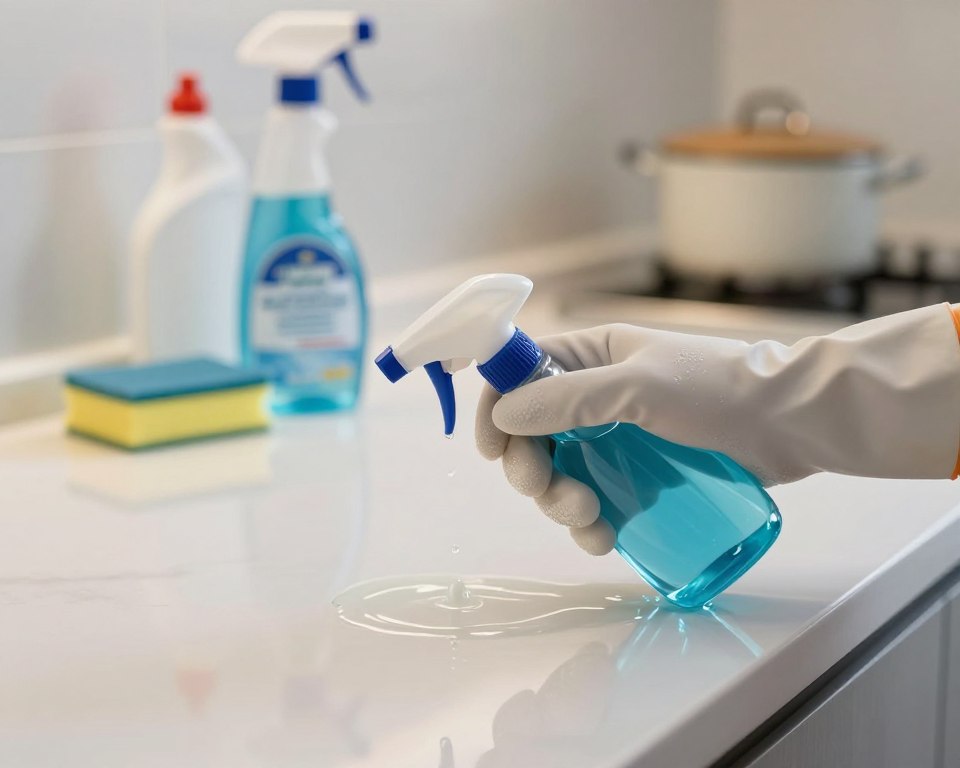
Many cleaning products have ingredients that can pass through your skin. For example, phthalates are found in plastics and fragranced cleaners. They can move from surfaces to your hands during cleaning.
When comparing products, like gain flings vs arm hammer pacs, look at the ingredients. Some are safer for your skin than others. Knowing this helps you choose when to wear gloves.
Solvents and Surfactants: How They Bypass Natural Defenses
Cleaning agents use solvents and surfactants to remove dirt. These chemicals break down dirt but also take away your skin’s natural oils. Without these oils, your skin becomes more open to absorbing chemicals.
Think of your skin as a sponge that’s lost its moisture. It becomes very absorbent. These cleaners strip away the moisture barrier, making it easier for other ingredients to get into your skin.
The Role of Concentration and Exposure Time
The chance of absorption goes up with longer exposure and higher concentration. A quick splash of diluted cleaner is usually safe. But, staying in contact with strong cleaners for a long time increases the risk. Always remember, higher concentrations and longer exposure times lead to more absorption.
| Chemical Type | Primary Function | Absorption Risk |
|---|---|---|
| Surfactants | Degreasing | Moderate |
| Solvents | Dissolving grime | High |
| Phthalates | Fragrance/Plasticizer | Low to Moderate |
| Acids | Mineral removal | High (Corrosive) |
Identifying High-Risk Cleaning Products
Your skin is the biggest organ of your body. Yet, it soaks up harsh chemicals from everyday cleaners. These products may clean well but can cause problems if they get past your skin’s defenses. Knowing how skin absorption of cleaning chemicals works is key to keeping your home clean and your skin safe.
Degreasers and Heavy-Duty Solvents
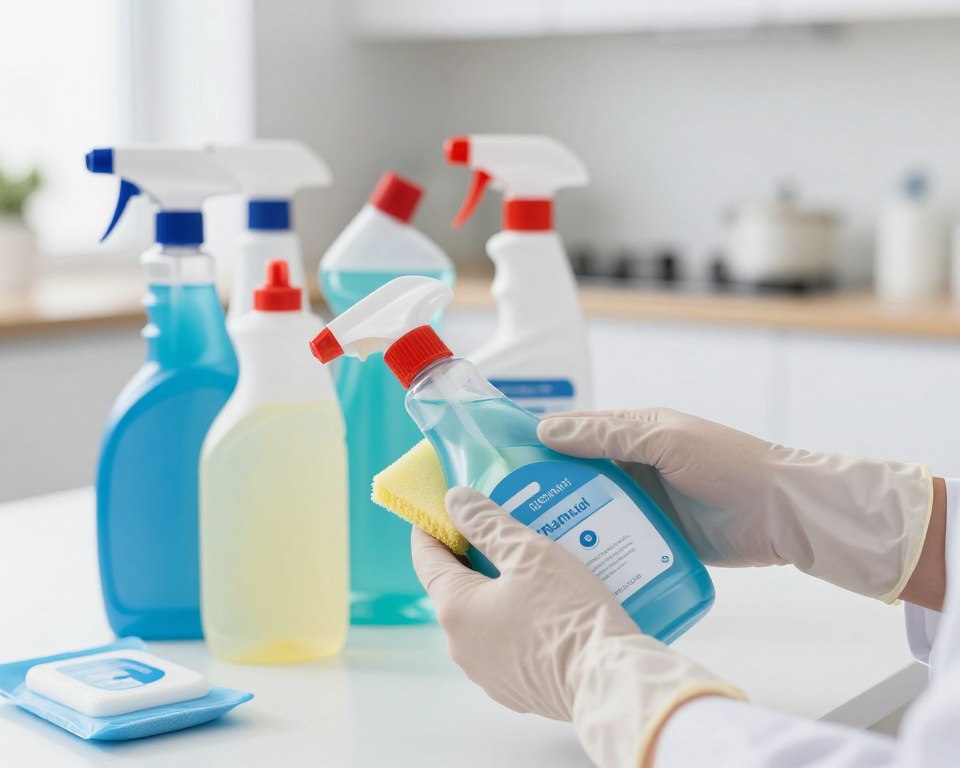
Heavy-duty degreasers are made to tackle tough grease and oils. Since they dissolve lipids, they can mess with your skin’s natural oils. This makes it easier for harmful substances to get into your skin more than they should.
Acidic Cleaners and Corrosive Agents
Acidic cleaners, like those for tile grout or rust, work well but are risky. They can damage your skin’s barrier. If you feel a sting while cleaning, it means the product is harming your skin, possibly causing irritation or burns.
Bleach and Oxidizing Compounds
Bleach is common in homes but must be handled with care. It can stress your skin a lot. Also, ammonia, a common cleaner, can make rosacea worse.
To stay safe, watch for these signs on labels:
- “Corrosive” or “Causes skin burns” warnings.
- High levels of volatile organic compounds (VOCs).
- Need for heavy-duty gloves.
- Warnings about avoiding eyes and skin.
Reading labels carefully helps you avoid skin absorption of cleaning chemicals. Choosing the right products is the best way to protect yourself while cleaning.
Signs and Symptoms of Chemical Exposure
Your skin is like a canary in a coal mine, warning you before harm happens. Knowing the risks of skin contact with cleaning chemicals is key to a safe home. Paying attention to your body’s reactions can stop small problems from becoming big health issues.
Immediate Dermatological Reactions
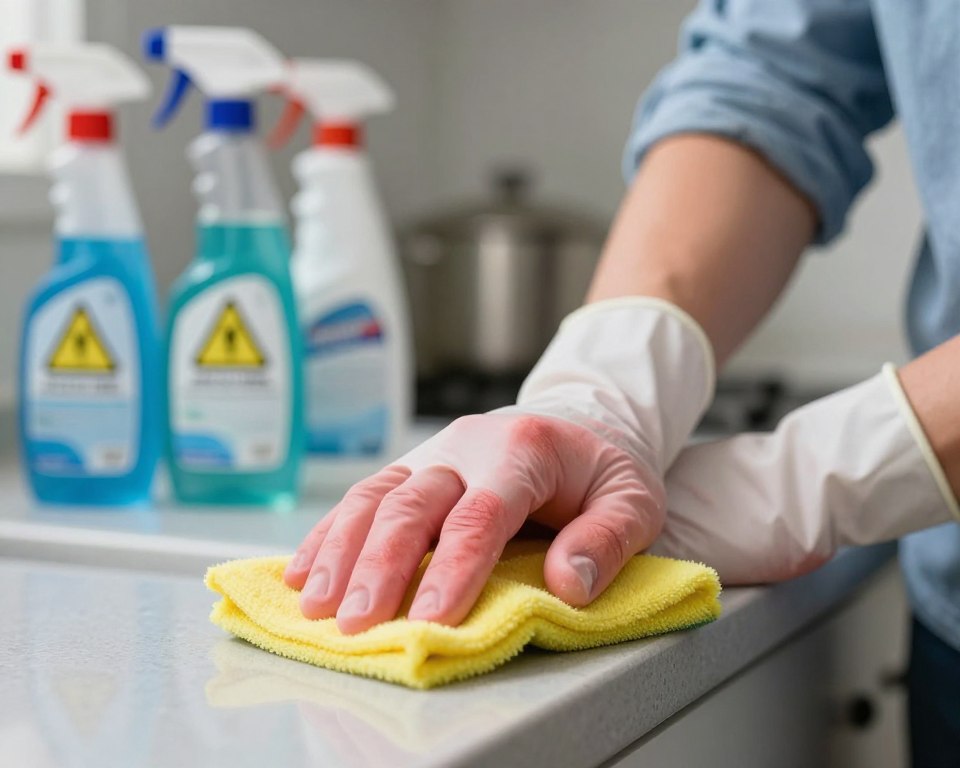
Visible signs of exposure often show up on your skin. If you see these signs, stop using the product and wash the area well with water.
- Redness or inflammation: Often the first sign of contact dermatitis.
- Stinging or burning sensations: Indicates that the chemical is penetrating the skin barrier.
- Itching or hives: A common allergic response to harsh surfactants or fragrances.
- Dry, cracked skin: A sign that protective oils are being stripped away.
Systemic Symptoms of Overexposure
The risks of skin contact with cleaning chemicals can go beyond the skin. When substances get into the bloodstream, they can cause body-wide reactions. Research shows that certain indoor air pollutants can be absorbed through the skin, and cleaning agents work the same way.
Watch for these internal signs:
- Sudden dizziness or lightheadedness.
- Unexplained nausea or headaches.
- Fatigue that occurs shortly after cleaning.
- Difficulty breathing or throat irritation.
When to Seek Medical Attention
While minor redness might go away with a rinse, some cases need a doctor. If you have ongoing pain, blisters, or signs of infection, see a doctor. If you feel faint or have trouble breathing, call for emergency help right away. This is to prevent serious problems from the risks of skin contact with cleaning chemicals.
The Impact of Skin Health on Absorption
When you clean your home, your skin’s condition affects how your body reacts to cleaning agents. Your skin acts as a barrier to keep toxins out and moisture in. But, if this barrier is damaged, the risk of skin exposure to cleaning chemicals goes up a lot.
How Cuts and Abrasions Increase Risk
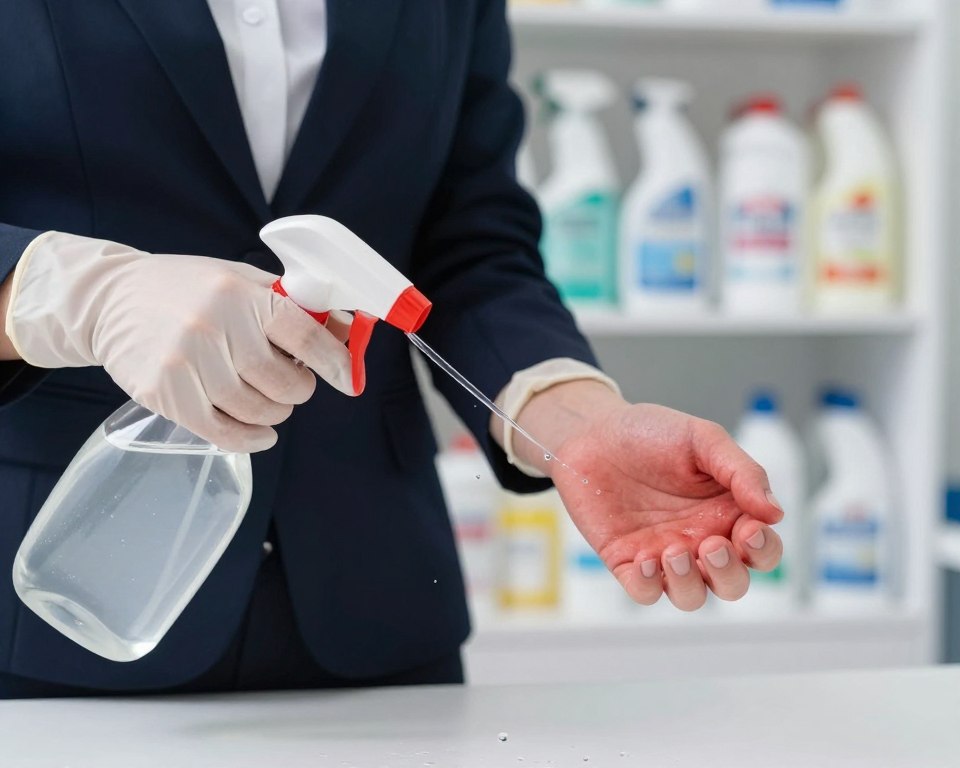
Even a small scratch or paper cut can let harmful substances in. When your skin is broken, the protective seal is gone. This lets solvents and surfactants get into your bloodstream quickly.
If you have any open wounds, it’s essential to cover them with waterproof bandages before using cleaning supplies. Not doing so can cause irritation or even let harsh ingredients into your body.
The Role of Dry or Inflamed Skin
Healthy skin has a lipid barrier to stay strong. But, if your skin is too dry or inflamed, this barrier gets damaged. This makes it easier for skin exposure to cleaning chemicals to harm deeper tissues.
Inflammation, like in eczema or psoriasis, makes your skin weak. It can’t fight off irritants well. Keeping your hands moisturized helps keep your skin strong.
Why Sensitive Skin Reacts Differently
People with sensitive skin react faster to household agents. Their skin barrier is thinner or more sensitive to synthetic fragrances and dyes. This can make their skin age faster and get dry.
The table below shows how different skin conditions affect your risk of chemical absorption during cleaning:
| Skin Condition | Barrier Integrity | Absorption Risk | Recommended Action |
|---|---|---|---|
| Healthy/Hydrated | Strong | Low | Standard care |
| Dry/Chapped | Moderate | Medium | Use protective gloves |
| Cuts/Abrasions | Compromised | High | Cover and avoid contact |
| Eczema/Inflamed | Weak | High | Use gentle, non-toxic cleaners |
Knowing these risks is the first step to safer cleaning. By understanding how your skin health affects skin exposure to cleaning chemicals, you can protect your health better.
Environmental Factors That Affect Absorption
Your surroundings play a big role in how chemicals get absorbed through your skin. It’s not just about the safety of a product. The conditions in your home can either help or hinder this process. Knowing these factors is key to keeping yourself safe while doing chores.
Temperature and Humidity Effects
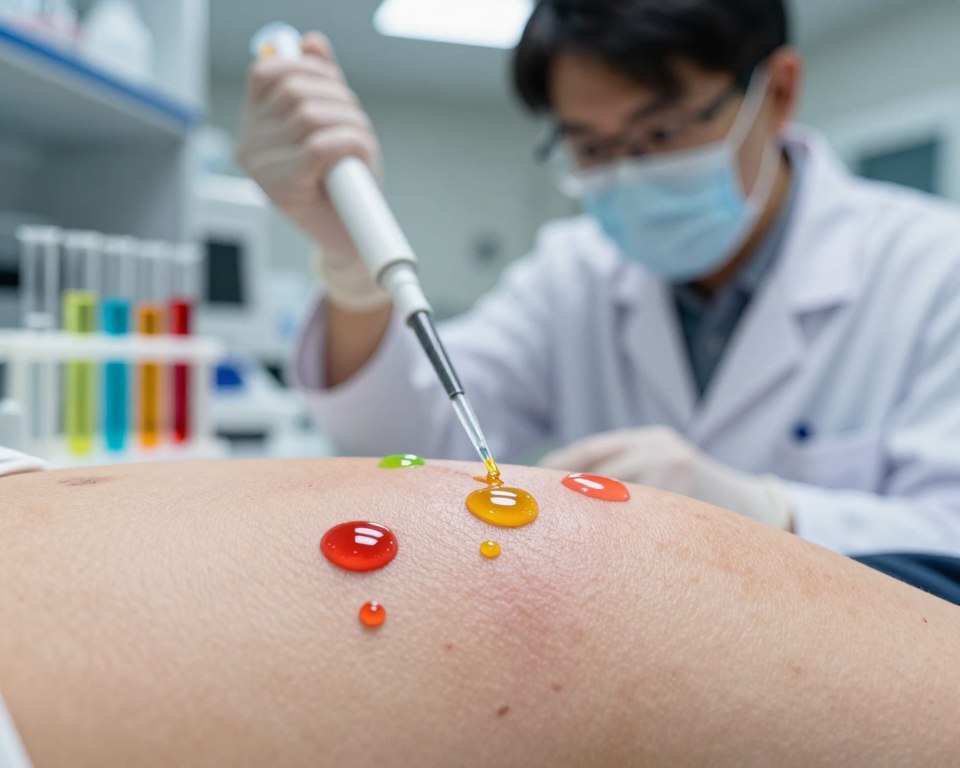
Cleaning in warm or humid places makes your skin more open to chemicals. Heat makes your blood vessels wider and your pores open. This lets substances get in easier. High humidity also softens your skin’s outer layer, making it less protective.
This mix of heat and moisture can greatly increase how chemicals get absorbed. If you’re cleaning in a steamy bathroom or hot kitchen, open a window or use a fan. This keeps your skin cool and dry, helping it stay strong.
The Role of Occlusion and Clothing
Occlusion happens when something is trapped against your skin, stopping it from evaporating. Wearing tight clothes or non-breathable gloves can cause this. Studies show that clothes can hold pollutants, making your skin more exposed by three to six times.
To lower this risk, wear loose, long-sleeved clothes made of natural fibers when cleaning. If you spill something on your clothes, take off the contaminated item right away. This stops chemicals from staying in contact with your skin too long.
How Friction Enhances Chemical Transfer
Cleaning often involves scrubbing and wiping, which creates friction. This friction pushes chemicals deeper into your skin, past the protective oils. Consistent pressure during cleaning can “push” chemicals into your pores.
To stay safe, use long-handled tools like brushes or mops. They let you clean without direct contact. This is the best way to keep your cleaning safe and effective.
Protecting Your Skin During Routine Cleaning
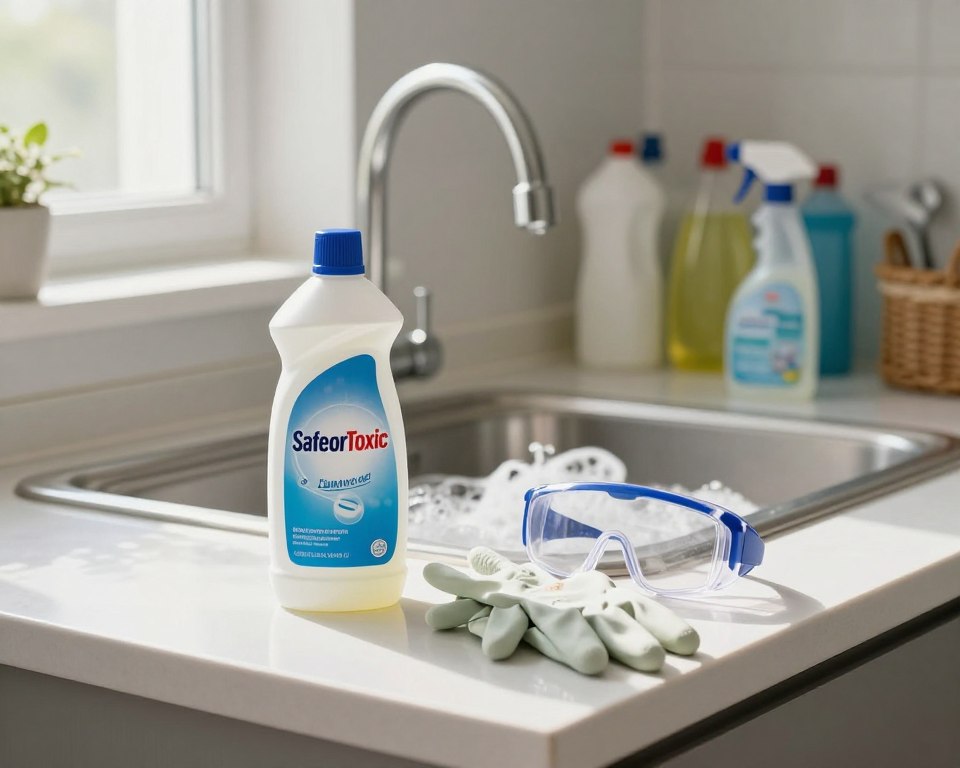
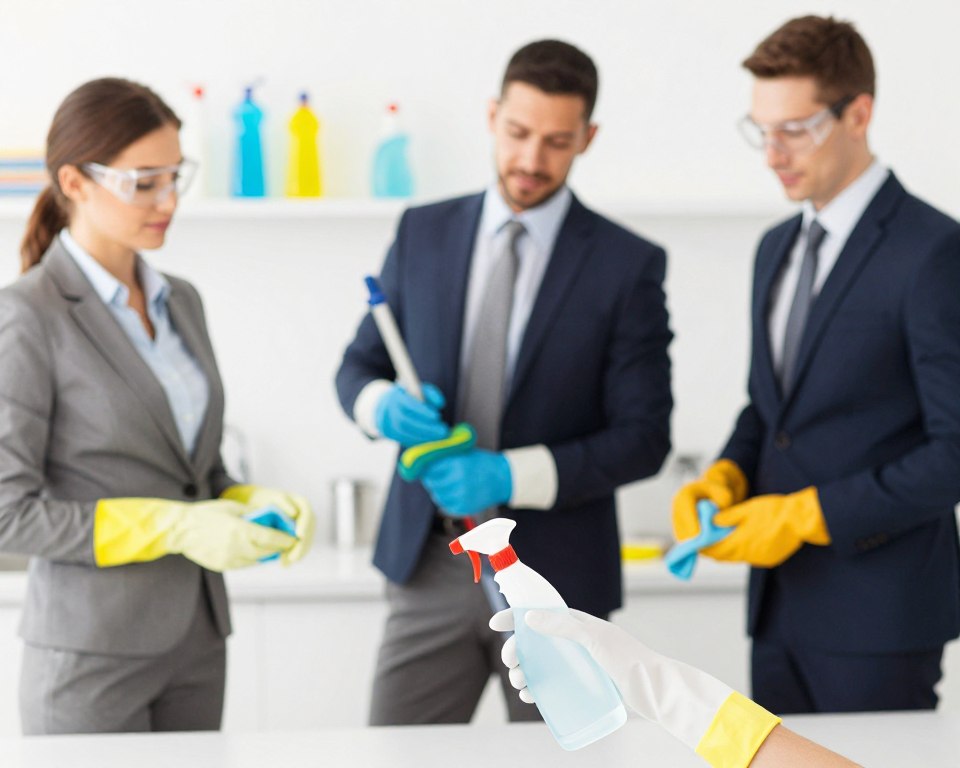
Learning to prevent skin absorption of cleaning chemicals starts with the right gloves. Choosing the right barrier is key to keeping your hands safe. A few extra seconds to put on the right gloves can greatly reduce irritation or damage risks.
Choosing the Right Protective Gloves
Not all gloves are the same for household chores. For most tasks, rubber gloves with cotton linings are best. The cotton lining absorbs sweat, preventing irritation and heat buildup during cleaning.
If you have sensitive skin, choose gloves without latex to avoid allergies. Make sure your gloves cover your wrists for a complete seal against spills.
Understanding Glove Material Compatibility
Different chemicals need different glove materials for safety. Using the wrong glove can let harmful substances through to your skin.
- Nitrile gloves: Great for most household cleaners and solvents.
- Neoprene gloves: Best for strong acids or heavy-duty degreasers.
- Latex gloves: Good for light cleaning but not for harsh solvents.
Always check the cleaning product label for recommended glove type. Matching glove material to the task is crucial for skin contact with cleaning products prevention.
Proper Techniques for Glove Removal
Many people accidentally expose themselves to chemicals when removing gloves. If you pull off gloves carelessly, you might transfer residue to your skin.
Here’s how to remove gloves safely:
- Grasp the outside of one glove near the cuff, avoiding bare skin.
- Peel the glove away from your hand, turning it inside out.
- Hold the removed glove in your gloved hand and slide your fingers under the cuff of the second glove.
- Peel the second glove off so it ends up inside out, trapping any skin contact with cleaning products residue inside.
After removing your gloves, wash your hands with mild soap and water. This step ensures all chemical residue is washed away, keeping your skin healthy and protected.
Safe Handling Practices for Cleaning Agents
Keeping your home clean doesn’t have to be risky. By changing how you use cleaning products, you can avoid dangers of skin absorption of cleaning agents. Making a few simple changes can greatly improve your health over time.
Dilution Strategies to Minimize Risk
Many cleaners are too strong for your skin. Always follow the label when mixing with water. Proper dilution makes the product last longer and reduces skin irritation.
If unsure about the mix strength, start with a weaker solution. You can always add more if needed. This way, you use only what’s necessary for cleaning.
Using Tools to Avoid Direct Contact
Try to avoid touching cleaning liquids directly. Use long-handled brushes, sponges, or mops to protect your skin. These tools help you clean without direct contact.
Be careful with how you spray products. Aerosol sprays can create mist that settles on your skin. Use hand-pump bottles or trigger sprayers for larger droplets to avoid skin contact.
Ventilation and Its Role in Reducing Exposure
Good airflow is key when using chemicals. Always open windows or use exhaust fans to prevent fume buildup. Ventilation clears the air, reducing chemical residue on surfaces and skin.
In small spaces like bathrooms, keep the door open and use a fan. This keeps the area fresh and reduces chemical exposure. Here’s how different cleaning habits affect your safety.
| Cleaning Method | Risk Level | Safety Benefit |
|---|---|---|
| Direct Hand Scrubbing | High | None |
| Aerosol Spraying | Medium | Fast application |
| Tool-Assisted Cleaning | Low | Prevents contact |
| Diluted Solutions | Low | Reduces potency |
Natural and Eco-Friendly Alternatives
If you’re concerned about cleaning chemicals and skin health, natural options might be the answer. Many think plant-based cleaners are safer than harsh chemicals. But, it’s crucial to check these products carefully to ensure they’re good for you.
Evaluating the Safety of Plant-Based Cleaners
Items like baking soda, white vinegar, castile soap, and lemon juice work well for cleaning. They are safer because they don’t have the harmful chemicals found in industrial cleaners. Using these simple items can help avoid skin problems.
When you make your own cleaners, you know exactly what’s in them. This is a big plus for those who care about cleaning chemicals and skin health. By avoiding complex mixes, you lower the risk of allergic reactions.
Are Natural Ingredients Always Safer?
Many think “natural” means “safe.” But, even natural things can irritate skin if used too much or on sensitive areas. For example, essential oils or citrus juices can cause problems if not diluted right.
“The term ‘natural’ is not a regulated safety standard. Consumers must remain vigilant, as even botanical extracts can be potent allergens or skin irritants depending on the individual’s sensitivity.”
It’s important to treat natural ingredients with care, just like synthetic ones. The right dilution is key to keeping your space safe and your skin healthy.
Reading Labels for Hidden Hazards
Even “eco-friendly” products can have hidden chemicals that might harm your skin. Always check the ingredients for things like “fragrance,” which can hide many chemicals. If a label is unclear, it’s safer to choose products with clear ingredient lists.
| Ingredient Type | Common Example | Skin Impact |
|---|---|---|
| Natural Acid | White Vinegar | Mildly drying |
| Natural Base | Baking Soda | Low irritation |
| Synthetic Solvent | Glycol Ethers | High absorption risk |
| Synthetic Surfactant | Sodium Lauryl Sulfate | Potential irritant |
By carefully reading labels, you can avoid products that might harm your cleaning chemicals and skin health. Taking the time to research what you bring into your home is a proactive step toward long-term wellness. Always choose products that are open about their ingredients.
The Long-Term Risks of Chronic Exposure
Your skin is like a shield, but harsh chemicals can weaken it. You might not see damage right away, but the risks of skin contact with cleaning chemicals add up over time. It’s crucial to think about how your daily actions affect your health.
Cumulative Effects on Skin Integrity
Using detergents and solvents often can dry out your skin. This can make your skin weak, leading to dryness, cracks, and inflammation. A weak skin barrier lets harmful substances get into your body more easily.
Feeling like your hands are rougher or more sensitive? This could mean your skin’s protective layer is struggling. If you’re worried about your cleaning supplies, you can check if multi-surface sprays are toxic to keep your skin safe.
Potential for Sensitization and Allergies
Long-term exposure can also change how your body reacts to certain chemicals. Sensitization happens when your body sees a chemical as a threat, causing allergic reactions even with small amounts. Once you’re allergic to a cleaning agent, your skin can react quickly when you touch it.
“The skin is not an impenetrable wall; it is a dynamic organ that can absorb and react to the environment in ways that have lasting consequences for our overall health.”
This sensitivity can be hard to deal with at home. Many people don’t know that the risks of skin contact with cleaning chemicals can lead to permanent sensitivities to things like fragrances and preservatives in everyday products.
Understanding Chronic Toxicity Concerns
There’s also the worry of chemicals getting into your bloodstream and staying there. Even small amounts of chemicals can add up over years. This means being careful about what cleaning products you use is very important.
| Exposure Type | Primary Concern | Long-Term Impact |
|---|---|---|
| Occasional | Mild Irritation | Temporary dryness |
| Frequent | Barrier Breakdown | Chronic dermatitis |
| Chronic | Systemic Absorption | Potential toxicity |
By choosing gentle, plant-based cleaners and wearing protective gear, you can keep your home safe. Consistency is key in protecting your skin from the dangers of household cleaners.
First Aid Procedures for Skin Contact
Quick action is key when you get skin contact with cleaning products at home. Accidents can happen fast, but having a plan helps. It keeps irritation or burns down. Staying calm lets you take the right steps to recover.
Immediate Rinsing Protocols
Removing chemicals from your skin starts with rinsing with cool or lukewarm water. Rinse the area for 15 to 20 minutes to get rid of all residue. Do not use hot water, as it can let chemicals go deeper into your skin.
“The solution to pollution is dilution,” is a common safety mantra that holds true when dealing with accidental chemical exposure.
When to Remove Contaminated Clothing
If you spill something, your clothes can trap the chemical against your skin. It’s crucial to take off any contaminated clothes right away while rinsing. If clothes are stuck, keep rinsing over them until help arrives.
Be careful around household items, as they can be dangerous if not handled right. For more on how these items affect sensitive skin, check out skin contact with cleaning products and their effects. Keeping yourself and your family safe is always the main goal.
Neutralizing Agents: Myths and Realities
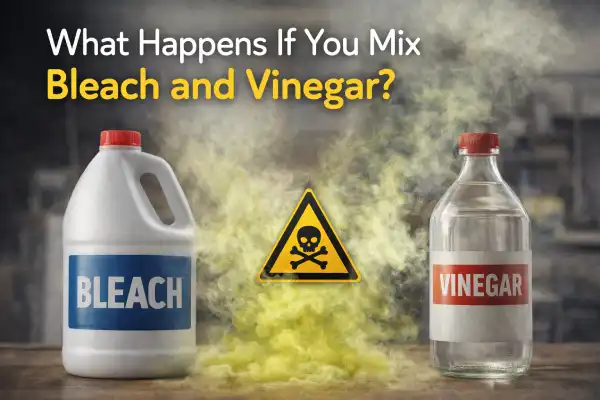
Many think using vinegar on bleach burns or baking soda on acid spills helps. But, these home fixes can actually cause more harm by starting an exothermic reaction. Water is the safest and most reliable way to clean your skin.
- Avoid applying creams, oils, or ointments immediately after exposure.
- Do not scrub the skin, as this can cause micro-abrasions.
- Seek professional medical advice if redness or pain persists after rinsing.
Regulatory Standards and Safety Data Sheets
Safety Data Sheets are key to understanding the risks of household chemicals. Marketing labels focus on cleaning power, but these documents reveal the essential facts for safety. Knowing the dangers of skin absorption of cleaning agents is easier with accurate data.
Interpreting Safety Data Sheets (SDS)
An SDS details the hazards of a product. Look at Section 2 for hazard identification and Section 8 for exposure controls.
These sections tell if a substance can pass through the skin. Warnings about dermal toxicity or the need for gloves are serious. Knowledge is your first line of defense against exposure.
“The safety of a chemical product is not just about its efficacy, but about the transparency of the information provided to the end user.”
Understanding Hazard Communication Standards
The Hazard Communication Standard ensures chemical hazard info is shared. It requires consistent symbols and signal words like “Danger” or “Warning.”
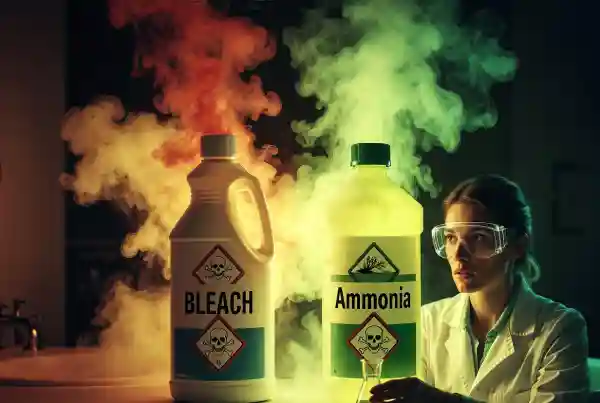
Recognizing these labels helps you spot the dangers of skin absorption of cleaning agents quickly. Remember, mixing two cleaning sprays is dangerous and can create new hazards.
How to Find Reliable Product Information
Finding the info you need is easy. Most manufacturers list their SDS on their websites. Just search for the product name with “SDS” to find the latest version.
If a product lacks a safety sheet, choose a different brand. Transparency is a hallmark of quality. Reputable companies share their safety profiles. By focusing on these documents, you can manage the risks of skin absorption at home.
Cleaning Safety for Different Household Members
Every person in your home interacts with their space in their own way. This means they face different risks from cleaning chemicals. Tailoring your cleaning habits is crucial to keep everyone safe.
Protecting Children and Pets
Children and pets are very vulnerable to cleaning chemicals. They spend a lot of time touching floors and furniture. Their small size means even a little bit of chemical can harm them more than adults.
They often touch surfaces and then put their hands or paws in their mouths. This makes them more likely to ingest harmful substances.
To lower these risks, use gentle, plant-based cleaners in play areas. Make sure to rinse surfaces well after using strong cleaners. Keeping pets and kids away while you clean is a simple but highly effective strategy to prevent accidents.
Safety Considerations for Pregnant Individuals
Pregnancy changes your body in many ways, including making your skin more sensitive. It’s important to be careful with cleaning chemicals. Wear long sleeves and gloves when handling household products.
If you’re pregnant, try to avoid cleaning with harsh solvents or strong smells. If you must clean, make sure the area is well-ventilated. Choose products with fewer harmful chemicals to keep your environment safe for you and your baby.
Precautions for Those with Pre-existing Skin Conditions
People with eczema, psoriasis, or chronic dermatitis have weaker skin. This makes them more likely to react to cleaning chemicals. Even regular soaps can dry out their skin and make it more vulnerable.
- Always wear high-quality, chemical-resistant gloves to create a physical barrier.
- Apply a fragrance-free, hypoallergenic moisturizer after cleaning to restore the skin barrier.
- Opt for fragrance-free and dye-free cleaning agents to reduce the risk of allergic reactions.
By taking these steps, you can keep your home clean without harming your skin. Consistency is key for people with sensitive skin. Never forget to wear protective gear, even for quick cleanings.
Common Myths About Chemical Absorption
When it comes to cleaning products, don’t just believe what the labels say. Many people think that products in health-focused aisles are safe for the absorption of chemicals through the skin. But, making assumptions can lead to exposure to harmful substances.
Debunking Misconceptions About Natural Products
Some believe that “natural” or “plant-based” products are safer than synthetic ones. While they might have fewer harsh fumes, they can still cause irritation or health problems if not handled right. Nature is not always synonymous with safety, as many strong toxins come from plants.
It’s important to treat essential oils or plant acids with caution, just like traditional cleaners. The absorption of chemicals through the skin is possible, no matter the product’s origin. Always check the safety data sheet to understand the risks of any ingredient.
Clarifying the Role of “Chemical-Free” Marketing
The term “chemical-free” is often used in marketing but is scientifically wrong. Everything around us, including water and air, is made of chemicals. When a brand says they are chemical-free, they might just be using a buzzword to seem safe without proof.
This misleading marketing can make you feel safe enough to skip protective gear, increasing the risk of absorption of chemicals through the skin. Instead, look at the actual ingredients on the label, not just the marketing on the front.
The Truth About Household Cleaning Safety
Real safety comes from knowing how products affect your body. To reduce risks, use good ventilation, wear gloves, and follow dilution instructions. Evidence-based practices are better than choosing products based on trendy labels.
| Common Myth | Scientific Reality | Safety Action |
|---|---|---|
| Natural products are non-toxic | Natural ingredients can still irritate skin | Always wear gloves |
| “Chemical-free” means safe | Everything is a chemical | Read the ingredient list |
| Skin absorption is rare | Many agents penetrate the skin barrier | Minimize direct contact |
By separating fact from fiction, you take control of your home environment. Prioritizing safety protocols over marketing trends helps protect you from the absorption of chemicals through the skin during daily chores.
Conclusion
Keeping your living space clean doesn’t mean you have to risk your safety. You can control your environment by knowing what products you use. This knowledge is key.
Starting small is the first step to a safer home. Wearing gloves is a simple yet effective way to protect yourself. Learn about the dangers of ammonia-based cleaners to understand the risks better.
Always read labels to spot potential irritants. Opting for plant-based or gentle cleaners is a smart choice. Your skin is your first line of defense, so treat it with care.
Be curious about what’s in your cleaning products. Brands like Seventh Generation and Mrs. Meyer’s are good places to start. By staying informed, you can keep your home clean and your skin safe every day.
FAQ
Can Cleaning Chemicals Be Absorbed Through Your Skin into the bloodstream?
Yes, many substances found in common household cleaners, such as the glycol ethers in Windex, can pass through the skin barrier and enter the circulatory system. This is why minimizing skin exposure to cleaning chemicals is vital for internal health.
What are the most common risks of skin contact with cleaning chemicals?
The most immediate risks of skin contact with cleaning chemicals include contact dermatitis, redness, and chemical burns. Long-term, you may face “sensitization,” where your skin becomes permanently allergic to certain ingredients.
How can I improve my skin absorption prevention for cleaning chemicals?
The best method for skin absorption prevention for cleaning chemicals is wearing nitrile gloves. Also, using long-handled brushes and diluting concentrated products like Clorox according to label instructions reduces the “dose” your skin might encounter.
Are the dangers of skin absorption of cleaning agents higher for people with eczema?
Absolutely. When the skin barrier is compromised by conditions like eczema or simple dryness, the absorption of chemicals through the skin happens much faster because the protective “bricks and mortar” of the epidermis are already damaged.
Is skin contact with cleaning products like “natural” cleaners safe?
While products from brands like Mrs. Meyer’s are often gentler, they can still contain allergens or essential oils that cause reactions. Protecting skin from cleaning chemicals is still recommended even when using eco-friendly alternatives.
What should I do immediately after skin exposure to cleaning chemicals?
If you have direct skin contact with cleaning products, immediately flush the area with cool water for at least 15 minutes. Remove any rings, watches, or clothing that might be trapping the chemical against your skin.
Do hot temperatures affect the absorption of chemicals through the skin?
Yes. High heat and humidity open your pores and increase blood flow to the skin, which significantly speeds up the skin absorption of cleaning chemicals. Always ensure good ventilation when cleaning with warm water.
How does cleaning chemicals and skin health affect aging?
Frequent exposure to harsh surfactants (like those in Dawn or heavy degreasers) strips the skin of its natural moisture. This can lead to chronic dryness, premature wrinkling, and a weakened barrier, which negatively impacts overall cleaning chemicals and skin health.