Did you know over 50% of accidental poisonings in the U.S. happen at home? Many are caused by people trying to make a stronger cleaner by mixing household items. This can be very dangerous for your family.
Many homeowners wonder: Can You Mix Bleach and Pine-Sol Together? The answer is a clear no. Mixing these products creates harmful gases in your home. It’s important to know how your cleaning supplies work to keep your home safe.
Safety should always be your top priority when cleaning your home. Avoiding these dangerous mixes helps keep your air clean and prevents health risks. Let’s find out how to clean your home safely without harming your health.
Key Takeaways
- Never combine different cleaning agents unless the labels explicitly state it is safe.
- Mixing these two specific products creates toxic vapors that irritate the lungs.
- Always ensure proper ventilation when using strong chemical cleaners in your home.
- Store all cleaning supplies in their original containers to avoid accidental misuse.
- Prioritize your health by using products exactly as directed by the manufacturer.
The Science Behind Household Cleaning Chemicals
Before you grab two bottles from under your sink, it’s key to know how they work together. Many think mixing strong cleaners will clean better. But, a Bleach and Pine-Sol mix can be very dangerous. Knowing what’s in your cleaners helps avoid accidents at home.
Understanding Sodium Hypochlorite in Bleach
Bleach is a common household item because it has sodium hypochlorite. This stuff is a strong oxidizer, making it great for whitening and killing germs. It breaks down stains and bacteria because it’s so reactive.
The Chemical Composition of Pine-Sol
Pine-Sol is a go-to for tackling grease and grime. It works well on its own but isn’t meant to mix with harsh chemicals. Remember, Pine-Sol doesn’t have ammonia, but it has other stuff that can react badly with strong oxidizers.
Why Chemical Reactions Occur When Mixing Cleaners
Chemical reactions happen when two products can’t work together. Mixing Bleach and Pine-Sol forces two chemicals to clash. This can cause harmful gases or make the cleaners not work at all.
| Feature | Bleach | Pine-Sol |
|---|---|---|
| Primary Action | Oxidizing/Whitening | Degreasing/Cleaning |
| Active Ingredient | Sodium Hypochlorite | Surfactants/Solvents |
| Safety Note | Highly Reactive | Use Independently |
The best thing to do is use these cleaners separately, as the labels say. Staying away from a Bleach and Pine-Sol mix keeps your cleaning safe and effective for everyone at home.
Can You Mix Bleach and Pine-Sol Together?
If you’ve thought about mixing bleach and Pine-Sol, stop and read this. Many think mixing these strong cleaners will make a super-solution for tough grime. But, it’s a big no-no to mix these two.
Mixing Bleach and Pine-Sol is not safe. When they mix, it can harm your health. Always keep them separate to keep your home safe.
The Immediate Dangers of Combining These Agents
Mixing these cleaners can release toxic chlorine gas. This gas hurts your eyes, throat, and lungs. Even a little mix can cause breathing problems right away.
The reaction happens fast, so you might not have time to get out of the way. Protecting your health means avoiding this mix. Always choose your health over a stronger cleaner.
Why Manufacturers Advise Against Mixing
Manufacturers tell you not to mix Pine-Sol with other cleaners. They make their products to work well alone. Mixing bleach with it makes things unpredictable and risky.
Here’s why keeping cleaners separate is best for your safety:
| Cleaning Agent | Primary Function | Mixing Risk |
|---|---|---|
| Bleach | Whitening/Sanitizing | High (Toxic Gas) |
| Pine-Sol | Cleaning/Deodorizing | High (Chemical Reaction) |
| Water | Dilution | Safe |
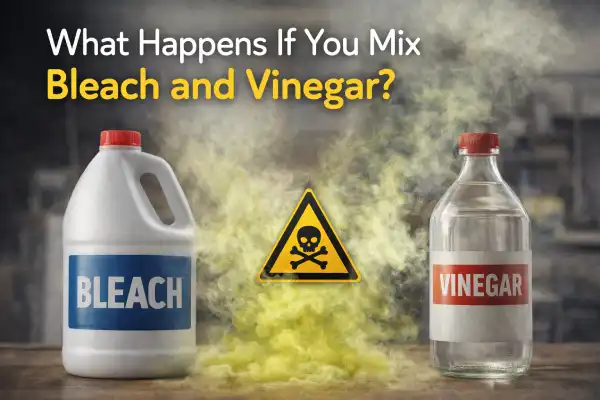
| Vinegar | Descaling | High (Chlorine Gas) |
By following these simple rules, your cleaning stays safe and effective. Remember, proper usage keeps your home clean and healthy.
The Chemical Reaction Explained
Ever wondered why some cleaning products don’t mix? It might seem smart to mix them for more power. But a Bleach and Pine-Sol mix is very unstable. These products are meant to work alone, and mixing them can lead to unpredictable and hazardous results.
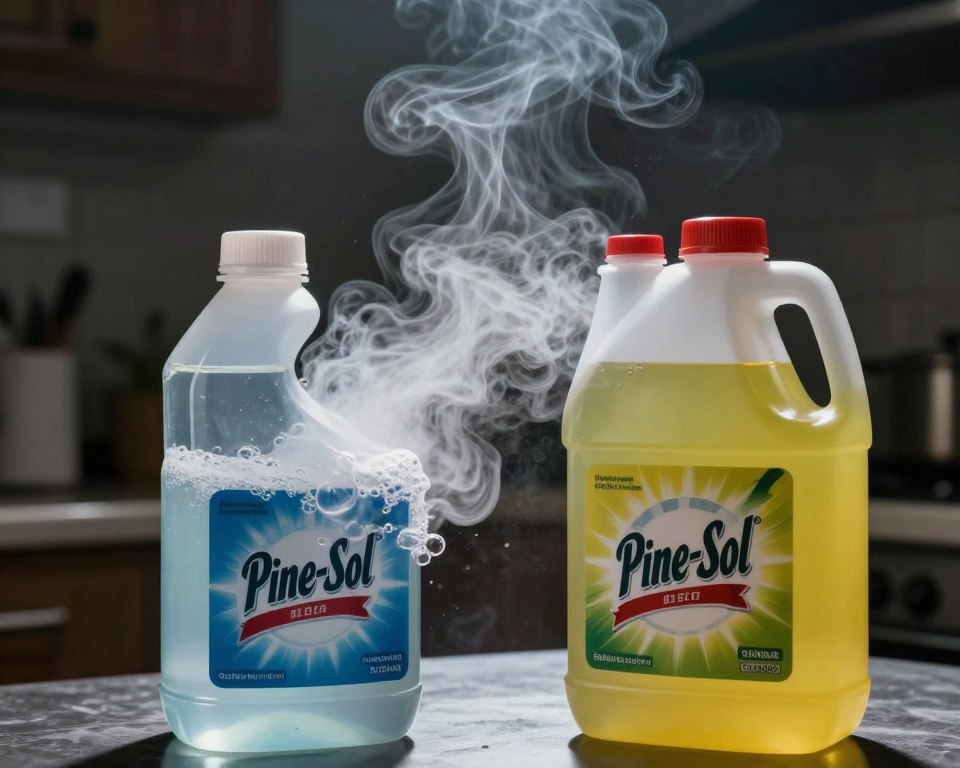
Formation of Chloramine Gas
Mixing these products causes the release of toxic gases. The main worry is the creation of chlorine or chloramine vapors. These are extremely dangerous to inhale. The dangers of mixing Bleach and Pine-Sol come from how they react at a molecular level. This turns a simple task into a health risk.
The Role of pH Levels in Cleaning Products
The success of a cleaner depends on its pH balance. Bleach is very alkaline, while pine-based cleaners have a different chemical makeup. When they meet, the clash in pH levels causes severe reactions.
Because they are on opposite sides of the chemical spectrum, they can’t safely be together. Always keep your cleaning agents separate to keep your home safe and healthy for your family.
Health Risks Associated with Toxic Fumes
Learning about the risks of combining Bleach and Pine-Sol is a simple way to protect your family. Many homeowners think mixing two cleaners will clean better. But, this often leads to dangerous chemical reactions.
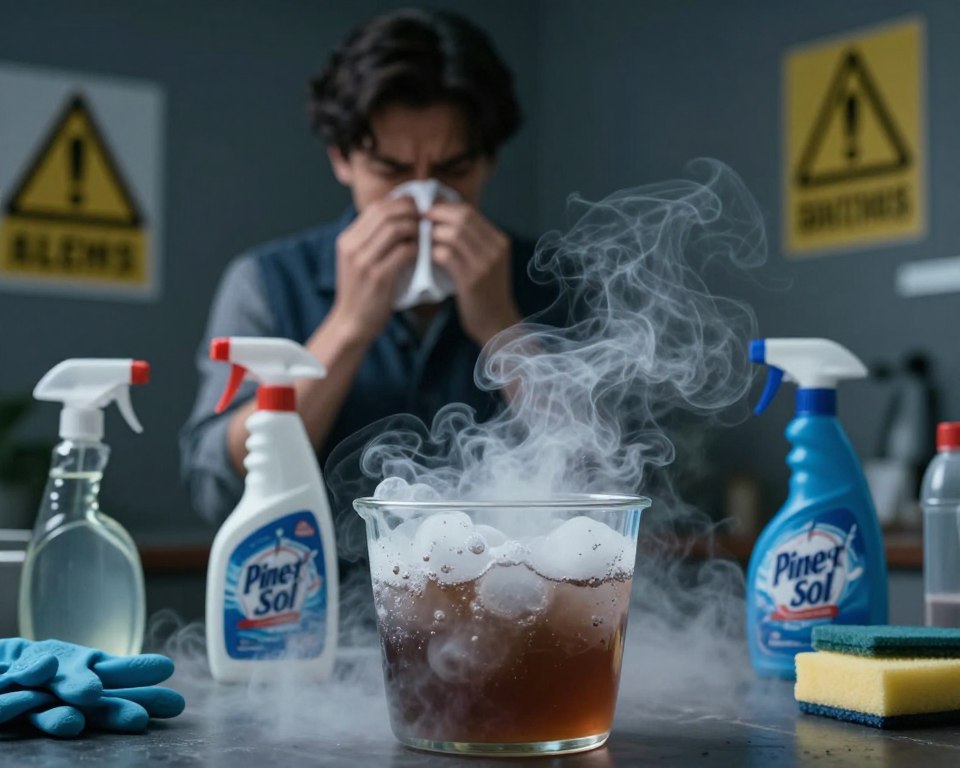
When you mix Bleach and Pine-Sol, you release harmful gases into your home. These vapors can fill a room quickly. They make it hard to breathe and cause immediate discomfort.
Respiratory System Impact
The main danger of these fumes is how they affect your respiratory system. Once inhaled, the chemicals can irritate your throat, windpipe, and lungs.
This irritation can make it extremely difficult to breathe. For people with asthma, the effects can be worse and need quick medical help.
Symptoms of Chemical Exposure
It’s important to know the signs of exposure for your safety. If you experience any of these symptoms after cleaning, get out of the area and find fresh air:
- Persistent coughing or wheezing
- Watery, burning, or irritated eyes
- Sudden dizziness or lightheadedness
- Tightness in the chest or shortness of breath
- Nausea or throat irritation
Long-term Health Consequences
While many people recover quickly, repeated or high-level exposure can cause lasting health problems. Chronic respiratory issues may develop if the lungs are exposed to these harsh chemicals over time.
It is essential to prioritize safety by never mixing cleaning agents. By understanding the serious nature of these reactions, you can keep your home safe and healthy for everyone.
Immediate Steps if You Have Already Mixed Them
Discovering you mixed incompatible chemicals is scary. But, immediate action is key to keep you safe. Knowing the risks of combining Bleach and Pine-Sol is crucial. But knowing how to act when it happens is even more important. If you think a reaction has started, don’t wait for the smell to go away.
Ventilating the Affected Area
If it’s safe, open windows and doors to let fresh air in. Proper airflow helps to reduce toxic vapors. Use portable fans to push the bad air out.
Evacuating the Premises Safely
Ventilation helps, but evacuation is safer. Get yourself, family, and pets out of the house fast. Don’t stay to clean or check the reaction. Once outside, stay in a place with good air until it’s safe to go back in.
When to Seek Emergency Medical Attention
If you have coughing, trouble breathing, dizziness, or eye and throat burns, get help fast. These signs mean you’ve been exposed to chemicals. Don’t ignore these signs, as mixing Bleach and Pine-Sol can cause serious breathing problems. If symptoms are bad, call emergency services or a poison control center for advice.
Common Misconceptions About Cleaning Efficacy
Many think mixing different household cleaners will make their home sparkle more. They believe adding another product will double its power. But, mixing household cleaners usually ends in disappointment, not a clean home.
The Myth of Super-Cleaning Power
The idea of a “super-cleaner” is a myth many believe. When you mix products, you don’t get a stronger cleaner. Instead, you might neutralize the ingredients meant to kill germs or clean surfaces. Manufacturers carefully test their products to ensure they work well and are safe.
By mixing household cleaners, you upset this balance. This can make effective cleaners useless or even dangerous. Always follow the instructions on the label, as they were set by experts.
Why More Chemicals Do Not Mean More Clean
More chemicals don’t mean a cleaner home. In fact, too many products can leave behind sticky stuff that attracts dirt. Using just the right cleaner for the job is the best way to keep your home clean.
The table below shows why using one product is better than mixing household cleaners:
| Feature | Single Product Use | Mixing Products |
|---|---|---|
| Chemical Stability | High (Stable formula) | Low (Unpredictable) |
| Cleaning Efficacy | Optimized for surface | Often neutralized |
| Safety Level | Safe when used as directed | High risk of toxic fumes |
| Residue Build-up | Minimal | Significant |
Safe Alternatives for Deep Cleaning
Keeping your home clean is easy when you know how to use products like Pine-Sol and bleach right. Many think mixing cleaners makes a “super-cleaner,” but it can be dangerous. By following the best practices for using Bleach and Pine-Sol, you can keep your home clean and safe.
Using Pine-Sol for Disinfection
Pine-Sol is great for daily cleaning. It kills 99.9% of germs and bacteria on hard surfaces. Consistency is key for keeping areas like kitchen counters and bathroom fixtures clean.
Make sure to follow the dilution instructions on the bottle. Using it too concentrated can leave a sticky residue. Using it correctly keeps your home clean and safe for your family.
Using Bleach for Whitening and Sanitizing
Bleach is the best for whitening fabrics and sanitizing surfaces. It’s great at removing stains and odors in laundry. But, it’s a strong chemical that needs careful handling.
If you’re worried about cleaner safety, you might wonder is mold remover spray toxic or if safer alternatives exist. Always use bleach in a well-ventilated area to avoid inhaling harsh fumes. Never mix it with other household agents, as it can create toxic gases.
Effective Non-Toxic Cleaning Combinations
The best way to clean is to use products for their intended purpose. Instead of mixing chemicals, use best practices for using Bleach and Pine-Sol by alternating them. Use Pine-Sol for general cleaning and bleach for deep sanitizing or whitening.
Here are some simple, safe cleaning habits for a cleaner home:
- Use mild dish soap and warm water for daily surface wiping.
- Apply white vinegar for natural glass and mirror cleaning.
- Always rinse surfaces thoroughly after using any commercial disinfectant.
By keeping products separate, you protect your indoor air quality. Remember, safety should always come first when cleaning your home. These habits will keep your home clean and your family safe from chemical exposure.
Proper Storage of Household Chemicals
A clean and organized cleaning cabinet is key to safety. It keeps dangerous chemicals from mixing. Organization is not just about tidiness; it is a vital safety practice.
Organizing Your Cleaning Supplies
First, sort your products by their use, like floor cleaners and glass sprays. Always check the expiration dates to keep them effective. For example, Pine-Sol lasts two years in a cool, dry place.
Keep the original labels on to know what’s inside and follow safety rules. If a label gets worn out, it’s safer to throw the product away than to guess. Keeping track of what you have helps avoid buying too much.
Preventing Accidental Mixing
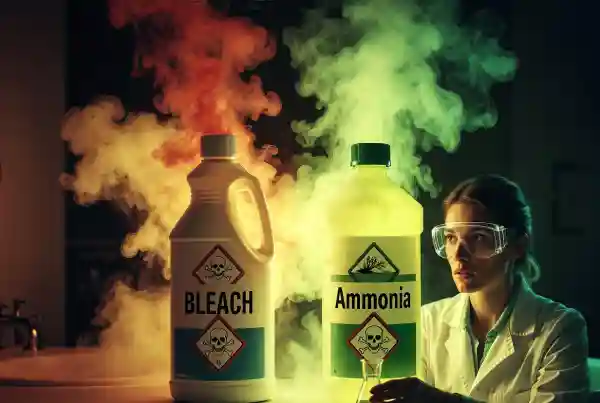
Store different chemicals on separate shelves to avoid dangerous fumes. Never mix bleach with ammonia or acidic cleaners. Physical separation acts as a barrier to prevent spills from mixing.
“The golden rule of home safety is to treat every cleaning agent with respect and store them in a way that prevents any possibility of cross-contamination.”
Use plastic bins to hold liquids to stop leaks. If space is tight, use vertical shelves to keep cleaners apart. This keeps spills from spreading.
Childproofing Your Cleaning Cabinet
Keeping kids and pets safe is more than just locking a door. Use child-resistant locks on cabinets with cleaners. Store them on high shelves that are out of reach.
| Storage Strategy | Safety Benefit | Implementation |
|---|---|---|
| High Shelving | Prevents access | Use top cabinets |
| Safety Latches | Blocks entry | Install on doors |
| Original Containers | Clear identification | Never transfer liquids |
| Separate Bins | Contains spills | Use plastic trays |
Always make sure cabinet doors are closed after use. These steps give you peace of mind and keep your home safe for everyone.
Reading and Understanding Product Labels
Reading your cleaning product labels can prevent serious accidents at home. Many people start cleaning without checking the labels, which can be risky. Learning to read these labels helps you avoid dangerous situations.
Identifying Active Ingredients
Cleaning products list their active ingredients on the back or side. These are the chemicals that actually clean your surfaces. Look for names like sodium hypochlorite, which is bleach.
Knowing these names helps you avoid mixing dangerous substances. For example, never mix bleach with ammonia, vinegar, or acidic cleaners. If you see these ingredients, keep the bottles apart to keep your home safe.
Recognizing Warning Symbols and Hazard Statements
Manufacturers use hazard statements to warn you of dangers. Phrases like “Danger,” “Warning,” or “Corrosive” are serious. If a label says not to mix with other products, listen to it to protect yourself.
You might see icons like a skull and crossbones or a flame. These symbols show the chemical properties of a product. By noticing these symbols, you can manage your cleaning supplies safely and avoid mixing dangers at home.
The Importance of Proper Ventilation
Proper ventilation is often ignored when cleaning the house. When using strong chemicals, it’s key to have fresh air around. This helps avoid toxic fumes from mixing Bleach and Pine-Sol, which can harm your breathing.
Why Airflow Matters During Cleaning
Airflow helps keep chemicals from building up. By opening windows, you let harmful particles escape. This is very important if you worry about is bleach toxic when inhaled while cleaning.
Good air movement means vapors from cleaning products don’t stay around. Even normal cleaners can be too much in small, closed areas like bathrooms. Getting fresh air is key to a healthy home.
Using Fans and Windows Effectively
To stay safe, open windows on opposite sides of the room. If you don’t have natural air flow, use a fan to help. This can pull in fresh air or push out bad air.
Remember to turn on exhaust fans in kitchens and bathrooms while cleaning. These fans are made to remove moisture and chemical smells from your home. Using these simple steps makes your home safer and easier to breathe for everyone.
Professional Cleaning Standards and Safety
Keeping a safe space means following strict rules for handling chemicals. Learning how pros handle dangerous stuff helps you clean safer at home. This way, you avoid the harmful effects of combining Bleach and Pine-Sol.
How Professionals Handle Hazardous Chemicals
Cleaning pros stick to strict safety rules to avoid mixing chemicals wrong. They keep cleaning stuff in its original, labeled containers to stop spills. This way, they avoid harmful fumes or burns from chemicals.
These experts know safety is key, not just speed. They follow the maker’s rules to keep everyone safe. This careful method means no one gets hurt by the negative effects of combining Bleach and Pine-Sol during cleaning.
Training and Safety Protocols in Commercial Cleaning
Commercial cleaners spend a lot on training for their team. They learn about danger signs and what’s in the cleaning products they use every day. This knowledge is crucial for avoiding accidents and cleaning right without risk.
Every cleaning crew has to go through safety talks before work. These talks remind them to use good air flow and warn about bad chemical mixes. By following these steps, you can make your home cleaning safer and more effective.
Environmental Impact of Improper Chemical Disposal
Throwing away old cleaners down the drain might seem okay, but it’s not. It can really harm the environment. When you dump leftover products carelessly, you risk polluting local water and damaging your plumbing. Knowing the dangers of mixing Bleach and Pine-Sol before throwing them away is key to protecting our ecosystem.
Dangers of Pouring Mixed Chemicals Down the Drain
Putting cleaning agents down your sink or toilet can cause big problems. Even if you don’t mix them in a bucket, they can still react in your pipes. This creates a dangerous situation where harmful gases can form and possibly get back into your home.
These chemicals then make their way to wastewater treatment plants or septic systems. Many systems can’t handle complex chemical mixes, leading to pollutants in rivers and lakes. It’s important to know that the dangers of mixing Bleach and Pine-Sol are not just in your kitchen. They can harm aquatic life and water quality.
Safe Disposal Methods for Household Cleaners
The best way to deal with chemical waste is to follow the label’s instructions. Most products tell you how to dispose of them safely. If a product is almost empty, you might be able to dilute it with water. But always check the label first.
For big amounts or dangerous materials, look for local household hazardous waste (HHW) collection programs. These places are set up to handle chemicals safely, protecting the environment. Always prioritize safety by keeping products in their original containers until you reach a disposal site.
| Disposal Method | Best For | Environmental Impact |
|---|---|---|
| Local HHW Facility | Large quantities/Hazardous chemicals | Low (Professional handling) |
| Dilution (if permitted) | Small amounts of mild cleaners | Moderate (Requires caution) |
| Trash (if solidified) | Specific non-liquid products | Low (Follow local rules) |
By following these tips, you can avoid the dangers of mixing Bleach and Pine-Sol harming your local environment. Responsible disposal is a simple yet powerful way to help make the world cleaner and safer for all.
Educating Your Household on Chemical Safety
Creating a safe home starts with talking openly about dangers. Knowing the safety of mixing Bleach and Pine-Sol lowers the risk of accidents. Teaching everyone is key to avoiding mistakes in the laundry or kitchen.
Teaching Family Members About Mixing Risks
It’s crucial to tell everyone that not all cleaners should be mixed. Even safe-looking products can become toxic fumes when combined. Make sure kids and adults know not to mix liquids under the sink.
- Always read the warning labels before using a new cleaner.
- Never combine products unless the instructions explicitly state it is safe.
- Keep all cleaning agents in their original, labeled containers.
Creating a Household Safety Plan
A simple safety plan keeps your home safe for everyone. By setting aside areas for different cleaners, you reduce risks. Make sure to have clear rules for everyone during cleaning tasks.
Think about posting a “Do Not Mix” list near your cleaning supplies. This visual reminder helps everyone remember the safety of mixing Bleach and Pine-Sol. Regular talks keep your home a safe and healthy place.
Best Practices for Daily Cleaning Routines
Creating a reliable cleaning schedule helps manage household chores better. It reduces stress and stops the urge to mix dangerous chemicals. Consistency is key to a clean home.
Establishing a Safe Cleaning Schedule
Having a set routine lets you focus on specific areas each day. This keeps your home tidy. It also helps you avoid using the wrong products together.
Safety is crucial when organizing your cleaning supplies. If unsure about a product, check if it’s toxic before using it. Keeping a log of your cleaning schedule keeps your home healthy for everyone.
Choosing the Right Product for the Right Surface
Using the right cleaner for each surface is vital. You don’t need many bottles to clean your home. But, you must know what each product does. Following best practices for using Bleach and Pine-Sol ensures your home stays clean and safe.
Always check the product instructions before using it on a new surface. Use the recommended disinfectant for each surface. Following these best practices for using Bleach and Pine-Sol makes your home welcoming every day.
Conclusion
Keeping your home healthy means choosing the right products. You might ask, Can You Mix Bleach and Pine-Sol Together? The answer is no because mixing them can release harmful gases that harm your lungs.
It’s best to use Clorox bleach or Pine-Sol alone for the best results. Using single-purpose cleaners helps avoid dangerous chemical reactions. Always read labels to keep your home safe for everyone.
Safe cleaning means storing products right and keeping air flowing. Store them in their original containers to avoid mistakes. If you’re unsure about product safety, check the official websites of Clorox or The Clorox Company.
Teaching your family about safe cleaning practices makes your home safer. Making small changes in your daily routine can prevent accidents. Stay updated and keep your home clean without risking your health.
FAQ
Can You Mix Bleach and Pine-Sol Together?
Absolutely not. You should never mix these two products. The Bleach and Pine-Sol mix creates a chemical reaction that releases toxic gases, which can be fatal or cause permanent respiratory damage.
What are the primary Risks of combining Bleach and Pine-Sol?
The primary risks of combining Bleach and Pine-Sol include the production of chlorine or chloramine gas. These gases can cause severe chemical burns to your lungs, throat, and eyes, and may lead to a medical emergency.
Is the Safety of mixing Bleach and Pine-Sol ever guaranteed if I dilute them with water?
No. Even when diluted with water, the safety of mixing Bleach and Pine-Sol is non-existent. The chemical incompatibility remains, and the risk of generating toxic fumes from mixing Bleach and Pine-Sol is still very high.
What are the Dangers of mixing Bleach and Pine-Sol if I accidentally do it in a bucket?
The dangers of mixing Bleach and Pine-Sol in a bucket include a rapid release of gas in a concentrated area. This can cause immediate dizziness, nausea, and intense irritation of the respiratory tract. You must evacuate the room immediately.
What are some Mixing household cleaners combinations I should avoid?
Beyond avoiding a Bleach and Pine-Sol mix, you should never mix bleach with ammonia, vinegar, or rubbing alcohol. Always use one product at a time and rinse surfaces thoroughly between applications.
What are the Best practices for using Bleach and Pine-Sol in the same house?
The best practices for using Bleach and Pine-Sol involve using them at different times. For example, clean your floors with Pine-Sol in the morning, rinse with water, and let it dry. Then, use a bleach solution later in the afternoon after the area is well-ventilated and dry.
What are the immediate Effects of combining Bleach and Pine-Sol on my health?
The effects of combining Bleach and Pine-Sol are often felt instantly. You may experience a sharp stinging in your nose, watery eyes, a tight chest, and a violent cough. If these symptoms occur, move to fresh air immediately.