Did you know that nearly 40% of indoor air pollutants come from household cleaning products? Many people rush to use spaces that have just been cleaned. They don’t realize that invisible chemical vapors can stay long after it looks like everything is dry.
It’s crucial to make sure your home is safe for sleep. Proper ventilation is key to avoiding skin problems or breathing issues.
Experts say you should wait until carpets and furniture are completely dry. This simple step stops mold and keeps your home safe for sleep.
Key Takeaways
- Wait for total surface dryness to avoid trapped moisture.
- Open windows to speed up the evaporation of chemical agents.
- Prioritize air circulation to protect your respiratory system.
- Avoid contact with damp fibers to prevent skin sensitivity.
- Follow professional drying guidelines for optimal safety.
Understanding the Risks of Cleaning Chemicals
When you clean your room, you might unknowingly release harmful substances. Many cleaning products have volatile ingredients that stay in the air long after cleaning. It’s important to know how long cleaning product fumes last to protect your health.
Common Household Toxins
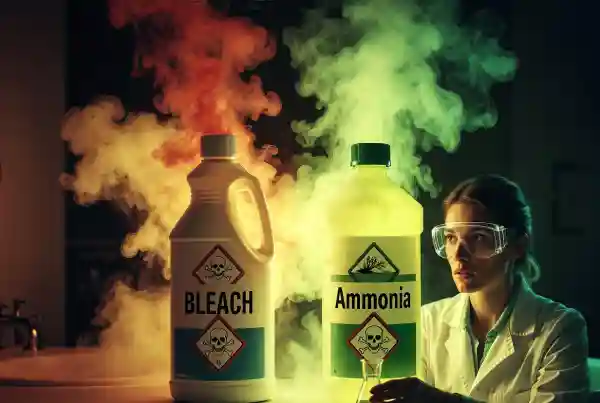
Products like mould removers use strong agents. These include bleach, sodium hypochlorite, and antifungal surfactants. These cleaning chemicals kill bacteria but release harsh fumes that can stay in a closed room.
These substances don’t just disappear when surfaces look clean. They can settle in fabrics or stay in the air, causing irritation. Knowing about these toxins helps you make safer choices.
The Impact of Aerosols and Sprays
Aerosol sprays are a big concern because they release particles directly into your air. These mists spread quickly, making it hard to avoid breathing them in. Proper ventilation is key when using these products to prevent harmful buildup.
| Product Type | Common Active Agent | Primary Risk |
|---|---|---|
| Mould Removers | Sodium Hypochlorite | Respiratory Irritation |
| Glass Cleaners | Ammonia | Eye/Throat Sting |
| Disinfectant Sprays | Quaternary Ammonium | Airborne Sensitivity |
| Furniture Polish | Petroleum Distillates | VOC Off-gassing |
How Long Should You Wait Before Sleeping in a Room After Cleaning?
Many people wonder how long to wait before sleeping in a room after cleaning. They want a clean home but forget about air quality. Knowing these times helps keep your family safe from harmful vapors.
General Guidelines for Standard Cleaning
For simple cleaning like dusting or vacuuming, wait just one to two hours. This lets any particles or scents clear out. It’s a good rule for most cleaning tasks.
Always check the label for specific cleaning products. Knowing if they’re safe during pregnancy is important. Learn about safe cleaning products to protect your family. Keeping windows open helps with air flow.
Extended Wait Times for Deep Cleaning
Deep cleaning, like shampooing carpets, needs extra care. Carpets can take 4 to 12 hours to dry, depending on the environment. Sleeping on a damp carpet can cause mold and expose you to chemicals.
After deep cleaning, wait until the room is completely dry. Fans can help dry it faster, but still wait a bit. Plan your cleaning for the morning to have a safe, fresh room at night.
Factors Influencing Evaporation and Air Quality
Understanding evaporation is crucial for good indoor air quality in your home. After cleaning, how fast moisture and chemical vapors disappear depends on your bedroom’s environment.
By controlling these factors, you can make your space ready for rest faster. Small adjustments can make a big difference in air quality.
Temperature and Humidity Effects
Warmer room temperatures speed up drying for cleaning agents. Warm air makes molecules move faster, helping chemicals evaporate quicker.
But, don’t use too much heat to avoid damaging furniture or floors. High humidity slows down evaporation, making it harder to keep indoor air quality good.
Room Size and Ceiling Height
Your bedroom’s size and height affect how fumes spread. Bigger rooms with high ceilings let air circulate better, diluting chemicals faster.
In smaller bedrooms, it takes longer for the air to clear. You might wonder if are HEPA filters worth it for better indoor air quality. Good airflow is key to a safe and comfy sleep environment.
Identifying Volatile Organic Compounds (VOCs) in Common Cleaners
When you clean, you might release invisible substances into the air. Many cleaning chemicals have ingredients that stay in the air long after cleaning.
What Are VOCs?
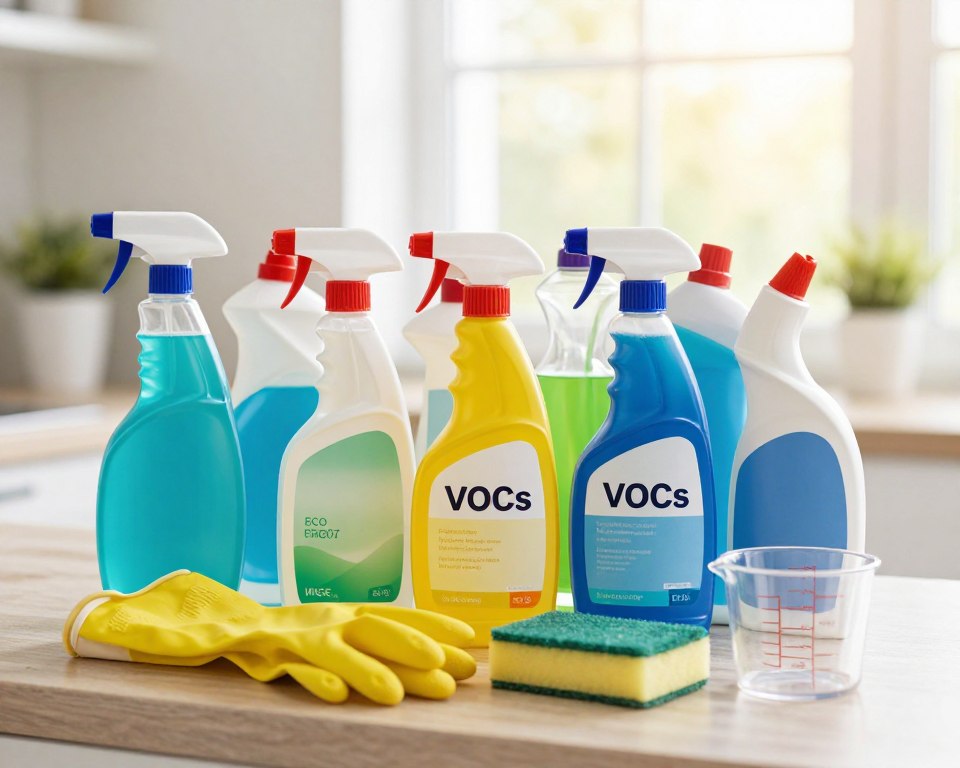
Volatile Organic Compounds, or VOCs, are chemicals that turn into gas easily. They can quickly fill a small space like a bedroom.
“Indoor air quality is often significantly worse than outdoor air, largely due to the accumulation of volatile compounds from household products.”
Breathing in these substances can cause unpleasant health effects. These can range from simple throat irritation to serious respiratory problems over time.
Common Sources in Bedroom Cleaners
Knowing which products are likely culprits is helpful. Many cleaning chemicals are too harsh for small, poorly ventilated rooms.
Common sources of these compounds include:
- Aerosol sprays used for dusting or air freshening.
- Heavy-duty disinfectants meant for bathroom or kitchen surfaces.
- Solvent-based furniture polishes that leave a glossy finish.
- Synthetic carpet cleaners that release fumes as they dry.
By identifying these cleaning chemicals, you can make better choices. Choosing safer alternatives helps keep your bedroom a place of rest, not a source of chemical exposure.
The Importance of Proper Ventilation Post-Cleaning
Good airflow keeps your bedroom a safe haven, not a chemical trap. After cleaning, it’s crucial to let fresh air in. This step helps get rid of particles that could harm your sleep.
Many overlook the dangers of common cleaning products. Wondering if your multi-surface sprays are toxic? Ensuring good air exchange is a smart move. It helps clear out harmful fumes trapped in rooms.
Cross-Ventilation Techniques
Opening windows and doors creates a natural breeze. This method is the best way to improve room air circulation without extra gear. Here’s how to do it right:
- Open windows on opposite sides for a direct air path.
- Keep interior doors open for air to flow through the home.
- Use window screens to keep pests out while keeping air flowing.
Using Fans to Disperse Fumes
When natural breezes aren’t enough, fans can help. Placing fans correctly can clear out bad smells and moisture. The goal is to push stale air out, not just circulate it.
Put a box fan in a window to push air out. Open a window on the other side to let in fresh air. This setup makes your bedroom safe and fresh for a good night’s sleep.
Health Effects of Inhaling Residual Cleaning Fumes
Many people don’t think about how cleaning chemicals can affect their health. It’s important to know the health effects of cleaning products to keep your bedroom safe. Cleaning can release chemicals that stay in the air long after you’re done.
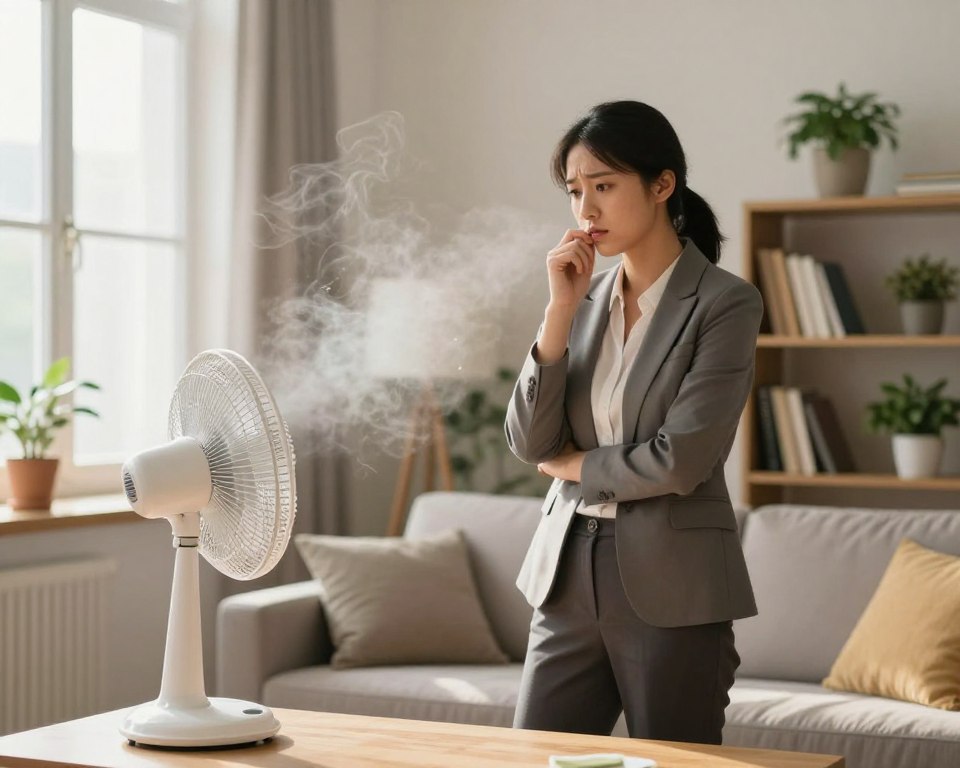
Short-Term Respiratory Irritation
Inhaling chemical fumes can cause immediate discomfort, like headaches or dizziness. These symptoms happen because your body reacts to the chemicals in the air.
Feeling nauseous is another sign of too much exposure. If you notice these signs, open windows or use fans to improve air flow. Ignoring these signs can lead to more serious health problems.
Long-Term Exposure Concerns
Long-term exposure to cleaning fumes can also harm your health. It may lead to ongoing respiratory problems or make you more sensitive to chemicals. Choosing safer cleaning products is key to protecting your health over time.
Regularly breathing in toxins can make your indoor air quality worse. Using safer alternatives can help prevent long-term health issues. Here’s a table showing symptoms based on exposure levels.
| Exposure Level | Primary Symptoms | Risk Factor |
|---|---|---|
| Short-Term | Headache, Dizziness, Nausea | Low to Moderate |
| Moderate | Throat Irritation, Coughing | Moderate |
| Long-Term | Chronic Respiratory Issues | High |
Best Practices for Cleaning Your Bedroom Safely
Keeping your bedroom healthy starts with simple habits. Pay attention to the products you use and how you use them. This way, you can make a space that helps you sleep better and feel well.
Choosing Low-Toxicity Products
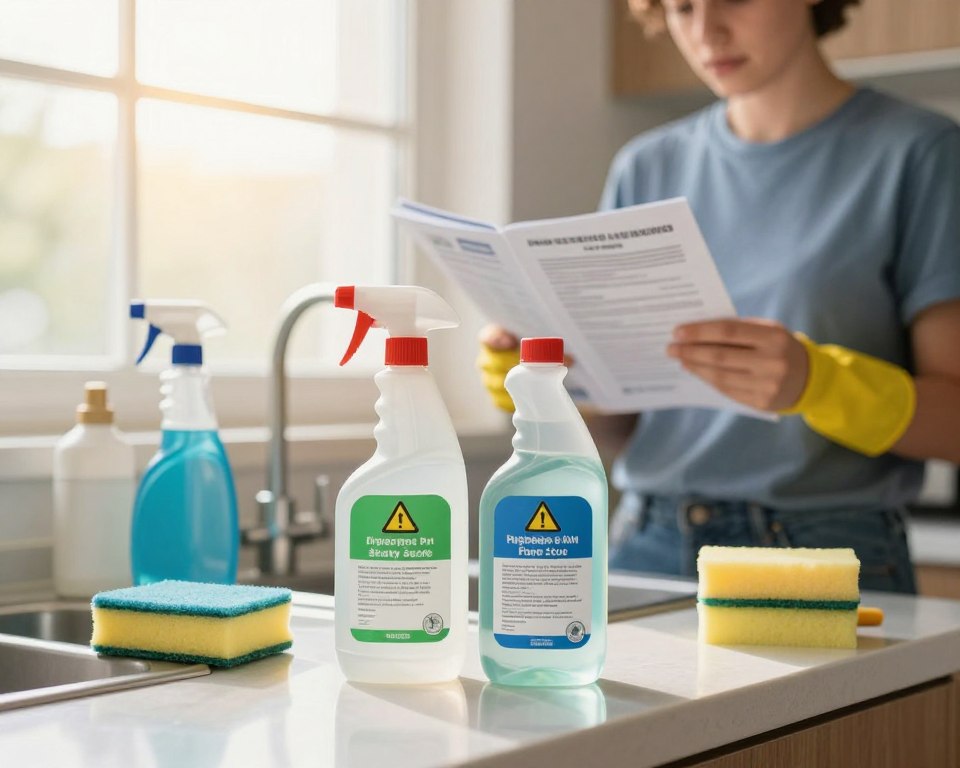
Start by reading labels before you buy. Many sprays have chemicals that can hurt your lungs and mess with your sleep.
Look for non-toxic, plant-based, or fragrance-free products. They clean well without leaving harsh chemicals in your air.
- Check for certifications like EPA Safer Choice or Green Seal.
- Avoid products with strong synthetic perfumes or phthalates.
- Prioritize water-based solutions over solvent-heavy cleaners.
Applying Cleaners Directly to Cloths
Changing how you clean can make a big difference. Instead of spraying surfaces, apply the cleaner to a cloth. This way, you cut down on chemical mist in the air.
Using a cloth keeps the cleaner where it belongs. It doesn’t turn into an air pollutant. Remember, a little product goes a long way. It’s better for your air and makes cleaning quicker.
Natural Cleaning Alternatives for a Healthier Sleep Environment
Starting a healthier sleep environment is easy with kitchen pantry items. Many are ditching synthetic cleaners to avoid fumes that mess with sleep. Natural cleaning alternatives keep your space fresh without harsh chemicals.
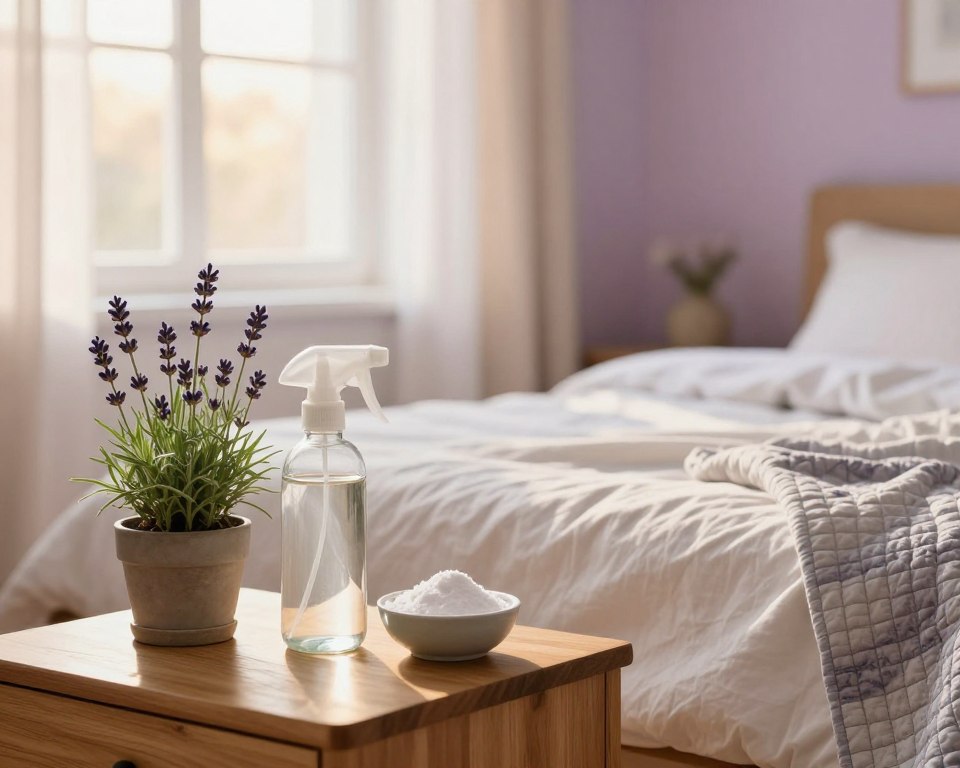
Vinegar and Baking Soda Solutions
White vinegar and baking soda are top picks for a clean bedroom. Vinegar, mixed with water, fights grime and bacteria. It’s a fantastic, low-toxicity option for those who hate strong smells.
Baking soda is a soft scrub for carpets and mattresses. It removes stains without harming fibers. For tough problems, check if a mold remover spray is toxic before cleaning. These pantry items keep your room a safe haven.
Essential Oils and Their Limitations
Essential oils are popular for their calming scents. But, they’re not meant for deep cleaning. They’re best for aromatherapy and fragrance.
When using essential oils, dilute them well and use them sparingly. Too much scent can hide the need for cleaning or cause breathing problems. Balance is key in using these natural items for a clean bedroom.
How to Improve Indoor Air Circulation
After cleaning your floors or dusting, it’s crucial to improve your room air circulation. Stagnant air can trap chemicals, causing irritation. By using smart airflow strategies, you can remove fumes and refresh your bedroom.
Optimizing Window Placement
To manage ventilation post cleaning well, create a cross-breeze. Open windows on opposite sides to let fresh air in and stale air out. If you have only one window, use a box fan to pull air out.
Move furniture away from windows to improve air flow. Clear pathways ensure air reaches all parts of the room. This stops air from getting trapped behind heavy furniture.
The Role of Air Purifiers
Natural airflow might not be enough, like on humid days or in small rooms. An air purifier with a HEPA filter is then key. These devices catch fine particles and dust in the air.
Using a purifier on high for a few hours after cleaning greatly improves your air. It’s a mechanical aid for room air circulation. A good purifier keeps your sleep space clean from hidden irritants.
| Method | Primary Benefit | Best Use Case |
|---|---|---|
| Cross-Ventilation | Rapid air exchange | Mild weather days |
| Window Fans | Active exhaust | Single-window rooms |
| HEPA Purifiers | Particle filtration | Deep cleaning sessions |
| Ceiling Fans | Air distribution | General maintenance |
Monitoring Air Quality with Technology
Modern technology lets you track indoor air quality in your home after cleaning. You don’t have to guess if a room is safe to sleep in. These tools find invisible pollutants that might still be in the air.
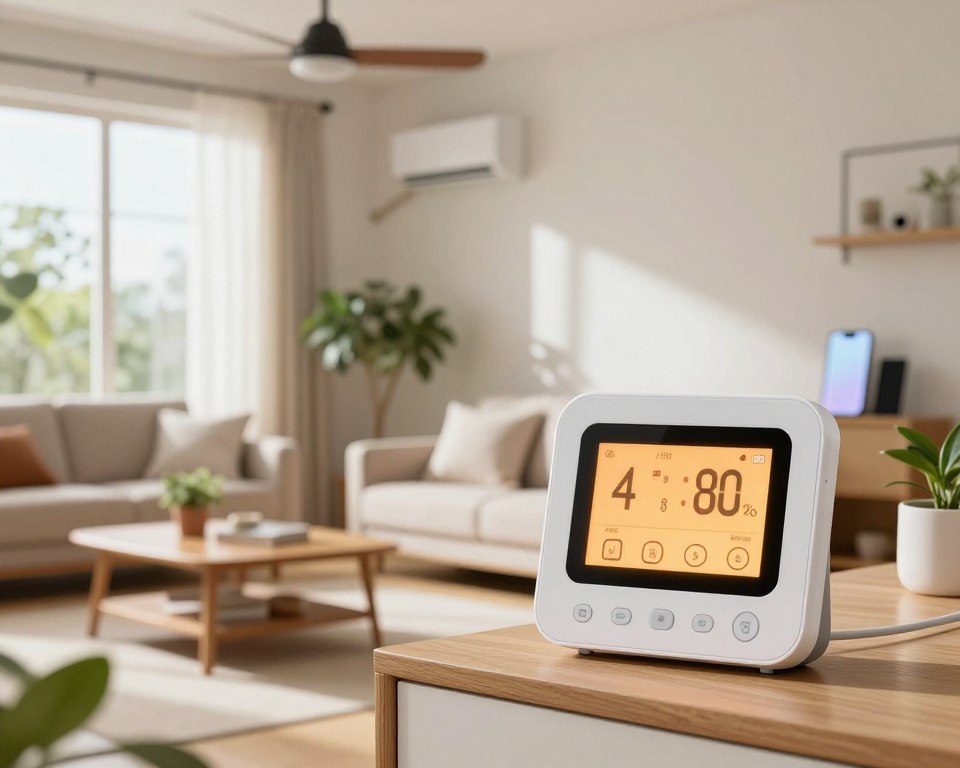
Using Smart Air Quality Monitors
Smart air quality monitors are small devices that check the air for particles and gases. They connect to your phone, so you can see your bedroom’s air quality from anywhere. It’s empowering to know what you’re breathing before bed.
These monitors use lasers to track particles and sensors to find VOCs. By putting one in your bedroom, you can see how fast fumes go away after cleaning. This helps you know when it’s safe to go back in.
Interpreting Sensor Data
Understanding your monitor’s numbers is key to good indoor air quality. Most apps show colors like green for good and red for bad. If VOC levels are high, open windows or use an air purifier longer.
Don’t worry if readings spike right after using a cleaner. This is normal as the chemicals evaporate. By watching these trends, you’ll know how long your cleaners take to clear out. This keeps your sleep area fresh and safe.
Special Considerations for Sensitive Groups
Creating a safe home environment is crucial when family members have unique health needs. The health effects of cleaning products can differ a lot based on age and physical condition. By changing your cleaning habits, you can keep your whole household safe and comfortable.
Protecting Children and Infants
Children and infants are very sensitive to chemical fumes from cleaning. Their bodies are still growing, so they absorb toxins more easily than adults. It is essential to keep them away from freshly cleaned rooms until everything is dry and the air is fresh.
Try to clean when kids are at school or playing elsewhere. This helps avoid exposure to harmful chemicals. Always ensure the room is well-aired before letting kids back in.
Managing Asthma and Chemical Sensitivities
People with asthma or chemical sensitivities can react quickly to common cleaners. Even mild smells or residues can cause breathing problems or skin issues. Knowing the health effects of cleaning products is key to making your home safer for everyone.
Those with sensitivities should use fragrance-free or plant-based cleaners. Taking extra precautions, like wearing a mask or using air purifiers, can lower the risk of a bad reaction. Consistency in your safety protocols is important for a healthy home environment.
Managing Cleaning Schedules for Better Sleep Hygiene
Keeping a regular cleaning schedule is key to better sleep hygiene and a clean home. By planning your cleaning, your bedroom stays a peaceful place, not a source of irritation.
Cleaning During Morning Hours
Cleaning your bedroom in the early morning is smart. It lets air circulate all day, making sure any smells from cleaning products are gone by night.
Early cleaning also lets surfaces dry fully. This is crucial when using special products, like those in our laundry detergent guide. Consistency is key for a healthy sleep environment.
Establishing a Pre-Sleep Routine
Your evening should be calm, not about deep cleaning. If you need to tidy up, do light tasks like dusting or open a window for air.
Stay away from strong cleaners or sprays close to bedtime. They can upset your sleep hygiene by affecting your breathing. Aim for a calm, clean, and airy space for a good night’s sleep.
Signs That Your Room Is Still Not Safe
Your senses are often the best indicators of whether a room is ready for you to occupy after a deep scrub. Learning to recognize these subtle cues is a critical skill for maintaining a safe sleeping environment after cleaning. If you feel that something is off, it is always better to wait a little longer before settling in for the night.
Recognizing Lingering Odors
The most obvious sign that your room needs more time is a persistent chemical smell. If the air still carries a sharp or artificial scent after you have finished your chores, the cleaning agents have not fully evaporated. Do not ignore this warning sign, as it indicates that volatile compounds are still present in the air you breathe.
Proper ventilation should eventually clear these odors, but if the smell remains strong, you should keep the windows open or use a fan. A safe sleeping environment after cleaning relies on fresh, neutral air. If you cannot detect a clean, fresh scent, it is a clear signal that you should delay your return to the room.
Physical Symptoms of Exposure
Sometimes, your body will react to residual fumes before your nose even notices them. You might experience sudden eye irritation, a scratchy throat, or a mild headache while spending time in the space. These physical symptoms are your body’s way of telling you that the air quality is not yet optimal.
If you notice these signs, leave the room immediately and increase the airflow. It is essential to prioritize your health over the convenience of finishing your cleaning routine quickly. By staying alert to these physical cues, you can ensure a safe sleeping environment after cleaning for yourself and your family.
| Indicator | Status: Safe | Status: Unsafe |
|---|---|---|
| Air Scent | Neutral or fresh | Strong chemical odor |
| Eye Comfort | No irritation | Watery or itchy eyes |
| Breathing | Clear and easy | Tightness or coughing |
| Headache | None | Mild to moderate pain |
When to Seek Professional Cleaning Services
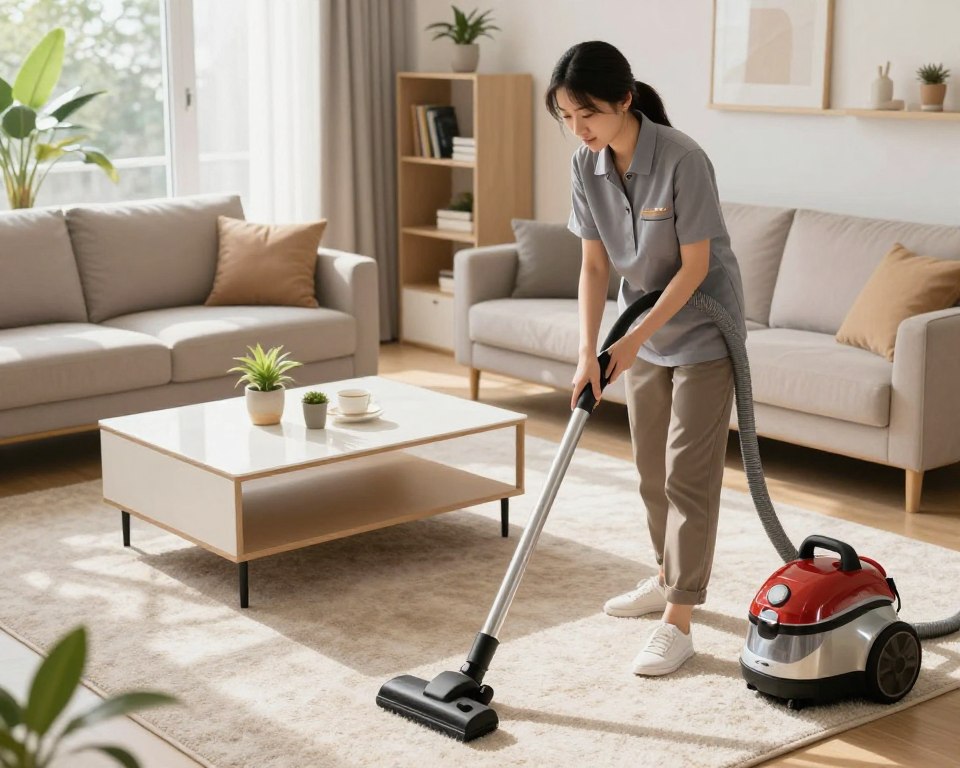
At times, it’s clear that some cleaning tasks are too big for us to handle alone. Routine cleaning is doable, but deep cleaning projects can be tricky. They can affect your indoor air quality if not done right.
Handling Heavy-Duty Chemicals
Some cleaning jobs need strong chemicals not found in regular stores. These chemicals require special care to avoid breathing them in or getting them on your skin.
Professional cleaners know how to use these chemicals safely. They understand what’s in their products and how to keep the air clean. By letting them do the job, you keep your home safe from harmful chemicals.
“The true value of professional cleaning lies not just in the aesthetic result, but in the scientific approach to maintaining a safe and breathable living environment.”
Professional Equipment Benefits
Experts also use special tools that are better than what you have at home. One big plus is their high-powered extraction equipment.
These machines have many benefits for your home:
- Efficient Moisture Removal: They pull out deep moisture from carpets and furniture, cutting down drying time.
- Reduced Mold Risk: Quick drying stops mold from growing.
- Superior Filtration: Industrial vacuums have HEPA filters that catch tiny particles, making the air cleaner.
Choosing professional cleaning services means a quicker, more effective clean. Your space will be ready to use faster. This means you can breathe easier and sleep better in a clean, fresh environment.
Creating a Long-Term Maintenance Routine
Keeping your bedroom fresh is easy with a simple routine. Staying consistent helps maintain a healthy home with less cleaning. By doing small tasks regularly, you ensure a safe sleeping environment after cleaning without harsh chemicals.
Weekly Dusting vs. Deep Cleaning
Many wait until a room looks dirty to clean it. This often means using strong chemicals, which can be harmful. Instead, do light cleaning weekly to avoid allergens.
Save deep cleaning for seasonal tasks, not weekly. Weekly dusting prevents the need for harsh chemicals. This keeps your bedroom healthy for sleep.
Preventative Measures for Dust Control
Stopping dust before it settles is easier than cleaning it. This keeps your bedroom safe sleeping environment after cleaning. Here are some tips for better air quality:
- Use high-quality air filters: Change your HVAC filters often to catch particles.
- Manage textiles: Wash bedding in hot water weekly to kill dust mites.
- Declutter surfaces: Fewer items mean less dust, making cleaning quicker.
- Implement a “no-shoes” policy: Keep outdoor dirt out of your bedroom.
These small changes cut down on cleaning time. Your room will stay fresh, ensuring a safe sleeping environment after cleaning every night.
Conclusion
Creating a peaceful place to rest is more than just keeping it clean. It’s important to keep your bedroom tidy for good sleep. But, you must also think about safety.
Always put your health first by letting your space dry completely before bed. If you’re not sure if it’s safe, learn about carpet cleaning safety. This helps protect your lungs. Using good ventilation and choosing safe products keeps your air fresh.
Making small changes to your daily routine can greatly improve your health. By checking moisture levels and making sure your room is dry, you help your sleep every night. We hope this guide helps you make safer choices for your home and comfort.
FAQ
Can I sleep in a room right after mopping with bleach?
No, it’s not safe. Bleach fumes can harm your breathing. Wait 4 to 6 hours with windows open to let the fumes go away and the floor dry.
How does a HEPA filter help after I clean my room?
A HEPA filter in an air purifier catches 99.97% of tiny particles. Make sure your purifier also has an activated carbon filter to remove chemical smells and gases.
Why does high humidity make it take longer to sleep in a room after cleaning?
High humidity slows down evaporation. When the air is full of moisture, it can’t absorb cleaners or chemical vapors fast. This means they stay in the air longer.
Is it safe for someone with asthma to sleep in a freshly cleaned room?
People with asthma should be very careful. Even “natural” smells can be triggers. Wait 24 hours after a deep clean and make sure the room is well-ventilated before sleeping.
What is the fastest way to get rid of cleaning smells?
Open windows on opposite sides and use fans to move air. Placing a bowl of activated charcoal or baking soda can also help absorb smells.
Does “Green” or “Natural” mean I can sleep in the room immediately?
Not always. Even natural products like vinegar or essential oils can be irritating in high amounts. Wait at least 1 to 2 hours for the room to air out and surfaces to dry.