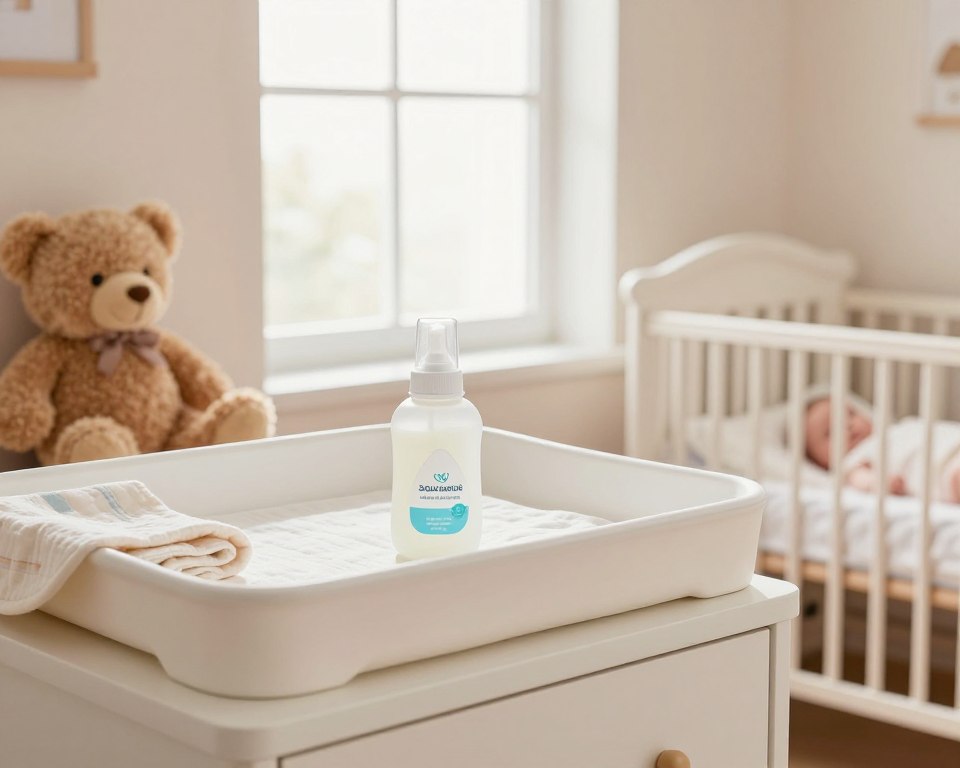
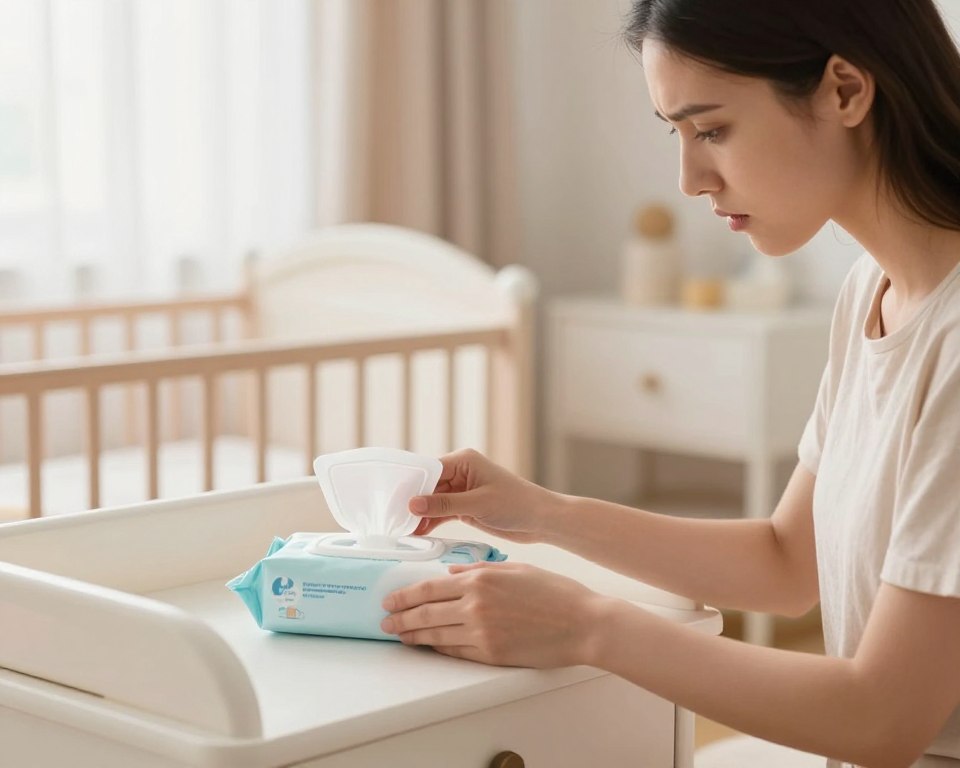
Many parents ask whether common cleaning products pose risks when an infant is in the home. This guide looks at ingredients, contact risks, and practical steps to protect your child while keeping surfaces germ-free.
Understanding what’s inside a wipe helps you make smart choices. Some formulations contain harsh chemicals that can irritate a baby’s skin or affect air quality. Learning labels and safe use tips reduces worry during daily routines.
We share expert-backed advice on balancing effective cleaning with gentle care for your growing baby. You’ll learn simple habits parents can adopt in the nursery and around the house to cut exposure without sacrificing hygiene.
Key Takeaways
- Read product labels and watch for strong chemicals that may irritate infants.
- Use milder cleaners or plain soap and water for most daily tasks.
- Store cleaning products out of reach and ventilate rooms after use.
- Limit baby contact with recently cleaned surfaces until dry.
- Consult a pediatrician if skin or breathing issues appear after exposure.
Understanding the Composition of Disinfectant Wipes
Understanding the ingredients in popular cleaning products clarifies when to use them and when to choose gentler alternatives.
Chemical Ingredients
Most wipes contain low concentrations of active detergents. For example, alkyl dimethylethylbenzyl ammonium chloride commonly appears at about 0.01–0.1% and works by disrupting bacteria cell walls.
Manufacturers add surfactants and mild detergents to boost cleaning power. These formulas target hard surfaces such as kitchen countertops, wood furniture, and stainless steel items.
- Packaging often uses plastic tubs to keep the product moist and intact between uses.
- Check labels for bleach or stronger disinfectants that need extra care.
- When in doubt, plain soap and water clean many surfaces and toys safely.
Proper Storage
Store household cleaners in a locked or high cabinet so children and other people cannot reach them.
“Keep products closed and away from food prep areas to reduce accidental contact.”
Always follow label directions for drying time before allowing contact with items like toys or feeding surfaces.
Are Disinfectant Wipes Safe Near Babies?
Parents often worry that everyday cleaning products might leave residues that a crawling child could ingest.
Remember how often a baby puts toys or fingers in the mouth. That behavior makes it unsafe to use strong cleaners on items a child handles. Many household products are made for hard surfaces, not for toys or pacifiers.
If you choose to use wipes in the home, let the surface dry completely before your baby touches it. Drying reduces the chance that detergent or chemicals transfer to toys or hands.
When possible, pick milder options. Soap and warm water clean most baby gear. For plastic toys, follow manufacturer guidance before using any disinfectant product.
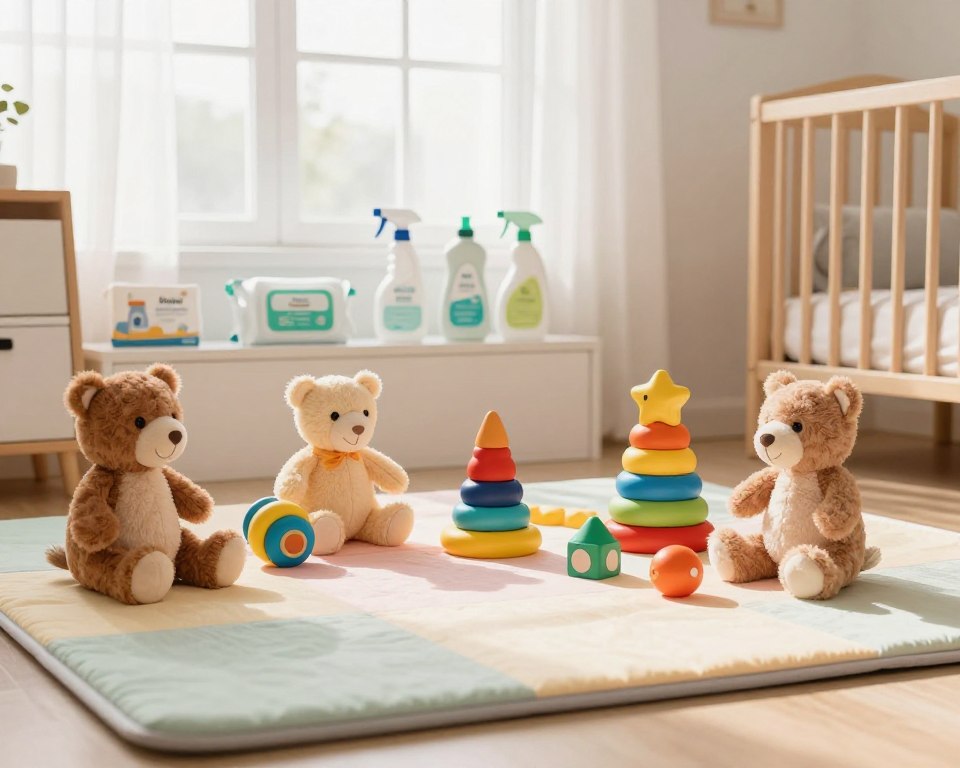
- Read the product label to confirm safe use in areas where your child plays.
- Avoid harsh chemical cleaners on items that go in the mouth.
- If a surface was treated, wait until it is fully dry and ventilate the room.
Identifying When Disinfection Is Truly Necessary
Deciding which surfaces truly need a deep clean helps you save time and avoid unnecessary chemicals. Use disinfectant products for clear risks, not every small mess.
Focus cleaning efforts on places where germs gather.
High-Traffic Areas
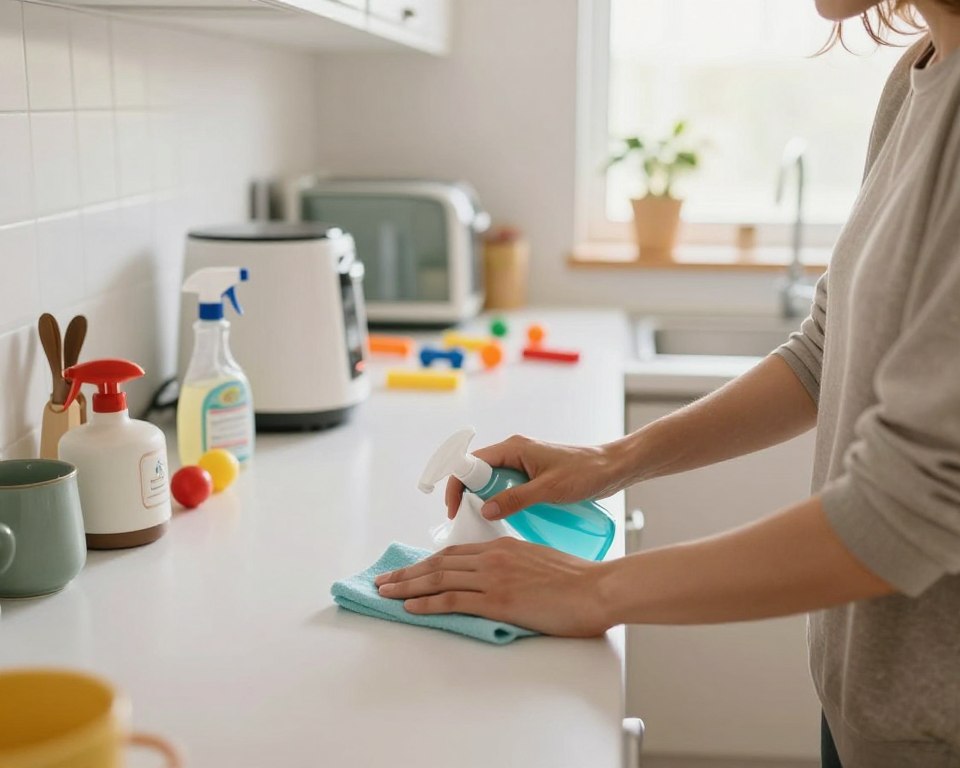
Prioritize the kitchen floor, entryways, and countertops where family members pass and drop food. These household areas collect dirt and microbes more quickly than tucked-away items.
The Environmental Protection Agency keeps a list of cleaners that work against viruses on hard surfaces. Remember, that list targets surfaces, not toys or items meant for mouth contact.
- Disinfect where raw food is prepared, such as kitchen counters and cutting boards.
- Reserve bleach solutions for heavy-duty tasks on nonporous surfaces only.
- For most toys and soft items, soap and water is enough.
“Save strong cleaners for true hazards; everyday cleaning often needs only plain soap and a little time.”
| Area | Recommended Action | Why it matters |
|---|---|---|
| Kitchen floor | Regular cleaning; disinfect weekly or after spills of raw food | High foot traffic and food contact increase bacterial risk |
| Entryway | Daily sweeping; spot disinfect when visibly dirty | Brings in outdoor germs and debris |
| Toys and baby items | Wash with soap and water; only disinfect if soiled by bodily fluids | Many items go in the mouth; avoid frequent chemical use |
Handling Accidental Exposure and Skin Irritation
Accidental contact with household cleaners can be alarming, but quick action often prevents lasting harm. Keep calm, act promptly, and follow simple steps to reduce risk.
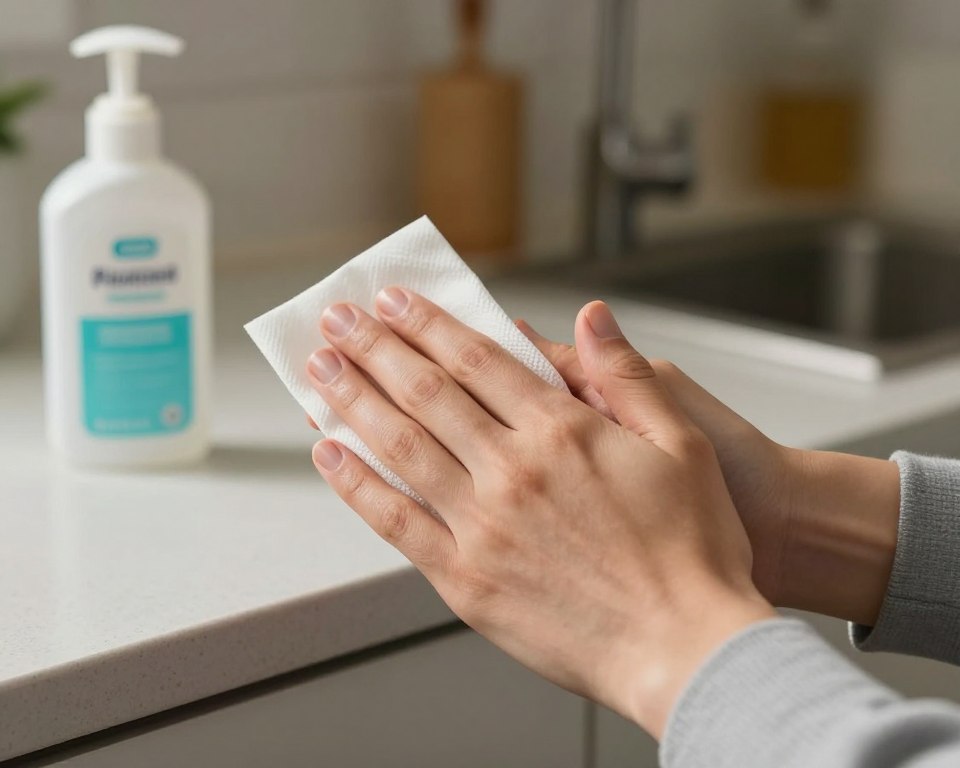
Skin Contact Reactions
If a child gets chemical residue on skin, wash the area with soap and water right away. Use gentle soap and plenty of cool water to remove any remaining product.
Watch for redness, swelling, or a rash. Some people may develop irritation that responds to a soothing lotion.
If the rash is severe or worsens, contact your pediatrician. A topical corticosteroid may be recommended in some cases.
Mouth Exposure
If a wipe or similar item is found in the mouth, remove it immediately and rinse the mouth with cool water.
Offer a drink of water and watch for coughing, vomiting, or breathing changes. Call the poison center at 1-800-222-1222 if ingestion of a product is suspected.
- Rinse toys exposed to harsh chemicals thoroughly with water before reuse.
- Store all wipes and cleaners out of reach so children cannot access a wipe or wipe container.
Best Practices for Cleaning Baby Gear and Toys
A clear plan for washing toys and gear makes routine care easier and safer.
Plastic Toys
Use soap and warm water for most plastic items. Dr. Patricia Garcia recommends soap and water for most baby gear and toys to remove dirt and reduce germs.
For a deeper clean, mix 1/3 cup bleach in 1 gallon of water and soak plastic toys briefly. Rinse well and let dry before use.
Plush Items
Check the care instructions before washing any cloth toys. Many plush items can go in the washing machine and dryer on gentle cycles.
If an item cannot be machine washed, surface clean with mild soap and water and air dry fully to avoid mildew.
Stroller Handles
High-touch surfaces like handles need regular attention. Disinfectant wipes are handy, but follow with a damp cloth to remove residue.
Always read the manufacturer’s instructions for specific products and let surfaces dry before your child touches them.
| Item | Method | How Often |
|---|---|---|
| Plastic toys | Soap & warm water; bleach solution for heavy soiling | Weekly or when soiled |
| Plush toys | Machine wash/dryer if allowed; surface clean otherwise | Every 1–2 weeks or after mouth contact |
| Stroller handles | Wipe with cleaner, then damp cloth | After outings or daily |
Maintaining a Clean Environment for Your Baby
A focused cleaning plan makes it easy to protect play areas and kitchen surfaces every day.
Keep the floor tidy, especially high-traffic spots like the kitchen where dust and germs collect. Make it a short daily job to sweep or vacuum and then follow with a quick damp mop.
Clean where your child plays. Wipe toys and baby toys left on the floor with a damp cloth and mild soap and water. Let plastic items dry fully before returning them to the play area.
Spot-clean surfaces throughout the day to save time. Use a wipe or a damp cloth for spills and crumbs so messes don’t build up into bigger tasks.
Focus on high-yield areas: floors, toy baskets, and stroller handles. These items get the most contact and deliver the best return on your effort.
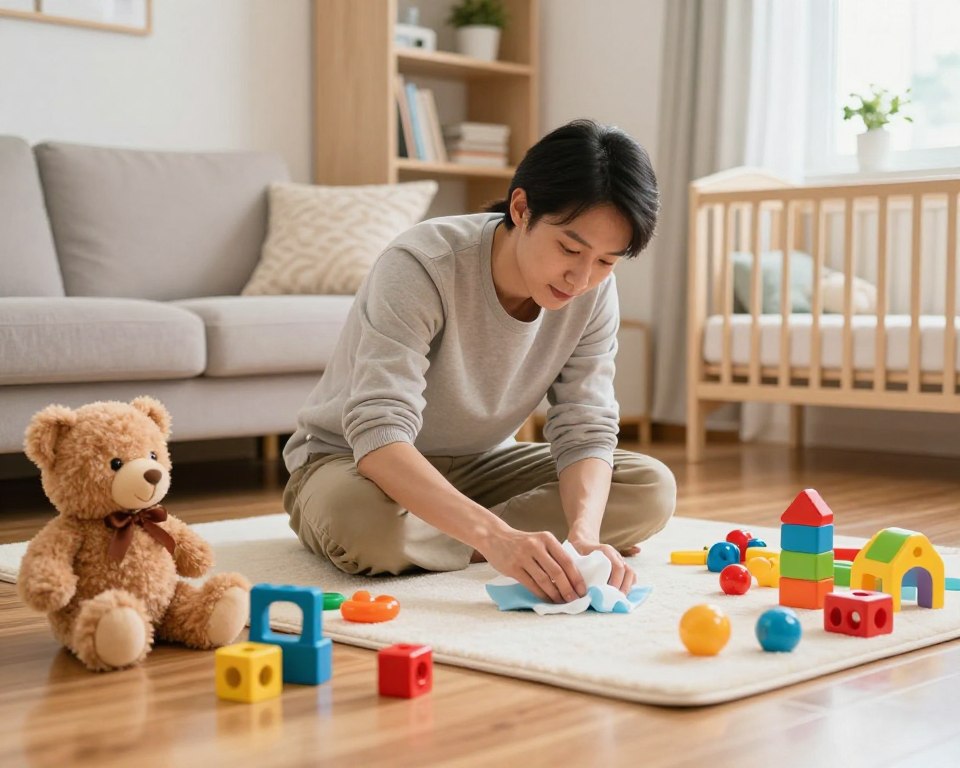
“Small, regular tasks keep your home healthier and free up time for family.”
- Use soap and water first; reserve stronger cleaners or disinfectant only when truly needed.
- Dry toys completely to prevent moisture issues.
Common Myths Regarding Household Cleaning Products
Many home myths mix up cleaning and disinfection, leading to unnecessary worry or misuse.
Not every cleaning product kills germs. Natural cleaners can lift dirt and grime but often lack a registered disinfectant ingredient. Read labels to see whether a product claims microbial kill rates or just removes soil.
Never mix bleach with ammonia or acids. Combining these creates toxic gases that harm everyone in a household. If you use bleach, follow label directions and ventilate the room.
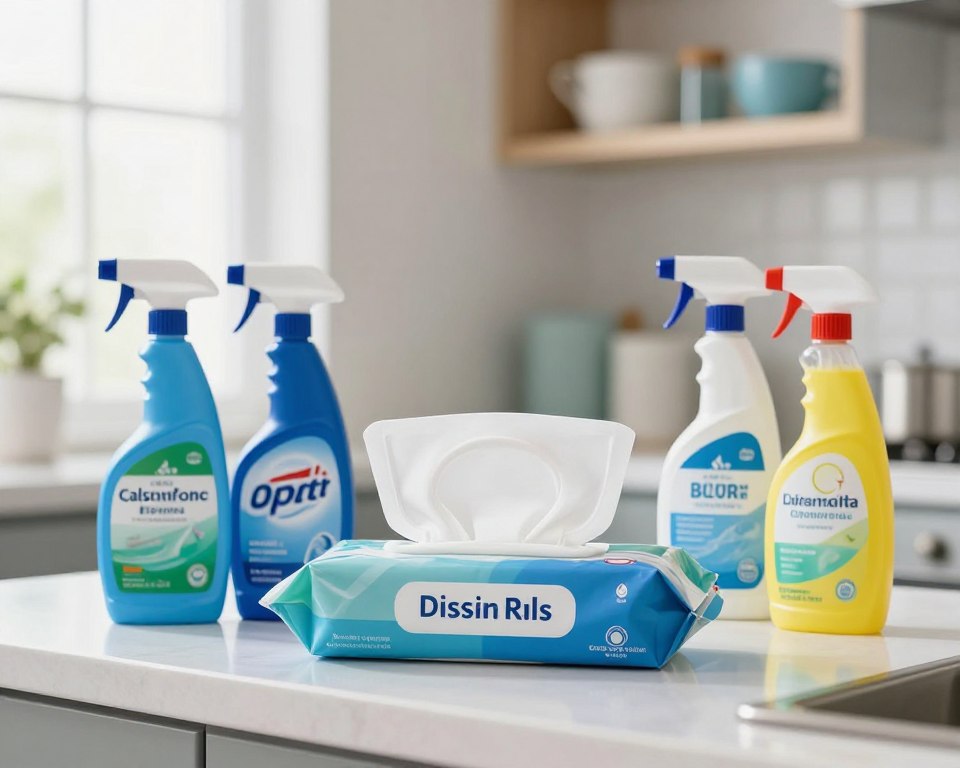
Homemade wipes and DIY sprays can seem convenient, but they often miss the correct concentration of active chemicals. That makes them less reliable than tested products for killing pathogens on hard surfaces.
- Using cleaners meant for floors on toys can leave residues. Rinse items that may go in the mouth with soap and water.
- You do not need to disinfect every surface; focus on high-traffic areas and places with food contact.
- When disinfection is required, choose EPA-registered products to ensure effectiveness.
“Smart cleaning focuses on risk, not fear: target the spots that matter most.”
When to Seek Professional Help for Chemical Exposure
If you suspect a harmful exposure to a cleaning product, get help right away. Quick action lowers risk for everyone in the home and ensures proper care.
Call the poison center if a baby or any person shows coughing, trouble breathing, severe skin redness, vomiting, or unusual sleepiness after contact with cleaners or chemicals.
- Use the webPOISONCONTROL® online tool or call 1-800-222-1222 for free, confidential help 24/7.
- Follow the product instructions on the label, and do not wait to see if symptoms appear before seeking help.
- Mistakes with detergent or bleach solutions can cause skin or lung irritation; seek medical attention for persistent symptoms.
- If unsure about a disinfectant or other household product, contact the manufacturer or a medical professional for guidance.
- Keep local poison center contact info handy as part of routine home safety care.
“When in doubt, call for expert advice — swift steps protect health and speed recovery.”
Conclusion
,Everyday choices about cleaning reduce risk and free up time for family moments. Follow simple routines: favor soap and water for toys and gear, air items fully or use the dryer when care labels allow, and limit use of stronger cleaners to clear hazards.
Parents should read labels, store all household products out of reach, and let treated surfaces dry before contact. These small habits cut exposure and make maintaining a healthy home manageable.
Stay informed and use products exactly as directed. A clean home does not demand harsh chemicals on every surface; consistent, gentle care protects your child and gives you back valuable time.
FAQ
Are common disinfectant wipes safe to use around infants?
Most household disinfectant wipes contain chemicals such as benzalkonium chloride, hydrogen peroxide, or alcohol. Used correctly—following label directions, ventilating the area, and keeping wipes out of a baby’s reach—they can reduce germs on hard surfaces. Avoid using them directly on toys or items that go into a baby’s mouth unless the product label explicitly approves that use. Rinse or allow surfaces to air-dry fully before a baby touches them.
What chemicals are typically found in surface-cleaning wipes?
Ingredients vary by brand. Look for active agents like benzalkonium chloride, hydrogen peroxide, ethanol, or sodium hypochlorite (bleach). Wipes also contain solvents, fragrances, and preservatives. Check the manufacturer’s Safety Data Sheet (SDS) or product label for exact ingredients and precautions.
How should I store cleaning wipes to protect children?
Store wipes in their original container with the lid secured and place them on a high shelf or locked cabinet. Keep them away from heat and direct sunlight to prevent drying out. Never leave an open pack within a child’s reach, and always dispose of used wipes in a covered trash can.
When is it necessary to disinfect versus just clean with soap and water?
Clean with soap and water for everyday dirt, spills, and routine cleaning of baby gear. Disinfect high-touch areas—changing tables, doorknobs, diaper pail lids, and surfaces after a sick household member uses them. Disinfection is important when someone has contagious illness or after contact with bodily fluids.
Which areas in my home should get regular disinfection?
Focus on high-traffic and high-touch spots: diaper-changing areas, kitchen counters, crib rails, remote controls, light switches, and stroller handles. Prioritize places where multiple people touch or where infants frequently put hands or objects.
What should I do if my baby gets wipe residue on their skin?
If residue touches skin, gently wash the area with lukewarm water and mild unscented soap. Dry completely. If redness, rash, or swelling develops and persists, contact your pediatrician. For severe reactions like difficulty breathing, seek emergency care immediately.
My baby mouthed a surface recently cleaned with a wipe—what now?
Rinse the baby’s mouth with clean water and offer a drink of water if age-appropriate. Monitor for coughing, vomiting, or unusual drowsiness. If you know the product contained bleach or other strong chemicals, call Poison Control at 1-800-222-1222 or seek emergency care right away.
How should I clean plastic toys and teethers safely?
For hard plastic toys and teethers, wash with warm soapy water and rinse thoroughly. Many items can be sanitized by boiling (if label allows) or using a baby-safe dishwasher cycle. If you must use a wipe, choose one labeled safe for baby items and rinse afterward. Avoid bleach wipes on items that go in the mouth unless directions permit rinsing.
How do I clean plush toys and fabric baby items?
Machine wash plush toys and cloth items using regular detergent on warm water, then dry fully in a dryer or air-dry. For surface stains, spot-clean with mild soap and water. Avoid chemical disinfectant wipes on soft toys unless they’re specified safe for fabrics and you follow rinsing instructions.
Are wipes okay for stroller handles, car seats, and high chairs?
Use wipes labeled for the intended surface—some cleaners can damage fabric, wood, or leather. For stroller handles, high chairs, and plastic or metal parts, disinfecting wipes can be convenient. Always read the manufacturer’s care instructions for car seats and strollers to avoid voiding warranties or damaging materials.
How can I maintain a clean home without overusing harsh chemicals?
Prioritize soap and water for routine cleaning. Use disinfectants selectively—after illness or on high-touch surfaces. Increase ventilation while cleaning, wash hands frequently, and clean toys regularly. Consider baby-safe cleaners like mild dish soap, vinegar solutions for non-porous surfaces (not for disinfecting), and steam cleaning for some items.
What myths about household cleaners and infants should I avoid?
Avoid believing that more chemical equals better protection. Overuse of disinfectants can irritate skin and lungs. Another myth: bleach wipes on every surface are necessary—soap and water often suffice. Don’t use homemade bleach concentrations without guidance, and never mix bleach with ammonia or other cleaners.
When should I contact poison control or a doctor after chemical exposure?
Call Poison Control at 1-800-222-1222 for any suspected ingestion, inhalation of fumes, or if a child shows symptoms like vomiting, drooling, wheezing, coughing, severe drowsiness, or unusual behavior after contact with a cleaning product. Seek emergency care for difficulty breathing, loss of consciousness, or seizures.
Which brands offer baby-friendly cleaning products?
Brands such as Seventh Generation, Babyganics, and Method offer cleaners formulated for households with young children. Always confirm product labels for intended use and follow rinse instructions if items contact a baby’s mouth.
Can frequent use of disinfectants affect a baby’s developing immune system?
Routine, targeted cleaning reduces illness risk, but excessive sterilization may limit everyday microbial exposure important for immune development. Balance is key: clean visibly dirty areas and disinfect when needed, while allowing normal, hygienic play and outdoor time.
How long should surfaces remain wet from a wipe to be effective?
Follow the product label for “dwell time” or contact time—the surface often must stay visibly wet for 30 seconds up to several minutes, depending on the active ingredient. If a label specifies rinsing after use on baby items, do so before the child touches the item.
Are fragrance-free and hypoallergenic wipes better for homes with infants?
Fragrance-free and hypoallergenic options reduce the risk of skin irritation and respiratory irritation. Choose unscented products and those free of dyes and unnecessary additives, especially if your baby has eczema or sensitive skin.