Every parent knows the overwhelming desire to create a pristine, welcoming sanctuary for their newborn. You scrub the floors, wash the linens, and perhaps reach for a spray to ensure the nursery smells as sweet as your little one. Yet, a quiet worry often lingers in the back of your mind regarding the chemicals we bring into our homes.
Transparency matters when it comes to the products touching your child’s environment. You deserve to know if those common household fresheners truly pose a risk or if they are perfectly fine to use. Making informed choices is the first step toward peace of mind.
This guide explores the intersection of indoor air quality and infant health. We will examine manufacturer guidelines and expert insights to help you decide what belongs in your nursery.
Key Takeaways
- Understanding the chemical composition of household air fresheners is vital for nursery safety.
- Proper ventilation remains the most effective way to maintain healthy indoor air quality.
- Manufacturer labels provide essential instructions on how to use products near infants.
- Pediatricians often recommend fragrance-free alternatives to protect sensitive respiratory systems.
- Monitoring your child for any signs of irritation is a proactive approach to home care.
Understanding the Ingredients in Febreze
When you bring a new baby home, every product choice feels like a major decision. Parents naturally want to ensure that the air their little one breathes is clean and free from harsh chemicals. Evaluating febreze baby safety starts with looking closely at what is actually inside the bottle.
Chemical Composition and Odor Neutralization
The formulation of this popular spray is designed to be effective without relying on substances that often worry parents. You will be pleased to know that the product does not contain phthalates, formaldehyde, or flammable propellants. By avoiding these common irritants, the brand aims to provide a safer experience for families.
The Role of Cyclodextrin in Safety
At the heart of the product is a clever ingredient called cyclodextrin. This is a natural starch molecule that works like a microscopic cage to trap odor molecules. Instead of just masking smells with heavy perfumes, it physically locks away the source of the odor. This molecular approach is a key factor in maintaining febreze baby safety while keeping your home smelling fresh.
Fragrance Components and Potential Allergens
While the base ingredients are carefully selected, it is important to remember that fragrances can be complex. Some infants may have unique sensitivities to specific scents, even if those ingredients are considered safe for the general population. If you are concerned about febreze baby safety, consider testing the product in a well-ventilated area first. Always monitor your child for any signs of respiratory discomfort or skin irritation when introducing new household items.
Is Febreze Safe Around Babies?
When you are trying to keep your home smelling fresh, you might ask: is Febreze safe around babies? It is a common question for parents who want to maintain a clean environment without compromising their child’s health. Understanding how these products interact with your living space is the first step toward peace of mind.
Manufacturer Guidelines for Household Use
The manufacturer provides clear instructions to ensure that febreze child safe practices are followed in every home. You should always store these products in a secure location, far away from the reach of curious toddlers or infants. Using the product as intended is the most effective way to keep your household environment secure.
- Always spray in well-ventilated areas.
- Keep the bottle stored in a high cabinet.
- Avoid spraying directly onto fabrics that an infant might chew.
Expert Perspectives on Infant Respiratory Health
Experts note that the chemistry behind these sprays is designed for safety when used correctly. The product utilizes nitrogen as a propellant, which is a natural component of the air we breathe. Furthermore, the odor-neutralizing molecules are engineered to bind with scent particles rather than lingering in the air where they could be inhaled.
Because these molecules do not reach the lungs, the risk of respiratory irritation is significantly minimized. This makes using febreze around infants a manageable task, provided you follow the recommended application guidelines. Always prioritize fresh air circulation to maintain the best possible indoor quality.
Distinguishing Between Direct Contact and Ambient Exposure
It is important to distinguish between ambient air exposure and direct contact with surfaces. Ambient exposure occurs when you mist a room to neutralize odors, which dissipates quickly. In contrast, direct contact happens if a product is sprayed heavily onto a blanket or toy that a baby might touch or mouth.
To ensure safety, avoid spraying surfaces that your baby uses for sleeping or playing. If you choose to freshen a room, allow the mist to settle and the area to dry completely before placing your child back in the space. This simple habit helps you keep your home fresh while protecting your little one from unnecessary chemical contact.
Potential Risks of Air Fresheners for Newborns
When considering air fresheners, parents must prioritize the delicate nature of a newborn’s developing system. Infants possess unique physiological traits that make them more susceptible to environmental stressors than adults. Every breath a baby takes is vital, and maintaining high air quality is a top priority for any caregiver.
Respiratory Sensitivities in Early Development
Newborns have smaller airways and faster breathing rates, which means they inhale more air relative to their body size. Because their lungs are still in a critical stage of growth, they are particularly sensitive to airborne particles. Protecting these developing systems requires a cautious approach to any product that releases scents or chemicals into the nursery.
Many parents often search for a febreze non-toxic baby solution to ensure the nursery remains fresh without compromising health. While manufacturers design products for general household use, the specific needs of an infant often require a more conservative strategy. It is essential to consider how even mild fragrances might affect a baby’s breathing patterns.
The Impact of Volatile Organic Compounds
Volatile Organic Compounds, or VOCs, are chemicals that can off-gas from various household products into the air. These compounds can linger in enclosed spaces, potentially impacting the indoor air quality of a nursery. Reducing exposure to unnecessary chemicals is a common recommendation from pediatric health experts.
When evaluating the relationship between febreze and newborns, it is helpful to understand how these compounds interact with the environment. High concentrations of any aerosolized product can lead to discomfort for a child with developing lungs. Opting for natural ventilation is often a safer alternative to relying on chemical sprays.
Skin Irritation and Contact Dermatitis Concerns
Beyond inhalation, the physical application of sprays on fabrics can pose risks to a baby’s sensitive skin. Newborns have a thinner skin barrier, making them prone to irritation if they come into direct contact with chemical residues on blankets or crib sheets. Contact dermatitis can manifest as redness, itching, or a rash when the skin reacts to specific fragrance ingredients.
If you choose to use a fabric refresher, ensure that the product has fully dried before the baby touches the surface. Observing your baby for any signs of skin sensitivity is a proactive way to manage their comfort. Always prioritize a fragrance-free environment to minimize the risk of allergic reactions.
How Febreze Works to Eliminate Odors
Understanding the science behind odor removal can help you feel more confident about the products you use in your home. Many parents assume that all sprays simply cover up unpleasant smells with heavy perfumes, but the technology behind modern odor control is quite different.
The Science of Molecular Binding
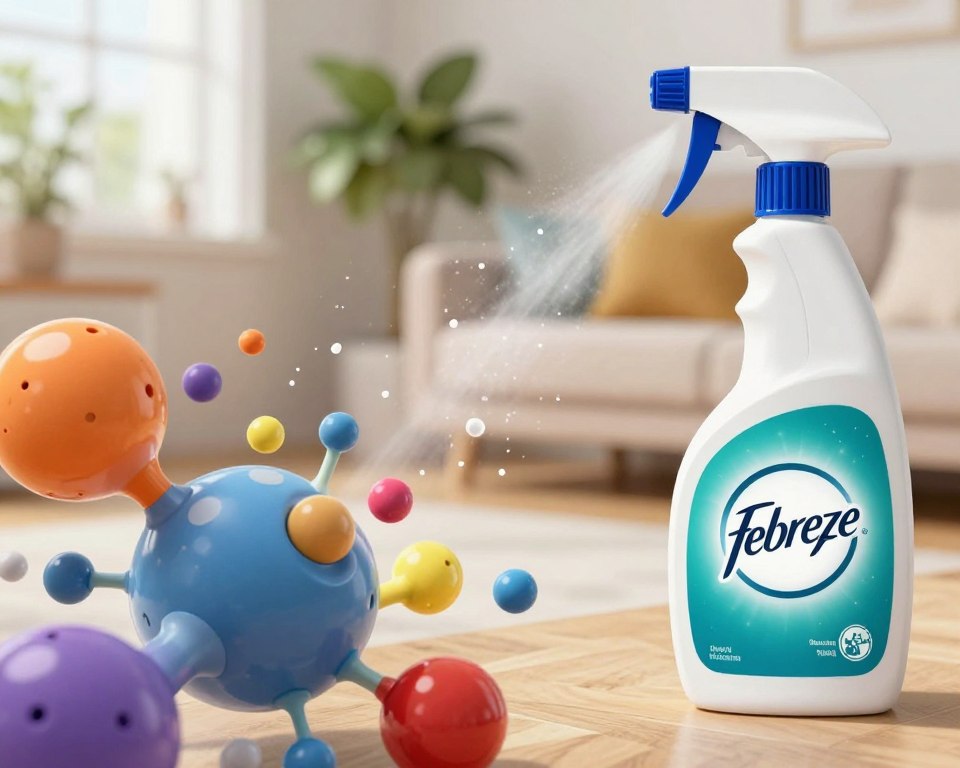
At the heart of this process is molecular binding. Febreze utilizes a specialized molecule called cyclodextrin, which is derived from corn starch.
These ring-shaped molecules act like a microscopic cage. When you spray the product, these cages trap odor molecules inside their structure, effectively neutralizing them so they no longer reach your nose.
Why Febreze Differs from Masking Agents
Traditional air fresheners often rely on heavy fragrances to mask odors. This approach creates a mixture of the original bad smell and the new, stronger perfume, which can sometimes be overwhelming.
In contrast, odor neutralization focuses on removing the source of the smell from the air. By locking away the odor-causing particles, the product leaves the air feeling cleaner rather than just heavily scented.
Application Methods and Surface Interaction
The effectiveness of this process depends on how the spray interacts with your environment. When you apply the product to soft surfaces like upholstery, curtains, or carpets, the active ingredients settle into the fibers.
This surface interaction allows the molecules to find and bind to trapped odors that are often embedded deep within the fabric. This is particularly useful in a nursery, where soft surfaces can easily absorb and hold onto lingering smells over time.
| Feature | Masking Agents | Molecular Neutralizers |
|---|---|---|
| Primary Action | Covers odors | Traps odors |
| Scent Profile | Very strong | Light and clean |
| Longevity | Short-term | Long-lasting |
| Surface Impact | Leaves residue | Safe for fabrics |
Best Practices for Using Febreze in a Nursery
If you choose to use odor-neutralizing sprays in your baby’s room, safety should always be your top priority. While keeping a nursery fresh is a common goal for parents, it is essential to remember that products like Febreze are not toys and must be kept strictly out of reach of children. By following a few simple guidelines, you can maintain a pleasant environment while prioritizing febreze infant room safety.
Strategic Spraying Techniques for Minimal Exposure
The most effective way to use these products is to minimize direct contact with the air your baby breathes. Always spray fabrics, such as curtains, rugs, or upholstered chairs, while your infant is in a different room. This simple step prevents the mist from lingering in the immediate breathing zone of your child.
- Target soft surfaces rather than spraying into the open air.
- Ensure the nozzle is pointed away from crib bedding or toys.
- Use the product sparingly to achieve the desired effect without over-saturating fabrics.
Allowing Sufficient Drying Time Before Occupancy
Even when applied to surfaces, it is vital to allow the product to settle and dry completely. Patience is key when managing febreze infant room safety in your home. You should wait until the treated area is dry to the touch before bringing your baby back into the nursery.
This waiting period ensures that the active ingredients have bonded with the odor molecules and are no longer present as airborne droplets. By allowing the room to air out, you create a safer transition for your little one.
The Importance of Proper Room Ventilation
Good airflow is the final piece of the puzzle for maintaining a healthy nursery environment. After applying any household spray, open a window or turn on a ceiling fan to encourage fresh air circulation. Proper ventilation helps dissipate any lingering scents quickly and keeps the air quality optimal for a sleeping infant.
Consistent airflow not only helps with febreze infant room safety but also prevents the buildup of dust and other allergens. A well-ventilated room is always the best choice for your baby’s comfort and health.
Identifying Signs of Sensitivity in Infants
Recognizing how your baby reacts to household products is a vital part of early parenting. While many families use various sprays to keep their homes smelling fresh, it is important to remain observant when using febreze around infants. Babies have developing immune systems, making them more susceptible to environmental triggers than adults.
Common Respiratory Symptoms to Monitor
Infants often communicate discomfort through physical changes in their breathing patterns. If you notice your baby frequently sneezing or developing a sudden, dry cough after a room has been treated, it may be a sign of respiratory irritation. Watch for signs of wheezing or rapid breathing, which can indicate that the air quality is not ideal for their sensitive lungs.
It is helpful to keep a log of when these symptoms occur. If the coughing or sneezing consistently happens shortly after using a product, you should pause its use immediately. Clear communication with your pediatrician about these observations is always the safest path forward.
Recognizing Allergic Skin Reactions
Beyond the respiratory system, a baby’s skin can also act as a window into their sensitivities. Contact dermatitis often appears as red, patchy, or dry skin in areas that have come into contact with treated surfaces or fabrics. You might notice your infant becoming unusually fussy or rubbing their skin, which can be a sign of itching or irritation.
“Environmental sensitivities in infants are often subtle, requiring parents to be the primary observers of their child’s unique reactions to the home environment.”
If you suspect a skin reaction, gently wash the affected area with mild, fragrance-free soap and water. Monitor the skin closely over the next few hours to see if the redness subsides. If the irritation persists or spreads, it is time to seek professional medical advice.
When to Consult a Pediatrician Regarding Air Quality
Knowing when to call your doctor is essential for your peace of mind. You should reach out to a pediatrician if your baby shows persistent respiratory distress or if skin rashes do not improve after removing the suspected irritant. It is also wise to discuss your home cleaning routine during your next check-up, especially if you have concerns about using febreze around infants.
| Symptom Type | What to Look For | Recommended Action |
|---|---|---|
| Respiratory | Persistent sneezing or coughing | Ventilate the room immediately |
| Dermal | Redness or dry patches | Wash skin and monitor |
| Behavioral | Unusual fussiness or rubbing | Consult your pediatrician |
Comparing Febreze to Natural Air Freshening Alternatives
Finding an air freshener baby friendly enough for a nursery often leads parents to explore natural methods. While commercial sprays offer immediate results, many families prefer to minimize chemical exposure in areas where infants sleep and play. Understanding the differences between these options helps you make the best choice for your home.
Essential Oils and Their Safety Profiles
Essential oils are a popular choice for those seeking a natural scent. However, it is important to remember that natural does not always mean harmless when it comes to newborns. Some oils can be highly concentrated and may cause respiratory irritation or skin sensitivity in young children.
If you choose to use them, always ensure the room is well-ventilated. Avoid using strong scents like peppermint or eucalyptus directly near a baby. Always consult with a pediatrician before introducing any new aromatic products into your nursery.
Baking Soda and Charcoal as Passive Neutralizers
For parents looking for safe air fresheners for babies, passive neutralizers are an excellent alternative. Baking soda and activated charcoal work by absorbing odors rather than masking them with heavy perfumes. These substances are non-toxic and do not release volatile organic compounds into the air.
You can place small, breathable containers of baking soda or charcoal bags in corners or near diaper pails. They provide a subtle way to manage smells without the need for aerosol sprays. This method is highly effective for maintaining a neutral environment without compromising air quality.
The Efficacy of HEPA Air Purifiers
Mechanical solutions like HEPA air purifiers offer a different approach to home freshness. Instead of adding scents, these devices physically remove dust, allergens, and odor-causing particles from the air. They are widely considered one of the most effective ways to ensure a clean breathing environment for your little one.
Investing in a high-quality purifier can significantly reduce the need for any chemical sprays. By focusing on filtration, you address the root cause of odors rather than just covering them up. This creates a truly clean and healthy space for your infant to thrive.
The Role of Ventilation in Maintaining Air Quality
Maintaining high air quality in your home starts with the simple act of letting fresh air circulate. While many parents focus on cleaning products, the most effective way to keep a space feeling fresh is through consistent ventilation. By opening windows and doors, you allow stale air to escape and replace it with clean, outdoor air.
Benefits of Natural Airflow in the Home
Natural airflow is a powerful tool for reducing the concentration of indoor pollutants. When air remains stagnant, particles from dust, fabrics, and household items can accumulate over time. Regular cross-ventilation helps dilute these concentrations, ensuring that the air your family breathes remains crisp and clean.
Even a few minutes of open windows each day can make a significant difference. This simple habit helps refresh the entire home without the need for synthetic sprays. It is a natural and cost-effective way to support a healthier living environment.
Managing Humidity to Prevent Odor Buildup
High levels of humidity often contribute to persistent odors in a home. When moisture gets trapped in carpets, curtains, or bedding, it creates an environment where musty smells can thrive. Controlling moisture is essential for keeping your nursery smelling fresh and clean.
Using a dehumidifier or simply ensuring proper airflow can prevent these issues before they start. Keeping surfaces dry is a proactive step that reduces the need for heavy-duty odor neutralizers. A dry room is almost always a fresher room.
Creating a Healthy Environment for Sleeping Infants
Your baby’s nursery should be a sanctuary of comfort and safety. Beyond temperature control, maintaining a steady flow of fresh air is vital for a restful sleep environment. Proper ventilation helps regulate the air quality, ensuring your little one breathes easily throughout the night.
Consider the following methods to optimize your home’s airflow and maintain a healthy atmosphere:
| Ventilation Method | Primary Benefit | Best Use Case |
|---|---|---|
| Cross-Ventilation | Rapid air exchange | Daily morning refresh |
| Exhaust Fans | Moisture removal | Bathrooms and laundry |
| HEPA Air Purifiers | Particle filtration | Nursery during pollen season |
| Dehumidifiers | Humidity control | Damp or basement rooms |
By focusing on these environmental factors, you create a space that feels naturally clean. Prioritizing airflow is one of the best gifts you can give your infant for their health and well-being.
Debunking Common Myths About Febreze and Child Safety
When it comes to maintaining a fresh home, misinformation about product safety can lead to unnecessary stress for new parents. Many rumors circulate online regarding household sprays, but it is important to separate hearsay from scientific reality. Prioritizing febreze baby safety starts with understanding how these products are designed to function in a typical home environment.
Addressing Misconceptions About Toxicity
A common myth suggests that air fresheners are inherently dangerous to infants. In reality, Febreze is formulated to be safe for use around family and children when the label instructions are followed correctly. The product is not toxic when used as intended, meaning it does not pose a health risk to your little one during normal household activities.
The key to maintaining a healthy home is proper application. By following the manufacturer’s guidelines, you ensure that the product remains a helpful tool rather than a source of concern. When used properly, febreze baby safety is supported by the product’s chemical design, which focuses on neutralizing odors rather than simply masking them.
Clarifying the Difference Between Scented and Unscented Varieties
Parents often wonder if they should avoid all scented products to protect their children. While some infants may have heightened sensitivities to strong fragrances, this does not mean all sprays are off-limits. Choosing an unscented variety can provide peace of mind if your baby has a history of respiratory or skin sensitivities.
The core technology that eliminates odors remains consistent across both scented and unscented versions. You can enjoy the benefits of a fresh-smelling home without relying on heavy perfumes. This flexibility allows parents to tailor their cleaning routine to their family’s specific needs.
Understanding the Scope of Consumer Safety Testing
Every product undergoes rigorous testing before it reaches your home. These evaluations ensure that the items meet high standards for consumer health and safety. The brand invests heavily in research to confirm that their febreze non-toxic baby profile holds up under various real-world conditions.
By relying on these stringent industry standards, you can feel more confident in your choices. Understanding that these products are vetted for safety helps you move past common myths. Ultimately, choosing a febreze non-toxic baby approach is about informed decision-making and following the provided safety protocols.
When to Avoid Using Scented Products Entirely
Every baby is unique, and sometimes the safest choice is to avoid scented products entirely. While many households enjoy a fresh-smelling home, certain health conditions require parents to be extra vigilant about the air their children breathe.
Managing Infants with Asthma or Eczema
If your child has been diagnosed with asthma or sensitive skin conditions like eczema, you should exercise caution. Fragrances can act as potent triggers for respiratory distress or skin flare-ups in highly sensitive infants. When considering febreze and newborns with these conditions, it is often best to prioritize a neutral environment over a scented one.
Consulting with your pediatrician is the most reliable way to determine if specific household products are appropriate for your home. They can provide personalized advice based on your baby’s medical history and current symptoms.
Navigating Premature Birth and Respiratory Vulnerability
Premature infants often have developing lungs that are more susceptible to irritation from airborne particles. Because their respiratory systems are still maturing, even mild scents can sometimes cause discomfort or breathing difficulties. Maintaining optimal air quality is essential during these early months of development.
Parents of preemies should focus on natural ventilation rather than relying on chemical sprays. By keeping the air clean and free of unnecessary additives, you provide a safer space for your baby to grow and thrive.
Creating a Fragrance-Free Zone for Newborns
Establishing a fragrance-free zone is a proactive step toward ensuring febreze infant room safety in your home. You can easily maintain a fresh environment without the use of synthetic scents by following these simple strategies:
- Prioritize natural airflow: Open windows daily to circulate fresh air throughout the nursery.
- Use passive neutralizers: Place small bowls of baking soda or activated charcoal in corners to absorb odors naturally.
- Clean soft surfaces: Regularly wash bedding and curtains to prevent dust and odor buildup.
- Choose unscented cleaners: Opt for fragrance-free laundry detergents and cleaning supplies for all baby items.
By removing potential irritants, you create a calm and healthy sanctuary for your newborn. Remember that your primary goal is to support your baby’s comfort and long-term health through thoughtful, informed choices.
Tips for Keeping a Nursery Fresh Without Chemicals
Creating a pleasant atmosphere for your little one is possible without relying on any air freshener baby friendly products. Many parents find that simple, consistent cleaning routines are the best way to manage nursery odors naturally. By focusing on these preventative measures, you can maintain a clean environment that feels fresh and inviting every single day.
Regular Cleaning Routines for Soft Surfaces
Soft surfaces like rugs, curtains, and upholstered chairs are notorious for trapping household odors. To keep these items fresh, make it a habit to vacuum carpets and rugs at least twice a week. Deep cleaning these items periodically helps remove trapped dust and allergens that contribute to stale smells.
Don’t forget to wash curtains and fabric wall hangings regularly. If an item cannot be easily washed, consider using a light dusting of baking soda, letting it sit for a few minutes, and then vacuuming it away. This simple trick is a great alternative to using a standard air freshener baby friendly spray.
Managing Diaper Pail Odors Naturally
The diaper pail is often the primary source of unwanted smells in a nursery. The most effective way to manage this is to empty the pail daily, regardless of how full it appears. Frequent disposal prevents bacteria from multiplying and creating strong, lingering odors.
You can also use natural odor absorbers to keep the area smelling neutral. Placing a small container of activated charcoal or a box of baking soda near the pail can work wonders. These materials naturally pull moisture and odors from the air, providing a safe, non-toxic solution for your baby’s room.
The Impact of Fabric Choices on Odor Retention
The materials you choose for your nursery decor play a significant role in how odors linger. Synthetic fabrics often trap smells more easily than natural fibers like cotton, linen, or wool. When selecting bedding, rugs, or window treatments, prioritize breathable, natural materials to reduce odor buildup.
- Choose organic cotton sheets for better airflow.
- Opt for washable cotton rugs instead of heavy, synthetic carpets.
- Use linen curtains that are easy to remove and launder.
By choosing the right fabrics, you minimize the need for any air freshener baby friendly alternatives. A well-ventilated room with natural textiles will naturally stay fresher for longer. This approach ensures your nursery remains a healthy, clean space for your baby to sleep and play.
Regulatory Standards and Safety Testing for Household Sprays
Understanding how regulatory bodies oversee the products you use at home is essential for peace of mind. Many parents worry about the chemicals present in common household items, but strict oversight helps ensure that these products meet specific safety benchmarks before they reach store shelves.
How Consumer Product Safety Commissions Evaluate Sprays
In the United States, agencies like the Consumer Product Safety Commission (CPSC) play a vital role in monitoring household goods. They evaluate sprays by reviewing toxicological data and assessing potential risks during normal use. This process ensures that safe air fresheners for babies and other family members are prioritized through rigorous scientific review.
These commissions often collaborate with international health organizations to stay updated on the latest chemical safety research. By maintaining these high standards, they help protect consumers from harmful exposure. It is comforting to know that there is a structured system in place to keep your living environment secure.
Transparency in Ingredient Labeling
Transparency is a cornerstone of modern consumer safety. Manufacturers are increasingly expected to provide clear information about what goes into their formulas. For parents, reading labels is a great way to stay informed about the products they bring into their homes.
Clear labeling allows you to make educated decisions based on your family’s specific needs. When companies are open about their ingredients, it builds trust and helps you identify products that align with your safety standards. Knowledge is truly power when it comes to maintaining a healthy nursery.
Industry Standards for Household Chemical Safety
Major brands often go beyond basic requirements to ensure their products are reliable. For instance, Febreze undergoes years of extensive safety testing to confirm its performance and safety profile. This commitment to quality helps maintain the reputation of the brand as a febreze child safe option when used as directed.
Industry standards require that products are tested for both acute and chronic effects. By adhering to these strict protocols, companies ensure that their sprays do not pose unreasonable risks to the public. You can feel more confident knowing that these products have been vetted by experts in the field of chemical safety.
Conclusion
Maintaining a fresh home environment requires a balance between effective odor control and the safety of your infant. Febreze can serve as a useful tool when you follow manufacturer guidelines and prioritize proper ventilation. Using these products sparingly helps keep the air quality high for your growing baby.
Individual sensitivities vary greatly among newborns. Monitoring your child for any signs of respiratory distress or skin irritation remains a vital part of your daily routine. If you notice any changes in your baby’s health, consult your pediatrician to determine the best course of action for your specific household needs.
Smart choices about air quality empower you to manage your living space with confidence. You can combine scientific product knowledge with simple habits like opening windows or using natural neutralizers. Your commitment to staying informed ensures a safe and comfortable sanctuary for your family.
We invite you to share your own experiences with nursery maintenance in the space below. Your insights help other parents navigate the challenges of keeping a clean home. Keep prioritizing your child’s well-being as you make decisions that support a healthy and happy environment.
FAQ
Is Febreze safe around babies and young infants?
Yes, Febreze is considered safe for use in households with infants when used according to the manufacturer’s directions. Procter & Gamble ensures that the product is formulated to neutralize odors without leaving behind harmful residues. However, for maximum febreze baby safety, it is recommended to spray the product on surfaces while the baby is in another room and allow the area to dry and ventilate before they return.
What makes Febreze a non-toxic baby friendly option compared to other air fresheners?
Unlike many traditional aerosols that rely on heavy perfumes to mask smells, Febreze uses a specialized molecule called cyclodextrin, which is derived from corn starch. This allows the product to trap odors at a molecular level. Because the brand avoids phthalates, formaldehyde, and benzene, it is a leading safe air freshener for babies that prioritizes chemical transparency and consumer health.
How should I handle Febreze around infants with respiratory sensitivities?
If you are concerned about febreze around infants who may have sensitive airways or conditions like asthma, it is best to opt for the unscented or “Light” versions of the product. While the odor-eliminating molecules are designed not to be inhaled deeply into the lungs, avoiding heavy fragrances can help prevent irritation. Always ensure proper ventilation by opening a window to maintain a healthy febreze infant room safety standard.
Is Febreze non-toxic baby safe if they touch a surface that was recently sprayed?
Febreze is designed to be used on soft surfaces like carpets, curtains, and upholstery. To ensure the product is febreze child safe, you should always allow the fabric to dry completely before letting your baby crawl or play on the surface. Once dry, the active ingredients are bound to the fibers and the odor molecules are neutralized, significantly reducing the risk of direct contact or skin irritation.
What are the best practices for febreze and newborns in a nursery?
When maintaining a fresh nursery, the goal is to create an air freshener baby friendly environment. Use “strategic spraying” by applying Febreze Fabric Refresher to the diaper pail area or rugs while the newborn is elsewhere. This minimizes ambient exposure. For newborns, who have more delicate respiratory systems, focusing on natural airflow and using Febreze only as a supplement to regular cleaning is the most balanced approach.
Does Febreze meet official safety standards for household use?
Absolutely. Febreze adheres to the rigorous safety standards set by the Consumer Product Safety Commission (CPSC) and other regulatory bodies in the United States. The brand undergoes extensive toxicological evaluations to ensure that their sprays are safe for the general public, including families with small children. This regulatory oversight provides an extra layer of reassurance for parents looking for a febreze non-toxic baby solution for their home.
Can I use Febreze to eliminate odors from a baby’s mattress?
While Febreze is effective on most fabrics, it is generally recommended to avoid spraying it directly on the surfaces where a baby sleeps, such as a crib mattress or bedding, to prevent prolonged skin contact. Instead, use it on surrounding items like curtains or area rugs to keep the room smelling fresh without putting the product in the baby’s immediate sleep space.