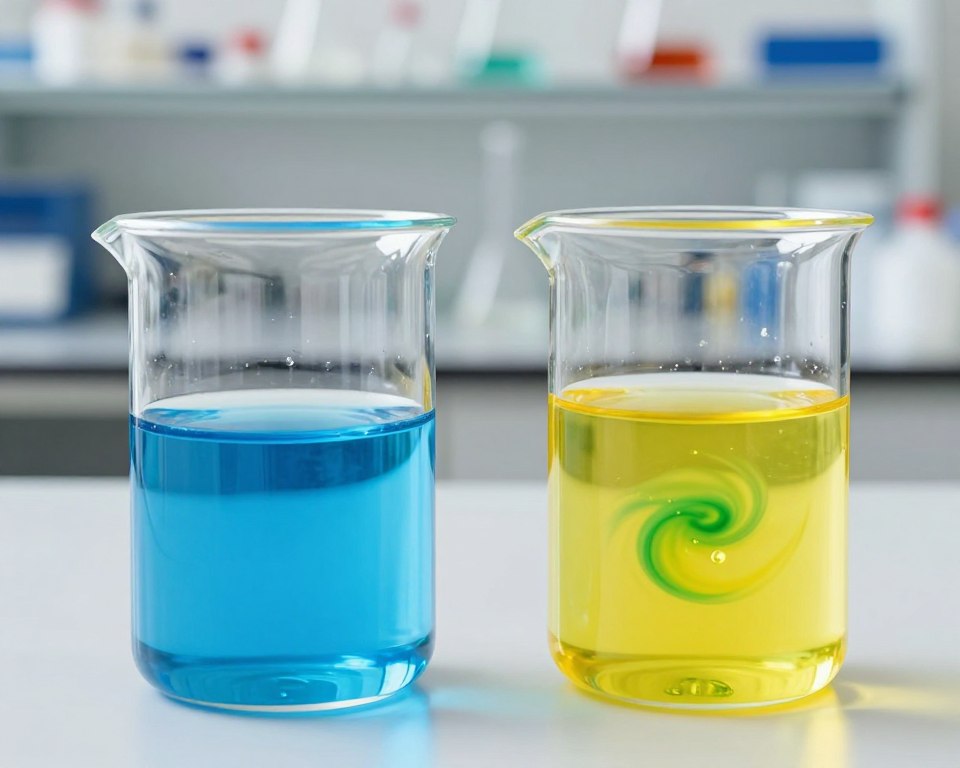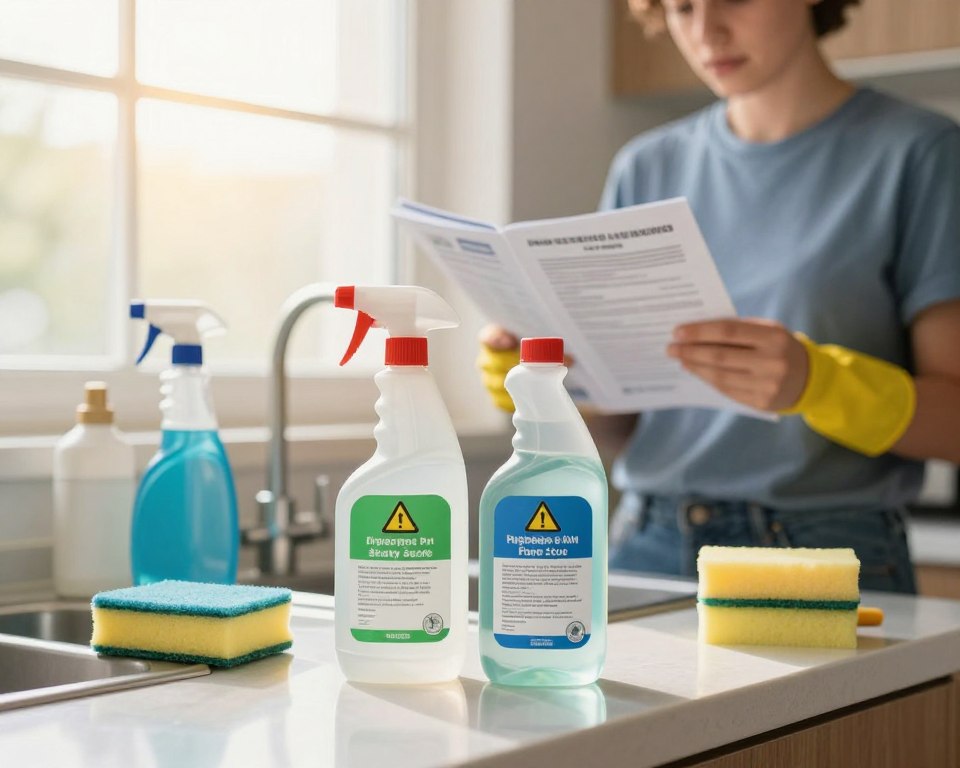
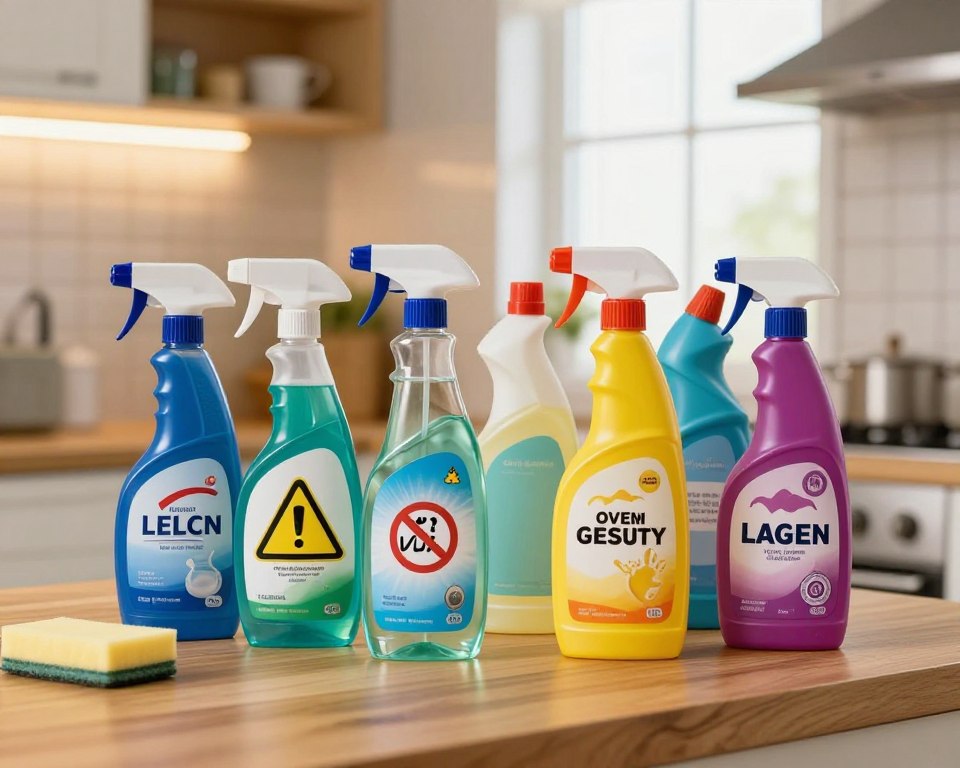
Did you know that nearly 10% of all calls to poison control centers involve accidental exposure to common substances found under the kitchen sink? Many homeowners think mixing agents will make them more effective. But, this habit often triggers volatile chemical reactions that make your home dangerous.
It’s crucial to know which household cleaning products should never be mixed together for your family’s safety. Mixing bleach and ammonia can create toxic fumes that harm your breathing. You can learn more about why mixing two cleaning sprays is dangerous by looking into the science behind these mistakes.
Our guide gives you the knowledge to keep your home safe. By following simple safety rules, you can avoid harmful substances and vapors. Let’s see how to keep your home clean without risking your health.
Key Takeaways
- Mixing bleach with ammonia creates toxic chloramine gas.
- Combining bleach with acidic cleaners releases harmful chlorine gas.
- Always read product labels to identify active ingredients before use.
- Prioritize proper ventilation when using any chemical agents.
- If you experience unusual smells or irritation, leave the area immediately.
- When in doubt, use only one substance at a time to ensure safety.
The Science of Chemical Reactions in Your Home
The chemistry of cleaning at home is more complex than you think. Many people believe mixing two strong products makes a better solution. But, this can lead to bad results. Using cleaning chemicals without knowing their effects can be risky.
Understanding Chemical Stability
Products are made to stay stable in their containers. Manufacturers adjust pH levels and ingredients to work well. Mixing different substances can upset this balance, causing unpredictable results.
Chemical stability is key. Many formulas work best alone. Adding something new can make the product useless. This means you lose its cleaning power and the money you spent.
How Household Cleaners Interact
Some mixes don’t work, while others are dangerous. For example, mixing a disinfectant with a foaming cleanser can ruin the disinfectant. You might think you’re cleaning, but you’re just spreading germs.
It’s crucial to avoid dangerous cleaning combinations for a healthy home. By keeping formulas separate, you keep your home clean and safe. Remember, more is not always better when mixing household supplies.
Which Household Cleaning Products Should Never Be Mixed Together?
Keeping your home clean is important, but not at the cost of your safety. Many think mixing two products will make them better. Unfortunately, this is a dangerous misconception that can lead to chemical reactions.
Identifying Common Household Ingredients
Knowing what’s in your cleaning products is key to a safer home. Many items, like glass cleaners, have hidden ammonia or harsh acids. These can be dangerous when mixed with other products.
It’s crucial to know how different cleaning products work together. Mixing them can create toxic fumes or corrosive substances. Always check the back of the bottle for active ingredients.
The Importance of Reading Labels
Reading labels is a must for keeping your home safe. It helps you avoid household cleaners hazards and keep a healthy home. If a label says not to mix with other products, listen.
“The most dangerous chemical reaction in a home is often the one you never intended to create. Always read the label and respect the chemistry behind your cleaning supplies.”
Here’s a table to help you avoid dangerous mixes:
| Ingredient A | Ingredient B | Resulting Hazard |
|---|---|---|
| Bleach | Ammonia | Toxic Chloramine Gas |
| Bleach | Vinegar | Dangerous Chlorine Gas |
| Hydrogen Peroxide | Vinegar | Corrosive Peracetic Acid |
| Bleach | Rubbing Alcohol | Toxic Chloroform |
Being informed and careful ensures your cleaning is safe and effective. Never underestimate the power of a simple label in keeping your family safe.
The Dangers of Mixing Bleach and Ammonia
Staying away from harmful cleaning product combinations is key to keeping your family safe. Many think mixing strong cleaners deepens the clean. But, this is a big mistake. Mixing certain cleaners can cause dangerous chemical reactions that are bad for your health.
Formation of Chloramine Gas
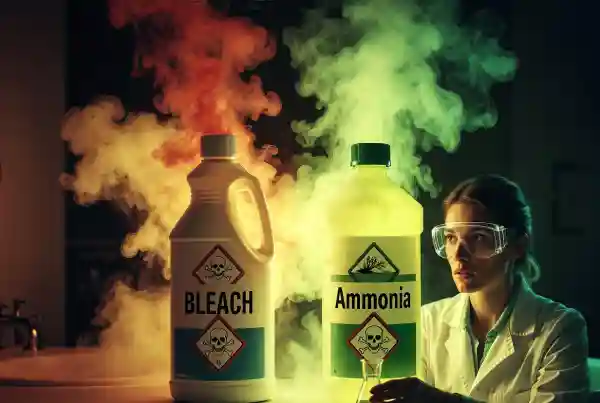
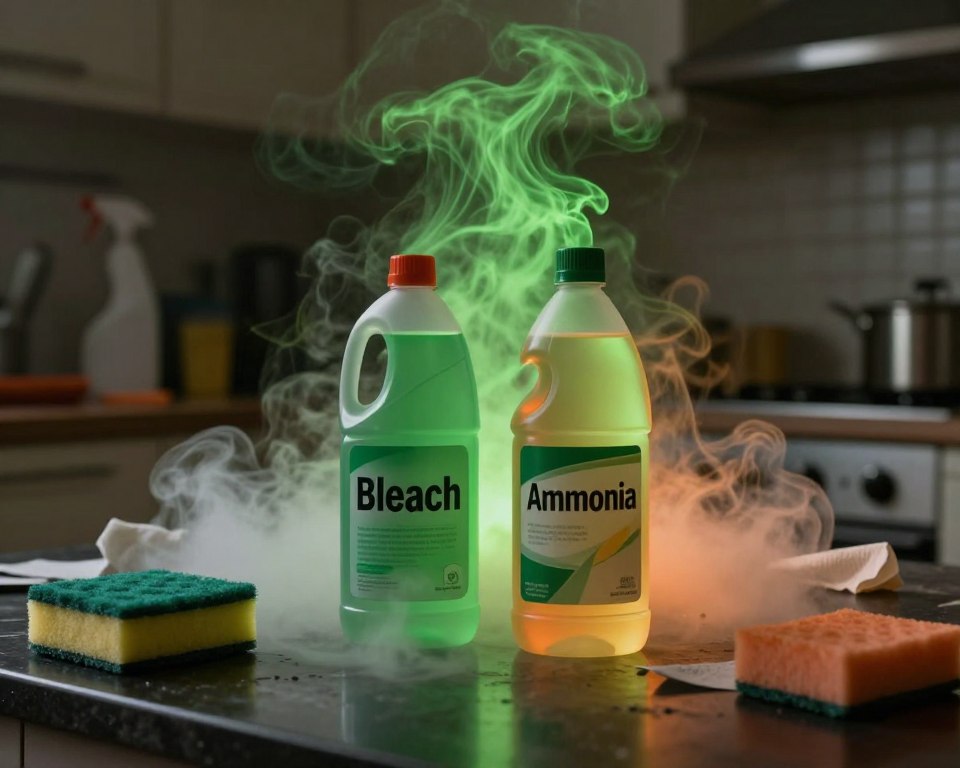
Mixing bleach and ammonia is a big mistake. When they meet, they create chloramine gas. This happens fast, releasing harmful vapors into your home.
For more on the dangers, check the Washington State Department of Health guidelines. It’s important to know that even a little of these chemicals can be dangerous. Always check your labels to avoid using ammonia-based cleaners with bleach.
Health Impacts of Chloramine Exposure
Being exposed to chloramine gas is very bad. It can cause respiratory distress, making it hard to breathe. It also irritates your throat and can burn your eyes and nose.
If you breathe in these fumes, you might cough, feel sick, or even get chemical burns in your airways. It’s crucial to keep these products in separate places in your home. The table below shows the dangers of this chemical mix.
| Risk Factor | Immediate Effect | Severity Level |
|---|---|---|
| Respiratory System | Shortness of breath | High |
| Mucous Membranes | Throat and eye burning | Moderate to High |
| Nervous System | Dizziness and nausea | Moderate |
| Airway Tissue | Chemical irritation | High |
Why Combining Bleach and Acid is Life-Threatening
Mixing bleach with acidic substances is a big mistake at home. It might seem like it cleans better, but it’s very dangerous. You must keep these chemicals apart for your safety.
The Creation of Chlorine Gas
Mixing bleach with acidic cleaners like oven or toilet bowl cleaners causes a fast reaction. This reaction makes chlorine gas, which is very harmful to people and pets. Even a little bit can hurt your eyes, nose, and throat a lot.
This gas spreads quickly in a room. It’s invisible and smells strong, so you might not know you’re in danger right away. Staying away from these harmful cleaning product combinations keeps your home safe.
Recognizing the Signs of Chlorine Poisoning
If you mix these chemicals by mistake, act fast. Chlorine gas can cause sudden, strong symptoms that need urgent attention. You might cough a lot, have watery or burning eyes, or find it hard to breathe.
You might also feel tight in your chest, get sick to your stomach, or have a burning throat. If you feel these symptoms after cleaning, get out of the room to get some air. Spotting these harmful cleaning product combinations early can save your life and prevent serious lung damage.
Risks Associated with Mixing Bleach and Rubbing Alcohol
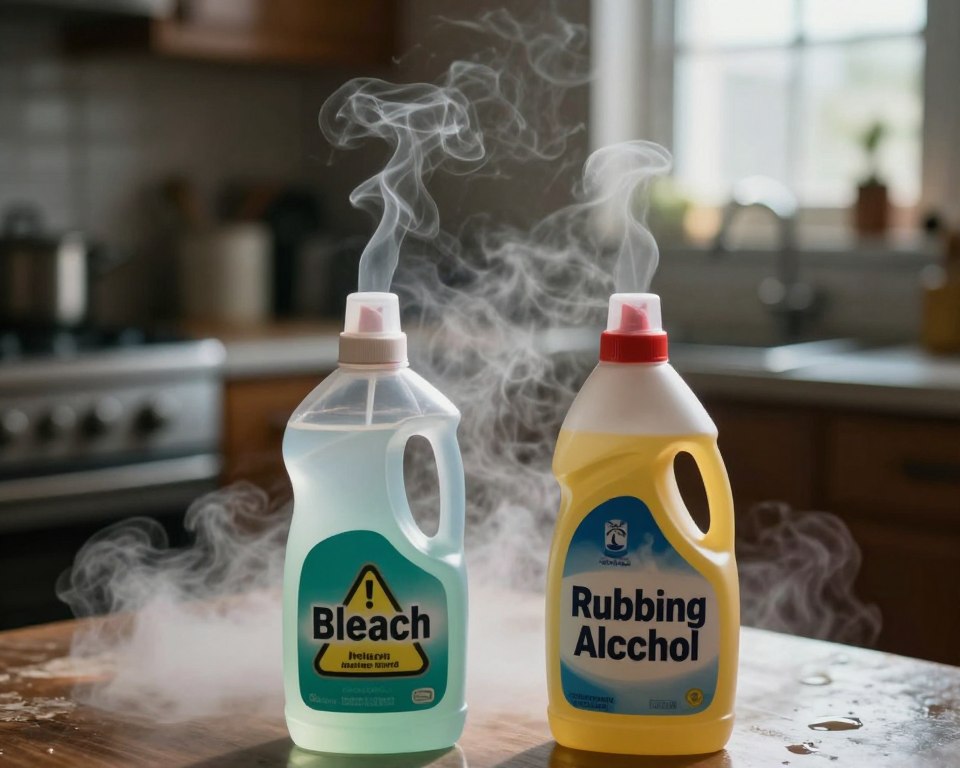
It’s important to know the mixing cleaning supplies risks to keep your home safe. Many people store bleach and rubbing alcohol together, thinking they’re safe alone. But mixing them can cause a dangerous reaction that you should avoid.
The Production of Chloroform
When bleach and rubbing alcohol mix, they create chloroform. This harmful gas is not something you want around. The reaction happens fast, even if you’re just cleaning with one product right after the other.
Since these items are common in homes, it’s crucial to understand the dangers of mixing bleach and rubbing alcohol. Never think that combining two cleaners will make them better; they can actually harm your health.
Immediate Dangers to the Nervous System
Chloroform is dangerous because of its effects on your body. When you breathe it in, it can make you dizzy, nauseous, and lose your balance. In big amounts, it can hurt your nervous system a lot and you need to see a doctor right away.
If you smell something sweet while cleaning, stop and get some fresh air. Knowing these mixing cleaning supplies risks helps keep your family and pets safe. Always keep these chemicals in different places to avoid accidents.
Hydrogen Peroxide and Vinegar: A Volatile Combination
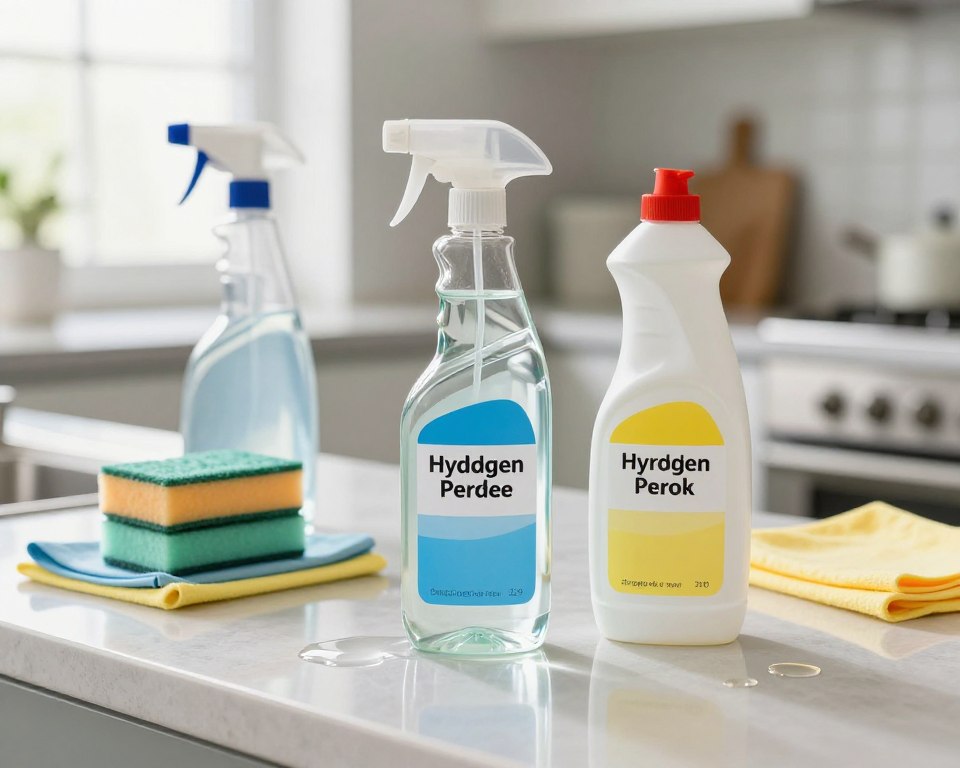
Many think mixing two natural products is safe. But, hydrogen peroxide and vinegar become toxic cleaning agents when combined. Even natural items can cause harm when they react.
Formation of Peracetic Acid
When you mix hydrogen peroxide and vinegar, a reaction happens. This creates peracetic acid, which is more acidic and reactive. This acid is unstable and can be unsafe for use at home.
Some believe mixing these liquids makes a stronger disinfectant. But, you’re actually making a harmful compound. To stay safe, use these products separately and clean surfaces well between uses.
Corrosive Effects on Skin and Respiratory Tract
The peracetic acid is very corrosive, which is dangerous. It can cause several health problems. If you mix these toxic cleaning agents, watch out for these issues:
- Severe irritation to the skin and eyes upon contact.
- Inflammation of the respiratory tract if fumes are inhaled.
- Potential damage to sensitive mucous membranes.
- Increased risk of chemical burns on unprotected skin.
To avoid these risks, don’t mix these substances. Use one product at a time for safe cleaning. This way, your cleaning routine stays safe and healthy for your family.
The Hazards of Mixing Different Drain Cleaners
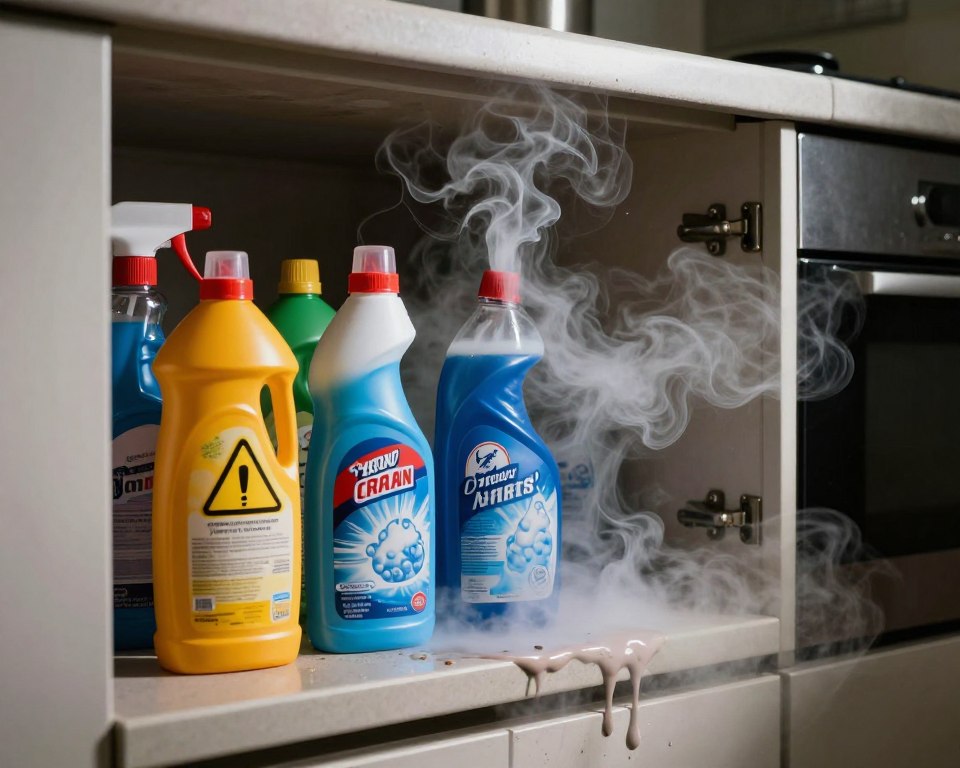
When your sink won’t drain, it’s tempting to mix cleaning products. Many think using two strong products will clear the blockage faster. But this is incredibly dangerous for your home and health.
Chemical Incompatibility in Plumbing
Drain cleaners have strong, specific chemicals to break down clogs. Since each brand has its own mix, they don’t work well together. Pouring one brand after another can harm your pipes.
Most cleaners use acids or bases to dissolve clogs. Mixing these can neutralize their power or create harmful substances. It’s never safe to mix them in your pipes.
“The safety of your home depends on understanding that chemical products are designed to work alone, not in combination with other unknown substances.”
Risk of Explosive Reactions
Mixing these products can lead to an explosive reaction. The heat from these reactions can make the liquid in your pipes boil instantly. This can cause pipes to burst or spray harmful chemicals back into your sink.
If one product doesn’t work, don’t use another. Call a professional plumber instead. They have the right tools to safely clear the blockage. Avoiding these household cleaners hazards keeps your family and home safe.
Why You Should Never Combine Multiple Toilet Bowl Cleaners
Many people think mixing different toilet bowl cleaners makes them work better. But, this is actually a major safety hazard. It can turn a simple cleaning task into a serious health issue. Knowing how your bathroom cleaners work is key to keeping your home safe.
Acidic vs. Alkaline Cleaners
Toilet bowl cleaners come in acidic and alkaline types. Acidic ones tackle mineral deposits and rust. Alkaline cleaners are better for organic matter and grease. Never mix cleaners just because they do the same thing.
Mixing an acidic cleaner with an alkaline one can make both less effective. It also releases harmful gases into the air. These reactions can happen fast and are hard to predict.
Preventing Toxic Fume Release
Mixing cleaners can create toxic fumes that hurt your lungs. You might ask, is toilet bowl cleaner toxic when mixed? Yes, it is, as the vapors can cause coughing, watery eyes, and trouble breathing.
To stay safe, use only one cleaner at a time. Make sure the bathroom is well-ventilated. Open windows or turn on an exhaust fan. If you switch cleaners, flush the toilet well and wait until the old cleaner is gone. These steps help keep your home clean and your health safe.
| Cleaner Type | Primary Use | Mixing Risk |
|---|---|---|
| Acidic | Rust and Mineral Deposits | High (Toxic Gas) |
| Alkaline | Grease and Organic Matter | High (Chemical Burn) |
| Bleach-Based | Disinfection | Extreme (Chlorine Gas) |
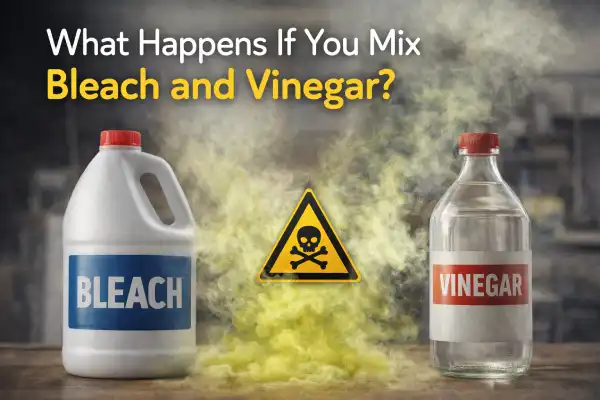
Understanding the Risks of Mixing Vinegar and Bleach
Many think mixing vinegar and bleach is safe. They believe vinegar, being natural, can mix with any cleaner without harm. But this can create toxic cleaning agents that are dangerous to your health.
Why Natural Cleaners Can Still Be Dangerous
People often think “natural” means safe. But vinegar, though good for cleaning, is not always safe when mixed. It can react with other substances in unexpected ways.
Always treat cleaning products as chemicals. Even eco-friendly products can become hazardous toxic cleaning agents when mixed with bleach. For more on this, check out what happens when you mix bleach and vinegar.
The Resulting Chlorine Gas Hazard
Mixing vinegar and bleach releases chlorine gas. This gas is very reactive and can harm your body right away. Even small amounts can be very painful.
The dangers of this reaction include:
- Severe chemical burns to the eyes and skin.
- Irritation and inflammation of the respiratory tract.
- Difficulty breathing or shortness of breath.
- Persistent coughing and chest pain.
This reaction happens fast, so keep these products separate. Never try to make bleach stronger by adding vinegar. Keeping your home safe means avoiding these toxic cleaning agents to protect your family.
Common Symptoms of Chemical Exposure
If you accidentally mix cleaning agents, your body may show warning signs right away. It’s important to know these signs to stay safe. Learning about household cleaning products and their dangers is key. This knowledge helps prevent serious health problems.
Respiratory Distress and Coughing
When you breathe in toxic fumes, your airways react first. You might feel a sharp, burning sensation in your throat or chest. This happens almost right after you inhale the vapors.
Coughing a lot is your body’s way of trying to get rid of the irritants. If you’re having trouble breathing, it means you’ve inhaled something harmful.
Skin Irritation and Chemical Burns
Touching liquid mixtures or concentrated fumes can hurt your skin. Look out for these signs:
- Redness or inflammation on your hands or arms.
- A stinging or burning sensation that doesn’t go away.
- Blistering or peeling skin, which means you have a chemical burn.
Wash the affected area with cool water for at least fifteen minutes if you think you’ve been exposed. Never ignore these symptoms, as they can get worse fast if not treated.
Dizziness and Nausea
Feeling dizzy or nauseous might be the first sign of trouble. Many people feel lightheaded or dizzy when they’re around toxic gases.
Nausea often comes after feeling dizzy. Your body is trying to process the toxins. If you feel faint or sick to your stomach while cleaning, get out of the area right away. Getting to a well-ventilated space is the most important thing you can do.
Essential Safety Protocols for Handling Cleaning Chemicals
Keeping your home clean shouldn’t risk your health. By following essential safety protocols, you can clean safely. Simple habits make your cleaning routine both effective and safe.
Ventilation Best Practices
Good ventilation is key when using cleaning chemicals. Always open windows or doors to let fresh air in. This step helps avoid harmful fumes in your home.
If you’re cleaning a room without windows, like a small bathroom, turn on the exhaust fan right away. You might also use a portable fan to move air towards an open doorway. These household cleaning safety steps greatly lower the risk of breathing in dangerous vapors.
Using Personal Protective Equipment
Wearing personal protective equipment is crucial to avoid chemical splashes or skin contact. At least, wear durable rubber gloves to protect your hands. This simple step prevents irritation and keeps your skin healthy.
For tougher jobs, consider safety goggles to protect your eyes from sprays. If you’re sensitive to strong smells, a basic face mask can offer extra comfort. Taking these precautions ensures your cleaning chemicals are handled safely, making your home safe for all.
Proper Storage Solutions for Household Cleaners
Creating a safe storage system is key to using cleaning products right at home. Many people don’t think about where they keep their cleaning supplies until something goes wrong. By taking a few easy steps, you can make your home safer for everyone.
Organizing by Chemical Compatibility
Storing items by their cleaning products compatibility is the best way to avoid dangerous mix-ups. Never put acidic cleaners like vinegar or toilet bowl cleaners near bleach or ammonia. Even a small leak can cause toxic fumes if these mix.
Use separate plastic bins or trays to keep your supplies organized. This physical barrier stops incompatible chemicals from getting together. If a container breaks or tips, the bin will catch the spill.
Safety isn’t just about using products right, but also where you store them when you’re done. A tidy cabinet is your first defense against accidents.
Keeping Products Out of Reach of Children and Pets
It’s also crucial to keep cleaning supplies safe from kids and pets. Always store them in high cabinets or locked cupboards. This prevents accidents and serious health issues that can happen if they get into harsh chemicals.
If you have to store things in lower cabinets, use child-proof locks. Make sure all labels are still on so you can identify what’s inside and follow the safety rules. Keeping products in their original containers is essential for a safe home.
| Storage Strategy | Benefit | Action Required |
|---|---|---|
| Chemical Segregation | Prevents toxic gas | Use separate bins |
| High Shelving | Child safety | Install secure racks |
| Locked Cabinets | Pet protection | Add safety latches |
| Original Labels | Clear identification | Keep bottles intact |
What to Do If You Accidentally Mix Cleaning Products
If you mix the wrong cleaning supplies, safety comes first. Even a small mistake can cause dangerous cleaning combinations that release harmful vapors. Stay calm and follow the right steps to reduce mixing cleaning supplies risks.
Immediate Evacuation and Ventilation
If you notice a strange smell or feel irritation, leave the room right away. Don’t wait to see if the symptoms go away. Fresh air is your best defense against toxic fumes.
Once you’re in a safe spot, open windows and doors for better airflow. If there’s an exhaust fan, turn it on. Avoid re-entering the space until the fumes are gone.
When to Call Poison Control or Emergency Services
It’s crucial to know when to get professional help for mixing cleaning supplies risks. If you have trouble breathing, chest pain, or severe dizziness, call 911. These are signs of a serious medical emergency that needs urgent intervention.
If you have mild symptoms like coughing or skin irritation, call the Poison Control Center at 1-800-222-1222. They can guide you on how to handle dangerous cleaning combinations safely. Have the product labels ready to give accurate information.
| Situation | Immediate Action | Who to Contact |
|---|---|---|
| Severe respiratory distress | Evacuate and seek fresh air | Emergency Services (911) |
| Mild skin or eye irritation | Flush with water and ventilate | Poison Control |
| Accidental mixing without symptoms | Ventilate and monitor closely | Poison Control for advice |
Conclusion
Keeping your home clean shouldn’t risk your health or safety. You can make your home safe by knowing what’s under your sink.
Start by focusing on household cleaning safety. Always read the labels before cleaning. This way, you avoid accidents caused by using products wrong.
Using cleaning products right keeps your home safe and clean. Treat each product, like Clorox or Lysol, with care. They are strong chemicals.
For a healthy home, keep things simple. You don’t need to mix different cleaners to clean well. Use each product as it’s meant to be used. This protects your family and pets from harmful fumes.
Teach your friends and neighbors about the dangers of chemicals. A safe community is a happy one. Keep your cleaning simple and enjoy a safe home.
FAQ
Why is it so important to read the labels on products like Windex or Mr. Clean before use?
Reading labels is key to knowing if products work well together. Some cleaners, like Windex, have ammonia. Others use citrus acids. Knowing what’s in your cleaners keeps your home safe and prevents making harmful mixtures.
What happens if I accidentally mix Clorox Bleach with an ammonia-based cleaner?
Mixing Clorox Bleach with ammonia creates chloramine gas. This gas is very harmful. It can cause breathing problems, throat burns, and chest pain. Always keep these two cleaners apart.
Is it safe to use Clorox Bleach and an acidic cleaner like Lysol Toilet Bowl Cleaner together?
No, it’s not safe. Mixing Clorox with acidic cleaners like Lysol releases chlorine gas. This gas is dangerous and can hurt your lungs and eyes. If you see watery eyes or coughing, get away from the gas.
What are the risks of mixing Clorox with Swan Isopropyl Alcohol?
Clorox and rubbing alcohol, like Swan Isopropyl Alcohol, make chloroform. This is a dangerous mix that can harm your nervous system. The fumes can make you dizzy or sleepy. Always use these products separately.
Since they are "natural," can I mix Heinz White Vinegar and Hydrogen Peroxide in a spray bottle?
Even though they’re natural, mixing vinegar and hydrogen peroxide makes peracetic acid. This is a harmful substance that can irritate your skin, eyes, and lungs. Always use these products separately, even if they’re eco-friendly.
If Drano doesn’t clear my clog, can I immediately try Liquid-Plumr?
No, don’t mix different drain cleaners. Drano and Liquid-Plumr have different chemicals that can react badly. This can damage your pipes or hurt you. If Drano doesn’t work, call a plumber instead.
Why shouldn’t I mix different brands of toilet bowl cleaners like Scrubbing Bubbles and Clorox?
Toilet cleaners have different pH levels. Mixing a product like Scrubbing Bubbles with Clorox can cause a dangerous reaction. This can release toxic fumes. Always use one product at a time and make sure the area is well-ventilated.
Is vinegar safe to mix with bleach since it’s a common pantry item?
No, it’s not safe. Vinegar and bleach together create chlorine gas. This is very dangerous. Never mix vinegar with any commercial disinfectant.
What are the common symptoms of exposure to harmful cleaning product combinations?
Exposure to harmful fumes can cause breathing problems, coughing, or nausea. You might also get skin irritation or burns. If you feel these symptoms, get out of the area and find fresh air.
How can I implement better household cleaning safety in my daily routine?
Always make sure the area is well-ventilated. Open windows or turn on fans. Wear rubber gloves to protect yourself from splashes. These steps help you clean safely without risking your health.
What is the best way to store cleaning supplies to avoid accidental mixing?
Store cleaning supplies by their chemical type. Keep acids away from bases. Store bleach separately from ammonia and vinegar. Keep all bottles sealed and in a cool, dry place, out of reach of kids and pets.
What should I do if I accidentally create a dangerous chemical mixture?
Immediately leave the area and don’t clean it up. Open windows if you can to improve ventilation. If you feel sick, call Poison Control or emergency services. Quick action is key to avoid long-term health problems.