Did you know that nearly 80% of household surfaces act as reservoirs? They silently release invisible vapors long after cleaning. While we often focus on the immediate shine, managing residue is key for a healthy home. Knowing how long do cleaning chemicals stay on kitchen countertops? is crucial for a safe environment for your family.
Maintaining a sterile space is a delicate balance. It requires effective sanitation and removing synthetic substances. If air quality concerns you, learning how long do cleaning product fumes last is important. Proper residue removal is not just about looks; it’s vital for health during food prep.
By understanding the chemistry of your cleaning supplies, you can make better choices. This guide offers actionable advice for effective sanitizing while reducing exposure. Let’s explore the science of surface safety and keep your kitchen clean.
Key Takeaways
- Surfaces often act as reservoirs that release stored gases back into the air over time.
- Ventilation helps reduce immediate peaks but does not fully eliminate surface residues.
- Choosing low-VOC or fragrance-free products significantly lowers your chemical exposure.
- Proper rinsing techniques are essential to prevent the buildup of synthetic films.
- Understanding product volatility helps you manage how substances interact with your home environment.
Understanding the Chemistry of Kitchen Surface Sanitizers
Kitchen surfaces are often dirtier than any other room. This makes them a key area for keeping your home clean. To really clean your kitchen counters, you need to know how cleaning agents work with your surfaces.
Sanitizers are made to kill germs by breaking down their cells. It’s important to pick the right cleaner for your countertop. The wrong one can harm the surface or leave harmful residue. For extra cleanliness, consider a cutting board sanitizer spray for your food prep areas.
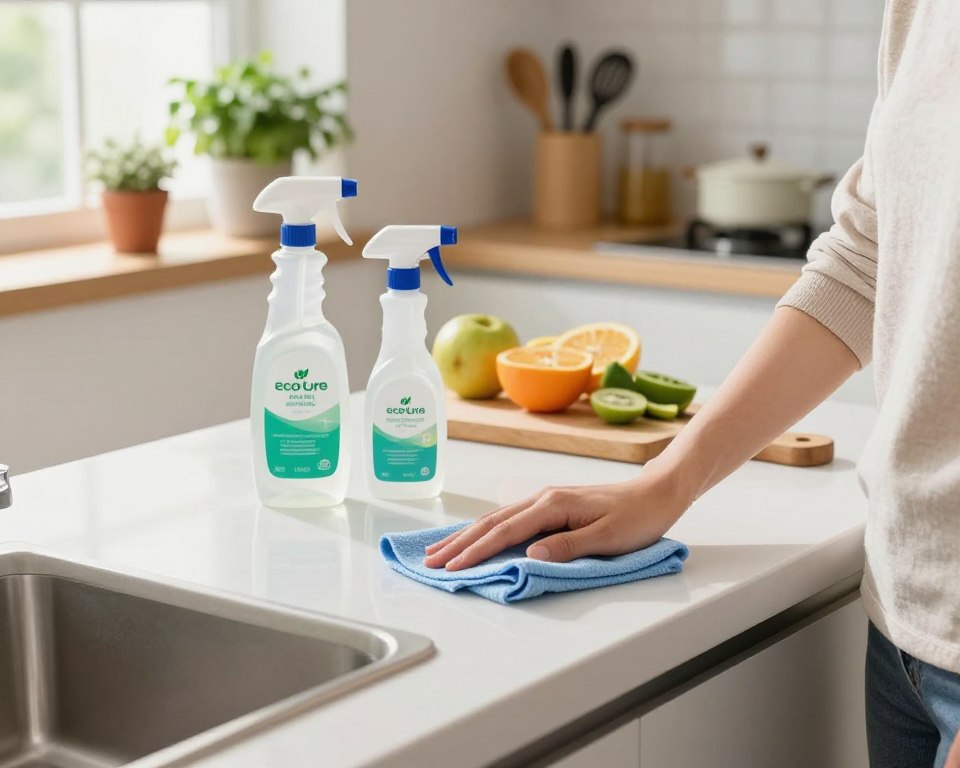
The type of cleaner you use affects how long it stays effective and how it interacts with surfaces. Keeping your kitchen clean requires using the right cleaner for the job. Check out the table below to see the main types of sanitizers used at home.
| Sanitizer Type | Primary Action | Best For | Kitchen Countertop Cleaning Suitability |
|---|---|---|---|
| Alcohol-Based | Rapid Evaporation | Glass and Metal | High |
| Bleach Solutions | Oxidation | Non-porous Stone | Moderate |
| Quaternary Ammonium | Cell Membrane Disruption | General Surfaces | High |
| Vinegar/Acidic | pH Alteration | Light Duty | Low (Avoid on Marble) |
How Long Do Cleaning Chemicals Stay on Kitchen Countertops?
Ever thought about how long sanitizing sprays stay on your counters? Many think a quick spray and wipe is enough. But, the cleaning chemicals duration on kitchen countertops is often longer than we think.
Disinfection needs a specific time called dwell time. This is how long the surface must stay wet for the product to kill germs. Wiping away the solution too fast can remove the active ingredients before they work.
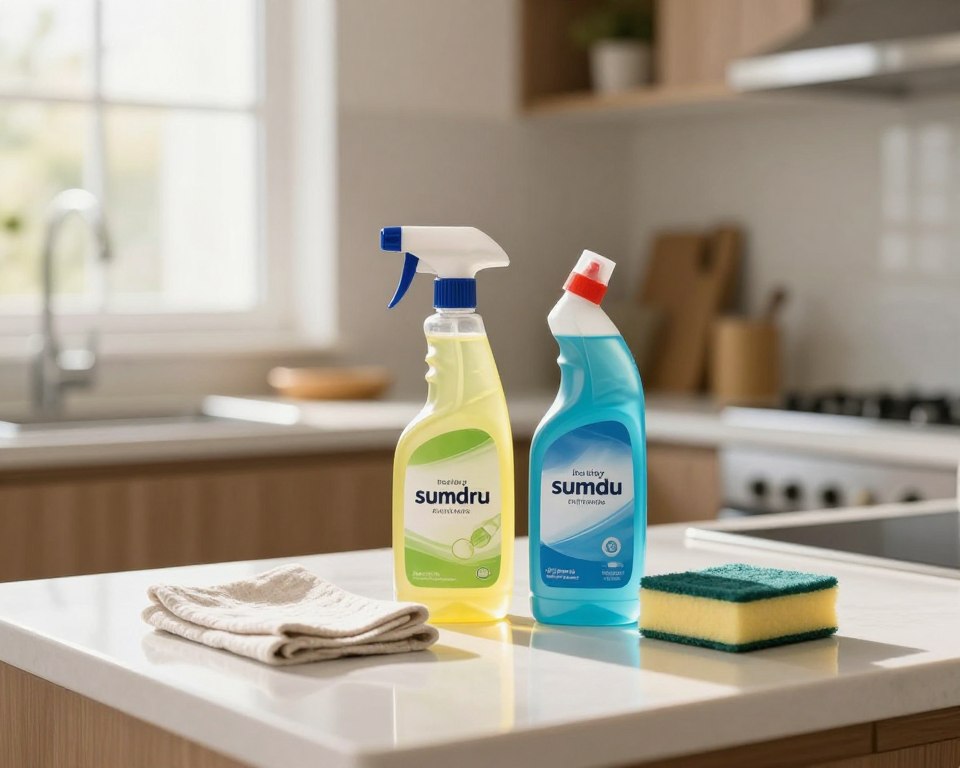
Some disinfecting wipes or sprays need the surface to stay wet for up to 10 minutes. Always check the label of your product for its specific needs. Even if the liquid dries, the chemical residue can stay active or present for a long time.
It’s key to know the difference between drying time and active contact time for food safety. Wait until the surface is completely dry and the dwell time has passed before putting food on it. Here’s a table showing typical requirements for common kitchen cleaners.
| Cleaner Type | Typical Dwell Time | Safety Status |
|---|---|---|
| All-Purpose Spray | 30 Seconds | Rinse Recommended |
| Disinfecting Wipes | 4 to 10 Minutes | Rinse Required |
| Bleach Solution | 5 Minutes | Rinse Mandatory |
| Natural Vinegar | 10 Minutes | Food Safe |
By following these timeframes, you keep your kitchen clean and safe for food. Always choose proper contact time over speed for your family’s health.
Factors Influencing the Evaporation and Residue Rates
The time cleaning chemicals stay on your kitchen countertops varies. Many things affect how fast they dry or leave a residue. Knowing these factors helps you manage the cleaning chemicals duration on kitchen countertops for safety and cleanliness.
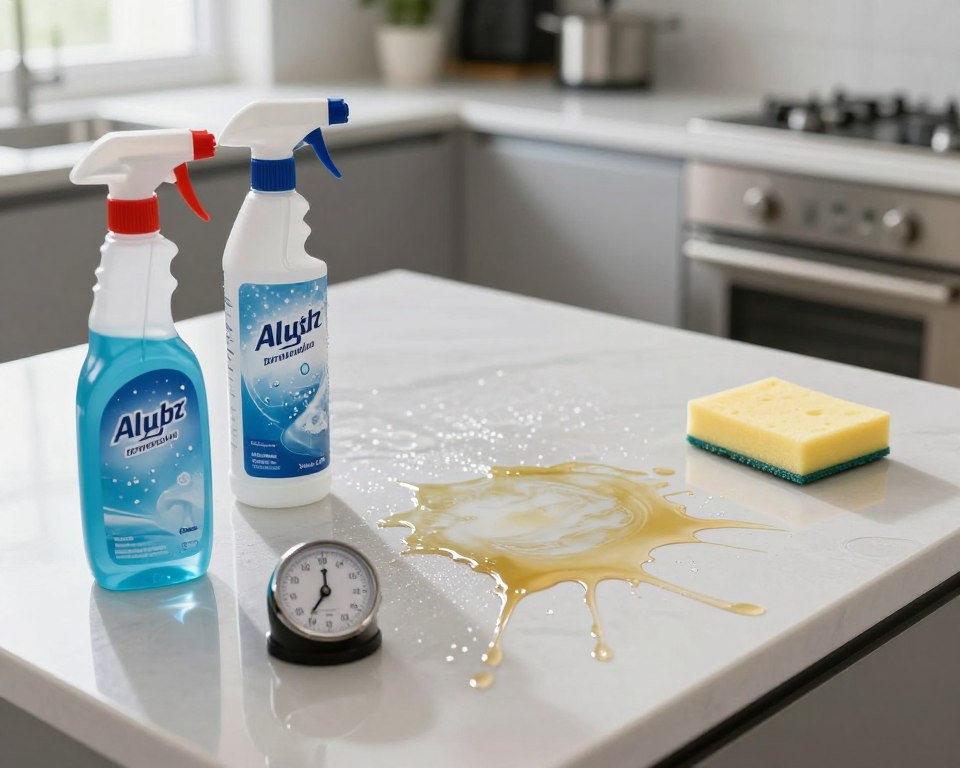
Surface Porosity and Material Composition
The type of countertop you have greatly influences how long cleaning products last. Porous surfaces like granite or marble soak up liquids. This can trap chemicals, making them last longer than expected.
On the other hand, non-porous materials like laminate or stainless steel let liquids sit on top. Since they don’t absorb the solution, they dry faster. Always pick a cleaning agent that matches your countertop material to avoid buildup.
Ambient Temperature and Kitchen Humidity Levels
The climate in your kitchen affects drying times. High humidity slows down evaporation, keeping surfaces wet longer. Cooler temperatures also slow down drying and chemical reactions.
Temperature also impacts cleaning agent stability. For example, hot water can break down bleach too quickly. Always mix bleach with cool water to keep it effective.
Airflow and Ventilation in the Cooking Area
Good air flow is key to controlling residue from cleaners. Proper ventilation helps remove moisture and chemical vapors. This shortens the time cleaning chemicals stay on countertops.
To improve drying in your kitchen, try these:
- Turn on your range hood or exhaust fan while cleaning.
- Open a nearby window for cross-ventilation.
- Use a small portable fan if needed.
- Wipe away excess moisture with a clean, dry microfiber cloth after the required time.
The Difference Between Cleaning, Sanitizing, and Disinfecting
It’s important to know the difference between cleaning, sanitizing, and disinfecting to keep your kitchen safe. Many people use these terms the same way, but they mean different things. Each step is important for keeping your kitchen clean.
Managing your kitchen well means knowing when to use each method. This ensures your kitchen is free from harmful germs.
Defining Cleaning Agents and Their Purpose
Cleaning is the first step in keeping your kitchen clean. It removes dirt, dust, and grease from surfaces. You use soap, water, and a cloth for this.
Cleaning makes surfaces look clean, but it doesn’t kill germs. It prepares the surface for deeper cleaning. Regular cleaning helps prevent dirt buildup.
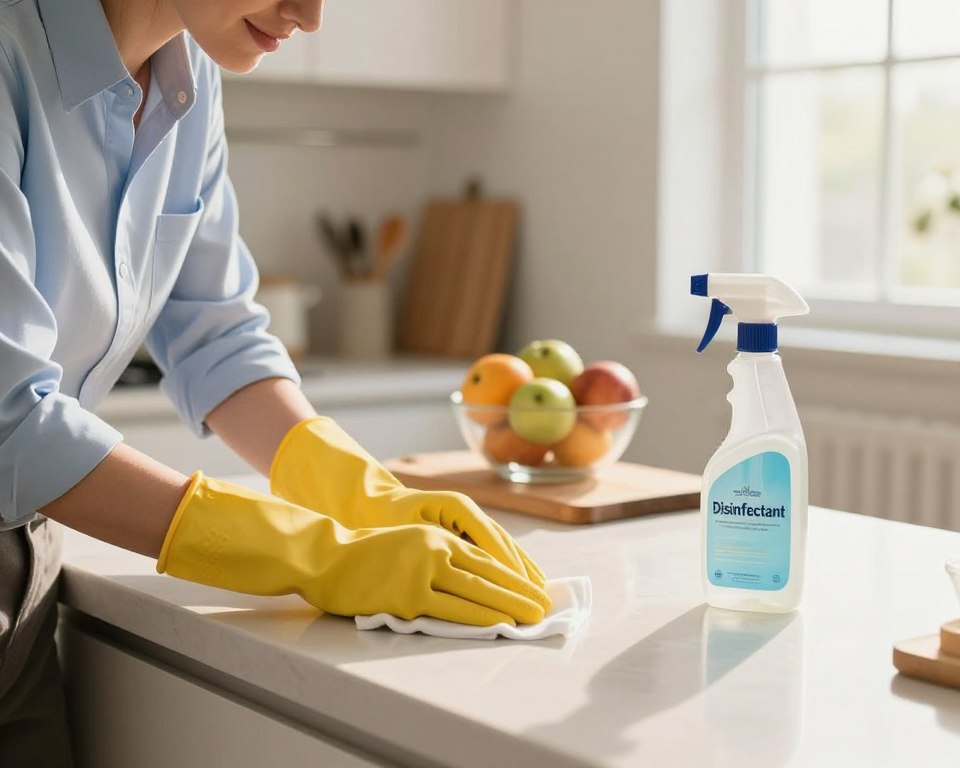
The Role of Sanitizers in Food Safety
Sanitizing is key for food safety, like when handling raw meat or eggs. It reduces bacteria on surfaces to safe levels. This is important for public health.
“Cleanliness is the hallmark of a healthy home, but true safety comes from understanding the science behind your supplies.”
Sanitizing targets the invisible germs. It’s crucial for surfaces that touch food. This keeps your family safe from kitchen illnesses.
Disinfectants and Their Specific Dwell Times
Disinfecting is a stronger step in cleaning. Disinfectants kill germs like E. Coli and Salmonella that sanitizers might miss.
The success of disinfectants depends on dwell time. This is how long the chemical must stay wet on the surface. If you wipe it off too soon, it won’t work.
Always follow the product label for dwell time. This ensures you’re effectively disinfecting your kitchen surfaces.
Common Ingredients Found in Kitchen Cleaning Supplies
Understanding what’s in your kitchen sanitation products makes cleaning better. Each bottle has special ingredients to fight grease and germs. Knowing how these cleaning supplies effects helps you pick the best for your home.
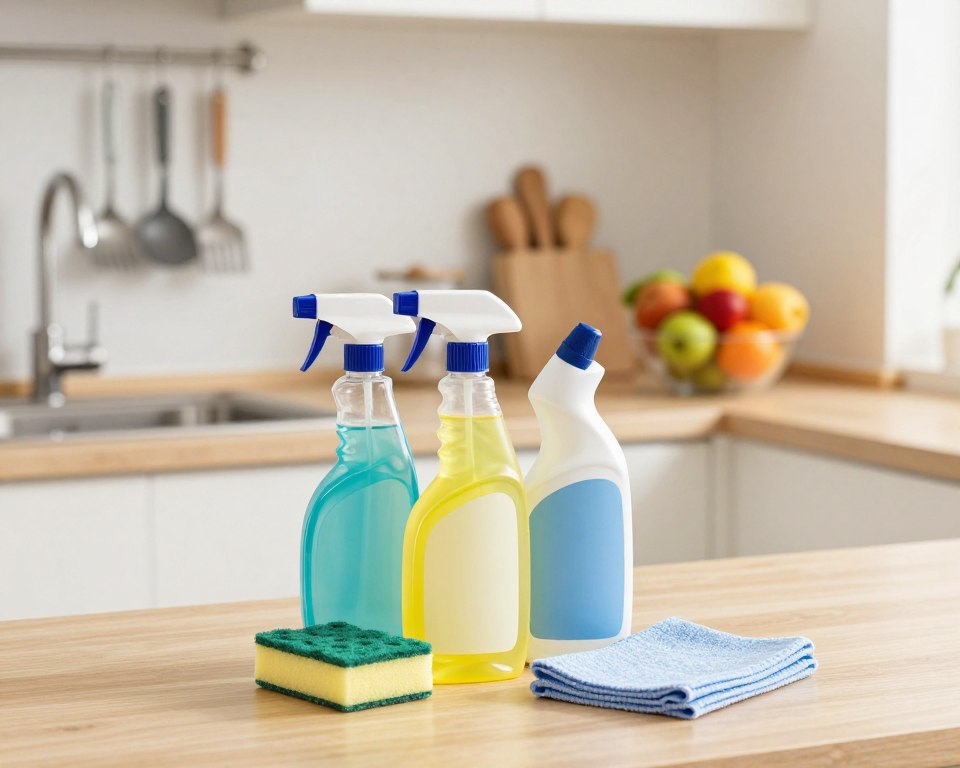
Bleach-Based Solutions and Their Volatility
Bleach is strong but also unstable. It weakens fast when mixed with water. Always make new solutions each time you use it. Never keep diluted bleach for too long, as it won’t kill bacteria anymore.
Quaternary Ammonium Compounds in Household Sprays
Many sprays use quaternary ammonium compounds, or “quats.” They create a lasting barrier against germs. Quats are safer for more surfaces than harsh bleaches.
Alcohol-Based Cleaners and Rapid Evaporation
Alcohol-based cleaners dry fast. But, this quick drying can limit their germ-killing time. They’re great for quick clean-ups, not deep sanitizing.
| Ingredient Type | Primary Benefit | Best Use Case |
|---|---|---|
| Bleach | Strong Disinfection | Deep Cleaning |
| Quats | Residual Protection | Daily Maintenance |
| Alcohol | Fast Drying | Quick Wiping |
Health Risks Associated with Chemical Residue
Many homeowners focus on removing grime but often overlook chemical residue on countertops. Keeping your kitchen clean is crucial, but the products you use matter a lot for your health. It’s important to know how cleaning supplies effects can impact your home’s safety.
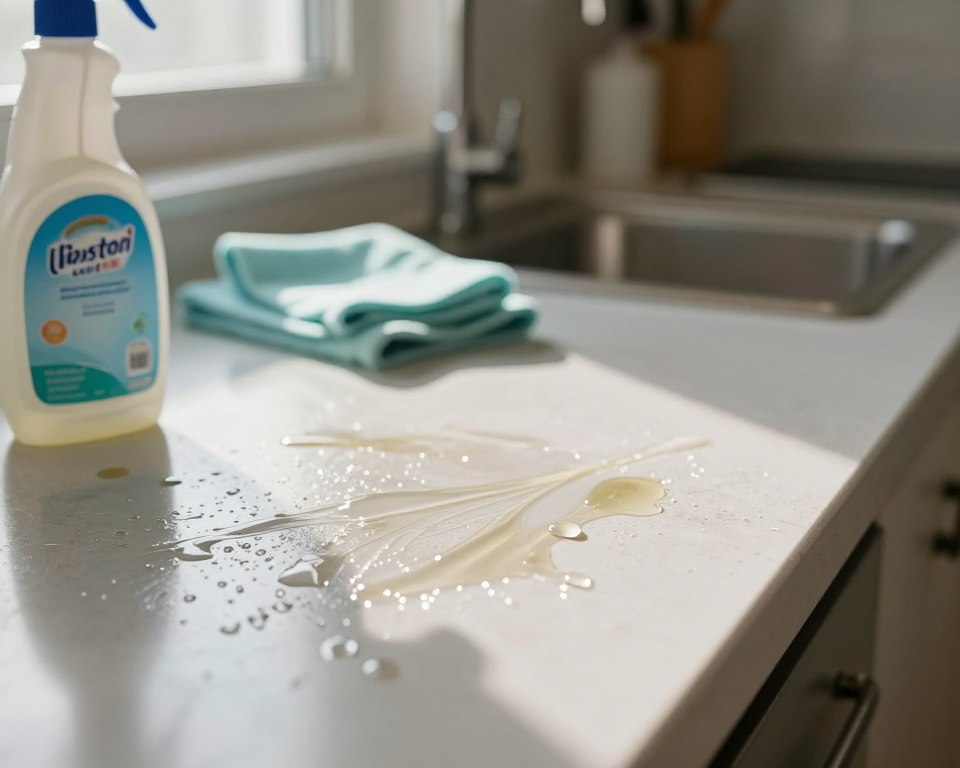
Potential Effects of Ingesting Trace Chemicals
Trace amounts of cleaning agents can be ingested if surfaces aren’t rinsed well. This is a big worry for families with young kids or pets who often touch or eat off kitchen surfaces. Also, 77% of kitchen sponges have dangerous bacteria, leading people to use harsh chemicals, which can increase the risk of residue ingestion.
“The dose makes the poison; even common household cleaners can become problematic when they accumulate on food-prep surfaces.”
If you’re concerned about how these substances affect your dinnerware, learning about dishwasher pod residue and toxic dishes can help make your kitchen routine safer.
Respiratory Sensitivities and Indoor Air Quality
The air in your kitchen can also be affected by cleaning products. Many cleaners release VOCs that stay in the air long after cleaning. These particles can irritate the lungs and cause sensitivities, more so in poorly ventilated areas.
- Increased coughing or throat irritation after cleaning.
- Watery or itchy eyes during or after surface maintenance.
- Headaches triggered by strong, artificial fragrances.
Identifying Signs of Chemical Sensitivity
Knowing the early signs of chemical sensitivity is key to protecting your home. If you or your family feels unwell after cleaning, it’s time to check your supplies. Consistent exposure to harsh chemicals can cause skin rashes, sneezing, or fatigue.
By rinsing well and using milder, food-safe alternatives, you can reduce these risks. Taking these steps keeps your kitchen a healthy place for cooking and gathering, not a source of chemical stress.
Best Practices for Rinsing Countertops After Cleaning
Rinsing your kitchen surfaces is key to keeping them clean. Many people focus on scrubbing, but rinsing is what really keeps your kitchen safe. Taking this extra step provides peace of mind every time you cook.
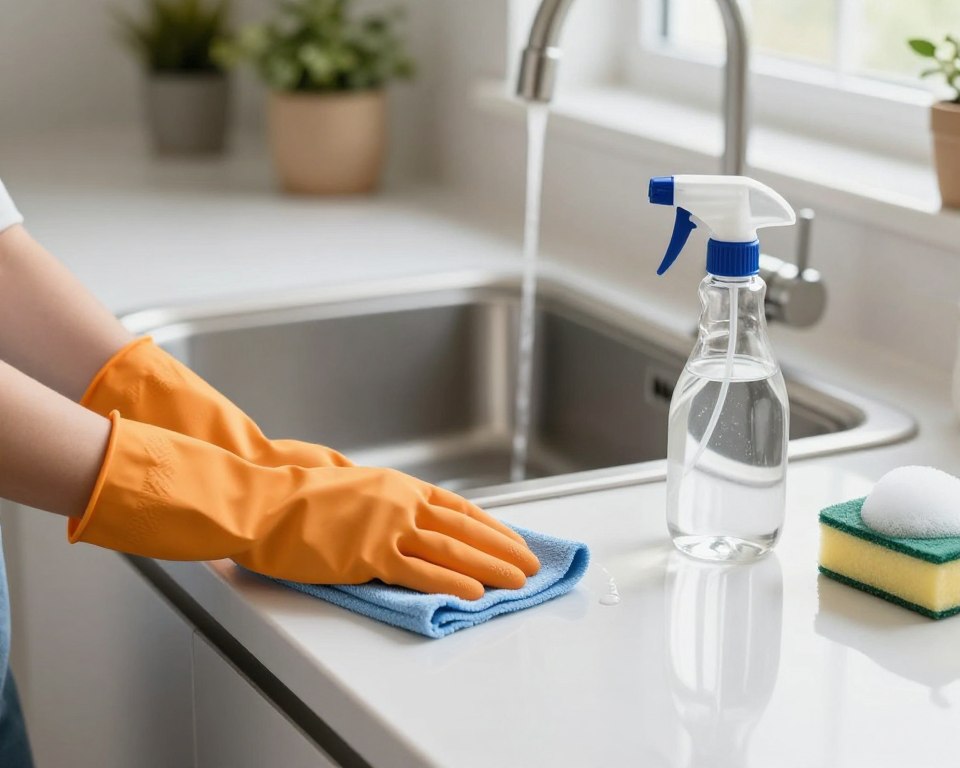
When Rinsing is Mandatory for Food Safety
Surfaces that touch food need extra care. If you use strong cleaners, rinsing with clean water is absolutely mandatory to remove toxins. Don’t assume a surface is safe just because it looks clean.
“Cleanliness is the hallmark of a healthy home, but safety is the foundation of a happy kitchen.”
Techniques for Effective Residue Removal
To get a streak-free finish, start with a clean, damp microfiber cloth. Wipe away the cleaning agent. Then, use fresh, clean water to remove any leftover film. Consistency is key to ensure no chemicals are left on your surfaces.
If you’re not sure about your cleaning supplies, consider a stainless steel cleaner safe for food areas. Always wring out your cloth well between uses to avoid spreading residue. This keeps your counters clean and ready for cooking.
Choosing Food-Safe Rinsing Agents
While plain water is best, some prefer a mild, food-safe solution for the final clean. Diluted white vinegar or warm water can neutralize most household cleaners. Prioritizing non-toxic methods keeps your family safe from accidental chemical ingestion during meal prep.
The Importance of Dwell Time for Effective Sanitation
Keeping your kitchen countertops clean is more than just a quick wipe. Many think spraying and drying right away is enough. But, it’s not. Disinfectants need time to work on surfaces to kill harmful germs.
Why You Should Not Wipe Immediately
When using disinfectant wipes or sprays, the chemicals need time to reach and kill germs. Wiping too soon removes these chemicals before they can do their job. Patience is your best tool for keeping your kitchen safe for food.
Most EPA-registered disinfectants kill germs in two minutes or less. If you don’t wait for the dwell time, germs can stay and spread. Always check the label to know how long to keep the surface wet.
Balancing Efficacy with Surface Safety
While dwell time is key, you also need to think about your countertops’ material. Harsh chemicals can damage porous surfaces like natural stone if left on too long. You want to kill germs without harming your countertops.
| Surface Type | Recommended Dwell Time | Safety Note |
|---|---|---|
| Laminate | 1-2 Minutes | Avoid abrasive scrubbing |
| Granite | 30-60 Seconds | Use pH-neutral cleaners |
| Stainless Steel | 2 Minutes | Wipe with the grain |
| Quartz | 1-2 Minutes | Avoid harsh bleach |
Natural Alternatives and Their Residue Profiles
Many people like using natural cleaning products because they seem safe and good for the planet. These items are often found in our kitchens. But, it’s important to know how they leave behind residues. Understanding the cleaning solutions longevity of these natural options helps keep your kitchen clean and safe.
Vinegar and Baking Soda Solutions
Vinegar is a favorite for its ability to cut through grease and mineral deposits. But, be careful if you have natural stone countertops. Vinegar is very acidic and can damage surfaces like granite and marble over time.
Baking soda is a mild scrubber for tough spots. When mixed with vinegar, they fizz but mostly just neutralize each other. They’re not strong enough to kill dangerous bacteria, so they’re not for deep cleaning.
Essential Oil-Based Cleaners
Essential oils like tea tree, lemon, or peppermint are used in homemade sprays for their smell and germ-fighting properties. While they smell nice, they’re not strong enough to kill germs. They leave a fragrant film that can attract dust if not cleaned well.
- Always dilute essential oils properly to avoid surface damage.
- Test a small, hidden area before applying to the entire countertop.
- Remember that scent does not equate to a sanitized surface.
The Longevity of Natural Residues
Natural residues evaporate differently than synthetic chemicals. They often leave behind particles that can stick. This might need a final clean with water to avoid grime buildup.
Natural cleaners are great for everyday use but don’t offer the same protection as professional disinfectants. Finding a balance between natural products and cleaning solutions longevity is key to a healthy kitchen. Always put food safety first when choosing your cleaning methods.
Safe Handling and Storage of Kitchen Chemicals
Keeping your home clean doesn’t have to be risky. When you handle kitchen sanitation products, being organized and careful is key. A tidy storage area keeps your supplies ready and your family safe from harm.
Preventing Cross-Contamination with Food
Keep all cleaning agents away from food and where you cook. Even a small spill can leave harmful chemicals on surfaces. Learn how to safely store household cleaners to keep your kitchen safe for food.
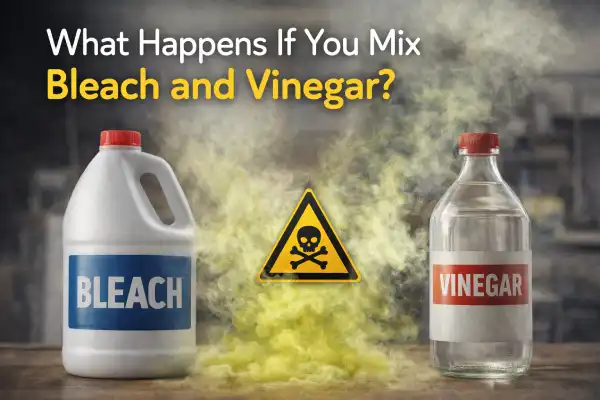
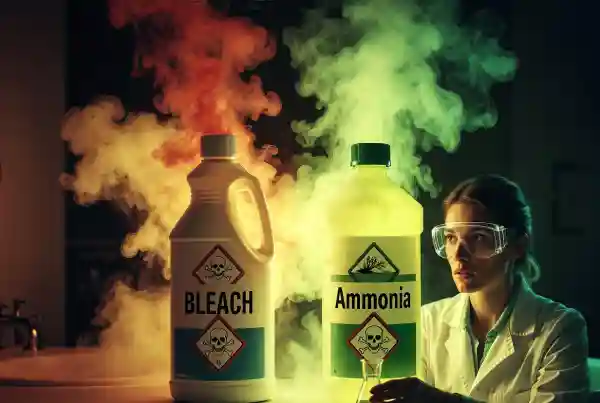
Never mix different cleaning agents together, like bleach. Mixing bleach with vinegar, ammonia, or other cleaners can release toxic fumes. Always use the original containers to avoid confusion and accidents.
Proper Labeling and Dilution Practices
Clear labels are crucial for safe cleaning. If you move kitchen sanitation products to new bottles, label them well. This helps avoid misuse and keeps track of when you made the solution.
Here are key tips for safe and effective cleaning:
- Always follow the manufacturer’s dilution ratios exactly as stated on the label.
- Use measuring tools to ensure accuracy rather than guessing the amount.
- Keep all containers tightly sealed when not in use to prevent evaporation or spills.
- Store all chemicals in a cool, dry place, preferably in a locked cabinet away from children and pets.
By following these steps, your kitchen sanitation products will work well. These small steps make cleaning safer for everyone at home.
Protecting Children and Pets from Countertop Residue
Having young kids or pets means you need to watch what cleaning products you use. It’s important to keep surfaces clean, but the way you do it matters. You want to keep your family safe while still keeping things clean.
Mitigating Risks for Crawling Infants
Infants who crawl are at high risk because they touch surfaces and then put their hands in their mouths. Use non-toxic cleaning solutions whenever you can. If you must use strong cleaners, rinse well with water to remove any chemical residue.
Wipe surfaces with a damp microfiber cloth after cleaning. This helps remove any leftover residue. Consistency is key to keeping your home safe for your little ones.
Keeping Surfaces Safe for Household Pets
Pets, like dogs and cats, often sniff or lick kitchen surfaces. Many cleaning products can be toxic if pets eat them. Keep cleaning supplies out of reach by storing them in high cabinets.
Keep pets away from the kitchen until surfaces are dry. This stops them from getting wet chemicals on their paws. Using food-safe, natural alternatives helps keep your home clean without harming your pets.
| Cleaning Method | Safety Level | Residue Risk |
|---|---|---|
| Vinegar & Water | High | Minimal |
| Bleach Solution | Low | High |
| Commercial Sanitizer | Moderate | Moderate |
| Steam Cleaning | Very High | None |
How to Tell If Your Countertop Is Truly Clean
Knowing if your countertops are clean is key for any home cook. A quick wipe might not be enough. Look for subtle signs to make sure your countertops are safe and clean.
Visual Indicators of Chemical Film
Streaks when light hits your countertop at an angle are a big clue. A dull or hazy finish on granite or laminate means soap or disinfectant is still there. This cloudiness shows the cleaning solutions longevity is too long.
“A truly clean surface should reflect light evenly without any visible streaks or cloudy patches, which are often the tell-tale signs of improper rinsing.”
Tactile Cues for Surface Residue
Your sense of touch is also important. A tacky or sticky texture after drying is a warning sign. It means there’s still a layer of cleaner that can attract dust and bacteria.
Here’s a table to help you know if your surface is clean or not.
| Feature | Clean Surface | Residue-Heavy Surface |
|---|---|---|
| Visual Appearance | Clear and uniform | Streaky or dull |
| Surface Texture | Smooth and dry | Tacky or sticky |
| Light Reflection | Consistent shine | Hazy or distorted |
| Odor Profile | Neutral | Chemical or soapy |
By noticing these signs, you can keep your kitchen clean and healthy. If you see any of these, a quick wipe with a damp cloth will remove the chemical residue on countertops effectively.
Advanced Tips for Maintaining Kitchen Hygiene
Keeping your kitchen clean is more than just wiping down counters after dinner. By adding proactive habits to your daily routine, you make your kitchen safe and welcoming for your family.
Regular care is key to a clean kitchen. Treating maintenance as part of your daily routine stops stubborn grime and bacteria from building up.
Establishing a Routine Cleaning Schedule
A good cleaning plan is essential for kitchen countertop hygiene. Daily wipe-downs are great for crumbs and spills. But, set aside time each week for a deeper clean.
Remember to clean small appliances too. Things like toasters, coffee makers, and blenders can collect residue and germs.
Cleaning these items regularly boosts your kitchen’s sanitation. A regular schedule makes sure every part of your kitchen gets cleaned during disinfecting kitchen surfaces.
Selecting the Right Tools for Different Surfaces
Choosing the right tools is as important as the cleaning solution. Different materials like granite, quartz, or laminate need special care to stay looking good.
For example, abrasive sponges can damage stone, but microfiber cloths are great for kitchen countertop cleaning. Always pick tools that are gentle yet effective at removing dirt.
Investing in good, color-coded cloths helps avoid spreading germs. Use different colors for disinfecting kitchen surfaces and general dusting to stay organized.
By focusing on kitchen countertop hygiene with the right tools, you save time and effort. With the right equipment, your kitchen will stay clean and safe all year.
Conclusion
Keeping your kitchen clean and safe is an ongoing task. It’s about effective cleaning and managing leftovers. By learning these habits, you can protect your family from harmful germs and chemicals.
Knowing how long cleaners like Clorox or Lysol work is key. It helps you get better results. Also, think about your countertop materials, like granite or quartz, to keep them in good shape.
Good cleaning habits are your strongest defense against foodborne illnesses. Making small changes in your daily routine can greatly improve your home’s safety.
We hope this guide helps you keep your space clean and safe with confidence. Start using these tips today. Make your kitchen a safer place for everyone in your home.
FAQ
How long do cleaning chemicals stay on kitchen countertops after they dry?
While the liquid evaporates within minutes, the chemical residue on countertops can remain for several days unless the surface is thoroughly rinsed with potable water.
Is it safe to prep food immediately after disinfecting with Clorox?
No. Most disinfectants, including Clorox sprays, require a rinse with water if the surface will come into direct contact with food to prevent the ingestion of active ingredients.
What is “dwell time” and why does it matter for kitchen countertop hygiene?
Dwell time is the specific amount of time a disinfectant must stay wet on a surface to kill 99.9% of germs. If you wipe it off too early, the cleaning solutions longevity is cut short, and the surface remains contaminated.
Can I use Heinz Vinegar as a disinfectant for my kitchen surfaces?
While Heinz Vinegar is great for removing grease and light grime, it is not an EPA-registered disinfectant and may not kill dangerous pathogens like *Staphylococcus* as effectively as Lysol.
Why does my granite countertop feel sticky after cleaning?
This is usually due to a buildup of quaternary ammonium compounds or soap residue. To fix this, wipe the counter with a damp microfiber cloth and a drop of pH-neutral cleaner specific for porous materials.
Are alcohol-based cleaners better for preventing chemical residue?
Yes, alcohol-based cleaners like Isopropyl alcohol solutions have a high evaporation rate and typically leave very little residue, but they must stay wet long enough to ensure proper kitchen sanitation.
How can I protect my pets from cleaning supplies effects in the kitchen?
Ensure your cat or dog stays off the counters until the cleaner has completely dried and you have performed a final rinse to remove any lingering kitchen sanitation products.