
Did you know that indoor air is often five times more polluted than outside air? Many think their homes are safe if they don’t smell strongly of chemicals. But, hidden irritants can stay in our homes long after cleaning.
Many people get Headaches from Cleaning Products after mopping or using disinfectants. This reaction is real, not just a personal issue. You might ask, Can Cleaning Products Cause Headaches Even Without a Strong Smell? Yes, because volatile organic compounds can cause sensitivity, even if you can’t smell them.
Knowing how these substances build up in your home is key to feeling better. By finding these invisible triggers, you can keep your home clean and safe.
Key Takeaways
- Indoor air is often significantly more polluted than outdoor air.
- Chemical sensitivity can occur regardless of whether a scent is noticeable.
- Volatile organic compounds are common culprits for physical discomfort.
- Enclosed spaces trap airborne irritants, increasing the risk of symptoms.
- Recognizing these triggers helps you make safer choices for your household.
The Hidden Reality of Odorless Cleaning Chemicals
Not smelling something doesn’t mean it’s safe. Many people think a neutral smell means a non-toxic environment. But, this isn’t always true.
Companies use special agents to hide the smells of harsh chemicals. This makes the products seem safe and pleasant. This marketing trick hides the real chemical makeup of the cleaner, making it hard to know the risks.
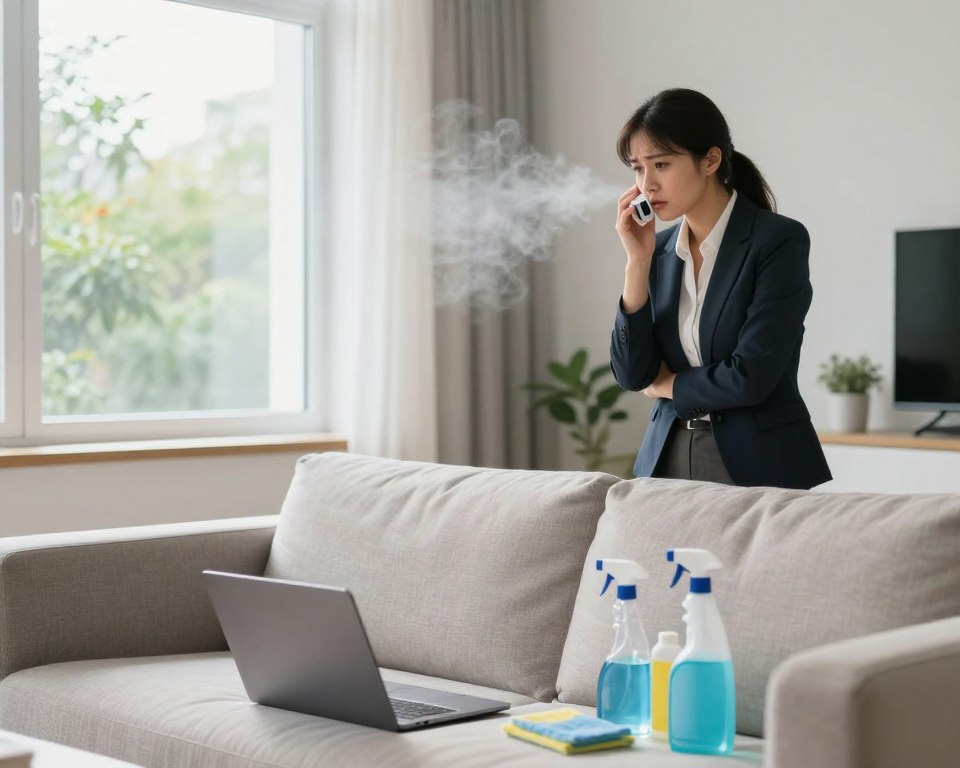
Why Scent Is Not an Indicator of Safety
Believing your nose can tell if something is safe is a mistake. Many harmful substances don’t have a smell. So, your senses can’t warn you of danger.
Choosing products without a scent doesn’t always mean they’re safe. These products might still have chemicals that can harm you. Knowing that smell is just a marketing trick is key to better health.
The Science of Invisible Airborne Particles
Many cleaning products contain Volatile Organic Compounds, or VOCs. These chemicals vaporize easily, spreading through your home. Even if you can’t smell them, they stay in the air.
When you breathe them in, they can irritate your respiratory system. For some, this can cause headaches or dizziness. The table below shows how we think products are safe versus their real impact.
| Product Type | Perceived Safety | Actual Risk |
|---|---|---|
| Strongly Scented | High (Clean smell) | High (Fragrance chemicals) |
| Odorless/Masked | Very High (Safe) | Moderate to High (Hidden VOCs) |
| Natural/Unscented | High | Low (If ingredients are clean) |
Can Cleaning Products Cause Headaches Even Without a Strong Smell?
You might be surprised to learn that cleaning can cause pain without any smell. Many think a product without a strong smell is safe. But, headaches from cleaning products can happen even when there’s no smell.
The Mechanism of Odorless Irritants
Chemical air pollutants can harm you without a strong smell. When you spray or wipe, tiny particles go into the air. They can then enter your body through your lungs.
Once in your body, these particles can cause irritation and inflammation. This can lead to unexpected physical discomfort during or after cleaning.
Why Your Brain Reacts to Chemicals You Cannot Smell
Your brain is very sensitive to changes, even if you can’t see or smell them. Invisible chemicals can affect your brain and cause pain. This is because your brain is reacting to these chemicals as threats.
This reaction can cause:
- Throbbing sensations behind the eyes or temples.
- A feeling of pressure or tightness in the forehead.
- Increased sensitivity to light or sound following exposure.
- Lingering dull aches that persist long after cleaning is finished.
These reactions are real and not just in your head. Your body is just reacting to these substances. By understanding this, you can make your environment safer and reduce headaches from cleaning.
Understanding Volatile Organic Compounds (VOCs)
Do you get headaches after cleaning? It might be because of harmful cleaning chemicals headaches. These headaches come from gases called Volatile Organic Compounds, or VOCs. VOCs are chemicals that turn into air easily, making your home unhealthy.
What Are VOCs and Where Do They Hide?
VOCs are everywhere, not just in factories. They’re in many household items like sprays and air fresheners. These vapors stay in your home long after you clean.
Look for these VOCs on labels:
- Formaldehyde
- Acetone
- Dichlorobenzene
- Ethanol
- Terpenes
Even “fresh” products can have VOCs. These chemicals are often smellless or hidden by fragrances. Knowing how indoor air pollution causes headaches helps keep your home healthy.
The Link Between VOC Exposure and Migraines
VOCs can cause harmful cleaning chemicals headaches. When you breathe them in, they can make your body inflamed. This inflammation can lead to migraines.
Neurological sensitivity is key here. Your brain might see these chemicals as threats. This can cause headaches, dizziness, and brain fog. Knowing these triggers helps you avoid them and feel better.
How Chemical Sensitivity Triggers Headaches
For some, their home environment is a constant source of pain. While most people use cleaning supplies without problems, others react strongly. This connection between Chemical Sensitivity and Headaches affects many, making their homes a source of distress.
Defining Multiple Chemical Sensitivity (MCS)
Multiple Chemical Sensitivity, or MCS, is a condition where people react badly to common chemicals. Unlike allergies, MCS affects the nervous system. Even small amounts of household cleaners can cause severe discomfort for those with MCS.
Some also have osmophobia, a strong dislike of smells. Even a faint scent can trigger severe migraines. This makes managing Chemical Sensitivity and Headaches very challenging, requiring constant awareness of one’s surroundings.
Biological Responses to Low-Level Chemical Exposure
When the body meets these irritants, it can react in many ways. The nervous system might get too excited, causing inflammation and headaches. This happens even at very low chemical levels.
The body stays on high alert, leading to exhaustion. Chemical Sensitivity and Headaches are signs of the body’s struggle with these environmental stressors. By understanding these signals, you can improve your health and create a better home environment.
The Role of Indoor Air Quality in Chronic Headaches
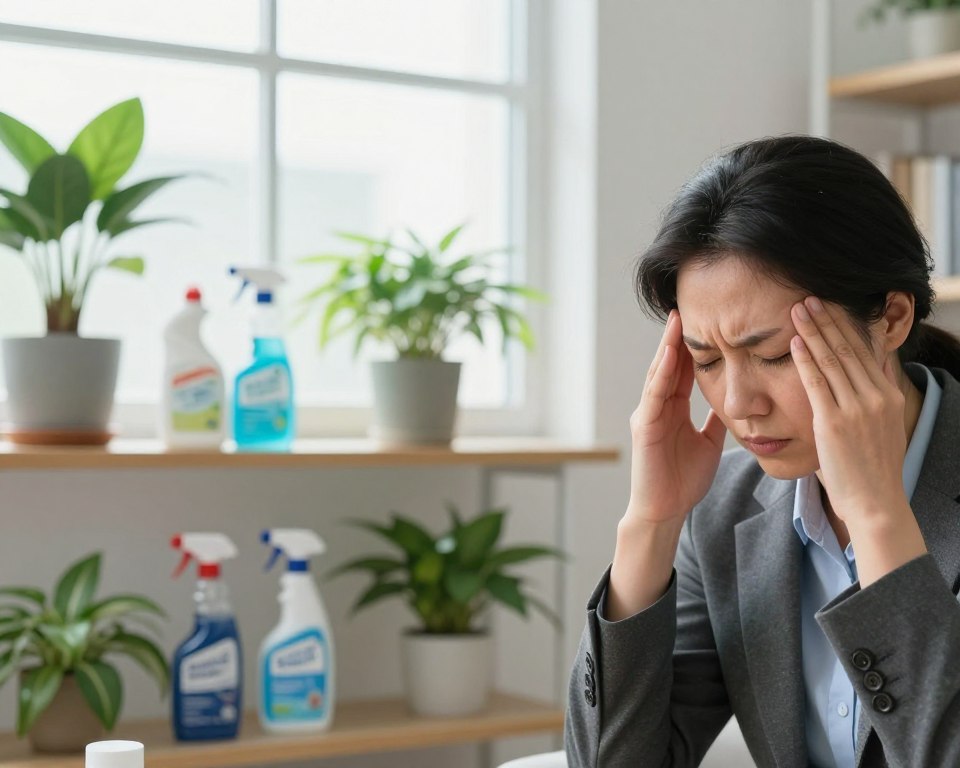
Many homeowners are surprised to find that their modern, energy-efficient houses might cause headaches. These tight seals stop fresh air from getting in. This lack of air makes Indoor Air Quality and Headaches a big problem.
The “Sick Building” Syndrome in Residential Homes
The term “Sick Building” syndrome used to only apply to big office buildings. But now, it’s also common in homes. Modern homes are built to be airtight to save on heating and cooling. But this traps pollutants inside, including cleaning agents.
Using chemical-heavy products means these particles stay in the air. Over time, this can lead to headaches and migraines. Your home should be a safe space, but poor air can make it uncomfortable.
Measuring Air Quality in Your Living Space
Understanding your air quality is the first step to a healthier home. You don’t need to be a scientist to do this. There are easy-to-use tools available for everyone.
Investing in a digital air quality monitor can give you real-time data. Paying attention to how your body reacts to different environments is also important. If you get headaches after cleaning, it might be related to the air quality.
| Factor | Impact on Health | Recommended Action |
|---|---|---|
| High VOC Levels | Triggers headaches and fatigue | Increase ventilation |
| Poor Airflow | Traps chemical irritants | Use exhaust fans |
| Dust Accumulation | Worsens respiratory stress | Use HEPA filters |
| Chemical Odors | Signals potential toxicity | Switch to natural cleaners |
By watching these factors, you can make your home healthier. Simple changes, like opening windows or using air purifiers, can help. Taking care of your Indoor Air Quality and Headaches is key to a better life.
Common Ingredients That Cause Headaches
Many people don’t know that items under their kitchen sink can cause headaches. It’s not just about how well a product works. The chemicals in it matter a lot for your health. Knowing which harmful cleaning chemicals headaches come from can help you control your home better.
Phthalates and Synthetic Fragrances
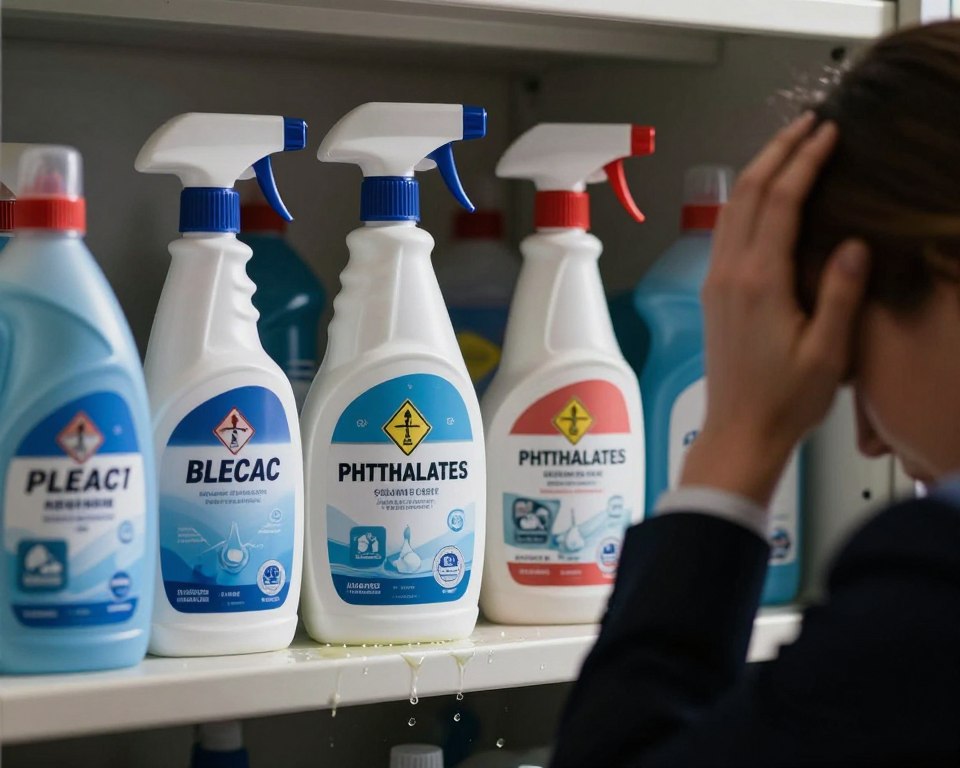
Synthetic fragrances are added to cleaning products to smell nice. But, these fragrances often have phthalates, which make the smell last longer. These chemicals can get into your body when you breathe them in, causing neurological discomfort.
Even if a product smells fresh, the chemicals inside might still cause problems. Many people find that using fragrance-free products helps reduce their headaches and household cleaners issues.
Ammonia and Chlorine-Based Cleaners
Ammonia and chlorine are strong disinfectants but are risky. They release fumes that can irritate your breathing and cause tension headaches. Extreme caution is needed when using these.
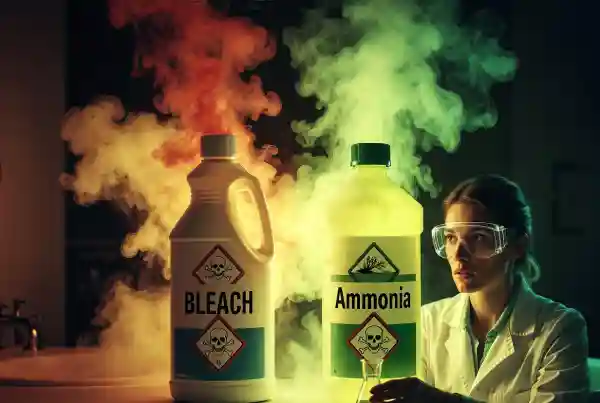
Never mix bleach or any bleach-containing product with cleaners that have ammonia. This mix creates toxic gas that can harm you right away. Always make sure your area is well-ventilated when using these strong chemicals.
Glycol Ethers and Their Neurological Impact
Glycol ethers are found in glass cleaners and degreasers. They work well at removing dirt, but they can also be absorbed through the skin or inhaled. Long-term exposure to these solvents can lead to harmful cleaning chemicals headaches.
Knowing which ingredients to avoid can help you choose safer products for your home. The table below shows common culprits that might be affecting your health.
| Chemical Ingredient | Common Use | Potential Health Impact |
|---|---|---|
| Phthalates | Synthetic Fragrances | Headaches and Nausea |
| Ammonia | Glass/Surface Cleaners | Respiratory Irritation |
| Chlorine | Bleach/Disinfectants | Neurological Stress |
| Glycol Ethers | Degreasers | Cognitive Fog/Headaches |
Cleaning Product Allergies and Neurological Symptoms
It can be hard to tell if you have an allergy or chemical sensitivity. Both can make you feel uncomfortable, but they start in different ways. Knowing the difference is key to feeling better and finding out what’s causing your problems.
Distinguishing Between Allergies and Chemical Sensitivities
An allergy is when your immune system reacts to something. When you meet an allergen, your body makes antibodies. This can cause symptoms like hives or trouble breathing.
Chemical Sensitivity and Headaches are different. They happen when your body reacts to chemicals without making antibodies. Learning about are cleaning products safe during pregnancy can help you understand how chemicals affect you.
“The body is a complex system that often reacts to environmental triggers in ways we are only beginning to understand.”
How Immune Responses Manifest as Headaches
When your immune system fights an allergen, it releases chemicals. This can cause severe neurological symptoms, like headaches. Many people with sensitivities know this well.
These headaches can also make you tired or feel foggy. Your body is busy fighting the allergen, so it can’t do other things. Spotting these signs is the first step to making your home safer and more comfortable.
The Cumulative Effect of Household Cleaners
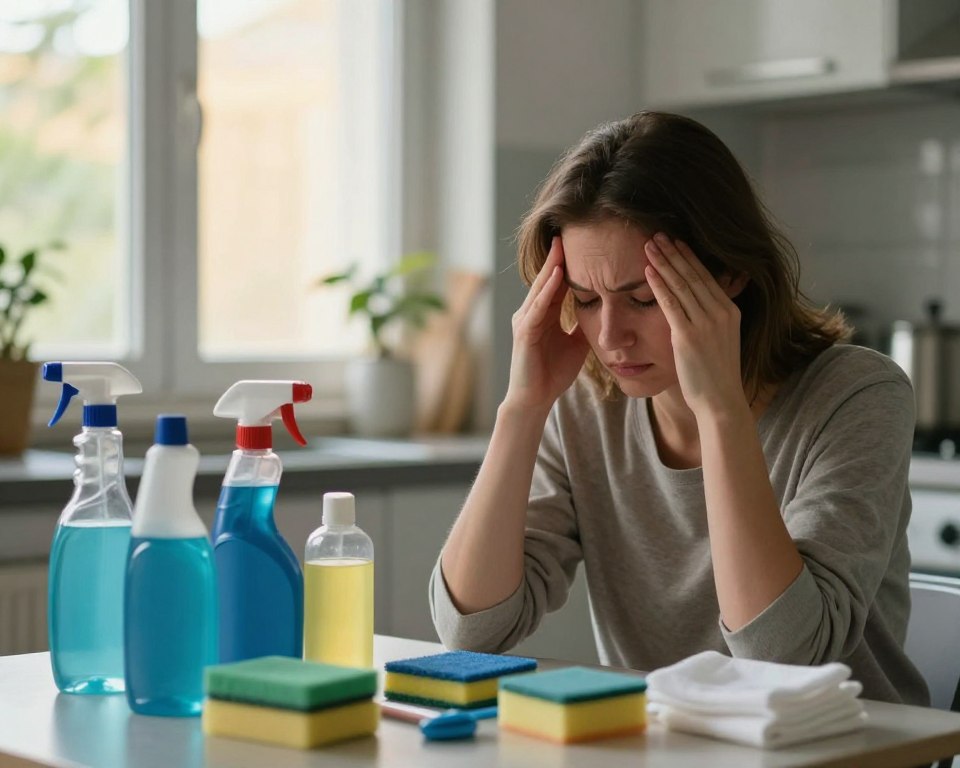
Your daily cleaning routine might be causing your headaches from cleaning products. One bottle of cleaner might seem safe, but the chemicals in your home add up. Many people unknowingly create a toxic space by mixing different cleaners.
The “Cocktail Effect” of Mixing Products
The “cocktail effect” happens when you mix different cleaners, like bleach and ammonia. This can release invisible, harmful gases that hurt your breathing and cause pain. Even if you don’t smell anything, these gases are still there.
When these chemicals mix, they create gases that are more dangerous than each one alone. This is why you might get headaches from cleaning products without knowing why. Always avoid mixing cleaners, even if they seem safe together.
Why Daily Exposure Increases Headache Frequency
Being around synthetic chemicals every day can make your nervous system more sensitive. If you clean daily with harsh sprays, your body never gets a break. This constant exposure can make your headaches worse and more frequent.
To lower this risk, try using fewer, more versatile cleaners. Using fewer chemicals in your home is a highly effective strategy to stop chronic headaches from cleaning products. Choose safer, multi-purpose cleaners to keep your home clean without the chemical overload.
Identifying Symptoms Beyond the Headache
Household cleaners can cause more than just headaches. They can lead to other physical reactions. Many people only notice the pain, but the body often sends earlier signals. It’s important to understand these signs when dealing with Headaches and Household Cleaners.
Recognizing Dizziness and Nausea
Feeling lightheaded or nauseous while cleaning is common. Some people feel a strange pressure in their head, unlike a regular headache. These feelings are the body’s way of reacting to harmful chemicals in cleaning supplies.
If you feel unsteady or sick to your stomach, it might be a sign. Check if your household cleaning products are safe. Ignoring these signs can lead to worse problems. Always prioritize your health when cleaning.
Fatigue and Cognitive Fog Linked to Cleaning
After cleaning, some people feel extremely tired or mentally foggy. This makes it hard to focus and can leave you feeling drained for hours. Chemical vapors can overwhelm your brain, making it hard to think clearly.
This mental decline is a common but often overlooked effect of harsh chemicals. By paying attention to these symptoms, you can see how Headaches and Household Cleaners affect your life. The table below shows common symptoms linked to chemical exposure at home.
| Symptom Category | Common Physical Sign | Potential Trigger |
|---|---|---|
| Neurological | Cognitive Fog | VOC Inhalation |
| Vestibular | Dizziness | Strong Chemical Odors |
| Gastrointestinal | Nausea | Synthetic Fragrances |
| Respiratory | Throat Irritation | Ammonia/Chlorine |
How to Evaluate Your Cleaning Routine
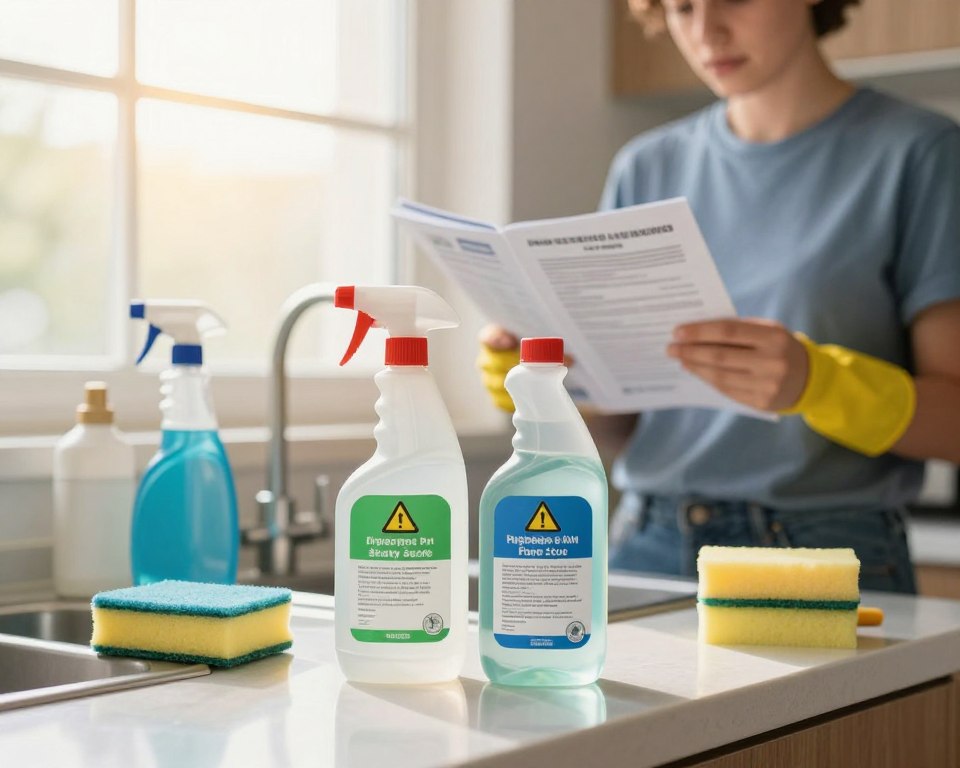
Start by checking the products under your sink. Many of us use household cleaners without thinking about their impact on our health. A simple audit can help you find potential dangers and make your home safer for everyone.
Auditing Your Current Cleaning Cabinet
Start by collecting all your cleaning supplies. Sort them by what they’re for, like cleaning floors or washing clothes. If your home feels dirty, learn how to clean your house without making it worse.
Look at products you don’t use much or haven’t used in years. Old chemicals can become more dangerous over time. It’s best to get rid of them if they’re not needed in your cleaning routine.
Reading Labels for Hidden Triggers
Manufacturers don’t have to list all ingredients in U.S. products. So, “fragrance” or “parfum” can mean many chemicals that might upset you. Ignore words like “natural” or “eco-friendly” and check the ingredient lists on the back.
When choosing between products, like Gain Flings vs Arm & Hammer, look for clear labels. If a company doesn’t list all ingredients, it’s a warning sign. You can find more info on their website to see if it’s safe.
- Watch out for phthalates, often hidden in “fragrance.”
- Stay away from products with ammonia or chlorine if you’re sensitive.
- Choose brands that tell you everything in their products.
Transitioning to Non-Toxic Cleaning Alternatives
If you’re fed up with Non-Toxic Cleaning Products Headaches, it’s time to change your cleaning routine. Many cleaners have harsh chemicals that can cause headaches, even if you can’t smell them. Switching to safer options can greatly improve your air quality and comfort.
Benefits of Plant-Based Cleaning Agents
Plant-based cleaners are kinder to your home and health. They’re made from natural sources like citrus and coconut, not harsh chemicals. This makes them less likely to irritate your body, helping to reduce headaches while cleaning.
Choosing these cleaners lowers your chemical exposure. This means your body doesn’t have to fight off as many toxins. It’s great for people with sensitivities or migraines.
DIY Solutions Using Vinegar and Baking Soda
You don’t need expensive cleaners to keep your home clean. Simple DIY solutions can be made from common pantry items. A mix of white vinegar and distilled water is great for cleaning surfaces and removing stains safely.
Baking soda is also a powerful, non-abrasive scrub for sinks and tubs. These natural solutions are safe, affordable, and free from harmful chemicals found in many sprays. By using them, you can keep your home clean and avoid Non-Toxic Cleaning Products Headaches.
- Mix equal parts water and white vinegar for an all-purpose glass and surface cleaner.
- Use a paste of baking soda and water to scrub away soap scum naturally.
- Always ensure proper ventilation, even when using natural ingredients, to keep your air fresh.
Natural Cleaning Products Headaches: Myth or Reality?
Many people think natural cleaning products are safer. They believe since they come from plants, they can’t cause headaches like harsh chemicals. But, Natural Cleaning Products Headaches are real for many.
Switching to green products is good, but it doesn’t mean you’re safe from irritation. Just like checking if a nail polish remover is safe, you should check your cleaners too.
Essential Oils and Potential Sensitivities
Essential oils often cause headaches in natural cleaners. They smell nice but are very strong chemicals that can upset your brain.
Natural scents, like citrus, can mix with indoor air to create harmful particles. These particles can stay in your home long after cleaning, causing unexpected discomfort. Think about these points when using essential oil cleaners:
- Terpene levels: High levels of citrus terpenes can bother your breathing.
- Indoor air chemistry: Natural smells can turn into formaldehyde when mixed with indoor pollutants.
- Individual threshold: You might be more sensitive to certain plant extracts than you think.
Why “Natural” Does Not Always Mean Hypoallergenic
The term “natural” isn’t strictly controlled. A product can be labeled natural but still have allergens or irritants. So, Non-Toxic Cleaning Products Headaches can still happen if your immune system reacts to plant extracts.
Remember, “natural” doesn’t mean hypoallergenic. Always check the ingredients. Don’t let marketing tricks you. If you’re getting Non-Toxic Cleaning Products Headaches, try fragrance-free or hypoallergenic options without essential oils.
To manage Natural Cleaning Products Headaches, be proactive about your home. Stay informed and listen to your body. This way, you can have a clean and comfortable home.
Practical Tips for Improving Ventilation While Cleaning
Improving your indoor air quality and headaches starts with managing airflow. Many household chores release invisible particles that can cause discomfort. By making small adjustments, you can create a safer space for your daily tasks.
The Importance of Airflow and Cross-Ventilation
Opening windows and doors is a simple yet effective way to dilute airborne chemicals. This creates a path for fresh air to enter and stale air to exit. It lowers the concentration of irritants and prevents fumes from building up in small rooms.
“The best way to ensure a healthy home is to let the outside in, allowing fresh air to sweep away the invisible residues of our cleaning habits.”
Always turn on exhaust fans in your kitchen and bathroom while cleaning. These fans pull moisture and chemical vapors out of your space. If your home lacks strong ventilation, use a portable fan to force air circulation.
Using Air Purifiers to Mitigate Chemical Exposure
Air purifiers offer an extra layer of protection. High-quality units with HEPA filters and activated carbon layers are great at trapping chemical residues. They continuously scrub the air, which is crucial for those with indoor air quality and headaches.
Place your air purifier in the room where you spend most of your cleaning time. This captures particles at the source. Running the unit during and after cleaning ensures VOCs are neutralized quickly. Investing in proper air filtration is a proactive step toward a comfortable, symptom-free home.
Conclusion
Your journey to a headache-free home starts with small changes. You can improve your indoor air quality by choosing safer cleaners.
Brands like Seventh Generation and Mrs. Meyer’s offer plant-based cleaners. These options reduce your exposure to harmful chemicals. They keep your surfaces clean without harming your health.
Check your cleaning cabinet today to improve your comfort. Remove products that make you sick. This lets you breathe better in every room.
Keep the air moving while you clean to avoid particles. Open windows or use air purifiers. This keeps your home a safe haven, not a source of stress.
Your health is key in keeping your home clean. You deserve a space that supports your well-being, not hurts it. Take charge of your home and enjoy a healthier, stress-free life.
FAQ
Can cleaning products cause headaches even without a strong smell?
Yes, many headaches from cleaning products occur because of masking agents that hide chemical odors or because of odorless Volatile Organic Compounds (VOCs) that still irritate the nervous system and trigger the trigeminal nerve.
What are the most common harmful cleaning chemicals headaches sufferers should avoid?
You should look out for phthalates (often hidden in “fragrance”), ammonia, chlorine bleach, and glycol ethers. These substances are known to cause neurological irritation and inflammatory responses in the brain.
How can I improve indoor air quality and headaches at the same time?
The best way to address indoor air quality and headaches is to ensure proper cross-ventilation by opening windows and using an air purifier with a HEPA and activated carbon filter to remove airborne chemical residues.
Are natural cleaning products headaches a real thing?
Yes. Natural cleaning products headaches can be triggered by high concentrations of essential oils like limonene or pinene. Even though they are plant-derived, they are still VOCs that can cause reactions in sensitive individuals.
What is the difference between cleaning product allergies headaches and chemical sensitivity?
A: Cleaning product allergies headaches are caused by an immune system response to an allergen, often resulting in sinus pressure. Chemical sensitivity and headaches are typically a neurological or systemic inflammatory response to low-level chemical exposure that doesn’t necessarily involve the immune system.
What are the best non-toxic cleaning products headaches sufferers can use?
Look for products with simple ingredient lists like Branch Basics, or stick to time-tested DIY solutions such as Heinz White Vinegar, Arm & Hammer Baking Soda, and castile soap. These options minimize the “chemical cocktail” effect in your home.
Why do I feel dizzy or get brain fog after using household cleaners?
Dizziness and cognitive fog are common symptoms of acute chemical exposure. When you inhale certain solvents found in headaches and household cleaners, they can briefly affect your central nervous system, leading to these systemic symptoms.