Did you know a single square inch of your kitchen counter can have over 10 million bacteria? Many think a quick wipe makes a space clean. But, bacteria, viruses, fungi, and protozoa often stay hidden. It’s key to know the critical distinction between cleaning, sanitizing, and disinfecting to keep your home healthy.
Many people mix cleaning agents, hoping to fight off more germs. But, mixing chemicals can be harmful. It’s important to know how these formulas work together. Safety and efficacy depend on following the labels, not mixing products randomly.
Key Takeaways
- Germs are categorized into four main types: bacteria, viruses, fungi, and protozoa.
- Cleaning removes dirt, but it does not necessarily kill harmful pathogens.
- Sanitizing reduces bacteria to safe levels, while disinfecting eliminates a broader spectrum of microbes.
- Always check product labels to understand specific contact times and safety requirements.
- Avoid mixing chemicals, as this can create dangerous reactions or leave harmful residues.
- Prioritize food-safe products when treating areas used for meal preparation.
The Science of Chemical Compatibility
Your cleaning routine’s success depends on chemical compatibility. Choosing home products means managing complex reactions to kill germs. Knowing these basics keeps your space safer and more efficient.
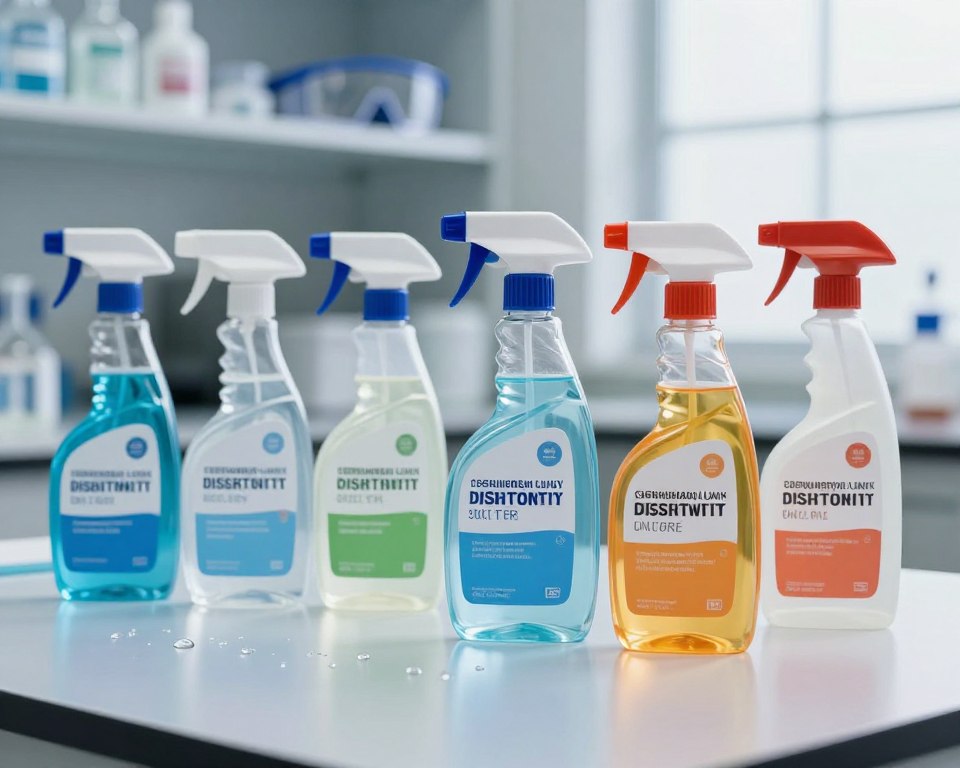
Understanding Molecular Interactions
Antimicrobials target germ structures. They rupture the protective membranes of bacteria and viruses. This stops germs from surviving or spreading.
Switching products can mess with this process. Residues from one cleaner might block the next one’s effectiveness. This is why disinfectant compatibility is key to true sanitization.
Why pH Levels Matter in Disinfection
The pH scale shows a solution’s acidity or alkalinity. It greatly affects cleaning. Disinfectants work best in a certain pH range. Using a product with the wrong pH can weaken it.
Here are some points about chemical balance:
- Extreme pH levels can harm surfaces like natural stone or wood.
- Right disinfectant compatibility keeps active ingredients strong during contact time.
- Different pH levels can cause unexpected chemical reactions.
Remembering these science basics helps you choose better cleaning supplies. Always pick products that work well together to keep your home clean and safe.
Can You Use Different Disinfectant Sprays on the Same Surface?
Many think using two sprays on one surface boosts protection. But, this is not usually true. Layering products can cause more problems than benefits. So, the answer to “Can You Use Different Disinfectant Sprays on the Same Surface?” is mostly no.
The Myth of Enhanced Efficacy
Some believe mixing cleaners kills more germs than one good spray. But, most professional cleaners work best alone. Mixing them can neutralize their active ingredients, making them useless.
“Disinfection is a precise science, not a game of adding more ingredients to see what happens. Over-application often leads to residue that attracts more dirt than it removes.”
Here’s why layering is not good:
- Chemical Interference: Ingredients in one spray may deactivate the antimicrobial agents in another.
- Surface Damage: The combined acidity or alkalinity can strip finishes from countertops and furniture.
- Wasted Resources: You are paying for two products to do the work of one, often with worse results.
Assessing the Risks of Cross-Contamination
Switching products without cleaning first is risky. Applying a new spray over old residue creates a dangerous mix. This can cause unintended reactions like harmful fumes or a sticky film.
To keep your home safe, use one product per surface until it’s gone. Always rinse and dry the area before using another cleaner. This way, you protect your surfaces and air quality.
Understanding Active Ingredients in Common Disinfectants
Cleaning your home well is more than just spraying and wiping. You need to know the active ingredients. Many think a quick spray kills all germs, but that’s not true. Most disinfectants need up to 10 minutes to kill bacteria and viruses.
Before you deep clean, check if your household cleaning products are safe. Knowing the active ingredients helps protect your family and keep your home clean.
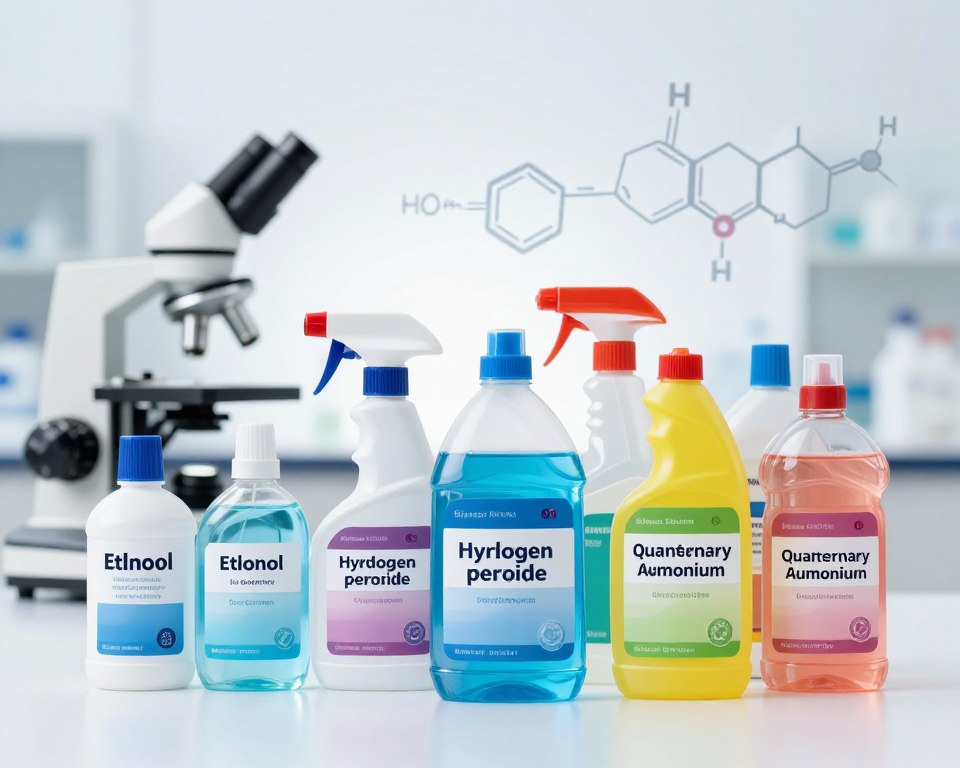
Quaternary Ammonium Compounds Explained
Quaternary ammonium compounds, or “quats,” are common in disinfectants. They break down microorganisms by disrupting their cell membranes. Quats are versatile and found in many cleaners.
They are gentle on surfaces, making them great for daily use. But, let the product sit wet for the recommended time to work best.
The Role of Hydrogen Peroxide and Alcohol
Hydrogen peroxide and alcohol are strong alternatives to synthetic chemicals. Hydrogen peroxide “burns” through pathogens’ protective layers. It’s effective but can be affected by light and heat.
Alcohol-based disinfectants, like isopropyl or ethyl alcohol, denature viruses and bacteria. They are fast-acting and evaporate quickly. Make sure the concentration is high enough to disinfect.
Bleach-Based Solutions and Their Limitations
Bleach is a strong disinfectant but has big limitations. It can damage metals and discolor fabrics or porous surfaces. It’s also unstable when mixed with other chemicals.
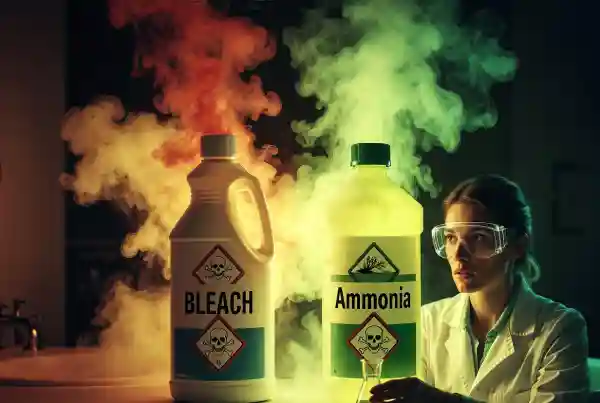
Never mix bleach with ammonia or acidic cleaners. It can create dangerous fumes. Always use bleach in well-ventilated areas and follow the label carefully.
Risks of Mixing Household Cleaning Chemicals
When you start combining disinfectants, you might create a chemistry experiment in your kitchen. It’s tempting to use many products for a deep clean. But, this often leads to dangerous results. It’s crucial to understand the chemistry of your supplies to keep your home safe.
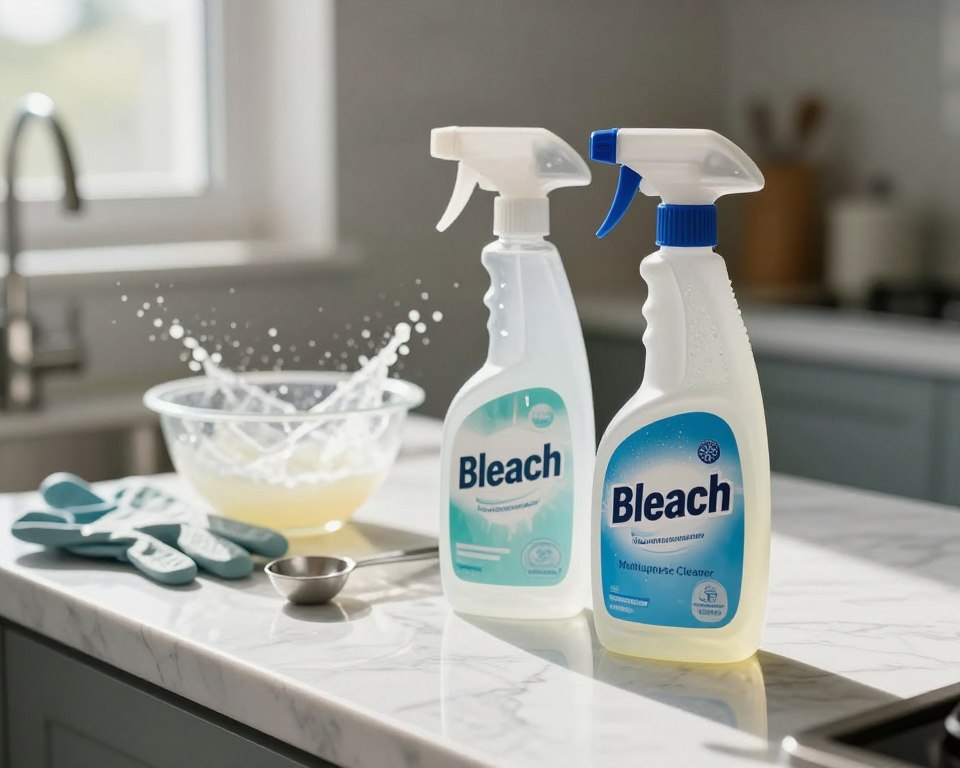
Toxic Gas Production and Inhalation Hazards
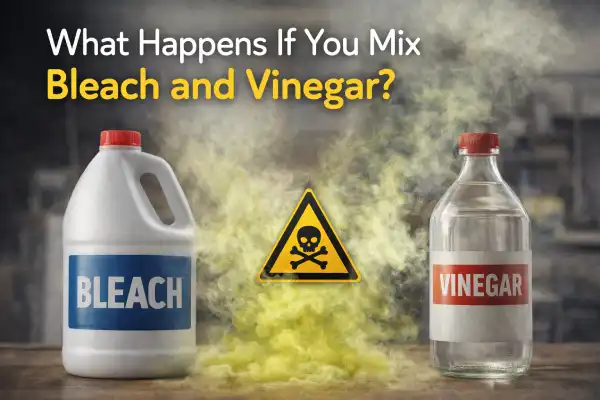
Never mix bleach with other household cleaners. This includes never combining bleach with vinegar or rubbing alcohol. These mixes can release toxic gases like chlorine gas or chloroform. These gases are harmful to breathe in.
Breathing in these fumes can cause respiratory problems, coughing, and eye irritation. In severe cases, it may need emergency medical help. Always follow the product label to keep yourself safe.
Neutralization of Active Ingredients
Mixing disinfectants can also neutralize their active ingredients. When you mix two formulas, they might react with each other instead of germs. This makes both products less effective.
Instead of a strong clean, you get a weak solution. It’s better to use one high-quality product at a time. Avoid mixing disinfectants to get the best cleaning results.
How Different Sprays Interact with Surface Materials
Knowing how your favorite sprays work with different materials is crucial for a clean home. Many people forget the importance of cleaning products compatibility when trying new brands or types. The wrong cleaner can damage your home’s look forever.
Impact on Sealed Wood and Laminates
Sealed wood and laminate are very sensitive to harsh chemicals. These materials are tough but have protective coatings that can wear off. Always test a small, hidden area before using a new spray on cabinets or floors.
Using too much cleaner can cause wood to swell or warp. Mixing different cleaners can leave a residue that attracts dirt and moisture. This can dull the finish and harm the seal.
Corrosion Risks for Stainless Steel and Metals
Stainless steel is common in kitchens but can still be damaged. Most stainless steel and nonporous stone can handle bleach, but check the labels first. Corrosion is a real risk if harsh chemicals sit on metal for too long.
Make sure to rinse the surface well between using different products. This stops the buildup of chemical films that can speed up oxidation. Keeping metal dry after cleaning helps keep it shiny and prevents damage.
Degradation of Natural Stone Surfaces
Natural stone, like granite or marble, needs special care to stay beautiful. Many disinfectants have acidic ingredients that can etch the stone over time. Using cleaning products compatible with the stone’s pH helps keep the sealant intact.
If your stone looks dull or feels rough, it might be damaged by chemicals. Avoid using abrasive scrubbers with harsh chemicals, as they can cause scratches. Always choose gentle, safe cleaners for your countertops to keep them looking and feeling great.
Best Practices for Switching Between Disinfectant Brands
It’s important to make sure your new disinfectant works well with your old one. This keeps your family and home safe. Always check how different cleaners mix before switching.
Reading Labels for Ingredient Overlap
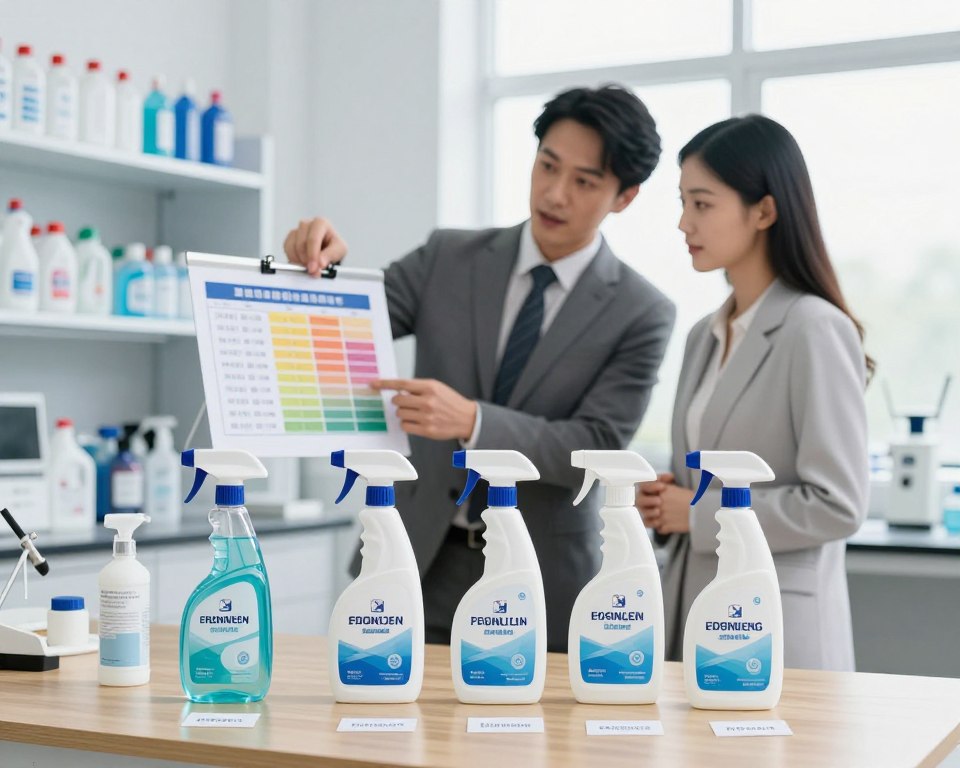
Before using a new cleaner, look at the ingredients. Many cleaners have similar chemicals but in different amounts. Knowing these similarities helps you avoid bad mixes.
If a new cleaner has different chemicals, clean the area first. This step is key to avoiding harmful chemical reactions. Always check the labels for any warnings about sensitive surfaces or materials.
The Necessity of a Neutralizing Rinse
Even with careful cleaning, tiny bits of old cleaner can stay behind. A neutralizing rinse gets rid of these leftovers. Always rinse food and toys with safe water after disinfecting.
This rinse is crucial for switching cleaners. It removes old cleaner, letting the new one work better. This is very important in places where kids or pets touch often.
| Active Ingredient | Rinse Required | Best Practice |
|---|---|---|
| Quaternary Ammonium | Yes | Wipe with damp cloth |
| Hydrogen Peroxide | Optional | Air dry completely |
| Bleach Solutions | Yes | Rinse with fresh water |
| Alcohol-Based | No | Allow to evaporate |
Identifying Residue Buildup from Multiple Products
Using multiple disinfectant sprays can leave more than just a fresh smell. Many think a surface is clean if it looks it. But, a surface can look clean and still have germs and dust trapped in a chemical film.
Visual Signs of Chemical Film
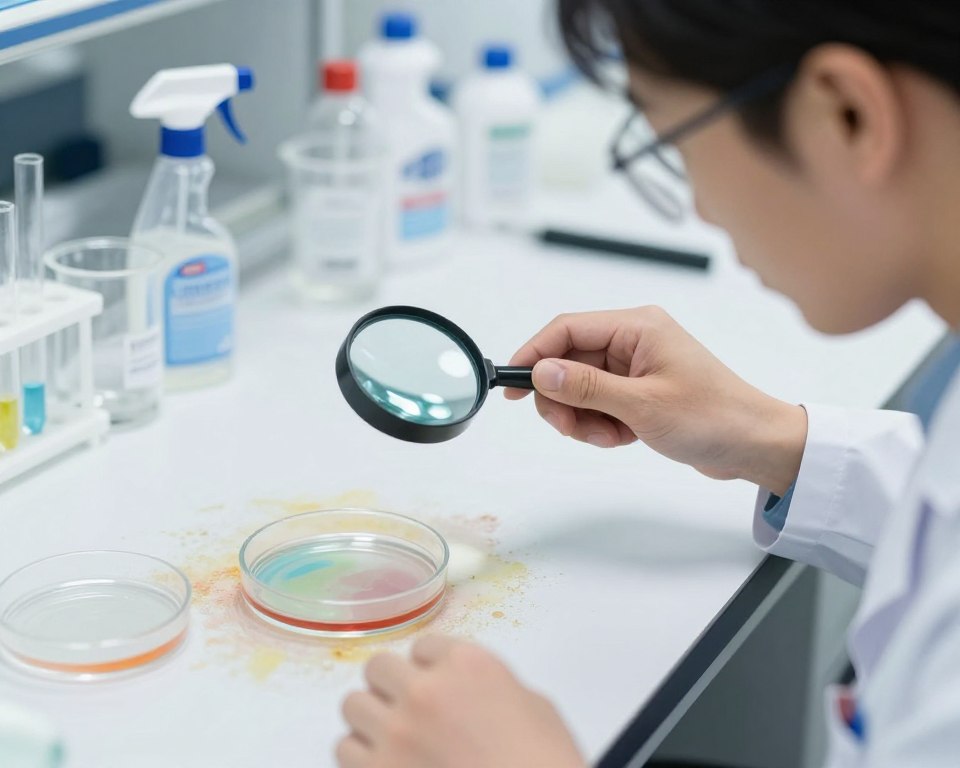
A haze or streaks on surfaces are signs of not rinsing well. If your countertops or glass tables seem dull, it means there’s chemical accumulation. This film attracts dirt, making cleaning less effective over time.
“True cleanliness is not just about the absence of visible dirt; it is about the removal of invisible chemical residues that can compromise the integrity of your surfaces.”
Tactile Indicators of Surface Stickiness
Your sense of touch can also tell you about residue. If a surface feels sticky after drying, it’s likely due to surfactants from multiple disinfectant sprays. This stickiness shows the chemicals weren’t fully rinsed away.
The table below helps you know if a surface is really clean or needs more rinsing.
| Surface Condition | Visual Appearance | Tactile Feel | Sanitation Status |
|---|---|---|---|
| Properly Cleaned | Clear, streak-free | Smooth, natural | High |
| Residue Buildup | Cloudy, dull haze | Tacky, sticky | Low |
| Chemically Damaged | Discolored, etched | Rough, pitted | Compromised |
By noticing these small changes, you can keep your home safe. Consistency in rinsing is key to avoiding these problems. Just a few extra seconds to wipe down surfaces with water can greatly improve hygiene.
The Importance of Proper Rinsing Between Applications
To keep your home healthy, it’s key to know how to clean surfaces right. Many cleaning products leave behind films that attract dust or cause irritation. Making sure to disinfect safely means removing all harsh chemicals from where you eat and relax.
Techniques for Effective Surface Neutralization
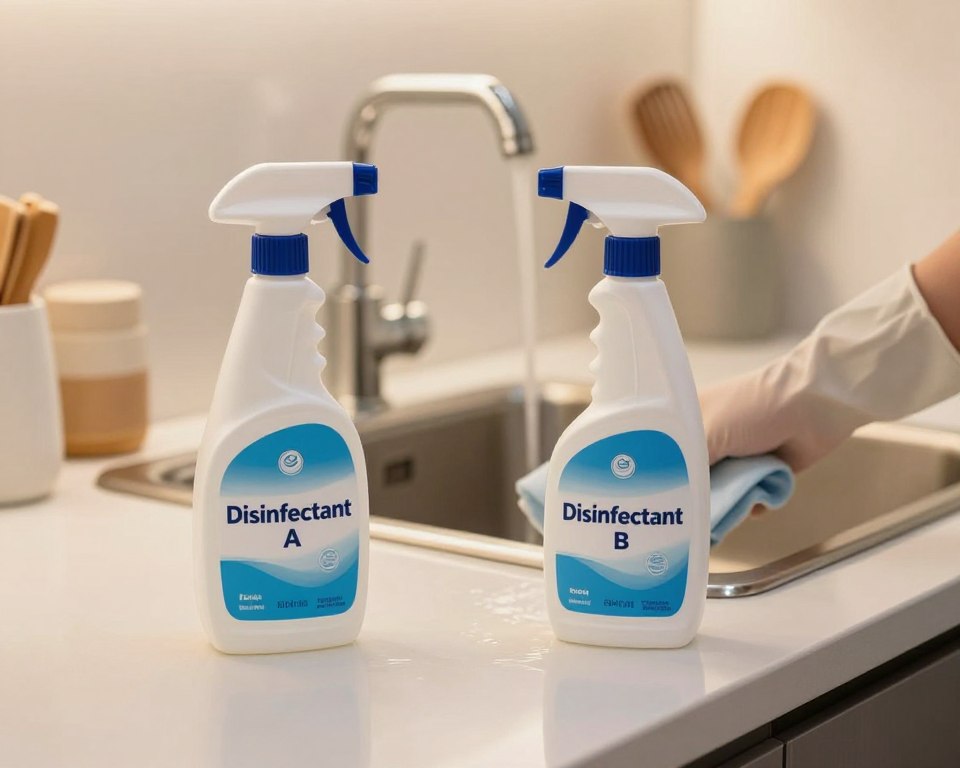
Neutralizing a surface is easy and stops chemical buildup. Even if a product doesn’t say to rinse, it’s wise to do so if you see streaks or a sticky film. A clean, damp cloth can remove leftover chemicals that might mess with future cleaners.
Here’s how to rinse well:
- First, wipe the surface with a damp cloth to remove most of the product.
- Then, rinse your cloth well under warm water to get rid of trapped chemicals.
- Finish with a final wipe using the clean, damp cloth to make sure the surface is clean.
Choosing the Right Tools for Rinsing
Choosing the right tools is crucial for disinfectant safety at home. You don’t need fancy gear to clean your counters or tables well. The right tools help remove chemicals, not just move them around.
Here are some good options for daily cleaning:
- Microfiber cloths: Great for catching residue without leaving lint.
- Clean cotton dish towels: A green choice that dries well.
- High-quality paper towels: Good for quick, one-time jobs to avoid spreading germs.
Using these tools regularly keeps your surfaces safe and your home clean. Remember, disinfectant safety is ongoing. It needs your careful attention at every cleaning step.
Evaluating Surface Porosity and Chemical Absorption
Cleaning your home well depends on how surfaces react with disinfectants. Cleaning loosens and suspends dirt and germs. But, the material under the surface greatly affects the outcome. When you do surface disinfection, the surface’s texture and density decide how much liquid is absorbed versus what stays on top.
Why Porous Surfaces Retain Chemicals Longer
Porous materials like unsealed wood, natural stone, and some fabrics absorb cleaning agents like sponges. This can lead to trapped chemical residues long after the surface looks dry. These chemicals can damage the material over time.
“Effective cleaning requires an understanding of the substrate, as the chemical’s interaction with the surface is just as important as its ability to kill pathogens.”
Because these surfaces absorb liquids, avoid over-saturation. Too much product on a porous item can leave a sticky film that attracts dirt. Always wipe away excess moisture to keep the surface disinfection safe and effective.
Managing Disinfection on High-Traffic Surfaces
High-traffic areas, like kitchen counters and doorknobs, need a careful approach to stay clean. These spots get germs fast, so they need frequent cleaning. But, using harsh chemicals too often can damage finishes if you don’t pick the right product.
For these busy spots, choose products that dry quickly or need little rinsing. Balancing cleaning frequency with material durability protects your home’s surfaces and keeps them clean. Regular surface disinfection in these areas stops bacteria spread.
| Surface Type | Porosity Level | Absorption Risk | Cleaning Tip |
|---|---|---|---|
| Stainless Steel | Non-porous | Low | Wipe dry quickly |
| Granite | Semi-porous | Moderate | Use pH-neutral spray |
| Unfinished Wood | Highly porous | High | Avoid heavy soaking |
| Laminate | Non-porous | Low | Use mild detergent |
Safety Protocols for Handling Multiple Cleaning Agents
When using multiple disinfectant sprays, safety comes first. Cleaning your home keeps it healthy. But, mixing different chemicals needs care. Follow safety rules to keep your cleaning safe for everyone.
Personal Protective Equipment Requirements
Start by wearing the right gear to avoid irritation. Chemical-resistant gloves are key when handling cleaning solutions. Safety goggles are good for spraying in tight spots.
Wear long sleeves or an apron to protect your skin. These small steps greatly lower the risk of exposure. Your health is the top priority in cleaning.
Ventilation Strategies for Indoor Cleaning
Good airflow is crucial indoors. Always open windows and doors for a breeze. If it’s not possible, use fans to move air.
Good ventilation is essential when using multiple disinfectant sprays. The CDC also suggests washing hands to slow germ spread. Thorough hand hygiene after cleaning is key to protecting your health.
When to Use Specialized Versus General Purpose Sprays
Knowing when to use a multipurpose spray versus a specialized disinfectant is important. Many think every surface needs a strong antimicrobial treatment. But, multipurpose sprays are great for daily tasks like cleaning countertops from dirt and food.
Choosing the right tool for the job is key for surface disinfection. Use specialized products only when needed to avoid damaging surfaces. This way, your home stays clean and safe.
Matching the Product to the Pathogen
Not all cleaning jobs need the same strength. For common spills, a multipurpose cleaner works well. It removes dirt and grime without harsh chemicals found in hospital-grade disinfectants.
But, for specific pathogens like during illness, you need a specialized disinfectant. These products kill viruses and bacteria that regular soap can’t. Always check the label to make sure it works against the germs you want to kill.
“The goal of a clean home is not to sterilize every square inch, but to manage the environment in a way that supports health without creating chemical hazards.”
Avoiding Over-Disinfection of Low-Risk Areas
Over-disinfecting can harm your furniture and fixtures. Using strong chemicals on low-risk areas can cause residue buildup and discoloration. Focus on high-touch points like light switches and door handles instead.
By using harsh agents less, you reduce chemical exposure and protect your home’s finishes. A smart cleaning routine balances safety and efficiency. Here’s a guide to help you choose the right product for your next cleaning task.
| Cleaning Scenario | Recommended Product | Primary Goal |
|---|---|---|
| Daily Countertop Wipe | Multipurpose Spray | Remove Food/Dirt |
| Bathroom Sink/Faucet | Specialized Disinfectant | Kill Pathogens |
| Dusting Shelves | Mild Soap/Water | Remove Allergens |
| High-Touch Door Knobs | Specialized Disinfectant | Prevent Germ Spread |
Long Term Effects of Chemical Layering on Surfaces
It’s key to know how your cleaning habits affect your home’s look and life. Switching cleaning products often can lead to problems if they don’t mix well. This can change how your home looks and lasts over time.
Discoloration and Finish Erosion
Using different chemicals can remove protective layers, making surfaces dull or yellow. This is called finish erosion. It happens when one product reacts badly with another. If you’re worried about breathing in these fumes, check out is disinfectant spray toxic to breathe for safety tips.
To avoid ugly stains, make sure your cleaning products work well together. If a finish is damaged, the material under it can get wet and absorb chemicals. This can be hard to fix without professional help.
Micro-Cracking and Structural Integrity
Aggressive cleaning can also cause tiny cracks in materials like laminate, stone, and sealed wood. These cracks let moisture and germs get in, weakening the surface. Also, homemade cleaners like bleach and water lose their power fast, within 24 hours.
Using old or mixed-up cleaners can cause bad reactions. Being careful with cleaning products compatibility helps keep your home safe from damage. Here’s a table showing how different chemicals can harm common household items over time.
| Surface Type | Common Risk | Long-Term Effect |
|---|---|---|
| Sealed Wood | Finish Stripping | Surface Dullness |
| Natural Stone | Acidic Etching | Micro-Cracking |
| Stainless Steel | Corrosion | Pitting/Discoloration |
| Laminate | Chemical Buildup | Sticky Residue |
Troubleshooting Surface Damage from Improper Mixing
Many homeowners face the problem of surface discoloration. This often happens when they mix disinfectants without knowing the risks. It can be quite frustrating to see a clean countertop or sink become dull because of a cleaning mistake.
Restoration Methods for Chemical Stains
The first thing to do is stop using the products that caused the damage. Rinse the area well with water to remove any leftover residue. For surfaces like countertops, sinks, or tile, use cleaners like Clorox Clean-Up Cleaner + Bleach for regular cleaning. But never mix them with other products.
If the stain is light, try a mild soap and water solution. Avoid using abrasive scrubbers to prevent making the damage worse. If the surface still looks dull, you might need a special polish to get it shiny again.
When to Consult Professional Cleaning Services
Deeper damage, like pitting, cracks, or permanent stains, may need professional help. DIY fixes have their limits, and trying to fix these yourself could make things worse.
Professional cleaners have tools and chemicals that you can’t buy. They can tell if a surface can be fixed or if it needs refinishing. Knowing when to ask for help keeps your home safe and your surfaces looking good after the dangers of combining disinfectants are handled.
Developing a Consistent Disinfection Routine
Keeping your home clean regularly helps avoid the dangers of mixing disinfectants. A set cleaning schedule lowers the chance of accidental chemical exposure. Simplifying your cleaning arsenal makes your home healthier and safer.
Creating a Standardized Cleaning Schedule
First, decide which parts of your home need daily, weekly, or monthly cleaning. A written schedule stops you from mixing too many chemicals at once. This way, you have time to dry surfaces between cleaning steps.
Sticking to a routine helps you remember which products you use where. If you’re tempted to mix cleaners, remember that mixing two cleaning sprays is dangerous. Keeping a log or checklist keeps you organized and safe.
Selecting a Single Product for Routine Maintenance
Choosing one reliable disinfectant for daily use reduces risks. Using one product avoids confusion and improper mixing. Always follow the instructions on the bottle precisely to stay safe and effective.
One product makes storage and management simpler. You won’t have to worry about compatibility on surfaces. Peace of mind comes from knowing your spray bottle’s contents and how they interact with your home.
Conclusion
Creating a healthy home is more than just using any cleaner you find. It’s about reading labels, knowing your limits with chemicals, and keeping your family safe.
Learn more about disinfectant safety and how certain ingredients affect your space. Simple steps like using fans or picking fragrance-free cleaners can greatly improve your air quality.
Instead of using lots of different cleaners, stick to one good one. This way, you avoid mixing things that shouldn’t be mixed. It helps protect your surfaces and keeps your family safe from harmful chemicals.
By being smart about cleaning, you make your home a healthier place for everyone. Remember these tips to keep your home clean and your family healthy.
Is it safe to use two different brands of disinfectant on the same counter?
Generally, it is safe if you rinse the surface with potable water between applications. But, using multiple disinfectant sprays at once is discouraged, as it can lead to residue buildup or neutralized active ingredients.
What is “dwell time” and why does it matter for disinfectant safety?
Dwell time, or contact time, is the amount of time a disinfectant must remain wet on a surface to kill specific pathogens. For brands like Clorox or Lysol, this can range from 30 seconds to 10 minutes. If you wipe it off too soon, the surface isn’t truly disinfected.
Can I mix bleach and vinegar for a stronger cleaner?
Absolutely not. Mixing bleach and vinegar creates toxic chlorine gas, which is an extreme household hazard. It can cause coughing, breathing problems, and irritation to the eyes and nose.
Why does my countertop feel sticky after using different cleaning products?
Stickiness is a sign of chemical film and residue buildup. This happens when products are layered without being rinsed off. This tacky layer can actually trap dirt and bacteria, making the surface less hygienic.
How can I safely switch from one disinfectant brand to another?
To ensure cleaning products compatibility, wipe the surface down with a damp cloth and water to remove any lingering chemicals from the previous brand before applying the new one. This neutralizing rinse prevents unintended chemical reactions.
Can multiple disinfectant sprays damage my stainless steel appliances?
Yes, certain chemicals, like bleach-based ones, can cause corrosion and pitting on stainless steel. It’s best to use a product made for metals or a gentle, single-product disinfectant followed by a rinse.
Are homemade cleaners safer to mix than store-bought ones?
Not necessarily. Even “natural” ingredients can be dangerous. For example, mixing hydrogen peroxide and vinegar in the same container creates peracetic acid, which can be highly irritating to the skin, eyes, and respiratory system.
Does using more spray kill germs faster?
No. Using more product does not speed up the process. The dwell time remains the same regardless of how much liquid is on the surface. Focus on even coverage rather than excessive volume to ensure surface disinfection is effective.