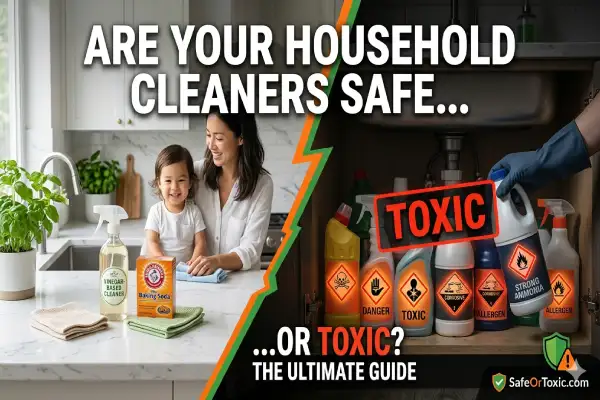
Did you know a single square inch of your kitchen counter can have over 10 million bacteria? We often see dirt but ignore the tiny germs like viruses and fungi. Keeping your home clean means more than just wiping surfaces; it’s about knowing proper sanitation habits.
Many think a clean-looking counter is safe. But, effective hygiene means killing germs without leaving harmful chemicals. Just like we worry about dishwasher pod residue on dishes, we must think about what’s left on counters after cleaning. Using disinfectant spray correctly is key to a healthy home, but whether to rinse surfaces is still debated.
Key Takeaways
- Germs are categorized into four main types: bacteria, viruses, fungi, and protozoa.
- Visual cleanliness does not always equate to a properly disinfected environment.
- Chemical residues from cleaning products can pose health risks if left on food-prep areas.
- Understanding label instructions is vital for safe and effective home sanitation.
- Balancing germ elimination with chemical safety is essential for a healthy household.
Understanding the Chemistry of Disinfectant Sprays
To master surface disinfection best practices, we need to understand the chemistry of our sprays. Many use these products daily without knowing the molecular battle happening on their countertops. Knowing the science helps you choose the right products for your home.
Active Ingredients and Their Functions
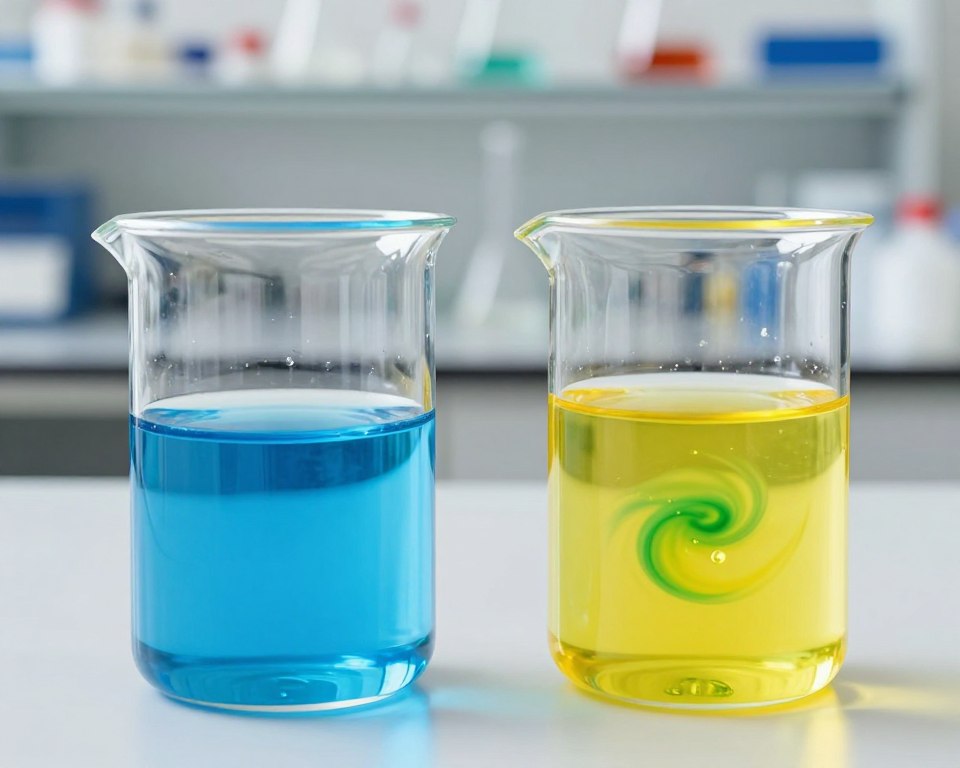
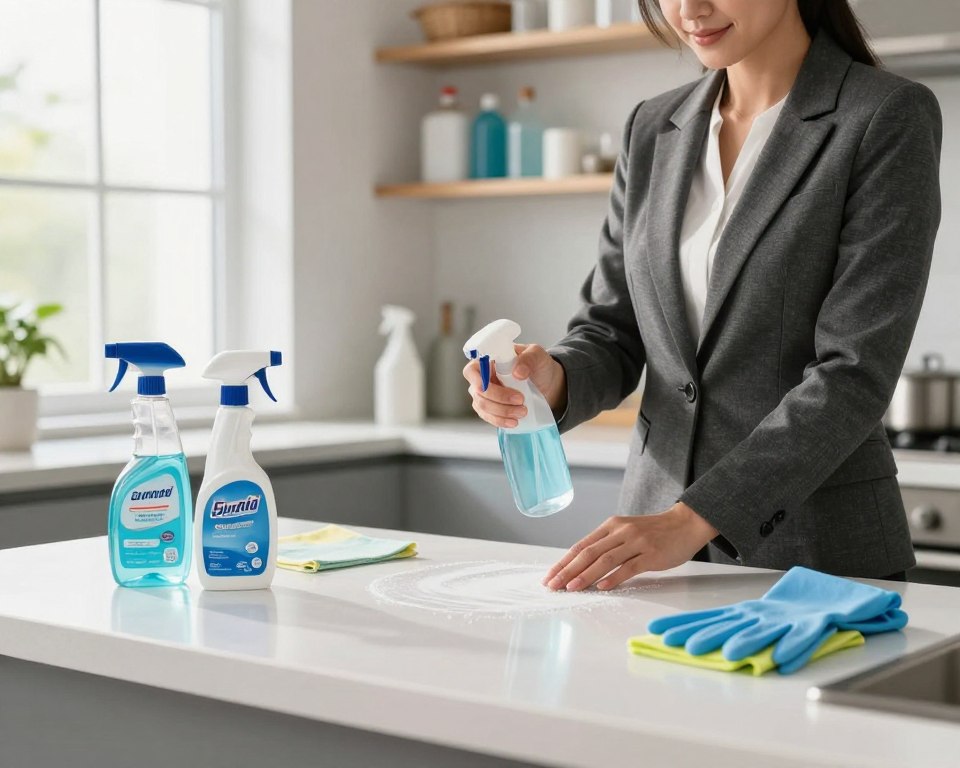
Every effective spray has antimicrobial substances at its core. These chemicals are made to chemically neutralize germs by attacking their structure. Most household disinfectants work by breaking the protective membranes of bacteria and viruses.
When the membrane breaks, the pathogen’s internal parts leak out, killing it. Common ingredients include quaternary ammonium compounds, hydrogen peroxide, and alcohol. Each works differently but aims to destroy harmful microorganisms on contact.
How Disinfectants Interact with Surfaces
The interaction between a disinfectant and a surface is crucial. When you spray, the liquid must cover the surface evenly for full coverage. This ensures the active ingredients reach the hidden germs in grime or biofilm.
Consistency is key when applying these products. This ensures they cover every part of high-touch areas. Porous surfaces absorb the chemical, while non-porous surfaces keep it on top. Knowing this helps keep your family safer by making every application effective.
The Science Behind Dwell Time and Effectiveness
Cleaning your home well is more than just a quick spray and wipe. Many people think that antimicrobial products work right away. But, disinfectant spray effectiveness really depends on something called dwell time.
Why Wet Surfaces Matter for Pathogen Elimination
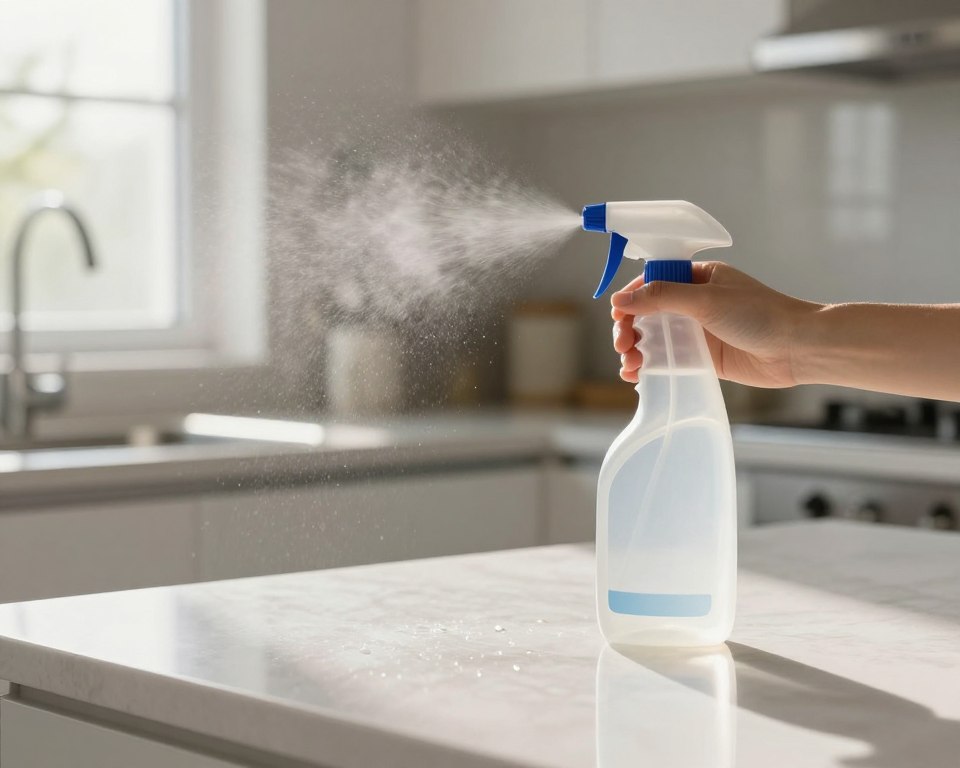
Dwell time is how long a product needs to stay wet on a surface to kill germs. Most cleaners need a few minutes to work fully. If the liquid dries too soon, germs might not get killed.
Using a quaternary ammonium disinfectant means keeping the area wet for the time the maker says. This is usually about ten minutes. Keeping it wet lets the ingredients get into the germs’ cells.
The Risks of Wiping Too Soon
Wiping a surface right after applying is a big mistake. It makes disinfectant spray effectiveness much lower. When you wipe too soon, you stop the cleaning process. This leaves germs behind, making you think your home is clean when it’s not.
To avoid this, always follow these simple steps:
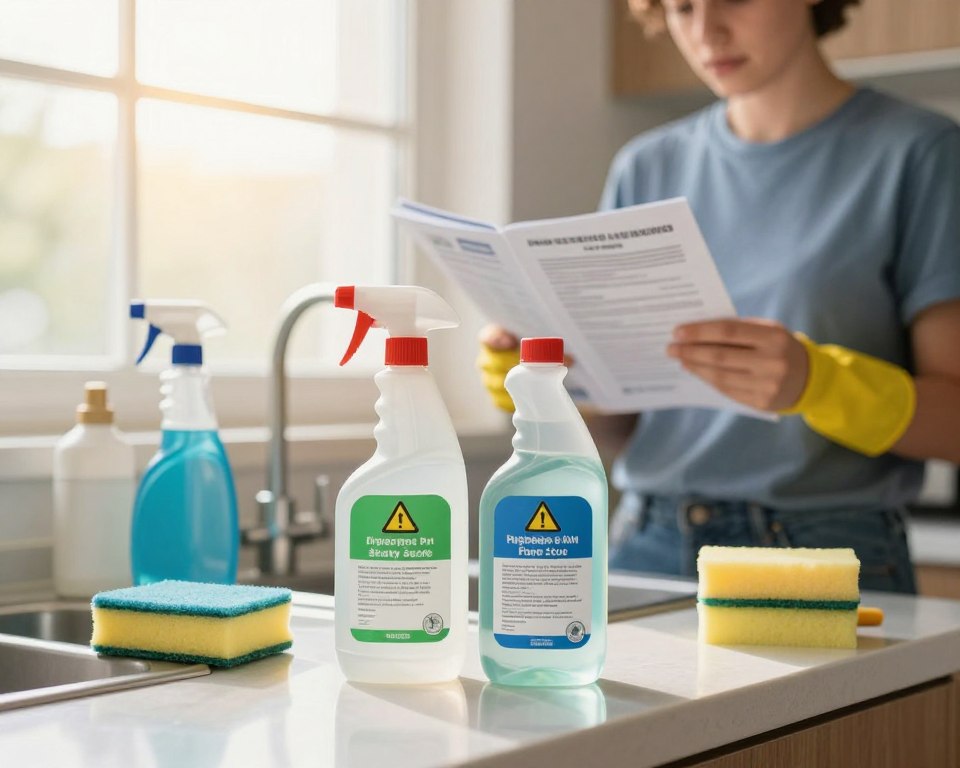
- Read the label: Check the back of your bottle for the required contact time.
- Apply generously: Make sure the surface is fully covered so it doesn’t dry out fast.
- Wait patiently: Use a timer if you need to keep the product wet for the full time.
Consistency is key for a healthy home. By following the dwell time, you make sure your home is really clean, not just wiped.
Should You Rinse Surfaces After Using Disinfectant Spray?
Many homeowners wonder: Should You Rinse Surfaces After Using Disinfectant Spray? The answer depends on the surface’s use and the product’s chemical makeup. Some sprays evaporate fully, while others leave active ingredients. These can be unsafe for food or skin contact.
When Rinsing Is Mandatory for Safety
When using household chemicals, safety comes first. If a surface touches food or is handled by kids, a potable water rinse is needed after the recommended time.
“Always read the manufacturer’s label carefully, as it provides the most accurate instructions for your specific product and surface type.”
To ensure your home is safe, follow these rinsing guidelines:
- Kitchen Countertops: Rinse with clean water after disinfecting to avoid chemical ingestion.
- Children’s Toys: Plastic or hard-surface toys should be rinsed thoroughly to protect sensitive skin.
- Cutting Boards: These items require a food-safe rinse to avoid transferring residue to your meals.
Identifying Surfaces That Require a Post-Disinfection Wipe
Managing disinfectant residue removal is crucial for your furniture and fixtures. Residue can cause streaks, sticky buildup, or damage to finishes over time.
If you see a cloudy film or a tacky texture after drying, it’s time for a wipe. A clean, damp microfiber cloth is enough to remove excess chemicals. Consistency is key to avoid long-term chemical buildup in your home.
Potential Health Risks of Chemical Residue
It’s important to know how cleaning products can affect your health. These products are meant to kill germs but can still be harmful if left on surfaces. Making sure to remove disinfectant residue helps keep your home safe from chemicals.
Dermal Exposure and Skin Irritation
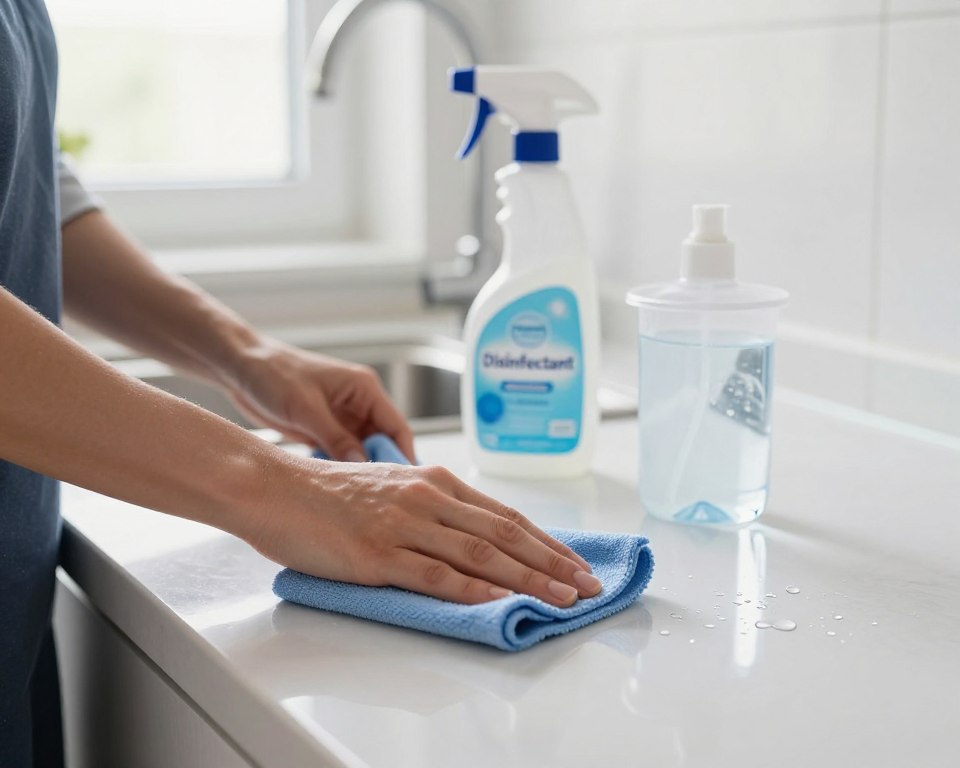
Many disinfectants have harsh chemicals that can irritate your skin. Touching surfaces that haven’t been cleaned well can cause redness, itching, or even skin rashes. This is more likely if you have sensitive skin or don’t wear gloves when cleaning.
To avoid these problems, always read and follow the product label. If it says to rinse, do it. Proper disinfectant residue removal protects your skin and keeps your family comfortable.
Inhalation Concerns in Poorly Ventilated Areas
Using strong sprays in small spaces can also affect the air quality in your home. Chemical fumes can build up and cause breathing problems, coughing, or headaches. This is a risk for everyone in your household.
Always open windows or use exhaust fans while cleaning. This lets fresh air in and reduces the chance of breathing in harmful vapors. Remember, disinfectant residue removal is not just about cleaning surfaces. It’s also about keeping the air you breathe clean and safe every day.
Food Contact Surfaces and Disinfection Protocols
Keeping your family safe from harmful chemicals starts with knowing how to clean food-contact surfaces. When using strong cleaners, it’s crucial to follow strict surface sanitization guidelines to avoid any harmful residue. It’s essential to know the difference between general cleaning and the special needs of kitchen areas.
Guidelines for Kitchen Countertops and Cutting Boards
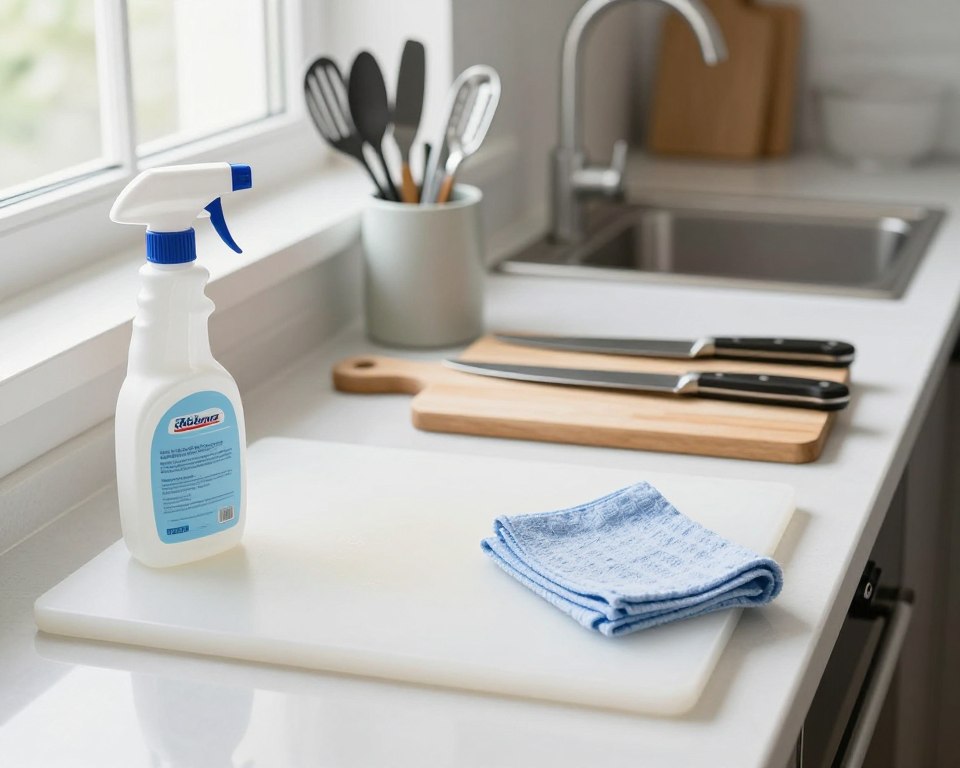
Kitchen countertops and cutting boards are high-risk for cross-contamination. Always check if your cleaner is safe for food by looking at cutting board sanitizer spray safety guidelines. If it’s not labeled as food-safe, rinse the surface well with clean water after the recommended time.
To keep your kitchen clean and safe, check out the best practices for food safety. Always clean with soap and water first, then use a chemical disinfectant. This two-step method removes dirt that could hide bacteria from the sanitizer.
Safe Practices for High-Chair Trays and Dining Tables
Infants and young children are very sensitive to chemicals on high-chair trays. Since they often touch these surfaces and then put their hands in their mouths, extra care is needed. Make sure to rinse any chemical off thoroughly after application.
Dining tables also need careful cleaning, if you eat directly off them. Wipe them clean with a damp cloth after disinfecting to avoid accidental ingestion of cleaning agents during meals.
| Surface Type | Cleaning Priority | Rinsing Required |
|---|---|---|
| Cutting Boards | High | Always |
| High-Chair Trays | Critical | Always |
| Dining Tables | Moderate | Recommended |
| Countertops | High | If Chemical Used |
Protecting Pets and Children from Residual Chemicals
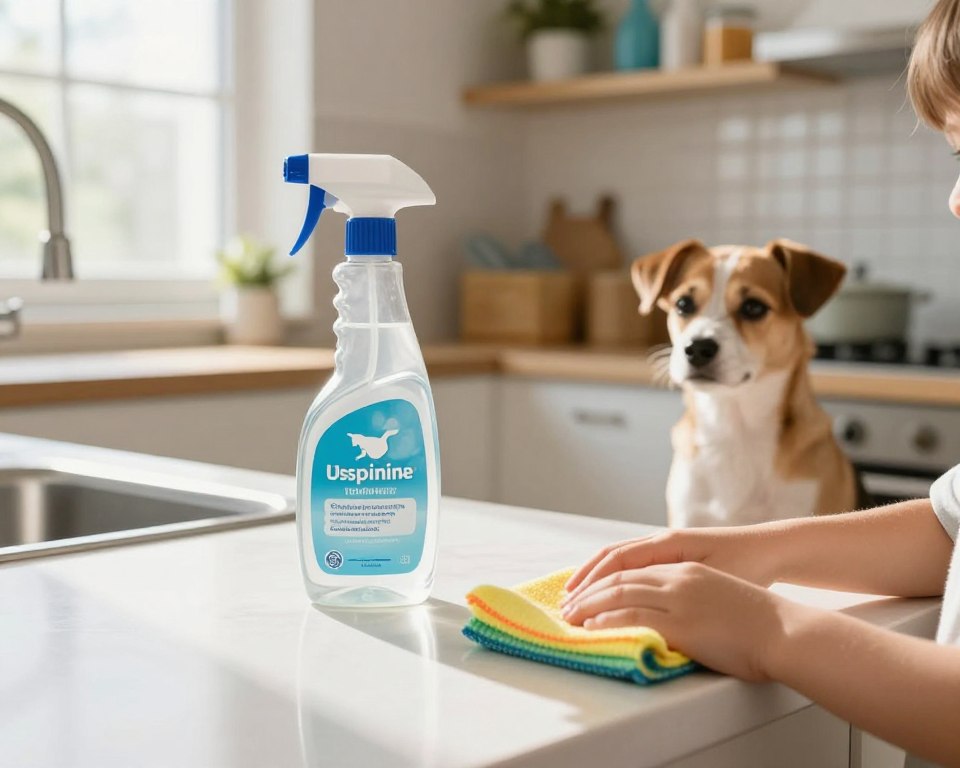
If you live with babies or pets, you need to clean safely. They touch surfaces a lot, so they’re at risk from chemicals. Using disinfectant application tips helps keep your home clean and safe.
Why Floor Disinfection Requires Extra Caution
Floors are huge in your home and get cleaned a lot. Babies crawl and pets lick their paws, so they can get chemicals easily. It’s important to keep floors clean without harming them.
Many cleaning products kill germs fast but can leave harmful films. When you use these on floors, it’s risky for kids playing. Always check the toxicity levels of your cleaning products.
Minimizing Exposure for Crawling Infants and Pets
To keep your loved ones safe, clean differently. Rinse the floor with water after cleaning. This removes most of the chemical film.
Make sure kids and pets stay out until the floor is completely dry. Good ventilation helps too. By doing this, you make a safe, clean space for your family.
Surface Material Compatibility and Damage Prevention
Keeping your furniture and fixtures safe is as important as keeping your home germ-free. The wrong cleaning chemicals can damage surfaces. Using the right disinfectant application tips helps keep your home clean and beautiful for years.
Corrosion Risks on Metal Surfaces
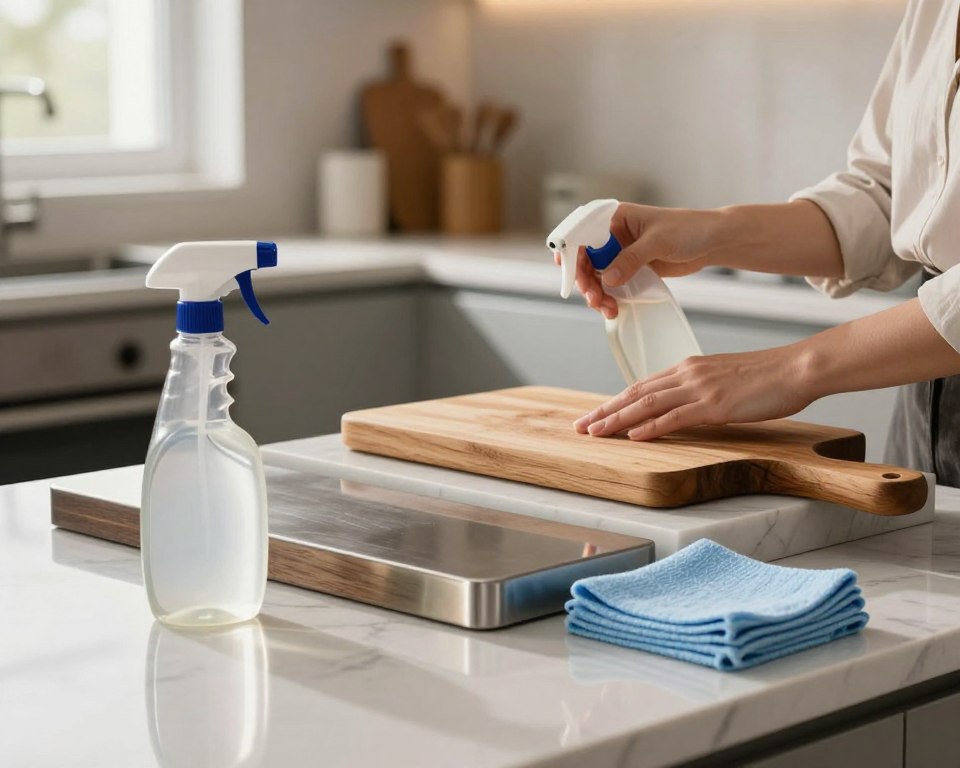
Many cleaning products have harsh chemicals that can harm metal. Surfaces like stainless steel, brass, and chrome can get damaged if not cleaned right. Always wipe metal surfaces with a damp cloth after cleaning to avoid corrosive reactions.
It’s good to know if your Lysol spray is toxic to breathe or if it might damage your fixtures. Always follow the manufacturer’s instructions for your appliances. The right disinfectant application tips prevent damage to polished metal.
Preventing Discoloration on Natural Stone and Wood
Natural stone like granite and marble can soak up chemicals, causing damage. Wood can also lose its shine or get spots from strong cleaners.
Always test a small area before using a new product. This way, you can protect your home’s finishes. Consistency and caution are key to keeping your home safe and clean.
Proper Disinfection Techniques for Maximum Efficacy
To really clean your home, you can’t just spray and go. Many think a quick spray kills germs, but proper disinfection techniques need care and time. Using these methods right keeps your home healthy for your family.
Step-by-Step Application Methods
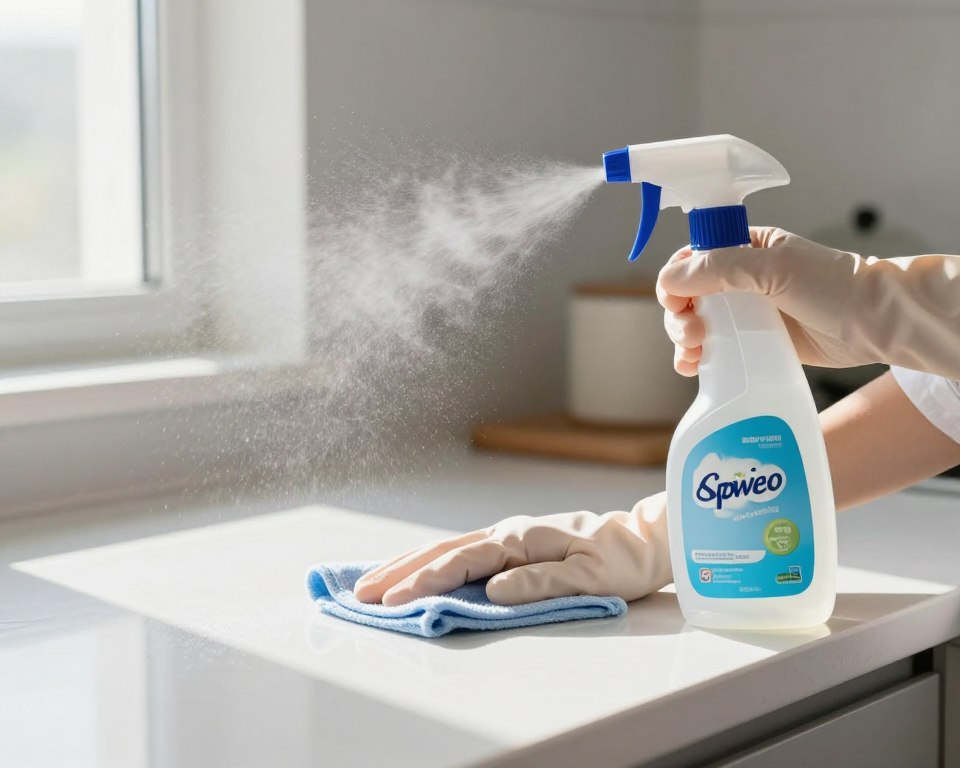
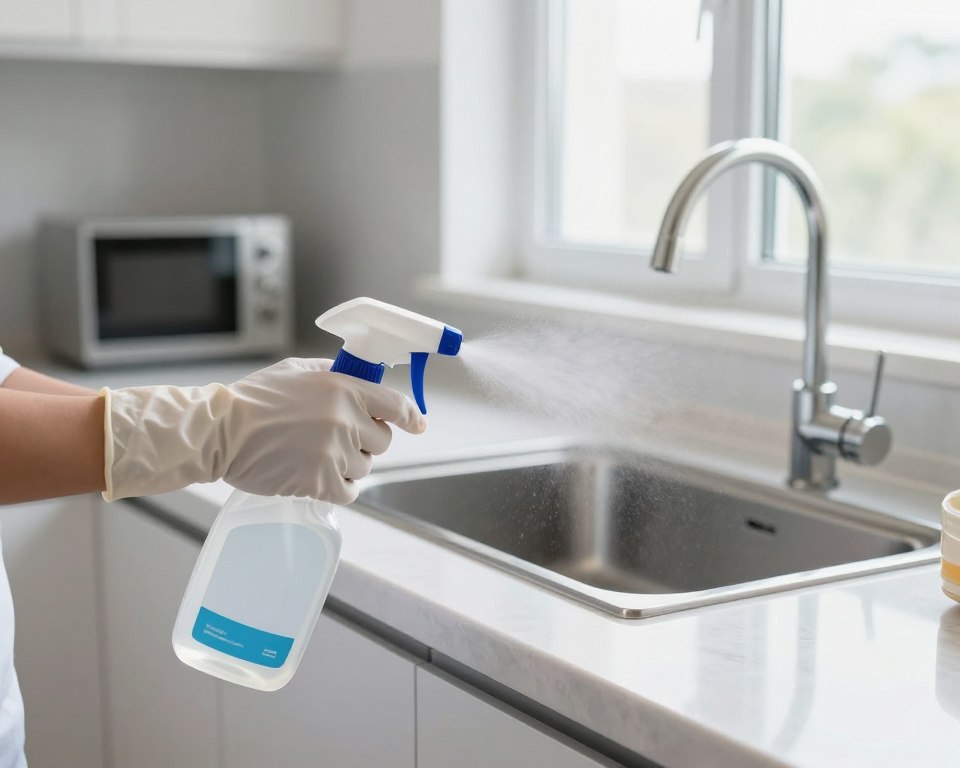
Begin by holding the spray bottle six to eight inches from the surface. Spray evenly until it’s wet. Let the surface stay wet for the time on the product label, called dwell time.
If it dries too fast, the chemicals can’t kill germs. Also, think about air quality. Learn if disinfectant spray is toxic to breathe before starting. Make sure the room is well-ventilated.
The Importance of Pre-Cleaning Before Disinfecting
Don’t skip the cleaning step first. You can’t disinfect a dirty surface. Dirt, grease, and dust block the disinfectant from reaching germs.
Cleaning first is key to surface disinfection best practices. It prepares the surface for disinfectant to work well. Without cleaning, your disinfecting efforts are for nothing.
| Action | Primary Goal | Frequency |
|---|---|---|
| Mechanical Cleaning | Remove visible dirt/soil | Daily |
| Disinfecting | Kill harmful pathogens | As needed |
| Rinsing | Remove chemical residue | For food surfaces |
Common Mistakes When Using Disinfectant Sprays
It’s surprising how simple mistakes can ruin your efforts to keep a clean home. Making sure you use disinfectant spray correctly is key for your surfaces and family’s safety. By avoiding common mistakes, your cleaning can be more effective.
Over-Saturating Surfaces
Applying too much liquid to surfaces is a common error. It might seem like more product means cleaner surfaces, but over-saturation causes streaks and sticky residue. This residue can attract more dust over time.
Too much liquid can also damage wood finishes or harm electronic parts. Always use a light, even mist. This way, you avoid creating puddles.
Mixing Different Cleaning Agents
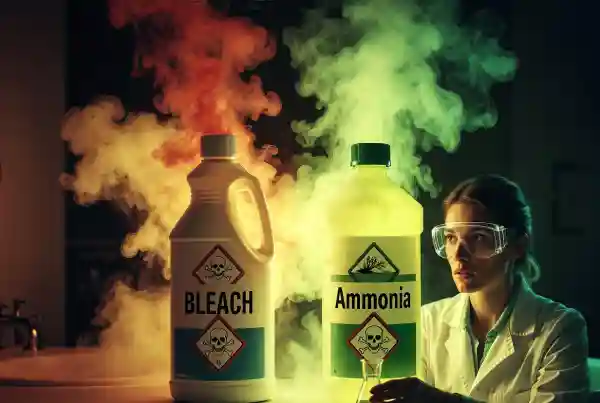
Mixing different household cleaners is a big mistake. Many think mixing products makes a “super cleaner,” but it’s very dangerous.
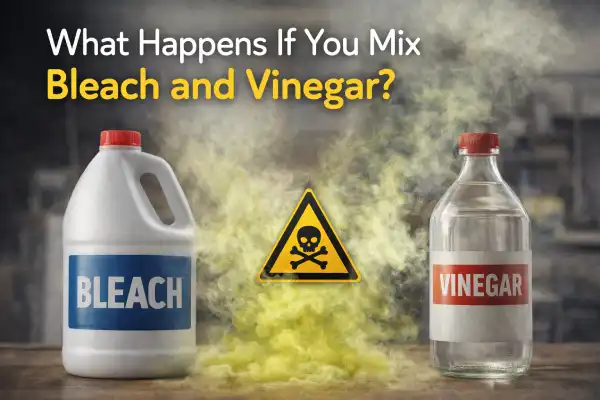
For example, never mix bleach with vinegar or rubbing alcohol. This mix can release toxic fumes that are bad to breathe. Knowing the dangers of mixing two cleaning sprays is crucial. Always use one product at a time and make sure your area is well-ventilated.
Choosing the Right Disinfectant for Your Home
Walking through the cleaning supply aisles can be overwhelming. There are so many products out there. It’s important to find one that is safe and effective at killing germs.
EPA-Registered Products Explained
An EPA registration number on a bottle means the product has been tested. The Environmental Protection Agency checks these products. They make sure they work against certain germs.
Using EPA-registered products gives you peace of mind. You know they’ve been tested. Always look for the registration number on the label to make sure they meet standards.
Natural Alternatives vs. Chemical Disinfectants
Some people wonder if natural cleaners are as good as chemical sprays. Natural cleaners like vinegar or essential oils are good for general cleaning. But they might not kill all viruses and bacteria.
Chemical disinfectants are made to kill germs by breaking down their cells or proteins. If you want something that really works, chemical sprays are often better for high-risk areas.
The table below shows the main differences between EPA-registered products and natural cleaners. This can help you decide what’s best for your home.
| Feature | EPA-Registered Chemical | Natural Alternatives |
|---|---|---|
| Pathogen Elimination | High (Broad-spectrum) | Low (Limited range) |
| Regulatory Status | Strictly Regulated | Generally Unregulated |
| Safety Profile | Requires Careful Handling | Usually Mild/Non-toxic |
| Best Use Case | High-touch surfaces | Light dusting/polishing |
The right choice depends on what you want for your home. You might use a strong chemical spray in the bathroom and kitchen. But choose natural cleaners for areas that don’t get as much use. This way, you keep your home clean without using too many chemicals.
Environmental Impact of Disinfectant Runoff
Cleaning your home shouldn’t harm the planet. Cleaning agents often flow into our water systems through drains. By using disinfectant application tips wisely, you can reduce harm to the environment and keep your home clean.
Safe Disposal of Cleaning Cloths and Wipes
Many people flush disposable wipes down the toilet, causing plumbing problems and harming the environment. Instead, throw used wipes in the trash. If you use reusable cloths, rinse them well before washing to avoid water pollution.
Some products leave residues that are harmful. Learn how to manage these by reading about whether your disinfectants leave chemicals behind. Proper disposal helps prevent pollution of our water systems.
Reducing Chemical Load in Household Wastewater
Minimize harsh substances in the sewer by cleaning carefully. Avoid over-spraying, as excess liquid is washed down the drain. Using targeted cleaning methods saves product and keeps surfaces clean.
Here are simple ways to make your home greener:
- Measure your product: Use only what’s needed to avoid waste.
- Spot clean: Clean high-touch areas instead of whole rooms.
- Choose eco-friendly: Pick products that are safe for the environment.
By adopting these disinfectant application tips, you help the planet. Small changes in your daily routine can make a big difference in protecting our water for the future.
Best Practices for High-Touch Areas
Keeping your family healthy starts with focusing on the areas you touch most often. These surfaces are hotspots for bacteria and viruses. By using proper disinfection techniques, you can stop pathogens before they spread.
Managing Doorknobs and Light Switches
Doorknobs and light switches are touched many times a day but often ignored. To clean them safely, spray disinfectant on a microfiber cloth, not directly on the hardware. This stops liquid from getting into the switch or lock.
Consistency is key for these small but important surfaces. Clean the whole area well and let the disinfectant sit as directed. Using proper disinfection techniques kills germs without harming your fixtures.
Sanitizing Electronics and Remote Controls
Electronics like remote controls and tablets need care to avoid damage. Always check the maker’s guidelines before using liquid on them. A soft, lint-free cloth with a bit of alcohol is usually safe.
Don’t spray liquid on screens or into keyboard crevices, as it can harm them. Gently wipe the outside to remove oils and dirt. These proper disinfection techniques keep your gadgets clean and working well.
When to Use Soap and Water Instead of Disinfectants
Soap and water can be more effective than harsh chemicals for everyday cleaning. Many think they need strong antimicrobial products on every surface. But, following surface sanitization guidelines can keep your home safe without too many chemicals.
The Role of Mechanical Cleaning
Mechanical cleaning means physically removing dirt and germs. Using soap and water lifts contaminants off surfaces, making them easy to rinse away. This method is often enough to keep surfaces clean for daily use.
Soap works right away to break down dirt and grime. It’s a gentle yet powerful way to keep your home clean. If you’re worried about your cleaning products, learn why some disinfectant wipes are toxic and why soap is safer.
Maintaining a Healthy Home Balance
Knowing when to disinfect and when to just clean is key to a healthy home. Use disinfectants only when someone in the house is sick. For everyday cleaning, follow basic surface sanitization guidelines to avoid too much chemical use.
By focusing on mechanical cleaning, you avoid harsh fumes and chemical residues. This approach keeps your home clean and healthy for everyone.
| Cleaning Method | Primary Action | Best Use Case |
|---|---|---|
| Soap and Water | Physical removal | Daily maintenance |
| Disinfectant Spray | Pathogen destruction | Illness outbreaks |
| Steam Cleaning | Heat sanitization | Deep cleaning floors |
Conclusion
Keeping your home clean is more than just using Clorox or Lysol. You can make your home safer by learning how to clean well and use chemicals wisely.
Start by making sure your surfaces are clean before you disinfect. This lets the cleaning products work better on germs and dirt.
It’s important to let the cleaning liquid sit for the time it says on the bottle. This way, it can really kill the germs, not just spread them around.
When you’re cleaning areas where food is made or where kids play, rinse well. A quick wipe with water removes any leftover chemicals. This keeps your family safe from harmful chemicals.
By following these steps, you can make your home a safe and clean place. Share your cleaning tips with others. Making smart cleaning choices keeps your home safe and clean for everyone you care about.
FAQ
Should You Rinse Surfaces After Using Disinfectant Spray on kitchen counters?
Yes, always rinse surfaces that will touch food with clean water after disinfecting. This is crucial for preventing chemical ingestion.
What is the best way to handle disinfectant residue removal on toys?
For toys, let the disinfectant sit for the full time, then rinse with water. This ensures all residue is removed before a child plays with it.
How can I ensure maximum disinfectant spray effectiveness?
To get the most out of disinfectant sprays, pre-clean surfaces and keep them wet for the full dwell time listed on the label.
Are there specific proper disinfection techniques for electronics?
Yes. Don’t spray disinfectant directly on electronics. Instead, use a cloth or wipe to avoid damage.
Where can I find reliable disinfectant application tips for pet owners?
Always rinse floors after disinfecting to prevent pets from picking up chemical residues on their paws.
Does disinfectant spray usage vary by brand?
Yes. Different brands, like Clorox and Seventh Generation, have different instructions. Always follow the label for the product you’re using.
What are the gold standard surface disinfection best practices for a bathroom?
Clean surfaces first, apply an EPA-registered disinfectant, and let it air dry for the full time. Rinse areas like chrome faucets to prevent corrosion.