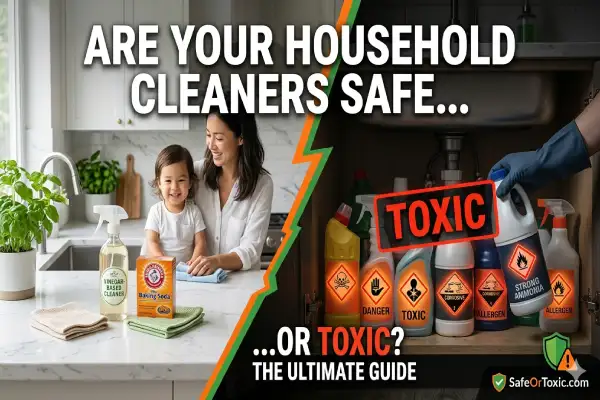
Did you know that kitchen cutting boards can have more bacteria than toilet seats? Keeping your kitchen clean is key for your family’s health. But, many are unsure about how to clean properly.
It is a common dilemma: you want to kill germs but fear harsh chemicals.
Many wonder, Do You Need to Wash Food Preparation Surfaces After Using Disinfectant? The answer varies based on the product and its use. Some disinfectants evaporate quickly, while others leave residues not safe for food. Using a reliable cutting board sanitizer spray can make things easier.
Knowing the difference between sanitizing and disinfecting helps keep your kitchen safe. Proper rinsing is key to avoid harmful chemicals in your food.
Key Takeaways
- Disinfectants often contain chemicals that are not meant for direct contact with ingredients.
- Always check product labels to see if a secondary rinse is required for safety.
- Sanitizers are generally formulated to reduce bacteria to safe levels for kitchen use.
- Look for food-safe certifications from organizations like the EPA or NSF.
- When in doubt, a thorough rinse with warm water provides an extra layer of protection.
The Science of Kitchen Hygiene and Chemical Safety
Kitchen hygiene is about keeping harmful germs away and making sure your family is safe from chemicals. It’s not just about wiping surfaces. You need to understand food safety precautions deeply.
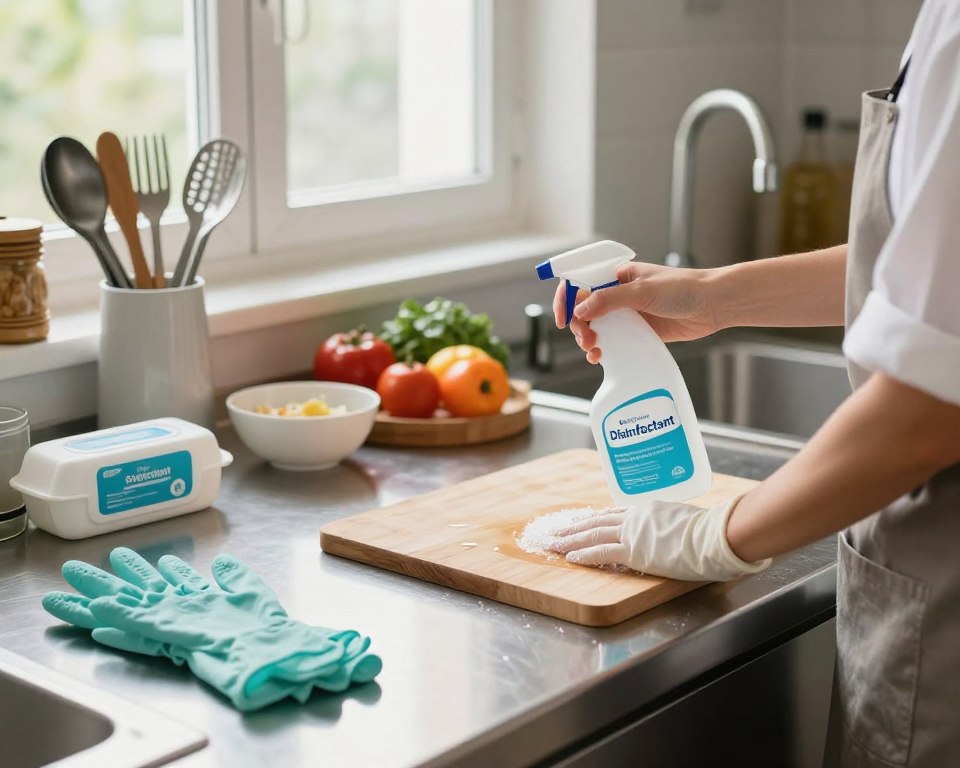
The Role of Microorganisms in the Kitchen
Your kitchen has a hidden world of microorganisms. These include bacteria, viruses, fungi, and protozoa. Some are harmless, but others can cause serious illnesses.
These germs are everywhere, on food and our hands. Keeping their numbers down is key. If you don’t clean regularly, they can grow fast, making your kitchen a health risk.
“Cleanliness is the hallmark of a healthy kitchen, but it must be achieved with both wisdom and caution.”
Why Chemical Safety Matters for Home Cooks
Disinfectants are crucial for a clean kitchen, but they can be risky. Using too much can leave harmful residues on food. It’s important to follow food safety precautions to avoid this.
Home cooks should use cleaning products carefully to avoid accidents. Remember, using too much chemical can be harmful. By choosing the right products and following safety rules, you can keep your kitchen clean and safe.
Do You Need to Wash Food Preparation Surfaces After Using Disinfectant?
Do you really need to wash food surfaces after using disinfectant? Many people think that strong products are safe to leave on counters. But, chemical residues can be harmful to your family’s health.
Using proper cleaning methods is key for home cooks. Just spraying and leaving is not enough. You need to know how to use products safely to keep your kitchen safe.
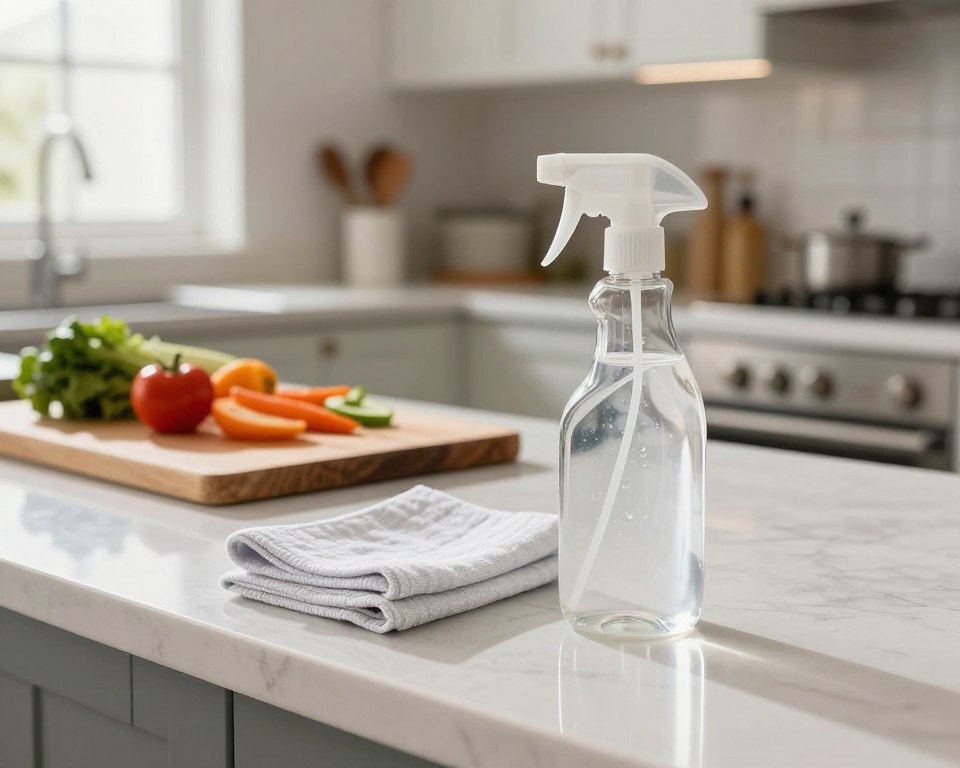
Evaluating Manufacturer Instructions and Labeling
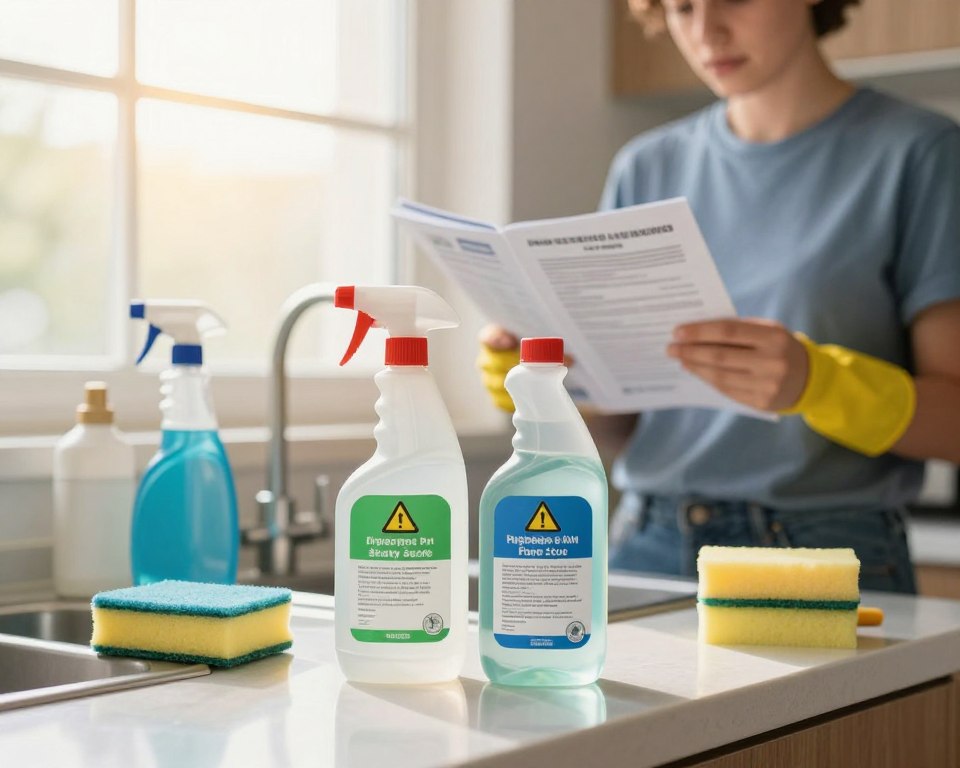
Every cleaning product has a label with safe use guidelines. Manufacturers warn if a surface needs rinsing after use. Ignoring these instructions can lead to accidental ingestion of harsh substances.
Always read the fine print on your spray bottles. If it says the product is for food-contact surfaces, it will tell you if rinsing is needed. If unsure, always rinse to protect your food from chemicals.
The Importance of Rinsing After Chemical Application
The process of sanitizing after using disinfectant isn’t complete without removing chemical residue. Use potable water to wipe down counters to ensure no harmful ingredients remain. This step is crucial for your safety.
Rinsing is the last step of your hygiene protocol. By flushing the surface with clean water, you neutralize chemical transfer risks. Prioritizing this step keeps your kitchen a healthy place for food preparation.
Understanding the Difference Between Cleaning, Sanitizing, and Disinfecting
It’s important to know the difference between cleaning, sanitizing, and disinfecting to prevent foodborne illnesses. These terms are often mixed up, but they mean different things for keeping your home clean.
Learning about these concepts helps you protect your family from harmful germs. Knowing when to use each method is key to a safe kitchen.
Defining Cleaning: Removing Visible Debris
Cleaning is the first step in keeping your kitchen clean. It means removing dirt, grease, and food bits with soap, water, and a cloth or sponge.
Cleaning makes your kitchen look nice, but it doesn’t kill germs. It just removes the dirt where germs hide and grow. Without cleaning, sanitizers and disinfectants can’t work well.
Defining Sanitizing: Reducing Bacteria to Safe Levels
Sanitizing lowers germ numbers on surfaces to safe levels. This step is crucial for foodborne illness prevention, on surfaces that touch your food.
Sanitizing doesn’t kill all germs. It reduces the bacterial load to stop cross-contamination. Remember to rinse surfaces well after sanitizing to avoid chemical buildup.
Defining Disinfecting: Eliminating Pathogens Completely
Disinfecting is the most intense surface treatment. Unlike sanitizing, it aims to kill 99.9% of bacteria and viruses on hard, non-porous surfaces.
This step is for areas exposed to raw meat or high-risk contaminants. Disinfectants are strong, so they need careful use and a good rinse. Always follow the manufacturer’s instructions for safe and effective use.
Identifying Common Disinfectant Ingredients and Their Risks
Choosing the right disinfectant is key to keeping your kitchen safe. Not all products are safe, and some can be harmful if not used right. It’s important to know about these chemicals to disinfect kitchen surfaces safely.
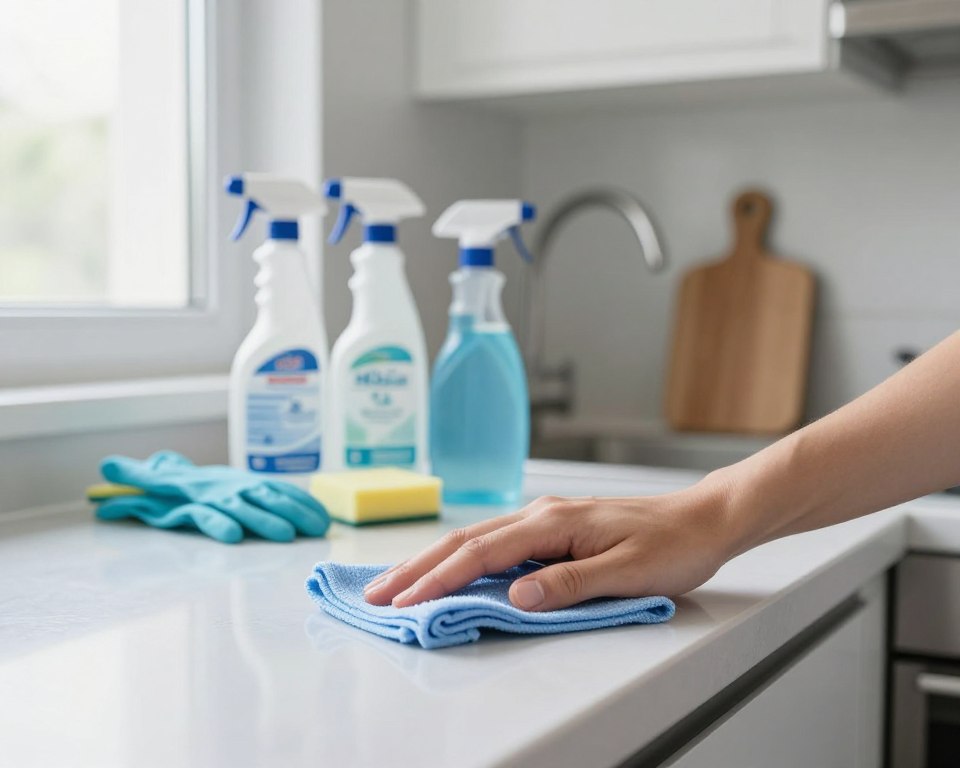
Quaternary Ammonium Compounds and Their Persistence
Quaternary ammonium compounds, or “quats,” are found in many cleaners. They kill bacteria well but stay on surfaces for a long time.
- They leave a film after drying.
- This film builds up if not rinsed well.
- High concentrations can irritate skin.
Bleach and Chlorine-Based Solutions
Bleach is strong against germs but is very dangerous. It’s toxic if swallowed and can cause serious harm or death.
Always dilute bleach as directed to avoid harm. When using chlorine, make sure the area is well-ventilated to protect your lungs.
Alcohol-Based Disinfectants and Evaporation Rates
Alcohol-based solutions dry fast, making them seem safer for food areas. They are less likely to leave residue.
But, they are flammable and should not be near fire. Make sure to apply enough liquid to keep the surface wet as directed. Always prioritize safety when cleaning to keep your family and home safe.
The Dangers of Chemical Residue in Food Preparation Areas
Keeping your kitchen clean is crucial for every home cook. But, the cleaners we use are key. Harsh cleaners can leave disinfectant residue on food surfaces that’s harmful. Knowing the risks of these chemicals is the first step to a safer kitchen.
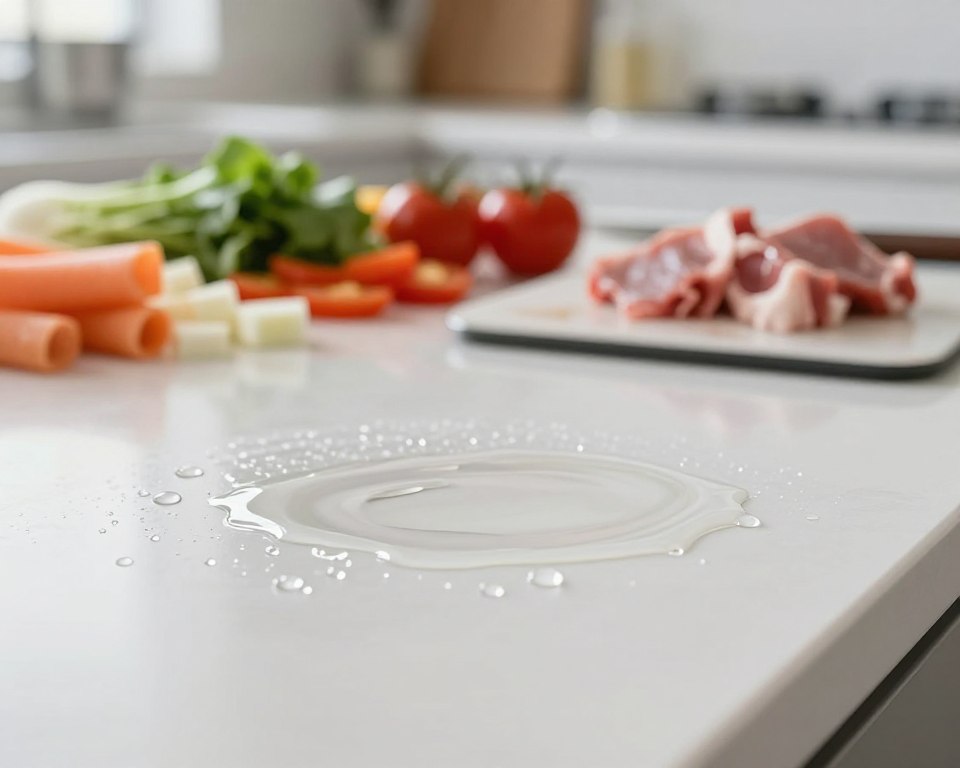
Potential Health Impacts of Ingesting Disinfectants
Accidental ingestion of cleaning agents is a big worry in many homes. Even small amounts of cleaning and sanitizing chemicals can irritate your mouth, throat, and stomach. It is vital to recognize that these products are meant to kill germs, not for humans or pets to eat.
Long-Term Exposure Risks for Families
While one exposure might seem minor, long-term contact is a different story. Constant use of quaternary ammonium compounds and other synthetic agents can cause skin problems or breathing issues. Families should watch out for disinfectant residue on food surfaces that kids or the elderly might touch every day.
“The goal of kitchen hygiene is to protect health, not to introduce new chemical hazards into the food supply chain.”
How Residue Affects Food Flavor and Quality
Chemical buildup can also affect food taste. Disinfectants often leave a bitter or metallic taste on foods like fruits or bread. This unwanted flavor transfer can lower the quality of your meals and make healthy foods less appealing.
| Chemical Type | Residue Risk | Flavor Impact |
|---|---|---|
| Bleach Solutions | High | Strong Chemical Odor |
| Quaternary Ammonium | Moderate | Bitter Aftertaste |
| Alcohol Sprays | Low | Minimal |
By being careful with how we clean, we can keep our kitchen safe for cooking. Always rinse well to reduce disinfectant residue on food surfaces and keep your family healthy.
Step-by-Step Guide to Properly Sanitizing Kitchen Countertops
To have a clean kitchen, you need to follow a specific cleaning routine. Many think spraying a surface kills germs. But, proper cleaning methods involve more steps.
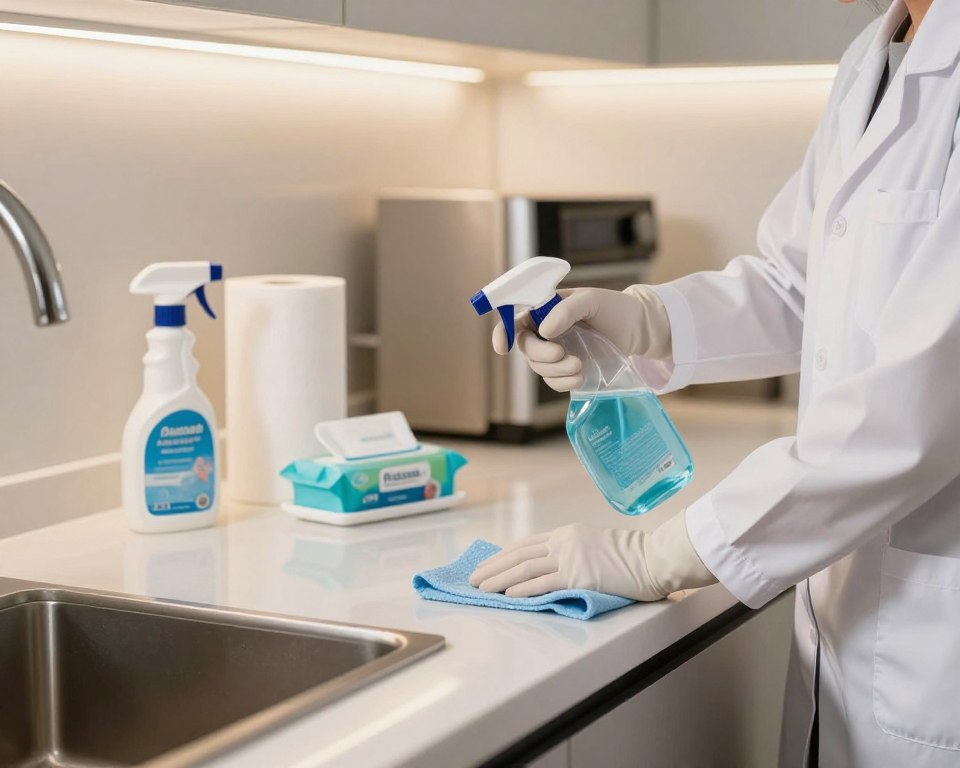
Preparing the Surface for Treatment
First, remove any visible dirt, crumbs, and grease. Skipping this step means the disinfectant won’t work well.
Use mild soap and warm water to clean the area well. Make sure to rinse off the soap before using disinfectant. This prevents chemical reactions.
Applying the Disinfectant Correctly
After cleaning, apply the disinfectant as the label says. It’s important to let it sit for the recommended time.
For special cleaners, like a grill cleaner spray safe for food, follow the instructions closely. This way, you kill germs, not just move them.
The Critical Rinsing Phase
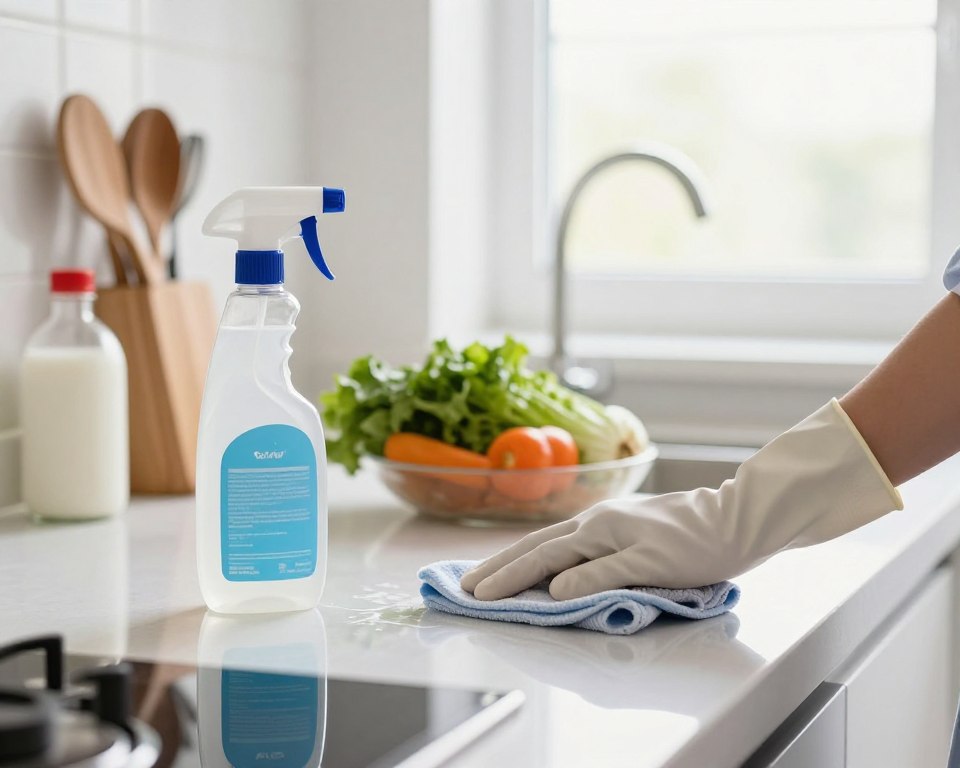
The last step is often missed but it’s crucial. Sanitizing after using disinfectant means rinsing with clean water to remove chemicals.
Even small amounts of harsh cleaners can harm you. Wipe the surface with a damp cloth after the disinfectant has worked. This makes your countertops safe for food.
Remember, staying consistent is important for a safe kitchen. By focusing on rinsing, you ensure your countertops are clean and ready for food.
Choosing Food-Safe Cleaning Agents for Daily Use
Knowing which cleaning products are safe for food preparation is key. It’s important to pick the right cleaner for each task. These cleaning tips for food preparation areas will guide you through the many options out there.
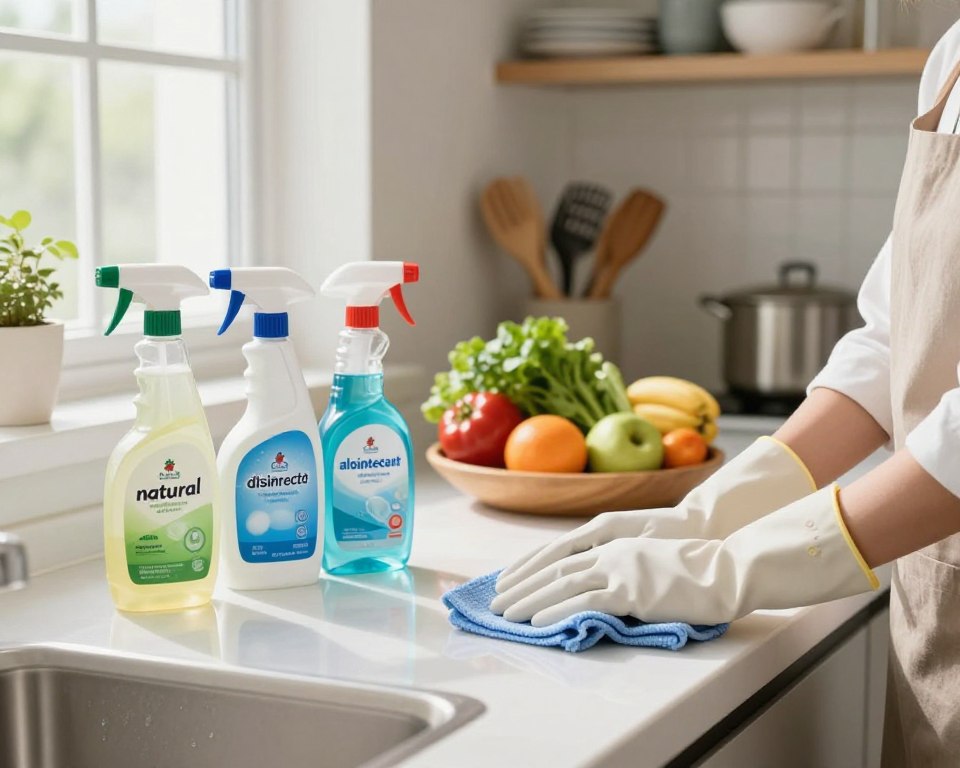
Evaluating EPA-Registered Food-Contact Sanitizers
When buying cleaning supplies, look for food-contact sanitizers. The Environmental Protection Agency (EPA) checks these products for safety. Using them means you won’t leave harmful chemicals behind.
“Cleanliness is the hallmark of a safe kitchen, but the tools you choose to achieve that state are just as important as the act of cleaning itself.”
Always check the label to make sure it’s safe for food surfaces. Some cleaners are for floors or bathrooms and are never safe for kitchen counters. Following these cleaning tips for food preparation areas keeps your kitchen clean and safe for your family.
When to Use Mild Soap Versus Heavy-Duty Disinfectants
You don’t always need strong chemicals to keep your kitchen clean. For everyday cleaning, a mix of mild dish soap and warm water works best. It removes grease and food without harsh chemicals.
- Daily Routine: Use mild soap and water for routine surface wiping.
- Post-Meat Prep: Use an EPA-registered sanitizer after handling raw poultry or meat.
- Deep Cleaning: Reserve heavy-duty disinfectants for occasional deep cleans, ensuring a thorough rinse follows.
Use strong disinfectants only when needed, like after handling raw proteins. This protects your food from contamination. Remember, consistent habits are more important than the strength of your cleaners.
Best Practices for Maintaining a Sterile Kitchen Environment
Creating a reliable cleaning schedule is key to a clean kitchen. Staying consistent helps stop harmful germs from growing. By prioritizing cleanliness, you make your kitchen safer for every meal.
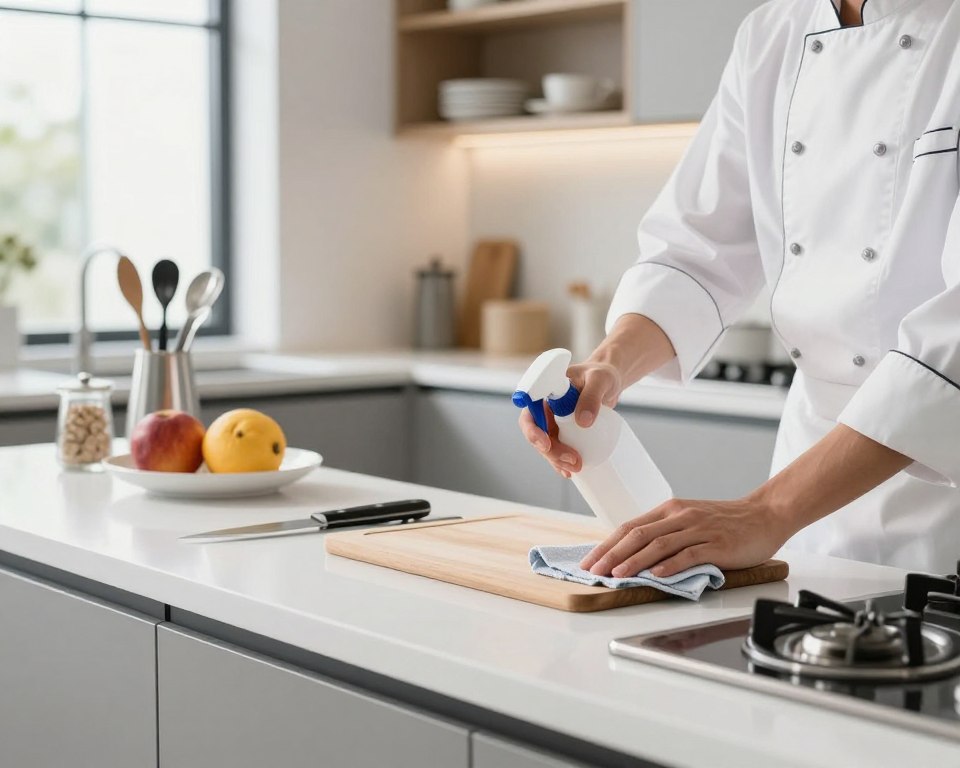
Establishing a Routine Cleaning Schedule
Effective routines break tasks into daily and weekly steps. Clean counters after meals to stop grime buildup. For daily upkeep, a mild soap works well without harsh chemicals.
For disinfecting kitchen surfaces, timing is crucial. Save deep cleaning for weekly tasks to avoid too much chemical use. This balance keeps your home clean and hygienic.
Managing Cross-Contamination During Meal Prep
Handling raw ingredients like poultry or produce can spread germs. Use separate cutting boards for different foods. Always wash your hands before and after touching raw proteins to stop germ spread.
Disinfecting surfaces right after prepping raw items helps too. Clearing your workspace as you go stops germs from reaching ready-to-eat foods. Being careful in the kitchen protects your family from illness.
How to Handle Accidental Chemical Contamination
Even the most careful home cooks can face unexpected spills or chemical mishaps in the kitchen. Accidents happen, and knowing how to respond to chemical contamination is a critical safety skill. If you suspect disinfectant residue on food surfaces, taking immediate action is the best way to protect your household.
Immediate Steps for Surface Decontamination
If a chemical spill occurs, your first priority is to prevent further contact with food. Start by clearing the area and removing any items that may have been exposed to the liquid. Quickly wipe the surface with a clean, damp cloth to lift the bulk of the chemical.
After the initial wipe, rinse the area thoroughly with fresh water. It is important to ensure that no disinfectant residue on food surfaces remains before you resume meal preparation. Using a mild soap and water solution can help neutralize lingering traces of stronger chemicals.
When to Seek Medical Advice for Ingestion
If you or a family member accidentally ingests a cleaning product, do not wait for symptoms to appear. Contact your local poison control center or a medical professional immediately for guidance. Always keep the product label handy, as it contains vital information about the ingredients and emergency protocols.
Watch for signs such as throat irritation, nausea, or difficulty breathing. If these symptoms occur, seek emergency medical care right away. Being prepared helps you manage these stressful situations with confidence and keeps your kitchen environment safe.
| Scenario | Immediate Action | Safety Priority |
|---|---|---|
| Chemical Spill | Wipe and rinse area | Prevent skin contact |
| Suspected Residue | Clean with soap/water | Food safety assurance |
| Accidental Ingestion | Call Poison Control | Seek medical help |
Regulatory Guidelines for Food Safety in the United States
Learning about kitchen hygiene is key to keeping your family safe from foodborne illnesses. Even though your home is private, following commercial standards can make it healthier. This approach helps maintain a clean and safe kitchen.
By using professional standards, you can lower the risk of contamination. Sticking to food safety precautions makes your kitchen a place where health and cooking come first.
FDA Recommendations for Home Kitchens
The Food and Drug Administration (FDA) offers top-notch advice on food handling. Their guidelines, meant for businesses, are also great for home cooks.
The FDA’s main tips are clean, separate, cook, and chill. Cleaning surfaces well is crucial, but do it safely to avoid harmful chemicals in your food.
“The most effective way to prevent foodborne illness is to keep your kitchen surfaces clean and free from cross-contamination through consistent, science-based practices.”
Following these food safety precautions helps block pathogens. Remember, the goal is to kill bacteria without leaving harmful chemicals in your food.
Understanding Safety Data Sheets for Household Products
Many people don’t check the Safety Data Sheets (SDS) for their cleaning products. These sheets are key to knowing what’s in your products and how to use them safely.
Want to know if your cleaning products are safe for food surfaces? Check the SDS. It tells you if a product needs rinsing before you can use it for food.
For example, using disinfectant wipes? The SDS will say if you need to rinse the surface before cooking. Following these specific cleaning guidelines for health and safety keeps your family safe and your kitchen clean.
Common Myths About Kitchen Disinfection Debunked
Effective foodborne illness prevention is about precision, not just using a lot of cleaning agents. Many think more disinfectant is better. But, this can lead to harmful chemical buildup in your home.
The Myth of “More is Better”
Using too much cleaning solution doesn’t kill more germs. Most disinfectants need a specific “dwell time” to work. Too much product can leave a sticky, toxic residue that’s hard to clean.
Instead, focus on the proper application of cleaning products. Always follow the manufacturer’s guidelines. This ensures you use the right amount for the surface. For safe kitchen cleaning, look for a stainless steel cleaner safe for food-contact areas.
Misconceptions About Natural Cleaners
Many think all natural cleaners are safer or more effective. While vinegar is popular, it’s not always EPA-registered as a disinfectant. This means it may not kill all harmful bacteria needed for foodborne illness prevention.
It’s key to know what your cleaning supplies can do. Consider these points when picking your products:
- Labeling matters: Check if a product is EPA-registered to kill bacteria and viruses.
- Natural does not mean non-toxic: Some essential oils or concentrated acids can still cause skin or respiratory irritation.
- Efficacy varies: A product that cleans dirt may not be strong enough to sanitize a surface after handling raw meat.
By avoiding these myths, you can make your kitchen clean and safe. A balanced approach protects your family from harmful bacteria without exposing them to harmful chemicals.
Sustainable and Natural Alternatives to Harsh Chemicals
It’s easier than you think to cut down on harsh chemicals. Many people are choosing eco-friendly options to keep their homes safe and healthy. By using cleaning tips for food preparation areas, you can keep your kitchen clean without harsh chemicals.
Using Vinegar and Baking Soda Safely
Vinegar and baking soda are great for cleaning. They can remove grime and refresh surfaces. For extra safety, consider using an eco-one natural sanitizer and cleaner.
Here’s how to use them right:
- Vinegar: Mix white vinegar with water to clean light grease. But don’t use it on granite because it can etch the stone.
- Baking Soda: Make a paste with water to remove tough food. It’s gentle and won’t scratch your countertops.
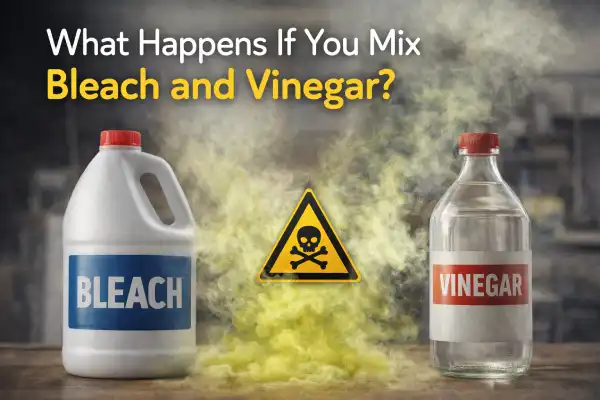
- Safety First: Don’t mix vinegar with bleach, as it can release harmful gas. Always rinse well with water after cleaning.
The Efficacy of Steam Cleaning for Surfaces
Steam cleaning is a top choice for a chemical-free home. It uses hot water vapor to loosen and kill bacteria on surfaces. It’s a favorite among cleaning tips for food preparation areas because it’s just heat.
Steam cleaning is great for getting into deep crevices where germs hide. It’s perfect for cleaning cutting boards or tile backsplashes. Since it leaves no residue, you can cook right away after it dries.
Conclusion
Keeping your kitchen safe is more than just cleaning counters. It’s about creating a clean environment for your family. Knowing what products you use is key to a healthy home.
By following good cleaning habits, you can fight off harmful germs. Even small changes in how you handle cleaning products can help a lot. Make sure to rinse surfaces well to keep food safe.
Share what you’ve learned with friends and family. A community of people who care about kitchen safety is powerful. By following these guidelines, your kitchen will stay a place of joy and health.
Check your cleaning supplies and read the labels. Your efforts make every meal safer. Start these simple steps today for a safer home.
FAQ
Do you need to wash food preparation surfaces after using disinfectant?
Yes, you must rinse the surface with water after using disinfectant. Products like Lysol Disinfectant Spray or Clorox wipes can leave harmful residue. Always rinse with water if the label says it’s for food-contact areas.
What is the difference between cleaning, sanitizing, and disinfecting in a kitchen?
Cleaning removes dirt and grease with soap and water. Sanitizing reduces bacteria to safe levels. Disinfecting kills more pathogens, like viruses, with stronger chemicals.
Sanitizing is enough for daily food safety. But, disinfecting is needed for high-risk situations, like handling raw poultry.
Why are manufacturer labels so important for disinfecting kitchen surfaces?
Labels give specific cleaning guidelines for health and safety. They tell you how long the chemical must stay wet to kill germs. Using a product like Seventh Generation Disinfectant requires following these instructions.
They also tell you if you need to sanitize after disinfecting to remove chemical traces.
Are there specific risks associated with quaternary ammonium compounds?
Yes, “quats” are effective but stay on surfaces long after use. To avoid disinfectant residue on food surfaces, rinse areas thoroughly before meal prep.
What should I do if I accidentally prepare food on a surface with wet disinfectant?
If you notice the surface is still wet with a chemical like Microban 24, discard the food. Wash the surface with mild soap and water to decontaminate.
If someone eats a lot of the chemical and gets sick, check the Safety Data Sheet (SDS). Then, seek medical advice or call a poison control center.
Are there any no-rinse disinfectants safe for the kitchen?
Some products, like Purell Foodservice Surface Sanitizer, are EPA-registered as food-contact safe. They don’t need rinsing. They’re good for saving time while keeping areas clean.
Always look for the “no-rinse” claim on the bottle to ensure it meets FDA recommendations.
Can I use vinegar or baking soda as a substitute for chemical disinfectants?
Vinegar and baking soda are good for cleaning and removing stains. But, they’re not registered disinfectants. They may not kill pathogens like Salmonella or Norovirus.
For true disinfecting kitchen surfaces, use an EPA-approved product and rinse afterward. This ensures both biological and chemical safety.
How does chemical residue affect the quality of my food?
Chemical residue can change the flavor and aroma of your food. Strong chemicals like bleach or scented cleaners can give food a “chemical” taste. Following proper cleaning methods, including a final rinse, keeps your dishes tasting good.