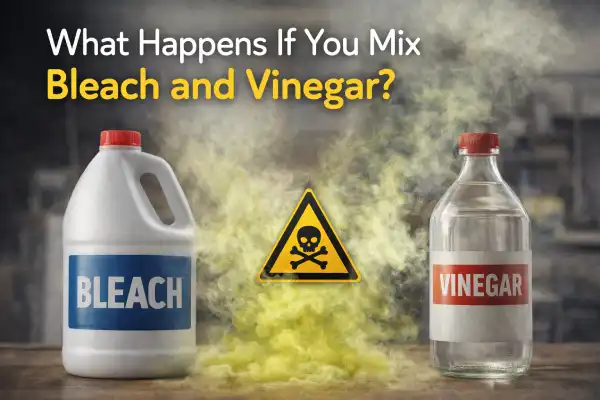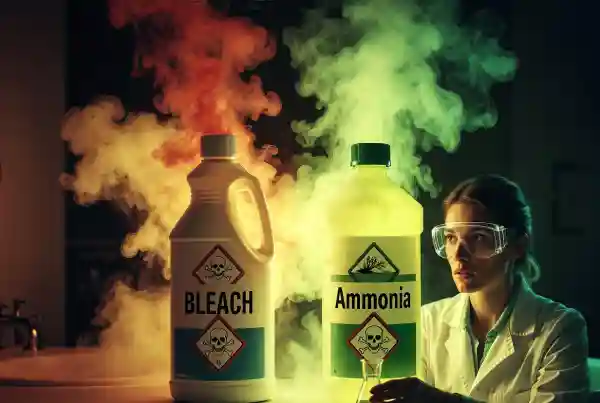
Did you know over 50% of accidental poisonings in the U.S. happen at home? Many think mixing strong cleaners makes their home cleaner. But, this can lead to hidden chemical reactions that are harmful to your family.
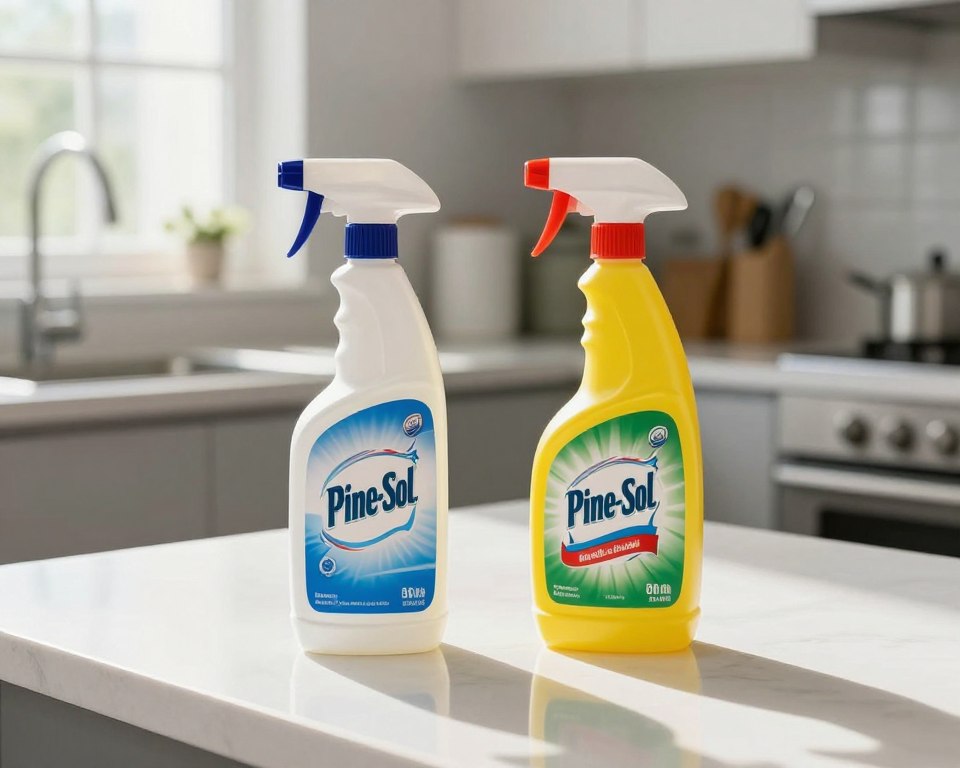
Homeowners often ask: Can You Mix Bleach and Pine-Sol Safely? It’s important to know these products don’t mix well. Instead of a cleaner home, you might release harmful gases.
Keeping your home safe means knowing how your cleaning supplies work together. We aim to help you keep your home clean without risking your health. Let’s see why it’s best to keep these substances apart.
Key Takeaways
- Mixing household cleaners often creates dangerous chemical reactions.
- Toxic fumes can form instantly when incompatible products meet.
- Always read product labels to identify hazardous ingredients.
- Never combine different brands or types of cleaners.
- Proper ventilation is essential if you accidentally create a mixture.
The Chemistry of Household Cleaners
Household cleaning products use special chemicals for different tasks. Knowing the science behind these products helps you choose better. Following household cleaner safety tips keeps your home safe while cleaning.
Understanding Active Ingredients
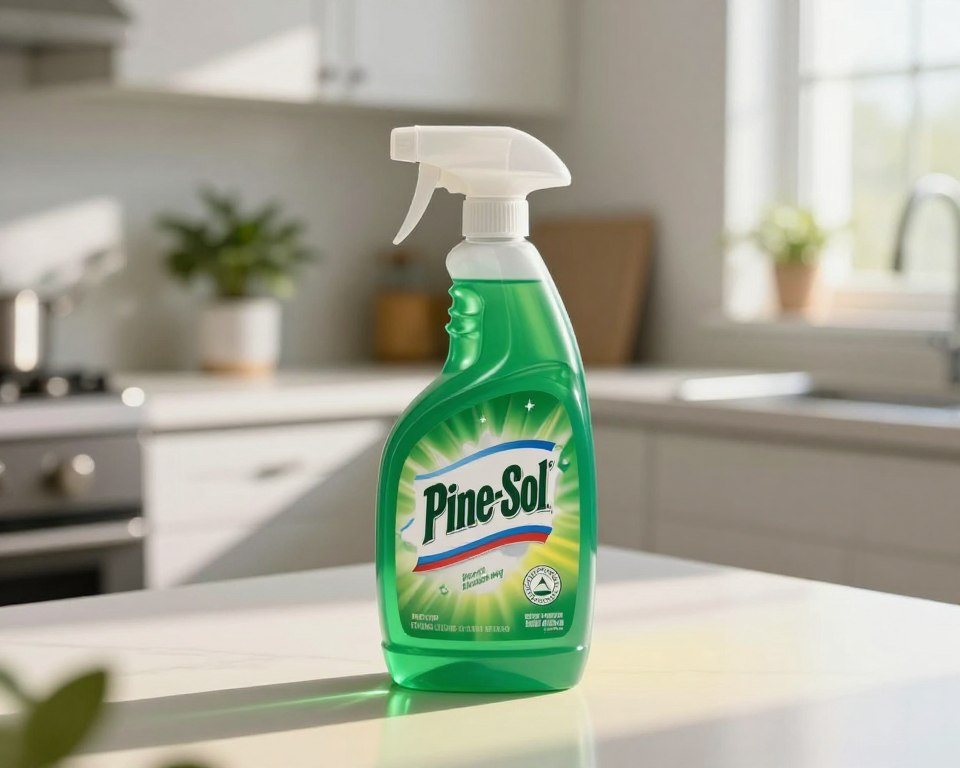
Cleaners often use surfactants to lift dirt and grease. Pine-Sol cleaners don’t have ammonia. They use other ingredients to clean and freshen your home.
Each product has a pH level that affects how it works. Always remember that mixing products can be dangerous. Always check the label to know what’s in your cleaner.
How Different Cleaners Interact
Knowing about cleaning products compatibility is key. Mixing chemicals can release harmful fumes or irritate skin. For more information, visit the Washington State Department of Health guide on bleach mixing.
Even without an explosion, mixing can create harmful substances. Keeping products compatible is the best way to protect your family. By following household cleaner safety tips, you keep your cleaning safe and effective.
Can You Mix Bleach and Pine-Sol Safely?
Mixing household cleaners can lead to accidents. Many think mixing two cleaners makes a stronger solution. But this is often wrong. Knowing cleaning products compatibility is key to a safe home.
The Short Answer: Why It Is Never Recommended
If you’re wondering, “Can You Mix Bleach and Pine-Sol Safely?” the answer is no. Experts say never mix these two. Always use them separately and follow the label.
Mixing them can release harmful fumes. This can hurt your breathing right away. For more on dangers, check this guide on toxic cleaning products. Keeping your home safe means respecting each cleaner’s chemical nature.
The Science Behind the Incompatibility
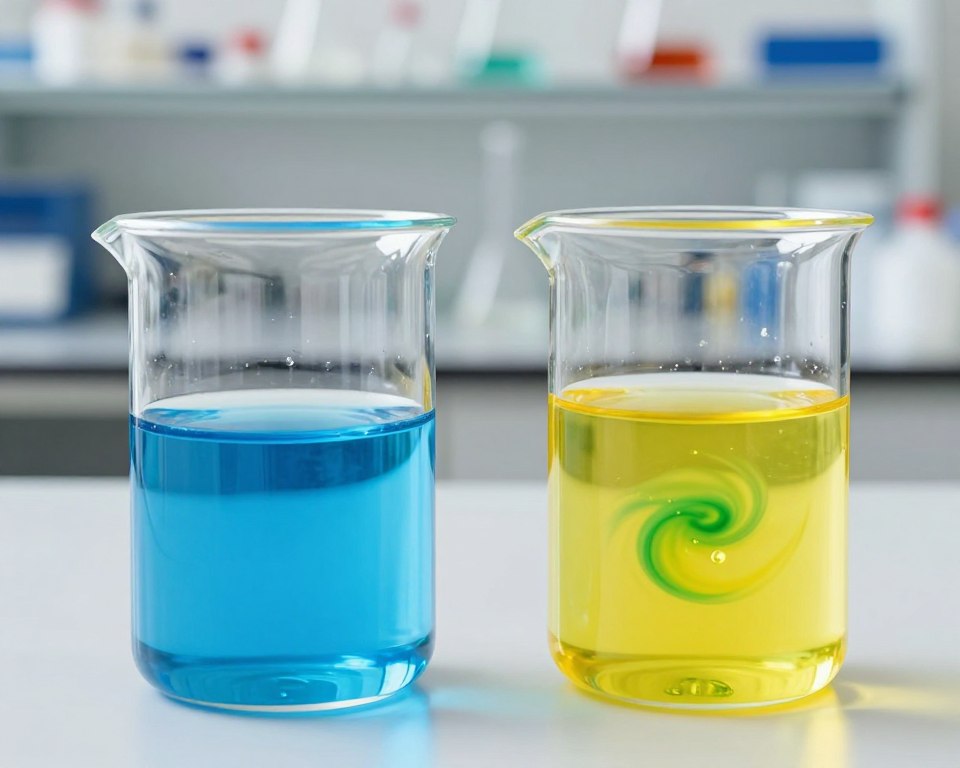
The danger comes from the chemical reaction between bleach and Pine-Sol. They don’t just cancel each other out. Instead, they create harmful gases in your home.
It’s crucial to know about cleaning products compatibility. Bleach is a strong oxidizer. Mixing it with other cleaners can release toxic vapors. Always put safety first when cleaning.
Understanding the Risks of Chemical Reactions
When you mix household cleaners, you might create a toxic kitchen. Many think mixing strong cleaners deepens the clean, but it’s dangerous. The bleach and Pine-Sol reaction shows how common items can be harmful when mixed.
The Dangers of Chlorine Gas
Mixing these products can release chlorine gas quickly. Sodium hypochlorite in bleach reacts with acidic cleaners. This creates a toxic cloud that fills a room fast.
Inhaling this gas harms your lungs. Even a small bleach and Pine-Sol reaction can cause coughing, chest tightness, and breathing trouble. It’s crucial to keep these products apart to avoid accidents.
Long-term Health Implications of Inhalation
Inhaling these fumes can harm you long-term. It can damage your lungs and mucous membranes. Many also experience eye irritation and breathing problems later.
The table below shows how chemical exposure affects your health:
| Exposure Level | Primary Symptoms | Potential Long-term Risk |
|---|---|---|
| Low | Mild coughing, watery eyes | Temporary throat irritation |
| Moderate | Severe chest pain, wheezing | Reduced lung capacity |
| High | Respiratory distress, fainting | Chronic pulmonary damage |
Keeping your home safe means avoiding bleach and Pine-Sol reactions. Always use products as directed. If you think you’ve mixed something harmful, get out and find fresh air.
What Happens When You Combine Bleach and Pine-Sol
When you mix bleach and Pine-Sol, a dangerous chemical reaction happens. Many think it will clean better, but it’s actually risky. This Bleach and Pine-Sol combination can make your home unsafe.
The Chemical Reaction Process
The Bleach and Pine-Sol reaction starts fast when they meet. Bleach has sodium hypochlorite, which fights stains and germs.
When it hits Pine-Sol, things change. This mix can cause:
- Fast release of harmful gases.
- A big pH level shift in the solution.
- Creation of toxic gases that hurt your breathing.
Why Pine-Sol Ingredients React Negatively with Sodium Hypochlorite
Pine-Sol’s ingredients are the main cause of danger. It has glycolic acid and other acids to cut through dirt.
When these acids meet bleach’s sodium hypochlorite, they react violently. This is not just a myth. It’s a predictable chemical outcome that releases chlorine gas.
This reaction is too fast to stop. Always keep these products apart to keep your home safe for your family.
Identifying Symptoms of Chemical Exposure
Your body is like an early warning system when you’re exposed to harmful chemicals. It’s key to spot these signs fast for your safety and others at home. If you think you’ve had a reaction, don’t wait for it to get worse before acting.

Respiratory Distress and Irritation
When you breathe in toxic fumes, your lungs usually react first. You might start coughing a lot or feel your chest tighten. Wheezing or trouble breathing means your lungs are fighting off the irritants.
You could also feel a sharp, scratchy feeling in your throat or nose right after breathing in vapors. If you’re gasping for air or feel a burning in your airways, get to fresh air right away.
Skin and Eye Contact Reactions
Chemical exposure isn’t just about breathing it in. If you splash something on your skin, you might see redness, itchiness, or pain. It’s very important to rinse the area with cool water for a few minutes to avoid more harm.
Your eyes are very sensitive to chemicals. You might see too much tearing, redness, or feel like something’s stuck in your eye. Feeling dizzy, lightheaded, or sick is a big warning sign your body is reacting badly. Always put your health first by leaving the area and getting help if these signs don’t go away.
Immediate Steps to Take After Accidental Mixing
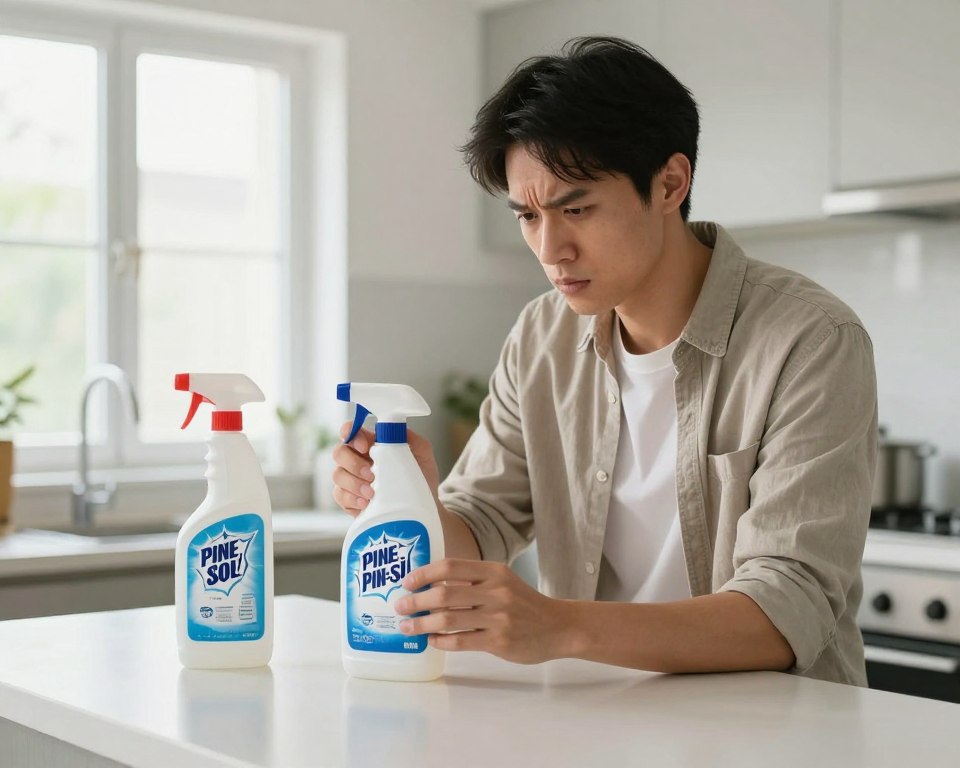
If you accidentally mix household cleaners, stay calm. Avoiding chemical reactions is key, but if it happens, act fast. Acting immediately can lessen your exposure to harmful fumes.
Ventilating the Area Safely
First, leave the room and get to fresh air. Open windows and doors for a cross-breeze. This helps clear out toxic gases. Don’t go back until the air is safe.
When to Seek Medical Attention
If you have trouble breathing, chest pain, or severe eye irritation, get help fast. Call your local poison control or emergency services. It’s safer to err on the side of caution, like with mold remover spray. Prioritizing your health is crucial when avoiding chemical reactions that could harm your lungs.
Proper Disposal of the Mixture
After the area is safe and you’re feeling better, handle the mixture carefully. Wear gloves and eye protection. Dilute it with water before flushing it down the drain, if it’s safe for your pipes.
If the mixture is big or you’re unsure, call your local waste management. Avoiding chemical reactions during disposal is just as important. Always follow local rules to avoid more harm to yourself or the environment.
Proper Storage and Handling of Cleaning Agents
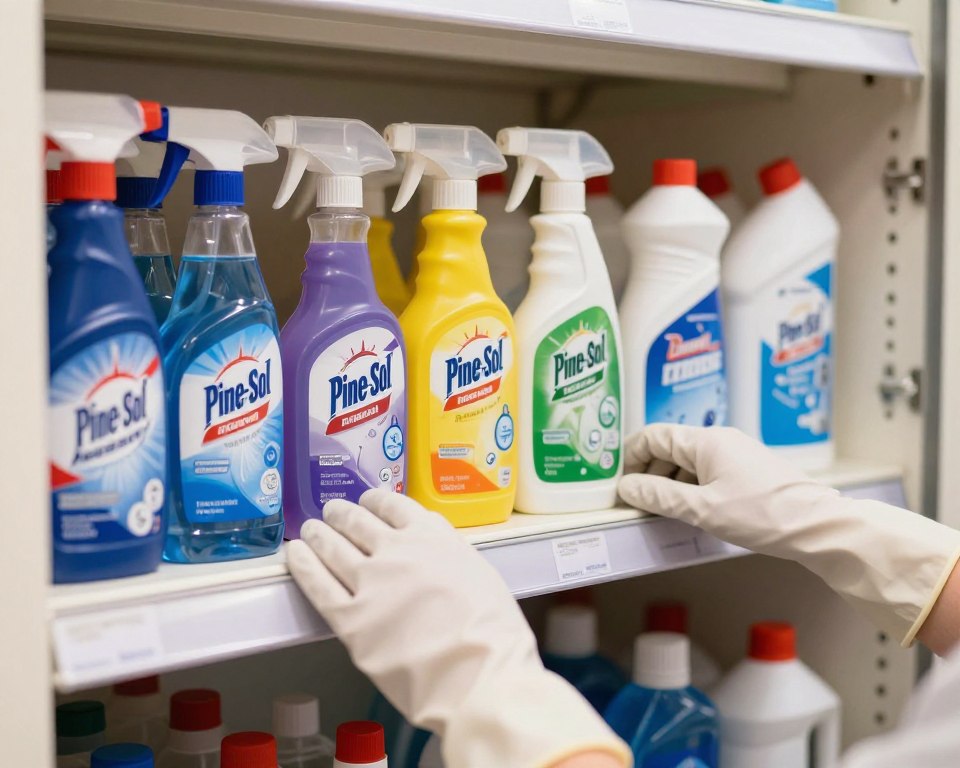
Keeping your cleaning supplies organized is key to avoiding accidents at home. A tidy cabinet means you won’t mix products by mistake. This makes cleaning easier and keeps your family safe from harmful chemicals.
Organizing Your Cleaning Supplies
Always use the original containers for your cleaners. This way, you can follow the manufacturer’s safety tips. Store them in a cool, dry spot to keep them working well. For example, Pine-Sol cleaner lasts two years under these conditions.
“The best way to prevent accidents is to treat every cleaning agent with the respect its chemical composition deserves.”
Here are some tips for storing common household items:
| Product Type | Storage Requirement | Shelf Life |
|---|---|---|
| Disinfectants | Cool, dark cabinet | 1-2 Years |
| Bleach | Away from sunlight | 6-12 Months |
| General Cleaners | Dry, ventilated area | 2 Years |
Preventing Accidental Spills and Mixing
Storing different chemicals on separate shelves is crucial. If you’re not sure about mixing products, learn why mixing two cleaning sprays is dangerous. This way, you avoid spills and reactions.
Make sure to tighten caps after each use to avoid leaks. If a container is damaged, move the contents to a safe, labeled bottle right away. These simple steps will make your home safer and your cleaning routine smoother.
Reading and Interpreting Product Safety Labels
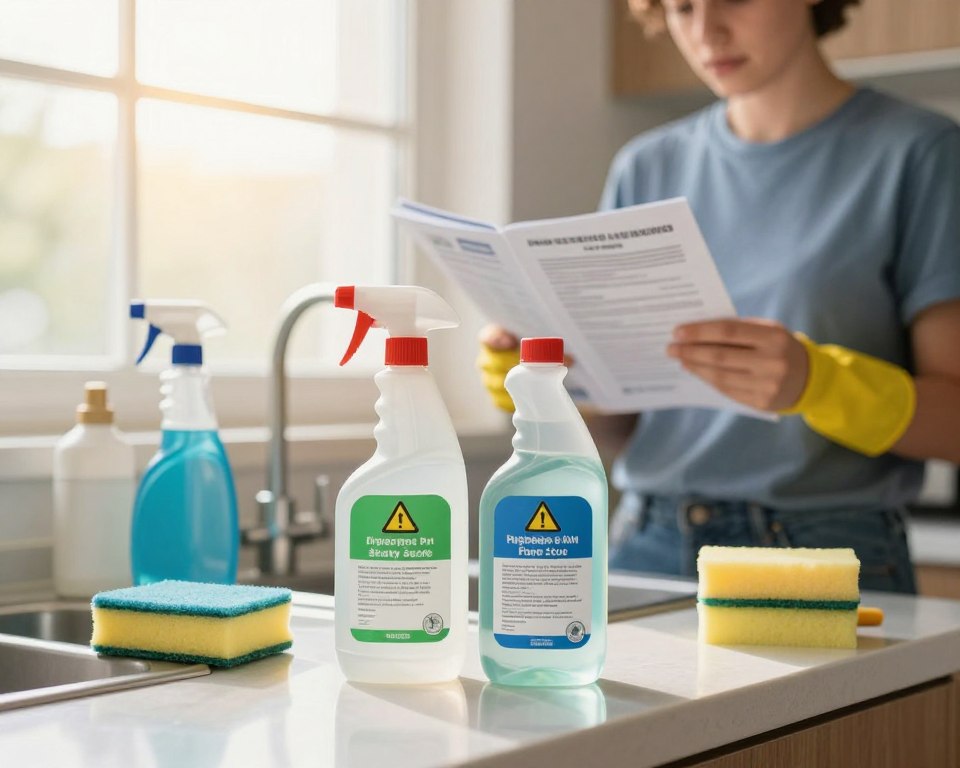
Understanding the fine print on your cleaning supplies is key to a safer home. Many ignore these labels, but they hold essential information to protect you and your family. By following these household cleaner safety tips, you can avoid accidents and ensure your products work right.
Decoding Warning Symbols
Manufacturers use specific symbols and words to warn you of potential dangers. Words like “Danger” or “Poison” mean the product is very toxic or corrosive. Always check for these before opening a new bottle.
Labels also have pictograms for risks like flammability, skin irritation, or respiratory hazards. Paying attention to these icons is crucial for daily household cleaner safety tips.
Understanding Manufacturer Instructions
The instructions from the manufacturer are not just suggestions; they are guidelines for safe use. They often tell you the correct dilution ratios, which are key to avoiding chemical reactions. Using too much product can be as dangerous as mixing it with other substances.
Labels also tell you what protective gear you need, like gloves or eye protection. By following these directions, you use the product safely. Always store your cleaners in their original containers to keep these vital instructions handy.
| Signal Word | Meaning | Action Required |
|---|---|---|
| Danger | Highly toxic or corrosive | Use extreme caution |
| Warning | Moderately hazardous | Avoid contact/inhalation |
| Caution | Slightly hazardous | Use with ventilation |
| Keep Out | Child safety risk | Store in locked area |
Spending a few extra seconds to read the label is worth it for peace of mind. By following these household cleaner safety tips, you can keep your home clean and healthy without risks.
Safe Alternatives for Effective Home Cleaning
Keeping your home healthy is simpler with safe cleaning practices. You don’t need harsh chemicals to make your home shine. Simple methods often work better and keep your family and pets safe.
Natural Cleaning Solutions
Many people find that common items are great effective cleaning solutions. White vinegar, for example, is a strong degreaser and disinfectant. Mixing it with baking soda creates a gentle scrub that removes dirt without harmful chemicals.
Lemon juice is another excellent choice that makes your home smell fresh. These ingredients are cheap, easy to find, and safe. They help keep your home clean without risking your health.
Using Single-Purpose Cleaners
If you like commercial cleaners, single-purpose ones are a good choice. They are made for specific tasks, like cleaning glass or floors. Using them as directed means you’re following safe cleaning practices.
Effective cleaning solutions don’t have to be complicated or risky. Using a dedicated cleaner for a specific area avoids mixing things. This keeps your home clean and your cleaning routine simple and safe.
Best Practices for Using Bleach in Your Home
Learning to use bleach safely starts with knowing how to prepare and apply it. It’s a strong disinfectant, but you must follow cleaning product precautions to stay safe. Make sure the area is well-ventilated before you start cleaning.
Dilution Ratios for Safety
Using bleach straight from the bottle is not needed and can be risky. For most cleaning tasks, mix one cup of bleach with one gallon of water. This mix is strong enough to kill germs but safer than undiluted bleach.
Always mix your bleach solution in a clean container. Don’t mix bleach with other chemicals, as it can create harmful reactions. If you’re unsure about other products, learn why ammonia-based cleaners are toxic to avoid dangerous mixes.
Surface Compatibility Guidelines
Bleach can damage certain materials because it’s a strong oxidizer. Always test a small area first to see if it will discolor or damage. Never use bleach on wood, some stones, or unsealed grout, as it can harm them.
Here are some guidelines for common household surfaces:
| Surface Type | Bleach Suitability | Recommended Action |
|---|---|---|
| Stainless Steel | Low | Rinse thoroughly to prevent pitting. |
| Ceramic Tile | High | Use diluted solution for deep cleaning. |
| Natural Stone | None | Avoid entirely to prevent etching. |
| Finished Wood | None | Use mild soap instead of bleach. |
By following these cleaning product precautions, you can keep your home clean and safe. Always store bleach in a cool, dark place, out of reach of kids and pets.
How to Use Pine-Sol Effectively Without Mixing
Learn how to get the most out of your favorite cleaner without mixing it. Many think mixing products makes them stronger. But Pine-Sol is already a top effective cleaning solution. Using it right means a deep clean and a safer home for your family.
Recommended Application Methods
Always follow the maker’s instructions for the best results. You can find more info on how to use it on the official product support page. For most surfaces, just diluting it is enough to remove grease and dirt.
- For Floors: Mix 1/4 cup of Pine-Sol with a gallon of warm water for a shine.
- For Countertops: Use a diluted solution on a damp cloth to clean without residue.
- For Tough Stains: Apply a small amount to a sponge, scrub, and rinse well.
Maximizing Cleaning Power Safely
Boost your cleaner’s power by focusing on dwell time, not additives. Letting the solution sit for a few minutes helps break down tough dirt. This simple trick is key to effective cleaning solutions that keep your home smelling great.
Always use clean tools like microfiber cloths or soft mops to avoid spreading dirt. Relying on the product’s concentrated power avoids chemical risks. Enjoy a clean home and peace of mind with a thoughtful cleaning approach.
Common Cleaning Myths That Lead to Dangerous Habits
We often fall for cleaning myths that can make cleaning dangerous. Many think using more cleaner means a deeper clean. But this can lead to unnecessary chemical exposure in your home.
The Myth of More Product Equals More Clean
Using too much cleaner doesn’t always work better. Modern formulas are made for specific amounts. Too much can leave a sticky residue that attracts dirt.
This residue is hard to clean and can require extra steps. It’s better to use what the maker suggests. This saves money and keeps your air clean.
Misconceptions About Mixing Natural and Chemical Cleaners
Many think mixing different cleaners is safe. They believe natural ingredients like vinegar are gentle. But this can be very dangerous.
Even common items can react badly with cleaners. Always check the list of products that can’t be. This helps avoid chemical reactions that harm your health. Don’t mix products just because they seem natural or green.
By knowing the truth, you can keep your home safe and clean. Use one product at a time and always ventilate. Your safety is more important than a quick clean.
Educating Your Household on Cleaning Safety
Keeping your home safe is more than just buying the right supplies. It’s about teaching everyone how to use them safely. When everyone knows the risks, you create a proactive shield against accidents. Clear communication makes sure your home stays healthy for everyone.
Creating a Safety-First Environment
A safe home starts with how you organize your supplies. Always keep chemicals in their original containers. This way, labels and instructions are easy to see. Store these items in high, locked cabinets to keep them out of reach of children and pets.
Following safe cleaning practices is key for good air quality. Learn more about managing risks by checking out guidelines on household chemical safety. Being consistent in these habits makes safety a natural part of your day.
Teaching Children and Guests About Chemical Hazards
Education is the best way to prevent accidents. Explain to children that cleaning products are not toys. They should never touch them without an adult nearby. For guests, a quick explanation of where you store your supplies can help avoid confusion.
When it comes to mixing cleaning products safely, be open. Make sure everyone knows mixing different agents can be dangerous. Use the table below to help your household avoid common mistakes.
| Habit | Risk Level | Recommended Action |
|---|---|---|
| Mixing different cleaners | High | Use only one product at a time |
| Removing original labels | Medium | Keep labels intact for instructions |
| Storing near food items | High | Keep in a dedicated, secure area |
| Cleaning without ventilation | Medium | Open windows while you work |
Conclusion
Keeping your home clean shouldn’t harm your health. It’s important to know the risks of mixing Bleach and Pine-Sol. This helps protect your family and pets from dangerous reactions.
For a clean home, use each product as directed. This way, you avoid making harmful gases that can stay in your air. If you want to know more about bleach’s effects on breathing, remember to always ventilate well.
Always read labels before cleaning. Keep your cleaning supplies in different places to avoid accidents. Mixing Bleach and Pine-Sol is not safe and doesn’t help clean your home.
By choosing safe cleaning habits, you create a healthy home for the future. Stay safe and keep your home clean with smart, simple cleaning every day.
FAQ
Can You Mix Bleach and Pine-Sol Safely?
No, mixing bleach and Pine-Sol is not safe. Pine-Sol is great for cleaning and removing odors. But, it can’t be mixed with bleach because of the sodium hypochlorite in bleach. This mix can release toxic chlorine gas, which is dangerous for your health.
What happens during a Bleach and Pine-Sol reaction?
Mixing bleach and Pine-Sol can release harmful fumes. This is because the acid in Pine-Sol reacts with the sodium hypochlorite in bleach. This reaction can cause breathing problems and eye irritation.
What are the most important Household cleaner safety tips to remember?
Always avoid mixing different cleaning products. Use each cleaner as directed by the manufacturer. Also, make sure to ventilate the area when using strong cleaners like Clorox.
Why is a Bleach and Pine-Sol combination so dangerous for my health?
Mixing these products can create chlorine gas, a dangerous chemical. Even a little bit can hurt your lungs and eyes. It’s important to know the risks to keep your home safe.
How can I ensure I am Mixing cleaning products safely or avoiding risks?
Always read the labels on cleaning products. Companies like The Clorox Company give clear instructions and warnings. If you’re unsure, it’s best to use cleaners separately.
What should I do if I accidentally mix these chemicals?
If you mix bleach and Pine-Sol, leave the room right away. Open windows to clear the air. Don’t go back in until the fumes are gone. If you have trouble breathing, get help fast.
Are there Effective cleaning solutions that work without mixing?
Yes! Pine-Sol works well on its own for cleaning surfaces. Clorox Bleach, diluted correctly, is also very effective. For lighter tasks, try baking soda or white vinegar, but never mix them with bleach.
What are the best Cleaning product precautions for storage?
Keep cleaning products in their original containers. This way, you can always find the safety info and ingredient lists. Store them in a cool, dry place and organize them to avoid spills or mix-ups.
How do I check for Cleaning products compatibility before I start cleaning?
Before cleaning, read the safety labels on products. Look for warning symbols and “active ingredients.” Even if a product doesn’t have ammonia, its other chemicals need respect. Always follow the manufacturer’s instructions.
What are the Safe cleaning practices for using Clorox Bleach specially?
Always dilute Clorox as directed, usually 1/2 cup per gallon of water. Be careful with surfaces, as bleach can damage some finishes. Wear gloves and ventilate the area to avoid irritation.