Did you know that nearly 90% of household chemical accidents happen because of improper product handling? Many homeowners wonder: is CLR cleaner toxic to breathe or touch when cleaning? Knowing what’s in your cleaning supplies is key to a safe home.
Safety should always be your top priority when doing home maintenance. By looking at the official safety data sheet, you can learn how to use these products safely. This guide clears up worries about chemical exposure, keeping your family safe and your surfaces clean.
Key Takeaways
- The product is classified as a skin and eye irritant.
- Inhalation is not a significant route of exposure under normal conditions.
- Always wear rubber gloves to prevent skin irritation during use.
- Never mix this product with bleach or other household chemicals.
- Seek medical attention immediately if you experience difficulty breathing.
Understanding the Chemical Composition of CLR
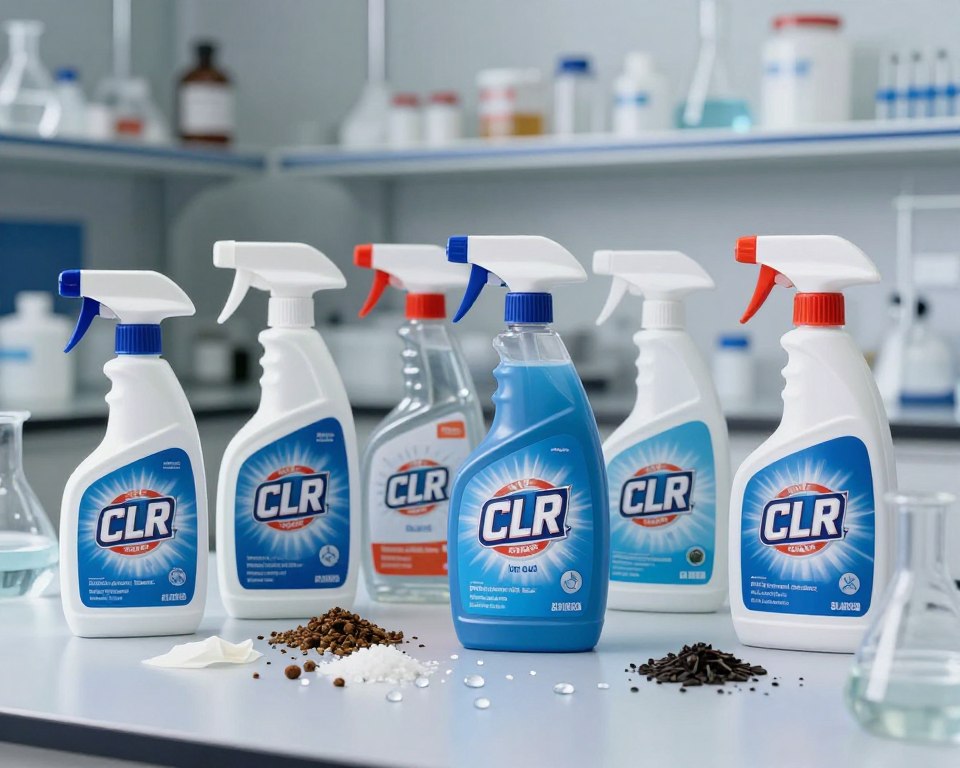
CLR cleaner’s power comes from a mix of acidic parts. These parts are made to remove tough grime at home. By looking at the CLR cleaner ingredients, we see how it can dissolve hard buildup that regular soaps can’t.
When we talk about CLR cleaner safety, knowing is key. A home maintenance expert once said:
“Knowing the chemistry of your cleaning agents lets you use them well and safely in your home.”
Key Ingredients Found in CLR
The main part of CLR is lactic acid. This acid is great at breaking down mineral deposits without being too harsh.
The formula also has lauramine oxide. This acts as a surfactant, spreading the liquid and getting into grime layers. Some compare products to see if they are toxic, like checking if Pine-Sol is toxic. But, it’s key to focus on CLR’s acidic makeup.
How the Formula Works on Mineral Deposits
CLR targets the bonds in calcium, lime, and rust. When it meets these minerals, it breaks the bond.
This makes solid deposits turn into liquid, easy to wash away. The formula is made for these deposits, making cleaning faster and easier. Always use it in a well-ventilated area for the best CLR cleaner safety.
Is CLR Cleaner Toxic to Breathe or Touch
It’s important to know if CLR cleaner is safe for your home. Many people wonder, is CLR cleaner toxic to breathe or touch when cleaning. CLR is good at removing tough stains but can irritate skin and eyes if not used right.
Respiratory Risks Associated with Inhalation
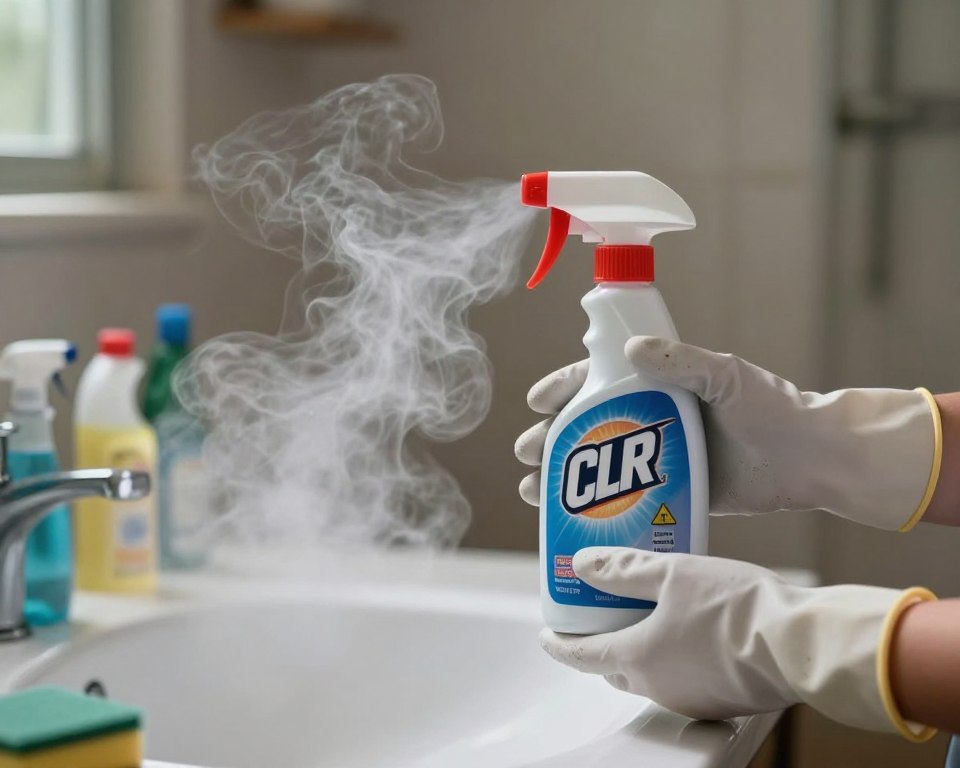
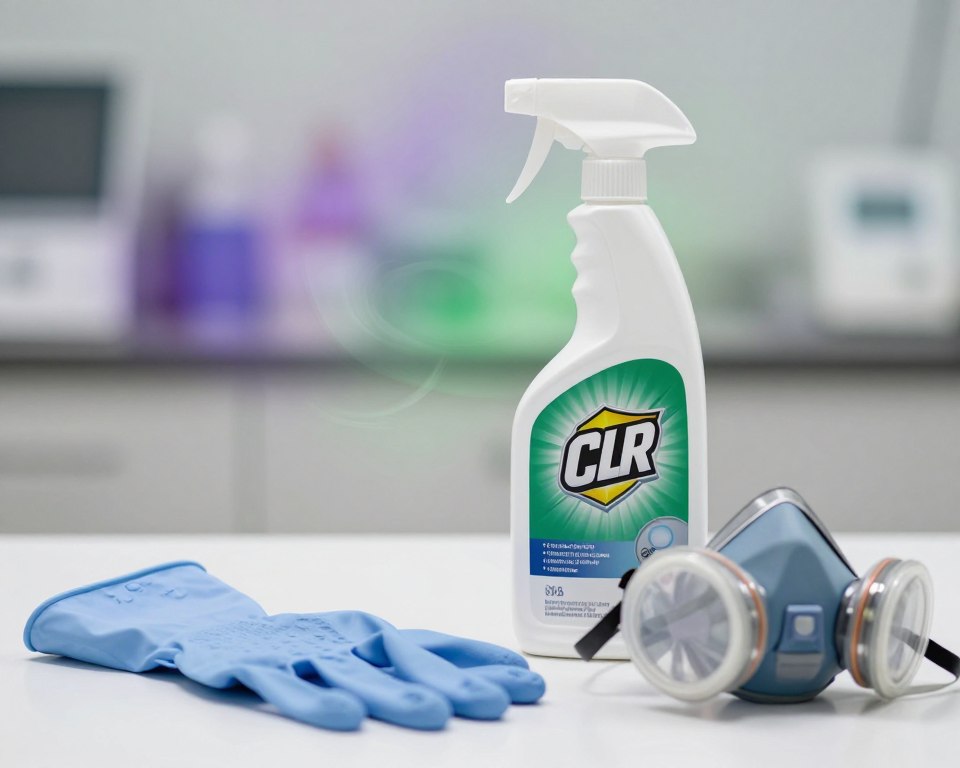
When you spray cleaning solutions, tiny droplets can float in the air. These droplets might make your throat or nose feel uncomfortable. It’s not usually harmful, but make sure you’re in a well-ventilated area to avoid breathing it in too much.
Concerned about chemical vapors? You might also want to learn about other household dangers, like is bleach toxic when inhaled. Always keep your face away from the spray area to avoid irritation.
Dermal Sensitivity and Skin Contact Reactions
The health risks of CLR cleaner are mainly from touching it. Its acidic nature can dry out your skin, causing redness or irritation. If you have sensitive skin, you might feel a tingling or itching sensation after contact.
To avoid these issues, always wear rubber gloves when using CLR. If your skin does get exposed, rinse it with cool water to neutralize the acid. Here’s a table showing how to handle different types of exposure safely.
| Exposure Type | Potential Reaction | Recommended Action |
|---|---|---|
| Skin Contact | Mild irritation or redness | Wash with soap and water |
| Inhalation | Throat tickle or coughing | Move to fresh air immediately |
| Eye Contact | Stinging or watering | Flush with water for 15 minutes |
Analyzing the Material Safety Data Sheet for CLR
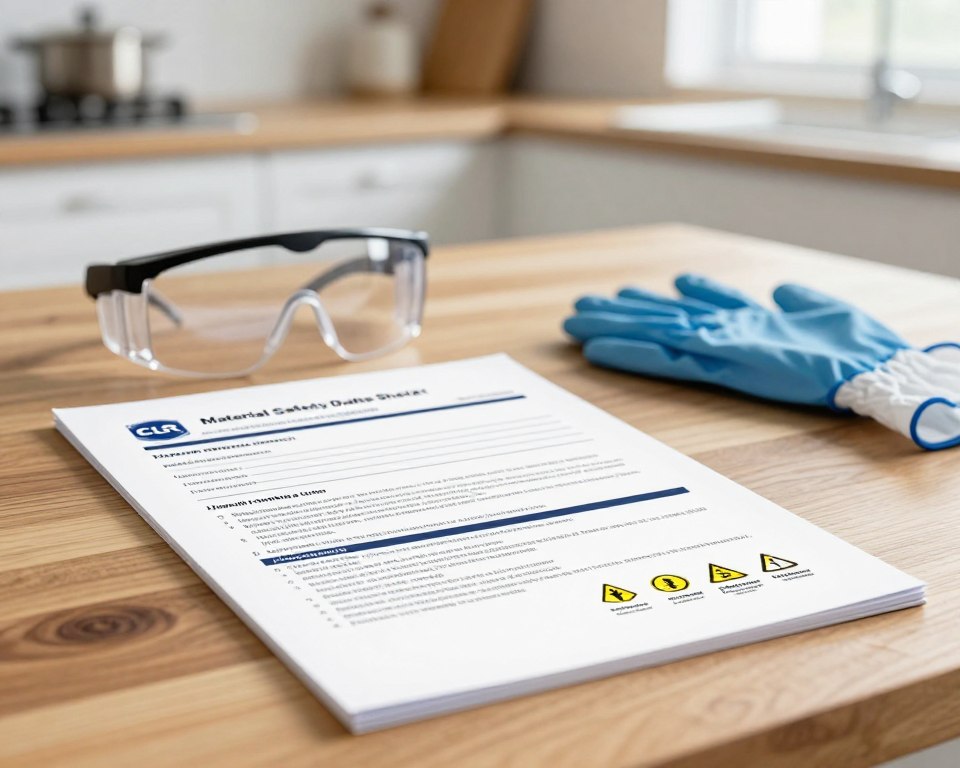
The Material Safety Data Sheet, or MSDS for CLR cleaner, is your key to safe product use. These documents might seem complex, but they hold vital information. Understanding this data helps you handle the product safely at home.
Interpreting Hazard Classifications
Looking at the documentation, you’ll see labels about the product’s nature. It’s crucial to know the difference between toxic substances and irritants. Most importantly, the classification tells you how cautious you should be when cleaning.
The classification system points out key areas of concern:
- Eye Irritation: Direct contact might cause redness or discomfort.
- Skin Sensitivity: Mild irritation can occur if the solution stays on the skin.
- Respiratory Impact: Throat or nose irritation is possible in poorly ventilated areas.
Understanding Exposure Limits and Guidelines
The MSDS for CLR cleaner sets specific exposure limits for your safety. These limits are based on thorough testing to ensure safe household use. Sticking to the manufacturer’s guidelines helps avoid accidental overexposure.
To keep your environment safe, follow these safety protocols:
- Ensure good airflow by opening windows or using fans.
- Wear protective gloves to avoid prolonged skin contact.
- Avoid mixing the product with other household chemicals.
By reading the MSDS for CLR cleaner, you’re better equipped to use it safely. These documents are not just for professionals. They’re essential for anyone wanting a clean and safe home. Always prioritize your well-being by following the instructions carefully.
Immediate Health Effects of Accidental Exposure
Cleaning your home should be safe, but accidents with chemicals can happen fast. When using strong descalers, knowing the early signs of CLR cleaner exposure effects is key. Being ready helps you handle small issues before they get worse.
Symptoms of Skin and Eye Irritation
If the product touches your skin, you might see immediate redness or a stinging sensation. Long exposure can cause dryness or irritation, feeling like a mild burn. Rinse the area well with cool water to stop the reaction.
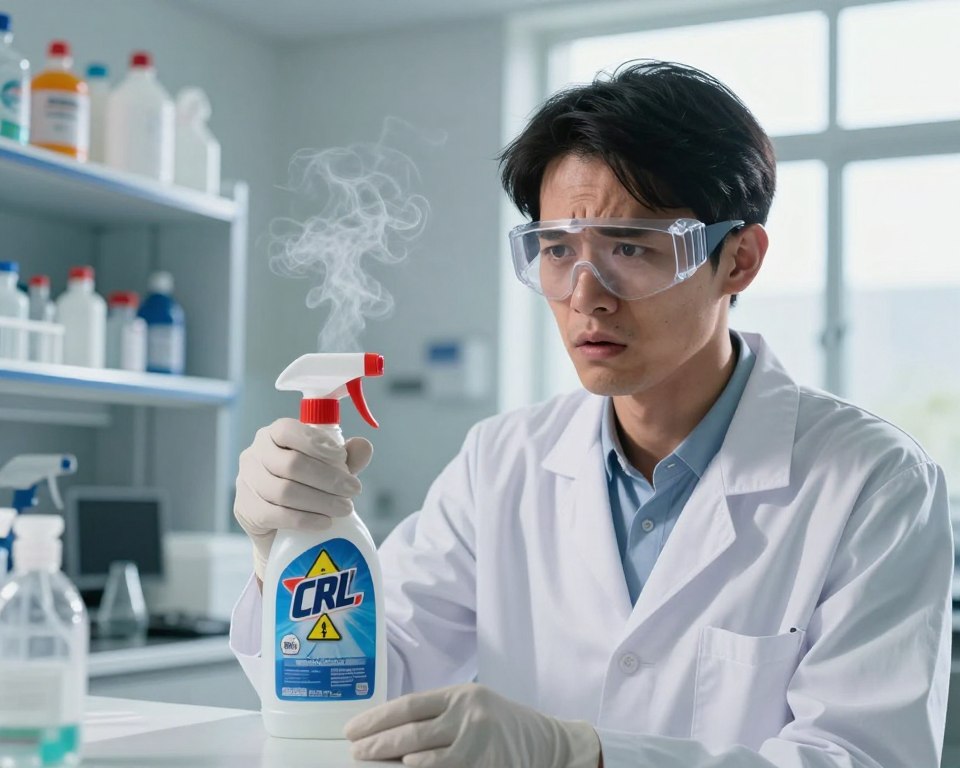
Eye contact is very sensitive and needs your full attention. You might see watering, blurred vision, or intense burning if it splashes in your eyes. If you notice these CLR cleaner exposure effects, flush your eyes with clean water for at least fifteen minutes. Then, seek medical advice if the discomfort lasts.
Respiratory Distress and Inhalation Symptoms
Inhaling strong fumes can irritate your nose, throat, and lungs. You might start coughing or feel a scratchy throat soon after. These CLR cleaner exposure effects mean the air quality has changed.
In some cases, you may feel mild shortness of breath or chest tightness. If you have trouble breathing, get to a place with fresh air right away. Staying calm and moving away from the source helps your respiratory system recover fast.
Long-Term Health Considerations and Chronic Exposure
Many people wonder if using household chemicals can harm their health over time. They might think that using acidic cleaners like CLR could be risky. But, if you follow the instructions, CLR is safe for most household tasks.
Potential Risks of Repeated Use
It’s crucial to know how cleaning products affect your home. Learning about indoor air pollutants helps keep your home safe. CLR is made for tackling mineral deposits and doesn’t stay in the air or on surfaces long.
Consistency is key for safe cleaning. Using the product as needed and ensuring good ventilation helps avoid irritation. Unlike some harsh chemicals, CLR is meant for short, controlled use.
Understanding Cumulative Exposure Effects
Our bodies are good at handling and getting rid of small chemical exposures. There’s no proof that CLR’s ingredients build up in your body over time. Thoroughly rinsing surfaces removes the chemical, preventing long-term contact.
To understand the safety of routine cleaning, we’ve made a table. It shows why using CLR in a standard way is safe for most homes.
| Exposure Type | Frequency | Safety Outcome |
|---|---|---|
| Occasional Cleaning | Monthly | Negligible risk |
| Routine Maintenance | Weekly | Safe with ventilation |
| Improper/Excessive Use | Daily/Heavy | Potential for irritation |
By balancing your cleaning routine, you can have a clean home without worrying about CLR’s health risks. Always make sure to have fresh air and rinse well to keep your home healthy for everyone.
Best Practices for Handling CLR Cleaner Safely
Keeping your home clean and safe is easy with the best practices for handling CLR cleaner. Start with a few simple steps before you begin. This way, you can clean efficiently without risks. Consistency is key for a safe environment while using CLR cleaner.
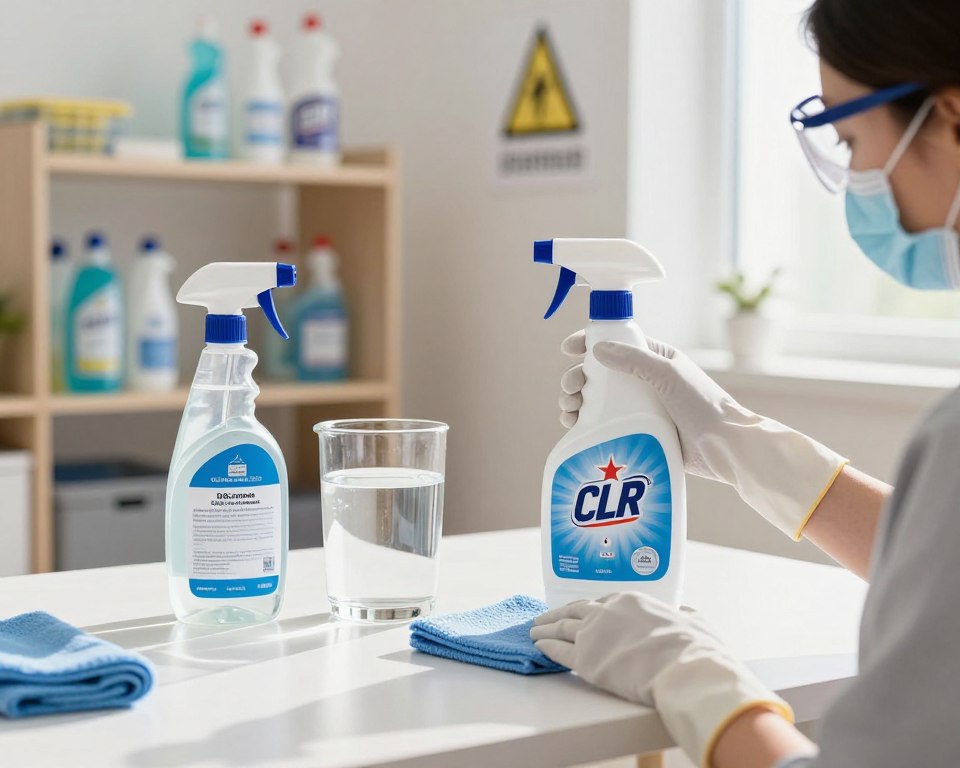
Essential Personal Protective Equipment
The right gear is your first defense against chemical irritation. Always wear skin and eye protection to avoid accidents.
Make sure you have these items ready for descaling:
- Rubber or nitrile gloves: Prevents the solution from getting into your skin.
- Safety goggles: Keeps your eyes safe from splashes or mist.
- Long-sleeved clothing: Adds extra protection against spills.
Proper Ventilation Techniques During Application
Good airflow is as crucial as protective gear. In small spaces like bathrooms or laundry rooms, fumes can quickly build up.
Here’s how to keep the air quality high:
- Open windows and doors: A cross-breeze helps vapors escape fast.
- Use exhaust fans: Turn on fans in bathrooms or kitchens to pull air away.
- Use portable fans: If there’s no natural ventilation, place a fan near a doorway to bring in fresh air.
By adopting these simple habits, you lower the risk of respiratory issues. Proper setup makes cleaning safer for you and your family.
Safe Storage and Disposal Guidelines
Creating a routine for safe storage and disposal of cleaning products is key. It keeps your family and the environment safe. Consistency is the key to maintaining a safe living space.
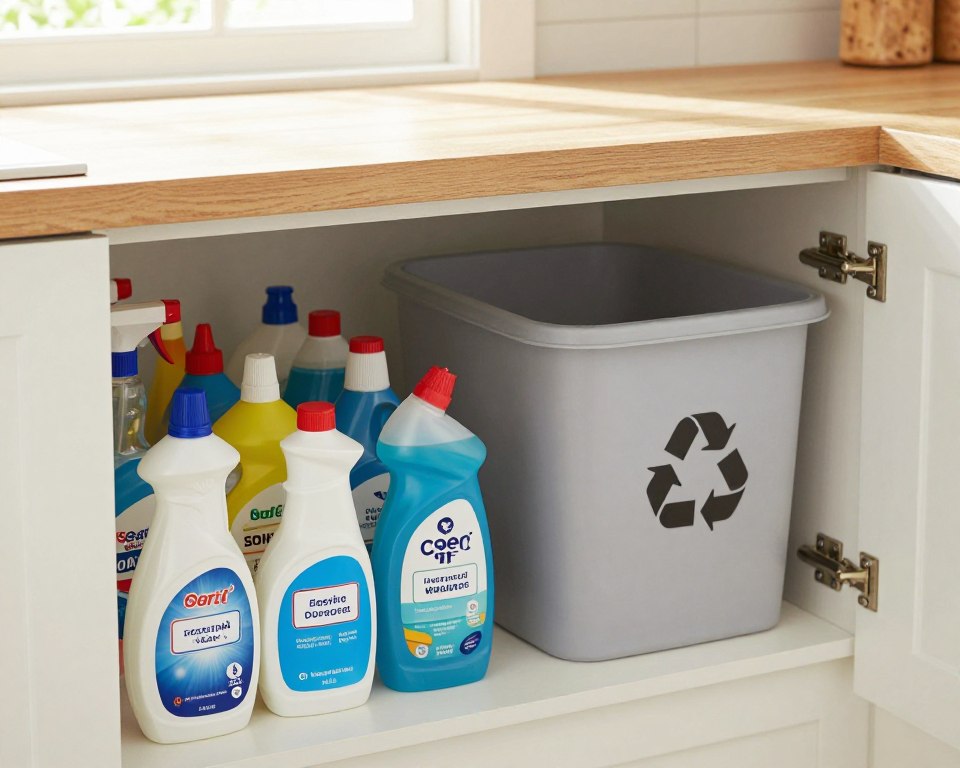
Preventing Accidental Ingestion or Spills
Always store cleaning supplies in their original containers with labels. Keep them in a cool, dry, and well-ventilated area. This prevents chemical degradation or reactions to temperature changes.
Make sure these spots are high up or locked away. This keeps them out of children and pets’ reach.
“Safety is not just a practice; it is a mindset that starts with how we organize our homes.”
If you spot a leak or damaged cap, fix it right away. Move the contents to a compatible, clearly labeled container. Never store cleaning agents near food or medications to avoid accidental ingestion. Organization prevents accidents before they happen.
Environmentally Responsible Disposal Methods
When a bottle is empty, dispose of it as per local guidelines. Many places have recycling programs for plastic containers. Always rinse the bottle well before recycling it.
Never pour concentrated chemicals into storm drains or on the ground. This can harm local water sources.
For detailed info on chemical properties and handling, check the official safety data sheet. Following these guidelines helps protect the ecosystem. Responsible disposal is a simple way to contribute to a healthier planet.
- Keep containers tightly closed when not in use.
- Store in a dedicated cabinet away from heat sources.
- Check local waste management websites for hazardous material drop-off days.
Comparing CLR to Other Household Cleaning Agents
Understanding household chemicals is easier when you know how products like CLR compare. The right choice ensures a deep clean and safety. Knowing these differences helps manage your cleaning supplies and avoid risks.
Acidic Cleaners Versus Alkaline Alternatives
Household cleaners are mainly acidic or alkaline. Acidic cleaners, like CLR, dissolve mineral deposits. They are great for tough buildup that other products can’t handle.
Alkaline alternatives, such as degreasers, work on organic stains. They are better for kitchen surfaces. Mixing acidic and alkaline cleaners is dangerous.
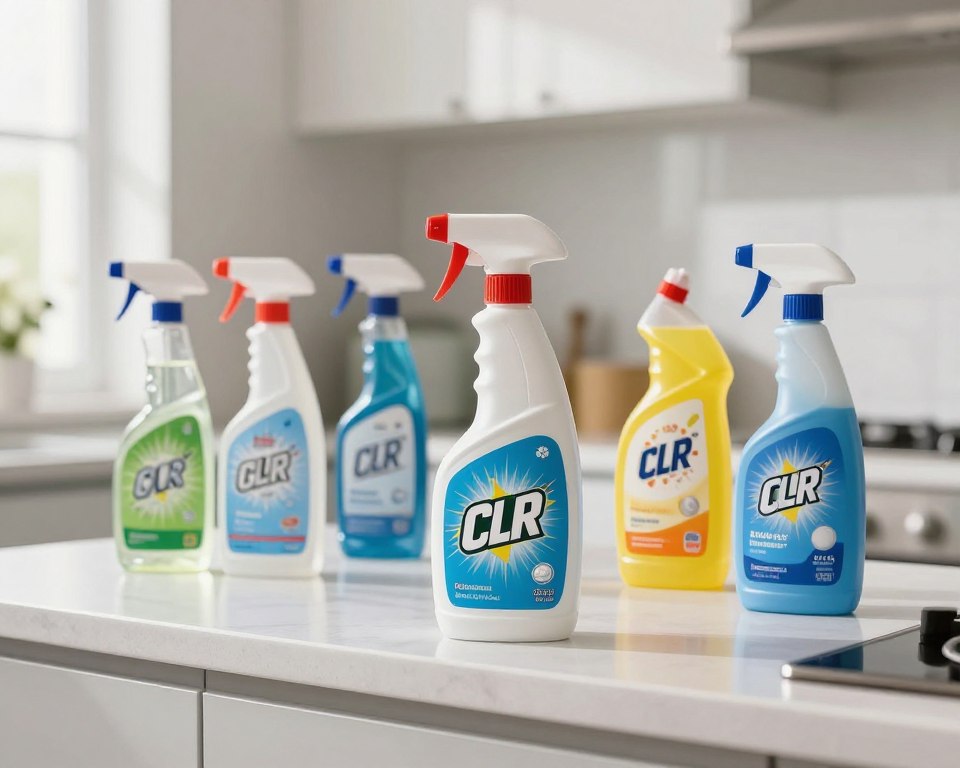
Safety Profiles of Common Descaling Products
Descaling products have different safety levels based on their ingredients. Some use harsh acids, while others use milder acids. Always read labels for handling instructions.
The table below shows differences between common cleaners. It helps you choose wisely:
| Cleaner Type | Primary Use | Chemical Nature | Safety Focus |
|---|---|---|---|
| CLR (Descaler) | Mineral Deposits | Acidic | Skin/Eye Protection |
| Degreasers | Grease/Oil | Alkaline | Ventilation |
| Bleach | Disinfection | Oxidizing | Avoid Mixing |
When picking a product, remember these essential safety tips:
- Store cleaners in their original containers to avoid misuse.
- Keep your workspace well-ventilated, mainly with strong acidic formulas.
- Wear gloves to protect your skin from irritation.
- Never mix different cleaning agents, as it can create harmful fumes.
By knowing that specialized descalers need different handling, you ensure home safety. Always follow the manufacturer’s instructions for each product.
First Aid Procedures for CLR Exposure
Accidents can happen fast, so knowing how to react is key. Household items like Ajax powder are common, but descalers need extra care. Being ready helps you act fast if there’s a spill or splash.
Steps to Take After Skin or Eye Contact
If CLR touches your skin, flush the area with cool water for 15 minutes. Take off any clothes that got wet to avoid more irritation. If your skin stays red or burns, get medical help right away.
For eye contact, rinse your eyes gently with water for 15 to 20 minutes. Don’t rub your eyes, as it can hurt more. Always talk to a doctor if you see blurry or have eye pain after rinsing.
What to Do in Case of Inhalation or Ingestion
If you breathe in fumes, get to fresh air fast. If you can’t breathe well, call for emergency help right away. Staying calm helps your heart rate while you wait for help.
If you swallow CLR, don’t make yourself vomit unless a doctor or poison control tells you to. If you can, drink a little water or milk. Call your local poison control center for advice based on how much you swallowed.
| Exposure Type | Immediate Action | Key Precaution |
|---|---|---|
| Skin Contact | Rinse with water | Remove clothing |
| Eye Contact | Flush for 15+ mins | Do not rub eyes |
| Inhalation | Move to fresh air | Seek medical help |
| Ingestion | Call Poison Control | Do not induce vomiting |
Using CLR Safely Around Children and Pets
When you have little ones or furry friends around, managing household chemicals is crucial. Keeping your home clean is important, but keeping your family safe is always the top priority. By following a few simple precautions, you can safely remove mineral deposits without risking your loved ones.
Creating a Child-Proof Cleaning Environment
Children are naturally curious and often explore by touching surfaces or putting items in their mouths. To prevent accidental exposure, treat cleaning products with caution, like medicine or sharp tools. Always store your cleaning supplies in a locked cabinet or on a high shelf that is completely inaccessible to young children.
Here are some strategies to keep your cleaning routine safe:
- Schedule your cleaning for times when children are napping or playing in a different room.
- Keep the original labels on all bottles so you can quickly identify ingredients in an emergency.
- Never leave a bottle of cleaner unattended, even for a moment, while you are working.
- Ensure that the area you are cleaning is well-ventilated to prevent curious toddlers from breathing in fumes.
Protecting Household Pets from Chemical Residue
Our pets are often closer to the floor and surfaces than we are, making them more susceptible to chemical residue. If you use a descaling agent on a shower floor or a kitchen sink, your pet might walk through the area and then lick their paws. This behavior can lead to accidental ingestion of harmful chemicals if the surface has not been properly cleaned.
Follow these steps to keep your pets safe during and after your cleaning tasks:
- Keep pets out of the room until the surface has been thoroughly rinsed with water.
- Wipe down surfaces with a damp cloth after the initial rinse to ensure no acidic residue remains.
- Ensure the area is completely dry before allowing your pet to walk on or near the treated surface.
- If you are cleaning a pet’s water bowl or feeding area, rinse it multiple times to guarantee no trace of the cleaner is left behind.
By taking these extra steps, you create a secure environment where your home stays clean and your pets stay healthy. Consistency is the key to preventing accidents and maintaining peace of mind for every member of your household.
Common Myths and Misconceptions About CLR Safety
Keeping your home clean means knowing what’s true and what’s not. Social media often gives mixed advice on household items. By looking at CLR cleaner safety through science, you can make smart choices without worry.
Debunking Safety Claims Found Online
The internet can spread false information that worries people. You might have seen claims that certain cleaners are too dangerous for homes. But these claims often don’t consider the product’s real purpose.
It’s better to trust facts than rumors. Here are some common myths you might see online:
- Myth: All acidic cleaners are equally corrosive to human skin.
- Myth: The scent of a cleaner is a direct indicator of its toxicity level.
- Myth: Household descalers will cause permanent damage after a single brief exposure.
Clarifying the Difference Between Toxic and Irritant
Knowing the difference between “toxic” and “irritant” is crucial for CLR cleaner safety. Many confuse these terms, but they mean different things. An irritant might cause temporary discomfort, while a toxic substance is more dangerous.
This table shows the key differences to help you handle products safely:
| Feature | Irritant | Toxic Substance |
|---|---|---|
| Primary Effect | Temporary redness or itching | Systemic health damage |
| Exposure Impact | Localized to contact area | Can affect internal organs |
| Recovery | Usually quick after washing | Often requires medical care |
Knowing that most cleaners are irritants, not toxic, lets you clean with confidence. Always use good ventilation and wear protective gear for the best CLR cleaner safety.
Surface Compatibility and Chemical Reactions
Using strong cleaners like CLR requires knowing which surfaces are safe. Many think mixing cleaning products deepens the clean, but this can lead to hazardous reactions. It’s key to understand the chemistry of your cleaning supplies to keep your home safe.
Avoiding Dangerous Chemical Mixtures
Cleaning agents have specific pH levels and active ingredients. Mixing them can neutralize their effects or create toxic fumes. Always use one product at a time and rinse well before applying another.
Surface compatibility is crucial before cleaning. CLR works well on mineral deposits but can harm certain stones, colored grout, or metals. Always test a small area first to check if the material can handle the cleaner’s acidity.
Why You Should Never Mix CLR with Bleach
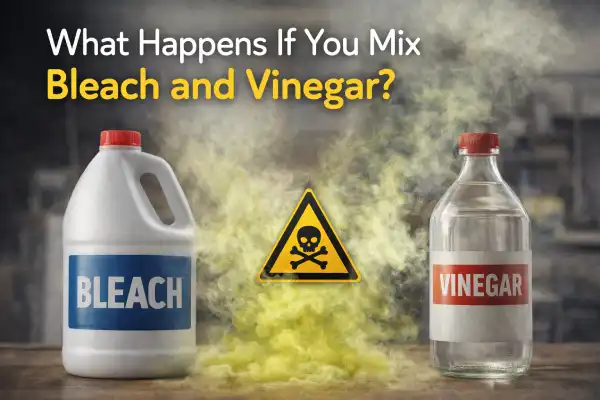
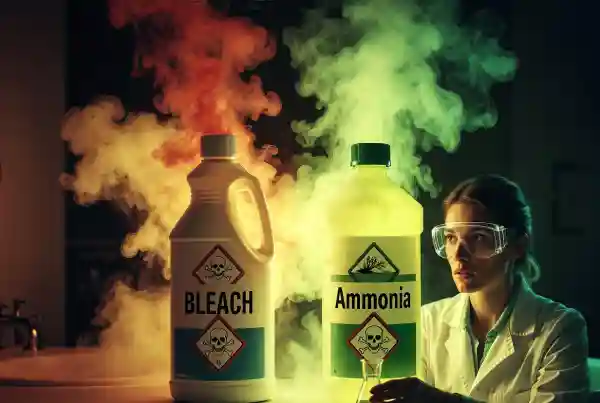
Mixing CLR with bleach is a big mistake. CLR dissolves calcium and lime, while bleach is a strong oxidizer. Together, they can release toxic chlorine gas in your home.
Inhaling these fumes can cause breathing problems, eye and throat burns. This risk is avoidable by keeping cleaners separate and not using them together on the same surface. Always prioritize safety during cleaning.
| Cleaning Agent | Primary Function | Safety Warning |
|---|---|---|
| CLR | Descaling/Mineral Removal | Never mix with bleach or ammonia |
| Bleach | Disinfecting/Whitening | Avoid contact with acids |
| Vinegar | Mild Cleaning | Do not mix with bleach |
| Ammonia | Degreasing | Never mix with bleach |
Professional Recommendations for Heavy-Duty Cleaning
When your home cleaning project gets too big, it’s time to get help. Some jobs need special tools or skills to do right. It’s key to follow best practices for handling CLR cleaner and know your limits for a safe home.
When to Call in Professional Help
Call a pro if you have tough mineral deposits in complex systems or big equipment. If regular cleaning doesn’t work, using stronger chemicals can harm your stuff. Professional cleaners have tools that reach places you can’t safely.
Think about getting help if you see:
- Big scale buildup in big water heaters or boilers.
- Corrosion or damage under the mineral layers.
- Large-scale ventilation systems where fumes could get trapped.
- Uncertainty about chemical safety on your surfaces.
Industrial Safety Standards for Descaling
Pros follow strict safety rules that go beyond home cleaning. They use top-notch gear like chemical masks and full suits. This keeps risks very low, even with tough jobs.
They also work in controlled areas. This means using barriers and air scrubbers to handle fumes. By seeing how they work, you can learn to keep safe in your own cleaning tasks. Always remember, safety is the top priority with any cleaning job.
Environmental Impact and Sustainability
Wondering how a strong descaler like CLR fits into an eco-friendly lifestyle? It’s a common challenge for many families. Making informed choices about products is key to a sustainable home.
Biodegradability of CLR Ingredients
Many worry about what happens to cleaning agents after they go down the drain. The good news is that CLR’s main ingredients are biodegradable. They break down into simpler, less harmful parts in the right conditions.
This knowledge makes you more confident in tackling tough mineral deposits. The formula is effective at dissolving calcium and lime but doesn’t harm the environment like harsh chemicals do. Choosing products that break down naturally is good for your local ecosystem.
“The greatest threat to our planet is the belief that someone else will save it.”
Reducing Your Chemical Footprint at Home
You can reduce your chemical footprint while keeping your home clean. One effective strategy is to use only the amount necessary for the job. Avoiding over-applying cleaners prevents waste and eases the burden on water treatment facilities.
Here are some simple habits to boost your sustainability:
- Always measure your cleaner instead of pouring it directly from the bottle.
- Make sure to rinse surfaces well to avoid excess residue going down the drain.
- Keep your products in a cool, dry place to keep them potent and prevent leaks.
Being mindful of how you use these solutions helps your home stay healthy. Small, consistent changes in your cleaning routine have a big impact over time. Staying informed lets you keep your home clean without harming the earth.
Conclusion
Mastering home maintenance is about finding the right balance. CLR is great for removing mineral buildup, but it’s strong. You need to be careful and use protective gear.
Proper ventilation is key to keeping your home safe. This way, cleaning doesn’t become a risk for your family.
Chemical exposure is a big concern in our homes. Learning about are cleaning products safe during pregnancy helps a lot. Knowing what’s in your cleaning products helps you choose safer options for your family.
Making small changes can greatly improve your home’s air quality. Using plant-based cleaners or making your own can reduce harmful chemicals. Taking care and being mindful makes cleaning easier and safer for everyone.
Your dedication to safety makes your home a healthier place. It’s a place where your loved ones can thrive.
FAQ
Is CLR cleaner toxic to breathe or touch during normal use?
CLR is not classified as a systemic toxin, but it is a known irritant. It can cause discomfort to the lungs if inhaled in high concentrations and can irritate the skin or eyes upon contact. Always use it in well-ventilated areas and wear gloves.
Where can I find the MSDS for CLR cleaner?
The Safety Data Sheet (SDS) is available directly on the Jelmar website. It provides detailed information on CLR cleaner safety, chemical properties, and emergency first aid measures.
What are the main CLR cleaner ingredients?
The primary active ingredients are Lactic Acid, which dissolves minerals, and Lauramine Oxide, which acts as a surfactant to help clean surfaces. The formula is designed to be biodegradable.
What are the best practices for handling CLR cleaner safely?
To ensure maximum safety, always wear rubber gloves and eye protection. Ensure the room has proper ventilation by opening windows or using exhaust fans, and never mix the product with other chemicals, including bleach.
What are the common CLR cleaner exposure effects?
Exposure can lead to redness and itching of the skin, stinging in the eyes, and coughing or throat irritation if the vapors are inhaled. If these symptoms occur, move to fresh air and rinse the affected area with water.
Are there significant health risks of CLR cleaner for long-term users?
When used as directed, there are no known long-term or cumulative health risks of CLR cleaner. It is not considered a carcinogen and does not build up in the body or the environment.
Is CLR safe to use around my pets?
Yes, as long as you follow best practices for handling CLR cleaner. Keep pets out of the area while cleaning, and ensure all surfaces are thoroughly rinsed and dried before allowing pets to come back into contact with them.
Can I mix CLR with Clorox or other bleach products?
No. You should never mix CLR with bleach. Combining an acid with bleach creates hazardous chlorine gas, which can be very dangerous to breathe.