Did you know the average American home has over 60 toxic chemicals in common products? Many families think items on store shelves are safe for kids and pets. But, the truth about product labels is often complex.
We see marketing terms that seem safe, but they can be misleading. It’s crucial to look beyond the marketing. Understanding ingredient transparency is key to keeping your home safe. This guide will help you understand the science behind these products, so you can choose wisely for your family.
Key Takeaways
- Many household products use vague marketing terms that lack strict regulatory definitions.
- “Non-toxic” labels do not always guarantee a product is free from all harmful substances.
- Ingredient transparency remains the most reliable indicator of a product’s safety profile.
- Regulatory standards for cleaning supplies differ significantly from food or cosmetic safety rules.
- Consumers should prioritize reading full safety data sheets over relying on front-of-bottle claims.
Understanding the Composition of Simple Green
When Sunshine Makers, Inc. launched Simple Green in 1979, the cleaning world was very different. Over the years, Simple Green has changed a lot. It now meets today’s safety standards and what people want.
This change shows a big shift in the cleaning industry. It’s moving towards being more open and caring for the environment.
The Evolution of the Simple Green Formula
The first Simple Green was very strong. But, as it went into homes, it needed to be gentler. The company removed harmful stuff from it.
Continuous innovation helped keep Simple Green effective. Yet, it’s now safer for users.
This change wasn’t just for marketing. It was a real shift in how Simple Green works. Today, homeowners get the benefits of all this work.
Key Chemical Components Explained
The product uses special surfactants and solvents. These help remove grease and dirt easily. Understanding these ingredients is key for smart cleaning choices.
The updated Simple Green uses biodegradable surfactants. These are strong but gentler than old chemicals. They work well on many surfaces, from kitchen counters to garage floors.
Is Simple Green All-Purpose Cleaner Actually Non-Toxic?
Many people wonder if a product labeled as a non-toxic cleaner is safe for everyone. But, the truth about chemical labels is more complex than it seems. It’s not just about what’s on the label.
Sunshine Makers, Inc., the maker of Simple Green, faced legal issues over the term “non-toxic.” Instead of fighting in court, they chose to settle. This shows how important it is for companies to be open about what’s in their products.
Defining Non-Toxic in the Cleaning Industry
In the cleaning world, “non-toxic” doesn’t have a clear legal meaning. Since there’s no strict rule, companies use it loosely. This means what we think it means and what it really is can be different.
“The challenge with marketing terms is that they often outpace the regulatory framework, leaving consumers to navigate a sea of ambiguous labels.”
Now, many brands are avoiding the “non-toxic” label to avoid lawsuits. They’re focusing on listing all ingredients and getting third-party checks. This way, people can make choices based on real information, not just promises.
The Reality of Toxicity vs. Safety
When we ask if Simple Green is non-toxic, we need to know the difference between “non-toxic” and “safer.” A product might be safer than old cleaners but still need to be handled with care. Knowing this helps keep our homes safe.
| Term | Common Perception | Regulatory Reality |
|---|---|---|
| Non-Toxic | Completely harmless | Lacks strict legal definition |
| Natural | Derived from plants | Can still be irritating |
| Safer Choice | EPA-vetted ingredients | Meets specific safety standards |
Safety is not just yes or no. Even safer products need to be used carefully. By looking beyond the label, we can understand what we’re using in our homes better.
Decoding the Ingredient List
Looking at the Simple Green ingredients shows how it cleans tough messes. It’s important for us to know what we’re using in our homes. This way, we can choose better for our cleaning needs.
The cleaner has a mix of ingredients that work together. They help remove dirt and stains from different surfaces. Here are the main parts of the formula:
- Water: It carries the active ingredients.
- C9-11 Alcohols Ethoxylated: A strong surfactant that removes oils.
- Sodium Citrate: A key agent that softens water.
- Citric Acid: It balances the pH and boosts cleaning power.
Surfactants and Their Role in Cleaning
Surfactants are crucial for cleaning. In this formula, C9-11 alcohols ethoxylated are the main ones. They connect water to oily dirt.
When you use the cleaner, these molecules grab the dirt. They pull it away from surfaces and mix it with water. This makes cleaning easier without harsh scrubbing.
Solvents and Chelating Agents
The product also has special agents for better cleaning. Sodium citrate and citric acid are chelating agents. They keep the cleaner working well in different water types.
These agents help the solution stay effective on various surfaces. By knowing about these Simple Green ingredients, we can use it more confidently in our cleaning tasks.
Regulatory Standards and Safety Certifications
Dealing with household chemicals can be tough for most people. It’s key to trust Simple Green safety information over just marketing words on bottles.
Regulatory groups offer a clear path to find safe products. Look for official stamps to find cleaners that match your health needs. For example, a grill cleaner spray safe for food areas.
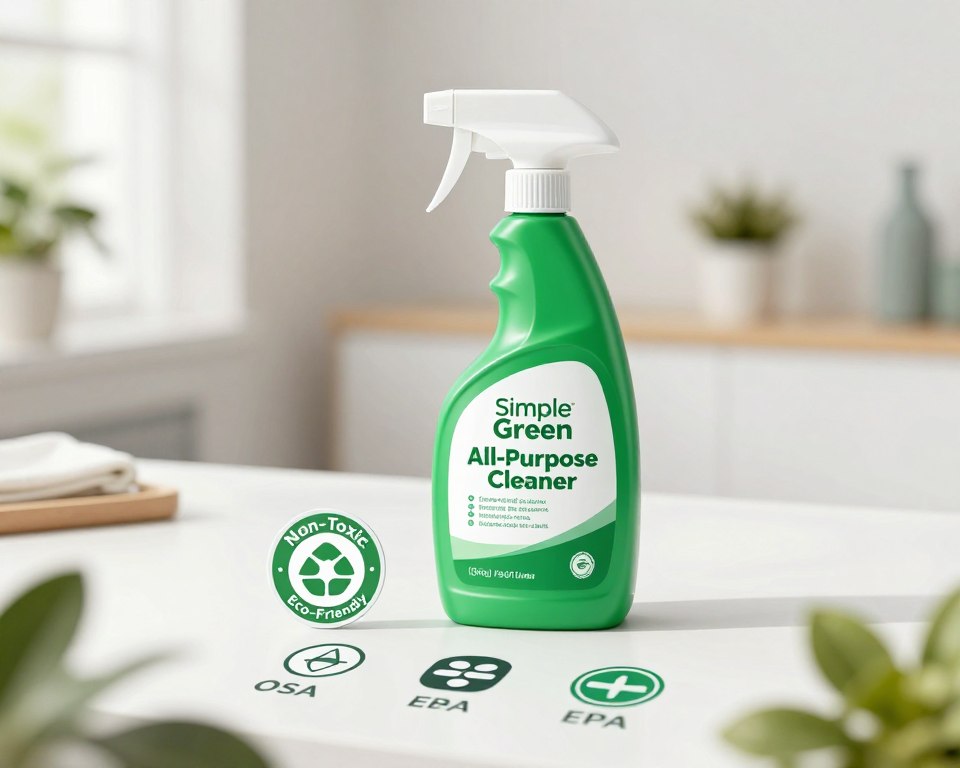
Understanding EPA Safer Choice Certification
The Environmental Protection Agency (EPA) runs the Safer Choice program. It helps find products safer for families and the environment. Simple Green All-Purpose Cleaner is part of this program, showing it’s been thoroughly checked.
The EPA checks each ingredient before giving the label. This label means the product meets strict criteria:
- Human health safety: Ingredients are tested for toxicity and long-term health risks.
- Environmental protection: The formula must break down easily and be safe for water.
- Performance standards: The product must work well for its purpose.
Compliance with State and Federal Regulations
Manufacturers also follow strict state and federal laws. These laws make sure labels are honest about safety and use.
Terms like “natural” or “eco-friendly” might not be checked, but federal rules are. This means you can trust the safety data. When you look at the product’s documents, you see data checked by government agencies.
Comparing Simple Green to Traditional Chemical Cleaners
When you look at cleaning products, it’s good to know the differences. Simple Green is known for being safe, with a NFPA/HMIS rating of 0. This means it’s much safer than many other cleaners. These other cleaners often use harsh chemicals to get rid of dirt.
Choosing the right cleaning supplies is key to a safe home. For more tips on keeping your home clean, check out these cleaning tips and tricks. Knowing the differences helps you make better choices for your home.
Differences in Volatile Organic Compounds
Volatile Organic Compounds, or VOCs, can harm indoor air quality. Traditional cleaners often have high VOC levels to work faster. But, newer water-based cleaners aim to have lower VOCs for safer use.
- Traditional Cleaners: Often contain petroleum distillates or high-solvent concentrations.
- Simple Green: Designed to minimize airborne emissions during standard use.
- Health Impact: Lower VOC levels generally lead to fewer respiratory irritations.
Comparing pH Levels and Corrosivity
The pH level of a cleaner affects how it works and its safety. Industrial cleaners are often very acidic or alkaline. This makes them strong but also highly corrosive to materials like stone or metals. Simple Green is made to be safer, reducing damage risk.
| Feature | Traditional Cleaners | Simple Green |
|---|---|---|
| pH Level | Highly Acidic/Alkaline | Near Neutral |
| Corrosivity | High Risk | Low Risk |
| Safety Rating | Variable | 0/Minimal |
Choosing cleaners with lower corrosivity helps protect your home. Always test cleaners on a small area first. This ensures your cleaning is safe and effective.
Potential Health Risks and Sensitivities
If you’re worried about your family’s health, you might wonder: is Simple Green safe to use? The brand has made its formula safer over time. But, everyone reacts differently to products.
Skin Irritation and Dermatological Concerns
In 2013, the maker of Simple Green removed 2-butoxyethanol from its cleaner. This was due to concerns about toxicity. Removing this solvent lowered the risk of skin irritation for many users.
Even with this change, those with sensitive skin or skin conditions should be careful. Using any cleaning agent for a long time can dry out your skin. We suggest wearing protective gloves for long cleaning jobs.
Respiratory Sensitivities and Inhalation Risks
Cleaning in small or closed areas can affect the air quality. Even mild products can irritate the lungs of people with asthma. It’s important to have good air flow.
If you’re unsure about using Simple Green, start by opening windows or using a fan. Applying the cleaner with a cloth instead of spraying it can also help. These steps help keep your home clean without risking your personal comfort or health.
Environmental Impact and Biodegradability
When you pour a cleaner down the drain, its journey into the ecosystem has only just begun. Many homeowners now focus on the environmental impact of their household supplies. They want to ensure they are not causing long-term harm to the planet. Choosing an eco-friendly cleaning product is a simple way to help.
How Biodegradability is Measured
Biodegradability means a substance can break down into natural elements through microorganisms. Scientists track how quickly a formula decomposes in water or soil. A product is considered environmentally friendly if it breaks down quickly and completely.
Simple Green has shown its commitment to these standards for years. In 2013, it was re-listed as an approved Surface Washing Agent by the EPA. This shows it’s safe and useful in various environmental applications.
Impact on Aquatic Life and Water Systems
Once a cleaner goes down the drain, it moves through plumbing and into water treatment systems. An environmentally friendly cleaner should not stress these systems or harm aquatic life. Harsh chemicals can upset the balance of microorganisms in wastewater treatment.
Using a biodegradable formula ensures substances in our waterways don’t linger or build up. By picking products that are ecologically safe, you keep your home clean and protect our water systems. Making smart choices about your supplies supports a sustainable future for all.
Proper Usage and Dilution Guidelines
Learning how to dilute cleaning solutions is key to a safe and effective cleaning routine. Many think adding more concentrate makes cleaning faster. But, this can leave behind harmful chemicals. Following the manufacturer’s guidelines helps protect your surfaces and air quality.
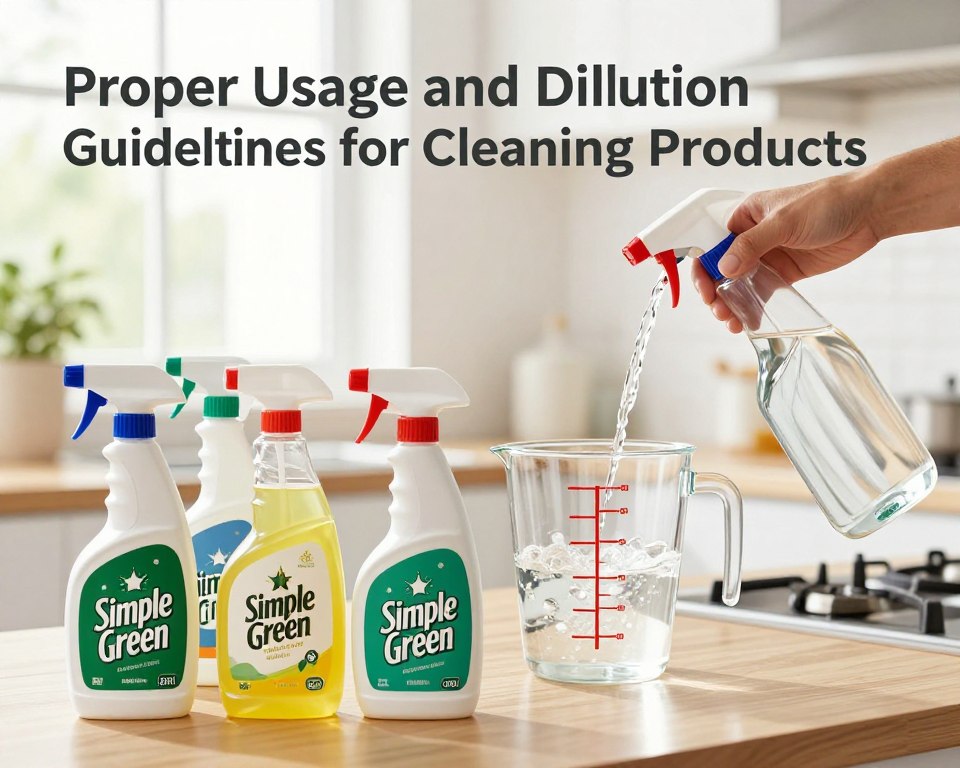
Why Dilution Matters for Safety
Using cleaning products at the right concentration is crucial for safety at home. Using full-strength products without need can cause skin irritation or breathing problems. Proper dilution ensures the ingredients work well without overwhelming your space.
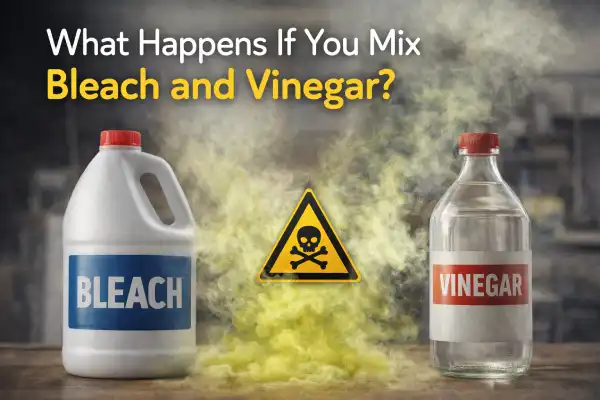
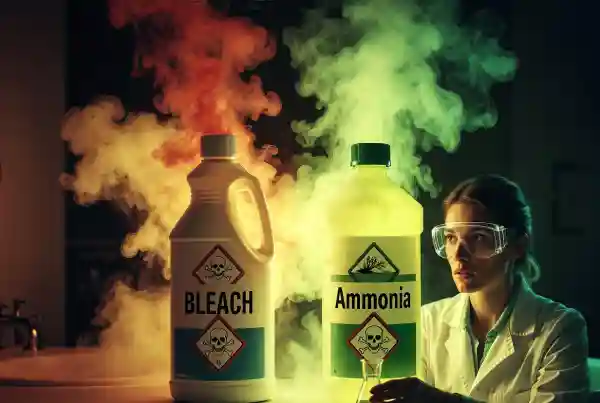
It’s also important not to mix different cleaning agents. Mixing can be dangerous and lead to harmful reactions. Sticking to recommended ratios keeps your home safe and stable.
“The goal of cleaning is to remove soil, not to saturate surfaces with chemicals. Dilution is the bridge between effective sanitation and a healthy home environment.”
Recommended Ratios for Different Surfaces
Simple Green offers clear guidance for various cleaning tasks. For tough jobs, a 1:10 dilution ratio is best. This mix is great for cleaning floors, walls, and countertops.
For lighter tasks, like dusting or cleaning lightly soiled surfaces, a 1:30 dilution ratio is enough. This mix saves product while keeping your home clean. Check the table below for the right mix for your cleaning needs.
| Cleaning Task | Dilution Ratio | Best For |
|---|---|---|
| Heavy Duty | 1:10 | Grease, grime, and deep stains |
| General Purpose | 1:10 | Floors, walls, and countertops |
| Light Cleaning | 1:30 | Dusting and routine maintenance |
| Glass/Mirrors | 1:30 | Streak-free surface care |
Surface Compatibility and Cleaning Efficacy
Choosing the right cleaner for your home’s surfaces is key. Many cleaners claim to work on everything, but knowing what your surfaces need is essential. This helps keep them looking great and lasting longer.
Using the wrong cleaner can harm your surfaces. It might cause discoloration or damage. Checking if a cleaner is safe for your surfaces is important. This way, your cleaning won’t harm your belongings.
Safe Surfaces for Simple Green
Simple Green is great for many household tasks. It works well on non-porous surfaces like stainless steel, chrome, ceramic tile, and finished plastics. These surfaces often get dirty with grime and grease.
It’s also good for cleaning concrete, sealed stone, and painted areas. The formula is strong, so use it as directed. Always rinse well after cleaning to avoid streaks.
“Always perform a spot test in an inconspicuous area before applying any cleaning solution to a new surface. This simple step prevents unexpected reactions and gives you peace of mind.”
Materials to Avoid During Cleaning
Even though Simple Green is versatile, some materials need extra care. Avoid using it on delicate or porous items. This includes suede, leather, and unfinished wood, as they can get damaged by chemicals.
Also, keep it away from precious gemstones like opals and pearls. These are very sensitive to cleaners and need special care to stay shiny. Here’s a table to help you clean safely.
| Surface Type | Compatibility | Recommendation |
|---|---|---|
| Stainless Steel | Safe | Dilute as directed |
| Ceramic Tile | Safe | Use for deep cleaning |
| Leather | Avoid | Use leather-specific cleaner |
| Unfinished Wood | Avoid | Use dry dusting or wax |
| Opals and Pearls | Avoid | Use professional jewelry care |
Storage and Handling Best Practices
Where you store a cleaner is as important as how you use it. Creating a routine for your supplies is key to keeping your home safe. By following simple rules, you can keep your family safe and your products working well.
Preventing Accidental Ingestion
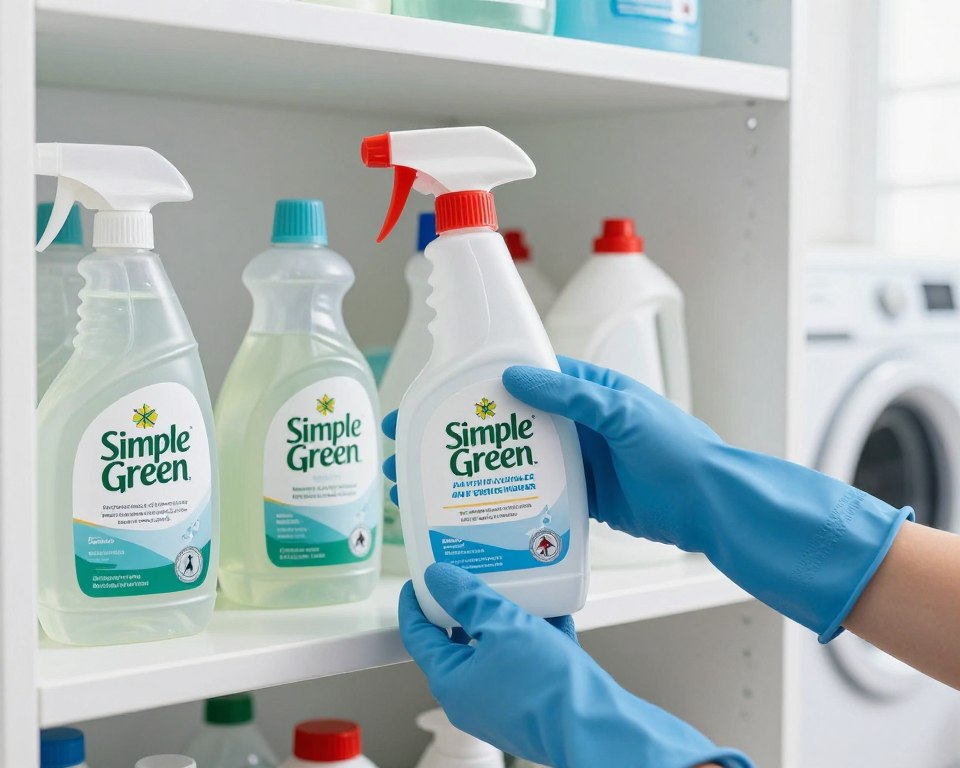
Simple Green, made by Sunshine Makers, Inc., needs careful handling. Always keep it in its original container with the label on. This helps everyone in your home know what it is and how to use it safely.
Make sure these supplies are out of children’s and pets’ reach. Use a high shelf or a locked cabinet for extra safety. These steps are crucial for keeping your home safe with Simple Green.
Safe Storage Conditions for Longevity
Storing your cleaner right also keeps it working well. Keep it in a cool, dry place away from sunlight. This keeps the formula stable and effective.
Always close the cap tightly after use to avoid spills or evaporation. Organizing your cleaning supplies helps keep your home safe and your products lasting longer. Proper care keeps your family safe and your cleaning supplies effective.
Analyzing User Experiences and Common Concerns
Real-world feedback shows how cleaning products work in homes. The Simple Green cleaner has sold over $5.7 million since 2004. It has a big user base in the U.S., with many opinions on its effectiveness.
Common Feedback from Long-term Users
Many users like how versatile the formula is. They say it replaces several bottles under the sink. But, how you use it matters a lot.
Consistency is key. If you don’t dilute it right, you might get streaks or residue on surfaces.
Some say it’s great for tough jobs. Others need more time for it to work. Knowing the Simple Green ingredients helps use it safely without harming floors or countertops.
Users often say the right prep is crucial for a clean finish.
Addressing Misconceptions About Green Cleaners
Many think “green” means safe in any amount. But, it’s not always true. It’s key to understand the chemicals in your home.
There’s been talk about safety claims. For example, a Simple Green class action raised concerns. Knowing the Simple Green ingredients helps make better choices. Always handle natural cleaners with care for your family’s safety.
Distinguishing Between Non-Toxic and Natural
The terms “non-toxic” and “natural” are often mixed up on store shelves. But they mean very different things in the cleaning world. Many people think a natural product is safe for their families. But, this can be a trap when looking for a non-toxic cleaner.
The Marketing Language of Green Products
Marketing tricks can confuse us, making it hard to tell the difference. Companies use images of leaves and flowers to seem safe. But, these products might still be harmful to some people or pets, even if they’re called an environmentally friendly cleaner.
The Federal Trade Commission (FTC) Green Guides have strict rules for these claims. To say a product is non-toxic, a company must prove it’s completely safe for all living things. Since this is almost impossible, many companies don’t use this term, even if their product is mostly safe.
Why Natural Does Not Always Mean Safe
Many people think natural ingredients are always safe. But, some natural substances are very toxic or irritating. Just because a product is made from plants doesn’t mean it’s safe for your home, even if you’re worried about chemical.
When checking your cleaning supplies, keep these points in mind:
- Natural does not equal non-toxic: Essential oils and plant extracts can still cause severe allergic reactions.
- Marketing vs. Reality: Always look for third-party certifications instead of just trusting what’s on the label.
- Ingredient Transparency: A safe product will list all ingredients, not just the “natural” ones.
It’s smart to look beyond the marketing of an environmentally friendly cleaner. By reading the full ingredient list, you can make a better choice. Your health and safety should always be your top priority, not just the brand’s image.
Alternatives to Simple Green for Sensitive Households
Simple Green is a well-known brand in the US. It has even been used for big projects to clean soil. But, some families need something different because of extreme chemical sensitivities. They look for non-toxic cleaning solutions to feel safer at home. Choosing the right products is all about making your home a healthy place.
Plant-Based Cleaning Solutions
More people are choosing plant-based cleaners to help the environment. These cleaners use coconut, corn, or essential oils instead of harsh chemicals. They are great for keeping your home clean without harming your health.
Even though they are plant-based, it’s still important to check the ingredients. Make sure they fit your health needs. Transparency is your best tool when picking green cleaning products.
DIY Cleaning Options for Maximum Transparency
DIY cleaning gives you full control over what you use in your home. You can make cleaners with white vinegar, baking soda, and lemon juice. For more help, you can use mild dish soaps as a base.
DIY cleaning saves money and lets you know exactly what you’re using. By making your own cleaners, you avoid the confusion of chemical labels. Using non-toxic cleaning solutions helps you keep your home clean and safe for your family.
The Role of Green Cleaning in Modern Homes
Green cleaning is key in today’s homes. Families are ditching harsh chemicals for cleaner, healthier spaces. This change shows we care about our health and the planet.
Balancing Efficacy with Household Safety
Choosing the right eco-friendly cleaning product can be tough. Many think natural cleaners can’t tackle tough messes. But, history proves they can be very effective.
For example, Simple Green helped clean up the 2001 Baltic Sea oil spill. This shows high-performance cleaning can be safe and green. The right product means a safer home for you.
The Future of Sustainable Cleaning Products
The future of green cleaning products looks good. New green chemistry is making cleaners better and safer. Plant-based surfactants are now more effective than old, harsh chemicals.
As tech advances, we’ll see clearer labels and better ingredients. This lets us choose products that match our values without losing effectiveness. Here’s a comparison of old and new cleaning methods.
| Feature | Traditional Cleaners | Sustainable Cleaners |
|---|---|---|
| Primary Ingredients | Synthetic Solvents | Plant-Derived Surfactants |
| Environmental Impact | High Potential Toxicity | Biodegradable Formulas |
| Safety Profile | Requires Ventilation | Generally Safer for Use |
| Cleaning Power | Aggressive/Corrosive | Effective/Balanced |
Making Informed Decisions for Your Cleaning Routine
Creating a cleaning routine that fits your values starts with knowing what’s in your cleaning products. When picking products, think about how safe they are for your family. You need to balance how well they clean with any health risks.
Evaluating Your Personal Risk Tolerance
Every home is different, with unique needs. You might have pets, kids, or family members who are sensitive to chemicals. Your risk tolerance is how much you’re willing to use certain ingredients at home. Some people avoid all synthetic solvents, while others value strong cleaning power more.
Remember, safety is not just yes or no. True peace of mind comes from knowing the chemicals in your products and seeing how your family reacts. By understanding your needs, you can decide if is Simple Green safe to use for you.
“The greatest threat to our planet is the belief that someone else will save it.”
Reading Labels Beyond the Marketing Claims
Marketing can hide the truth about a product’s chemicals. To find safe non-toxic cleaning solutions, ignore the marketing and look at the ingredients. If a brand doesn’t list all ingredients, it’s a sign they’re not transparent.
When comparing brands, like checking if is Mr. Clean toxic, look for EPA Safer Choice certifications. Here’s a simple guide to help you choose:
- Does the label list every ingredient clearly?
- Are there clear instructions for dilution to minimize exposure?
- Does the product carry recognized third-party safety certifications?
Your cleaning routine should match your lifestyle and safety standards. By carefully reading labels and considering your risk, you can pick the best non-toxic cleaning solutions for your home. This way, you’re not just cleaning, but also keeping your family safe.
Conclusion
Simple Green has evolved over the years to meet today’s safety and environmental standards. Even though it no longer carries the non-toxic label, it’s still a favorite among many. You now know how to check its ingredients and use it safely.
Knowing how to dilute it and what surfaces it works on is key to keeping your home clean. Every home is different, and your comfort with certain products matters. Always look beyond what’s advertised to make sure it fits your family’s health needs.
We hope this guide has helped you understand the world of household cleaning better. Your feedback is crucial for us to improve. Tell us about your experiences with different brands or suggest topics you’d like us to cover. Your input helps us serve conscious consumers better.
FAQ
Is Simple Green All-Purpose Cleaner Actually Non-Toxic according to government standards?
Many think Simple Green is non-toxic, but the term is strictly defined by the FTC Green Guides. These guides say a product must never harm any living thing to be called non-toxic. To avoid legal issues, Sunshine Makers now calls it a “safer” choice. It has a very low hazard rating, making it safer than many industrial chemicals.
What are the primary Simple Green ingredients used in the current formula?
The latest Simple Green formula is safe and effective. It mainly includes water, a surfactant, and acids. In 2013, they removed a harmful chemical to keep it eco-friendly.
Is Simple Green safe to use around my family and pets?
Yes, Simple Green is safer than harsh chemicals. It’s safe when used as directed and diluted. Always follow the label and keep it out of children’s reach.
Does this environmentally friendly cleaner have any official safety certifications?
Yes, it has the EPA Safer Choice program certification. This program checks every chemical to ensure it’s safe for humans and the environment.
Can I use non-toxic cleaning solutions like Simple Green on any surface in my home?
Simple Green is versatile but not for all surfaces. Avoid suede, leather, unfinished wood, opals, and pearls. Always test it first on a small area.
How does the environmental impact of Simple Green compare to other cleaners?
Simple Green is biodegradable and safe for the environment. It’s been used in big cleanups, like the 2001 Baltic Sea spill. It breaks down quickly, protecting water and life.
Why should I choose this over DIY non-toxic cleaning solutions?
Simple Green is a professional blend that works well. It’s safer than DIY options but more effective than some commercial cleaners. It’s a good choice for those who want both power and safety.