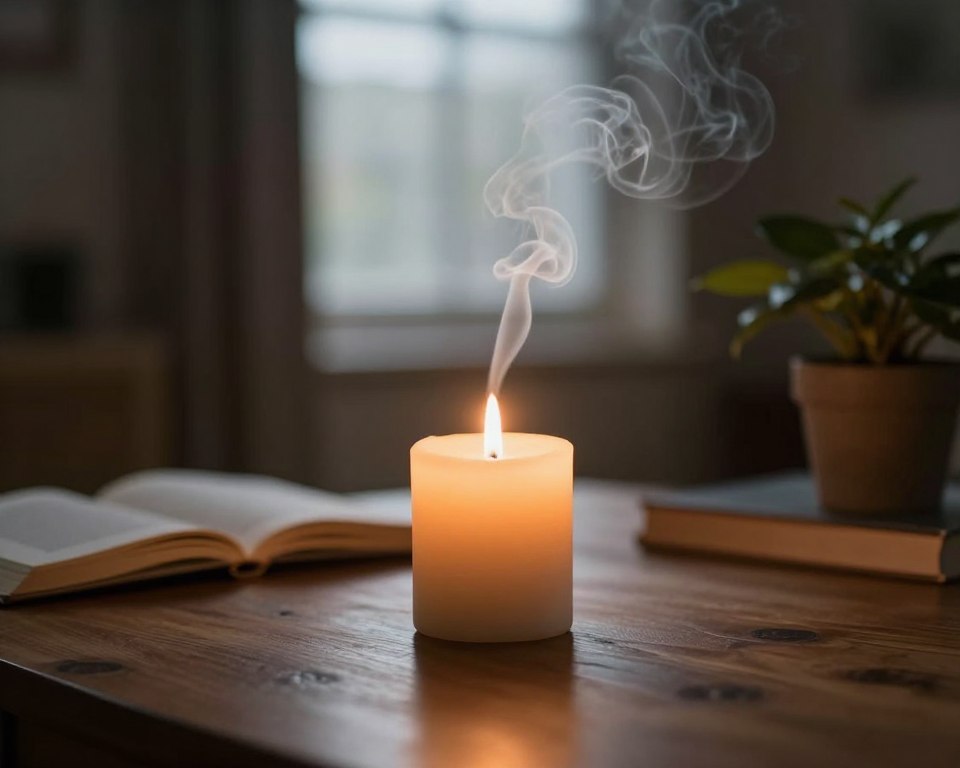
Stanford researchers found tiny amounts of benzene, toluene, and formaldehyde near burning wicks. This might sound scary, but it shows how everyday items affect our homes. Knowing how these chemicals are made is key to keeping our homes safe.
Many people love the glow of a candle, but few think about how it affects the air. If you’re wondering are candles bad for you, it depends on the wax and how well you ventilate. By picking cleaner waxes and making sure air flows well, you can enjoy nice smells without harming your lungs.
Key Takeaways
- Burning wicks can release trace levels of volatile organic compounds like formaldehyde.
- Paraffin-based products typically produce more soot than soy or beeswax alternatives.
- Proper ventilation is essential to disperse particles and maintain clean indoor air.
- Trimming wicks to one-quarter inch significantly reduces excess soot production.
- Limiting burn sessions to two hours helps prevent the buildup of airborne pollutants.
The Cultural Significance and Modern Concerns of Home Fragrance
The love for home fragrance has grown a lot in recent years. Candles are now a key way to make homes warm and inviting. Many see lighting a candle as a therapeutic ritual that turns a house into a cozy sanctuary. This love for scent is a big part of today’s lifestyle, making our personal spaces unique.
But, this love for candles often hides a big problem. While we enjoy the smell, scented candles can actually pollute our indoor air. This creates a big issue for those who care about their health and want a safe home.
We need to think more about what we burn in our homes. Even things marketed for relaxation can release harmful particles into the air. This is very important for families with young kids, as are scented candles safe for babies is a question that needs careful thought.
The goal is to keep our homes cozy without harming our health in the long run. By understanding the hidden risks of common scents, we can make better choices. Finding a balance between a cozy home and clean air is key to a safe, modern home.
Is Candle Smoke Toxic?
Is candle smoke toxic, or is it just a common misunderstanding? Most people think the risk of toxicity is low when candles are used in moderation. The burning process releases particles into the air, but these rarely cause health problems in a typical home.
The key to safety is good airflow in the room. Burning candles in well-ventilated spaces keeps the air clean. This prevents soot and gases from irritating your lungs.
But, how often you use candles and where you place them matters. Burning candles for too long in small, closed areas can lead to harmful buildup. So, knowing if Is Candle Smoke Toxic? depends on how often you use them and where.
Understanding the Chemistry of Candle Emissions
Learning about the chemistry of candle emissions explains why some candles are better for the air than others. When you light a candle, it starts a chemical reaction. This reaction turns solid fuel into light, heat, and gases.
The Role of Paraffin Wax and Petroleum Byproducts
Most candles are made from paraffin wax, a byproduct of oil refining. Paraffin wax often makes more soot than natural waxes like soy or beeswax. This soot can settle on surfaces and affect breathing.
Paraffin wax burns differently because it has a lot of carbon. If it doesn’t burn fully, it releases harmful gases into the air. These gases are what make the smoke when you blow out the candle.
Synthetic Fragrances and Volatile Organic Compounds
The scents in candles also matter. Many use synthetic fragrances for strong smells. These fragrances add volatile organic compounds (VOCs) to the air when heated.
VOCs are chemicals that turn into gas at room temperature. Heat from the candle makes them release faster. While they smell nice, they also add to indoor air pollution. Knowing what’s in these fragrances is key for keeping air clean.
| Wax Type | Source Material | Soot Potential | Combustion Profile |
|---|---|---|---|
| Paraffin | Petroleum | High | Incomplete combustion |
| Soy | Vegetable Oil | Low | Cleaner burning |
| Beeswax | Natural Bees | Very Low | Minimal emissions |
The Impact of Soot on Indoor Air Quality
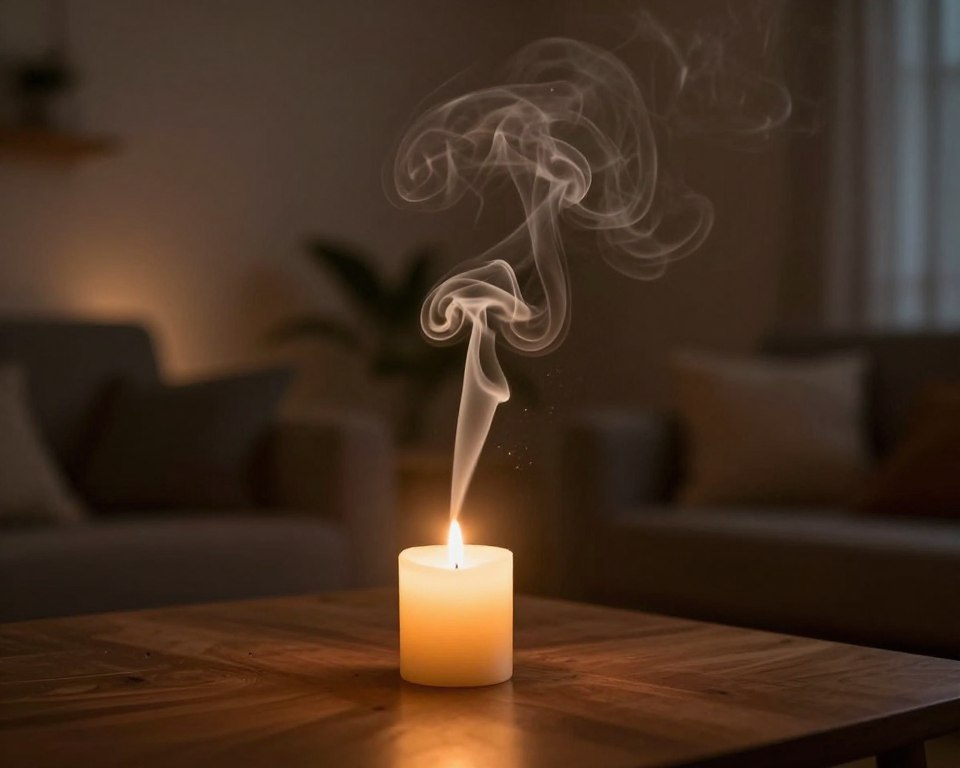
The Environmental Protection Agency says indoor air pollution is a big health risk. Many people worry about outdoor smog, but our homes can be polluted too. This is true, even with simple things like scented candles. So, indoor air quality candle smoke is something we should really think about.
Particulate Matter and Respiratory Health
Soot is made from tiny particles that come from burning things incompletely. These tiny bits can get deep into our lungs. This can cause problems, like asthma or bronchitis, to get worse.
When we breathe in these particles, they can make our lungs sore. Long-term exposure can lead to serious health issues. It’s important to know that even if you can’t see the smoke, the particles are still in the air.
How Soot Accumulates on Household Surfaces
Soot also settles on walls, ceilings, and furniture. This shows that the burning wasn’t efficient. If you see dark marks or a gray film on your stuff, it means there’s too much indoor air quality candle smoke.
Cleaning up soot is key to keeping your home clean. Here’s how soot affects your home:
- Surface Discoloration: Tiny particles stick to surfaces, causing stains on paint and fabrics.
- Airflow Obstruction: Soot can clog HVAC filters, making your air system less effective.
- Cumulative Exposure: Soot that settles can get kicked back into the air, keeping candle soot health concerns going even after the candle is out.
Watching how much soot your candles make is a good way to stay healthy. By picking good wicks and making sure there’s enough air, you can cut down on the bad stuff in your home.
Health Hazards of Scented Candles in Enclosed Spaces
It’s important to know the health hazards of scented candles in closed areas. When a candle burns in a room with little air, harmful chemicals and particles build up fast. This makes the air quality drop quickly in a small space.
Allergic Reactions and Sensitivities
Many scented candles have phthalates to make the smell last longer. People with asthma or chemical sensitivities often get sick from these. Symptoms include headaches, sore throats, and watery eyes.
When these chemicals reach the lungs, they can cause swelling. This is worse in small, poorly ventilated rooms where the smell stays strong.
“Indoor air quality is frequently overlooked, yet the cumulative effect of burning scented products in sealed environments can lead to measurable respiratory irritation in sensitive individuals.”
Long-term Exposure Risks to Indoor Pollutants
Long-term use of scented candles can be harmful. While it might not hurt much at first, it can pollute the air and surfaces over time. This is a big worry for people like kids or the elderly.
The table below shows common pollutants in scented candles and how they affect people.
| Pollutant Type | Source | Primary Health Effect |
|---|---|---|
| Phthalates | Synthetic Fragrance | Headaches and Nausea |
| Formaldehyde | Incomplete Combustion | Respiratory Tract Irritation |
| Particulate Matter | Soot and Wax | Lung Inflammation |
| Toluene | Petroleum Byproducts | Dizziness and Fatigue |
To avoid these risks, make sure rooms have good air flow. Choose candles that burn cleaner. Knowing how these emissions work helps us make better choices for our homes.
Dangers of Burning Candles indoors for Pets
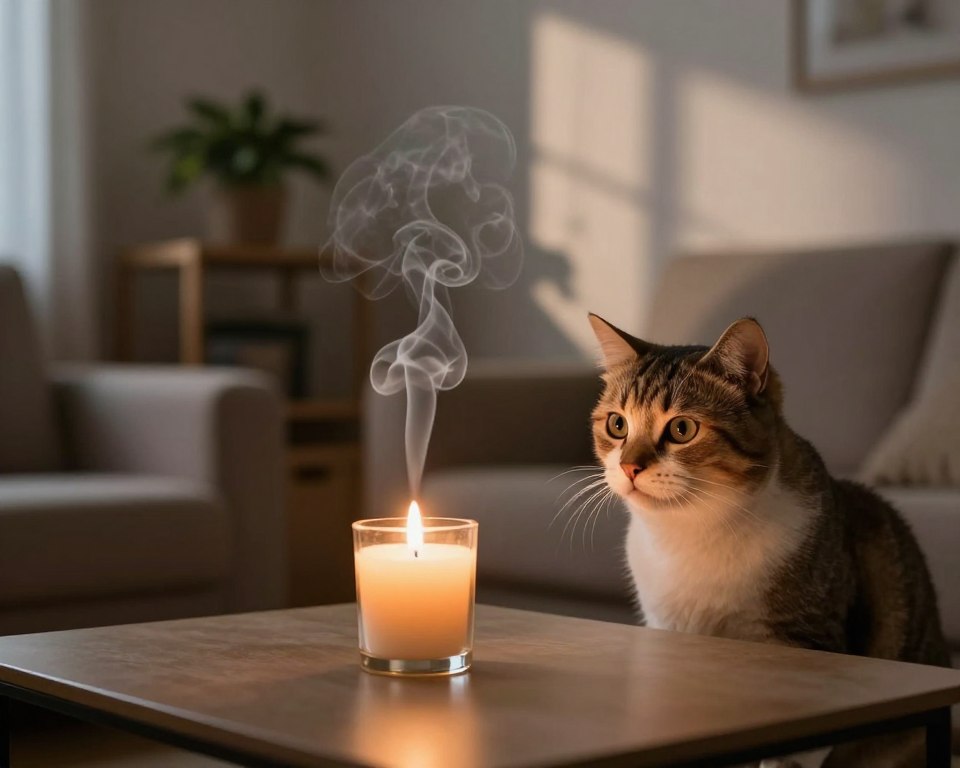
When we think about the dangers of burning candles indoors, we must remember pets are different. Their lungs are more sensitive to air pollution than ours. Because they are smaller and breathe faster, they can get sick from inhaling particles quickly.
Respiratory Vulnerability in Cats and Dogs
Cats are very sensitive to lung irritation because of their lung structure and grooming. When they clean themselves, they can swallow soot or chemicals from candles. This can cause long-term breathing problems or poisoning.
Dogs, too, are at risk, but some breeds like Pugs or Bulldogs are more so. They have trouble breathing, and candle smoke can make it worse. Watch for signs like coughing, sneezing, or being very tired after being around scented candles.
Image Disclosure: Some images used in this article may be AI-generated for educational illustration purposes. They are designed to explain veterinary concepts more clearly and should not replace professional veterinary examination or diagnosis.
The pictures in this guide are educational tools to show how pollutants affect pets. They are not a substitute for a vet’s advice. If your pet has breathing problems, see a vet right away.
Understanding Pet-Safe Fragrance Alternatives
To avoid the dangers of burning candles indoors, choose safer options. Many scented candles have chemicals that are bad for pets. Instead, use candles without scent or natural diffusers to keep the air clean.
| Candle Type | Pet Safety Level | Primary Risk |
|---|---|---|
| Paraffin Wax | Low | Petroleum-based soot |
| Synthetic Fragrance | Low | VOC emissions |
| Beeswax (Unscented) | High | Minimal particulates |
| Soy Wax (Pure) | Moderate | Potential allergen |
Comparing Candle Types: Paraffin vs. Soy vs. Beeswax
When looking at the health hazards of scented candles, the wax type is key. Many think all candles burn the same, but the wax type changes how much and what kind of air pollution they make.
The Clean-Burning Myth of Natural Waxes
Ads often say soy and vegetable waxes are “clean-burning.” But, any organic material burning will still make soot and harmful gases. The main difference is in the wax’s density and chemical makeup.
Beeswax candles are often seen as the best for air quality. They make less soot and might even clean the air by releasing negative ions. But, adding synthetic fragrances can still pollute the air.
Wick Composition and Lead-Core Dangers
Some candles used to have lead-core wicks to stay upright. But, these are mostly banned in the U.S. because of the health hazards of scented candles. Now, safer wicks like cotton, paper, or zinc are used to avoid toxic vapors.
| Wax Type | Burn Quality | Soot Production | Key Characteristic |
|---|---|---|---|
| Paraffin | High | High | Petroleum-based |
| Soy | Moderate | Low | Biodegradable |
| Beeswax | Excellent | Minimal | Natural Ionizer |
The Science of Inhaling Candle Smoke Risks
Candle smoke starts its journey when it enters our lungs. When a candle burns, it releases gases and particles into the air. Knowing the inhaling candle smoke risks helps keep our homes healthy.
Absorption Through the Respiratory System
These particles move through the air and get sucked into our noses and mouths. Our respiratory system tries to filter them out. But it’s not made for dealing with the pollutants in some candles.
Small particles can go deep into our lungs. They reach the alveoli, where gas exchange happens. Some chemicals might then get into our bloodstream, affecting other parts of our body. Important factors include:
- Particle Size: Smaller particles go deeper into our lungs.
- Concentration Levels: More smoke means more toxins inhaled.
- Duration of Exposure: Being in the room longer means more toxins absorbed.
Immediate vs. Cumulative Physiological Effects
The effects of inhaling burning candle fumes can vary. Right away, they might irritate our mucous membranes. This can cause coughing, sneezing, or sore throats.
These symptoms tell us the air quality is bad. But the real danger is from long-term exposure to VOCs like benzene and formaldehyde.
These chemicals stay near our breathing level for a long time, even after the candle goes out. Regular exposure can cause serious lung problems. By understanding these inhaling candle smoke risks, we can keep our homes safe for everyone.
Evaluating Candle Fumes Health Effects in Modern Homes
Modern homes are built to save energy, but this can trap pollutants inside. The candle fumes health effects are more noticeable in these homes than in older ones. It’s important to know how to manage these emissions to keep your home healthy.
Ventilation Strategies for Safer Burning
Good ventilation is key to avoiding buildup of pollutants. Use exhaust fans in rooms with candles to vent out harmful particles. The Panasonic WhisperGreen Select fan is a great choice because it adjusts airflow based on humidity and motion.
Opening windows is also a simple way to improve air flow. A cross-breeze can help dilute pollutants before they settle. This is a crucial step for those worried about indoor air quality candle smoke.
The Role of Air Purifiers in Mitigating Smoke
When you can’t get enough ventilation, air purifiers are a good backup. Air purifiers with HEPA filtration are great at catching tiny soot particles. These particles would normally stay in your home’s air.
Put your air purifier near the candle to catch emissions right away. Remember, air purifiers are not a replacement for ventilation. Using both can help you enjoy candles while reducing candle fumes health effects.
Regulatory Standards and Consumer Safety Labels
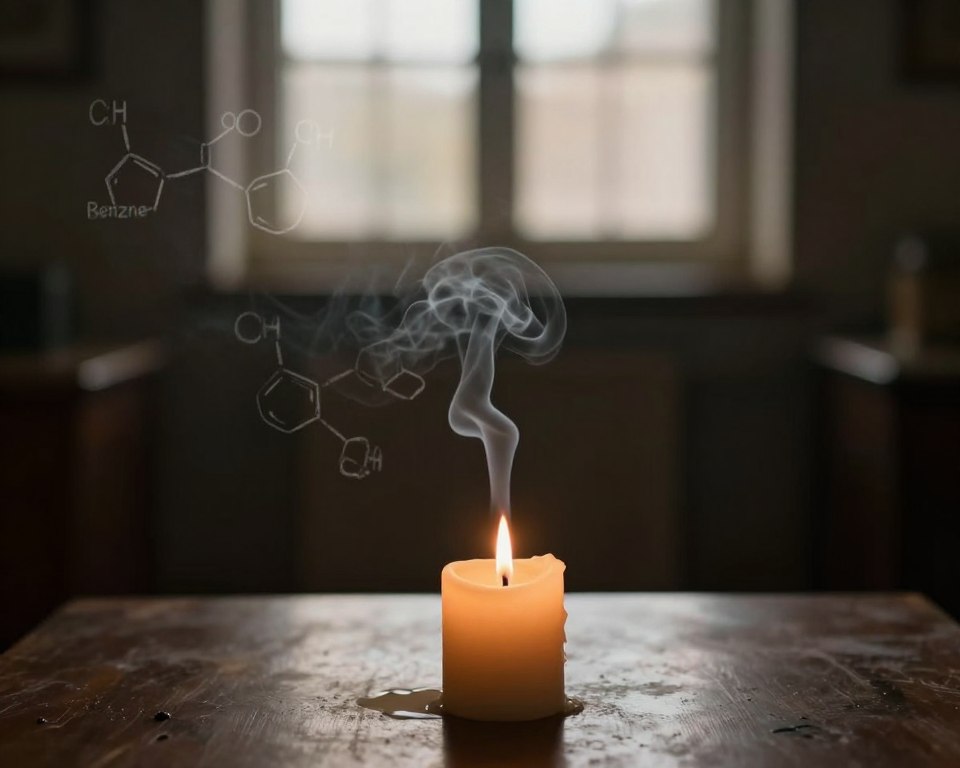
In the United States, candle regulation is limited. This makes it crucial for consumers to be aware of safety. Since federal agencies don’t strictly control candle chemicals, buyers must do their own research. It’s important to know what’s in the wax by looking beyond marketing.
What Safety Certifications Actually Mean
Third-party certifications help identify safe products. Labels like MADE SAFE or USDA Biobased mean a product has been tested for toxins. These labels show the maker cares about clean burning.
But, these labels are not required. Not having one doesn’t mean a product is bad. Still, it means the maker didn’t let someone else check their formula. It’s best to choose brands that are open about their testing.
| Certification | Primary Focus | Safety Benefit |
|---|---|---|
| MADE SAFE | Ingredient screening | Avoids known toxins |
| USDA Biobased | Renewable content | Reduces petroleum use |
| ASTM International | Burn performance | Prevents excessive soot |
Identifying Hidden Ingredients in Fragrance Oils
Finding out what’s in fragrance oils is hard for most people. Many companies keep their scent recipes secret. This makes it hard to know the effects of inhaling burning candle fumes over time.
Be careful of vague terms like “fragrance” or “parfum” without details. Good makers list all ingredients or offer safety data sheets. If a company won’t share what’s in their product, it might have harmful chemicals.
Common Misconceptions About Candle Emissions Pollutants
Many people think that natural ingredients mean a candle is safe. They believe that soy, beeswax, or coconut wax candles can’t harm the air. But, it’s the burning process that really matters for air safety in your home.
Lighting a wick starts a chemical reaction that turns solid fuel into gas. No matter the wax, burning it incompletely can release harmful candle emissions pollutants. These can hurt your breathing.
Debunking the Natural Equals Safe Fallacy
Remember, natural does not mean inert. Even organic materials, when burned, release harmful particles and gases. The smoke’s chemicals depend more on how well the wax burns than its origin.
Labels often say plant-based waxes are “clean” to attract health-aware buyers. While they might have fewer synthetic additives, they still produce soot and other harmful byproducts if the flame isn’t right. Relying only on the “natural” label can be misleading about candle emissions pollutants.
The Influence of Airflow and Drafts on Combustion
Environmental factors greatly affect a candle’s performance. Airflow and drafts can cause unstable burning, leading to more soot. If a flame flickers due to a fan, vent, or open window, the fuel isn’t burned evenly.
This uneven burning forces the candle to release more candle emissions pollutants than usual. A flickering flame shows the burning process is struggling. To lower these risks, keep candles away from direct air currents.
By controlling the area around your candles, you can cut down soot production. Proper placement is as crucial as the candle’s quality for keeping indoor air safe.
Best Practices for Minimizing Indoor Air Pollution
Lowering the dangers of burning candles indoors is easy with simple habits. By managing how a candle burns, you cut down on harmful particles in your home. These small steps are key for those worried about candle soot health concerns.
Proper Wick Trimming Techniques
Keeping the wick short is crucial for a clean burn. Trim it to 1/4 inch before lighting. This keeps the flame steady and prevents soot.
An untrimmed wick can cause flickering and soot buildup. Short wicks mean less soot and better air quality. Regular trimming is vital for clean air.
Optimal Burn Times for Reduced Soot
Burning a candle for too long can harm air quality. Experts say to burn it for three or four hours at most. This stops the wax from overheating and reduces smoke.
After burning, let the wax cool before lighting again. This keeps the candle stable and reduces harmful emissions. These steps help avoid candle soot health concerns while keeping your home smelling nice.
| Maintenance Action | Frequency | Primary Benefit |
|---|---|---|
| Wick Trimming | Before every light | Reduces soot and flicker |
| Burn Duration | Max 4 hours | Prevents overheating |
| Draft Control | During use | Ensures steady combustion |
| Cooling Period | Between burns | Maintains wax stability |
Alternative Methods for Home Fragrancing
Many homeowners are looking for safer ways to enjoy nice smells without the dangers of candle emissions pollutants. Moving away from candles and other burning products can greatly improve your air quality. These alternatives don’t produce soot or harmful particles.
Essential Oil Diffusers vs. Traditional Candles
Essential oil diffusers are a hit for those avoiding the health risks of burning wax. Unlike candles, they use water or air to spread scents, avoiding harmful candle emissions pollutants. But, it’s key to check if the oils are safe for your home and pets. Learn more about is essential oil diffuser safe around infants and pets.
Always make sure the room is well-ventilated when using diffusers. Ultrasonic diffusers work well, but use them in short intervals. This keeps the air balanced and safe for everyone’s breathing.
Reed Diffusers and Passive Scenting Options
Reed diffusers are great for those who like easy, low-maintenance fragrance. They use natural evaporation, so there’s no heat or candle emissions pollutants. They’re perfect for a subtle, constant scent without needing electricity or flames.
Other good choices include dried herb sachets and LED candles. LED candles mimic a flame’s look without chemicals. Mixing these options lets you safely and effectively scent your home.
| Method | Combustion | Soot Risk | Safety Level |
|---|---|---|---|
| Traditional Candles | Yes | High | Low |
| Essential Oil Diffusers | No | None | Moderate |
| Reed Diffusers | No | None | High |
| LED Candles | No | None | Very High |
The Psychological Benefits of Candles vs. Physical Risks
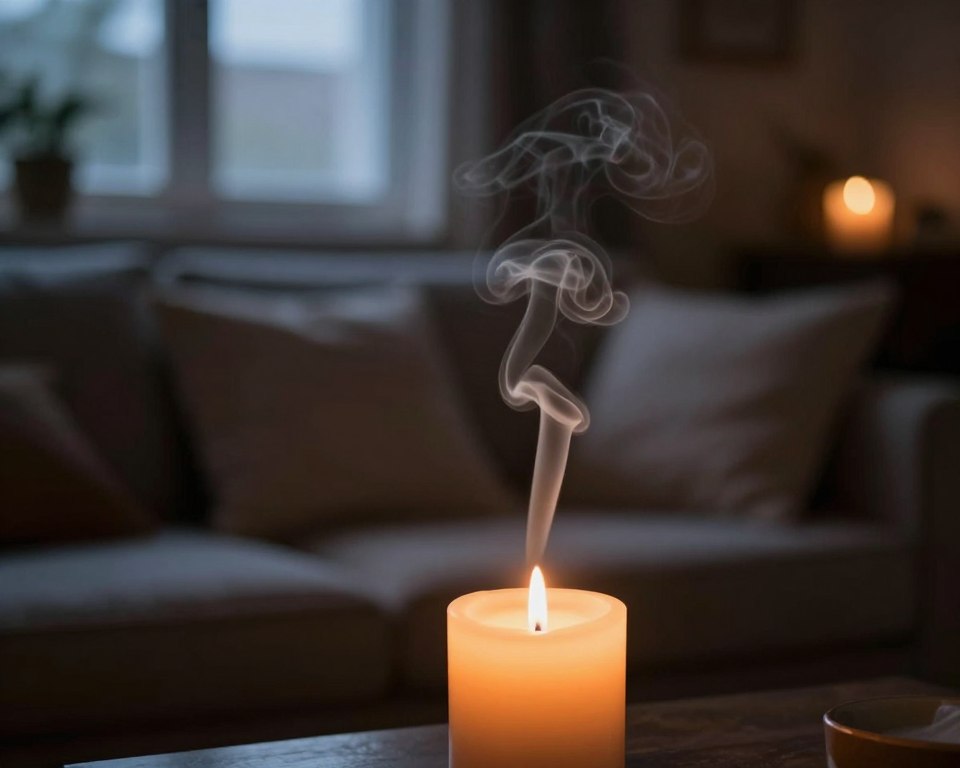
Many people use candles to relax after a long day. This act helps reduce stress and improve mood. But, it’s important to know about the inhaling candle smoke risks that come with it.
It’s crucial to know how your home affects your health. The calm from candles and aromatherapy is great, but not at the cost of your lungs. Learn more about this by checking out whether candles are bad for you to make smart choices.
Balancing Mental Well-being with Air Quality
It’s possible to find a balance between feeling good and staying safe. By being careful and controlling airflow, you can enjoy scents without harming your health. Here are some tips to keep your home safe:
- Limit burn times: Keep candle use short to avoid long exposure to smoke.
- Prioritize ventilation: Make sure rooms have good airflow to avoid smoke buildup.
- Choose quality materials: Pick candles that burn cleaner to lessen inhaling candle smoke risks.
- Monitor air quality: Use air purifiers or open windows to clear the air after candles are out.
The aim is to create a home that’s good for your mind and body. By being mindful of how you use scents, you can enjoy candlelight’s calm without harming your lungs.
Expert Perspectives on Indoor Air Safety
Our understanding of indoor pollutants is growing. Now, we focus more on the long-term effects of burning candles and scented products. Researchers are studying combustion byproducts to learn how they affect our health over time.
Current Research Trends in Combustion Byproducts
Science is moving from quick tests to long-term studies. These studies look at how constant exposure to small particles affects our lungs. Experts say even a little soot can cause harm if we’re exposed every day in small spaces.
Researchers are also looking into fragrance oils. They want to know how heat changes these synthetic compounds. It’s important for us to choose products with clear ingredient lists, just like with multi-surface sprays.
The table below shows the main concerns of air quality experts about household emissions:
| Pollutant Source | Primary Concern | Health Impact Level | Mitigation Strategy |
|---|---|---|---|
| Paraffin Candles | Ultrafine Particles | Moderate to High | Proper Ventilation |
| Synthetic Fragrances | VOC Emissions | Low to Moderate | Ingredient Review |
| Soot Accumulation | Respiratory Irritation | Moderate | Wick Maintenance |
| Poor Airflow | Pollutant Stagnation | High | Air Purification |
Experts agree that making decisions based on evidence is key to avoiding indoor air risks. By keeping up with the latest research on candle fumes, we can make our homes safer. Staying alert is the best way to protect our lungs in today’s homes.
Conclusion
Creating a relaxing home environment is all about balance. Candles add warmth but can harm your air quality. It’s important to keep your air clean for your health.
Choosing the right materials for candles is a good start. Look for beeswax or soy wax. Keeping the wick clean and airing out your space helps too. These steps cut down on harmful particles in the air.
You can make your home healthier by choosing wisely. Think about your scents and consider air purifiers. Share your tips to help others. By doing so, you make your home a peaceful place.
FAQ
Is Candle Smoke Toxic?
Candle smoke can be toxic, but it depends on the situation. In most homes, it’s not dangerous. But, for people with breathing problems, it can be a problem.
What are the candle fumes health effects I should watch for?
Candle fumes can cause headaches, dizziness, and eye, nose, and throat irritation. Long-term exposure can lead to lung problems.
Are there specific dangers of burning candles indoors for people with asthma?
Yes, burning candles can be dangerous for people with asthma. The smoke and fragrances can irritate the lungs and make breathing harder.
How do candle emissions pollutants compare between wax types?
Paraffin candles release more pollutants than soy or beeswax candles. Paraffin is made from oil and tends to produce more soot and harmful chemicals.
What are the inhaling candle smoke risks for children?
Children are at risk from inhaling candle smoke. Their small lungs make them more vulnerable to pollutants.
What are the effects of inhaling burning candle fumes in a small room?
Inhaling candle fumes in a small room can be dangerous. The pollutants can quickly build up and harm your lungs.
How does indoor air quality candle smoke impact pet health?
Candle smoke can harm pets, like birds and cats. It can cause respiratory problems and even be fatal.
What are the health hazards of scented candles in enclosed spaces?
Scented candles can release harmful chemicals in enclosed spaces. These chemicals can irritate the lungs and cause health problems.
Should I be concerned about candle soot health concerns in my home?
Yes, candle soot can be harmful. It contains fine particles that can get deep into your lungs and cause health problems.