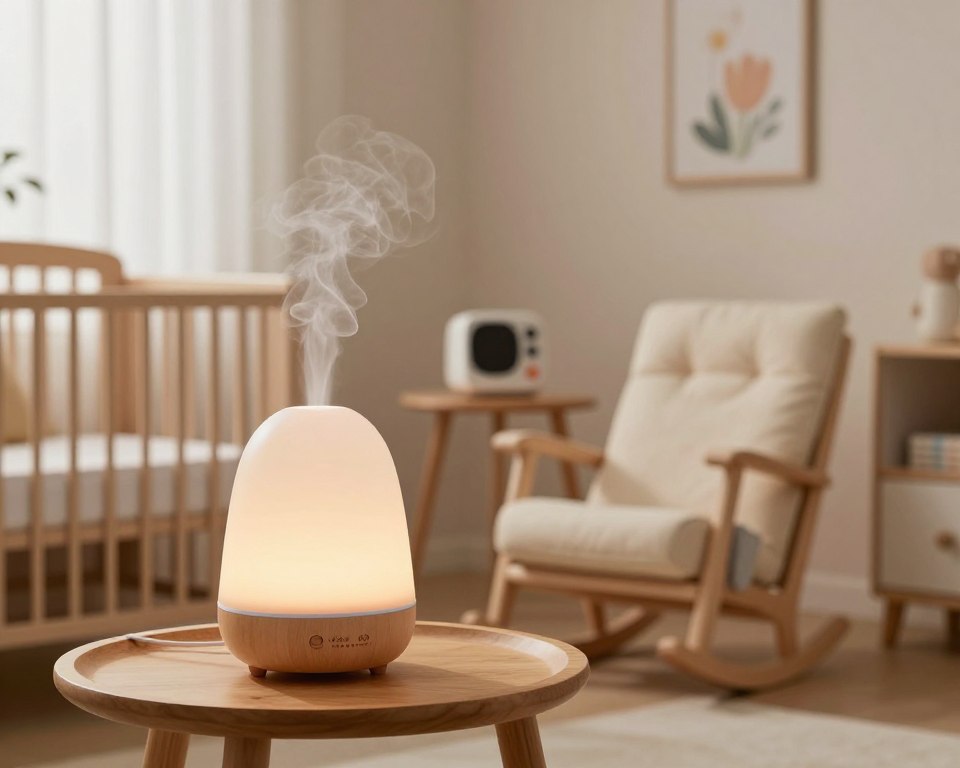
Walking into your nursery, you want everything to feel perfect. You dream of a calm, peaceful space where your little one can drift off into a restful sleep. Many parents turn to aromatherapy to create this soothing environment, but you might wonder: is essential oil diffuser safe around infants?
It is natural to feel protective when it comes to your baby’s delicate, developing system. Your desire to provide comfort is a beautiful instinct. However, navigating the world of natural scents requires careful thought to ensure your home remains a healthy sanctuary.
We are here to help you make informed choices based on current evidence. By understanding the potential risks and benefits, you can confidently decide how to best support your child’s well-being. Let’s explore how to balance your love for pleasant aromas with the high standards your baby deserves.
Key Takeaways
- Understand the unique sensitivity of a newborn’s respiratory system.
- Learn which botanical extracts are generally considered risky for young children.
- Discover the importance of proper ventilation when using aromatic devices.
- Identify signs of sensitivity or allergic reactions in your baby.
- Prioritize evidence-based safety guidelines over popular trends.
Understanding the Physiology of Infants and Essential Oils
When considering the use of an infants and essential oil diffuser, it is vital to look at the unique biology of an infant. A baby’s body is not simply a smaller version of an adult; it is a rapidly developing system with distinct vulnerabilities. Understanding these differences is the first step toward creating a safe and healthy nursery environment.
Why Newborns and Infants Are More Sensitive
Newborns possess a delicate physiology that makes them significantly more sensitive to concentrated plant extracts. Their organs, including the liver and kidneys, are still maturing and cannot process volatile compounds as efficiently as a fully developed system. Because of this, even small amounts of concentrated oils can overwhelm their natural defenses.
“The purity of a child’s environment is the foundation of their long-term health and well-being.”
Parents must recognize that natural does not always mean harmless when it comes to delicate systems. Because a baby’s sinuses and body are still in a state of rapid growth, they are highly susceptible to environmental irritants. This is why caution is the most important factor when introducing any new scent into the home.
The Role of the Respiratory System in Oil Absorption
The respiratory system of a baby is particularly vulnerable to airborne particles. Infants have smaller airways and a higher breathing rate than adults, which increases the amount of air—and any suspended particles—they inhale relative to their body size. When using an infants and essential oil diffuser, these particles enter the lungs and bloodstream much faster than they would in an adult.
This rapid absorption can lead to unexpected reactions if the concentration of oils is too high. Proper ventilation and careful monitoring are essential to ensure that the air remains clean and breathable. By respecting these biological limits, you can better protect your little one from potential respiratory distress.
Is Essential Oil Diffuser Safe Around Infants: The Core Safety Facts
You might be asking yourself if an essential oil diffuser is safe around infants given their delicate nature. It is completely natural to want the best for your child, but informed choices are the foundation of a healthy nursery. Understanding the basic science behind these products helps you create a soothing space without unnecessary risks.
Distinguishing Between Diffusion and Topical Application
Many parents confuse the risks associated with breathing in aromatic molecules versus applying oils directly to the skin. Topical application involves direct contact, which can lead to rapid absorption into the bloodstream through the skin barrier. This method requires extreme caution because a baby’s skin is much thinner and more permeable than an adult’s.
In contrast, diffusion releases microscopic particles into the air. While this is generally considered less intense, it still impacts the respiratory system directly. Prioritizing essential oil diffuser safety means recognizing that both methods require different levels of vigilance and preparation.
The Importance of Dilution and Concentration Levels
When you decide to use oils, the concentration level is the most critical factor for your baby’s well-being. While adults might use higher concentrations, children require a much more conservative approach. Experts generally recommend dilutions ranging from 0.5% to 2.5%, depending on the specific age and size of the child.
Using a lower concentration ensures that the aromatic experience remains gentle rather than overwhelming. Always remember that less is often more when it comes to your little one. By adhering to these strict dilution guidelines, you can significantly improve your overall essential oil diffuser safety standards at home.
Potential Risks of Essential Oil Diffusers for Babies
While essential oils are natural, they can pose significant risks of essential oil diffusers for babies if used without proper caution. Parents often assume that because a product is plant-based, it is inherently safe for a newborn. However, the concentrated nature of these oils can overwhelm a baby’s developing body.
Respiratory Distress and Bronchospasm Risks
Infants have much smaller airways than adults, making them highly sensitive to airborne particles. When you use a diffuser, the fine mist can easily irritate the delicate lining of their lungs. This irritation may lead to respiratory distress or even trigger a bronchospasm, which makes breathing difficult for your little one.
Neurological Sensitivities and Potential Toxicity
The central nervous system of an infant is still in a critical stage of development. Certain oils contain compounds that can be neurotoxic if inhaled in high concentrations. For example, peppermint oil should never be used on children under 30 months old, as it may increase the risk of seizures. Always prioritize safety by avoiding potent oils that could interfere with your baby’s neurological health.
Allergic Reactions and Skin Irritation Concerns
Beyond breathing issues, the risks of essential oil diffusers for babies include potential allergic reactions. Because an infant’s skin barrier is thin and permeable, they are more prone to contact dermatitis or rashes when exposed to strong scents. If you notice your baby becoming fussy, sneezing, or developing red skin, stop the diffusion immediately.
| Risk Category | Potential Symptom | Action Required |
|---|---|---|
| Respiratory | Wheezing or rapid breathing | Ventilate room immediately |
| Neurological | Unusual lethargy or tremors | Consult a pediatrician |
| Dermal | Redness or hives | Wash skin and stop use |
Understanding these dangers is essential for every parent. By staying informed about the potential risks of essential oil diffusers for babies, you can create a safer home environment for your child.
Essential Oil Diffuser Precautions for Infants You Must Follow
Implementing rigorous safety measures is the most effective way to enjoy the benefits of aromatherapy in a nursery setting. Because essential oils are highly concentrated and flammable, you must never place a diffuser near a heat source, such as a space heater or lamp. Following these essential oil diffuser precautions for infants ensures that you create a controlled environment that minimizes potential risks.
Establishing Proper Ventilation in the Nursery
Fresh air is vital when using any aromatic device in a room where a baby sleeps. Always keep a window slightly cracked or ensure the room has adequate airflow to prevent the concentration of particles from becoming too high. Proper ventilation helps disperse the mist effectively, ensuring your baby breathes clean, fresh air throughout the night.
Limiting Duration and Frequency of Use
It is a common mistake to leave a diffuser running for hours on end. You should limit the use of your device to short intervals, typically no more than 30 to 60 minutes at a time. This intermittent approach prevents the baby’s developing respiratory system from becoming overwhelmed by constant exposure to aromatic compounds.
Maintaining Safe Distance from the Crib
Placement is a critical factor in maintaining a safe environment. Keep the diffuser at least six to ten feet away from the crib or bassinet to ensure the mist is well-diluted before it reaches your child. Never place the device on a surface where it could be knocked over or within the baby’s reach.
| Safety Category | Recommended Action | Why It Matters |
|---|---|---|
| Placement | Keep 6-10 feet from crib | Prevents direct inhalation |
| Duration | 30-60 minute intervals | Avoids sensory overload |
| Fire Safety | Away from heat sources | Oils are highly flammable |
| Ventilation | Open window or airflow | Maintains air quality |
Identifying Essential Oils to Avoid Around Newborns
When it comes to essential oil diffuser and newborn safety, some oils are strictly off-limits. While many parents enjoy the calming atmosphere of a nursery, it is vital to recognize that not all natural extracts are suitable for tiny lungs. Understanding which substances to avoid is the first step in creating a secure environment for your baby.
Oils Containing High Levels of 1,8-Cineole
Many popular essential oils contain a chemical compound known as 1,8-cineole, also called eucalyptol. This component is often found in oils used for clearing congestion in adults. However, it can be extremely dangerous for infants.
In young babies, 1,8-cineole may trigger a reflex that slows down or stops their breathing. Because their respiratory systems are still developing, even small amounts can lead to significant distress. It is best to keep any oil with high concentrations of this compound far away from the nursery.
Risks Associated with Peppermint and Eucalyptus
Peppermint and eucalyptus are perhaps the most common oils that parents mistakenly use around children. While they smell refreshing, they are often packed with the very compounds that cause breathing issues in newborns. These oils can cause bronchospasms, which make it difficult for a baby to breathe properly.
You should avoid using these oils in any essential oil diffuser and newborn safety setup. Even if you think the scent is mild, the chemical impact on a baby’s sensitive system is simply not worth the risk. Always check the ingredient label before adding any oil to your device.
Why Wintergreen and Birch Are Strictly Prohibited
Wintergreen and birch oils are in a category of their own when it comes to infant toxicity. These oils are naturally rich in methyl salicylate, a compound that is chemically similar to aspirin. This substance is highly toxic to infants and can be absorbed through the skin or inhaled in concentrated amounts.
Because of the severe health risks, these two oils are strictly prohibited for use around infants. Exposure can lead to serious complications that require immediate medical attention. Please ensure these bottles are kept in a secure location, far from your baby’s reach.
| Essential Oil | Primary Risk | Safety Status |
|---|---|---|
| Eucalyptus | 1,8-Cineole content | Strictly Avoid |
| Peppermint | Respiratory distress | Strictly Avoid |
| Wintergreen | Methyl salicylate | Strictly Avoid |
| Birch | Methyl salicylate | Strictly Avoid |
Best Essential Oils for Infants When Used Correctly
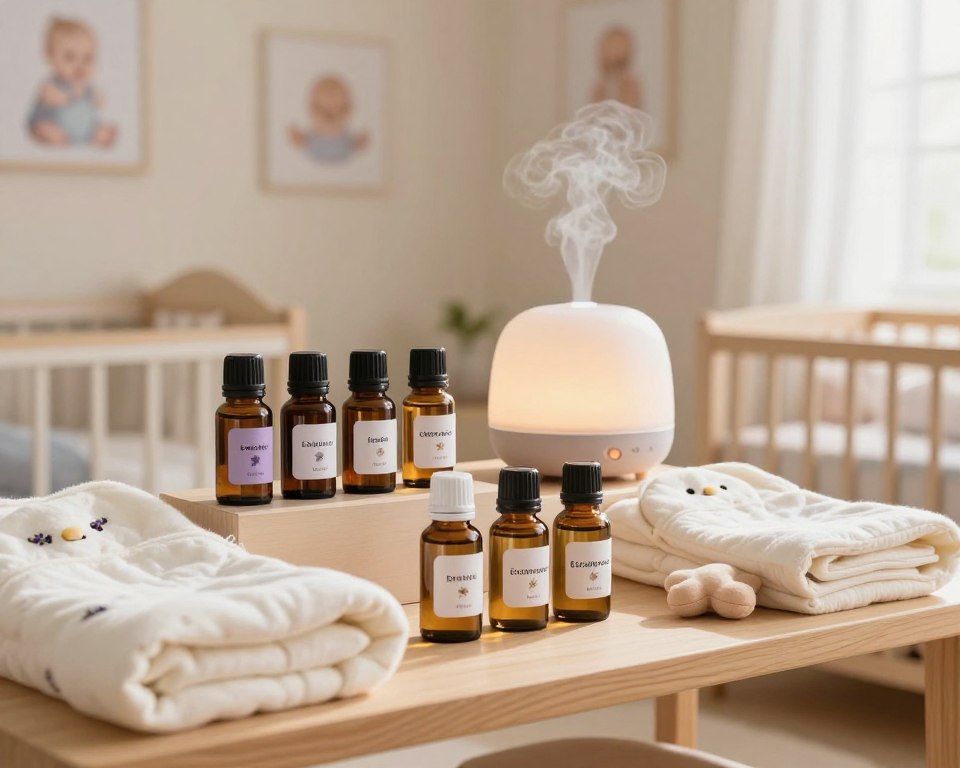
Finding the best essential oils for infants involves balancing natural benefits with strict safety protocols. While many parents seek natural ways to soothe a fussy baby, it is vital to remember that a little goes a long way. Always prioritize high-quality, pure oils and ensure they are heavily diluted before any exposure occurs.
Benefits of Lavender for Calming and Sleep
Lavender is widely considered one of the best essential oils for infants due to its gentle nature. It is traditionally used to help relieve symptoms of colic and create a peaceful atmosphere before bedtime. By promoting a more restful sleep environment, this floral scent can be a helpful tool for tired parents.
Using Roman Chamomile for Gentle Soothing
Roman Chamomile is another excellent choice for parents looking for mild, effective options. This oil is highly regarded for its calming properties, which can help settle a baby who is feeling restless or overstimulated. When used in a properly ventilated room, it provides a soft, comforting aroma that supports emotional comfort.
Safety Profiles of Citrus Oils Like Sweet Orange
Sweet Orange oil is often praised for its bright and uplifting scent profile. It is generally considered safe for babies when used in very low concentrations, making it one of the best essential oils for infants to introduce during playtime. However, always monitor your child closely for any signs of skin irritation or respiratory discomfort. Safety remains the top priority when exploring these natural options for your little one.
Selecting the Right Equipment for Infant Safety
Not all diffusers are created equal, especially when it comes to the delicate environment of a newborn’s room. Choosing the right hardware is a critical step in ensuring your baby’s nursery remains a safe and soothing space. By selecting an infant safe essential oil diffuser, you can control the concentration of scents and protect your child’s respiratory health.
Ultrasonic vs. Nebulizing Diffusers for Nurseries
When shopping for a device, you will likely encounter two main types: ultrasonic and nebulizing. Ultrasonic models use water and vibrations to create a fine mist, which acts as a gentle, flame-free way to spread a scent. These water-based vaporizers are generally the safest option for nurseries because they dilute the oils significantly.
In contrast, nebulizing diffusers release pure, undiluted oil into the air. This method creates a much higher concentration of particles, which can be overwhelming for a baby’s developing lungs. For a nursery setting, sticking to water-based ultrasonic technology is the most responsible choice.
Features to Look for in a Baby-Safe Diffuser
Finding a reliable infant safe essential oil diffuser requires looking for specific safety features. Always prioritize models that include an automatic shut-off function, which prevents the device from running dry and overheating. This feature provides peace of mind during nap times or overnight use.
Additionally, look for units with a simple design that is easy to disassemble. A device with fewer nooks and crannies is much easier to wipe down, ensuring that no residue builds up over time. Simplicity in design often translates to better hygiene for your baby.
Cleaning and Maintenance to Prevent Mold Growth
Regular maintenance is just as important as the quality of the oils you choose. If a reservoir is not cleaned properly, it can become a breeding ground for mold and bacteria. These contaminants can be just as harmful to your baby as the oils themselves, potentially triggering respiratory issues.
To keep your infant safe essential oil diffuser in top condition, empty the water tank after every use. Wipe the interior with a soft cloth and allow it to air dry completely before the next session. By following these strict cleaning habits, you ensure that the air in your nursery remains fresh, clean, and truly beneficial for your little one.
Creating a Calming Environment Without Over-Diffusion
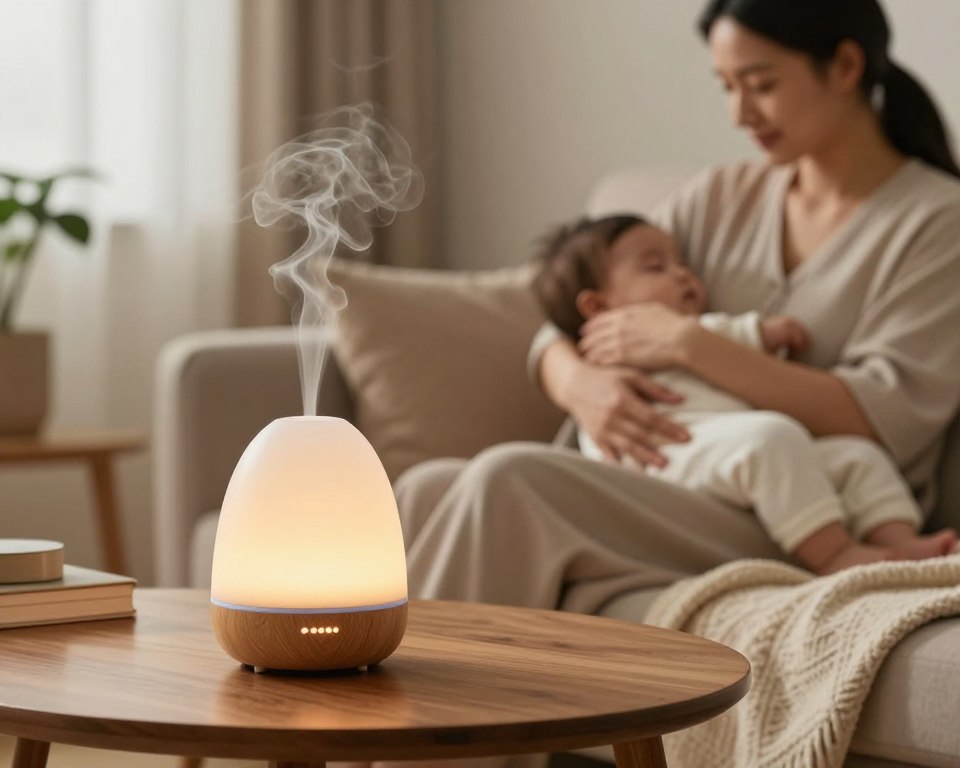
Creating a peaceful nursery atmosphere requires a delicate balance when using essential oil diffuser with babies. Because infants have developing respiratory systems, their tolerance for concentrated aromas is significantly lower than that of an adult. Prioritizing safety means focusing on subtle, gentle experiences rather than filling the room with heavy scents.
The Concept of Less Is More in Aromatherapy
In the world of infant aromatherapy, the philosophy of “less is more” is your best guide. You should never leave a diffuser running for extended periods in a nursery. Instead, aim for short, intermittent sessions that last no longer than 15 to 30 minutes.
Always ensure the room is well-ventilated during these sessions. By keeping the concentration of oil low, you prevent the air from becoming overwhelming for your child. Consistency and moderation are the keys to a positive experience.
Monitoring Your Baby for Signs of Discomfort
Every infant reacts differently to new environmental factors. When you begin using essential oil diffuser with babies, watch your child closely for any signs of distress. If you notice increased fussiness, sneezing, or signs of skin inflammation, turn off the device immediately and ventilate the room.
Before diffusing a new oil, it is wise to perform a simple patch test. Apply a dime-sized amount of the diluted oil to your baby’s arm or leg and wait 24 hours to observe for any allergic reaction. This proactive step helps ensure that your baby remains comfortable and safe.
Alternative Ways to Use Scents Safely
If you are hesitant about running a machine, consider alternative methods to introduce calming scents. A light spritz of a water-based, essential oil-infused spray on curtains or bedding can provide a very mild aroma. This method allows you to control the intensity much better than a constant stream of mist.
You might also choose to place a few drops of oil on a cotton ball kept far away from the crib. This passive approach avoids the risks associated with over-diffusion while still creating a soothing environment for your little one.
When to Consult a Pediatrician About Aromatherapy
Your baby’s health is the top priority, and professional medical advice is essential when considering aromatherapy. While many parents enjoy the calming effects of natural scents, the delicate nature of an infant’s body requires a cautious approach. Always speak with your pediatrician before introducing any new products into your nursery environment.
Discussing Pre-existing Respiratory Conditions
If your child has any pre-existing respiratory conditions, such as asthma or frequent congestion, you must consult a healthcare professional first. These conditions can make the airways significantly more reactive to airborne particles. Personalized medical guidance ensures that any chosen scent will not trigger an adverse reaction or exacerbate existing breathing difficulties.
Recognizing When to Stop Using Essential Oils Immediately
It is important to stay vigilant regarding the risks of essential oil diffusers for babies during every session. If you notice your infant coughing, wheezing, or showing signs of skin irritation, you should stop the diffusion process immediately. These symptoms are clear indicators that the environment is not suitable for your child at that moment.
Other warning signs include watery eyes, sudden restlessness, or difficulty breathing. If these reactions occur, move your baby to a fresh-air environment right away. Do not attempt to mask these symptoms or continue use without a thorough discussion with your doctor.
Seeking Professional Guidance for Premature Infants
Premature infants often have more sensitive respiratory and neurological systems than full-term babies. Because of this, the risks of essential oil diffusers for babies are amplified for those born early. You should always seek professional guidance before using any oils in the home of a preemie.
Your pediatrician can provide a tailored safety plan based on your baby’s specific health profile. They may recommend waiting until your child reaches a certain age or developmental milestone before introducing aromatherapy. Prioritizing expert advice is the safest way to protect your little one’s well-being.
The Science of Olfactory Development in Early Childhood
The development of a child’s sense of smell is a fascinating journey that begins long before they can speak. From the moment of birth, infants are bombarded with a complex array of environmental stimuli. Understanding this sensory growth helps parents appreciate why their little ones react so strongly to the world around them.

How Babies Process Scents and Aromas
Newborns possess a highly acute sense of smell that is often more developed than their vision. This biological advantage allows them to identify their primary caregivers and find comfort in familiar surroundings. Aromas are processed through the olfactory bulb, which sends signals directly to the brain’s processing centers.
Because their systems are still maturing, infants lack the ability to filter out strong or synthetic odors. This makes them particularly vulnerable to concentrated scents that might seem mild to an adult. It is essential to recognize that what feels like a pleasant fragrance to you could be an overwhelming sensory experience for a developing baby.
The Connection Between Smell and Emotional Regulation
The sense of smell is uniquely linked to the limbic system, the part of the brain responsible for memory and emotional regulation. Aromatherapy is defined as the medicinal use of naturally extracted plant aromas to promote physical and emotional well-being. In early childhood, this connection is exceptionally potent because the brain is rapidly forming neural pathways.
When a baby encounters a soothing scent, it can trigger a positive physiological response, such as lowered heart rate or improved relaxation. Conversely, harsh or irritating aromas can lead to distress and agitation. Parents should view scent as a powerful tool that requires careful, intentional use to support a child’s emotional health.
| Developmental Stage | Olfactory Sensitivity | Primary Response |
|---|---|---|
| Newborn | Extremely High | Recognition of Caregiver |
| 3-6 Months | High | Preference for Familiar Scents |
| 6-12 Months | Moderate | Emotional Association |
Common Myths Regarding Essential Oil Diffuser Safety
It is a common misconception that natural ingredients are always gentle on infants. Many parents believe that because a product comes from a plant, it must be safe for their little one. However, essential oil diffuser safety requires a much deeper understanding of chemistry and biology.
Debunking Natural Does Not Mean Harmless
The term “natural” is often used in marketing to imply that a substance is benign. In reality, essential oils are highly concentrated plant extracts that contain potent chemical compounds. When misused, these substances can be toxic to a developing baby.
“The dose makes the poison. Just because a substance is derived from nature does not mean it lacks the power to cause harm, especially in the delicate respiratory systems of infants.”
Because these oils are so concentrated, even a small amount can overwhelm a baby’s system. Prioritizing essential oil diffuser safety means recognizing that natural does not automatically equal harmless.
Clarifying Misconceptions About Therapeutic Grade Oils
Another frequent myth involves the term “therapeutic grade.” Many consumers believe this label indicates a government-certified standard of purity or safety. In truth, the FDA does not regulate or define this term for essential oils.
Companies often use this phrase as a marketing tool rather than a medical guarantee. To maintain high standards of essential oil diffuser safety, you should look for third-party testing and transparent sourcing instead of relying on unregulated labels.
| Marketing Claim | The Reality | Safety Impact |
|---|---|---|
| “Natural” | Plant-derived extract | Can be highly toxic |
| “Therapeutic Grade” | Unregulated marketing term | No official safety standard |
| “Pure” | Often lacks verification | Risk of contamination |
By separating marketing fiction from scientific fact, you can better protect your child. Always verify the quality of your products to ensure the best essential oil diffuser safety for your home environment.
Setting Up a Safe Nursery Aromatherapy Routine
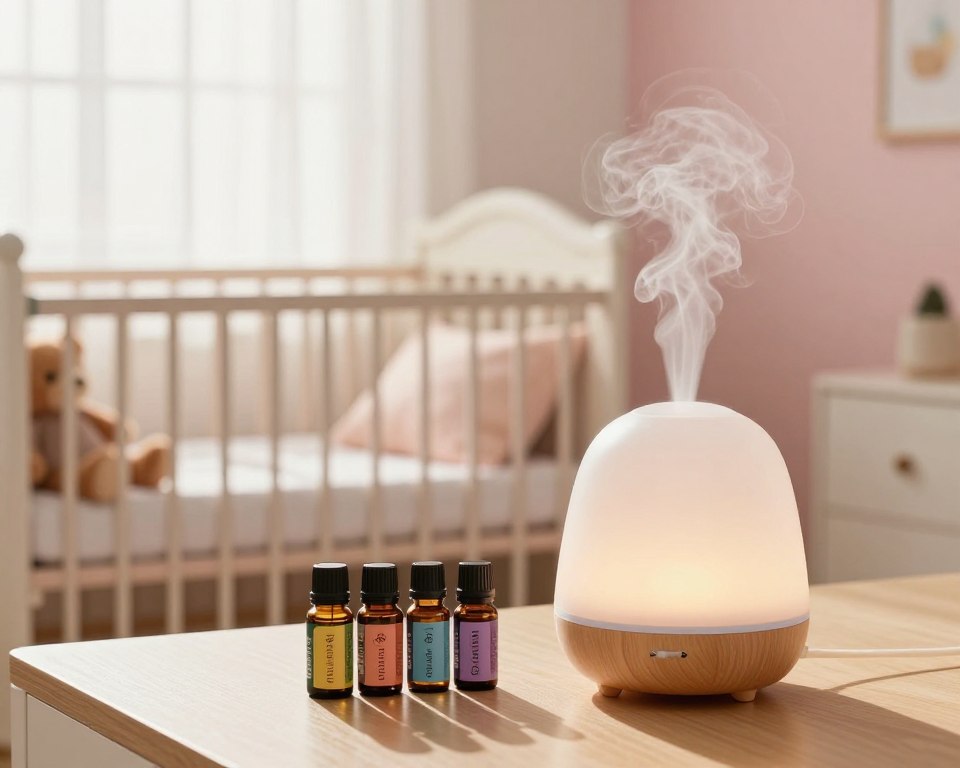
Creating a peaceful atmosphere for your baby requires a thoughtful approach to scent. By establishing a consistent and secure routine, you can enjoy the benefits of aromatherapy while keeping your little one safe and comfortable.
Step-by-Step Guide to Preparing the Room
Before you begin, ensure the nursery is well-ventilated to prevent the buildup of concentrated oils. Always place your device on a high, stable surface that is completely out of reach of curious hands.
It is vital to never spray pillows, blankets, or bedding with essential oils. This practice creates a high risk of accidental ingestion or direct skin contact, which can be harmful to a developing infant.
When using essential oil diffuser with babies, start with a very low concentration of oil. A single drop in a large tank of water is often sufficient to provide a subtle, calming effect without overwhelming the room.
Best Practices for Nighttime Diffusion
Nighttime requires extra vigilance to ensure the environment remains soothing rather than stimulating. If you choose to run a device while your baby sleeps, keep the duration short and the intensity low.
Follow these essential oil diffuser precautions for infants to maintain a healthy sleep space:
- Limit diffusion to 30 minutes before bedtime rather than running it all night.
- Ensure the device is positioned at least six feet away from the crib.
- Monitor your baby closely for any signs of respiratory distress or discomfort.
If you notice any coughing, sneezing, or restlessness, turn off the device immediately and ventilate the room. A gentle, light scent is always better than a strong one when it comes to your baby’s delicate senses.
Legal and Quality Standards for Essential Oil Products
Because the essential oil market lacks strict regulation, knowing exactly what you buy is vital for your family. Many products on store shelves contain synthetic fragrances or fillers that are not suitable for delicate environments. Prioritizing essential oil diffuser and newborn safety means looking beyond flashy marketing to find the truth about what is inside the bottle.
Understanding Labeling and Purity Claims
When you examine a bottle, look for transparency in the labeling. A reputable company will always list the plant’s full Latin name, the country of origin, and the specific extraction method used. These details confirm that the oil is derived from a genuine botanical source rather than a laboratory.
Be wary of vague terms like “therapeutic grade” or “natural,” as these are often marketing buzzwords without legal definitions. Authentic, high-quality oils should provide a clear paper trail from the farm to your home. If a label lacks this information, it is best to avoid using it near your child.
How to Source High-Quality Essential Oils
Sourcing your oils from established, transparent companies is the most reliable way to protect your little one. These brands often provide batch-specific testing results that verify the chemical composition of their products. By choosing these suppliers, you can confidently find an infant safe essential oil diffuser and oil combination that meets rigorous purity standards.
Always avoid oils that are labeled as “fragrance oils” or “perfume oils,” as these are synthetic and can cause respiratory irritation. Investing in quality ensures that you are only diffusing pure plant extracts. When in doubt, reach out to the manufacturer directly to ask about their quality control processes and safety testing protocols.
Conclusion
Your journey into aromatherapy requires a careful balance between creating a soothing atmosphere and protecting your baby. Selecting the best essential oils for infants demands patience and a commitment to high standards of purity.
Brands like Plant Therapy or Young Living offer products that prioritize transparency in their sourcing. Always verify that the oils you choose are appropriate for the delicate respiratory systems of young children.
Small steps make a significant difference in maintaining a healthy nursery environment. You should observe how your baby reacts to new scents and adjust your routine based on their comfort levels.
Professional advice from a pediatrician remains the gold standard for your peace of mind. Relying on expert guidance ensures that you navigate the world of scents with confidence and care.
Prioritizing safety over convenience keeps your home a secure space for growth. You hold the power to curate a gentle sensory experience that supports your child during these precious early months.
FAQ
Why Newborns and Infants Are More Sensitive
Infants possess a unique physiology that makes them significantly more sensitive to concentrated plant extracts than adults. Because a baby’s sinuses, lungs, and body are still developing, they cannot process volatile compounds in the same way a mature system can. This sensitivity is why infants and essential oil diffuser usage must be approached with extreme care. Their skin is thinner and their metabolic pathways are not yet fully equipped to detoxify the potent chemicals found in brands like Young Living or doTERRA if used improperly.
The Role of the Respiratory System in Oil Absorption
A baby’s respiratory rate is much faster than an adult’s, meaning they inhale more air—and any airborne particles—relative to their body weight. When you are using essential oil diffuser with babies, the microscopic droplets are absorbed rapidly into their bloodstream through the delicate lining of the lungs. Because their respiratory systems are still maturing, even “natural” scents can cause irritation or overwhelm their tiny airways.
Distinguishing Between Diffusion and Topical Application
Understanding essential oil diffuser safety requires recognizing that breathing in vapor is different from skin contact. While topical application carries a high risk of chemical burns or systemic absorption, diffusion can still trigger respiratory issues. Safety experts generally recommend waiting until a baby is at least 6 months old before introducing any aromatherapy into their environment.
The Importance of Dilution and Concentration Levels
For children, dilution is the golden rule. While adults might use high concentrations, safe levels for children range from 0.5% to 2.5%. When using a device like a Vitruvi Stone Diffuser, you should only use one or two drops of oil in a full reservoir of water to ensure the scent remains faint and non-toxic for developing lungs.
Respiratory Distress and Bronchospasm Risks
One of the primary risks of essential oil diffusers for babies is the potential for respiratory distress. Concentrated oils can trigger bronchospasms, especially in infants with underlying sensitivities. If a baby begins coughing, wheezing, or showing signs of labored breathing, the diffuser must be turned off immediately and fresh air introduced.
Neurological Sensitivities and Potential Toxicity
Certain oils can affect the nervous system. For instance, peppermint oil contains high levels of menthol, which has been linked to increased seizure risks and even apnea in children under 30 months old. Maintaining essential oil diffuser and newborn safety means being aware that these extracts are powerful pharmacological agents, not just “smells.”
Allergic Reactions and Skin Irritation Concerns
Even though the oil is diffused, it eventually settles on surfaces, clothes, and skin. This can lead to contact dermatitis or allergic reactions. If you notice redness or hives on your baby after running a diffuser, it is a clear sign that the environment is no longer safe for them.
Establishing Proper Ventilation in the Nursery
Never use a diffuser in a closed, unventilated room. Proper essential oil diffuser precautions for infants dictate that a door should always be left cracked to allow for airflow. This prevents the concentration of volatile organic compounds (VOCs) from reaching dangerous levels in a small nursery.
Limiting Duration and Frequency of Use
Intermittent diffusion is much safer than constant use. Limit diffusion to 30-minute intervals and allow the air to clear completely before running the machine again. Overexposure is the leading cause of adverse reactions in infants.
Maintaining Safe Distance from the Crib
An infant safe essential oil diffuser should never be placed directly next to the crib. Ensure the device is at least three to five feet away from where the baby sleeps to prevent them from inhaling a direct “mist” of concentrated oil.
Oils Containing High Levels of 1,8-Cineole
Oils like Eucalyptus and Rosemary contain 1,8-cineole, which can slow a baby’s breathing or cause neurological issues. For essential oil diffuser and newborn safety, these should be strictly avoided until the child is much older (usually 6 to 10 years old, depending on the specific oil).
Risks Associated with Peppermint and Eucalyptus
As mentioned, Peppermint is a major concern for those under age three. Similarly, many varieties of Eucalyptus are too potent for a baby’s fragile respiratory tract. Always check the botanical name; for example, Eucalyptus radiata is sometimes considered milder than Eucalyptus globulus, but both should generally be avoided around infants.
Why Wintergreen and Birch Are Strictly Prohibited
Wintergreen and Birch oils contain methyl salicylate, which is chemically similar to aspirin. These can lead to Reye’s Syndrome in children, a rare but fatal condition. These oils should never be present in a household with young children.
Benefits of Lavender for Calming and Sleep
When used with extreme caution, Lavender (Lavandula angustifolia) is often cited among the best essential oils for infants. Brands like Plant Therapy offer a “KidSafe” line that includes lavender, which can help soothe a fussy baby and promote a more restful environment.
Using Roman Chamomile for Gentle Soothing
Roman Chamomile is another gentle option known for its calming properties. It is often used to help with colic or teething-related irritability. Always ensure you are using a high-quality, pure extract from a reputable source like Edens Garden.
Safety Profiles of Citrus Oils Like Sweet Orange
Sweet Orange and Mandarin are generally considered safer citrus options because they are less likely to cause respiratory irritation than harsher oils. They can provide a bright, uplifting atmosphere in the home without being overwhelming.
Ultrasonic vs. Nebulizing Diffusers for Nurseries
An ultrasonic diffuser, such as the Frida Baby 3-in-1 Humidifier, is generally the best choice for a nursery. These use water to create a cool mist, which dilutes the oil significantly. Nebulizing diffusers, which use undiluted oil, are much too powerful for use around babies.
Features to Look for in a Baby-Safe Diffuser
When shopping for an infant safe essential oil diffuser, look for automatic shut-off features, BPA-free plastics, and adjustable mist settings. High-quality brands like Hathaspace or Muji often provide the control needed to keep the output low.
Cleaning and Maintenance to Prevent Mold Growth
Regular maintenance is vital. A dirty diffuser can spray mold spores and bacteria into the air, which is just as dangerous as the oils themselves. Clean your diffuser every few days using water and white vinegar as per the manufacturer’s instructions.
The Concept of Less Is More in Aromatherapy
The philosophy of “less is more” is vital when using essential oil diffuser with babies. You are looking for a “barely there” scent. If you can smell the oil strongly the moment you walk into the room, the concentration is likely too high for your infant.
Monitoring Your Baby for Signs of Discomfort
Always watch for inflammation, fussiness, or eye irritation. Babies cannot tell you if the scent is giving them a headache or making them nauseous, so you must be their advocate by observing their behavior closely after introducing any new aroma.
Alternative Ways to Use Scents Safely
Instead of constant diffusion, consider spritzing the room with a very diluted hydrosol (flower water) before bringing the baby into the nursery. This provides a faint scent without the continuous output of a machine.
Discussing Pre-existing Respiratory Conditions
If your baby has asthma or other respiratory issues, is essential oil diffuser safe around infants? The answer is likely no. You must consult a pediatrician at a clinic like the Mayo Clinic or Cleveland Clinic before introducing any airborne scents to a child with sensitive lungs.
Recognizing When to Stop Using Essential Oils Immediately
Immediate cessation is required if the baby develops a sudden cough, skin rash, or lethargy. These are signs of systemic toxicity or an acute allergic reaction.
Seeking Professional Guidance for Premature Infants
Premature infants have even more fragile systems. Aromatherapy should generally be avoided entirely for “preemies” until their lungs have had significantly more time to develop, and only under strict medical supervision.
How Babies Process Scents and Aromas
A baby’s sense of smell is one of their most developed senses at birth. They use it to identify their mother and navigate their world. Because this pathway to the brain is so direct, aromatherapy can have a profound impact on their emotional state.
The Connection Between Smell and Emotional Regulation
Gentle scents can help with emotional regulation and sleep associations. However, because the olfactory bulb is so closely linked to the limbic system (the brain’s emotional center), overpowering scents can cause significant stress rather than relaxation.
Debunking Natural Does Not Mean Harmless
Many parents believe that because a product is “natural,” it is automatically safe. This is a dangerous myth. Arsenic and lead are also natural, but they are not safe. Concentrated essential oils are powerful chemicals that must be treated with the same respect as medicine.
Clarifying Misconceptions About Therapeutic Grade Oils
The term “therapeutic grade” is a marketing term, not a regulated medical standard by the FDA. Do not let marketing claims from brands like Mountain Rose Herbs or others lead you to believe an oil is “safe enough to eat” or “safe for newborns” without verifying the chemistry and safety guidelines first.
Step-by-Step Guide to Preparing the Room
To set up a safe routine, diffuse for 20 minutes before the baby enters the room, then turn the machine off. This allows the scent to linger lightly without the baby being exposed to the active mist. Never spray pillows or bedding, as this can lead to accidental ingestion or skin burns.
Best Practices for Nighttime Diffusion
Avoid running a diffuser all night while the baby sleeps. The risk of overexposure is too high when the baby is in a stationary position for hours. If you must use it, use a timer to ensure it shuts off shortly after the baby falls asleep.
Understanding Labeling and Purity Claims
Always look for the Latin name of the plant on the bottle (e.g., Lavandula angustifolia). If the label only says “Lavender,” it might be a synthetic fragrance or a lower-quality hybrid like Lavandin, which has a different safety profile.
How to Source High-Quality Essential Oils
Source your oils from transparent companies like Rocky Mountain Oils or Plant Therapy that provide GC/MS (Gas Chromatography/Mass Spectrometry) test results. This ensures the oil is free from pesticides, heavy metals, and synthetic additives, which is crucial for infant safe essential oil diffuser use.
Is essential oil diffuser safe around infants under 6 months?
Most experts recommend avoiding any essential oil diffusion around infants under 6 months of age. Their respiratory and neurological systems are too delicate for the concentrated compounds found in oils from brands like doTERRA or Young Living.
What are the best essential oils for infants to help them sleep?
A: Lavender and Roman Chamomile are considered the best essential oils for infants due to their gentle, calming properties. Always ensure you are using a high-quality, pure oil from a reputable source like Plant Therapy.
What are the risks of essential oil diffusers for babies?
The risks of essential oil diffusers for babies include respiratory distress, coughing, neurological sensitivities (like seizures with peppermint oil), and potential skin or eye irritation from the mist.
How can I ensure essential oil diffuser safety in my nursery?
To maintain essential oil diffuser safety, always ensure the room is well-ventilated, keep the diffuser at least 3 feet away from the crib, and limit use to 30-minute intervals rather than continuous diffusion.
Are there specific oils that are strictly prohibited for newborn safety?
Yes, for essential oil diffuser and newborn safety, you must avoid Wintergreen, Birch, Peppermint, and Eucalyptus. These contain compounds like methyl salicylate and 1,8-cineole which can be dangerous for young children.
What features should I look for in an infant safe essential oil diffuser?
An infant safe essential oil diffuser should be an ultrasonic model (like the Frida Baby) that uses water. It should have an automatic shut-off, low-mist settings, and be made from BPA-free materials.
What are the most important essential oil diffuser precautions for infants?
The most critical essential oil diffuser precautions for infants are proper dilution (only 1-2 drops), ensuring the baby cannot reach the device or cord, and never diffusing in a closed, small space without airflow.
Can I use an essential oil diffuser with babies if they have a cold?
You should consult a pediatrician before using essential oil diffuser with babies who are ill. While some believe it helps, certain oils can actually irritate inflamed airways and make breathing more difficult for a sick infant.
Does “therapeutic grade” mean an oil is safe for my baby?
No. “Therapeutic grade” is a marketing term and is not regulated by the FDA. Regardless of the label, you must follow specific safety guidelines regarding age-appropriate oils and proper dilution for infants and essential oil diffuser use.
How do I know if my baby is reacting poorly to a diffused oil?
Look for signs of redness in the eyes, labored breathing, skin rashes, or unusual fussiness. If any of these occur, turn off the diffuser, move the baby to fresh air, and contact a medical professional if symptoms persist.