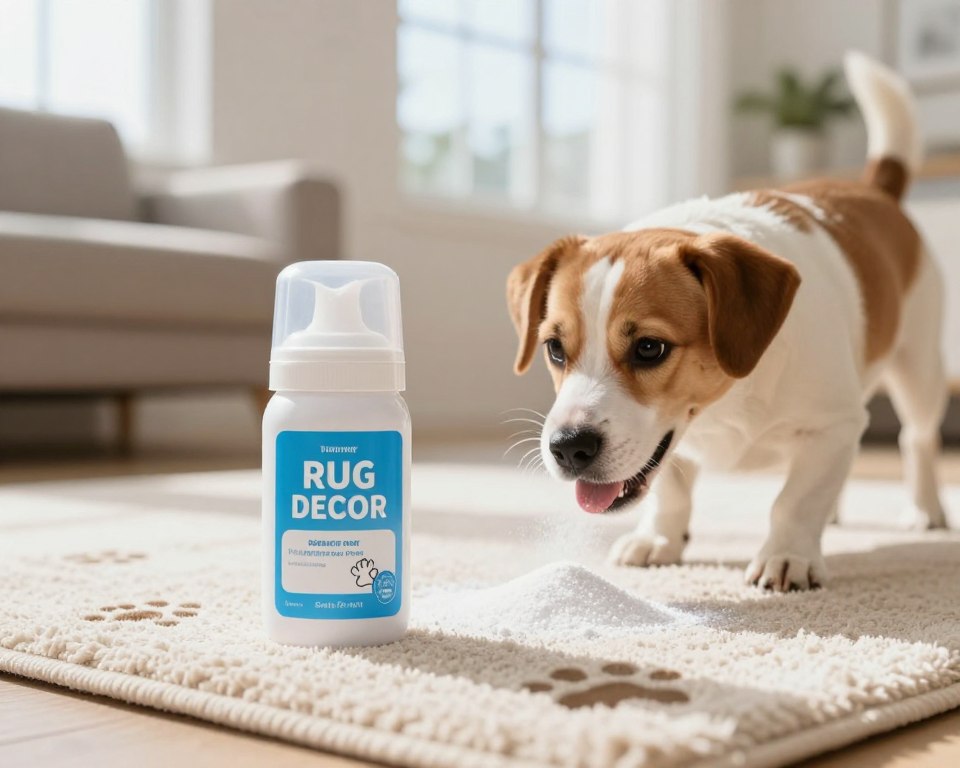
Did you know over 70% of American homes have pets? Many people think common cleaning products are safe just because they’re sold in stores. But, these products can be risky for our furry friends.
In my work, I’ve seen many pet owners not realize how cleaning products affect animals. These products might smell good but can harm pets’ breathing. To know if a rug deodorizer powder safe pets, we need to look at what’s in it and how pets act.
Keeping homes clean and pets healthy is key for pet owners. We should look beyond what products say and check how they affect air quality. Knowing the risks helps us keep our homes safe for our pets.
Key Takeaways
- Most commercial fresheners are not tested for animal safety.
- These products can harm pets’ breathing.
- Pets might swallow chemicals from floors, which is bad.
- Some pets might react to synthetic smells or get skin problems.
- Using safe, non-toxic cleaners is better than chemical sprays.
The Hidden Risks of Conventional Carpet Powders
While a fresh-scented rug is appealing, the chemical composition of standard carpet powders may compromise your indoor air quality. Many consumers reach for an odor eliminating powder for rugs to mask pet smells. Yet, these products often rely on harsh synthetic ingredients.
Common formulations include calcium carbonate, sodium silicate, and hydrated silica. These substances are designed for temporary surface relief rather than deep cleaning. Over time, the reliance on these chemicals can lead to unintended consequences for both your flooring and your household members.
You can learn more about the differences between these products and safer alternatives by exploring this guide on the best carpet deodorizer options.
Chemical Fragrances and Respiratory Sensitivity
Most commercial powders use synthetic fragrances for a long-lasting “clean” smell. These chemical compounds are often volatile, releasing gases into the air. This can trigger respiratory sensitivity in pets and humans alike.
For individuals or animals with asthma, these artificial scents act as significant irritants. The chemical profile of these products is rarely fully disclosed on labels. This lack of transparency makes it difficult for pet owners to identify potential allergens before they are dispersed into the home environment.
The Danger of Fine Particulate Matter
Beyond the chemical concerns, the physical properties of these powders pose a mechanical risk to your carpets. The abrasive nature of ingredients like silica can cause microscopic damage to carpet fibers. This leads to premature wear and fraying.
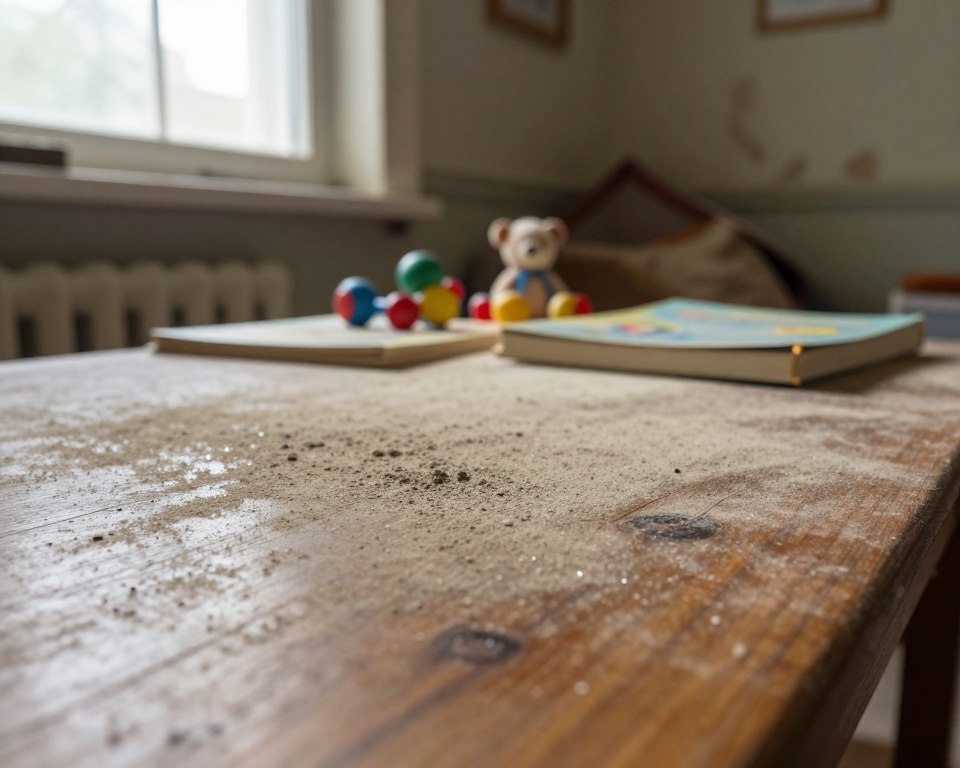
These fine particles are notoriously difficult to remove completely with a standard vacuum. Once applied, the powder often settles deep into the carpet backing. This trapped residue can become airborne again during daily foot traffic, creating a cycle of poor indoor air quality.
Using an odor eliminating powder for rugs frequently may actually contribute to a buildup of dust. This dust is harmful to small lungs.
| Ingredient | Primary Function | Potential Risk |
|---|---|---|
| Calcium Carbonate | Absorbent base | Abrasive to fibers |
| Sodium Silicate | Anti-caking agent | Respiratory irritant |
| Synthetic Fragrance | Odor masking | Allergenic potential |
| Hydrated Silica | Moisture control | Fine particulate inhalation |
Is Rug Deodorizer Powder Safe Pets: A Critical Assessment
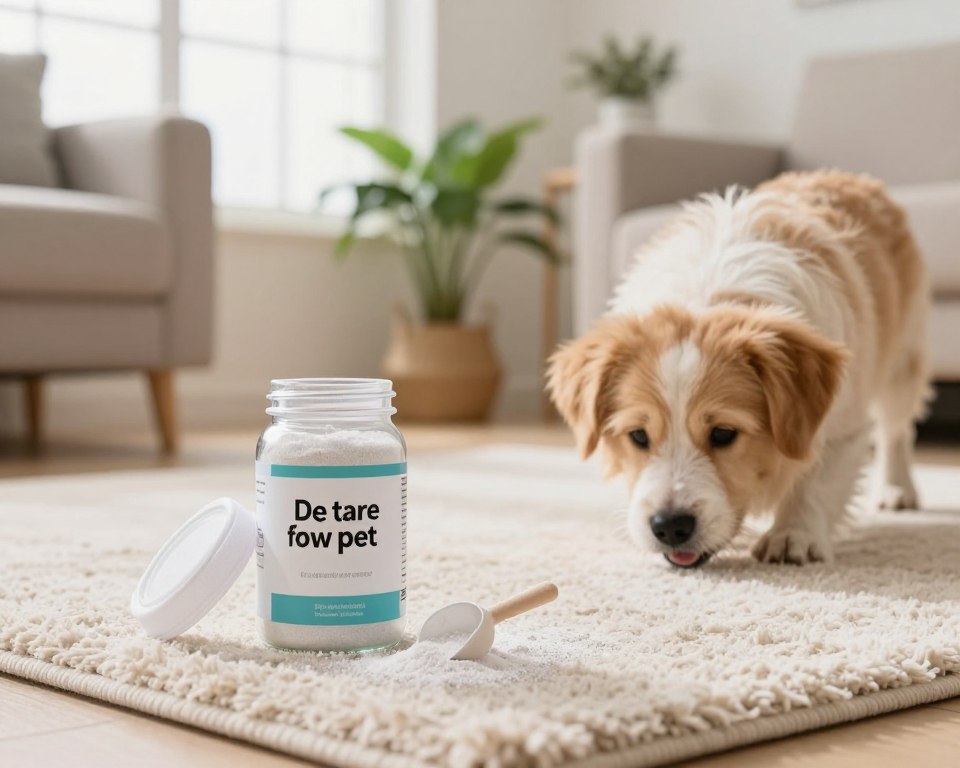
When you ask if a rug deodorizer powder is safe for pets, you must consider the limitations of current industry regulations. Many owners assume that products sold in major retail stores have undergone rigorous testing for animal safety. But this is rarely the case. In reality, the burden of safety often falls on the consumer to interpret complex labels.
Understanding Ingredient Transparency in Household Products
The primary challenge in evaluating these products is the lack of full ingredient disclosure. Manufacturers frequently hide specific chemical compounds under the umbrella term of “fragrance” or “proprietary blends.” This practice makes it nearly impossible for a pet owner to identify potential allergens or respiratory irritants.
Further, the physical nature of these powders presents a unique risk. Data indicates that typical vacuuming only removes about 65% of applied carpet powders, leaving a significant amount of residue behind. This remaining dust is easily kicked up by pets, leading to prolonged exposure through inhalation or direct contact with their paws.
Why Regulatory Standards Often Fall Short for Animal Safety
Current regulatory frameworks for household cleaners are mainly designed for human safety, often ignoring the unique biological vulnerabilities of dogs and cats. Animals spend a significant amount of time in direct contact with floor surfaces, and their grooming habits increase the risk of ingesting chemical residues.
Several factors contribute to this regulatory gap:
- Inhalation sensitivity: Small animals have different respiratory rates and lung capacities, making them more susceptible to airborne particles.
- Grooming behaviors: Pets ingest whatever settles on their fur or paws, which is not a primary concern for human-focused safety testing.
- Lack of mandatory disclosure: Many chemicals that are safe for human skin contact have not been evaluated for the sensitive paw pads of pets.
Because of these discrepancies, determining if a rug deodorizer powder is safe for pets requires a cautious approach. Relying solely on marketing claims like “pet-friendly” can be misleading. Instead, owners should prioritize products that offer full ingredient transparency and avoid synthetic fragrances entirely.
Common Ingredients to Avoid in Your Home
Keeping your pets safe means knowing what’s in your cleaning products. Many carpet powders have additives that hide odors but can harm pets. Learning about these substances helps make your home safer for your pets.
Phthalates and Synthetic Musks
Phthalates make fragrances last longer in the air. But, they can mess with your pet’s hormones and cause breathing problems. Pets pick up these particles on their paws or breathe them in during play.
Synthetic musks also hide in artificial scents. They don’t break down and can build up in pets over time. Keeping your pets away from these chemicals helps their breathing stay healthy.
Volatile Organic Compounds (VOCs) and Pet Health
VOCs turn from solid or liquid to gas at room temperature. This lets them spread through your home’s air. Pets, being close to the floor, get hit with these vapors more.
Small lungs can’t handle these chemicals well. Long-term exposure can cause coughing, irritation, or serious breathing issues. It’s key to pick products labeled as low-VOC or VOC-free to keep air quality good for everyone.
| Chemical Category | Primary Risk | Common Source |
|---|---|---|
| Phthalates | Endocrine disruption | Synthetic fragrances |
| Synthetic Musks | Bioaccumulation | Artificial perfumes |
| VOCs | Respiratory irritation | Aerosols and powders |
| Formaldehyde | Allergic reactions | Preservatives |
The Physiological Impact on Dogs and Cats
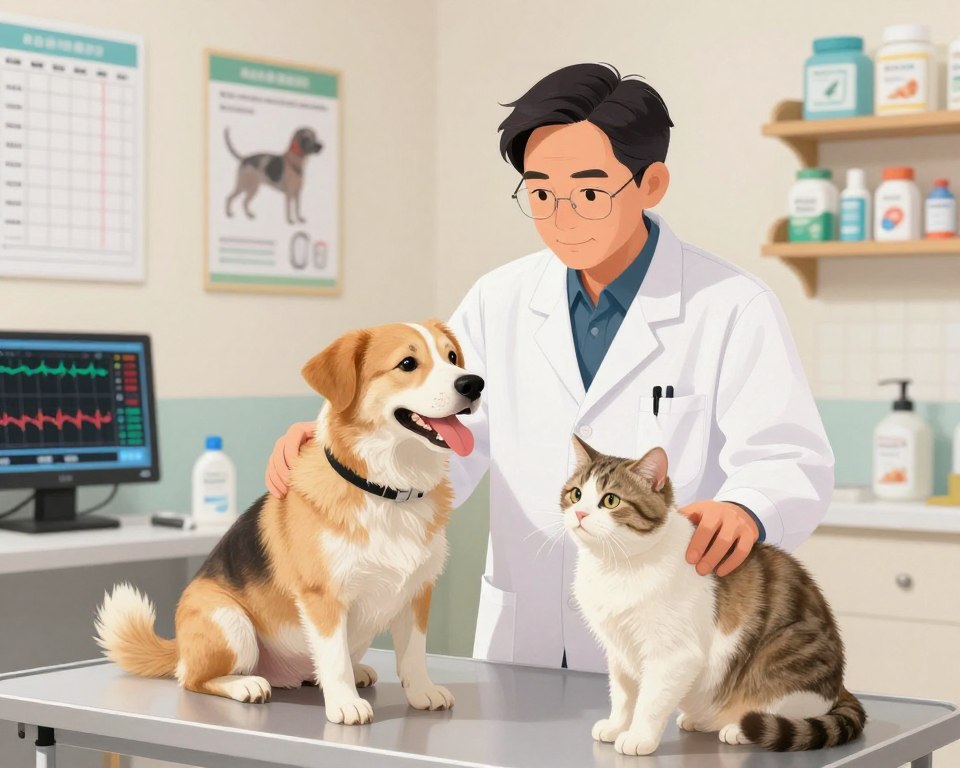
When you use a deodorizer on your rug, your pet will likely breathe in or touch the chemicals. Pets spend a lot of time near floors, so they get exposed to more powder than people do. It’s very important to protect your pets from harmful substances.
How Inhalation Affects Small Lungs
Dogs and cats have efficient lungs but can get irritated by small particles. When you vacuum or walk on the carpet, tiny dust particles go into the air. These particles can get deep into their lungs.
Pets breathe more often than people, so they inhale more particles. This can cause long-term inflammation or breathing problems. Over time, their lungs might get damaged by synthetic smells and dust.
Dermal Absorption and Paw Pad Irritation
The skin is another way pets can absorb chemicals. When pets walk on treated carpets, they pick up powder on their paws. This can irritate their skin, cause redness, or even burns if the chemicals are strong.
Cats are very sensitive to these chemicals because they groom themselves a lot. When they walk on treated rugs, they get residue on their fur and paws. They then swallow this during grooming. Also, cats can’t break down some fragrances and oils well. This means even a little can be toxic or make their skin very sensitive.
Evaluating the Claims of Pet-Friendly Rug Deodorizer Brands
Finding a pet-friendly rug deodorizer can be tricky. Many brands use catchy labels to attract pet owners. But, these labels often don’t mean much without clear rules.
So, it’s up to you to check what’s really in the bottle. This is because there are no strict rules for what can be called “pet-friendly.”
Marketing Versus Reality in the Cleaning Industry
In the cleaning world, “pet-friendly” is more about marketing than fact. Companies might list natural ingredients but hide the presence of harmful chemicals. These chemicals can harm pets’ breathing.
This gap between what’s promised and what’s real can be confusing. Pet owners might think a label means a product is completely safe. But, it’s not always true.
Marketing teams focus on making products look good, not on being honest about what’s inside. A product might be called a pet-friendly rug deodorizer but still have chemicals that aren’t safe for pets. Relying only on what’s on the label can leave you in the dark about dangers at home.
The Importance of Third-Party Safety Certifications
To get past the marketing, look for third-party safety certifications. These groups test products to make sure they’re safe and healthy. They don’t let companies pay for good grades.
These certifications are like a shield for you. When a pet-friendly rug deodorizer has one, it means it’s been checked for safety. Choosing products with these certifications is the best way to keep your home safe for your pets.
Benefits of Choosing a Non-Toxic Rug Deodorizer Powder
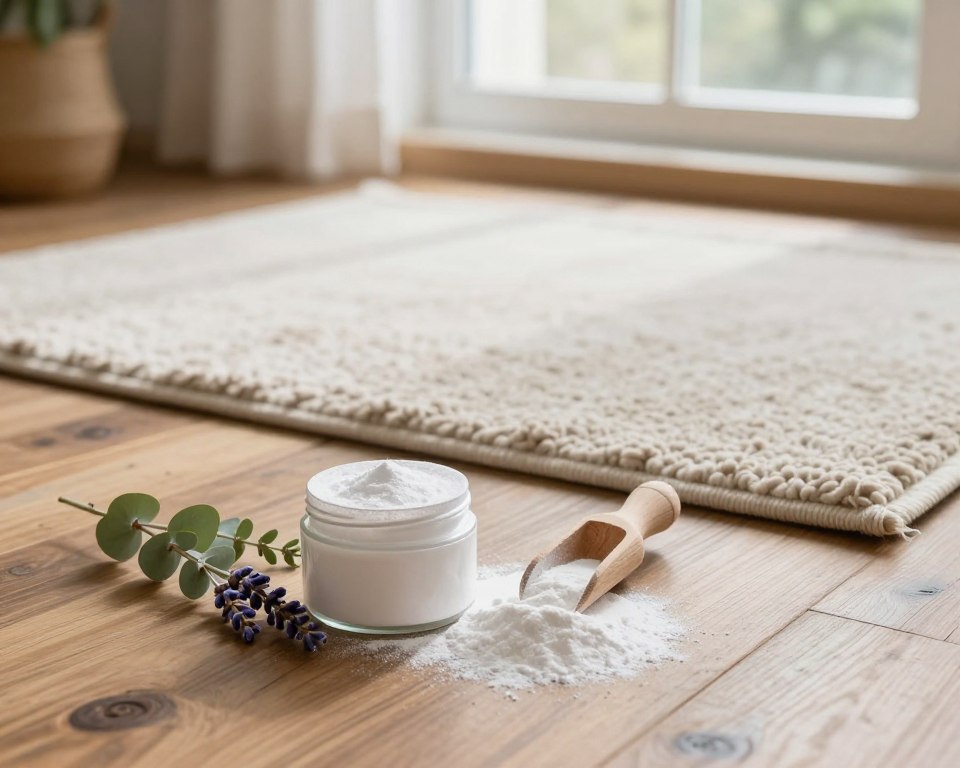
Switching to a non-toxic rug deodorizer powder makes your home healthier. It gets rid of bad chemicals and strong smells. Instead, it focuses on removing odors without harming the air.
Reducing the Toxic Load in Your Living Space
Household chemicals can really hurt the air inside. Using a non-toxic rug deodorizer powder cuts down on harmful stuff. This stuff, like phthalates, stays in carpets where pets like to hang out.
- Lower risk of respiratory irritation for both humans and animals.
- Reduced chemical residue on paws and fur.
- Improved overall indoor air purity.
“Creating a healthy home requires a critical look at the substances we introduce to our floors, as these are the primary surfaces our pets interact with daily.”
Long-Term Health Advantages for Senior Pets
Older pets are more sensitive to toxins. A non-toxic rug deodorizer powder keeps them safe from bad air. But, natural stuff like baking soda can be too rough for some rugs.
It’s key to find a balance. Choose gentle, plant-based options for a safer home. This helps your older pet stay happy and healthy for years to come.
Natural Alternatives for Odor Elimination
Looking for a natural rug deodorizer for pets is easy. Just check your pantry. Many products use synthetic fragrances that hide smells, not get rid of them. This can be bad for pets’ breathing. Using natural ingredients is safer for your home.
The Efficacy of Baking Soda and Essential Oil Safety
Baking soda is great for soaking up moisture and getting rid of acidic smells. It’s safe for pets. Sprinkle it lightly on your rug, let it sit, then vacuum well. Too much can leave a hard-to-clean residue.
Using baking soda as a natural rug is effective. But be careful not to use too much.
“The most effective cleaning solutions are often those that work with the chemistry of the home rather than against it.”
Essential oils can make your home smell nice, but be careful. Oils like tea tree, peppermint, and wintergreen are toxic to dogs and cats. If you use them, make sure to dilute them a lot. Always check with a vet first.
Using Activated Charcoal for Neutralizing Pet Odors
Activated charcoal is great for fighting odors. It has a lot of surface area to trap smells. This means it doesn’t just cover up odors, it gets rid of them.
It’s safe for pets because it’s odorless and doesn’t react with anything. It keeps your home smelling fresh by pulling out bad smells. Adding it to your cleaning routine is a smart choice.
DIY Solutions for a Pet-Safe Carpet Deodorizer
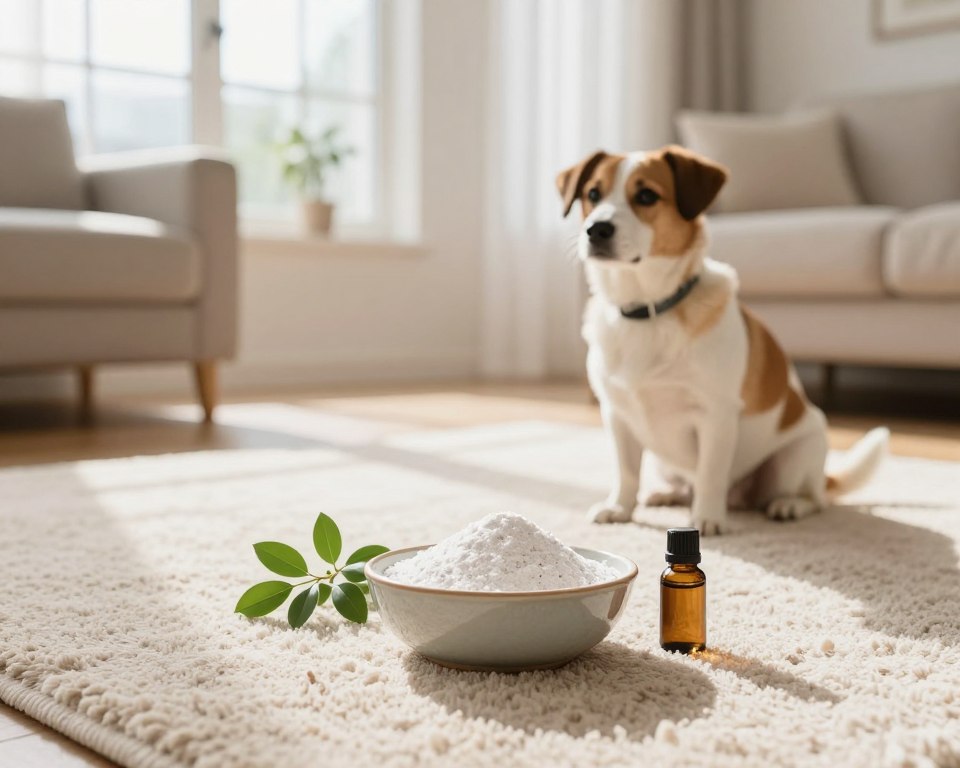
Making your own pet-safe carpet deodorizer lets you keep your home smelling fresh. You also get to choose what goes into it. This means no harsh chemicals or synthetic fragrances that could harm your pets.
Many of these recipes use things you likely have at home. They’re simple and safe for your furry friends.
Simple Recipes Using Household Staples
Mixing 1/2 cup of borax with 1/2 cup of baking soda is a great start. Baking soda helps neutralize smells by balancing pH levels. Borax breaks down organic matter in carpet fibers.
For more info on making these mixes, check out this guide on how to make a pet-safe carpet deodorizer for your home.
Want a bit of scent? Use a few drops of pet-safe essential oils like lavender or chamomile. Make sure they’re safe for dogs and cats before adding them. Consistency is key to keep your carpets smelling good without risking your pets’ health.
Proper Application Techniques to Minimize Dust
When using your pet-safe carpet deodorizer, aim to avoid dust. Don’t shake the powder too high, as it can become airborne and irritate lungs. Instead, use a shaker with small holes and apply it close to the carpet.
Spread a thin layer of powder and then use a soft-bristled brush to work it into the fibers. Let it sit for 15 to 30 minutes to soak up odors. Keep pets away during this time to prevent them from inhaling dust.
Once the time is up, vacuum with a HEPA filter to remove all powder. This ensures your floors are clean and safe for your pets.
The Role of Vacuuming in Pet Odor Management
Many people use deodorizing powders to hide smells. But, the real key to a fresh home is regular cleaning. Chemicals alone can’t get rid of odors because they don’t remove the source. Effective carpet maintenance means getting rid of dirt and debris.
Why HEPA Filtration is Non-Negotiable
Regular vacuum cleaners can spread tiny particles back into the air. This can make breathing problems worse for people and pets. A HEPA (High-Efficiency Particulate Air) filter catches 99.97% of particles as small as 0.3 microns. This includes pet dander, dust mites, and dried saliva that cause bad smells.
Without a HEPA filter, you’re just moving allergens around. A vacuum with a sealed system keeps the air clean. This is a critical step for keeping the air in pet homes fresh.
Frequency of Cleaning for Multi-Pet Households
With more pets, dirt builds up faster. Vacuuming high-traffic areas three to four times a week helps. This stops dander from getting stuck in the carpet where it’s hard to get out.
Regular cleaning is better than one big clean. It keeps you from needing strong chemicals. The table below shows how often to clean to keep your home smelling good.
| Cleaning Frequency | Dander Accumulation | Odor Control Level | Recommended For |
|---|---|---|---|
| Once Weekly | High | Low | Single pet, low shedding |
| Twice Weekly | Moderate | Medium | Small pets, short hair |
| Four Times Weekly | Low | High | Multi-pet households |
| Daily | Minimal | Excellent | Large breeds, heavy shedding |
Eco-Friendly Rug Deodorizer Options for Conscious Consumers
Today, we can care for our pets and the planet at the same time. Many people now look for a pet-friendly rug deodorizer that fits their values. Choosing eco-friendly options helps keep our homes fresh while protecting our pets and the environment.
Plant-Based Ingredients That Actually Work
Natural cleaning agents are surprisingly effective. They use plant-based ingredients like essential oils and extracts. These ingredients neutralize odors without harming our lungs, unlike synthetic fragrances.
Plant-based formulas often use enzymes to break down smells in carpets. This is great for pet owners, as it targets the smell’s source. For those looking for the best carpet deodorizers, choose natural, enzyme-based options for a cleaner, safer home.
Sustainable Packaging and Environmental Impact
The life cycle of a product also matters for its environmental impact. Look for brands with recyclable, compostable, or refillable packaging to cut down on plastic waste. Using less plastic is key to sustainable home care.
Also, pick products from companies that source ethically and ship carbon-neutrally. This ensures your choice benefits not just your home but the whole planet. By considering the entire supply chain, you make a bigger difference in keeping your home and the environment healthy.
Identifying Safe Deodorizer for Pet Owners
Finding a safe deodorizer for pet owners means learning to read labels well. Many products use vague terms to hide harsh chemicals. By looking beyond what’s on the front, you can keep your home safe.
Reading Labels Like a Pro
Checking the full ingredient list is key. If a product doesn’t list its ingredients, it’s best to avoid it. Companies that list everything care more about animal health than making money.
When you look at the back, search for specific chemical names. Avoid terms like “fragrance” or “surfactants.” These can hide harmful chemicals that affect pets. A good safe deodorizer for pet owners will list every ingredient clearly.
What to Look for on the Ingredient List
To keep your home healthy, know which ingredients are bad for pets. Look out for harsh chemicals and synthetic smells in carpet powders. Choose products with natural, mineral-based odor fighters instead.
Here’s a shopping guide to help you:
- Avoid: Synthetic fragrances, phthalates, and artificial dyes.
- Avoid: Formaldehyde-releasing preservatives or harsh bleach derivatives.
- Seek: Plant-based essential oils that are safe for pets.
- Seek: Simple, inert minerals like baking soda or activated charcoal.
By always checking these lists, you can pick a safe deodorizer for pet owners without risking your pet’s health. A few extra seconds in the store can save your pet’s health long-term. Being an informed shopper helps keep your home safe from harmful products.
Environmentally Friendly Rug Deodorizer and Indoor Air Quality
The air in your home is linked to how you care for your carpets. Many cleaning products release harmful particles and chemicals into the air. Using an environmentally friendly rug deodorizer helps cut down on these chemicals in your home.
The Connection Between Carpet Care and Air Purity
Carpets help filter your home, catching dust, dander, and pollutants. But using harsh chemicals on them can introduce more contaminants into the air. These tiny particles can get past regular vacuum filters, making the air less clean.
Switching to an eco-friendly rug deodorizer can help. These products use natural ingredients that don’t release harmful chemicals. Keeping your carpets clean without using synthetic irritants is key to a healthy indoor air quality.
Creating a Breathable Environment for Your Family
Creating a breathable home needs a complete cleaning approach. It’s not just about hiding odors; it’s about using safe products for your family and pets. An environmentally friendly rug deodorizer ensures your family avoids breathing in harmful chemicals.
Choosing non-toxic, eco-friendly rug deodorizer options helps manage pet smells without harming the air. This supports better breathing and makes your home safer and more comfortable. Choosing cleaner alternatives is a simple yet effective way to enhance your home life.
Expert Advice on Managing Pet Odors Without Harsh Chemicals
When regular cleaning doesn’t get rid of pet odors, it’s time for something stronger. Using a pet-safe carpet deodorizer every day is good. But for tough smells, you need something more.
Professional Cleaning Strategies for Stubborn Stains
Hot water extraction is the top choice for deep cleaning carpets. It uses powerful water and special tools to get rid of dirt, urine, and germs deep in the carpet.
This method doesn’t just cover up smells. Professional technicians can find out what’s causing the smell and treat it safely. It’s great for homes with many pets, where smells can build up.
Preventative Measures to Keep Rugs Fresh
Keeping your rugs fresh is all about being consistent. Vacuuming often with a HEPA filter helps catch dirt before it gets stuck.
Don’t wait to clean up spills. Use a pet-safe carpet deodorizer regularly to keep light smells away. Make sure the product you choose is safe for your pet.
Think about using washable area rugs in busy spots. These can be washed often, helping your carpets stay cleaner. By following these tips and getting professional help now and then, you can keep your home smelling great for everyone.
Conclusion
Keeping your pets safe begins with smart choices in your cleaning closet. Using synthetic powders can harm their health. Instead, choose mechanical cleaning methods for a safer home.
Knowing what’s in your cleaning products is key. Check labels for hidden dangers. Look for products made from plants and tested for safety.
Vacuuming regularly with good filters helps control smells. This way, you don’t need harsh chemicals. A clean home is about making smart choices and caring for your family’s health.
Share your success with safer cleaning to help others. Together, we can make homes healthier for our pets.
FAQ
Is rug deodorizer powder safe pets can breathe in comfortably?
Not all powders are safe for pets. Look for products with larger grains and no synthetic fragrances. These are better for pets’ sensitive lungs.
How can I find a truly pet-friendly rug deodorizer?
Don’t just look at the front of the bottle. Check the ingredient list and look for third-party safety certifications. This ensures it’s safe for pets.
Are there any non-toxic rug deodorizer powder options available?
Yes, there are non-toxic options. These use simple ingredients like baking soda or plant-based enzymes. They’re safer than synthetic chemicals.
What makes a pet-safe carpet deodorizer different from regular ones?
Pet-safe deodorizers avoid harsh chemicals. They don’t use VOCs or caustic chemicals that can harm pets.
Why should I choose a natural rug deodorizer for pets instead of a standard spray?
Natural deodorizers are better for your home. They reduce chemical exposure. Standard sprays can be harmful when pets breathe them in.
Is an eco-friendly rug deodorizer as effective as a chemical one?
Yes, eco-friendly deodorizers work well. They use natural odor absorbers that neutralize smells without masking them.
What is the best odor eliminating powder for rugs in a multi-pet home?
The best powder is one that’s effective and low in dust. Use activated charcoal or a baking soda mixture. Vacuum with a HEPA-filter machine.
How do I identify a safe deodorizer for pet owners at the store?
Read the back label carefully. Avoid phthalates, formaldehyde, and “parfum.” Choose products with safe, natural ingredients for pets.
Why is an environmentally friendly rug deodorizer better for senior animals?
Senior pets have weaker systems to handle toxins. Eco-friendly deodorizers are safer for them. They don’t contain harmful chemicals found in regular products.