Did you know that common household aerosols can cause severe breathing problems quickly? Many people focus on cleaning surfaces but forget about the air quality. As a pharmacist, I’ve seen how improper use of aerosolized cleaners can harm health.
It’s a common mistake to think these products are safe if they don’t touch the skin. But, inhalation of furniture polish can lead to serious lung issues and even breathing failure. This is explained in a clinical overview of chemical exposure. Knowing if a wood polish spray toxic is key to keeping your family safe.
We need to check the chemicals in these products to keep our homes safe. By choosing safe products, we can protect our families better.
Key Takeaways
- Aerosolized cleaning products can cause immediate respiratory irritation and long-term lung damage.
- Chemical ingredients like hydrocarbons pose a significant risk when inhaled or aspirated.
- Clinical symptoms of exposure range from dizziness and confusion to severe pulmonary edema.
- Immediate medical intervention is required if someone experiences difficulty breathing after using cleaning agents.
- Proper ventilation and product knowledge are the most effective ways to prevent accidental poisoning.
The Hidden Chemistry of Household Aerosols
When you use a quick-spray wood polish, you might not think about the complex chemical process happening in your living room. These products are made of solvents, propellants, and surfactants. They work together to make wood surfaces shine. But, they also change the chemistry of your home.
Understanding Volatile Organic Compounds
Volatile Organic Compounds, or VOCs, are key in many furniture care products. They evaporate fast, leaving no sticky residue. But, they turn into gas and stay in the air for a while.
This can make the air inside your home less clean if it’s not well-ventilated. Remember, even if surfaces seem dry, chemicals can still be off-gassing. This is a common issue in many homes today.
The Mechanics of Aerosolized Particles
The way an aerosol can works is just as important as the chemicals inside. When you press the nozzle, it turns the polish into a fine, aerosolized mist. These tiny droplets can stay in the air for a long time.
These small particles can easily get deep into your lungs when you breathe them in. Knowing how these particles work is key to understanding the risks of common cleaning products. Below is a table showing the main parts of these sprays and what they do.
| Component | Primary Function | Chemical Behavior |
|---|---|---|
| Solvents | Dissolves waxes and oils | High volatility; evaporates quickly |
| Propellants | Dispenses product as mist | Pressurized gas; aids aerosolization |
| Surfactants | Reduces surface tension | Stabilizes the liquid mixture |
| Fragrances | Masks chemical odors | Synthetic compounds; lingering scent |
Is Wood Polish Spray Toxic to Inhale in Modern Homes?
Modern homes are often sealed tight to save energy. This traps air particles inside. Many wonder if wood polish spray toxic to breathe in while cleaning. These sprays make wood shine but can leave mist in the air for a while.
Evaluating Acute Respiratory Irritation
Inhaling furniture polish vapors can cause quick reactions in some. Symptoms include dizziness, confusion, and breathing trouble. These happen in rooms with little air where chemicals build up fast.
The bad effects depend on the VOCs in the polish. A strong smell or feeling dizzy while cleaning means stop and open windows. Good air flow is key to avoid these problems.
Long-term Exposure Risks and Chronic Health Concerns
Using wood polish spray often might seem safe, but think about long-term effects. Breathing in chemicals over years can harm your lungs. Experts say indoor pollution can lead to health issues that are often ignored.
Knowing the risks helps choose safer products for your home. The table below shows how often using these products can affect your health.
| Exposure Level | Frequency | Potential Health Impact |
|---|---|---|
| Low | Monthly | Minimal risk with ventilation |
| Moderate | Weekly | Occasional throat irritation |
| High | Daily | Chronic respiratory sensitivity |
To know if a wood polish spray is toxic, look beyond the label. Think about all the chemicals it releases in your home. Keeping air quality good is a smart way to reduce chemical stress at home.
Common Ingredients That Raise Red Flags
Knowing what’s in your wood polish is key to a healthy home. Many products use solvents and additives that aren’t clear to everyone. By spotting these, you can choose better for your space.
Petroleum Distillates and Their Impact
Petroleum distillates are common in wood polishes. They work well but can be risky. They release VOCs that might irritate your lungs in closed spaces.
Synthetic Fragrances and Phthalates
Synthetic fragrances hide the smell of solvents in polish. They often include phthalates, which harm air quality and can upset some people’s health.
Silicone Oils and Indoor Air Quality
Silicone oils give wood a shiny look. They’re safe to touch but can make floors slippery. They also stick around, trapping dust and allergens.
| Ingredient Category | Primary Function | Potential Concern |
|---|---|---|
| Petroleum Distillates | Solvent/Cleaner | Respiratory irritation |
| Synthetic Fragrances | Odor masking | Indoor air pollution |
| Silicone Oils | Surface shine | Slippery residue |
| Phthalates | Fragrance stabilizer | Chemical sensitivity |
The Vulnerability of Children and Pets
Children and pets are more at risk from chemicals because their bodies process them differently than adults. They often spend more time near floors and furniture, which means they’re exposed to more chemicals from sprays. Choosing a safe wood polish for kids is crucial for keeping a healthy home.
Why Smaller Lungs Face Greater Risks
Children breathe more air than adults do, making them more likely to inhale pollutants. Their bodies are still growing and can’t handle synthetic chemicals as well as adults can. This makes them more vulnerable to indoor air pollutants.
Pets also face risks, mainly from grooming and resting on treated surfaces. Aerosol particles can settle and be ingested or absorbed through the skin. Constant exposure to these chemicals can cause respiratory problems or long-term health issues.
“The indoor environment is a complex ecosystem where the smallest inhabitants are often the most sensitive to the chemical choices we make for our furniture.”
Safe Wood Polish for Kids and Sensitive Households
When looking for a safe wood polish for kids, avoid products with volatile propellants and harsh chemicals. Choose products without phthalates and petroleum distillates. These are common in traditional sprays that harm air quality.
The table below shows the differences between standard sprays and safer alternatives for your home:
| Feature | Standard Aerosol Polish | Safe Alternative |
|---|---|---|
| Propellants | Butane or Propane | None (Pump or Wipe) |
| Solvents | Petroleum Distillates | Plant-based Oils |
| Fragrance | Synthetic Phthalates | Essential Oils or Unscented |
| Residue | Chemical Film | Natural Wax/Oil |
Choosing a safe wood polish for kids means looking beyond the label. Focus on products that are transparent about their ingredients. Use natural waxes or food-grade oils. This reduces chemicals in your home, making it healthier for your family.
Ventilation as the First Line of Defense
Proper ventilation is key to avoiding the dangers of inhaling chemicals from wood polish. The mist from wood polish can stay in the air, posing a risk to your lungs. By focusing on airflow, you can lower the amount of harmful substances in your home.
The Importance of Air Exchange Rates
The air exchange rate is how fast the air in a room is replaced by fresh air. When using aerosolized cleaning products, a high exchange rate is crucial. Without enough air movement, harmful particles can stay in the air, making it easier to breathe them in.
To boost your home’s air quality, try these easy steps:
- Open windows on opposite sides of the room to create a cross-breeze.
- Use exhaust fans in kitchens or bathrooms to remove vapors.
- Keep interior doors open to help air circulate throughout the home.
Best Practices for Cleaning in Enclosed Spaces
Cleaning in small or poorly ventilated areas needs extra care. When working in a tight space, apply the cleaning product to a cloth instead of spraying it. This method reduces the amount of mist released into the air.
If someone coughs or feels dizzy after using a spray, move them to fresh air right away. Always prioritize your health by ensuring good ventilation before starting. By making these habits a part of your routine, you can greatly reduce the risk of inhaling harmful fumes.
Navigating the Market for Eco-Friendly Furniture Polish
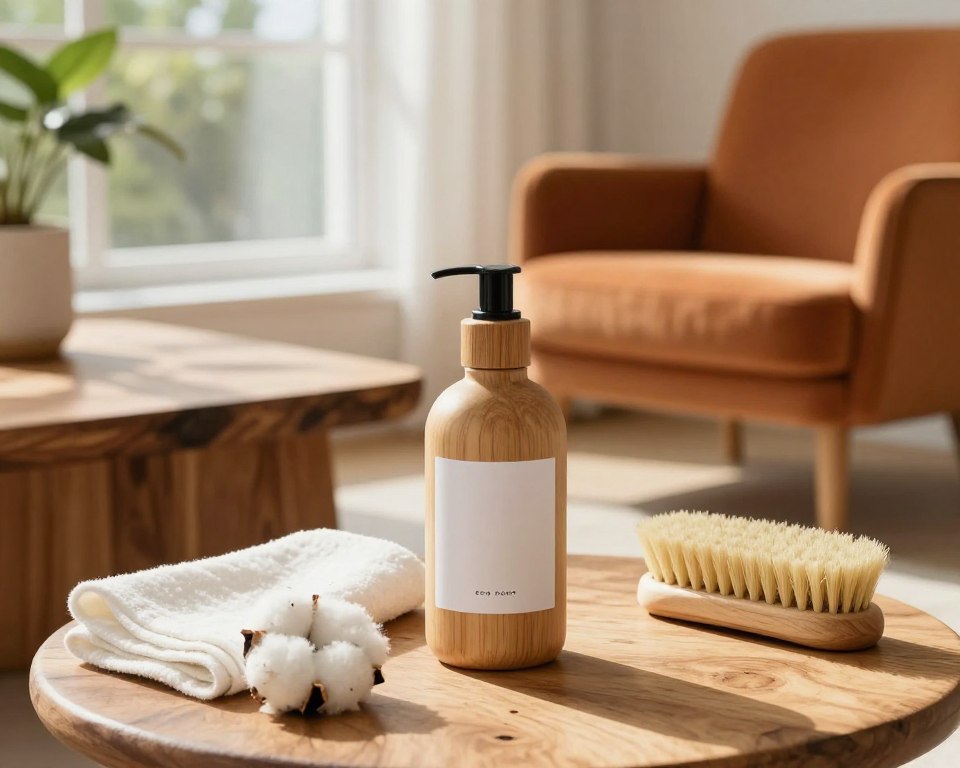
The modern market is full of products labeled as natural but often contain hidden chemicals. Finding a true eco-friendly furniture polish means looking beyond the packaging. It’s important to choose products that are transparent to keep your air clean.
Decoding Greenwashing in Cleaning Products
Greenwashing happens when companies use vague terms like “all-natural” without proof. These terms are not regulated, so companies can claim their products are green even if they’re not. It’s crucial to do your research to spot real eco-friendly products.
Look for third-party certifications to check if a product is safe. These groups test products to make sure they meet health standards. Using these certifications helps you avoid products that might not be as green as they seem.
What to Look for on Ingredient Labels
A good non-toxic wood polish lists its ingredients clearly. Avoid products with petroleum-based solvents, as they can pollute your air. Instead, choose products with plant-based oils or waxes.
When you read the label, avoid vague terms like “fragrance” or “surfactants.” Look for specific chemical names. Quality brands will tell you where their ingredients come from. By picking a non-toxic wood polish that’s open about its ingredients, you can keep your home safe and healthy.
The Rise of Natural Wood Cleaners
The move to natural wood cleaners shows a growing need for safer homes. People now look for products without synthetic chemicals. This change helps cut down on harmful fumes from regular sprays.
Plant-Based Oils and Their Efficacy
Plant oils are great for wood care. Linseed or jojoba oil gets deep into the wood. It makes furniture shine without harsh chemicals.
These oils don’t release bad air particles. They’re a stable and safe way to keep surfaces clean. Regular use keeps wood moist and prevents it from cracking.
Vinegar and Olive Oil Solutions
For years, people have used vinegar and olive oil to clean wood. Mixing vinegar with olive oil makes a soft, effective polish. Vinegar cleans, and olive oil adds shine.
These natural wood cleaners are easy to find and won’t break the bank. Using common items, you can get great results without harmful chemicals. This helps your furniture last longer and keeps your family healthy.
| Cleaning Agent | Primary Benefit | Safety Profile |
|---|---|---|
| Linseed Oil | Deep Conditioning | Non-toxic |
| Olive Oil | Surface Sheen | Food-grade |
| White Vinegar | Surface Cleaning | Biodegradable |
Identifying Low VOC Wood Polish Spray Options
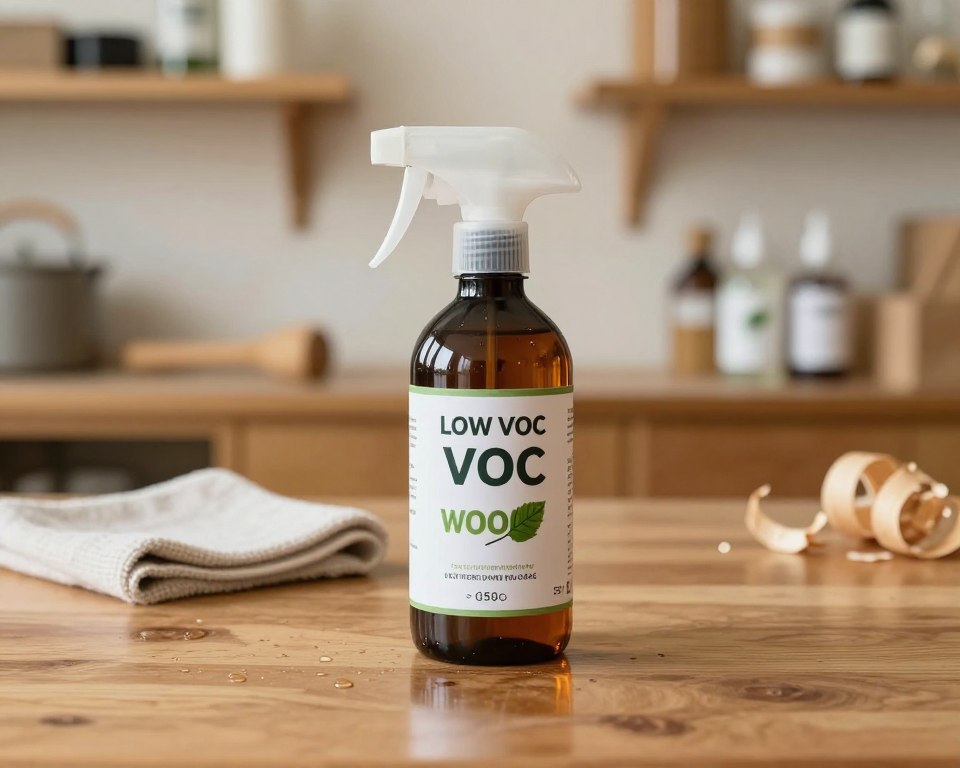
Finding the right low VOC wood polish spray is key to keeping your home air clean. Many people now choose products that don’t release harmful gases. This choice helps keep everyone in the house healthy over time.
Defining Low VOC Standards
Volatile Organic Compounds, or VOCs, are chemicals that turn into gas at room temperature. A low VOC wood polish spray has much less of these harmful substances than regular cleaners. Rules are set to make sure these products don’t release too many solvents into your home.
When you’re looking for these products, check for certifications that show they’re safe. You can also look into natural finishes to learn how to care for wood without harsh chemicals. These standards help you avoid the health problems caused by traditional aerosols.
Performance Expectations for Safer Alternatives
Some people think low VOC wood polish spray can’t compare to old-school, chemical-heavy formulas. But new technology has made it possible to use plant-based oils and waxes that last long. These options give wood a natural shine that looks better than just a synthetic coat.
Choosing these products is a smart way to clean well without harming your family’s health. They might work a bit differently, but they look and feel better, and they’re safer for the planet. Here’s a table that shows the main differences between old and new wood polish options.
| Feature | Traditional Polish | Low VOC Alternative |
|---|---|---|
| Chemical Base | Petroleum Distillates | Plant-Based Oils/Waxes |
| Air Quality Impact | High Off-gassing | Minimal to None |
| Finish Quality | High Gloss (Synthetic) | Natural Sheen |
| Respiratory Risk | Moderate to High | Low |
Best Organic Wood Polishes for Conscious Consumers
Choosing the best organic wood polishes means your furniture lasts longer and your air stays clean. Many regular products use harsh chemicals that can stay in your home. Switching to plant-based ingredients keeps your home healthy and looks great.
Beeswax-Based Finishes
Beeswax is key for natural wood care, feeding wood fibers deeply. Unlike harsh sprays, these best organic wood polishes let wood breathe. They protect against moisture and dust, giving a soft, matte look that’s safe for your home.
Carnauba Wax and Natural Resins
For a harder, shiny finish, carnauba wax is a top choice. It comes from Brazilian palm leaves and resists heat well. Mixed with natural resins, it keeps wood strong against daily use.
| Feature | Synthetic Polish | Organic Polish |
|---|---|---|
| Primary Base | Petroleum Distillates | Natural Waxes |
| Air Quality Impact | High VOC Emissions | Negligible VOCs |
| Finish Quality | Artificial Sheen | Natural Luster |
| Sustainability | Non-Renewable | Renewable Sources |
Using these sustainable alternatives means you get top results and support good manufacturing. By picking the best organic wood polishes, you make your home care eco-friendly and healthy.
Chemical-Free Wood Polish and DIY Alternatives
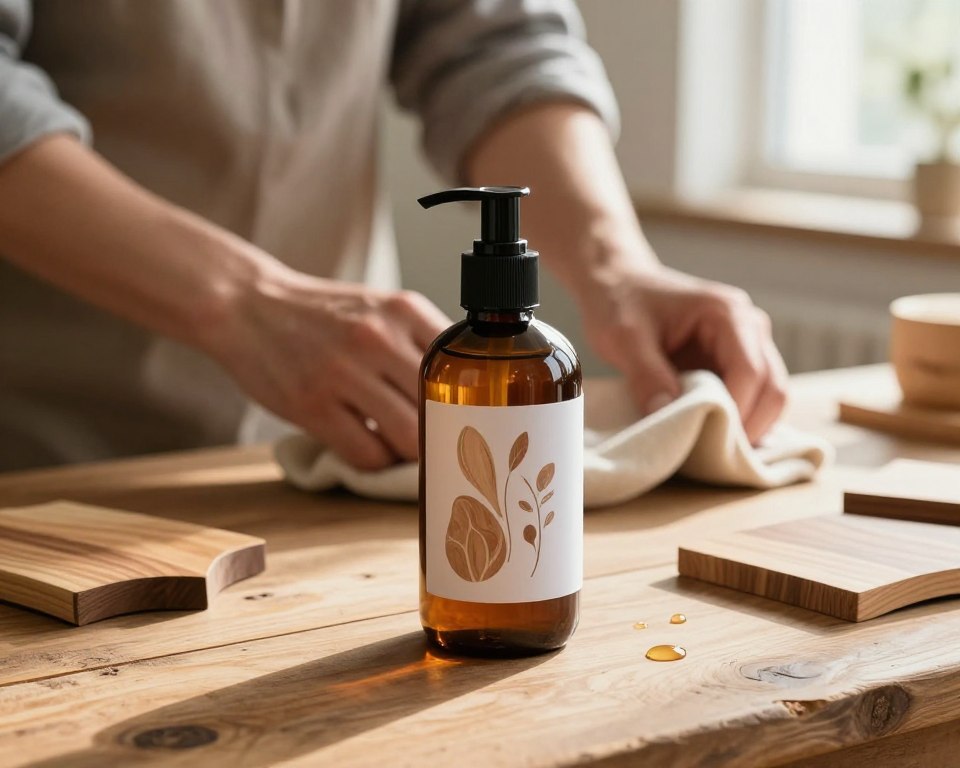
Making your own wood care products lets you know exactly what you’re using on your home. It means avoiding the unknown chemicals in commercial sprays. Switching to a non-toxic wood polish keeps your home safe from harmful substances.
Simple Recipes for Home Maintenance
To care for wood, you need just two things: beeswax and a carrier oil like jojoba or coconut oil. These ingredients feed the wood and protect it from moisture. To make a chemical-free wood polish, melt the wax and oil together, then let it cool into a paste.
“The most sustainable cleaning product is often the one you make yourself, using simple, time-tested ingredients that respect both the material and the user.”
The Benefits of Minimalist Cleaning
Minimalist cleaning means using only what’s needed to keep your home clean and healthy. This reduces the chance of exposure to harmful chemicals. It also makes cleaning easier and keeps your furniture in good shape.
Choosing a non-toxic wood polish makes your home safer. Using natural ingredients means no synthetic fragrances or harmful chemicals. This approach creates a healthier space for your family and pets.
Environmentally Friendly Wood Polish and Sustainability
Choosing an environmentally friendly wood polish means looking beyond the ingredients. It’s not just about the air inside your home. We must also think about the product’s impact on the planet.
Being responsible means checking how a cleaner affects the environment from start to finish. This includes how it’s made, used, and disposed of.
Biodegradability and Aquatic Toxicity
When picking a cleaner, check if it’s biodegradable. Products that break down naturally don’t harm the environment. They don’t stay in soil or water for long.
Many cleaners have chemicals that hurt water when they go down the drain. Choosing an eco-friendly furniture polish helps keep water clean. These products are made to break down safely, protecting animals and water.
Packaging Impacts on the Environment
The packaging of a product also matters. Look for brands that use recyclable materials or recycled plastic. This choice helps reduce waste and carbon emissions.
Some brands offer concentrated formulas or refill systems to cut down on packaging. Opting for an eco-friendly furniture polish with minimal packaging helps the environment. Every choice you make can make a difference for our planet.
The Psychological Comfort of Clean Surfaces
Feeling clean often comes from what we sense, not always what’s real. Many think a strong smell means a place is clean. This makes them feel good when a room smells like a lab.
Balancing Hygiene with Chemical Safety
True cleanliness means no harmful stuff, not just a strong smell. Using fake scents can hide air quality problems. Keeping your home clean means balancing looks with safety.
Think about these points when cleaning:
- The gap between feeling clean and really being clean.
- How strong smells can hurt your breathing.
- The good of using products that don’t harm your furniture.
Redefining Cleanliness Beyond Synthetic Scents
Changing our view on cleanliness is key. Focus on long-term health over quick fixes. Using natural wood cleaners means no harsh chemicals. This keeps your air clean.
Switching to natural wood cleaners makes your home look good and safe. It helps break the link between “clean” and “smelly.” A healthy home is the best sign of good cleaning.
Conclusion
Keeping your furniture looking great is all about finding the right balance. Wood polish sprays can release harmful chemicals into your air. These can cause breathing problems or even long-term health issues.
Good air flow is key to avoiding these dangers. Always check what’s in the products you use. Look for natural, low-VOC options from trusted brands like Howard Products or Method.
If you accidentally get something on you, act fast and get help. Keep important phone numbers handy. Making smart choices helps keep your home safe for everyone.
By choosing safer cleaning methods, you improve the air in your home. Tell your friends and family about these tips. Small steps can make a big difference in your health.
FAQ
Is wood polish spray toxic if I accidentally breathe it in?
Brief exposure to wood polish spray vapors usually causes minor irritation. But, significant inhalation in a small space can lead to dizziness, headaches, and breathing problems. If symptoms last, get to fresh air right away.
What is the safest type of furniture polish for a home with toddlers?
For homes with toddlers, choose a non-toxic polish that’s free from aerosols and synthetic solvents. Opt for non-toxic creams or waxes like Howard Feed-N-Wax or Daddy Van’s All-Natural Beeswax. These don’t release harmful particles into the air.
Can I find an effective eco-friendly furniture polish that actually shines?
Yes, brands like Method and Better Life offer eco-friendly polishes that shine. They use plant-based oils, avoiding silicone and harsh chemicals. These products are safer for your air quality.
How can I tell if a product is a low VOC wood polish spray?
Look for the low VOC label on packaging. Brands like Bona meet these standards. Also, check for certifications like EPA Safer Choice, which ensures safety.
Are there any high-performance natural wood cleaners available?
Absolutely. Natural wood cleaners like Therapy Premium Wood Milk clean and condition wood well. For a DIY option, olive oil and white vinegar are a safe, effective polish.
Why are petroleum distillates considered dangerous in household cleaners?
Petroleum distillates are harmful if inhaled or swallowed. They can irritate the lungs and cause chemical pneumonia. Switching to eco-friendly polish avoids these risks.
What are the best organic wood polishes for antique furniture?
For antiques, use polishes based on natural waxes like beeswax or carnauba. These protect the wood without damaging it like synthetic silicones can.