Recent studies show that over 90% of adults in the United States have synthetic compounds in their bodies. These come from common household items. Many ask: Is Polycarbonate Toxic when we use it for food or water?
As a pharmacist, I look into how materials affect our environment. Polycarbonate is known for being tough and heat-resistant. But, we need to check its chemical makeup closely. We must see how stress can make certain molecules move into our food and water.
This article gives you an evidence-based analysis of these materials. We aim to help protect your home. By looking into the science of chemical stability, we can make smart choices for our families and pets. Our goal is to clear up safety standards without spreading false alarms.
Key Takeaways
- Polycarbonate is a high-performance plastic known for its strength and clarity.
- Chemical migration can occur when materials are exposed to extreme heat or physical wear.
- Pharmacist-verified data helps distinguish between actual health risks and common misconceptions.
- Proper maintenance of plastic containers significantly reduces potential exposure to synthetic compounds.
- Evidence-based guidance empowers consumers to make safer choices for their homes and pets.
Understanding the Chemical Composition of Polycarbonate
Polycarbonate is a strong thermoplastic known for its exceptional durability and clear look. To check if it’s safe, we need to look at its polycarbonate chemical composition. This composition is what makes it so special.
This material can handle a lot of stress. It’s used in many fields, like car making and food storage. Its strength comes from careful molecular design.
The Polymerization Process of Bisphenol A
The making of this plastic involves a chemical reaction called polymerization. Bisphenol A (BPA) is a key part of this process, as shown by Staples (1996).
“The polymerization of bisphenol A with phosgene or diphenyl carbonate creates a polymer chain characterized by high thermal stability and mechanical toughness.”
In this reaction, BPA molecules link up to form long chains. This makes the material’s strong structure. By adjusting the chains, makers can tailor the plastic for different uses.
Molecular Structure and Stability
The polycarbonate chemical composition gives it a tight, stable molecular structure. This structure keeps it firm even when it’s hot. Unlike other plastics, it doesn’t get soft or bend easily.
This stability is why it can handle high heat, like in dishwashers or medical tools. Its mechanical strength comes from these tight molecular chains. They stop the material from breaking when hit.
So, polycarbonate is both flexible and strong. This mix makes sure it works well and lasts a long time.
Is Polycarbonate Toxic in Everyday Use
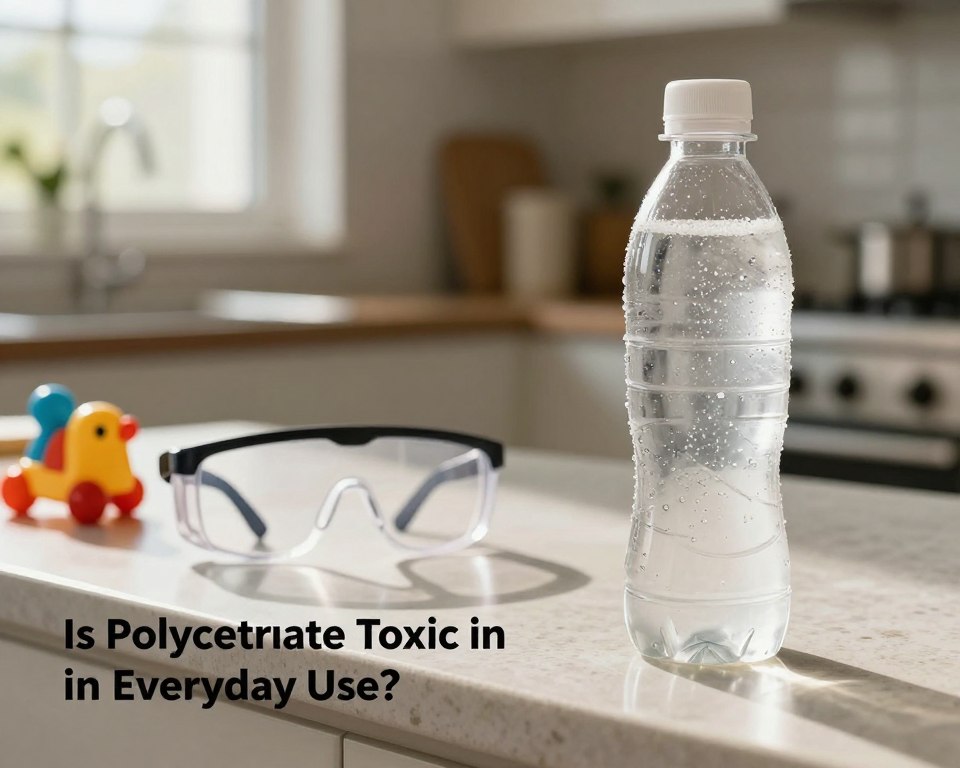
Many people wonder if polycarbonate is toxic, thinking about kitchen items. They worry about food storage containers and water bottles. The polycarbonate chemical composition is strong, but it’s key to know how it acts in daily life.
Leaching Potential Under Normal Conditions
Studies show that chemicals can move from plastic to food, but it’s complex. When we ask if is polycarbonate toxic, experts check how fast chemicals like Bisphenol A (BPA) get into our bodies. They say BPA intake from these plastics is very low.
Also, our bodies can quickly process and get rid of these chemicals. So, the risks of polycarbonate in everyday, room-temperature settings are seen as small by most.
Temperature Sensitivity and Chemical Breakdown
Extreme conditions can change how stable the plastic is. High temperatures, like in dishwashers or microwaves, can make the plastic break down faster. This might make more chemicals move from the plastic to food.
Wear and tear, like scratches or cracks, also affect the plastic. Over time, the polycarbonate chemical composition can weaken. This makes the plastic more likely to leak chemicals. To avoid risks of polycarbonate, it’s best to replace damaged containers.
The Role of Bisphenol A in Polycarbonate Safety Concerns
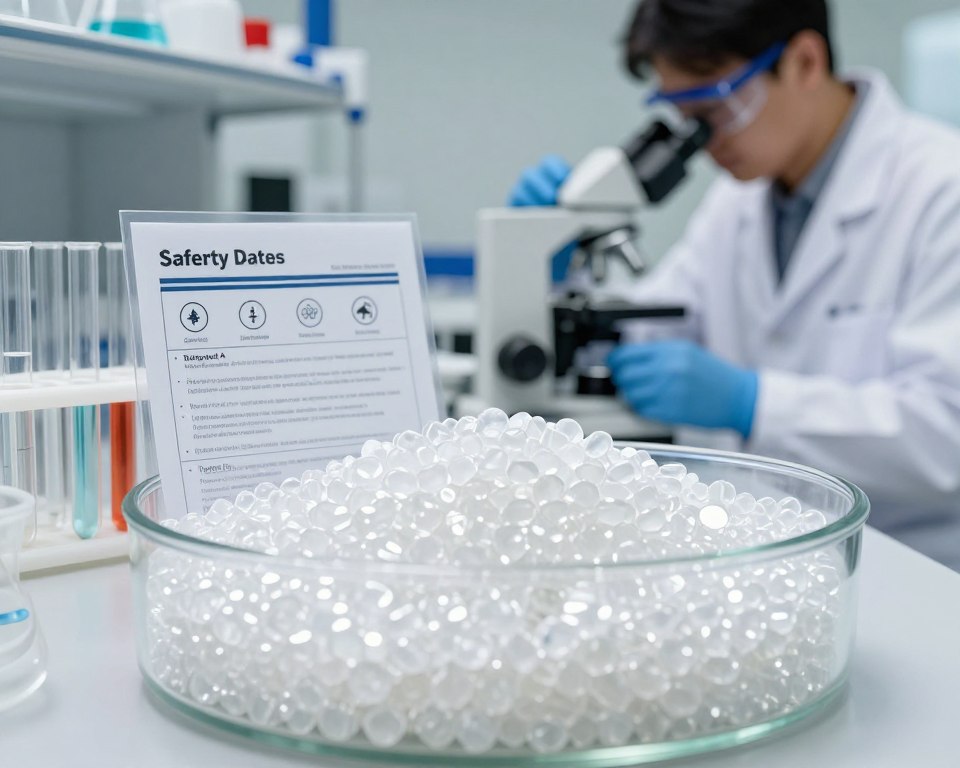
Knowing the history of Bisphenol A is key to understanding polycarbonate safety concerns. This chemical has been a main ingredient in making strong, clear plastics for years. Its role in finished products has made it a focus for scientists.
Historical Context of BPA Usage
Bisphenol A, or BPA, is widely used because it makes resilient and heat-resistant materials. It’s used in shatterproof containers, medical devices, and household items. Over time, scientists started to look into if BPA could get into the environment or our bodies.
This led to BPA becoming a key area of study. Researchers wanted to know if the plastic could keep BPA from getting out. This research is at the heart of the polycarbonate safety concerns we hear about today.
Regulatory Stance on BPA in Consumer Goods
Regulators have strict rules for BPA in food contact products. The United States Food and Drug Administration (FDA) has reviewed a lot of scientific data. They base their decisions on fact-based assessments of risks and exposure levels.
The FDA says BPA is safe for food contact at the levels found in products. They set these safety levels through meticulous testing and constant checks. This way, they can address polycarbonate safety concerns while still using these materials in our daily lives.
Evaluating Polycarbonate Health Effects on Human Physiology
Scientists study polycarbonate health risks by looking at how our bodies react to chemicals. Our bodies are complex and always dealing with new things. It’s key to know how these materials affect us inside.

Endocrine Disruption Theories
One big worry is that plastics might mess with our hormones. They could act like hormones, which could mess with our body’s signals. Research shows that when we’re young or pregnant, we’re extra sensitive to these chemicals.
A study by Alonso-Magdalena (2010) found that BPA in pregnancy can mess with blood sugar levels. This shows why we’re careful about polycarbonate health effects when we’re growing. These problems can last a long time.
Metabolic Processing of Leached Compounds
When chemicals get out of plastics, our body tries to get rid of them. The liver breaks them down into smaller pieces. But how well it does this can change a lot from person to person.
Long-term, low-level exposure is something scientists are really looking into. Our body can handle a lot, but constant small amounts are still a mystery. They’re trying to figure out if we’re safe over our whole lives.
| Physiological Pathway | Mechanism of Action | Potential Impact |
|---|---|---|
| Endocrine System | Hormone Mimicry | Glucose Regulation Issues |
| Hepatic Metabolism | Enzymatic Breakdown | Excretion Efficiency |
| Developmental Stages | Cellular Signaling | Growth Sensitivity |
Polycarbonate Toxicity Levels and Exposure Thresholds
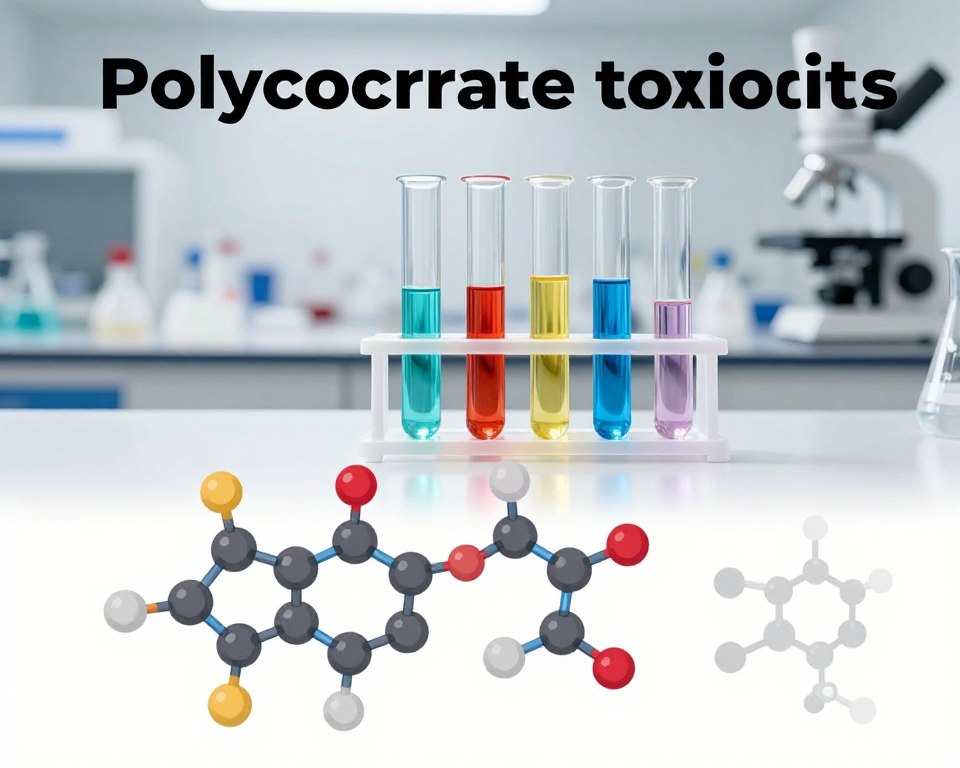
Understanding polycarbonate toxicity levels means knowing the difference between a chemical’s presence and its health risk. Scientists look at the chemical’s amount and how it affects the body. This helps avoid unnecessary worry.
Defining Safe Exposure Limits
Health agencies set safe levels after lots of research and testing. These limits help keep daily exposure low. But, new studies keep coming, changing our understanding of long-term effects.
For example, some studies link BPA in urine to heart disease. This shows why monitoring is key in health. Finding polycarbonate toxicity levels needs a careful look at how much we’re exposed and how our bodies react.
Comparing Polycarbonate to Other Plastics
It’s useful to compare polycarbonate to other plastics like PET or HDPE. Polycarbonate stands out for its toughness and heat resistance. This is different from single-use plastics.
Even though some plastics don’t react, polycarbonate needs special care. Proper maintenance keeps its safety level low. Choosing the right plastic for the job helps control exposure to synthetic chemicals.
Analyzing Polycarbonate Hazards in Food Contact Materials
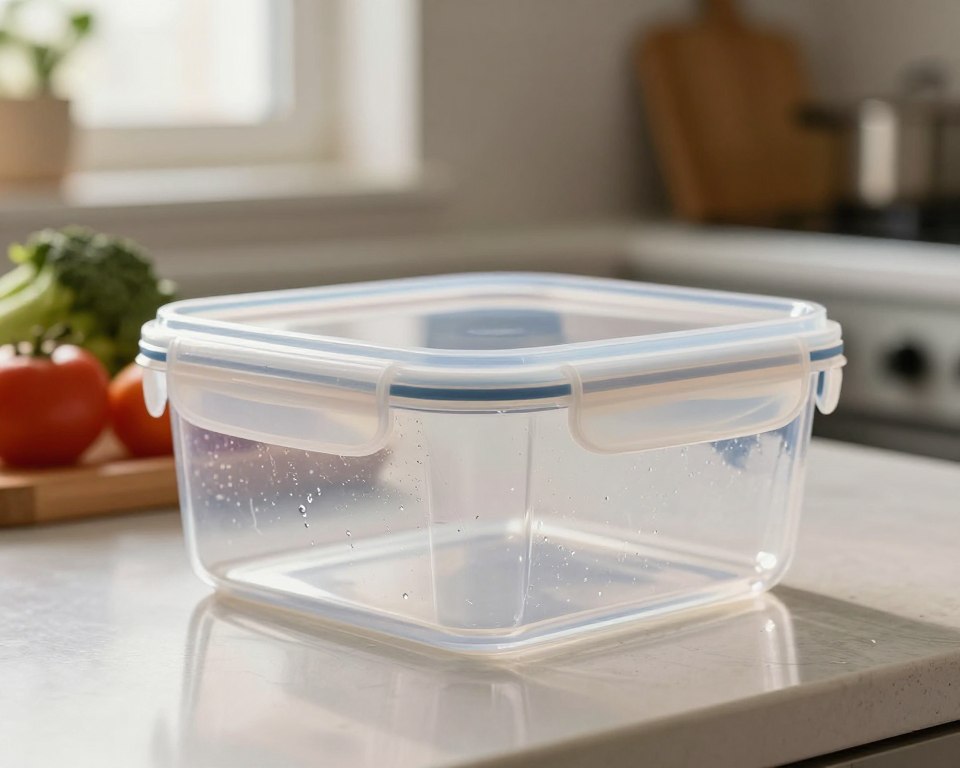
It’s important to know how polycarbonate hazards affect kitchenware. These plastics are tough and clear, but they’re not safe for food. Over time, chemicals can leak into food from these containers.
Migration of Chemicals into Food and Beverages
Chemicals can move from plastic into food, a fact known in food science. A 1999 study by Kawamura showed Bisphenol A (BPA) can move from plastic into liquids. This chemical migration depends on how long food is in contact with the plastic and the food’s type.
Acidic or fatty foods make chemicals move faster than water. Even though the amounts are small, it’s still a concern. Keeping plastic containers in good shape helps avoid chemical intake.
Impact of Dishwashing and Microwave Heating
Plastic containers face a lot of stress from dishwashing and microwave heating. These actions can break down the plastic, leading to polycarbonate hazards. Heat speeds up this breakdown, releasing chemicals.
Using plastic at high temperatures creates tiny cracks. These cracks let more chemicals out, making old or used containers riskier. The table below shows how different factors affect plastic stability.
| Exposure Factor | Effect on Material | Risk Level |
|---|---|---|
| High-Heat Dishwashing | Surface micro-cracking | Moderate |
| Microwave Heating | Polymer chain breakdown | High |
| Cold Storage | Minimal structural change | Low |
| Acidic Food Contact | Increased chemical leaching | Moderate |
Scientific Perspectives on Polycarbonate Health Risks
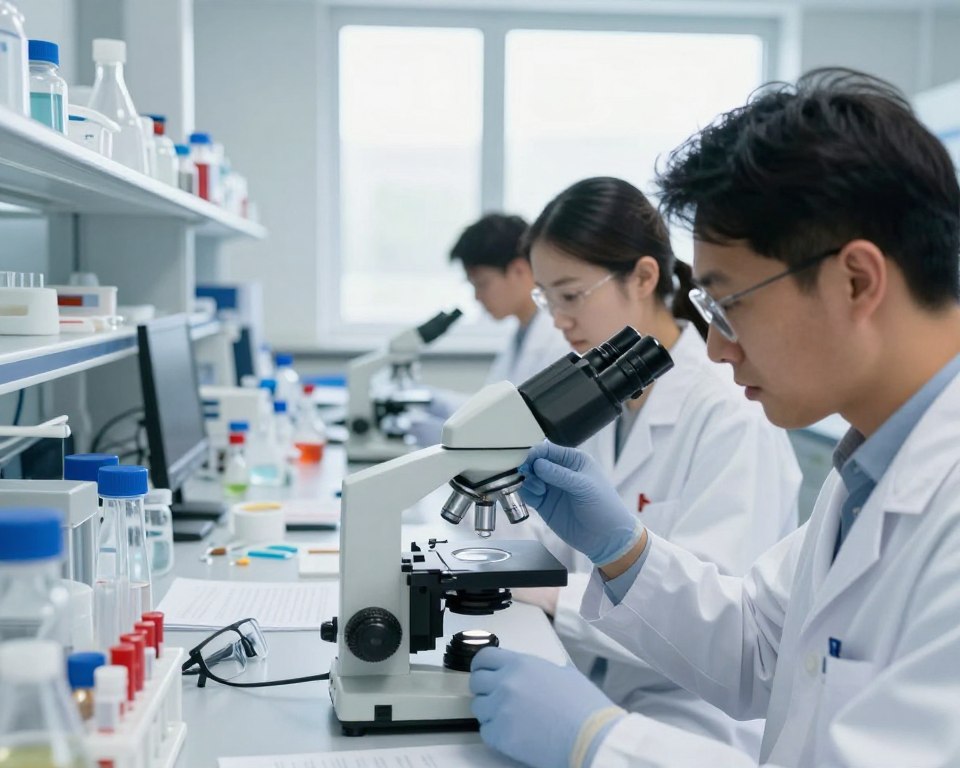
Looking into polycarbonate health risks is complex. Many say it’s safe, but others are still studying how it might affect us. They want to know how these materials might interact with our bodies.
Reviewing Current Toxicology Studies
New studies focus on how plastics might mess with our hormones. A key study in 1999 found that even small amounts of bisphenol A could make mice’s prostates bigger. This showed that even small doses can cause problems.
This research makes us question the safety of plastics. Scientists are now looking at how people are really exposed to these chemicals. They want to understand how these exposures can affect our health over time.
Controversies in Longitudinal Research
Studying people over long periods is hard. It’s tough to figure out how plastics affect us when we’re exposed to many things. Experts say we need solid, tested methods to make sure our findings are right.
The debate is about how to apply animal studies to humans. Animals can give us clues, but they’re not exactly like us. So, the science on polycarbonate health risks keeps changing as more research comes out.
Polycarbonate Toxicity Study Findings and Limitations
Checking if synthetic materials are safe means looking closely at the science behind it. It’s key to know about polycarbonate toxicity studies to understand safety for everyone. Scientists have to be precise in the lab but also think about how things work in real life.
Today, scientists use many ways to study polycarbonate health effects over time. They often do studies that follow families of rats to see how chemicals affect them. For example, a big study in 2002 showed how Bisphenol A might be safe.
Methodologies Used in Modern Research
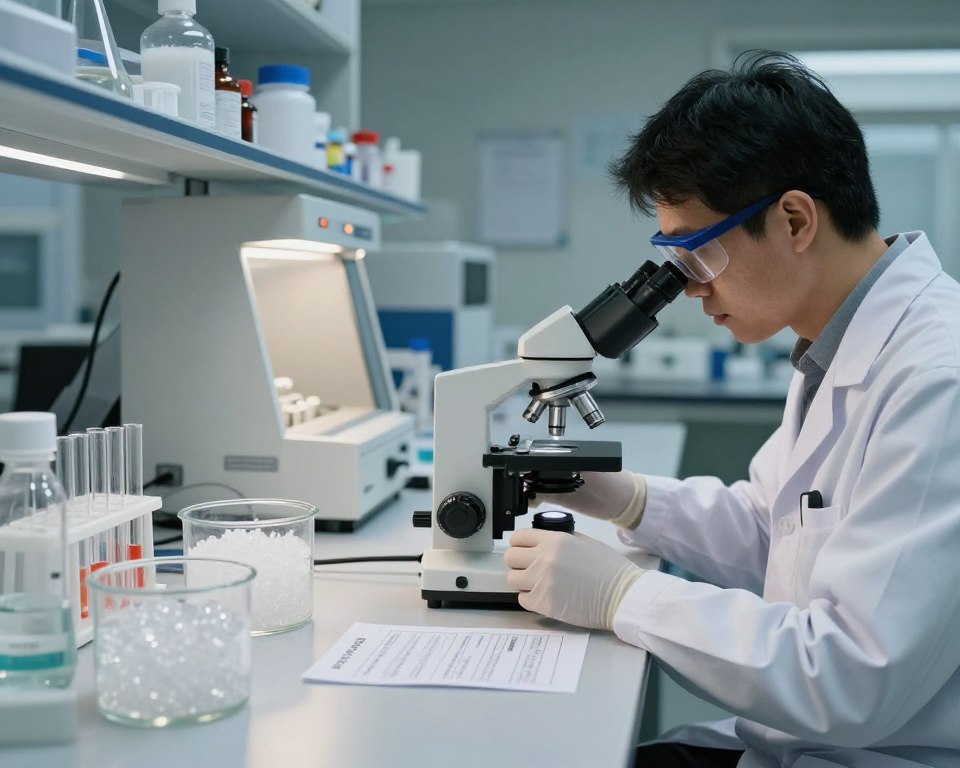
Researchers stick to set rules when they do polycarbonate toxicity studies. These rules help them test chemicals in a controlled way. They use methods like:
- Exposure Simulation: They test materials in extreme conditions to see how they react.
- Dose-Response Analysis: They find out how much of a chemical is needed to cause a change.
- Longitudinal Observation: They watch subjects over their whole lives to see long-term effects.
Interpreting Data from Animal Models
One big challenge in toxicology is making animal data fit for humans. Rodents are useful, but they’re not exactly like us. This is why polycarbonate toxicity levels can seem different in studies.
Also, lab settings can’t perfectly match real life. So, experts say animal data is a hint, not a sure thing for humans.
When looking at study results, it’s vital to understand the polycarbonate toxicity levels in the study’s context. Different studies might show different things because of how they were done. Knowing this helps us see why scientists keep changing their minds.
Environmental Impact and Degradation of Polycarbonate
Synthetic polymers last a long time, even after we use them. They are tough for everyday tasks but hard to break down naturally. This makes it tough for waste management systems. Looking at polycarbonate hazards means seeing how they affect the environment.
Microplastic Formation and Persistence
Polycarbonate doesn’t break down like organic materials do. It gets worn down by sunlight, wind, and water into tiny pieces called microplastics. These small pieces stay in soil and water for a long time.
Because they’re so small, microplastics can get into the food chain. Studies show they build up in water, harming wildlife. This is a key part of any polycarbonate toxicity study on nature’s health.
Chemical Byproducts During Environmental Weathering
When plastics weather, they change chemically, releasing additives into the air and water. Bisphenol A (BPA) is a big worry here. It stays in the environment and has been found in human umbilical cords, showing it’s stable and moves around.
These chemicals can change local ecosystems when they get into groundwater and soil. Knowing about polycarbonate toxicity levels in nature helps scientists understand plastic pollution’s effects. The best way to deal with this is to dispose of plastics responsibly.
Safety Considerations for Veterinary and Pet Care Applications
Polycarbonate is often used for pet bowls because it’s durability and impact resistance. But, it’s important to think about the health risks for pets. Pet owners choose these bowls for their toughness, but the long-term effects on pet food are a concern. Checking the risks of polycarbonate helps keep pets safe.
Risks Associated with Polycarbonate Pet Feeders
The main worry is chemicals from the plastic getting into food or water. Over time, scratches or teeth marks can damage the plastic. This damage might let chemicals leak into the food, which is bad for pets that eat from the same bowl every day.
Here’s a table to help pet owners choose safer feeding options:
| Material | Durability | Safety Profile | Maintenance |
|---|---|---|---|
| Polycarbonate | High | Moderate | Requires frequent inspection |
| Stainless Steel | High | Excellent | Easy to sanitize |
| Ceramic | Low | Good | Check for lead-free glaze |
| Glass | Low | Excellent | Fragile but inert |
Image Disclosure and Veterinary Educational Context
The pictures in this article help explain vet concepts. They show how the environment affects pet health. Remember, these images are for informational purposes only and not medical advice.
Note on AI-Generated Educational Imagery
Some images in this section were made by AI for learning. They help explain the text but shouldn’t replace a vet’s check-up. If you’re worried about your pet’s health or their bowls, talk to a vet. They can help with the risks of polycarbonate in your case.
Comparing Polycarbonate to BPA-Free Alternatives
Today, we have many materials that are safer than polycarbonate chemical composition. As people learn more about safety, they’re picking products that are tough but don’t leak chemicals.
Tritan and Other Copolyester Materials
Tritan is a top choice for BPA-free plastics. It’s clear, strong, and safe. It’s made without bisphenol-A, which is a big plus.
- High Durability: Tritan doesn’t break or get cloudy, even after many washes.
- Safety Profile: It’s tested to make sure it’s safe for food and drinks.
- Versatility: You can find Tritan in fancy water bottles and food containers.
Glass and Stainless Steel as Safer Substitutes
If you want to avoid plastics, glass and stainless steel are the best choices. They don’t have the polycarbonate chemical composition. This means they’re safe from plastic chemicals that can harm our health.
| Material | Durability | Leaching Risk | Best Use |
|---|---|---|---|
| Glass | Fragile | None | Long-term storage |
| Stainless Steel | High | None | Travel and transport |
| Copolyester | High | Negligible | Active lifestyle |
Glass is chemically inert, so it won’t react with food. Stainless steel is light, strong, and perfect for everyday use. Both are great for those who care about health and the planet.
Regulatory Frameworks and Safety Standards in the United States
Federal agencies in the United States have strict standards for polycarbonate safety concerns. They make sure materials used every day are safe. This helps manufacturers know what to do when making products for us.
FDA Guidelines for Food-Grade Plastics
The Food and Drug Administration (FDA) checks materials that touch food. Before products hit the market, they must prove they’re safe. This includes looking at how chemicals might move into food.
The FDA sets high safety thresholds for these materials. If a material is risky, the FDA limits its use or requires clear labels. This helps us know which products are safe.
Consumer Product Safety Commission Oversight
The FDA looks at food, but the Consumer Product Safety Commission (CPSC) checks other items. The CPSC aims to keep us safe from harm caused by products. They watch the chemicals in items not covered by the FDA.
The CPSC sets rules to reduce polycarbonate safety concerns in non-food items. They do investigations and make safety rules. This teamwork protects us all.
Best Practices for Reducing Exposure to Plastic Chemicals
Managing your kitchen environment is a practical way to address potential polycarbonate safety concerns. By adopting consistent habits, you can significantly lower the risk of chemical migration from your storage containers into your food.
Proper Maintenance of Polycarbonate Containers
The longevity and safety of your plasticware depend heavily on how you clean and store it. Harsh cleaning agents and abrasive scrubbers can create microscopic scratches on the surface of the material, which may increase the likelihood of chemical leaching over time.
To maintain the integrity of your containers, follow these simple guidelines:
- Use mild dish soap and soft sponges for daily cleaning.
- Avoid using steel wool or abrasive scouring pads that damage the plastic finish.
- Skip the high-heat drying cycles in your dishwasher, as extreme temperatures can accelerate material breakdown.
- Store containers in a cool, dry place away from direct sunlight to prevent UV-induced degradation.
When to Replace Worn Plasticware
Even with the best care, all plastics have a finite lifespan. Recognizing the physical signs of aging is a critical step in mitigating polycarbonate hazards in your home. When the material begins to fail, it is no longer suitable for food storage.
You should consider replacing your containers if you notice any of the following indicators:
- Visible cloudiness or a milky appearance that does not wash away.
- Deep scratches, cracks, or chips along the rims or base.
- A persistent, unpleasant odor that remains even after thorough cleaning.
- Warping or softening of the plastic structure due to repeated exposure to high heat.
Replacing worn items ensures that you are not relying on degraded materials for your daily food storage needs. Staying vigilant about the condition of your kitchenware is a simple yet effective strategy for maintaining a safer home environment.
Future Directions in Polymer Safety Research
Material science is changing to tackle old safety issues in plastic making. Scientists are working hard to lessen polycarbonate health risks. They’re changing the way materials are made, moving from fixing problems after they happen to designing safer materials from the start.
Innovations in Bio-Based Polymers
The industry is moving towards bio-based polymers made from things like corn and sugarcane. These materials aim to be as strong and heat-resistant as traditional plastics but are made from natural sources. This could lead to safer products for people to use.
Researchers are making sure these new materials can handle stress well. Sustainability is key, but the main goal is to make products that don’t harm our health or the environment.
Advancements in Non-Leaching Material Science
Today, engineers are focusing on making polymers that don’t leak chemicals into food and drinks. A detailed study on polycarbonate toxicity shows how important it is to know how chemicals affect us. They’re studying how substances like BPA are broken down in our bodies to set strict safety standards.
By changing the material’s structure at a molecular level, scientists are making safer plastics. This breakthrough means that even when plastics get very hot or worn out, they don’t leak harmful chemicals. These advances are leading the way to safer products and better rules for them.
Conclusion
Polycarbonate is a great material for homes today. It’s tough and clear, making it hard to find better options. But, knowing if polycarbonate is toxic depends on how it’s used and its chemical makeup.
People can control risks by making smart choices. Looking at solid evidence helps us understand food-grade plastics better. This knowledge helps us use everyday items safely.
We suggest keeping up with new studies on plastic safety. Choosing the right plastic containers can lead to better health. Replacing old items with glass or stainless steel can also make us feel safer.
The debate about polycarbonate toxicity is just the beginning. Being careful about what we buy and how it’s made is key. Making thoughtful choices about our home materials keeps us and our families safe.
FAQ
Is polycarbonate toxic for everyday use in food storage?
Polycarbonate is usually safe for everyday use in food storage. But, Bisphenol A (BPA) in polycarbonate can leak into food. The FDA says this is safe, but the material can wear down over time.
What are the potential health risks of polycarbonate exposure?
Polycarbonate can harm health, mainly because of BPA. It can mess with hormones, which is bad for babies and young kids. Even though our bodies quickly break down these chemicals, long-term exposure is still a worry.
Do high temperatures increase the risks of polycarbonate leaching?
Yes, high heat is a big risk. Using the microwave or washing dishes in hot water can damage polycarbonate. This makes chemicals leak into food, so it’s best to avoid heat.
What did the latest polycarbonate toxicity study conclude regarding safety?
Studies on polycarbonate are complex. Animal tests show problems at low doses, but it’s hard to apply this to humans. Groups like the European Food Safety Authority and the FDA keep looking at the data to set safe limits.
Are there safer alternatives to traditional polycarbonate plastics?
Yes, there are safer options. Eastman Tritan is a BPA-free plastic that’s clear and strong. Glass and stainless steel are even better because they don’t release chemicals.
How does the environment influence the degradation and toxicity of polycarbonate?
The environment affects polycarbonate too. It breaks down into microplastics, which can harm ecosystems. This shows why we need to dispose of it properly and use eco-friendly materials instead.
Is polycarbonate safe for use in pet bowls and feeders?
Polycarbonate pet bowls can be risky. If they’re scratched or washed in hot water, chemicals can leak. It’s better to use stainless steel or ceramic to keep pets safe.
How can I tell if my polycarbonate container needs to be replaced?
Check your containers for signs of wear. Cloudiness, cracks, or deep scratches mean it’s time to replace them. Keeping your containers in good shape helps avoid health risks.