Recent studies show we might eat a credit card’s worth of synthetic particles each week. Most of this comes from our kitchens. Thermal stress makes common plastics break down at high temperatures.
Heating or scratching synthetic containers lets chemicals mix into our food. This isn’t just a surface problem. It’s about how materials we use every day break down. Learning to avoid eating microplastics and chemicals in is key for our health. Switching to glass or ceramic can greatly cut down on these contaminants.
Key Takeaways
- Thermal energy speeds up chemical additives moving from packaging into food.
- Microwaving or storing in synthetic containers damages their structure.
- Transferring meals to glass or ceramic before heating is a good safety step.
- Common additives like BPA and phthalates leak more when materials are damaged or heated.
- Choosing reusable items like stainless steel or wood reduces synthetic particle intake.
Understanding the Chemistry of Plastic Leaching
Plastic food packaging is more like a complex, porous matrix than a solid barrier. It looks solid but is made of long, connected molecules. These polymer matrices often include chemicals to achieve certain traits.
Polymer Composition and Additives
Manufacturers add additives to raw plastic to make it useful. Phthalates, for example, make plastic more flexible and durable. These molecules are not stuck to the polymer chains but are trapped in its gaps.
Because these additives are not bound, they can move over time. This movement can lead to plastic leaching, a big concern for food safety.
The Role of Heat in Molecular Mobility
Heat increases molecular mobility and chemical migration. When plastic is heated, the molecules vibrate and expand. This makes the plastic more porous.
With more space, the additives can move out. Thermal energy reduces the barrier that keeps these chemicals inside. This is why heating food in plastics can increase chemical exposure.
Does Hot Food Increase Plastic Exposure
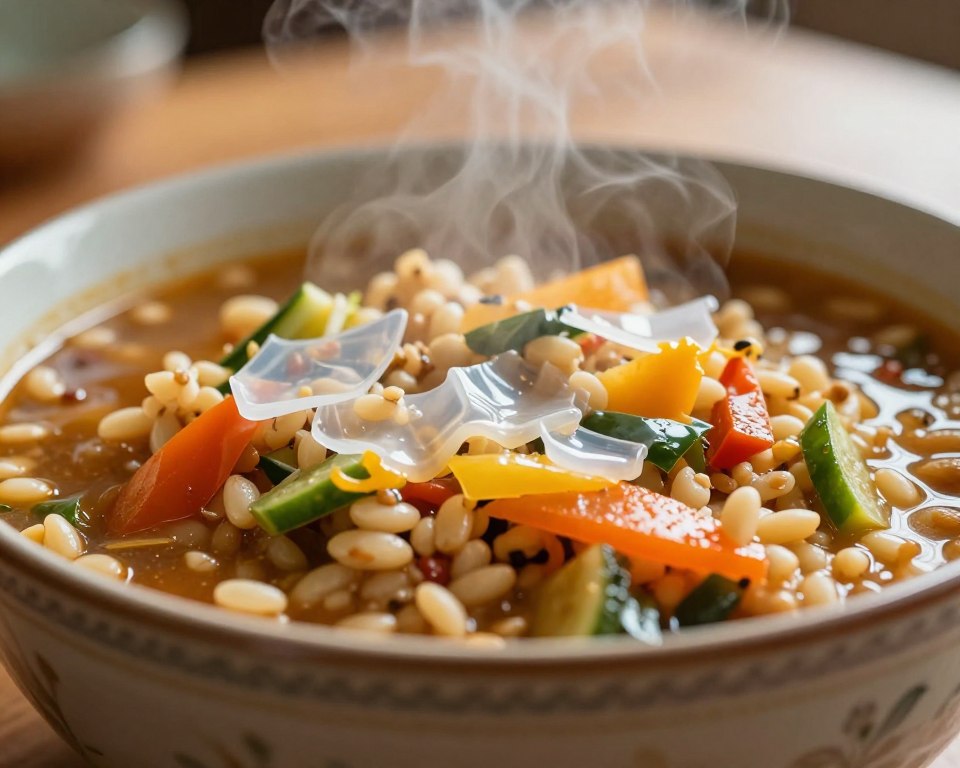
Research shows that our kitchen habits might lead to more plastic ingestion than we think. When plastic containers get hot, the plastic inside can break down. This lets synthetic materials mix with our food.
Scientific Evidence on Migration Rates
A 2023 study found that microwaving plastic containers for just three minutes can release millions of microplastics and billions of nanoplastics into food. This shows that plastic contamination from hot food is real and not just a theory.
The rate at which plastic leaches into food increases with temperature. Knowing this helps us reduce our intake of synthetic additives.
Factors Influencing Chemical Release
Several things affect how much plastic leaches into food. These include how long it’s heated, the type of plastic, and the food’s chemical makeup. To lower these risks, consider these factors:
- Temperature Thresholds: Each plastic has a heat limit before it starts to break down.
- Surface Area: Damaged containers release more particles.
- Food Composition: Foods high in fat or acid can pull chemicals out of plastic faster than water-based foods.
To reduce plastic exposure, check out seven tips for reducing your exposure. Also, make sure your kitchenware is safe. Learn more about safe items by reading if plastic microwave containers are safe for daily use.
By being more careful with heating, we can lower our exposure to synthetic materials. Using glass or ceramic is the best way to keep food pure.
Common Plastics Used in Food Packaging
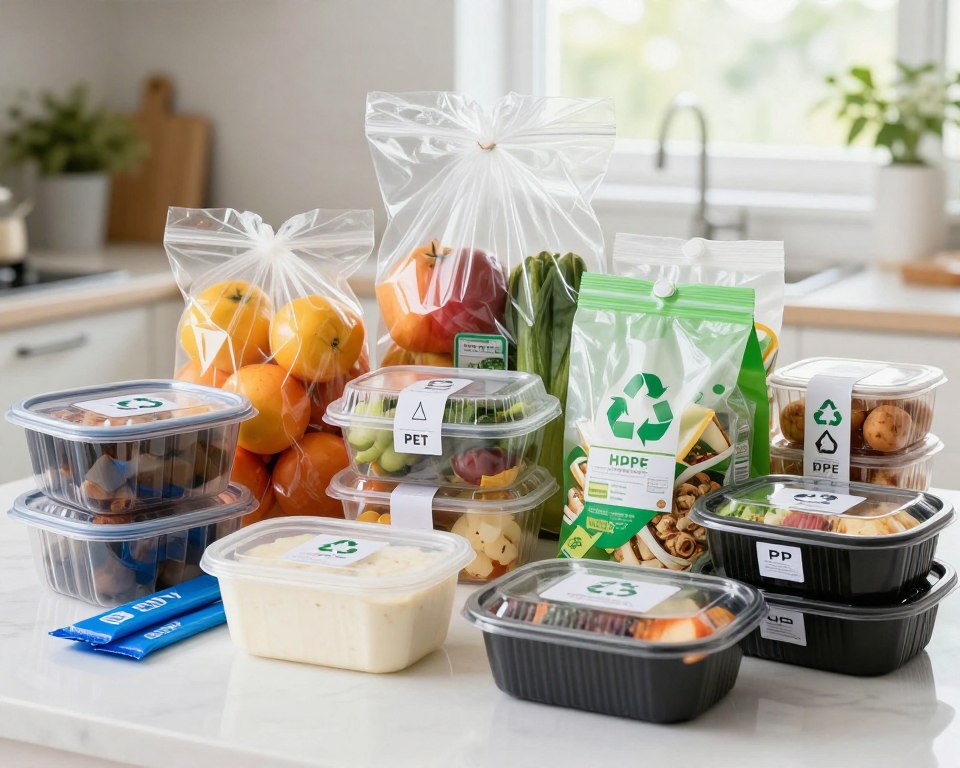
Today’s food packaging uses many synthetic polymers. Each has its own chemical makeup and heat tolerance. Manufacturers pick these materials for their strength, cost, and ability to keep food safe. Knowing about these materials helps consumers keep their food safe while storing and preparing it.
Polyethylene Terephthalate (PET) Characteristics
Polyethylene terephthalate, or PET, is a clear, light plastic used for drinks and food jars. Many wonder is pet plastic safe for storing food for a long time or heating it. PET stops oxygen from getting in but isn’t good for high heat.
When heated too much, PET can get soft. This might let chemicals from the plastic into the food. It’s best to use PET for cold or room-temperature items only.
High-Density Polyethylene (HDPE) and Safety
High-density polyethylene, or HDPE, is a strong, opaque plastic in milk jugs, butter tubs, and cereal liners. It’s known for being strong and good at keeping moisture out. HDPE stays stable at room temperature, making it a good choice for packaging.
But HDPE shouldn’t go in the microwave. It’s better than some plastics at not leaching chemicals, but it can still warp or break down from heat.
Polypropylene (PP) and Heat Resistance
Polypropylene, or PP, is known for its high melting point and strength. It’s often used for microwave-safe containers and packaging for hot foods. PP is less likely to leach chemicals when heated a bit.
Still, be careful with PP. Heating it too many times can cause it to weaken and break down over time.
| Plastic Type | Recycling Code | Common Use | Heat Resistance |
|---|---|---|---|
| PET | 1 | Water/Soda Bottles | Low |
| HDPE | 2 | Milk/Detergent Jugs | Moderate |
| PP | 5 | Microwave Containers | High |
| PS | 6 | Disposable Cutlery | Very Low |
The Impact of Microwave Heating on Food Containers
Many people use microwaves for their convenience. But, the effects of heat on plastic containers are a big worry for those who care about health. Microwaves can cause chemicals to change in food packaging in ways we don’t expect.
Thermal Degradation of Plastic Polymers
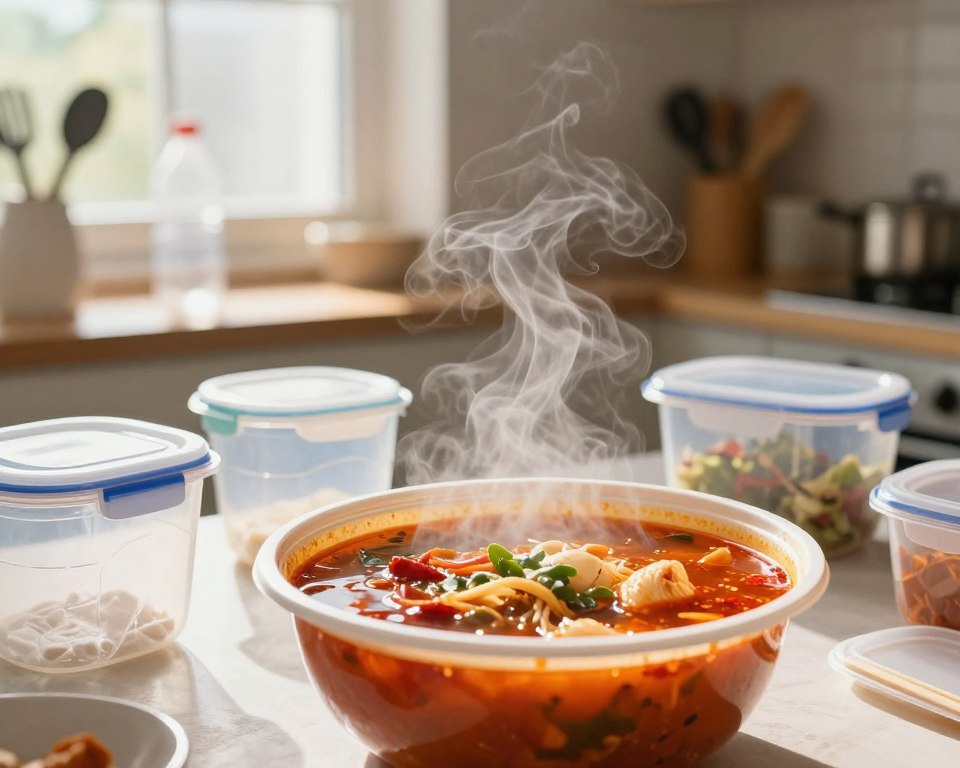
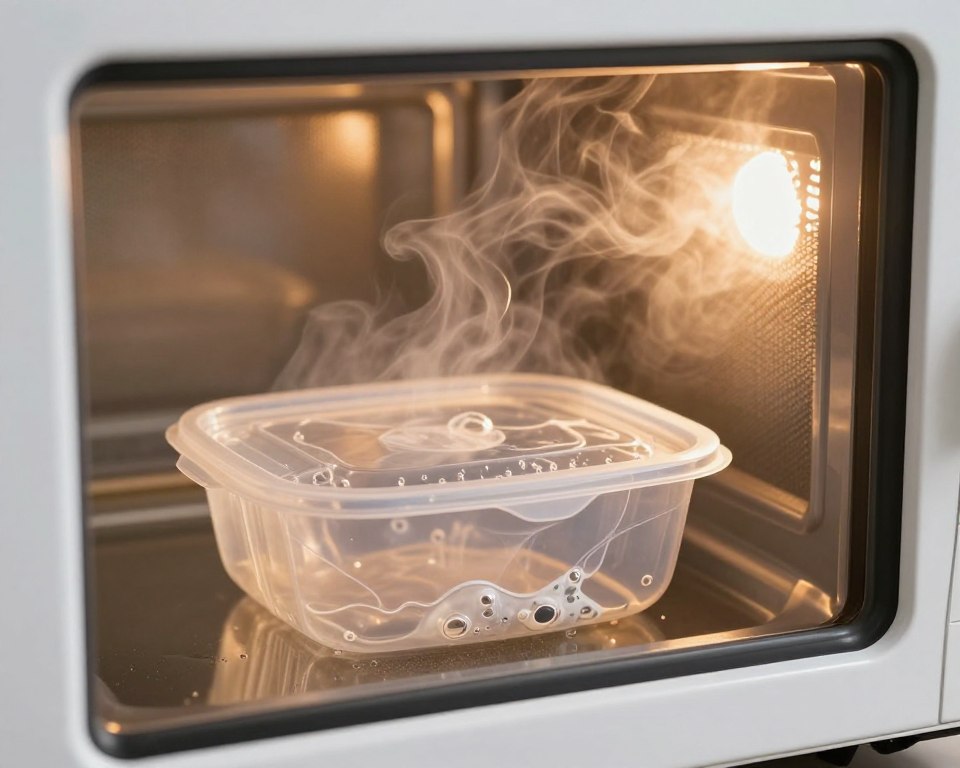
When you microwave food in plastic, the food gets hot, not the container. But, the hot food can make the plastic walls weak. This is called thermal degradation.
This weakening makes the plastic more likely to break down and release tiny particles. This is more common with fatty or acidic foods. They can pull chemicals out of the plastic. Heating it again and again makes this problem worse, changing what’s in your food.
Microwave-Safe Labeling Explained
Seeing “microwave-safe” on a container might make you think it’s safe. But, it really means the container won’t melt or change shape when heated. It doesn’t mean it won’t release chemicals or tiny plastic pieces.
To understand the potential risks of heating food in plastic, look beyond labels. Companies test if containers can handle heat, but they don’t check for long-term health effects. Using glass or ceramic is a safer choice for reheating.
| Material Type | Heat Resistance | Leaching Risk | Recommended Use |
|---|---|---|---|
| Glass | High | Negligible | Reheating & Storage |
| Ceramic | High | Negligible | Reheating & Serving |
| Polypropylene (PP) | Moderate | Low (if undamaged) | Short-term storage |
| Thin PET/LDPE | Low | High | Single-use only |
Endocrine Disruptors and Human Health
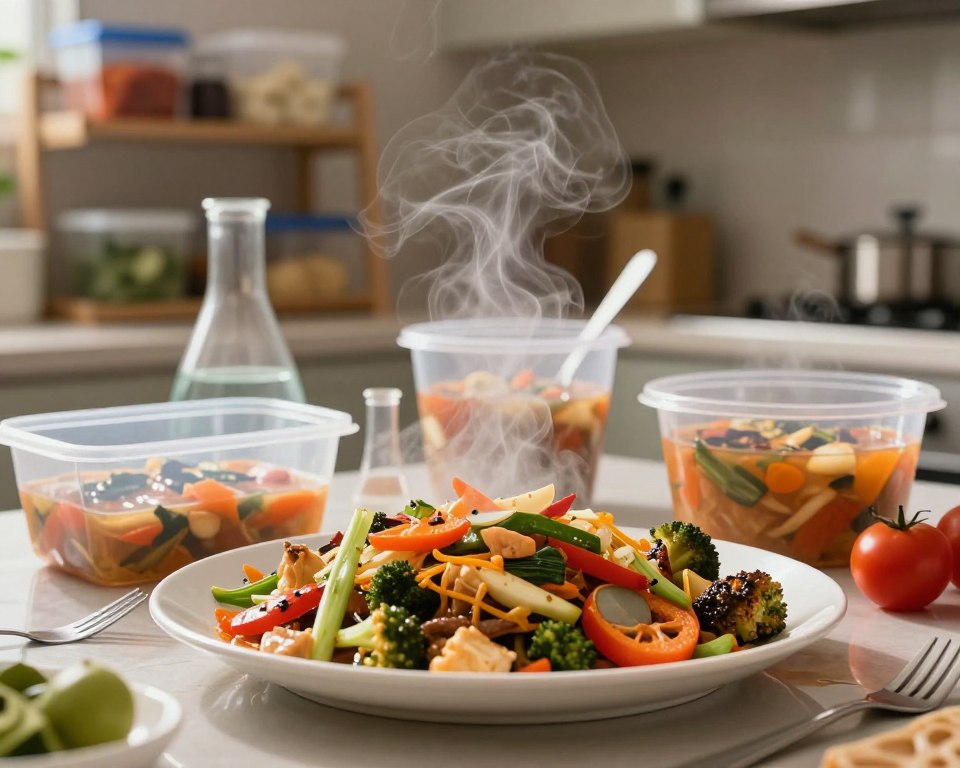
Heating food in plastic might expose us to harmful substances. The mix of hot food and plastic chemicals can lead to synthetic compounds in our blood. These endocrine disruptors can act like or block natural hormones, causing big changes in our bodies.
Bisphenol A (BPA) and Its Alternatives
Bisphenol A (BPA) can act like estrogen, a key hormone in growth. Many have moved away from BPA, but new substitutes like Bisphenol S (BPS) and Bisphenol F (BPF) have been introduced. Studies show these might pose similar risks, making us wonder if is-bpa-free-plastic-really-safe/ for daily use.
“The chemical structure of these alternatives is often so similar to the original that the body struggles to distinguish between them, leading to unintended hormonal signaling.”
Being careful with “BPA-free” containers is key. The heat can make these newer bisphenols leak into your food.
Phthalates and Their Biological Effects
Phthalates make plastics more flexible and durable. Unlike BPA, they’re mixed into the plastic, making them release more easily when heated. They’re linked to health issues like:
- Disruption of reproductive hormone pathways.
- Potential impacts on metabolic health and insulin sensitivity.
- Interference with thyroid function in sensitive populations.
The effects of hot food and plastic chemicals are still being studied. Knowing how these chemicals work helps us choose safer options. Using materials that don’t release chemicals is a good way to avoid unnecessary exposure.
Regulatory Standards for Food Contact Materials
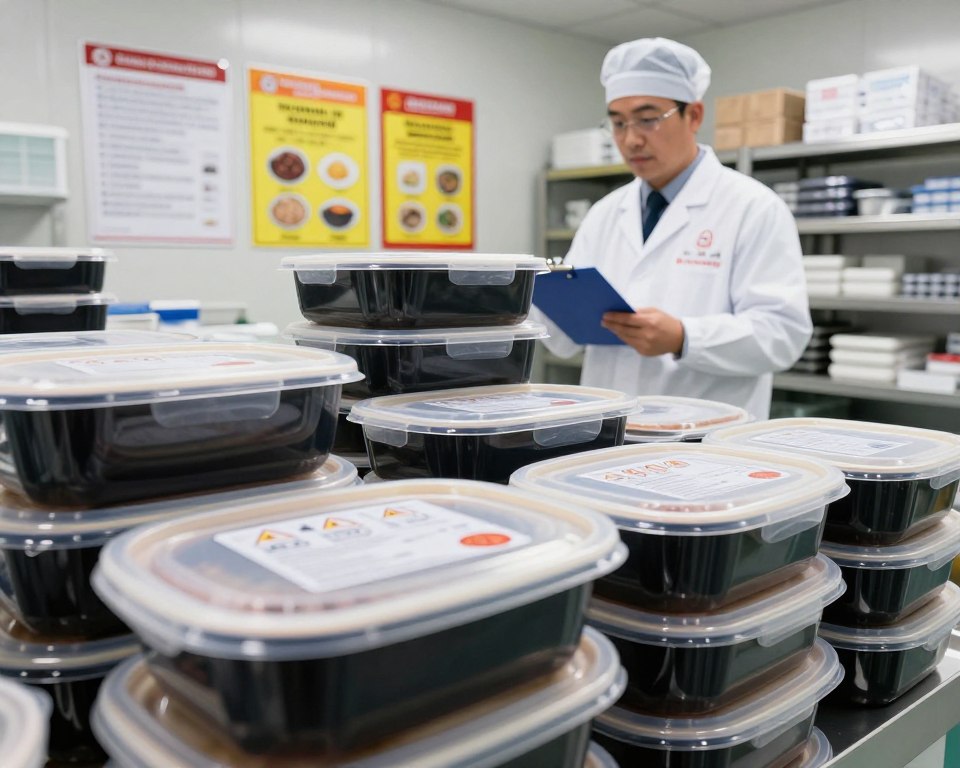
Understanding hot food packaging safety is complex. It involves knowing how rules manage materials that touch our food. Government agencies try to protect us, but new plastics often outpace their checks.
Regulators face a big challenge. They must check thousands of chemical additives fast. But, new plastics come out quicker than health studies can finish.
FDA Oversight in the United States
In the U.S., the FDA is key in checking food contact items. They look at polymers and additives before they hit the market. This ensures they’re safe for us.
But, the FDA struggles to keep up with new chemicals. Many are seen as Generally Recognized as Safe (GRAS). This can be based on industry data, not always long-term studies.
International Safety Benchmarks
Worldwide, hot food packaging safety standards differ a lot. The U.S. uses a risk-based method, while the European Union follows the precautionary principle. This means they test more before approving substances.
These global standards show how countries handle chemical limits. The table below shows the main differences in safety approaches.
| Regulatory Body | Primary Focus | Safety Philosophy |
|---|---|---|
| FDA (USA) | Risk-based assessment | Permissive unless proven harmful |
| EFSA (EU) | Precautionary principle | Restrictive until proven safe |
| Global Standards | Harmonized testing | Focus on migration limits |
Remember, government rules are just a start, not a complete safety promise. The best way to stay safe is to be careful with hot food packaging safety every day.
The Role of Fat and Acid in Plastic Migration
It’s key to know how food interacts with plastic containers to avoid chemical exposure. The chemical makeup of food is as important as the temperature. Fats and acids in food can make plastic chemicals move into your meal.
How Lipophilic Foods Accelerate Leaching
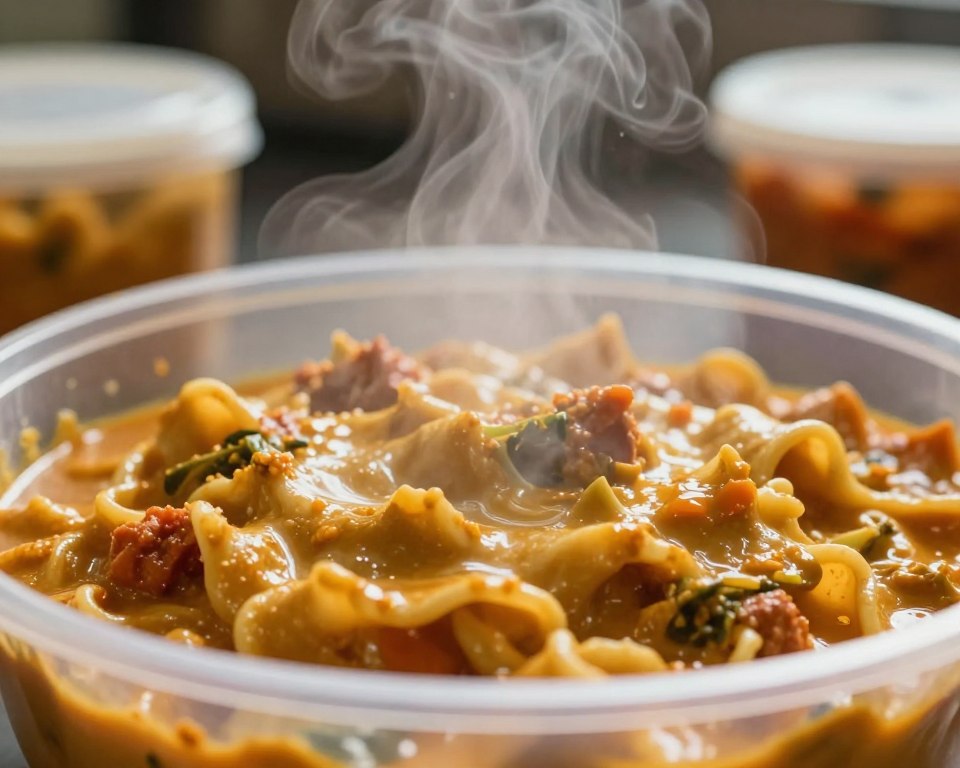
Chemicals in plastics stick to fats and oils. When you heat fatty foods in plastic, these chemicals move into your food. This is because fats help pull additives out of the plastic.
Heating food in plastic makes this problem worse. Heat makes plastic chemicals move more easily. So, fatty foods reheated in plastic are more likely to have chemicals in them than water-based foods.
The Interaction Between Acidic Foods and Polymers
Acidic foods also affect plastic containers. Foods like tomato sauces or citrus juices can break down plastic over time. This can make plastic leach chemicals more easily.
Heat makes this problem even bigger. Regularly heating acidic foods in plastic can make it unsafe. It’s best to use glass or ceramic for these foods to stay safe.
Visualizing Plastic Contamination in Veterinary Contexts
Plastic contamination affects not just humans but also our pets. Household pets live in the same space and eat the same food as us. This makes them prone to chemical exposure, just like us.
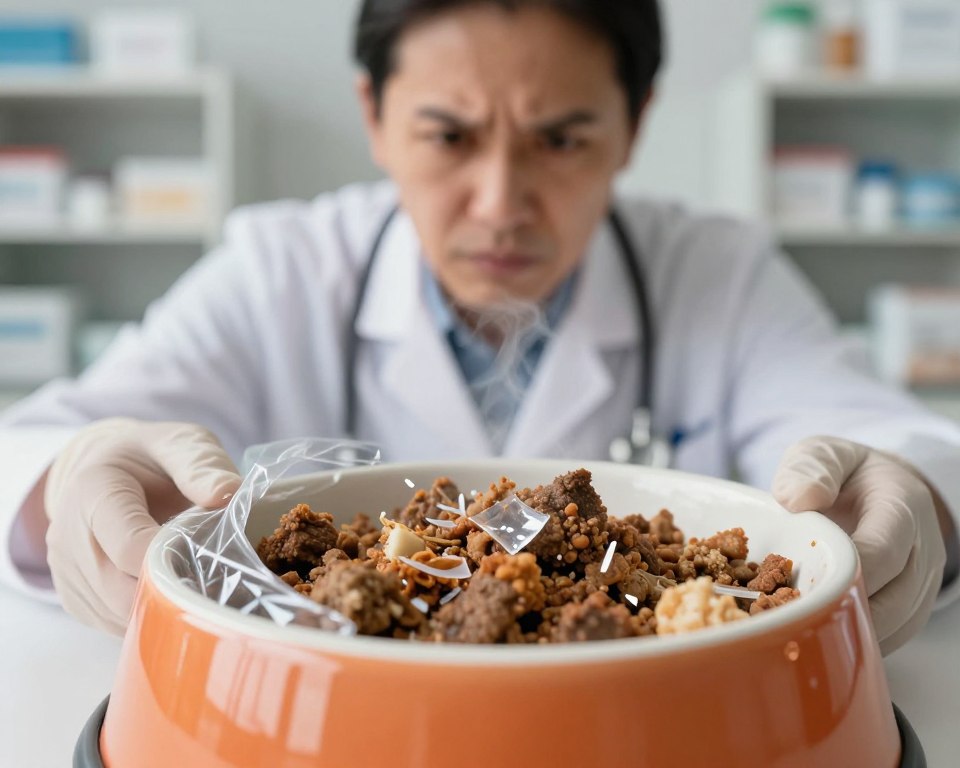
Image Disclosure and Educational Purpose
Some images in this article are AI-made for learning. They show vet ideas and shouldn’t replace a vet check. Always talk to your vet if you think your pet ate something bad or looks sick.
Potential Risks to Household Pets
Pets often eat from the same packaging as us, which can lead to them eating plastic. Studies show microplastics in fish and farm animals. This means pets could be exposed too, when we heat their food in plastic.
Pets might also chew on plastic or touch dirty surfaces. This is a big concern for their health. By cutting down on plastic, we can help keep our pets safe.
By reducing plastic use at home, we can lower the chemicals our pets face. This is a big step in protecting their health for the long run. Check out more on environmental toxins and health outcomes for more info.
Safe Alternatives to Plastic for Heating Food
Switching to inert materials is the best way to keep your food safe from plastic chemicals. Containers that don’t melt or break down at high temperatures are key. This simple switch makes your kitchen safer and healthier.
Benefits of Glass and Ceramic Containers
Glass and ceramic are top picks for heating food because they’re chemically inert. They don’t melt or release harmful stuff when heated. This means your food stays pure and safe.
These materials are also easy to clean and don’t hold onto smells or stains. Using tempered glass or quality ceramic ensures your food heats evenly. This keeps your food fresh and your kitchen clean.
Stainless Steel as a Durable Option
Stainless steel is a safe and durable choice for heating food. It’s perfect for stovetop or oven use, but not for microwaves. It’s tough and doesn’t leak chemicals, even with acidic foods.
High-quality silicone is another great option for the kitchen. It’s nonstick and heat-resistant, made from silicon, not fossil fuels. Using these materials helps cut down on synthetic chemicals in your cooking.
Best Practices for Storing and Reheating Leftovers
Following a few simple kitchen rules can help reduce the effects of heat on plastic containers. Properly managing leftovers is key to lowering your exposure to harmful chemicals. By changing how you store and reheat food, you make your home safer for your family.
Temperature Control Strategies
Letting food cool to room temperature before storing is the best way to protect it. Putting hot food directly into plastic can cause it to soften or warp. This can lead to chemicals leaching into your food.
Try to move leftovers into glass or ceramic containers before refrigerating them. These materials don’t react to heat or acidity. If plastic is needed, make sure it’s microwave-safe and wait until it’s cool to the touch.
Avoiding Plastic Wrap in Direct Contact
Many people use plastic wrap on hot food, but it’s not the best choice. Experts say to avoid plastic wrap until food has cooled down. When plastic wrap touches hot food, the risk of plastic migration in hot food increases a lot.
Instead, use a microwave-safe plate or a silicone lid to cover your dishes. These options create a barrier without the risk of chemical interaction. Making small changes in your daily routine can greatly improve your health over time.
| Storage Material | Heat Resistance | Chemical Stability | Best Use |
|---|---|---|---|
| Glass | High | Excellent | Reheating & Storage |
| Ceramic | High | Excellent | Reheating & Serving |
| Plastic | Low to Moderate | Variable | Cold Storage Only |
| Stainless Steel | High | Very High | Cold Storage |
Long-Term Health Implications of Microplastic Ingestion
Plastic packaging is convenient, but it has risks. The potential risks of heating food in plastic go beyond immediate harm. As we use more plastic for food, we need to know how it affects us over time.
Scientists are now looking at the smallest plastic pieces, called nanoplastics. These tiny particles are smaller than 1,000 nanometers. They can get past our body’s defenses.
Bioaccumulation and Systemic Exposure
Nanoplastics can get into our blood and build up in organs. Their small size lets them enter human cells. This can disrupt cellular mechanics.
These particles staying in our bodies can cause several problems:
- Chronic inflammatory reactions in tissues.
- Potential interference with normal gene expression.
- Accumulation in the liver, kidneys, or lymphatic system.
Knowing the potential risks of heating food in plastic helps us stay safe. We should avoid heating food in plastic too much. Our bodies might have trouble getting rid of these particles, leading to long-term exposure.
Current Research Gaps and Future Studies
Lab studies show scary results, but we need to be careful. Most of the evidence comes from high doses in controlled settings. This doesn’t always match how we eat in real life.
We need more longitudinal human-based data to be sure. Future studies should focus on:
- How much plastic we actually eat from everyday foods.
- The exact dose at which cells start to get damaged.
- The health effects of eating small amounts of plastic over a long time.
Until we have more research, it’s best to be cautious. Knowing the potential risks of heating food in plastic helps us make better choices. We can choose health over convenience in the long run.
Consumer Awareness and Labeling Literacy
Knowing how to read labels is key to avoiding harmful chemicals in your kitchen. By understanding plastic labeling, you can tell which plastics are safe for heat and which are not. This skill is crucial for keeping your home safe.
Decoding Recycling Symbols
Most plastic containers have a resin identification code, shown as a number inside a triangle. These recycling symbols tell us about the plastic’s chemical makeup. Be careful with codes 3 and 7, as they might contain harmful additives.
Studies on plastic migration show that plastics can change when heated. Knowing these codes helps you avoid using plastics that might leach chemicals when reheated.
Identifying BPA-Free Claims
Many products say they are “BPA-free,” but this doesn’t mean they’re completely safe. Some plastics might still have harmful chemicals. Remember, even “safe” plastics can break down, like in a dishwasher or microwave, as explained in guides on heat-damaged plastics.
Don’t just trust what products say. Instead, choose glass or stainless steel for heating food. These materials don’t need harmful additives to stay strong.
| Resin Code | Common Name | Safety Profile |
|---|---|---|
| 1 | PETE | Single-use; avoid heat |
| 3 | PVC | Contains phthalates; avoid |
| 5 | PP | Generally heat-resistant |
| 7 | Other | Variable; often contains BPA |
Environmental Impact of Plastic Food Packaging
The impact of our food packaging choices goes far beyond our kitchens. Disposable containers are convenient, but they harm our planet. It’s important to look at the whole life cycle of these materials to understand their effects.
Lifecycle of Single-Use Plastics
Most food packaging is made for quick use, not for the long haul. These plastics don’t break down easily. Instead, they stay in the environment for centuries, breaking into tiny pieces called microplastics.
These plastics often end up in landfills or oceans. In these places, they cause widespread microplastic pollution that harms marine life. This pollution also gets into our food, making it a big problem for waste management around the world.
Sustainable Packaging Trends
The industry is moving toward sustainable packaging solutions. Companies are using compostable materials like corn starch or sugarcane fiber. These options protect food without harming the environment.
There’s also a push for plastic-free packaging. This includes using glass, metal, and paper again. These materials are better for recycling and reduce the need for new plastic. Choosing these options helps lessen the environmental impact of our food choices.
Conclusion
Starting to reduce chemical exposure is easy. Just make small changes in how you handle food. It’s hard to get rid of all synthetic materials, but focusing on safe hot food packaging helps a lot.
Switching to glass, ceramic, or stainless steel for food storage is a good move. These materials don’t react with food, even when it’s hot or acidic. This keeps your food safe.
Think about the tools you use in the kitchen. Many black plastic utensils might be harmful. Switching to wood or metal is a simple way to improve your kitchen. Also, check your kitchenware often to spot any damage that could lead to plastic contamination.
Make sure to replace any damaged items to keep your kitchen safe. Learning about materials helps you make better choices for your health. Keep looking for reliable sources to stay up-to-date on product safety.
Environmental Impact of Plastic Food Packaging
Polymer Composition and Additives
Plastics are not just materials; they are complex chemicals. To make them flexible or textured, manufacturers add things like phthalates and bisphenols. These additives can move around in the plastic because they’re not tightly bound.
The Role of Heat in Molecular Mobility
Heat is the main reason chemicals move from plastics. When a container gets hot, the plastic molecules start moving more. This makes additives move to the surface and leak into your food. The hotter the food, the quicker this happens.
Scientific Evidence on Migration Rates
Studies show that plastic migration in hot food grows fast. For example, tests on polycarbonate and polypropylene show big increases in chemical levels when heated. Even a small temperature rise can cause a big jump in chemical release.
Factors Influencing Chemical Release
The rate of plastic release depends on how long it’s in contact with heat and how hot it gets. Even if a container doesn’t melt, it starts releasing tiny plastics and chemicals right away when it’s hot.
Polyethylene Terephthalate (PET) Characteristics
PET is used in many single-use items, like water bottles and salad containers. It’s okay at room temperature but breaks down when heated. So, it’s not good for hot liquids or microwaving.
High-Density Polyethylene (HDPE) and Safety
HDPE is in milk jugs and is more heat-resistant than PET. But, it can still leak chemicals when exposed to high temperatures, like in dishwashers or microwaves.
Polypropylene (PP) and Heat Resistance
PP is often called “microwave-safe” because it doesn’t melt easily. But, even PP can release tiny plastics when heated. So, heat resistance doesn’t mean it’s safe from chemical leaching.
Thermal Degradation of Plastic Polymers
Microwaving affects plastics in a special way. The microwave heats the water in food, making the plastic break down. This happens at a tiny level.
Microwave-Safe Labeling Explained
“Microwave-safe” doesn’t mean the container is safe for health. It just means it won’t melt or catch fire in the microwave. It doesn’t mean there’s no chemical leaching.
Bisphenol A (BPA) and Its Alternatives
BPA is a chemical that can act like estrogen. Many products are now labeled “BPA-free,” but some use BPS or BPF. Research suggests these might also affect hormones.
Phthalates and Their Biological Effects
Phthalates make plastics flexible but can harm reproductive health and metabolism. They dissolve in fats, so oily foods can carry more of these chemicals.
FDA Oversight in the United States
The FDA checks food packaging safety, but it’s hard to test all new chemicals. They focus on short-term effects, not long-term risks.
International Safety Benchmarks
European rules are stricter, following a “precautionary principle.” This shows why it’s good to be careful, even if government standards are met.
How Lipophilic Foods Accelerate Leaching
Chemicals like phthalates stick to fats. So, oily foods in plastic containers can release more chemicals. This is because the fat acts as a solvent.
The Interaction Between Acidic Foods and Polymers
Acidic foods can damage plastic surfaces. This makes more plastic chemicals available to leach into food over time.
Image Disclosure and Educational Purpose
*Please note: Some visuals in this section are AI-generated for educational purposes and are intended to illustrate concepts rather than provide a clinical diagnosis.*
Potential Risks to Household Pets
Pets can also be affected by plastic packaging. Serving warm “wet food” from plastic or using plastic bowls that have been in hot dishwashers can expose pets to plastics and chemicals.
Benefits of Glass and Ceramic Containers
Borosilicate glass and high-quality ceramic are safe for food. They don’t react with food or release chemicals, no matter the temperature.
Stainless Steel as a Durable Option
Stainless steel is a good choice for storing and reheating food. It’s safe and doesn’t break down like plastic, even with fatty or acidic foods.
Temperature Control Strategies
Letting food cool down before storing it in plastic can help. This reduces the risk of chemicals leaching into the food when it’s heated.
Avoiding Plastic Wrap in Direct Contact
Don’t use plastic wrap to cover food in the microwave. The steam can make the wrap sag and deposit chemicals on your food.
Bioaccumulation and Systemic Exposure
Research is looking into how microplastics and chemicals build up in our bodies. While some toxins can be removed, daily exposure from packaging is a concern.
Current Research Gaps and Future Studies
We’re still learning about the effects of nanoplastics on our bodies. Lab tests show inflammation, but we need more human data to understand the full impact.
Decoding Recycling Symbols
Knowing recycling codes (1 through 7) is key. Codes 2, 4, and 5 are generally safer, but codes 3, 6, and 7 should be avoided for food, even when heated.
Identifying BPA-Free Claims
“BPA-free” is a good start, but it doesn’t mean the product is chemical-free. Look for products that are also phthalate-free and choose glass or silicone when you can.
Lifecycle of Single-Use Plastics
Our health is linked to the environment. Single-use containers break down into microplastics that enter the food chain through soil and water.
Sustainable Packaging Trends
There’s a move towards compostable and reusable packaging. Brands like Pyrex and Stasher are leading the way with safer, more sustainable options.