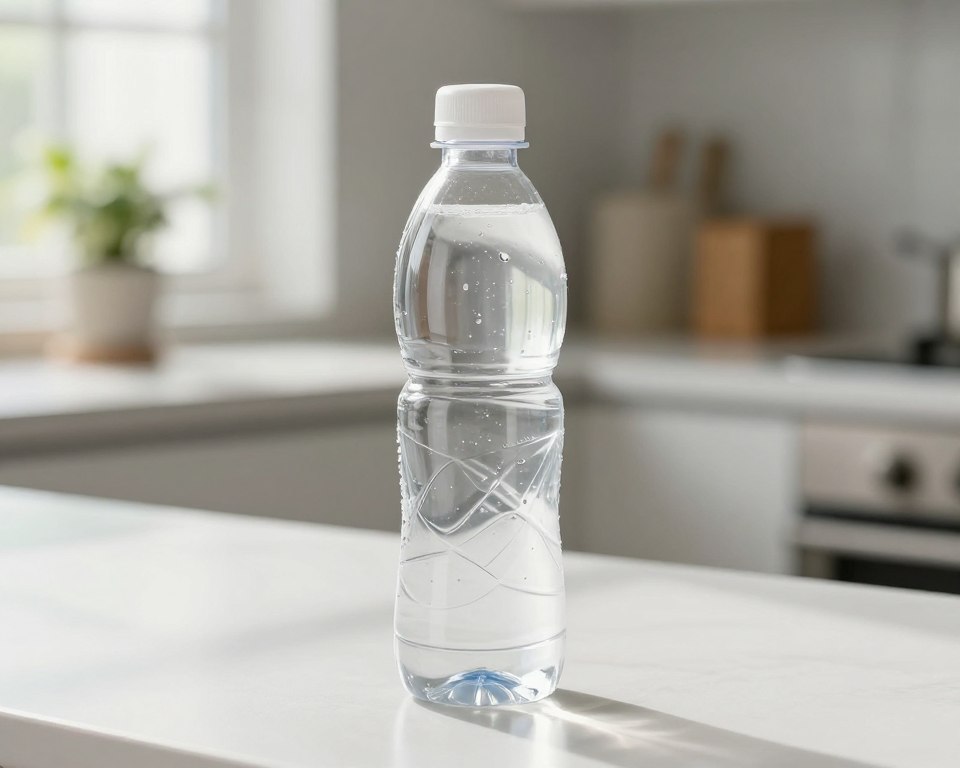
Did you know that about 100 million metric tons of PET are made every year? This huge amount shows how much we use these materials every day. Most are made from oil or natural gas, making our lives easier.
But, many people wonder if these bottles are safe for a long time. Knowing what’s in them is key to making smart choices. You can learn if it’s safe to reuse plastic water bottles by looking at how they affect your drinks.
It’s also important to know if is PET plastic safe for repeated use. By looking at studies, we want to give you a clear view of these common items. Prioritizing your health means understanding how these plastics act in real life.
Key Takeaways
- Most common beverage containers are made from hydrocarbons like PET, which are designed for specific, often single-use, applications.
- Chemical leaching risks, such as antimony migration, increase significantly when containers are exposed to high heat or direct sunlight.
- Bacterial growth poses a more immediate risk than chemical exposure if containers are not cleaned thoroughly and regularly.
- Physical wear, including scratches and cloudiness, can compromise the integrity of the material and harbor harmful microorganisms.
- For frequent, long-term hydration, experts often recommend transitioning to glass or stainless-steel alternatives to minimize potential risks.
Understanding the Composition of Reusable Plastic Bottles
Knowing what’s in your water bottle is key to staying safe. Makers pick materials for their strength, lightness, and how they hold up to the environment. This knowledge helps you choose better for your home.
Common Plastics Used in Manufacturing
Reusable bottles are made from strong synthetic polymers. Polyethylene terephthalate (PET) is common for its clear look and light feel, but it’s mainly for one-time use. For bottles meant to last, like HDPE or polypropylene, they’re better because they handle heat and chemicals better.
It’s crucial to know that not all plastics are the same. When picking a bottle, look for ones that are safe for food. This ensures they meet safety standards. For more on this, check out drinking water safety resources.
“The chemical integrity of a plastic container is not merely a function of its brand, but a direct result of the molecular bonds formed during the polymerization process.”
The Role of Polymer Science in Durability
Understanding the difference between thermoplastics and thermoset plastics is key. Thermoplastics, like PET and HDPE, can be melted and reshaped many times. This makes them great for recycling.
Thermoset plastics, on the other hand, can’t be remelted or reshaped once set. Polymer science shows that the strength of these bonds affects how well a bottle lasts. It’s about how well it withstands washing and sunlight.
| Plastic Type | Common Use | Recyclability | Heat Resistance |
|---|---|---|---|
| PET (Type 1) | Water Bottles | High | Low |
| HDPE (Type 2) | Reusable Jugs | High | Moderate |
| Polypropylene (Type 5) | Food Containers | Moderate | High |
Are Reusable Plastic Bottles Safe for Daily Use
The debate over chemical leaching is big, but the physical state of your bottle is key to staying clean. Many people only think about the chemicals in their bottles. But, the wear and tear on plastic surfaces is a bigger risk to health. To really ensure plastic water bottle safety, we need to look at how these materials last in daily use.
Evaluating Chemical Stability Over Time
Most plastic containers are made for single use. They’re not built to handle the wear and tear of long-term use. Over time, the plastic can weaken, changing how safe it is.
Think about whether is plastic food packaging safe for you if you plan to use it a lot. Chemical stability isn’t forever; it gets worse with time and stress. When plastic starts to break down, it can leak harmful stuff into your drinks.
The Impact of Repeated Washing Cycles
The state of your bottle is also crucial for plastic water bottle safety. Daily use and cleaning can cause tiny cracks and scratches inside. These small damages are hard to see but are perfect for bacteria to grow.
Washing your bottle a lot, with hot water or harsh cleaners, makes these problems worse. Once these small damages appear, it’s hard to clean them well. Consistent maintenance is key, but plastic bottles have a limited life before they become a breeding ground for harmful germs.
The Science of Plastic Leaching and Human Health
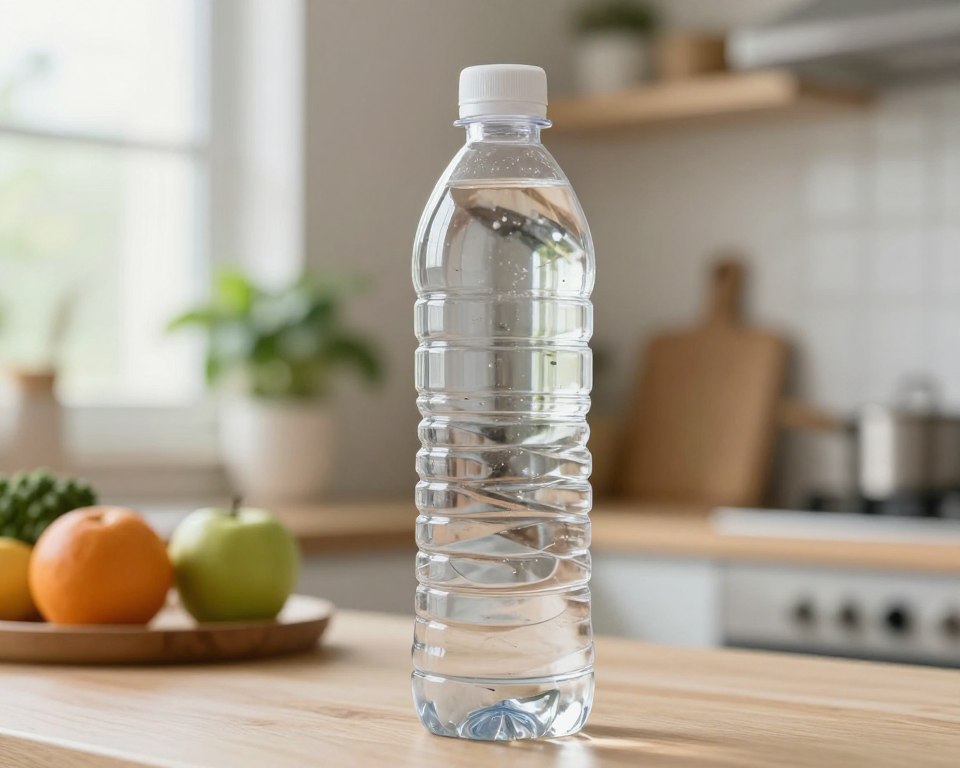
Research shows that certain conditions can cause chemicals from plastic to move into your water. This is called leaching. It happens when chemicals in the plastic move into the liquid inside. Knowing about these chemical processes is key to keeping your reusable water bottle healthy.
How Temperature Fluctuations Affect Chemical Release
Chemical migration changes based on the environment. High temperatures and long storage times make chemicals move faster from the plastic into your drink.
When plastic gets hot, its structure changes. This makes it easier for chemicals to get out. For example, the EPA limits antimony in water to 6 parts per billion. Exposure to heat can increase these chemicals, leading to plastic bottle leaching concerns for those who use them a lot.
Understanding Endocrine Disruptors in Polycarbonate
Polycarbonate plastics are strong and clear, but they pose health risks. They may contain chemicals that disrupt hormones in the body.
Studies show that phthalates and bisphenols can act like hormones. This can mess with the body’s signals, leading to health problems. To keep your reusable water bottle healthy, know about these risks, and watch out for older or damaged bottles that might break down more easily.
Navigating BPA-Free Labels and Marketing Claims
The BPA-free label is now common in water bottles, but it’s not always clear. About ten years ago, the FDA banned BPA in baby bottles and sippy cups. This was because BPA can harm our hormones. But, the market for BPA-free reusable bottles is still tricky and not well understood.
What BPA-Free Actually Means for Consumers
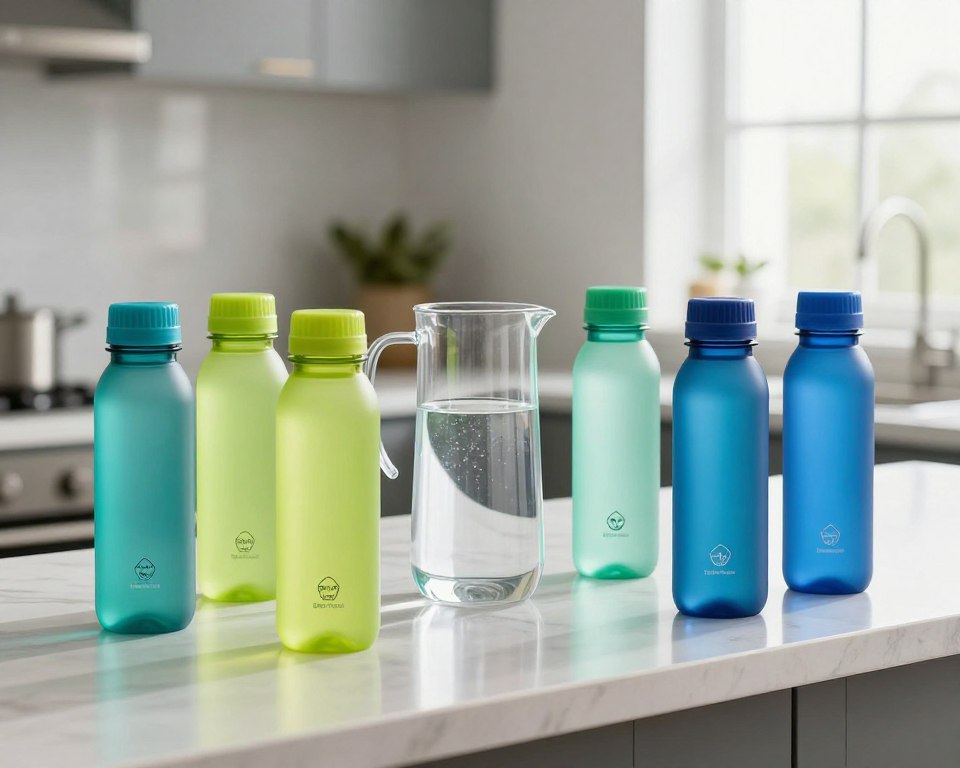
A “BPA-free” label means a product doesn’t have BPA. But, it doesn’t mean it’s safe from all harmful chemicals. Many people think BPA-free means a product is completely safe.
But, plastic bottles have many additives and chemicals. These can leak into drinks, even if they’re BPA-free. So, just looking for the BPA-free label might not be enough.
The Reality of BPA Substitutes Like BPS and BPF
When BPA is banned, companies use similar chemicals like BPS or BPF. These can also harm our hormones. Studies show they might affect our body’s hormone balance.
The table below shows what’s in some plastic bottles:
| Chemical Compound | Primary Use | Safety Profile |
|---|---|---|
| BPA | Hardening agent | Known endocrine disruptor |
| BPS | BPA substitute | Similar hormonal activity |
| BPF | BPA substitute | Potential health concerns |
| Phthalates | Plasticizer | Linked to reproductive issues |
Knowing about these chemicals is key for staying healthy. While BPA-free reusable bottles are safer, they’re not perfect. It’s best to check what the bottle is really made of.
Image Disclosure and Educational Context
Digital images are key in making chemistry and safety easy to understand. They help show how materials react in different conditions. This makes complex science easier for everyone to get.
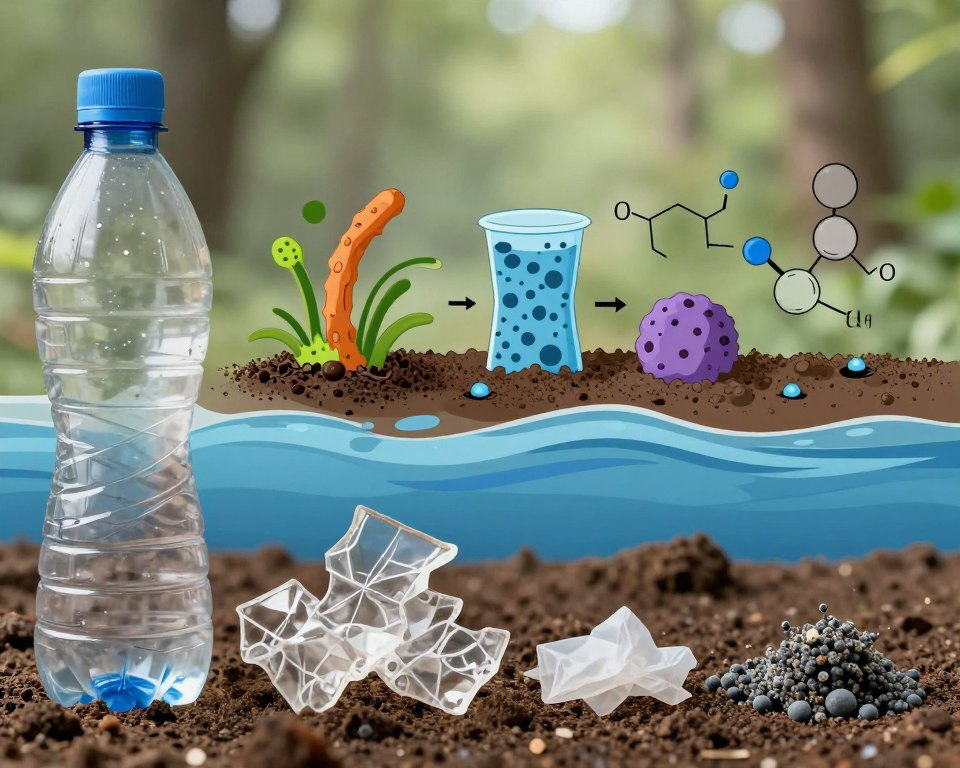
Purpose of AI-Generated Visuals in Health Education
Some images in this guide use AI to show how plastics break down. These pictures help explain chemical processes that are hard to see. They aim to help you make better choices every day.
Remember, these images are for informational purposes only. They are meant to help learn, not prove scientific facts. Understanding the context of such data is key, as shown in recent research on material safety and chemical.
Limitations of Digital Illustrations in Clinical Contexts
Though useful for learning, these images can’t replace real medical advice. They can’t consider the unique health details of a person or animal. Professional medical or veterinary examination is the best way to diagnose health issues related to chemicals.
“Visual literacy is the ability to interpret, negotiate, and make meaning from information presented in the form of an image. In health education, this means recognizing that a diagram is a model, not a substitute for clinical expertise.”
The table below shows the difference between educational images and medical tools. It helps you use the information correctly.
| Feature | Educational Illustration | Clinical Diagnostic Tool |
|---|---|---|
| Primary Goal | Conceptual understanding | Patient-specific diagnosis |
| Data Basis | General scientific principles | Individual biological testing |
| Application | General health awareness | Medical or veterinary treatment |
| Reliability | Informational guidance | Professional medical standard |
Microplastics and Their Presence in Reusable Containers
Keeping your reusable water bottle health in check means knowing how materials wear out. These bottles are made to last, but they can still break down. This breakdown can lead to tiny pieces of plastic getting into your water.
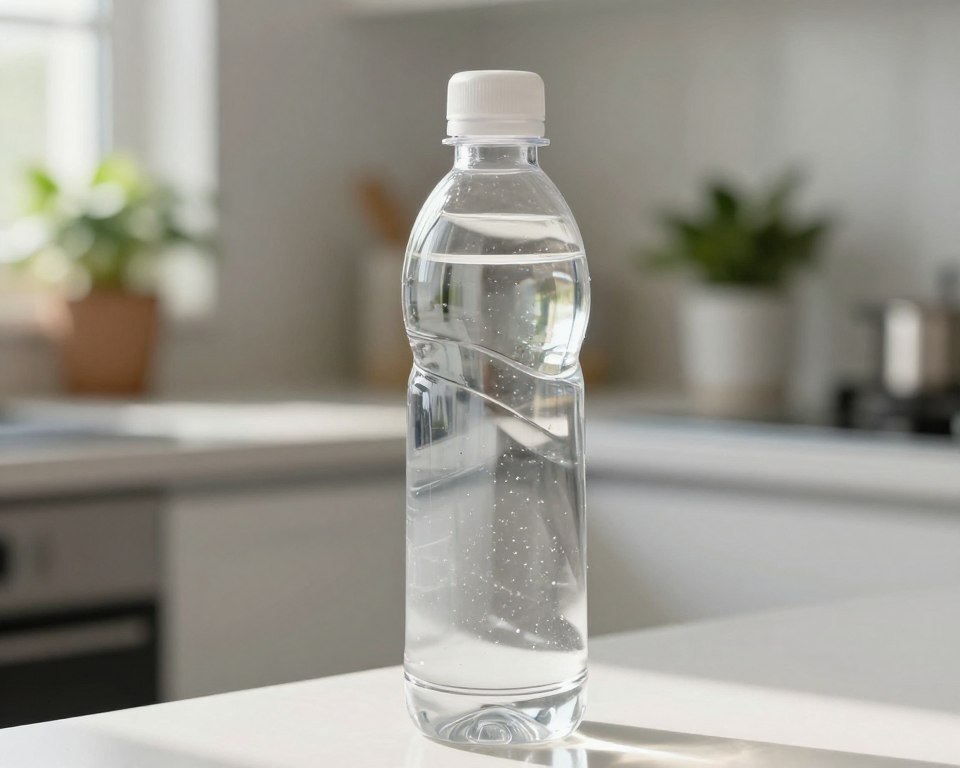
Sources of Microplastic Shedding
Most of the damage comes from how we clean them. Putting plastic bottles in the dishwasher can cause them to break down faster. This can lead to tiny pieces of plastic and chemicals getting into your water.
Studies have shown that water from dishwasher-cleaned bottles can contain over 3,500 chemicals. This shows that using the dishwasher might not be the best way to keep your water clean.
Potential Long-Term Health Implications
Scientists are still studying what happens when we drink tiny plastic pieces. While we don’t know the full effects yet, experts are worried. Long-term exposure to these plastics could harm our health in ways we don’t understand.
“The presence of synthetic polymers in our daily hydration habits necessitates a more cautious approach to how we maintain and replace our plastic goods.”
To keep your reusable water bottle health in check, watch for signs of wear. If you see scratches, cloudiness, or a change in the bottle’s feel, it’s time for a new one. Staying ahead of these signs can help you avoid drinking chemicals and plastic bits.
Comparing Plastic to Alternative Materials
Many people are looking for better options than plastic for their daily water needs. They want materials that are safe for long-term use. Some natural or metallic options don’t break down or release harmful substances into your drink.
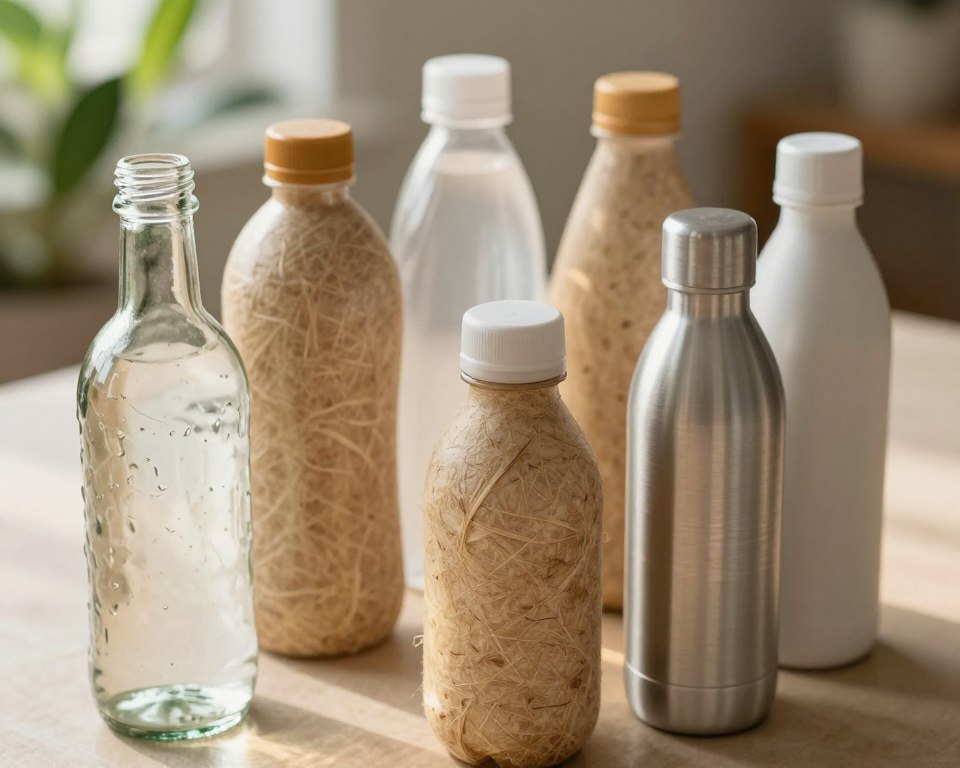
Stainless Steel Versus Plastic Durability
Stainless steel is a top pick for eco-friendly bottle materials because it’s very strong. Plastic can crack or wear down over time, but stainless steel stays solid.
Steel bottles are great because they can handle hot temperatures without breaking down. They also don’t hold onto smells or tastes, keeping your water fresh.
Glass Bottles and the Benefit of Inert Materials
Glass is the most inert material for storing liquids. It’s non-porous and doesn’t react with chemicals, making it safe for everyone. This is perfect for those who worry about additives in their water.
Glass is heavier and can break easily, but it’s clear, so you can see if it’s clean. Many people think the benefits of using reusable bottles made of glass are worth the extra weight, for home or office use.
| Material | Chemical Stability | Durability |
|---|---|---|
| Plastic | Variable | Moderate |
| Stainless Steel | High | Excellent |
| Glass | Highest | Low (Fragile) |
Choosing the right eco-friendly bottle materials depends on your lifestyle. Think about these factors:
- Weight and Portability: Stainless steel is strong but not too heavy.
- Chemical Safety: Glass is the safest choice.
- Maintenance: Both steel and glass are easy to clean, unlike porous plastics.
Best Practices for Cleaning and Maintenance
Keeping a reusable plastic bottle clean is important. Plastic surfaces are porous and can get scratched easily. This makes them harder to clean than glass or stainless steel.
It’s critical to maintain your plastic containers well. By following the right steps, you can avoid bacteria and keep your bottle in good shape for longer.
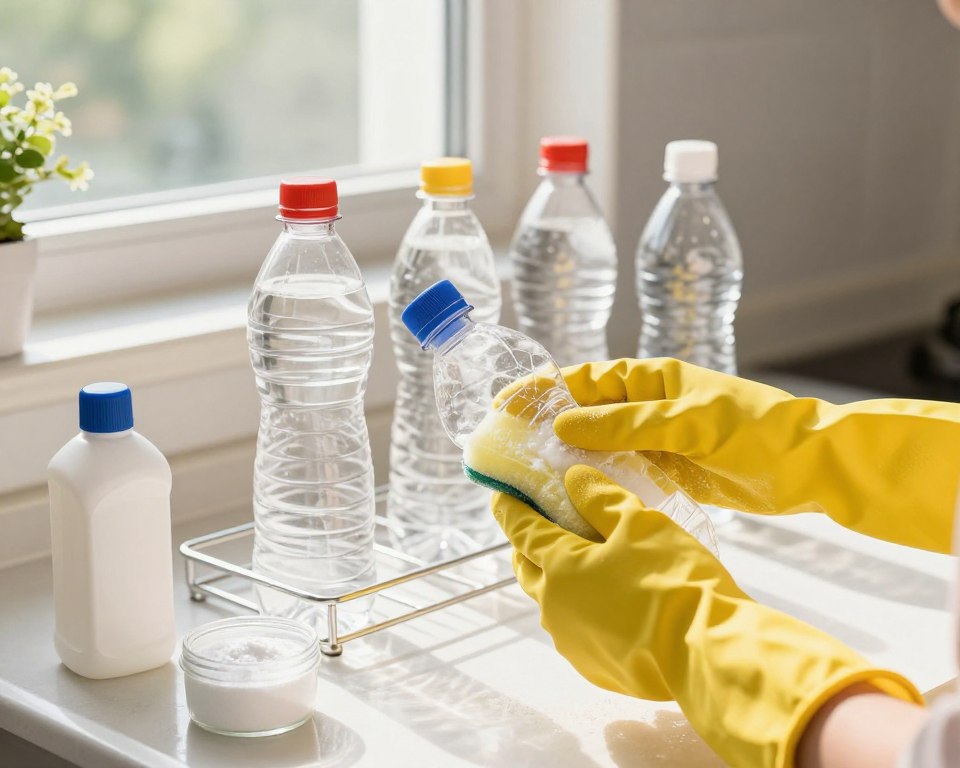
Sanitization Techniques to Prevent Bacterial Growth
Don’t use harsh chemicals or rough scrubbers on your bottle. Instead, use mild dish soap and warm water for daily cleaning. Consistency is key; wash the bottle well after each use to stop bacteria from growing.
For a deeper clean, try diluted white vinegar or a bottle brush. Always let the bottle air dry completely in an upright position. Moisture inside can cause bacteria and mold to grow.
Signs That Your Bottle Needs to Be Replaced
Even with good care, plastic bottles have a limited lifespan. Check your bottle often for signs of wear that could be harmful.
Throw away your bottle if you see any of these signs:
- Visible cracks or stress fractures in the body or cap.
- Deep scratches that are hard to clean and may trap bacteria.
- A persistent, unpleasant odor that stays after cleaning.
- Cloudiness or a change in the plastic’s texture, which often indicates material breakdown.
If the plastic is damaged, it’s not safe for storing food or drinks. Replacing your bottle as soon as you notice wear is key to staying healthy.
The Environmental Impact of Reusable Plastic Choices
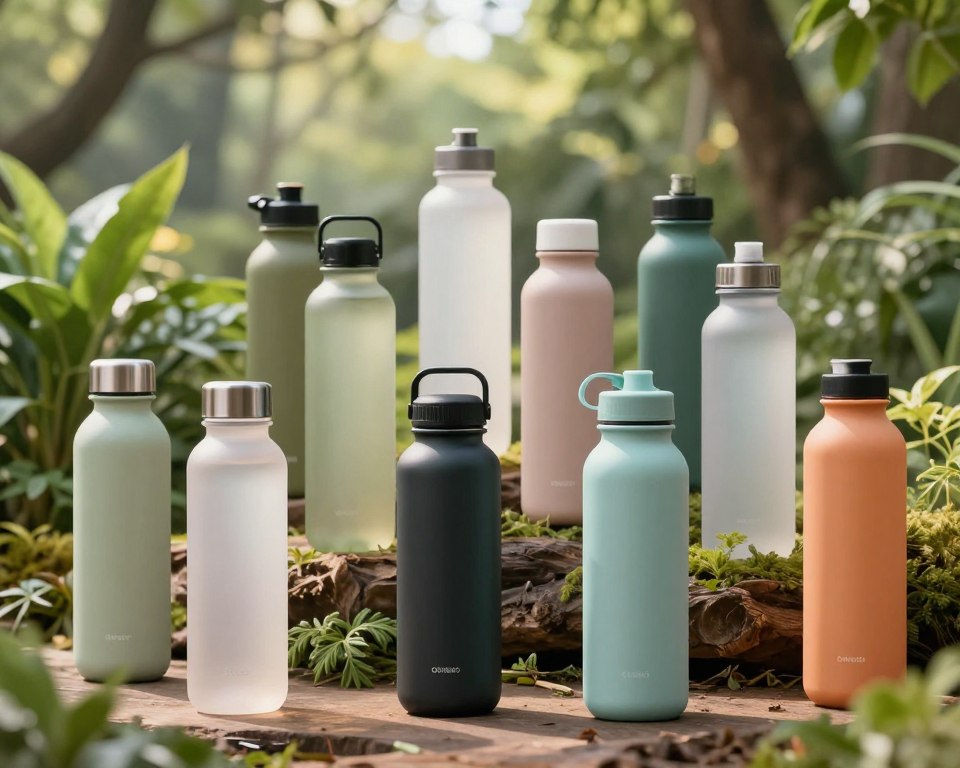
It’s key to understand the whole life of your water bottle to make sustainable water bottle choices. Many focus on their health, but the environmental impact is also crucial. Looking at the benefits of using reusable bottles means seeing the whole picture, from production to disposal.
Lifecycle Analysis of Plastic Production
A plastic bottle’s journey starts with fossil fuel extraction. These are then turned into polymers through energy-heavy processes. This phase uses a lot of water and electricity, leading to a big carbon footprint before the bottle is even sold.
Then, there’s the cost of shipping. Moving light plastic goods needs fuel, adding to emissions. Even with durable materials, the energy needed for production is a big deal for those caring about the planet.
Recyclability and Waste Management Challenges
Handling plastic waste is a big problem. While some water bottles are recycled, only about 9% of all plastic waste is processed. Many recycling centers face issues with contamination, leading to more waste in landfills.
This shows why cutting down on plastic use is as important as recycling. When picking a new container, think about how different materials affect the environment.
| Material Type | Production Energy | Recyclability | Environmental Impact |
|---|---|---|---|
| Polycarbonate Plastic | Moderate | Low (Contamination Risk) | High (Microplastic Shedding) |
| Stainless Steel | High | High (Infinite) | Low (Long-term Durability) |
| Glass | Moderate | High (Infinite) | Very Low (Inert Material) |
Identifying High-Quality Reusable Plastic Options
Finding top-notch plastic containers is easy once you learn to read labels. Look past the marketing to find the best reusable water bottle options. These choices should focus on your health and safety.
Recognizing Resin Identification Codes
Every plastic item has a small triangle with a number inside, called the Resin Identification Code (RIC). These codes help sort materials for recycling. They also tell you about the plastic type used.
Codes 1 (PETE) and 2 (HDPE) are common and accepted by most recycling centers. They are safe for short-term food contact. Knowing these numbers helps you understand different plastics and their chemicals.
Certifications to Look for When Shopping
When looking for BPA-free reusable bottles, check for third-party certifications. Labels like “BPA-free” are a good start. But they don’t always mean the product is safe from all harmful chemicals.
Look for products with certifications from trusted groups like NSF. These organizations check if materials meet strict standards. Choosing items with these labels means you’re getting the best reusable water bottle options for everyday use.
Always ask the manufacturer about their testing. A company that shares its safety data is more trustworthy. By knowing resin codes and looking for these certifications, you can find BPA-free reusable bottles that last long.
The Role of Storage Conditions in Bottle Safety
How you store your water bottle is as important as the material it’s made of. The environment affects how fast plastics break down. This can lead to plastic bottle leaching concerns. By controlling the environment around your containers, you can make them last longer and stay safe.
Avoiding Direct Sunlight and Heat Exposure
Ultraviolet light and high temperatures speed up plastic degradation. Leaving a container in a hot car or sunny spot can cause chemicals to leak into your drink. This is because heat makes the plastic molecules move more.
To reduce plastic bottle leaching concerns, keep your containers cool and shaded. Don’t leave them near heating vents or in direct sunlight. Keeping temperatures steady helps keep the plastic stable.
Proper Storage for Long-Term Integrity
Keeping your bottle in good shape is more than just cleaning it. Store it upright in a dry, well-ventilated place. This stops moisture and contaminants from damaging the material.
If you have many bottles, don’t stack them too high. Proper storage keeps the plastic from getting damaged. By following these tips, you keep your bottle safe for drinking.
Common Myths Regarding Plastic Water Bottle Safety
Understanding plastic water bottle safety means knowing what’s true and what’s not. Many think all reusable containers can handle extreme temperatures. But, using stories instead of official guidelines can lead to harmful chemical exposure.
Debunking Misconceptions About Microwave Safety
Putting plastic bottles in the microwave is a big mistake. It’s a dangerous myth that all plastics are safe for microwaves. Even BPA-free plastics can release harmful chemicals when heated.
When you microwave, the plastic gets soft and chemicals can leak into your drink. To stay safe, never heat liquids in plastic bottles. Always use a glass or ceramic mug instead.
Clarifying the Truth About Freezer Usage
Freezing bottles to keep drinks cold seems smart, but it’s not safe. Freezing water expands, which can crack or deform the bottle. This makes it hard to clean and can harbor bacteria.
To keep your bottles safe, avoid the freezer. If you need cold water, use an insulated sleeve or add ice cubes to a room-temperature bottle.
| Action | Risk Level | Impact on Safety |
|---|---|---|
| Microwaving | High | Increased chemical leaching |
| Freezing | Moderate | Structural cracks and deformation |
| Dishwashing | Low | Safe if manufacturer approved |
| Room Temp | Minimal | Optimal for material stability |
Regulatory Standards and Safety Testing
Regulatory frameworks protect consumer health by setting rules for food-contact materials. These rules aim to reduce exposure to harmful substances. But, they sometimes struggle to keep up with new chemical discoveries.
Agencies try to monitor safety, but long-term, low-dose exposure is hard to study. It needs constant attention.
FDA Guidelines for Food-Contact Plastics
In the United States, the FDA closely watches substances that touch food and drinks. Companies must prove their products are safe before they sell them. This includes checking if chemicals can move from the container into the food.
But, “safe” doesn’t always mean “inert” under extreme conditions. For example, knowing if reheating plastic containers is safe is crucial. Heat can change the chemical makeup of plastics. The FDA updates its rules as new research comes out.
International Safety Standards and Compliance
Worldwide, health organizations set safety standards to ensure materials are tested and approved the same way. The National Toxicology Program (NTP) helps by ranking chemical safety levels. These levels range from “Serious” to “Negligible,” helping to understand health risks.
These agencies focus on evidence-based safety protocols to protect people from harmful chemicals. Since our understanding of chemical migration grows, these standards are always being reviewed. This helps keep up with the latest knowledge on plastics and human health.
Sustainable Water Bottle Choices for the Future
Choosing the right container is about balancing daily ease and health risks. As we learn more about plastic’s limits, many are looking for sustainable water bottle choices. It’s smart to pick materials that don’t release harmful chemicals.
Transitioning to Eco-Friendly Materials
Switching to safe materials is key to avoiding plastic’s chemical risks. Glass and high-grade stainless steel are top choices for those who want to avoid harmful chemicals. These materials stay stable, even when exposed to heat or acidic drinks.
When picking eco-friendly bottle materials, think about the product’s life. Stainless steel is tough and great for active people. Glass, though breakable, gives the cleanest taste and no synthetic additives.
Balancing Convenience with Health Priorities
Adding safer habits to a busy life means looking at your daily needs. Plastic bottles are light, but the risks of microplastic ingestion are high. Choosing the best reusable water bottle options means finding one that fits your life without sacrificing safety.
The table below shows the main differences between common materials. It helps you choose wisely:
| Material | Durability | Chemical Safety | Weight |
|---|---|---|---|
| Stainless Steel | High | Excellent | Moderate |
| Borosilicate Glass | Low | Excellent | Heavy |
| BPA-Free Plastic | Moderate | Variable | Light |
Choosing safer hydration is an investment in your health. By picking materials that are chemically stable, you help the planet and keep your body safe from harmful chemicals.
Conclusion
Figuring out if reusable plastic bottles are safe means looking at the science and how we take care of them. People often ask if these bottles are okay for our health over time. It really depends on the plastic type, how old it is, and how clean it stays.
Even if plastics meet safety rules, they can still wear out and get bacteria. Glass or top-notch stainless steel from brands like Hydro Flask or Klean Kanteen are safer. They don’t release microplastics or chemicals like regular plastics do.
Checking your water bottles is key to staying healthy. If your plastic bottles are cracked or cloudy, it’s time to get new ones. This keeps your water clean and safe to drink.
Your health should always come first when picking products. Choosing safe, eco-friendly options helps both you and the planet. Keep up with the latest research to make smart choices for your life.
FAQ
Are Reusable Plastic Bottles Safe for daily long-term hydration?
Many reusable plastic bottles are made for long-term use. But, their safety depends on the plastic type and how well you take care of them. Over time, plastics can break down, leading to tiny scratches that can harbor bacteria.
For the best safety, check your bottle for wear and tear. Look for cloudiness or deep scratches. If you see these, it’s time to get a new one.
What specific plastic bottle leaching concerns should I be aware of?
Leaching happens when chemicals from the plastic get into your water. Heat and UV rays make this happen faster. Research shows risks from chemicals that can affect hormones and heavy metals.
To avoid these risks, never use plastic bottles for hot drinks. Also, avoid bottles that are damaged.
Are BPA-free reusable bottles actually safer than standard plastic?
The “BPA-free” label means a product doesn’t use Bisphenol A. But, it doesn’t mean it’s safe from all chemicals. Some products might use similar chemicals that can affect hormones.
When looking at BPA-free bottles, remember they’re not completely safe. Being “BPA-free” doesn’t mean they’re free from all chemicals.
What are the best reusable water bottle options for health-conscious consumers?
For the safest choice, go for high-grade stainless steel or borosilicate glass. Brands like Klean Kanteen and Hydro Flask use food-grade stainless steel. Lifefactory offers glass bottles with silicone sleeves.
These materials are safe because they don’t break down like plastics do.
What are the primary reusable water bottle health benefits?
Reusable water bottles are good for the environment and your health. They let you control the water quality and reduce chemical intake. Choosing high-quality materials reduces exposure to harmful additives.
How do I identify the most sustainable water bottle choices?
The most sustainable bottles are durable and made with minimal environmental impact. While some plastics can be recycled, they have a limited life. Investing in a long-lasting, recyclable material like stainless steel is often the best choice.
Can I put my plastic reusable bottle in the dishwasher?
I usually advise against it. Dishwashers can break down plastic faster, releasing microplastics and chemicals. For plastic bottles, hand-washing with mild soap and lukewarm water is safer.
What are the benefits of using reusable bottles over single-use plastic?
Reusable bottles save money and reduce waste. They also keep your water safe, unlike single-use bottles. Single-use bottles are made for one use and can leach chemicals if used again.