
Recent studies show that over 90% of Americans have synthetic chemicals like bisphenol A in their bodies. These chemicals get into our bodies through the food we eat and the containers we use to store it.
As a pharmacist, I often get asked about the safety of kitchen items. People want to know if using certain containers can harm their health. It’s important to understand how synthetic materials affect our endocrine systems.
Chemicals can leak from materials into food, more so when heated. Evidence-based guidance helps us deal with these risks. This article looks into the science behind these interactions and offers ways to reduce your daily exposure.
Key Takeaways
- Synthetic chemicals from storage items can enter the human body through food contact.
- Heat and wear increase the rate at which chemicals leach into stored contents.
- Endocrine disruptors may interfere with natural biological signaling pathways.
- Pharmacists recommend glass or stainless steel as safer alternatives for food storage.
- Reducing exposure is a proactive step toward maintaining long-term metabolic health.
Understanding Endocrine Disrupting Chemicals in Plastics
Plastic food storage comes with hidden additives that affect our health. Endocrine disrupting chemicals (EDCs) mess with our hormone systems. They can act like hormones or block them. These Hormone Disruptors in Plastic Containers are added to make plastics better.
These additives can move from the plastic into our food or drinks. If you’re worried about your kitchen items, check out is plastic food packaging safe for daily use.
Research shows over 10,000 chemicals are used in plastics. About 2,400 of these are harmful. This makes it hard for us to know what we’re exposed to at home.
Knowing about these additives helps us choose safer containers. By spotting Hormone Disruptors in Plastic Containers, we can pick better options. Using inert storage is a smart way to avoid harmful chemicals.
The Science Behind How Plastic Containers Can Cause Hormone Problems
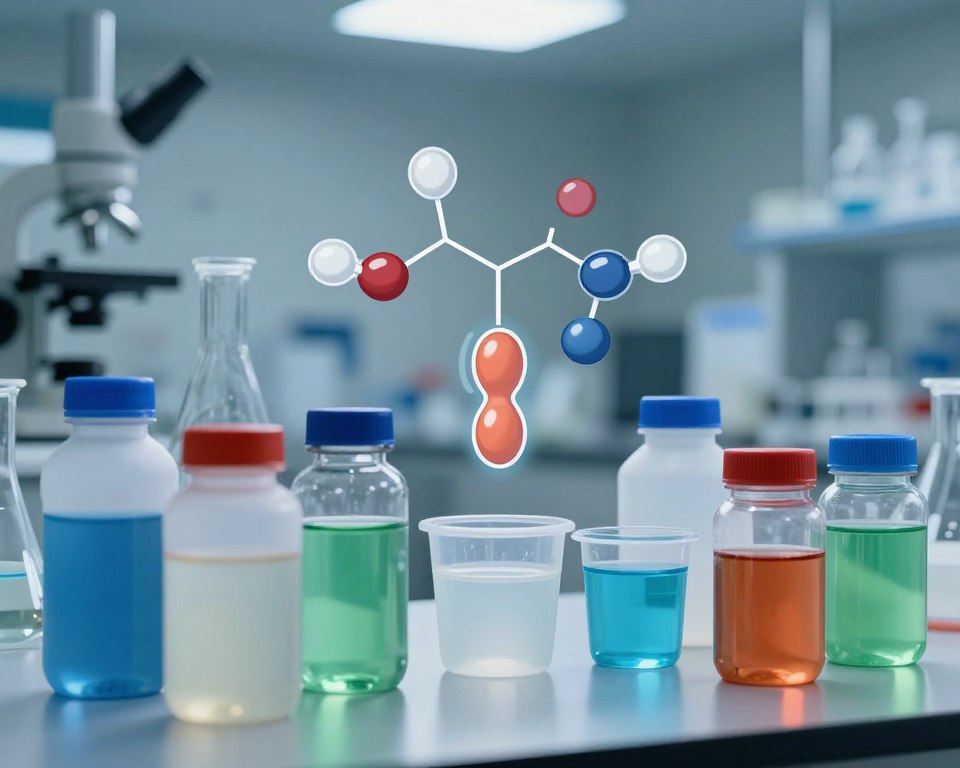
Many people don’t know that chemicals in plastic can get into food and drinks. These chemicals, called endocrine-disrupting chemicals (EDCs), are not stuck in the plastic. They can mix into the plastic but not bond to it.
This means they can move into what you store in the plastic. This is a big issue when we talk about effects of plastic containers on hormones. Liquids like water or milk can pick up these chemicals over time.
The risk of these chemicals getting out increases as the plastic gets older or damaged. Scratches or cracks can let them escape faster. Keeping your containers in good shape is key to avoiding exposure.
From a doctor’s point of view, I tell patients to watch out for temperature. I’ve seen that keeping food cold can help. Heat makes these chemicals move from the plastic into your food faster.
Common Hormone Disruptors Found in Food Storage
Today’s food storage often uses synthetic additives that can be Plastic Container Hormone Disruptors. These chemicals make plastics last longer, look clearer, or bend easier. But, they can get into your food, mainly when it’s hot or acidic.
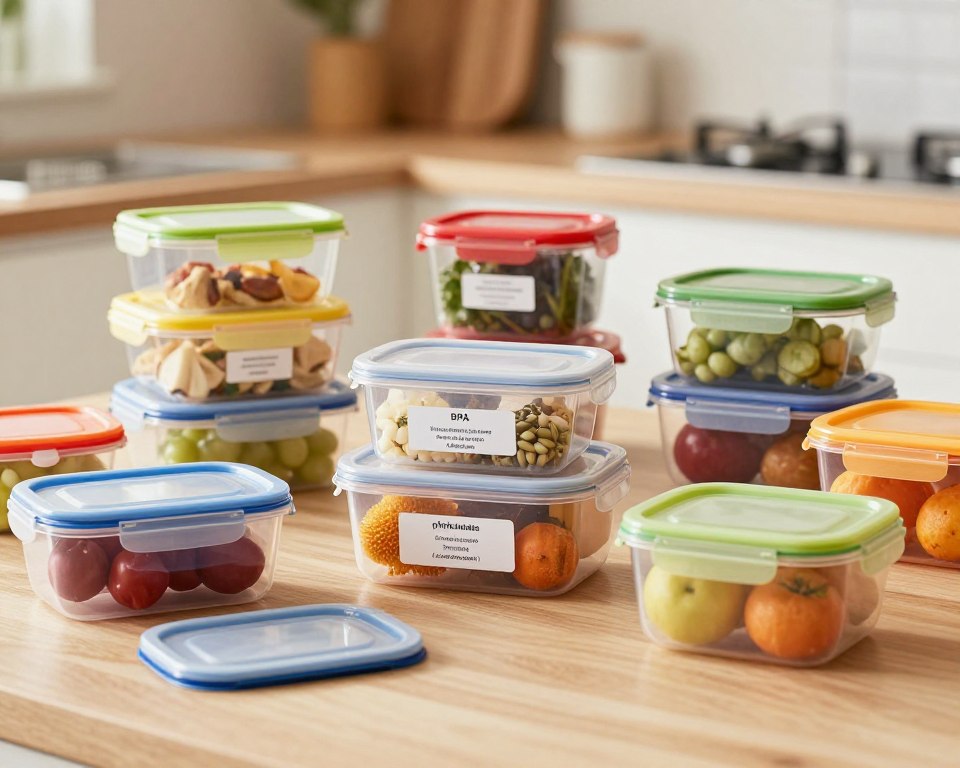
Studies show these chemicals might mess with our body’s hormone signals. This is a big worry for our health. The Endocrine Society says these plastics are harmful. Knowing this helps us choose safer kitchen items.
Bisphenol A (BPA) and Its Synthetic Alternatives
Bisphenol A (BPA) is a key chemical in plastics. Even though many products say “BPA-free,” they might still have Plastic Container Hormone Disruptors. Companies often use BPS or BPF instead of BPA.
These new chemicals act like BPA but can still be harmful. They can get into food and affect hormone receptors. So, just because a product doesn’t have BPA doesn’t mean it’s safe.
Phthalates and Plasticizers in Flexible Containers
Phthalates make plastics soft and flexible. You’ll find them in thin bags or soft lids. Since they’re not stuck to the plastic, they can leak into food over time.
When we eat these Plastic Container Hormone Disruptors, they can mess with our hormones. This can change how hormones work in our bodies. This might lead to health problems later on. Here’s a table showing what these additives do and their risks.
| Additive Class | Primary Function | Common Usage | Health Concern |
|---|---|---|---|
| Bisphenols (BPA/BPS) | Hardening/Durability | Rigid containers | Estrogen mimicry |
| Phthalates | Flexibility | Soft lids/wraps | Hormone interference |
| Plasticizers | Pliability | Food packaging | Endocrine disruption |
Mechanisms of Hormone Interference in the Human Body
Chemicals from storage items can leak and affect our hormones. These substances, known as endocrine-disrupting chemicals (EDCs), can mess with our body’s signals. They can act like hormones or block receptors, causing confusion that lasts long after exposure.
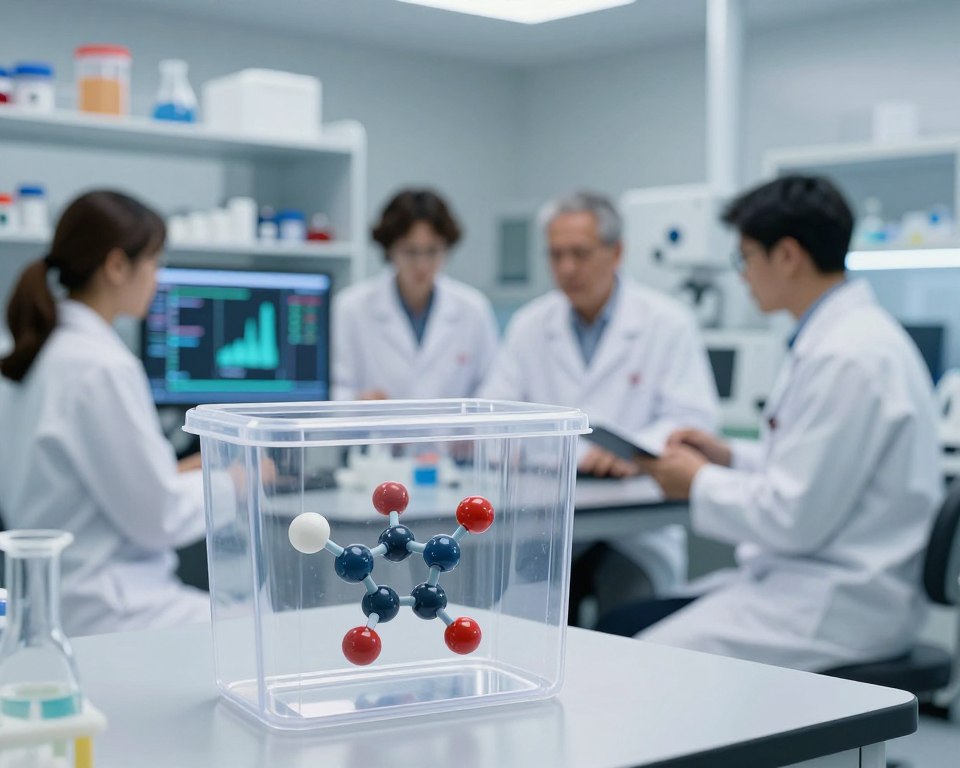
Even small amounts of these chemicals can be harmful. They can get into our cells and even reach our brains. This lets them mess with our body’s control centers, affecting our health.
“The endocrine system is a delicate web of signals; when synthetic chemicals mimic these messengers, the body struggles to maintain its natural balance.”
Estrogen Mimicry and Receptor Binding
Many plastics have chemicals that look like estrogen. These can bind to estrogen receptors in our bodies. This tricks cells into thinking they’re getting a hormonal signal.
This is a big concern because it can affect tissues that are very sensitive to estrogen. Daily habits like storing food in plastics are important to think about. People often ask is-reheating-plastic-containers-safe/. The answer is often yes, but heat can make chemicals move faster.
Subtle hormonal shifts from this binding can have big effects over time. This is true, even with long-term exposure.
Disruption of Thyroid Function
Some plastics also mess with our thyroid function. The thyroid helps control our metabolism and energy. When EDCs interfere, they can change how our thyroid hormones work.
This can make it hard for our body to regulate its metabolism. Since the thyroid affects so many important functions, even small problems can have big effects on our health. Professional clinical observation says it’s wise to avoid these plastics for our endocrine health.
Health Risks Associated with Chronic Exposure
Long-term use of plastic containers can harm our health. These chemicals are everywhere, so it’s key to know how they add up. Knowing about Hormonal Imbalance from Plastic Containers helps us choose better.

Impact on Reproductive Health and Fertility
Plastic chemicals can cause reproductive problems. They mess with hormone signals, upsetting the balance needed for fertility.
Studies show these chemicals can make it hard for men and women to get pregnant. They can block or mimic hormones, messing with the body’s reproductive paths.
Metabolic Consequences and Weight Regulation
Research links plastic chemicals to metabolic issues. These Health Risks of Hormone Disrupting Plastics affect how we process energy and control weight.
High exposure to these chemicals may lead to insulin resistance. This makes it tough to manage weight, as the body’s signals get mixed up.
| Health Category | Potential Risk Factor | Clinical Observation |
|---|---|---|
| Reproductive | Endocrine disruption | Reduced fertility rates |
| Metabolic | Insulin sensitivity | Weight regulation issues |
| Endocrine | Thyroid interference | Hormonal imbalance |
Vulnerable Populations and Developmental Sensitivity
It’s crucial to know how plastic affects our bodies, mainly for the most vulnerable. Adults have strong detox systems, but pregnant women and young kids face special challenges. Even small hormonal imbalance from plastic containers can cause big health changes during these key times.
Prenatal Exposure and Fetal Development
The time before birth is very sensitive to harmful chemicals. The growing fetus needs precise hormone signals to develop properly.
Studies show that chemicals like EDCs can cause epigenetic changes. These changes affect how genes work, not the DNA itself, and can last a lifetime.
“Early-life exposure to endocrine disruptors can program the body for disease later in life, creating risks that may persist across multiple generations.”
Since these chemicals can pass through the placenta, it’s key for expectant parents to avoid plastic. Reducing hormonal imbalance from plastic containers during pregnancy is crucial for the child’s health.
Childhood Growth and Pubertal Timing
Children grow fast and their hormones change a lot. This makes them very sensitive to substances that mimic or block natural hormones.
Research shows that some plasticizers can affect when puberty starts. This can impact a child’s health and well-being for a long time.
To keep kids safe, consider these steps:
- Prioritize glass or stainless steel for storing hot foods and liquids.
- Don’t heat food in plastic containers, as it makes chemicals leak faster.
- Check plastic items often; damaged ones are more likely to cause hormonal imbalance from plastic containers.
By being careful with how we store food, we can lower the chemical load on kids’ bodies. This simple change can protect them during their most important years.
The Role of Heat and Wear in Chemical Leaching
Heating leftovers or using the dishwasher can expose you to synthetic chemicals. When we talk about Plastic Container Hormone Disruptors, heat is key. It makes these chemicals move into your food more easily.
Many plastics get more porous when hot. This lets additives escape and get into your food.
Microwaving Plastic Containers and Temperature Spikes
Microwaving food in plastic can cause hot spots. These hot spots can make chemicals in the plastic get into your food. As a pharmacist, I tell patients to avoid heating food in plastic to stay safe.
If you’re worried about your storage habits, check if is plastic microwave container safe for you. Using glass or ceramic is safer for reheating. These materials don’t have the same chemicals that leach when hot.
Dishwasher Cycles and Surface Degradation
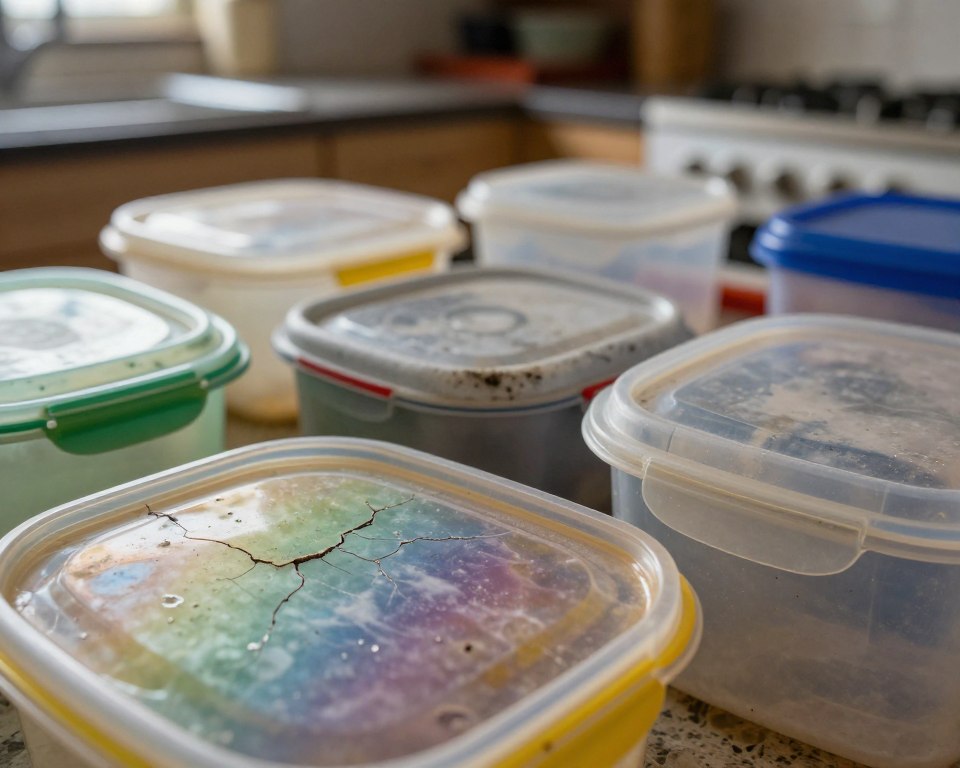
Dishwashers also wear down plastic over time. The high pressure and heat break down the plastic’s surface. This makes tiny cracks and scratches inside the container.
These small damages let more chemicals get into your food. As plastic gets older, it’s more likely to leak chemicals. Check your containers for cloudiness or pits to know when to replace them.
Regulatory Landscape and Safety Standards in the United States
It’s important to know how the government checks plastic safety to understand the Health Risks of Hormone Disrupting Plastics. Many people think all food-grade materials are tested well. But, the truth about government checks is more complex.
FDA Oversight of Food Contact Substances
In the U.S., the Food and Drug Administration (FDA) watches over substances that touch food. These include plastics and additives in containers. The FDA makes sure these materials don’t mix with food in harmful ways.
But, with so many chemicals in plastics, it’s hard for the FDA to keep up. There are thousands of chemicals used, and new ones come out fast. This complex system means some chemicals are approved with old data.
Limitations of Current Testing Protocols
Experts worry that tests don’t catch long-term effects of plastics. Tests look for quick harm, not slow, long-term effects. This is a big problem for chronic exposure to plastics.
Studies show over 144 plastics chemicals are harmful. This shows our current tests might not protect us enough. We need new tests to understand the dangers of plastics better.
| Assessment Criteria | Traditional FDA Focus | Endocrine-Specific Needs |
|---|---|---|
| Exposure Duration | Short-term/Acute | Chronic/Lifetime |
| Dose Response | High-dose thresholds | Low-dose sensitivity |
| Health Endpoints | Immediate toxicity | Hormonal disruption |
| Chemical Scope | Individual substances | Cumulative mixtures |
The gap between chemical use and checks is a big worry. To tackle the Health Risks of Hormone Disrupting Plastics, we need better tests. Tests that show how these chemicals affect us over time.
Identifying Safer Alternatives for Food Storage
Switching to safer storage can protect your hormone health and plastic containers. Choose materials that don’t leak harmful chemicals. This makes your food storage safer.
Glass Containers and Borosilicate Benefits
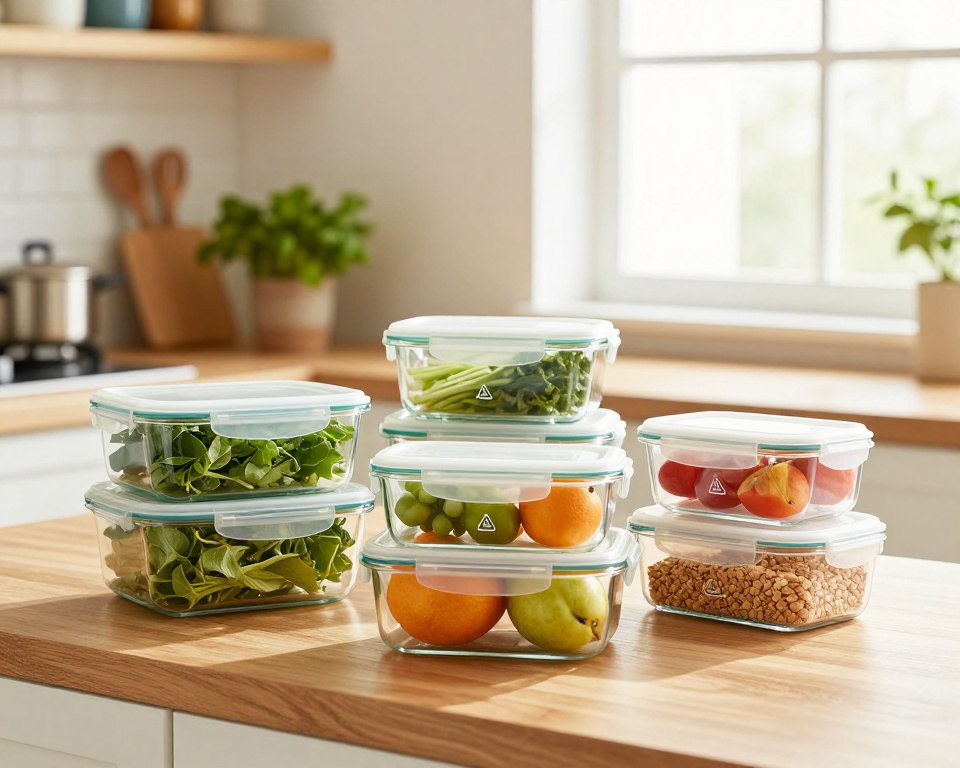
Glass is the best choice for non-toxic storage. It’s chemically inert, so it won’t react with food. Borosilicate glass is great because it’s safe for the freezer and oven.
This glass is clear, so you can see what’s inside. It’s also safe from chemicals. Research shows glass is a key way to reduce chemical exposure. It lasts a long time, too.
Stainless Steel Options for Durability
Stainless steel is a great, light option for storing food. It’s made from high-quality, food-grade steel. This steel doesn’t rust or break down, even with moisture or heat.
Look for 18/8 or 304-grade stainless steel for the best protection. These containers are easy to clean and don’t hold smells or stains. They keep your food fresh and help you avoid plastic.
Ceramic and Silicone Considerations
Ceramic containers are stylish and safe, as long as the glaze is lead-free. They’re good for reheating because they heat evenly. Make sure the manufacturer says it’s safe for food.
Silicone is a flexible, light option instead of plastic. But, make sure it’s high-quality and food-grade. Low-quality silicone might not be safe for your hormone health and plastic containers goals.
| Material | Best Use | Durability | Safety Profile |
|---|---|---|---|
| Borosilicate Glass | Oven, Freezer, Storage | High | Excellent (Inert) |
| Stainless Steel | Dry Goods, Lunchboxes | Very High | Excellent (Non-leaching) |
| Ceramic | Reheating, Serving | Moderate | Good (If lead-free) |
| Food-Grade Silicone | Flexible Lids, Bags | High | Good (If pure) |
Practical Tips for Reducing Plastic Exposure at Home
To protect your hormone health and plastic containers, change how you store and handle food. It’s not hard to make small changes that add up. By choosing the right materials and handling techniques, you make your home safer for everyone.
Transitioning Away from Single-Use Plastics
Reducing your contact with synthetic materials is key. Items like thin water bottles and takeout containers are not safe for long-term use. Prioritizing reusable alternatives helps prevent additives from leaching into your food.
Begin by swapping plastic wrap for beeswax wraps or silicone lids. Choose storage solutions that are safe and won’t react with food. Also, be careful with cleaning products as harsh chemicals can harm plastic and increase chemical migration.
Proper Cleaning and Storage Habits
Keeping your kitchenware clean is as important as the material itself. Avoid using harsh cleaners or high heat in the dishwasher. These can damage plastic and make it unsafe. Always use mild detergents and soft sponges to keep your containers in good shape.
“The goal is to minimize the migration of synthetic compounds into our food supply by choosing stable, non-reactive storage materials whenever possible.”
Here’s a comparison to help you pick the best materials for your home:
| Material Type | Durability | Chemical Safety | Best Use |
|---|---|---|---|
| Borosilicate Glass | High | Excellent | Heating and Storage |
| Stainless Steel | Very High | Excellent | Dry Goods and Transport |
| Food-Grade Silicone | Moderate | Good | Flexible Lids and Bags |
| Standard Plastic | Low | Variable | Short-term Cold Storage |
To keep your hormone health and plastic containers safe, avoid using plastic in the microwave or dishwasher. Heat can cause chemicals to leach into your food. Moving food to glass or ceramic before heating is a simple way to stay safe. These changes help make your kitchen a safe place, not a source of harm.
Interpreting Plastic Resin Identification Codes
Many people ignore the small numbers inside recycling triangles. Yet, these symbols are key to spotting Plastic Container Toxicity on Hormones. Originally made for waste management, they now help us understand what’s in our food storage.
Knowing how to read these labels helps you choose safe food storage materials. It lets you avoid synthetic chemicals and protect your family.
Decoding Recycling Symbols for Safety
The resin identification code is a number from 1 to 7, found in a triangle on containers. Each number shows the type of plastic, affecting how it handles heat, acidity, and time.
For example, code 1 (PET) is for water bottles, meant for single-use only. Reusing these can cause surface damage, raising Plastic Container Toxicity on Hormones risks.
Which Plastics to Avoid Entirely
Some plastics leach more than others, making them bad for food. Codes 3, 6, and 7 are often warned against because of phthalates, styrene, or bisphenols.
Staying away from these plastics is a proactive strategy for a safer kitchen. Glass or stainless steel are safer choices to avoid chemical migration.
| Code | Plastic Type | Common Use | Safety Note |
|---|---|---|---|
| 1 | PET/PETE | Water bottles | Single-use only |
| 3 | PVC | Food wrap | Avoid for food |
| 6 | PS | Styrofoam | High leaching risk |
| 7 | Other | Polycarbonate | Often contains BPA |
The Connection Between Plastic Waste and Environmental Hormonal Impact
Plastic waste does more harm than just littering our oceans and landscapes. It also leaves behind harmful chemicals that affect living things. Understanding how Plastic Container Toxicity on Hormones works is key to seeing the bigger picture.
Microplastics in the Food Chain
Microplastics are like Trojan Horses, sneaking toxic chemicals into the food chain. They soak up pollutants from water or soil because of their large surface area. When animals eat them, these pollutants get into their bodies.
This link between industrial waste and our health is clear. Eating food with these pollutants can add to our body’s toxic load. This shows why we need to tackle Plastic Container Toxicity on Hormones on a large scale.
Bioaccumulation in Ecosystems
As these pollutants move up the food chain, they grow stronger in predators’ bodies. Because they stick to fat, they stay in the system for a long time. This means one plastic container can harm an entire ecosystem for years.
Experts worry about the health risks from this buildup. Seeing how our environment and bodies are linked helps us understand the need to reduce plastic use. Cutting down on plastic is crucial to lessen the harm from Plastic Container Toxicity on Hormones.
Current Research Gaps and Future Scientific Directions
Our current data shows big risks, but we still don’t know everything about plastics and health. Most studies are short-term or use animals, which might not show what happens in humans over a long time. We need to fill these gaps to make safety standards better.
The Need for Longitudinal Human Studies
We must focus on longitudinal human studies to understand long-term risks. These studies help us see how exposure to plastics affects health over years. They let us study the effects of nanoplastics and chemicals on health.
Right now, we don’t have enough evidence to prove links between plastics and health in people. Long-term studies will give us the data we need. They’ll show how plastics affect our bodies during important times in our lives.
Advancements in Non-Toxic Polymer Engineering
New work in non-toxic polymer engineering is very promising. Scientists are making plastics that are safe and last long without harmful chemicals. They’re making plastics that are safe for us to use.
Using green chemistry in making plastics is a big step forward. It helps create plastics that don’t harm us. We need to keep studying to make sure these new plastics are safe for everyone.
Image Disclosure and Educational Context
This article uses images to make complex ideas easier to understand. We use visual tools to show how materials affect the environment and our bodies. This helps you learn more about the topics we cover.
Some images in this article are AI-generated for educational purposes. They are meant to help you understand concepts, not to show real lab results or medical findings.
Remember, these images are not a substitute for a doctor’s visit. If you’re worried about your health or the safety of your home items, like glass food storage, talk to a professional.
We aim to be accurate in our educational content. Below is a table that explains the purpose and use of the visual materials in this guide.
| Visual Type | Primary Purpose | Scope of Use |
|---|---|---|
| Conceptual Diagrams | Explain chemical leaching | Educational illustration |
| AI-Generated Imagery | Visualize molecular structures | General reference only |
| Comparative Charts | Highlight material safety | Data-driven analysis |
| Safety Icons | Identify hazard levels | Quick reference guide |
Public Health Perspectives on Plastic Usage
Public health experts see plastic-related endocrine disruption as a big challenge. They say we need to work together globally. Changing our habits is key, but we also need big policy changes.
They want rules for every part of plastic use, from making it to getting rid of it. Our current systems don’t protect us from harmful chemicals in plastics. Making safer plastics at the start can help a lot.
“The protection of public health from chemical exposure is not merely a matter of personal choice; it is a fundamental requirement for sustainable development and long-term population wellness.”
We all have a role in keeping our health safe. When governments and big companies agree on safety, we all benefit. Here’s where we can make a difference.
| Policy Focus | Current Challenge | Proposed Solution |
|---|---|---|
| Chemical Additives | Use of toxic plasticizers | Mandatory phase-out of known EDCs |
| Waste Management | Microplastic contamination | Advanced filtration and circular design |
| Manufacturing | Lack of transparency | Standardized labeling and safety audits |
| Global Standards | Fragmented regulations | Unified international safety protocols |
Changing big policies is the best way to keep our health safe. Moving to a circular economy is a step in the right direction. With smart policies, we can fight health problems caused by chemicals.
Conclusion
Studies show that plastic containers can lead to hormone issues by releasing harmful chemicals. Knowing how these chemicals work helps you pick safer storage for your kitchen.
Switching to glass or stainless steel is a smart move to avoid chemical exposure. These changes can greatly reduce your daily risks.
So, can plastic containers cause hormone problems in your home? It depends on your daily habits and the materials you use in your kitchen.
Improving your safety doesn’t mean changing everything at once. Making small, steady changes in how you store and heat food can make a big difference for your family’s health.
Research on synthetic polymers is ongoing, with scientists finding new information all the time. Keeping up with these studies helps you make informed choices about food storage.
Your dedication to living based on evidence is key to avoiding harmful toxins. Start making changes in your kitchen today to protect your health in the long run.
FAQ
Can plastic containers cause hormone problems through everyday food storage?
Yes. Many plastic containers have chemicals that can get into your food. These chemicals can mess with your hormones. They can make your body think it’s getting the wrong hormone signals.
What are the most common hormone disruptors in plastic containers?
Bisphenol A (BPA) and phthalates are the main culprits. BPA makes plastics hard, and phthalates make them flexible. Even if a product says “BPA-free,” it might still have harmful chemicals.
How does heat affect the safety of plastic food storage?
Heat makes chemicals in plastics leak faster. This happens when you microwave or use the dishwasher. To stay safe, use glass or ceramic instead of plastic.
What are the potential health risks of hormone disrupting plastics for children?
Kids and pregnant women are at higher risk. These plastics can mess with their growth and when they start puberty. Early exposure can even change their DNA.
How can I identify which plastics are most likely to cause hormone interference?
Look for the resin identification code inside the recycling triangle. #3 (PVC) and #7 plastics often have hormone disruptors. Stick to #1, #2, #4, and #5 plastics, but glass is safest.
Does “BPA-free” mean a container is completely safe for hormone health?
No. “BPA-free” means it doesn’t have Bisphenol A, but it might have other chemicals. These can still affect your hormones, so it’s not completely safe.
What are the best alternatives to reduce the effects of plastic containers on hormones?
Use non-reactive materials like borosilicate glass or stainless steel. They don’t leach chemicals. For flexible options, choose food-grade silicone instead of plastic wraps or bags.
How do microplastics contribute to hormonal issues?
Microplastics carry toxins into the food chain. They absorb pollutants and then get eaten by us. This makes the toxins more concentrated and increases hormone risks.