Did you know that nearly 30% of household respiratory irritations are linked to improper chemical handling during routine chores? Many homeowners use strong sprays to clean surfaces. But they often forget about the impact on indoor air quality.
It’s important to know if your favorite household products are safe. When used right, they kill germs well. But using them wrong can harm your health.
It’s crucial to avoid improper application to prevent common cleaning mistakes that hurt your breathing. By following the maker’s instructions, you can keep your family safe and your home clean.
Key Takeaways
- Always ensure proper ventilation by opening windows while using sanitizing sprays.
- Never mix household chemicals, as this can create dangerous fumes.
- Individuals with asthma or COPD should exercise extra caution around strong odors.
- Wearing protective gear like gloves can prevent skin and lung irritation.
- Follow label instructions strictly to ensure safe and effective product use.
Understanding the Chemical Composition of Clorox Clean-Up
Knowing what’s in your cleaning products is key to safer cleaning. When you grab Clorox Cleaner With Bleach, you’re using a strong disinfectant. Learning about its ingredients helps you avoid household cleaner health risks at home.
Active Ingredients and Their Functions
The main ingredient, sodium hypochlorite, is 1% to 5% in the product. It kills bacteria and viruses by breaking down their proteins. Surfactants help the cleaner spread and remove tough dirt.
Together, these ingredients keep your home clean. But, they’re strong, so you need to ventilate well. Following the instructions helps keep your home clean and safe.
The Role of Sodium Hypochlorite in Household Cleaning
Sodium hypochlorite is a key germ-killer in many cleaners. It’s effective but also causes a strong smell. This smell comes from the chemical reaction with organic matter.
Because it’s so active, it can irritate your lungs if you don’t have good air flow. Knowing this lets you take steps like opening windows. Using Clorox Cleaner With Bleach means you’re choosing a clean home and good air quality.
Is Clorox Clean-Up Cleaner With Bleach Toxic to Breathe?
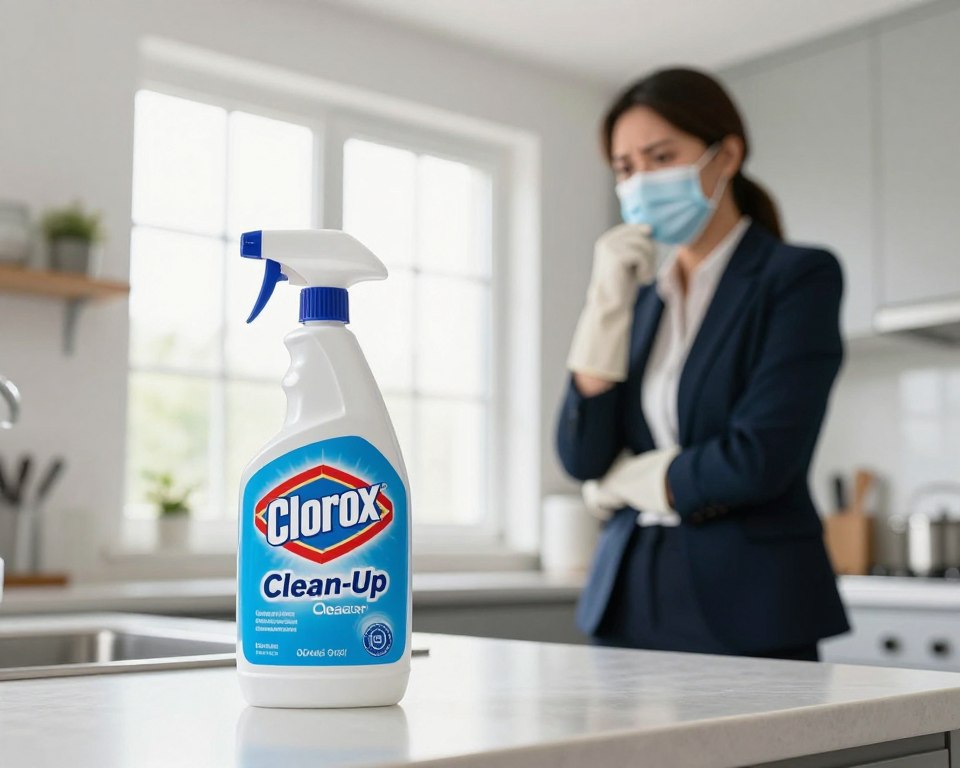
Many homeowners wonder, is Clorox Clean-Up cleaner with bleach toxic to breathe when they clean? It’s key to know the difference between something being poisonous and causing temporary discomfort. This cleaner is good at cleaning surfaces but shouldn’t be breathed in. Using it wrong can make your breathing hurt.
Defining Toxicity in the Context of Household Cleaners
When we talk about Clorox Clean-Up toxicity, we mean how it might irritate your nose, throat, and lungs. It’s not about poisoning you from one cleaning session.
It’s about how your body reacts to the chemical smells. If you want to know more, check out is bleach toxic when inhaled. It helps understand how these chemicals affect your breathing.
How Inhalation Occurs During Routine Cleaning
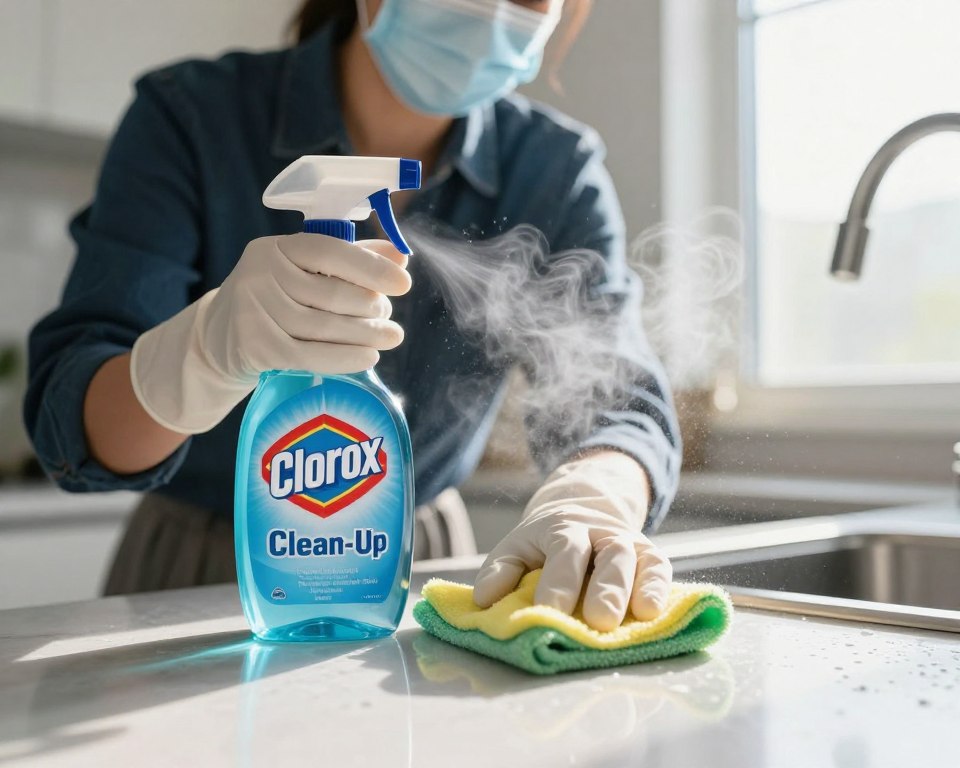
Inhalation of vapors or mist often happens in small or poorly aired spaces. When you spray, the liquid turns into tiny droplets that can get into your airways.
Several things affect how much you might breathe in while cleaning:
- Spray distance: If you hold the nozzle too close, you’re more likely to breathe in the mist.
- Ventilation: Cleaning in small, closed spaces like bathrooms without air can trap vapors.
- Application method: Spraying hard makes more particles airborne than wiping it on a cloth.
By being careful, you can lower your exposure. Always make sure to have fresh air by opening windows or using fans when using cleaning sprays at home.
The Science of Bleach Fumes and Respiratory Irritation
Ever wondered why bleach makes your nose sting? Using bleach cleaner inhalation can happen because it releases chemicals into the air. Knowing how these fumes work is key to keeping your home safe and comfy.
Why Bleach Fumes Cause Immediate Discomfort
The strong smell of bleach comes from chlorine gas and other chemicals. When sodium hypochlorite mixes with air moisture, it irritates your mucous membranes. This immediate physical response tells your body the air quality has changed.
You might feel a burning throat or eyes when using these products in small spaces. This discomfort is because the chemicals react strongly. If you’re worried about product safety, learn more about is ammonia-based cleaner toxic to understand how they affect your lungs.
The Impact of Volatile Organic Compounds
Volatile Organic Compounds (VOCs) affect how we feel about air quality when cleaning. Bleach itself isn’t a VOC, but it can mix with other chemicals to create harmful substances. For example, mixing bleach with acidic cleaners can release dangerous chlorine gas.
This mixing increases the risk of bleach cleaner inhalation, which can cause serious breathing problems. It’s crucial to have good air flow to dilute these chemicals and keep them from building up in your home. Below is a table showing dangerous chemical mixes to avoid for your safety.
| Chemical Combination | Resulting Hazard | Respiratory Risk |
|---|---|---|
| Bleach + Acid | Chlorine Gas | High (Severe Irritation) |
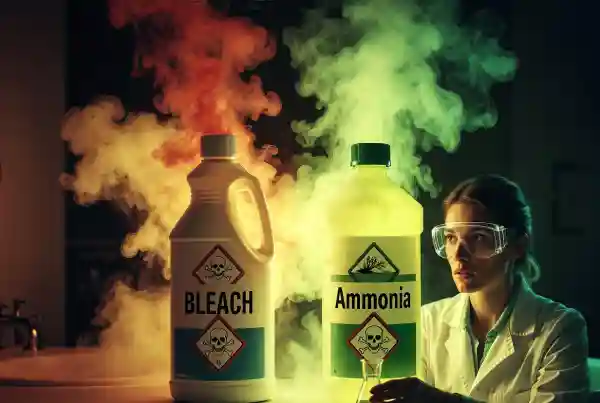
| Bleach + Ammonia | Chloramine Vapor | High (Toxic Fumes) |
| Bleach + Organic Matter | VOC Byproducts | Moderate (Sensory Discomfort) |
Knowing about these chemical reactions helps you avoid bleach cleaner inhalation risks. Always choose fresh air and safe handling to keep your home a healthy place.
Common Symptoms of Bleach Inhalation Exposure
Knowing how bleach cleaner inhalation affects your body is key to a safe home. When using bleach, your body might react to the fumes if the area isn’t well-ventilated. Spotting these signs early helps you act fast and keep your lungs safe.
Recognizing Mild Respiratory Irritation
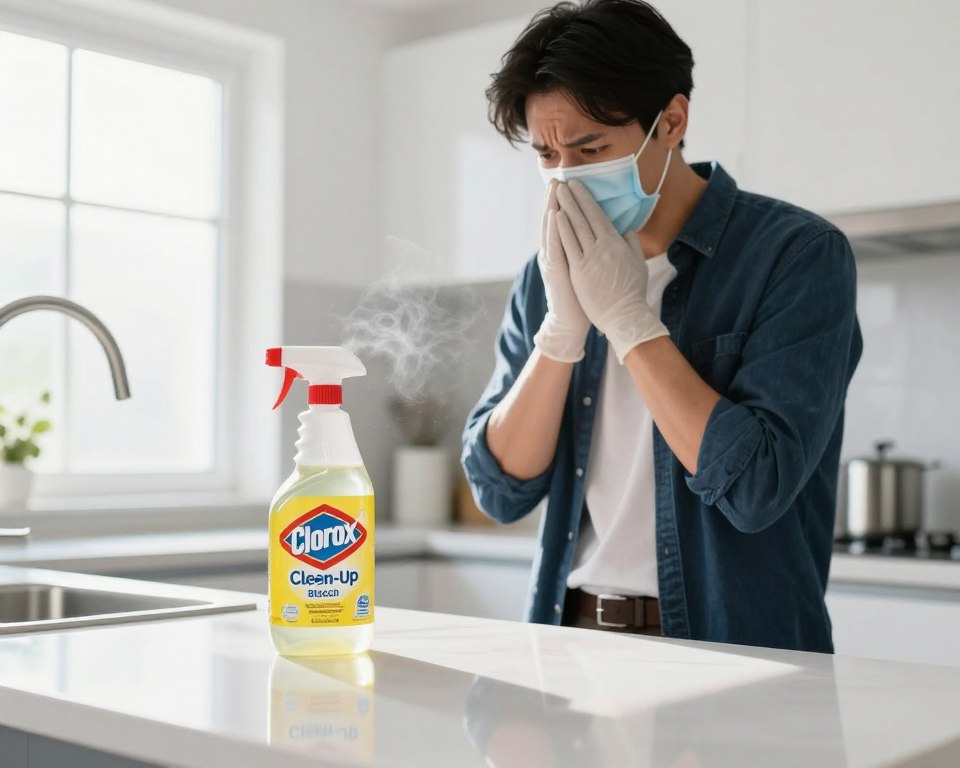
Most people feel only minor discomfort from bleach fumes at low levels. These symptoms usually go away once you get to a room with fresh air. If you see these signs, it’s time to stop cleaning and get some better air right away.
Common signs of mild irritation include:
- A scratchy or sore throat while cleaning.
- Watery, stinging, or red eyes.
- A dry, persistent cough or feeling of tightness in the chest.
- Sneezing or a runny nose from nasal passage irritation.
When to Seek Medical Attention for Inhalation Issues
While mild symptoms often go away by themselves, some need medical help. Never ignore signs of a serious reaction to bleach cleaner inhalation. If you feel lightheaded, dizzy, or have trouble breathing, get help fast.
Also, remember that mixing certain chemicals can create harmful gases. For example, mixing bleach and certain other substances can release toxic vapors that need immediate medical care. If your symptoms last after leaving the area or if you have asthma, call a doctor or your local poison control center.
Factors That Increase Inhalation Risks
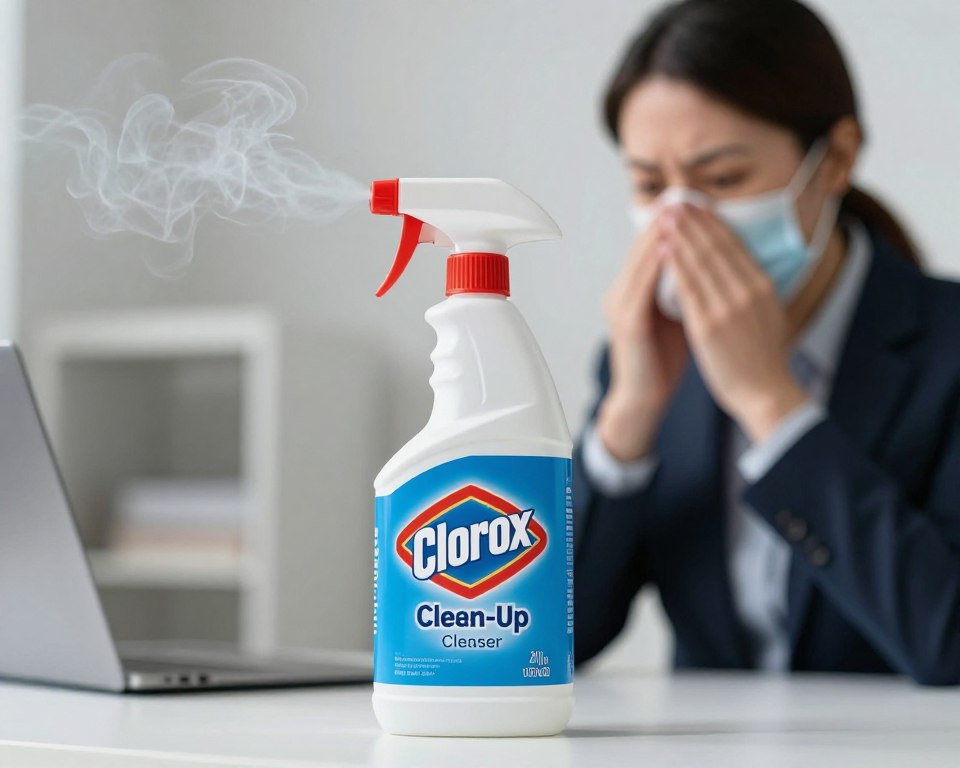
Many people don’t realize the dangers of using household cleaners in tight spaces. Keeping your home clean is good, but knowing about Clorox Clean-Up Inhalation Hazard is key for your health. Making small changes in your cleaning routine can greatly improve your home’s air quality.
The Importance of Proper Ventilation in Small Spaces
Cleaning small areas like bathrooms or laundry closets can be tough because of poor air flow. Using strong cleaners in these tight spots can lead to harmful vapors. Always make sure to get fresh air by opening windows or using exhaust fans before starting.
If your bathroom doesn’t have a window, open the door and use a portable fan. This helps move chemical vapors out of the room. Wondering if disinfectant spray is toxic to when the room is well-ventilated? Good airflow greatly lowers the chance of breathing in harmful fumes.
Concentration Levels and Spraying Techniques
How you spray cleaner affects how much air it pollutes. Spraying from a distance creates a fine mist that easily spreads through the air. This makes it more likely to face a Clorox Clean-Up Inhalation Hazard because the small droplets are easy to inhale.
To lower this risk, spray the cleaner onto a cloth or sponge first. This keeps the liquid from turning into mist that fills the room. Controlling your spraying technique is a smart way to make cleaning safer for your family.
Dangerous Chemical Reactions to Avoid
Knowing which chemicals go together is key for homeowners. Clorox Clean-Up works well on its own. But mixing cleaning products can be risky. It can harm your indoor air quality.

Why You Should Never Mix Bleach with Ammonia
Don’t mix bleach with ammonia-based products. This mix creates chloramine gas, which is bad for your lungs. Even a little bit can make you cough, hurt your chest, and irritate your eyes and throat.
Many cleaners, like glass cleaners, have ammonia. Always check the labels before cleaning. Keep your supplies separate to avoid harmful fumes.
The Hazards of Combining Bleach with Acidic Cleaners
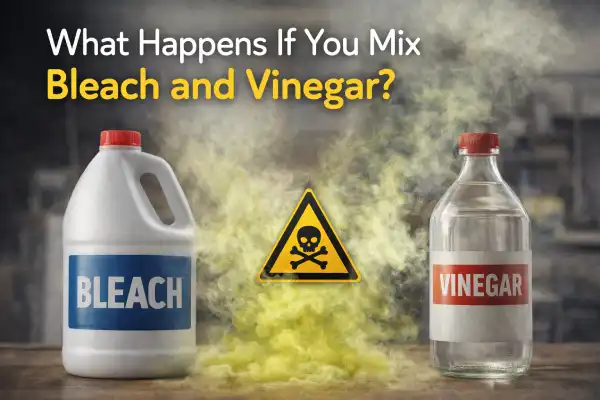
Mixing bleach with acidic cleaners is also risky. Things like vinegar and toilet bowl cleaners are acidic. When they meet bleach, they release chlorine gas into the air.
Chlorine gas irritates your breathing and can burn your nose and lungs. These reactions happen fast. Never think that combining strong cleaners is safe. It makes a toxic environment that’s harmful to everyone at home.
Safety Protocols for Using Clorox Clean-Up
Keeping your home clean shouldn’t harm your health. By sticking to Clorox Clean-Up Safety tips, you can have a clean home without harming your lungs. Making a few simple changes can greatly improve your comfort.
Best Practices for Spraying and Wiping
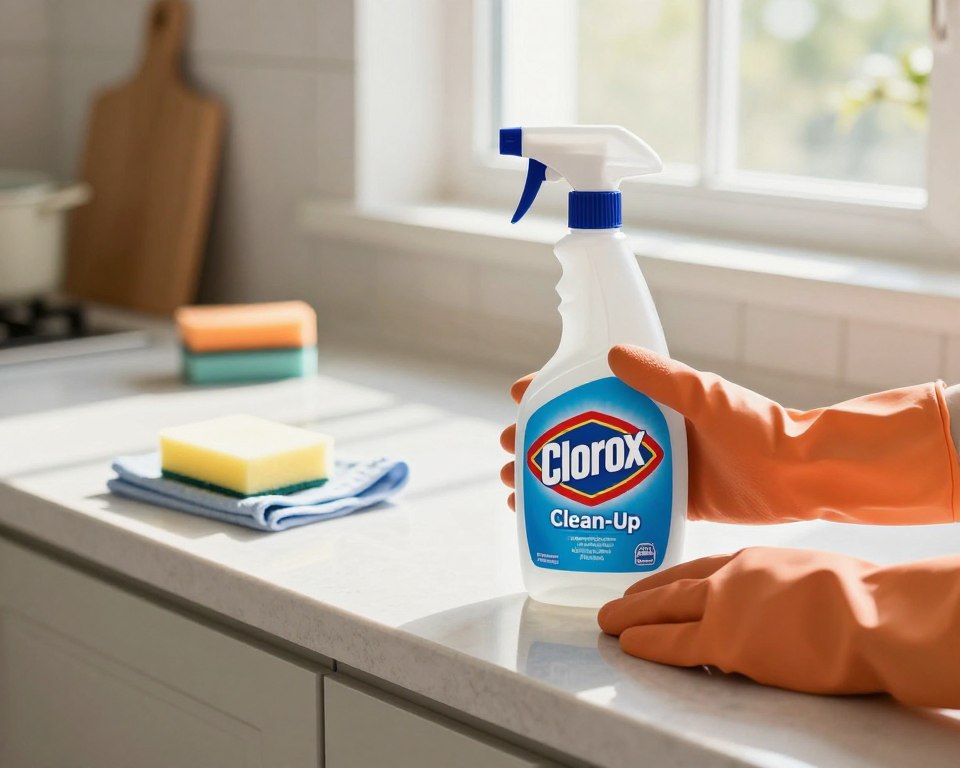
Changing how you use the cleaner can help a lot. Instead of spraying it directly, try spraying it onto a cloth or paper towel first. This method stops the fine mist that can spread in the air.
Make sure your area has good airflow before you start. Open a window or turn on a fan to clear out any vapors. This way, you make your cleaning safer and more effective.
Protective Measures for Sensitive Individuals
If you’re sensitive to cleaners, you need to be extra careful. Wear protective gear like rubber gloves to avoid skin irritation and keep your hands safe.
Also, if you’re cleaning in small spaces where splashes might happen, wear safety glasses. These simple physical barriers protect your eyes from accidental splashes. By taking these steps, you make sure your cleaning is safe and gentle.
Vulnerable Populations and Bleach Sensitivity
Keeping your loved ones safe from harmful substances is crucial. Some people are more at risk from bleach-based products. Knowing who might be more sensitive helps make your home safer for everyone.
Risks for Individuals with Asthma and COPD
If you or a family member has asthma or COPD, be extra careful. People with these conditions are very sensitive to bleach fumes. Even a little bit can make things worse or be very uncomfortable.
Studies on cleaning products and breathing health show why these groups need to be careful. It’s best to avoid strong bleach cleaners in areas where they spend a lot of time. If you must use them, make sure they are in another room until it’s well-ventilated.
Protecting Children and Pets During Cleaning
Children and pets are more likely to get affected by chemicals because they spend more time on floors and surfaces. Their smaller bodies and still-developing systems make them more sensitive. Here are some easy ways to reduce these Household Cleaner Health Risks:
- Keep them away: Make sure children and pets are in a different room while you clean.
- Rinse surfaces: Clean areas where pets or children play with water after using bleach.
- Ventilate well: Always open windows to clear the air before letting family members back in.
- Store safely: Keep all cleaning supplies in high, locked cabinets that are out of reach.
By focusing on the safety of your most vulnerable family members, you keep your home a healthy place. These small steps can make a big difference in their long-term health.
Long-Term Health Considerations of Bleach Exposure
Clorox Clean-Up is common in many homes, but its long-term safety is a concern for many. People often worry about the health risks of using bleach cleaners often. It’s key to know the difference between regular household cleaning and frequent professional cleaning to grasp the risks of Clorox Clean-Up Toxicity.
Chronic Exposure vs. Occasional Use
Using bleach products now and then is usually safe for healthy people if they follow the instructions. But, using it a lot for work might pose different risks. The science on long-term effects and cancer risks is still largely unknown for home use.
Experts mainly worry about long-term use causing respiratory sensitization. If you clean every day, you might want to think about using oxygen bleach instead of chlorine for daily cleaning. This can lower your exposure to harsh chemicals.
Understanding Cumulative Respiratory Effects
Cumulative respiratory effects happen when the lungs keep getting irritated over time. While one-time use is unlikely to harm, breathing in fumes often can make some people more sensitive. This is a big worry for those with lung problems.
Studies on Clorox Clean-Up Toxicity show that keeping the air inside clean is the best way to avoid these effects. By making sure there’s good air flow and not doing too much heavy cleaning, you can control your exposure. Always choose safety by cleaning in areas with good air flow to keep your home healthy and comfy.
Proper Storage and Handling to Minimize Fumes
Storing Clorox Clean-Up right is key for keeping it fresh and safe. Handling cleaning products with care lowers the chance of harmful fumes. A little extra effort in organizing your cleaning supplies can greatly improve your home’s air.
Maintaining Container Integrity
Keeping your cleaning products stable is crucial. Always turn the spray nozzle to “off” after each use. Keeping the container tightly closed stops vapors from escaping.
Check the bottle often for damage or leaks. If the packaging is damaged, the chemicals can mix wrong, causing gas. Always store the product in its original container to avoid confusion with other liquids.
Safe Storage Locations in the Home
Choosing the right spot for your cleaning supplies is as important as how you seal them. Avoid direct sunlight or high temperatures. Heat can break down the bleach solution, increasing pressure in the bottle.
Find a cool, dry, and well-ventilated space for your supplies. A high shelf or a locked cabinet is best, if you have kids or pets. This keeps your cleaners working well and your home fresh and safe.
Emergency Response for Accidental Overexposure
If you accidentally breathe in too much bleach vapor, acting fast is key to your recovery. Dealing with a Clorox Clean-Up Inhalation Hazard means staying calm and acting quickly to avoid harm to your lungs.
Immediate Steps to Take After Inhaling Fumes
The first thing to do is get yourself or the person affected to a place with fresh air right away. If you’re inside, open windows and doors to get better air flow. Or, go outside completely.
- Take off any clothes that got splashed with the cleaner.
- Wash your skin or eyes with cool, clean water for at least 15 minutes if you think you got it directly.
- Sit up straight to help you breathe better while you wait for the irritation to go away.
Remember, not all cleaning products are the same, and some are safer than others. You can learn more about household chemicals by checking if is toilet bowl cleaner toxic to breathe. This can help you understand your home better.
When to Contact Poison Control
While mild irritation might go away once you get to fresh air, some cases need medical help. If you keep coughing, feel tight in your chest, or have trouble breathing after being exposed to a Clorox Clean-Up Inhalation Hazard, call for help.
For emergencies, call 1-800-446-1014 for quick help. Poison control experts can give you advice based on how much you inhaled and your symptoms. Always have the product container ready when you call, as they might need to look at the ingredients to give the best advice.
Comparing Clorox Clean-Up to Alternative Cleaning Agents
Clorox Cleaner With Bleach is a common choice for cleaning. But, it might be too strong for everyday cleaning. Knowing when to use a strong cleaner versus a gentle one is key to a clean home.
Bleach is not safe for cleaning fruits or veggies. If you’re worried about chemicals, you might ask is mold remover spray toxic in busy areas. Trying different cleaners helps you clean each room right.
Non-Bleach Alternatives for Daily Maintenance
For daily messes, you don’t need Clorox Cleaner With Bleach. Soap and water work well for dirt, grease, and grime. Bleach doesn’t clean debris, so you need to clean first.
- Mild Dish Soap: Great for kitchen grease on counters.
- Vinegar Solutions: Natural for mineral deposits and stains.
- Baking Soda: Gently scrubs food without scratching.
Evaluating the Efficacy of Hydrogen Peroxide Cleaners
Hydrogen peroxide is a good choice if you don’t like Clorox Cleaner With Bleach‘s smell. It kills bacteria by breaking down organic matter. It’s safe because it turns into water and oxygen.
But, hydrogen peroxide isn’t always the best choice. It’s great for cleaning but doesn’t whiten like bleach. Always think about what you need to clean and how before picking a cleaner.
Environmental and Indoor Air Quality Impact
Cleaning your home shouldn’t harm your indoor air or the planet. We often focus on clean surfaces, but many household chemicals are toxic. This toxicity can stay long after cleaning is done.
How Cleaning Products Affect Home Air Quality
Many cleaners release harmful VOCs into your home. These can build up in closed rooms, causing breathing problems. Learn more about these risks and how to protect your family by checking out cleaning supplies and household chemicals.
The environmental impact of these products is huge. They can harm aquatic life and pollute water systems. Choosing safer alternatives can greatly reduce your ecological footprint.
“The greatest threat to our planet is the belief that someone else will save it.”
Strategies for Improving Air Circulation Post-Cleaning
To reduce Cleaning Product Toxicity, always prioritize ventilation. Open windows and use exhaust fans during and after cleaning. This helps spread out chemical vapors quickly.
Here’s a table to show how different cleaning habits affect your home:
| Cleaning Habit | Air Quality Impact | Environmental Risk |
|---|---|---|
| Heavy Spraying | High VOC levels | High chemical runoff |
| Proper Ventilation | Improved air flow | Reduced exposure |
| Eco-friendly Products | Minimal pollutants | Low aquatic toxicity |
By changing your cleaning habits, you can keep your home clean and reduce Cleaning Product Toxicity. Small changes, like using less product or choosing natural ingredients, make your home safer and more sustainable.
Regulatory Standards and Safety Labeling
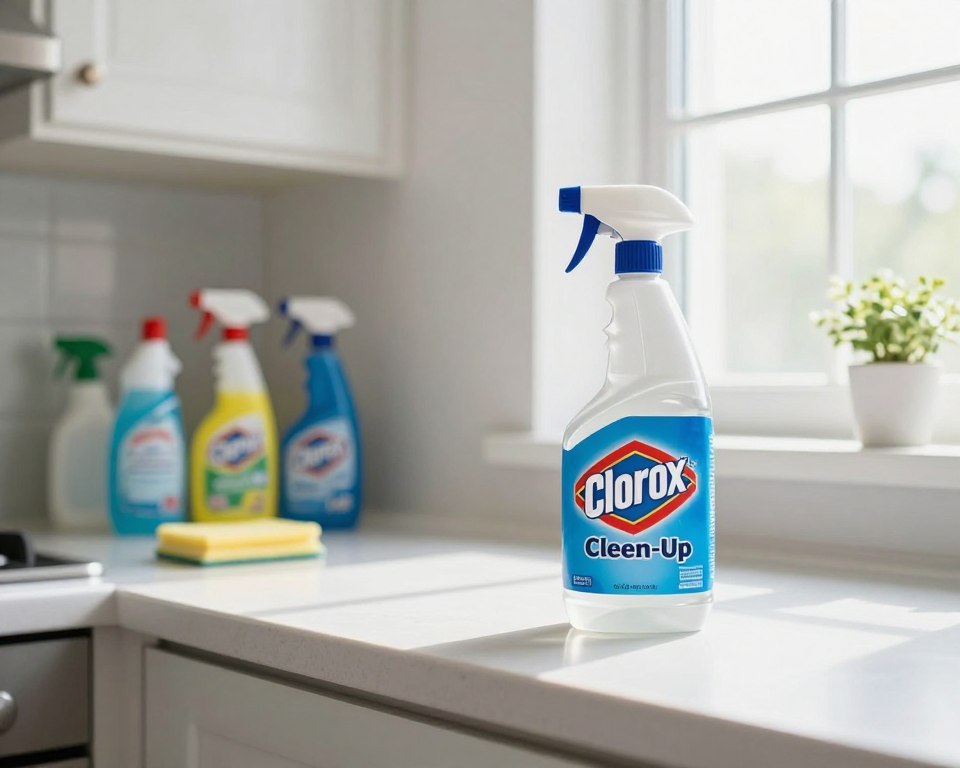
When you see a bottle of Clorox Clean-Up, you might not notice all the important info. It’s key to know this info to keep your home safe. By understanding the symbols and text on the packaging, you can use these products wisely.
Interpreting EPA and OSHA Guidelines
The Environmental Protection Agency (EPA) checks on household cleaners like Clorox Clean-Up. This product is EPA-registered, number 67619-17. This means it’s been tested for safety and effectiveness.
Following the EPA’s rules helps the product work as it should. The Occupational Safety and Health Administration (OSHA) also has rules for safety. Their guidelines are important for keeping your home safe.
“The goal of chemical labeling is to provide clear, actionable information that empowers the user to mitigate risks before they occur.”
Understanding Manufacturer Safety Data Sheets
The Safety Data Sheet (SDS) is a detailed guide. It tells you about the product’s chemicals, how to handle it, and what to do in emergencies. The label is quick to read, but the SDS is for deeper safety info.
| Document Type | Primary Purpose | Target Audience |
|---|---|---|
| Product Label | Quick usage instructions | General Consumers |
| Safety Data Sheet | Technical hazard data | Professionals/Safety Officers |
| EPA Registration | Regulatory verification | Government/Public |
You can find the SDS on the manufacturer’s website. Reading it helps you know the risks of breathing in or touching the product. By taking the time to read these resources, you can make your cleaning safer and more controlled.
Conclusion
Clorox Clean-Up is a strong tool for cleaning surfaces in your home. To manage Cleaning Product Toxicity, you need to be proactive in your cleaning routine.
You can keep your home safe by knowing what’s in your cleaning supplies. By adopting smart cleaning habits, you make your home safer for everyone.
Review how you store and use cleaning products. Simple steps like opening windows and wearing gloves can help reduce toxicity.
Your dedication to safety makes your home clean and healthy. Share these tips with others to help them create a safer space too.
Check your cleaning supplies and choose products that fit your family’s health needs. A careful approach to cleaning brings peace of mind to your home.
FAQ
Is Clorox Clean-Up Cleaner With Bleach toxic to breathe in small bathrooms?
While not inherently a poison, it is a significant respiratory irritant. In small, poorly ventilated spaces, the concentration of fumes can quickly cause coughing or throat irritation, increasing the Clorox Clean-Up inhalation hazard.
Can I use Clorox Cleaner With Bleach around my pets?
It is best to keep pets out of the room during cleaning. Animals have sensitive respiratory systems, and the fumes from bleach cleaner inhalation can be more distressing to them than to humans.
What should I do if I accidentally inhaled too much Clorox Clean-Up?
Immediately move to an area with fresh air. If symptoms like wheezing or difficulty breathing persist, seek medical attention or contact a poison control center to manage household cleaner health risks.
Is Clorox Clean-Up toxicity a concern for people with asthma?
Yes, individuals with asthma or COPD are much more sensitive to sodium hypochlorite. The fumes can trigger inflammation and asthma attacks, so using bleach-free alternatives is often recommended for these individuals.
Why does Clorox Clean-Up have such a strong smell?
The scent comes from sodium hypochlorite, the active disinfecting ingredient. The “bleach smell” is actually a sign of the chemical reacting with organic matter or the air, releasing vapors that can contribute to cleaning product toxicity if levels are too high.
Can I mix Clorox Clean-Up with vinegar for extra cleaning power?
Absolutely not. Mixing Clorox Clean-Up with acidic products like vinegar releases chlorine gas, which is extremely dangerous to breathe and a major Clorox Clean-Up safety violation.
Is it safer to spray Clorox Clean-Up or wipe it on?
Wiping is generally safer for your lungs. Spraying aerosolizes the product, making bleach cleaner inhalation more likely. Applying the cleaner to a cloth first minimizes the mist in the air.
Does Clorox Clean-Up Cleaner With Bleach pose a long-term health risk?
Occasional household use is considered safe for most people. Professional cleaners who are exposed to these fumes daily must take extra precautions to prevent cumulative damage to their respiratory systems.