Did you know that homes use over 60 pounds of synthetic chemicals each year? These chemicals promise a clean home but leave behind a hidden residue. Many people don’t think about how cleaning products residue safety affects their family.
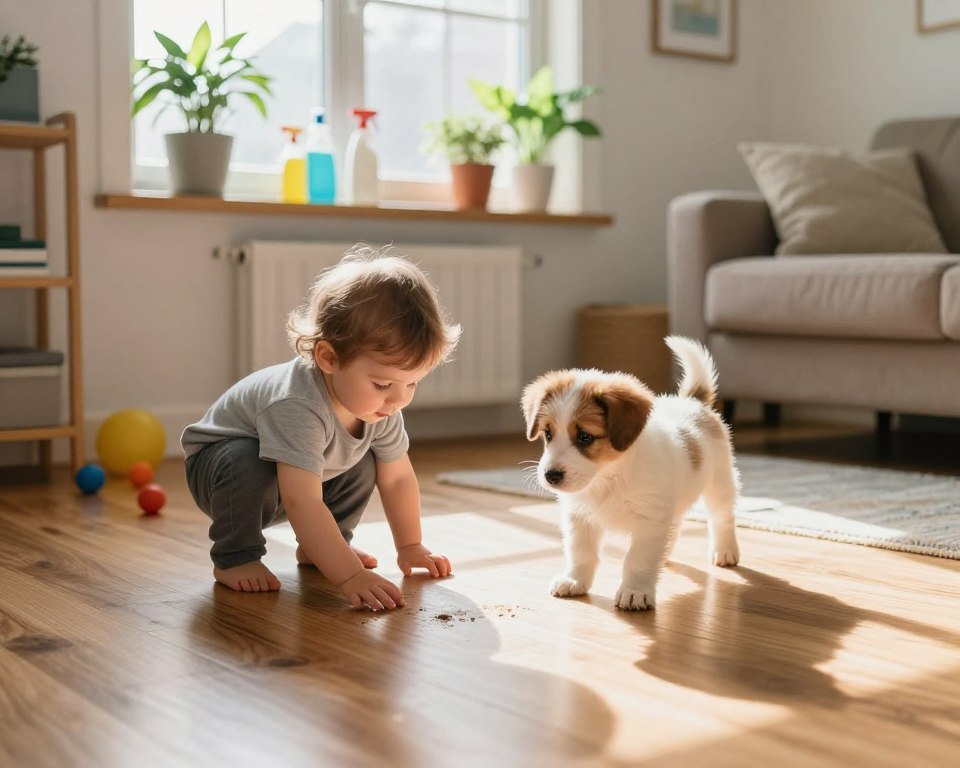
Infants and small animals are often in close contact with floors. This means they are exposed to harmful chemicals that stay on floors long after cleaning. It’s important to understand these risks to keep our homes safe.
Maybe you’re wondering if mold remover spray is toxic in areas where everyone uses it. It’s crucial to check every cleaning product in your home. By making smart choices, you can keep your home clean without harming your family.
Key Takeaways
- Small children and animals face higher risks due to their size and developing systems.
- Always ensure proper ventilation by opening windows while you work.
- Never mix different chemical agents, as this can create dangerous toxic gases.
- Consider using milder, natural alternatives like white vinegar for routine maintenance.
- Keep all supplies in their original, tightly sealed containers away from reach.
- Monitor family members for signs of irritation like coughing or skin redness.
Understanding the Chemistry of Floor Cleaning Residues
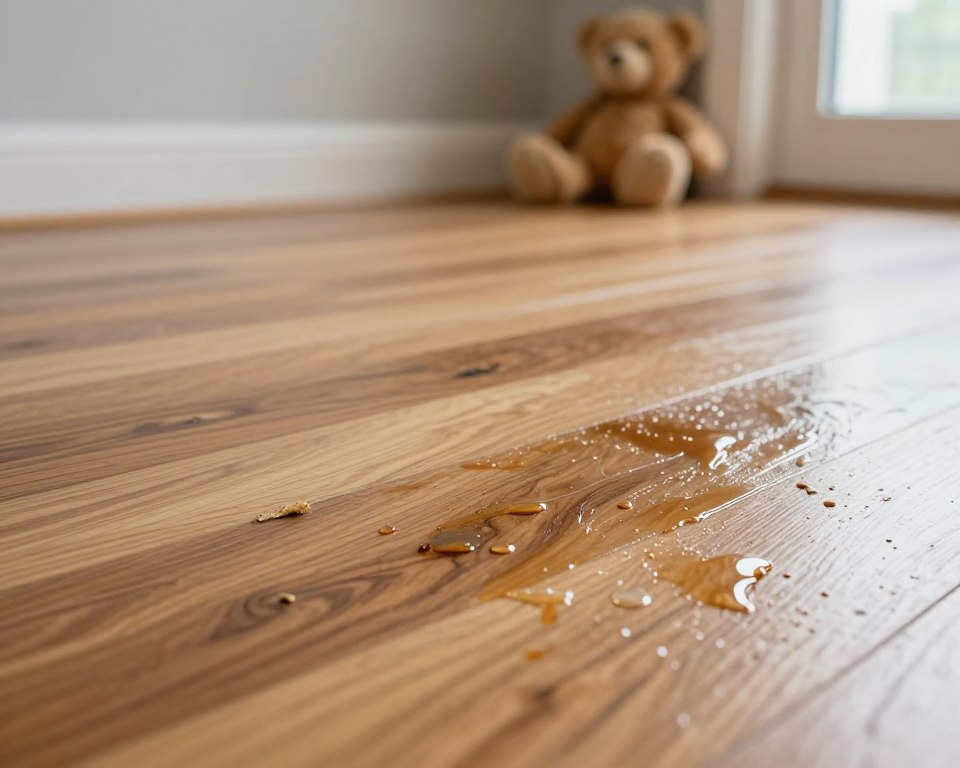
Knowing what stays on your floor after mopping is key to a healthy home. Many think a shiny floor means it’s clean. But, the truth is more complex. Cleaners have special agents to tackle tough dirt and oils.
How Surfactants and Solvents Interact with Surfaces
At the core of most cleaners are surfactants. They connect water to dirt. These molecules can grab onto oil-based stains and dissolve in water. They lower water’s surface tension, helping to remove dirt from your floors.
Solvents are added to tackle tough stuff that surfactants can’t handle. They’re great at breaking down grease. But, if not diluted right or if surfaces aren’t rinsed, a thin layer of these chemicals stays behind.
The Persistence of Chemical Films After Drying
Many cleaners leave a “shine” or protective coating. This invisible layer traps dust, allergens, and bacteria. It doesn’t just dry away with the water.
This buildup is a big concern for homes with sensitive people. Not removing these substances can harm your family and pets. This guide on cleaning products that harm pets highlights the risks. Knowing that this floor cleaning residue stays long after drying is crucial. It helps us choose safer, more effective cleaning habits for our homes.
Are Cleaning Product Residues on Floors Safe for Children and Pets
Are you sure your cleaning products are safe for your family? Many think a floor is clean once it dries. But, invisible chemical films can stay behind. It’s key to use safe cleaning products for children and pets to keep your home healthy.
Developmental Vulnerabilities in Infants and Toddlers
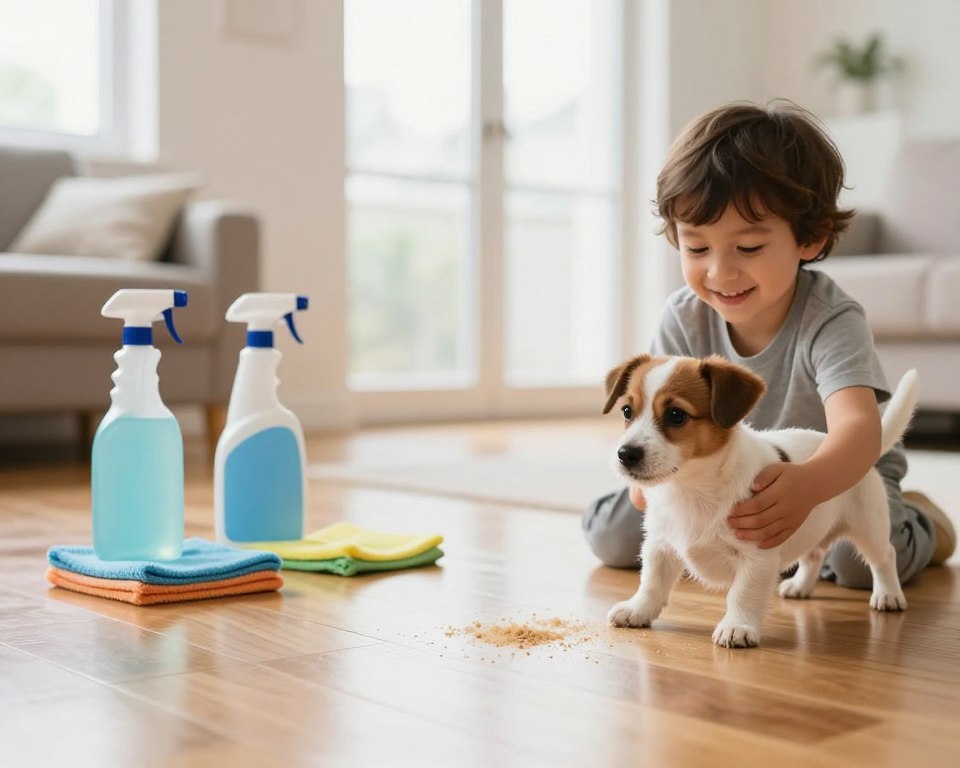
Infants and toddlers are very sensitive to toxins. They crawl a lot, touching the floor with their skin. This can lead to dermal absorption of harsh chemicals from cleaners.
Young children also put their hands and toys in their mouths. This behavior increases the risk of ingesting harmful chemicals. These can be bad for their growing immune and nervous systems.
Physiological Differences in Pets and Their Exposure Risks
Pets face unique risks from floor cleanliness. They walk barefoot and nap on the floor. Their paw pads absorb chemicals into their bloodstream.
Pets also groom themselves by licking their paws and fur. If they walk on toxic floors, they’ll ingest these substances. Since pets are smaller, even small amounts of chemicals can harm them more.
| Exposure Factor | Infants/Toddlers | Pets |
|---|---|---|
| Primary Contact | Hands, knees, and toys | Paw pads and fur |
| Ingestion Risk | Hand-to-mouth behavior | Grooming and licking |
| Sensitivity | Developing organs | Smaller body mass |
| Surface Interaction | Crawling and playing | Walking and napping |
Knowing these risks helps make your home safer. Use non-toxic alternatives to keep floors safe for play and rest. Always choose safe cleaning products for children to avoid hidden dangers.
Common Toxic Ingredients Found in Conventional Floor Cleaners
When you clean your floors, you might be leaving behind more than just a sparkling shine. Many standard solutions contain harsh chemicals that linger long after the surface dries. Finding safe cleaning products for children and pets is essential for maintaining a healthy home environment.
It is helpful to research whether are household cleaning products safe or before you mop your living space. By understanding what is in your bottle, you can make better choices for your family.
Phthalates and Synthetic Fragrances
Many conventional cleaners use synthetic fragrances to create a “clean” scent. Unfortunately, these fragrances often contain phthalates, which are chemicals used to help the scent last longer. These substances are known endocrine disruptors that can interfere with hormonal health.
Ammonia and Chlorine Bleach Hazards
Ammonia and chlorine bleach are powerful disinfectants, but they come with significant risks. These ingredients can cause severe respiratory irritation if inhaled, in small, enclosed rooms. Direct contact with these chemicals can also lead to painful skin burns or eye irritation for curious toddlers and pets.
Quaternary Ammonium Compounds and Skin Irritation
Quaternary ammonium compounds, often called “quats,” are common in many antibacterial floor cleaners. While they kill germs effectively, they are also linked to contact dermatitis and skin sensitivity. If you are looking for safe cleaning products for children and, it is wise to avoid these harsh compounds. Choosing plant-based alternatives can provide peace of mind while keeping your floors clean and worry-free.
The Pathway of Exposure for Crawling Children
The living room floor is a big world for a curious toddler. They touch surfaces that might have hidden chemicals. It’s key to use child-safe cleaning products residue-free options to keep them safe.
Dermal Absorption Through Hands and Knees
When a child crawls, their skin touches the floor a lot. The skin on their knees and palms is thin and absorbs chemicals easily. This can cause irritation or let chemicals get into their body.
Many cleaners leave behind chemicals that don’t go away. These chemicals stay in carpets or on hard floors. They wait for a crawling baby to pick them up. It’s important to use child-safe cleaning products residue to keep these surfaces clean.
Hand-to-Mouth Behavior and Ingestion Risks
Babies naturally put things in their mouths, including their hands. This means any chemicals from the floor can get into their stomach. Even a little bit of child-safe cleaning products residue can add up over time.
Toddlers are close to the floor a lot, so they’re at higher risk of eating something they shouldn’t. Cleaning your floors less can help keep your child safe. Here’s how different cleaning methods affect exposure.
| Cleaning Method | Residue Potential | Safety Level |
|---|---|---|
| Standard Detergents | High | Low |
| Diluted Vinegar | Low | High |
| Steam Cleaning | Very Low | Excellent |
| Plant-Based Soaps | Moderate | Good |
Knowing how chemicals get into your home helps you choose safer products. Using child-safe cleaning products residue helps make a safer place for your child to play and grow.
How Pets Interact with Floor Surfaces
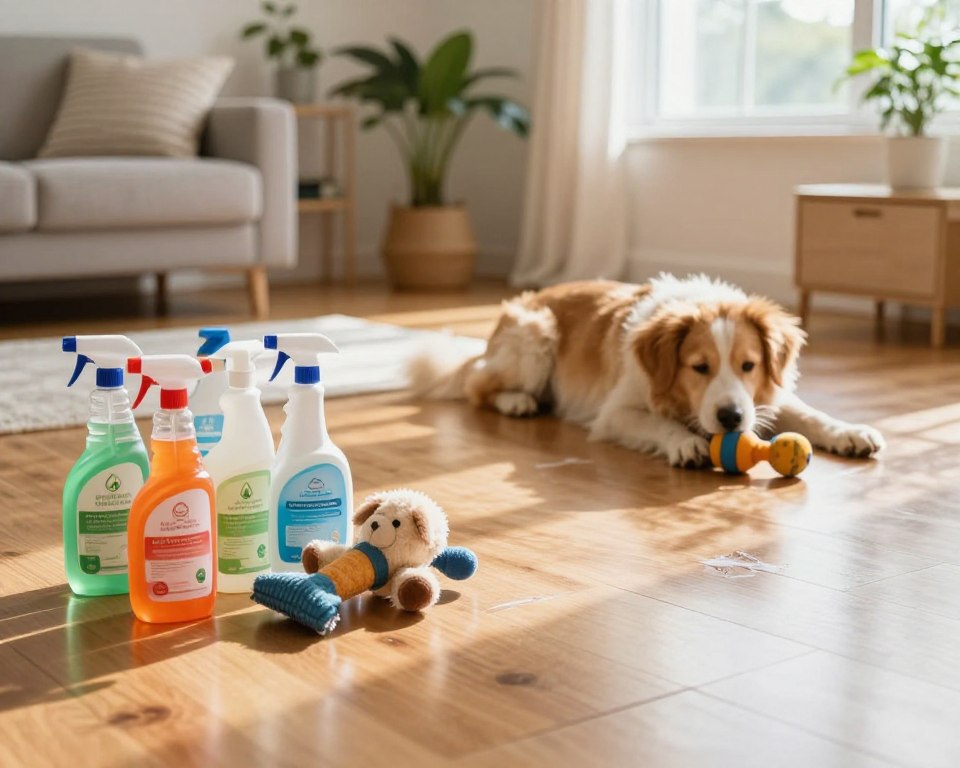
Your pet spends a lot of time on the floor, unlike humans who wear shoes. This means they are highly vulnerable to chemicals from household cleaners.
Grooming Habits and Ingestion of Residue
Cats and dogs groom themselves a lot, licking their fur and paws. If the floor has chemical residue, they will ingest it. This can harm their health, depending on the type of cleaner.
Some household cleaners are toxic to pets. For example, certain ingredients in cleaners are toxic to cats and dogs. Choosing safer cleaners can prevent poisoning during grooming.
Paw Pad Sensitivity and Chemical Absorption
A pet’s paw pads are sensitive and can absorb chemicals. Walking on a recently mopped floor can irritate or even burn their paws. Protecting your pet’s paws means using the right cleaning supplies.
Using pet-friendly floor cleaning products keeps your floors safe for pets. These products clean without leaving harmful residue. Switching to pet-friendly cleaners makes your home a healthier place for your pets.
Short-Term and Long-Term Health Effects of Exposure
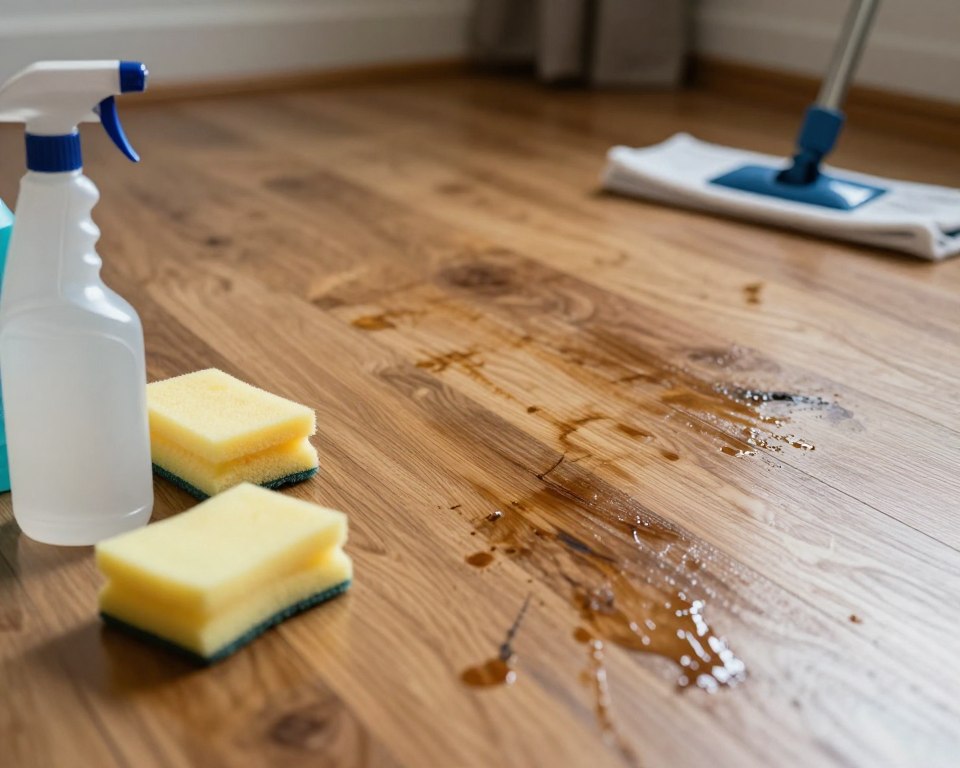
Your floors might look sparkling clean, but the invisible film left behind by common cleaners could be impacting your well-being in ways you have not considered. Understanding the potential floor cleaning products residue effects is a vital step in maintaining a truly healthy home environment for your loved ones.
Respiratory Issues and Indoor Air Quality
Many conventional cleaners release volatile organic compounds (VOCs) into the air as they dry. When you inhale these fumes, you may experience immediate discomfort, such as throat irritation or coughing. Over time, poor indoor air quality caused by these residues can exacerbate existing respiratory conditions like asthma.
Dermatitis and Allergic Reactions
Direct contact with chemical films on the floor often leads to skin sensitivity. If you or your children walk barefoot, you might notice redness, itching, or even contact dermatitis. These floor cleaning products residue effects are frequently triggered by harsh surfactants that strip the skin of its natural protective oils.
Endocrine Disruption Concerns
Beyond immediate physical reactions, there are growing concerns regarding the long-term impact of synthetic chemicals. Certain ingredients found in standard cleaners are known as potential endocrine disruptors. These substances may interfere with hormonal balance, which is concerning for developing children and sensitive pets. By being aware of these floor cleaning products residue effects, you can take proactive steps to create a safer living space.
Identifying Truly Non-Toxic Floor Cleaning Options
Finding non-toxic floor cleaning options can be tricky. Many brands say they are safe, but the truth is often hidden. You should know what touches your floors every day.
Reading Labels Beyond Marketing Claims
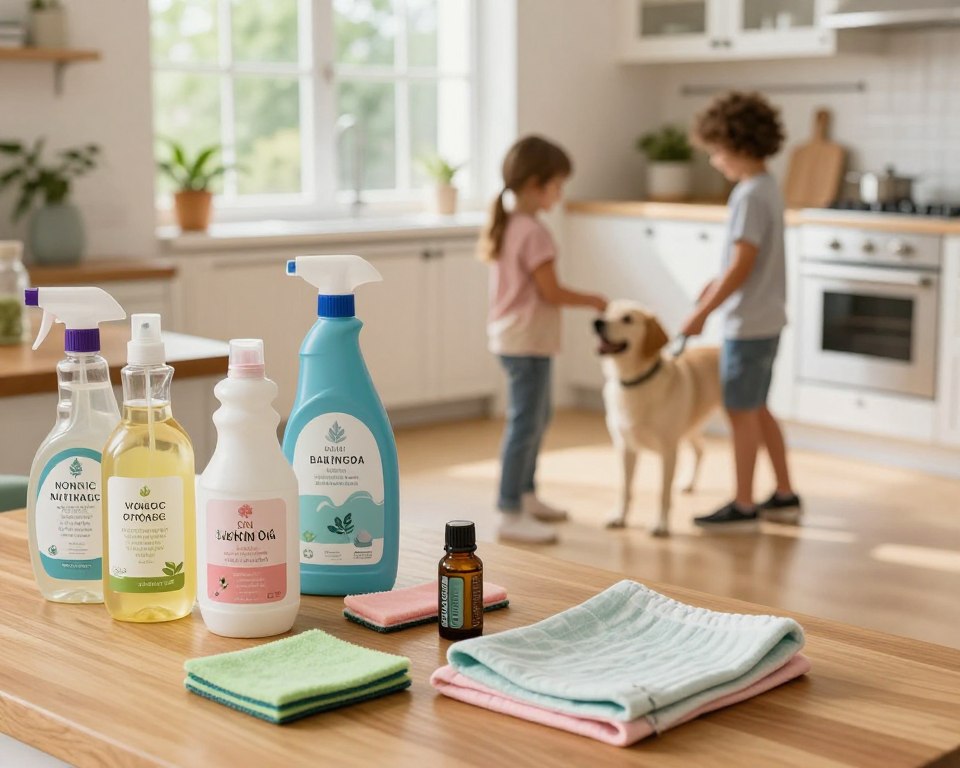
Terms like “natural” or “eco-friendly” might not mean what you think. To find truly safe products, check the ingredient list. Look for clear ingredient names, not vague terms like “surfactants” or “fragrance.”
If a product just says “fragrance,” it might have phthalates. Transparency is key for safe products. If you can’t find a clear ingredient list, choose another product.
Understanding Third-Party Certifications
Third-party certifications are a quick way to trust a brand. These groups check if products are safe and green. They help you find non-toxic floor cleaning options easily.
Look for these trusted labels when you shop:
- EPA Safer Choice: This label means every ingredient is safe for humans and the environment.
- Green Seal: Products with this seal meet high standards for safety and performance.
- ECOLOGO: This certification shows a product has been tested to reduce environmental harm.
Choosing products with these labels makes you feel confident. It keeps your family and pets safe from harmful chemicals. Remember, the best cleaners are both effective and open about what’s in them.
Natural and DIY Alternatives for Floor Maintenance
Looking into DIY cleaning is a common choice for non-toxic floor cleaning options at home. Many like these methods because they are clear about what’s used on floors where kids and pets play. But, it’s important to know that natural doesn’t always mean safe for every floor type.
The Efficacy of Vinegar and Water Solutions
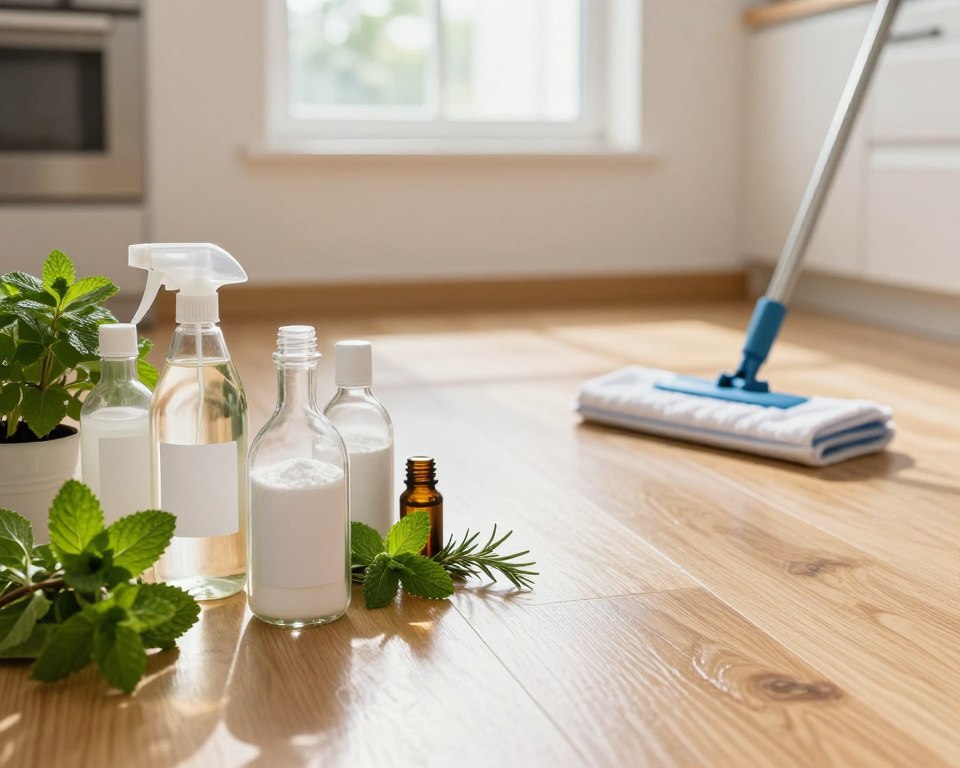
White vinegar is a favorite in many homes because of its natural acidity. It helps remove light dirt and mineral deposits. It’s great for ceramic tile or linoleum floors when mixed with water. But remember, vinegar’s acidity can damage natural stone like marble or granite over time.
“Simplicity is the ultimate sophistication when it comes to maintaining a healthy home environment.”
Using Castile Soap Safely on Hardwood and Tile
Castile soap is a plant-based cleaner that works well to remove dirt without harsh chemicals. When using it on hardwood, make sure to dilute it a lot and avoid leaving the floor too wet. Wood floors don’t like too much moisture, so use a damp mop instead of a soaking one.
| Cleaner Type | Best Surface | Safety Note |
|---|---|---|
| Vinegar/Water | Tile/Vinyl | Avoid on Stone |
| Castile Soap | Hardwood/Tile | Use Sparingly |
| Essential Oils | Aromatherapy | Check Pet Toxicity |
Essential Oils: Benefits and Safety Precautions for Pets
Some people add essential oils to their DIY non-toxic floor cleaning options for a nice smell. Oils like lavender or lemon can make your home smell fresh. But, some oils are very toxic to cats and dogs. Always check the safety of specific oils before adding them to your mop bucket.
If you do use essential oils, make sure the area is well-ventilated while the floor dries. This helps prevent irritation to the lungs of both humans and pets. By picking your ingredients wisely, you can keep your home clean while keeping your family healthy.
Best Practices for Minimizing Residue During Cleaning
Cleaning your floors right is more than just mopping. It’s about using smart methods to avoid chemical buildup. When you clean, aim to remove dirt, not add synthetic film. Simple habits can help manage floor cleaning residue and make your home safer for your family.
The Importance of Proper Dilution Ratios
Many think more soap means a cleaner floor. But, too much soap causes sticky films that attract more dirt. Always use the right amount of product for your floor type, as the label instructs.
Using a measuring cup is a simple yet effective way to keep your cleaning consistent. If your floors feel sticky after drying, your cleaner is too concentrated. Cutting down the amount of cleaner will make your floors cleaner and feel better underfoot.
Rinsing Techniques to Remove Chemical Films
Even mild products need a final rinse with plain water. This step removes any leftover floor cleaning residue. Remember, even common items can leave traces, like dishwasher pod residue on dishes.
“The secret to a truly clean home is not the strength of the chemical, but the thoroughness of the rinse. Removing the film is just as important as removing the dirt.”
To rinse well, use a clean mop head or a microfiber cloth with warm water. Clean in small sections and change your water often. This keeps your floors free of irritants that could harm sensitive skin or paws.
Ventilation Strategies During and After Cleaning
Good airflow is key for drying floors fast and improving air quality. Open windows or use a fan to speed up drying. This also helps get rid of volatile organic compounds released during cleaning.
| Cleaning Habit | Impact on Residue | Safety Level |
|---|---|---|
| Over-diluting soap | High buildup | Low |
| Measuring cleaner | Minimal buildup | High |
| Rinsing with water | Zero residue | Excellent |
| Air drying with fans | Fast evaporation | High |
By focusing on these best practices, you can greatly reduce floor cleaning residue in your home. These small changes protect your children and pets and keep your floors looking great. Sticking to these habits is crucial for a healthy and safe home for everyone.
Selecting Child-Safe and Pet-Friendly Cleaning Products
Creating a safer home starts with the right floor care supplies. With kids and pets around, you need child and pet-safe cleaning products. These should be healthy and still clean well.
Evaluating Plant-Based Surfactants
Surfactants help remove dirt from floors. Instead of harsh chemicals, plant-based surfactants are a better choice. They come from coconut or corn and are safer for skin.
Choosing pet-friendly floor cleaning products with these surfactants lowers chemical exposure. Always read labels to know what’s in them. For odor control, learn about rug deodorizer safety for pets to keep your cleaning safe.
Avoiding Harsh Preservatives and Dyes
Many cleaners have additives that aren’t needed. Dyes and preservatives like parabens can harm kids and pets. They can cause allergies or breathing problems.
Opt for fragrance-free or naturally scented options to avoid toxins. Removing these additives means cleaner, healthier floors. Simple changes in shopping can make a big difference in your home’s safety.
The Role of Steam Cleaning in Residue-Free Maintenance
Steam cleaning is a unique way to clean floors without using liquid detergents. It uses only water, making it safe for your home. This method is great for those looking for residue-free floor cleaners that are safe for everyone.
How Heat Sanitizes Without Chemical Additives
Steam cleaning uses high-temperature vapor to sanitize surfaces. When water boils, it turns into steam. This steam goes deep into surfaces, removing dirt, bacteria, and allergens. Since no chemicals are used, your floors won’t be left sticky.
“The beauty of steam cleaning lies in its simplicity; it transforms plain water into a powerful, natural tool for a healthier home environment.”
This method is perfect for homes with babies or pets. They spend a lot of time on the floor. You can learn more about it by checking out cleaning without chemicals: steam mops vs. harsh detergents.
Limitations and Surface Compatibility
While steam cleaning is effective, it’s not for every floor. High heat and moisture can harm some materials. Before you start, think about these things:
- Hardwood Floors: Too much moisture can warp or swell wood. Use a low-steam setting and move the mop fast.
- Laminate and Vinyl: Check the maker’s advice, as high heat might damage some products.
- Sealed Surfaces: Steam works best on sealed tile, stone, and concrete. These are heat-resistant.
Always test a small area first to make sure your floors can handle the heat. By choosing the right settings, you can use residue-free floor cleaners that rely on steam.
Managing Floor Hygiene in Multi-Pet Households
Living with many pets means you need a smart plan to keep floors clean. Dander, dirt, and debris pile up fast. It’s key to know how floor cleaning products residue effects to keep pets healthy and homes tidy.
Frequency of Cleaning vs. Chemical Load
Some pet owners mop every day to fight messes. But this can add too much chemical to your floors. Using conventional cleaners too often means pets are always exposed to harsh chemicals. Finding a balance is crucial to keep your home clean without harming your pets.
Try using water or steam for daily cleaning. Save chemical cleaners for deep cleans. This way, you reduce the floor cleaning products residue effects on pets. It keeps your home clean and safe for your pets.
Spot Cleaning Strategies to Reduce Overall Exposure
Instead of cleaning the whole floor for small messes, focus on spot cleaning. Use a microfiber cloth with water or a mild, pet-safe solution. This proactive approach reduces the area exposed to cleaning agents.
The table below shows how different cleaning methods affect your home and pets:
| Cleaning Method | Chemical Exposure | Best Use Case |
|---|---|---|
| Full Floor Mopping | High | Deep cleaning once a month |
| Steam Cleaning | Very Low | Weekly maintenance |
| Targeted Spot Cleaning | Minimal | Daily accident management |
| Dry Sweeping | None | Daily hair and dust removal |
By following these tips, you can manage floor cleaning products residue effects well. Your pets will thank you for a cleaner, safer home.
Creating a Safety-First Cleaning Routine
Creating a cleaning routine that puts safety first is key. It helps keep your home clean without harming your family. Using child and pet-safe cleaning products is just the start. How you use them is also crucial.
Scheduling Cleaning Around Nap Times and Play
Cleaning when no one is around is the best way to avoid risks. Timing your deep cleaning sessions for nap times or play outside is smart. This way, floors can dry fully before anyone walks on them.
For busy homes, break cleaning tasks into smaller parts. Focus on one room at a time. This keeps the rest of the house safe while the treated area dries. It greatly reduces the chance of accidents with child-safe cleaning products residue.
Establishing Safe Zones During Drying Periods
Setting up barriers is a great way to keep areas safe while they dry. Use baby gates or temporary furniture to block off cleaned areas. These safe zones stop moisture and chemicals from spreading.
Wait until the floor is dry before removing barriers. A quick dry pass with a microfiber cloth can offer extra safety. Good ventilation helps dry the area faster, keeping air quality high.
| Cleaning Strategy | Safety Benefit | Recommended Timing |
|---|---|---|
| Room-by-Room | Limits exposure area | During nap time |
| Sectional Drying | Prevents tracking | Before outdoor play |
| Nightly Maintenance | Longer drying window | After bedtime |
| Spot Cleaning | Reduces chemical load | As needed |
Conclusion
Your home is a safe haven for your family. Making small changes in your daily life can greatly improve your health over time. It’s crucial to choose cleaning products that are safe for everyone in your home.
Using floor cleaners that don’t leave residue gives you peace of mind when your kids play. Brands like Seventh Generation and Dr. Bronner’s are great choices. They clean well without exposing your family to harmful chemicals.
Sticking to a routine is key to keeping your floors safe. Making a few simple changes can help block harmful toxins. By making smart choices today, you can ensure a healthier future for your kids and pets.
Don’t be shy about sharing your favorite eco-friendly cleaning tips with others. Building a community that values health starts with the choices we make at home. Keep your floors clean and your family safe by being mindful of your cleaning habits.
FAQ
How Surfactants and Solvents Interact with Surfaces
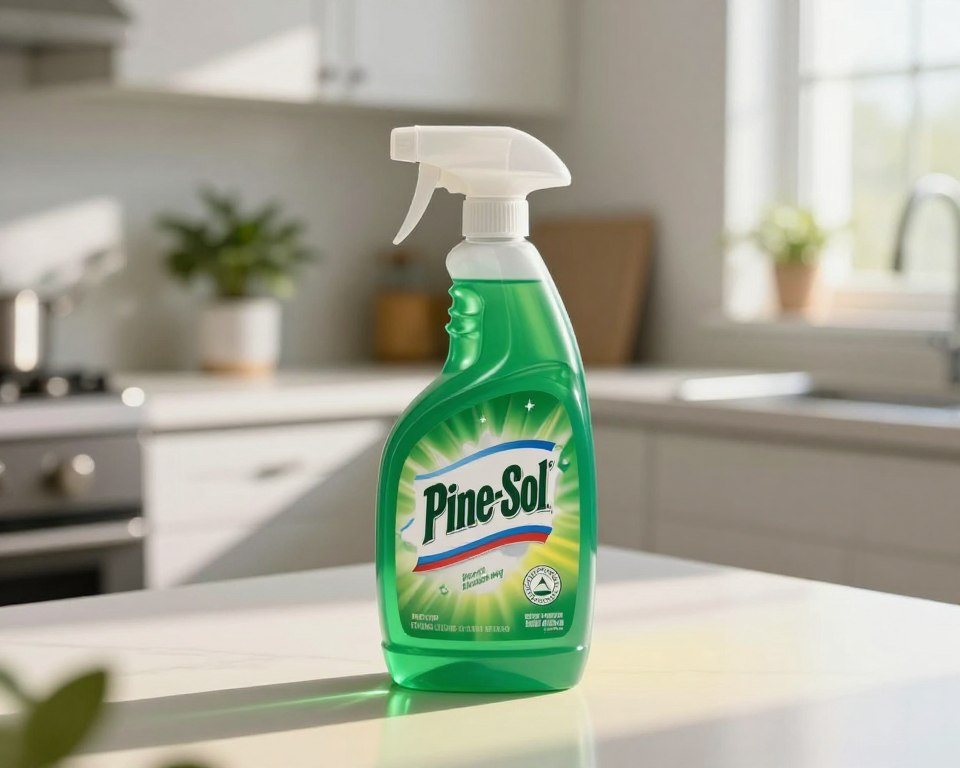
Most floor cleaners, like Mr. Clean or Pine-Sol, use surfactants and solvents. These break down grease and lift dirt. But, without proper rinsing, they can stick to the floor.
The Persistence of Chemical Films After Drying
When cleaners dry, the liquid evaporates, but chemicals remain. This creates a film that can feel sticky or dull. Moisture can reactivate this film, leading to chemical transfer.
Developmental Vulnerabilities in Infants and Toddlers
Children are not just small adults. Their bodies are still developing, and their skin is thinner and more absorbent. They spend a lot of time on the floor, making their exposure to residues different.
Physiological Differences in Pets and Their Exposure Risks
Pets, like dogs and cats, face a double threat. They walk on treated surfaces and lick their fur and paws, ingesting chemicals.
Phthalates and Synthetic Fragrances
Products like Lysol have synthetic fragrances that often contain phthalates. These are known endocrine disruptors. For families with children and pets, these hidden chemicals are a major concern.
Ammonia and Chlorine Bleach Hazards
Ammonia and chlorine bleach are strong disinfectants but can irritate the respiratory tract. For children and pets, the fumes can trigger asthma or chronic coughing.
Quaternary Ammonium Compounds and Skin Irritation
Quats are found in many antibacterial cleaners. They can cause dermatitis and skin sensitization. Crawling on a floor cleaned with quats can lead to red, itchy rashes.
Dermal Absorption Through Hands and Knees
Toddlers crawl a lot, which helps them absorb residues through their skin. This is because they spend a lot of time on the floor.
Hand-to-Mouth Behavior and Ingestion Risks
Toddlers often put things in their mouths. This means they can ingest whatever residue is on the floor. It’s important to use safe cleaning products.
Grooming Habits and Ingestion of Residue
Pets groom themselves by licking their fur and paws. If they walk on a treated floor, they will ingest chemicals during grooming. This makes it important to use pet-friendly cleaning products.
Paw Pad Sensitivity and Chemical Absorption
Pets’ paw pads are sensitive and can absorb chemicals. This can lead to systemic issues if exposure is frequent. It’s important to use non-toxic cleaning products.
Respiratory Issues and Indoor Air Quality
Residues can contribute to poor indoor air quality. Chronic exposure to cleaning fumes can lead to respiratory problems in pets and increased allergies in children.
Dermatitis and Allergic Reactions
Harsh residues can cause contact dermatitis. If your pet has unexplained rashes or your child has rashes, the floor cleaning residue might be the cause.
Endocrine Disruption Concerns
Long-term exposure to certain chemicals can disrupt hormones. This can lead to developmental and reproductive issues later in life.
Reading Labels Beyond Marketing Claims
Terms like “natural” or “eco-friendly” are not strictly regulated. To find safe cleaning products, look at the ingredient list. Avoid products with “fragrance” or “parfum” without specifying the source.
Understanding Third-Party Certifications
Look for the EPA Safer Choice label or EWG Verified seals. Brands like Seventh Generation and Better Life have these certifications, proving their commitment to safety.
The Efficacy of Vinegar and Water Solutions
A mix of white vinegar and water is a classic, residue-free cleaner. It cuts through grease and sanitizes without leaving harmful chemicals. But, avoid using it on natural stone like marble or granite.
Using Castile Soap Safely on Hardwood and Tile
Dr. Bronner’s Pure-Castile Soap is great for cleaning floors. It’s made from vegetable oils and is biodegradable. When diluted, it cleans effectively without leaving a toxic film.
Essential Oils: Benefits and Safety Precautions for Pets
Some essential oils, like lemon or peppermint, can boost cleaning power. But, use caution. Oils like tea tree or eucalyptus can be toxic to cats and dogs. Always research pet-safe oils before using them.
The Importance of Proper Dilution Ratios
Using too much cleaner is a common mistake. Always follow the manufacturer’s instructions precisely to avoid sticky residue.
Rinsing Techniques to Remove Chemical Films
After mopping, rinse the floor with plain water. This can remove up to 90% of the remaining residues.
Ventilation Strategies During and After Cleaning
Always open a window or turn on a fan. This helps the floor dry faster and ensures quick dissipation of airborne chemicals.
Evaluating Plant-Based Surfactants
Look for cleaners with alkyl polyglucosides (APGs). These are derived from sugars and vegetable oils. They are less irritating than petroleum-based alternatives.
Avoiding Harsh Preservatives and Dyes
Artificial dyes serve no purpose and can irritate skin. Opt for clear, dye-free formulas. Also, avoid harsh preservatives like methylisothiazolinone, which is a known allergen.
How Heat Sanitizes Without Chemical Additives
Steam mops, like those from Shark or Bissell, use only water. The high temperature kills bacteria and dust mites, providing a deep clean without residue.
Limitations and Surface Compatibility
Steam cleaning is not for everyone. It can damage unsealed hardwood or laminate by forcing moisture into the joints. Always check your flooring manufacturer’s warranty before using steam.
Frequency of Cleaning vs. Chemical Load
In homes with multiple pets, the urge to clean daily is high. But, frequent cleaning with chemicals increases the “chemical load” in the home. Balancing heavy cleaning with simple water-moping can keep the home fresh without overexposing your pets.
Spot Cleaning Strategies to Reduce Overall Exposure
Instead of mopping the whole house daily, use a spray bottle of a pet-friendly floor cleaning product for localized messes. This limits the footprint of chemical residues to small, manageable areas.
Scheduling Cleaning Around Nap Times and Play
The best way to prevent exposure is to ensure children and pets aren’t in the room when the floor is wet. Clean while the baby is napping or the dog is out for a walk.
Establishing Safe Zones During Drying Periods
Use baby gates to create “safe zones” while floors dry. Ensuring the surface is completely dry before allowing foot (or paw) traffic is the easiest way to prevent residue transfer.
Are cleaning product residues on floors safe for children and pets?
Generally, residues from conventional cleaners are not safe. They often contain ammonia, phthalates, and surfactants that can be absorbed through a child’s skin or ingested by pets during grooming. Seeking residue-free floor cleaners is the best way to minimize these risks.
How can I identify truly child-safe cleaning products residue?
Look for products with the EPA Safer Choice or EWG Verified labels. Brands like Seventh Generation and Aunt Fannie’s are transparent about their ingredients, ensuring they don’t leave behind harmful residues.
What are the best residue-free floor cleaners for hardwood?
For hardwood, Bona Hardwood Floor Cleaner is highly recommended. It dries quickly without leaving a film. For a completely chemical-free option, a Shark steam mop is an excellent choice for sealed wood.
Can vinegar be used as a pet-friendly floor cleaning product?
Yes, a diluted mixture of white vinegar and water is a classic non-toxic floor cleaning option. It is safe for pets and children, though you should avoid using it on natural stone surfaces like marble, as the acidity can etch the stone.
Why are paw pads a concern regarding cleaning products residue safety?
A pet’s paw pads are porous and highly vascularized, meaning they can absorb chemicals from the floor directly into the bloodstream. This is why using safe cleaning products for children and pets is vital to prevent systemic toxicity and local irritation.
Does rinsing the floor really help reduce floor cleaning residue?
Absolutely. Performing a secondary rinse with plain water after mopping with a cleaner is one of the most effective best practices for minimizing residue. It physically removes the chemical film that products like Pine-Sol or Mr. Clean might leave behind.
Are there any specific ingredients I should avoid in floor cleaners?
Yes, you should steer clear of chlorine bleach, ammonia, phthalates (often hidden in “fragrance”), and quaternary ammonium compounds (quats). These are linked to respiratory issues, endocrine disruption, and skin allergies.
Is steam cleaning a good child and pet-safe cleaning products alternative?
Yes, steam cleaning is one of the safest methods because it uses only heat and water to sanitize. It eliminates the need for chemicals entirely, ensuring there is zero floor cleaning residue left for your family to encounter.