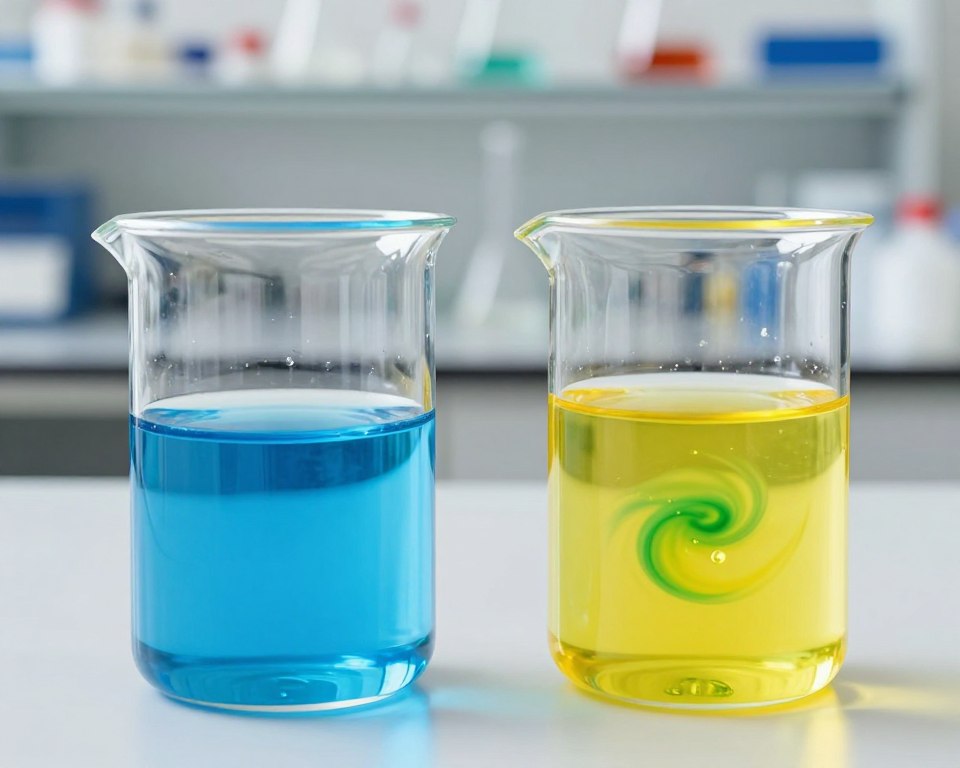
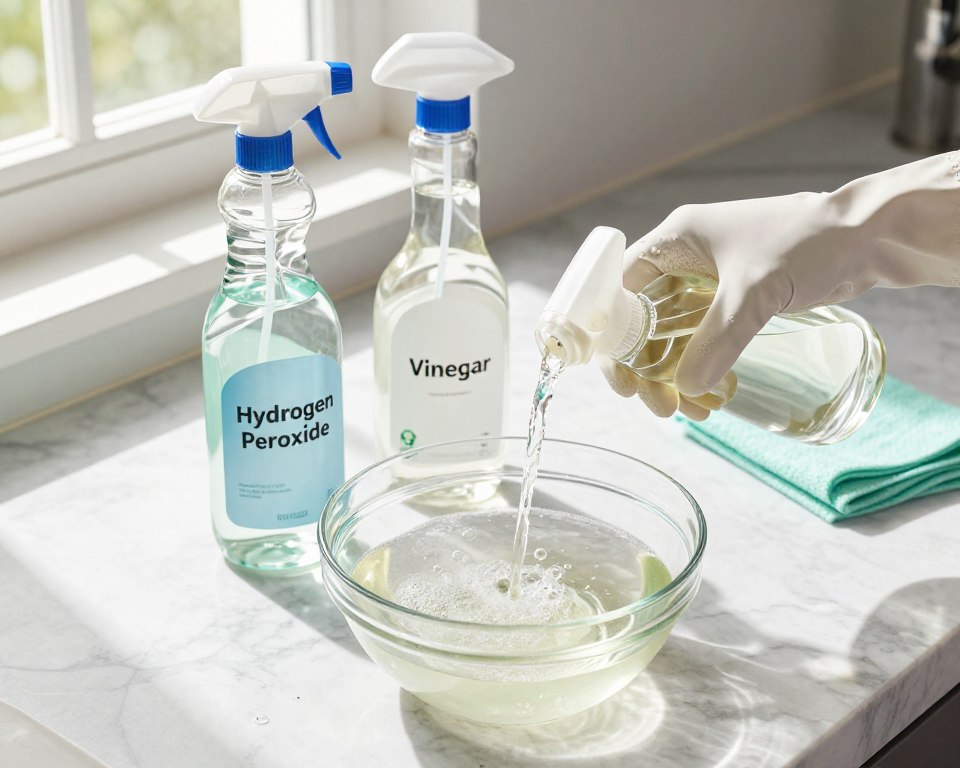
Did you know mixing hydrogen peroxide and vinegar creates a corrosive substance called peracetic acid? Many think it makes a super-cleaner. But, it’s actually a complex chemistry that can harm your health.
Both hydrogen peroxide and vinegar are great on their own. But mixing them is not recommended. It can irritate your skin, eyes, and lungs, making cleaning dangerous.
Our guide shows why keeping them separate is safer. This way, you can clean without risking your family’s well-being.
Key Takeaways
- Combining these two liquids creates peracetic acid, which is highly corrosive.
- Mixing agents in one container can irritate your eyes, skin, and lungs.
- Always store these household supplies in their original, separate bottles.
- Effective sanitizing does not require dangerous chemical reactions.
- Prioritize safety by using only one product at a time on surfaces.
The Chemistry Behind Household Cleaning Agents
Many people think mixing common items makes a super-cleaner. But, the science is different. Mixing household items can be risky. Knowing your supplies’ chemistry keeps your home safe and clean.
Understanding Hydrogen Peroxide Properties
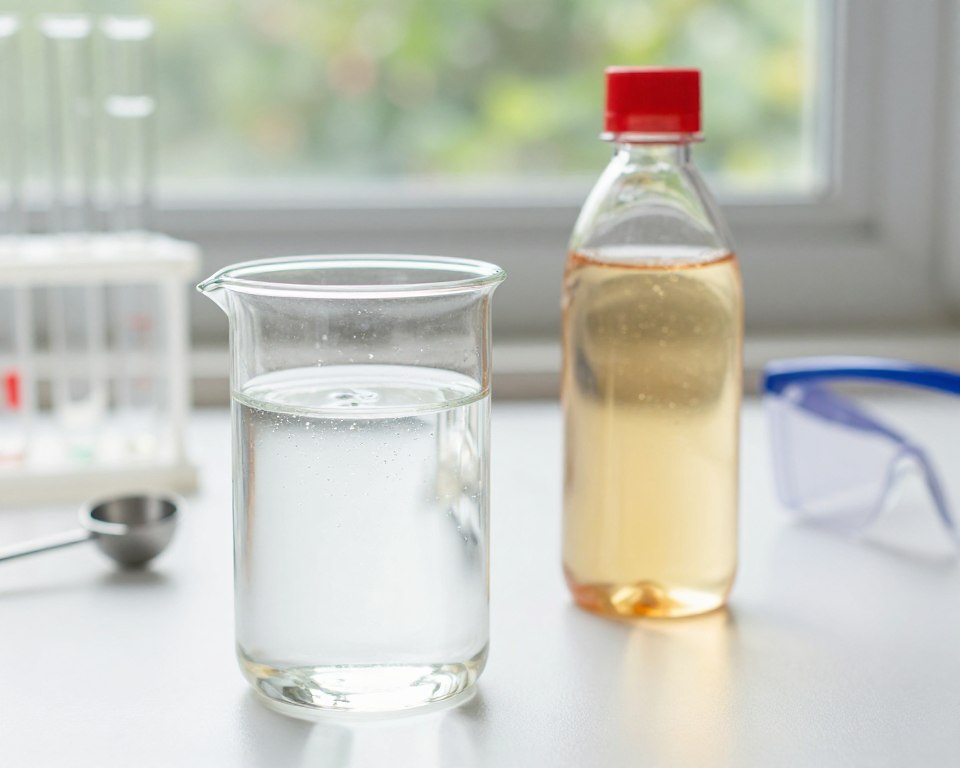
Hydrogen peroxide is a powerful oxidizing agent found in medicine cabinets. It breaks down stains and organic matter with oxygen molecules. This makes it great for sanitizing and whitening.
But, it’s sensitive to its surroundings. Store it in a dark bottle to keep it strong. Handling it with care is key to its effectiveness.
The Acidic Nature of Distilled White Vinegar
Distilled white vinegar is a green cleaning favorite. Its acetic acid dissolves mineral deposits and stains. It’s a natural, affordable solution for many cleaning tasks.
Vinegar works by lowering a surface’s pH to break down grime. It’s best used alone. This way, each cleaner does its job without interference.
Why Mixing Chemicals Can Be Risky
Combining hydrogen peroxide and vinegar doesn’t just double your cleaning power. It creates peracetic acid, a corrosive substance. It can harm your skin, eyes, and lungs.
It’s crucial to know the dangers of mixing hydrogen peroxide and vinegar. Safety should always be your top priority when using household chemicals. Keeping them separate protects your health and keeps your home clean.
Can You Mix Hydrogen Peroxide and Vinegar for Cleaning?
Many people think mixing household cleaners will make them better. But, it’s important to know if hydrogen peroxide is safe for your home. Mixing hydrogen peroxide and vinegar is not safe.
The Formation of Peracetic Acid
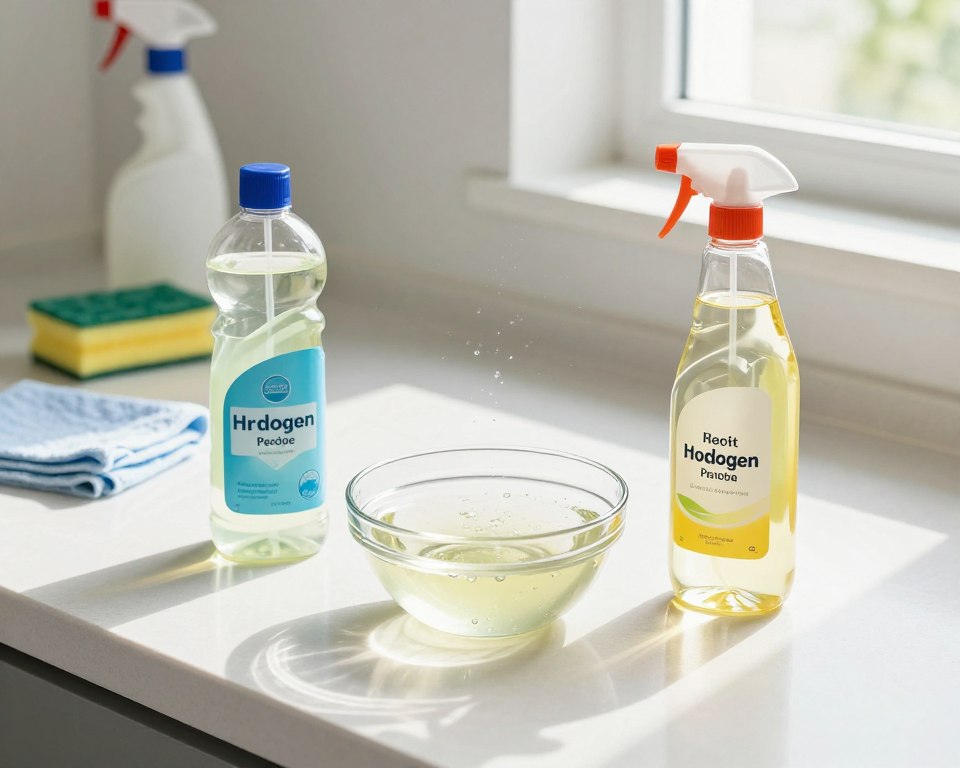
When you mix these two, they create peracetic acid. This acid is not found in either bottle alone. Mixing them creates an unstable environment that’s hard to handle safely at home.
The new solution is much stronger than the original liquids. It’s not just a mix but a change into something harmful.
Potential Health Hazards of Peracetic Acid
Peracetic acid can irritate your skin, eyes, and lungs. Its fumes can be very uncomfortable, worse in small spaces. Safety should always be your top priority when using chemicals.
If you mix them by accident, you’ll smell a strong odor. This can irritate your throat and make you cough. It’s best to avoid mixing them to keep your air clean and safe.
Why Experts Advise Against Combining Them
Experts say don’t mix them because the reaction is unpredictable. You can’t control how strong the acid will be. Using hydrogen peroxide and vinegar separately is safer and more effective.
| Feature | Hydrogen Peroxide | Distilled Vinegar | The Mixture |
|---|---|---|---|
| Primary Use | Disinfecting | Descaling | Not Recommended |
| Chemical Nature | Oxidizer | Mild Acid | Corrosive Acid |
| Safety Level | Safe if used right | Safe for most | Potentially Toxic |
| Surface Impact | Gentle | Mildly acidic | Highly Corrosive |
Keeping these products separate ensures they work as intended. Always follow the manufacturer’s instructions for a safe and clean home. Choosing the right tool for the job is key to smart and safe cleaning.
The Science of Peracetic Acid Formation
Knowing how hydrogen peroxide and vinegar mix is key for home safety. Alone, they clean well. But together, they create a dangerous mix for your home and health.
Chemical Reaction Mechanics
When you mix these two, they react. This reaction swaps atoms, making peracetic acid.
This chemical reaction is not good for cleaning. It makes a compound more harmful than the originals.
Corrosive Effects on Surfaces
Peracetic acid is very corrosive. It can damage many household items over time.
It can harm:
- Metal fixtures and hardware
- Porous grout lines
- Rubber seals and gaskets
Respiratory Irritation and Safety Concerns
The vapors from these chemical reactions in cleaning are dangerous. Breathing them in can cause coughing and wheezing.
Handling chemicals wrong can hurt your health. If you worry about fumes, learn about is bleach toxic when inhaled to keep your air clean.
| Cleaning Combination | Resulting Compound | Safety Status |
|---|---|---|
| Hydrogen Peroxide + Vinegar | Peracetic Acid | Avoid |
| Baking Soda + Vinegar | Sodium Acetate | Safe (Neutral) |
| Soap + Water | Surfactant Solution | Safe |
| Bleach + Ammonia | Chloramine Gas | Dangerous |
Common Myths About DIY Cleaning Hacks
The internet is full of DIY cleaning hacks that claim to make your home shine quickly. But, these tips often ignore the basics of chemical safety. It’s important to be cautious and not fall for these trends to keep your home safe.
Debunking Internet Cleaning Trends
Many online influencers suggest using pantry items to make strong cleaners. But, they rarely talk about the dangers of mixing chemicals. Always check the science behind a hack to make sure it’s safe cleaning hacks.
If you’re not sure about a cleaning product, like mold remover spray, look for trusted sources. Using untested advice can harm your surfaces or even your health.
The Danger of Mixing Household Acids and Oxidizers
Mixing acidic things like vinegar with oxidizers like hydrogen peroxide is a big mistake. This mix can create peracetic acid, which is very corrosive and can be harmful to breathe. Never mix these two items together or use them one after the other without rinsing well.
Why Natural Does Not Always Mean Safe
Some think that because something is “natural,” it’s safe to mix with anything. This is a big mistake that can cause accidents at home. Even everyday items can become dangerous when mixed the wrong way.
| Cleaning Agent | Category | Safety Risk |
|---|---|---|
| Distilled Vinegar | Mild Acid | Low (if used alone) |
| Hydrogen Peroxide | Oxidizer | Moderate (if mixed) |
| Baking Soda | Base | Low (safe for most) |
| Bleach | Strong Oxidizer | High (never mix) |
Safe Ways to Use Hydrogen Peroxide
Learning how to use hydrogen peroxide can make cleaning safer and more effective. It’s a versatile disinfectant when used in its standard 3% concentration. Using these household cleaning tips keeps your home clean without harsh chemicals.
Disinfecting Kitchen Countertops
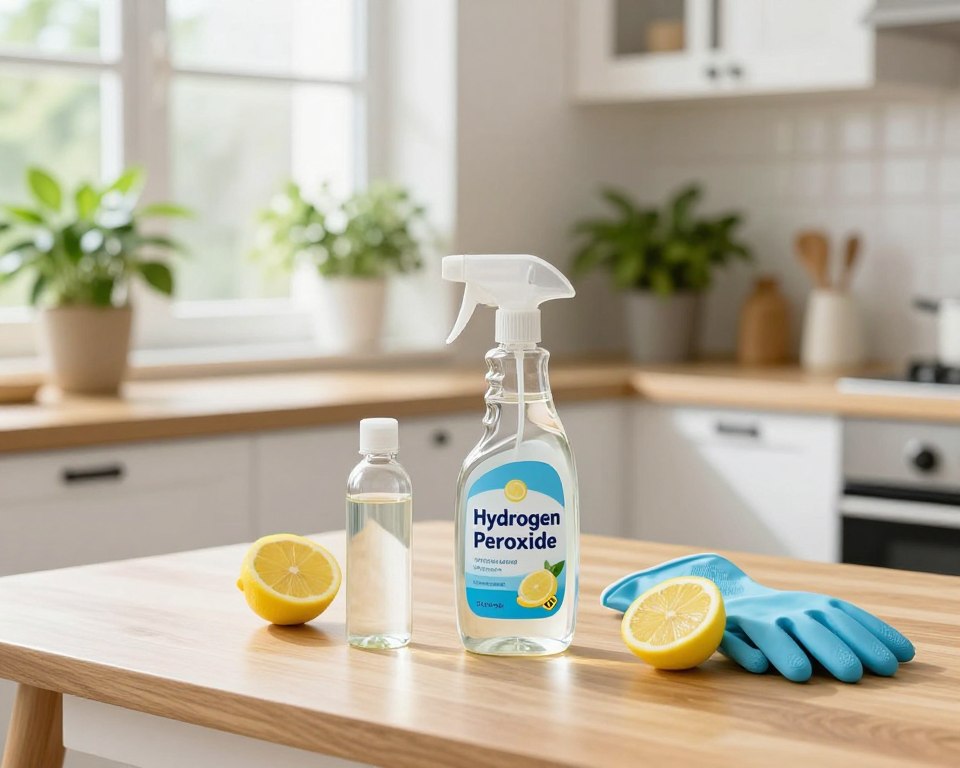
Your kitchen is the heart of the home, so keeping it clean is crucial. Hydrogen peroxide is great for non-porous countertops, killing bacteria and germs. Just spray, let it sit, and wipe with a damp cloth for a sparkling finish.
“Cleanliness is the hallmark of a healthy home, and using the right tools ensures that your environment remains safe for your family.”
Removing Stains from Fabrics
Stubborn stains need a gentle yet effective solution. Hydrogen peroxide is a mild bleacher, perfect for organic stains like grass, wine, or blood on light fabrics. Always test a small area first to avoid color loss.
Proper Storage and Shelf Life Considerations
Proper storage keeps your supplies effective. Hydrogen peroxide loses potency if exposed to sunlight. Always store it in a cool, dark place. Regularly check the expiration date, as it loses power over time.
Effective Applications for Distilled White Vinegar
Distilled white vinegar is a natural way to keep your home clean. It’s a great choice for those who prefer household cleaning tips without harsh chemicals. Its acidity helps break down mineral deposits and grease.
Descaling Coffee Makers and Kettles
Hard water can leave mineral buildup in your kitchen appliances. To clean them, mix equal parts water and white vinegar. This simple process removes scale, making your coffee taste better and appliances work better.
Cleaning Glass and Mirror Surfaces
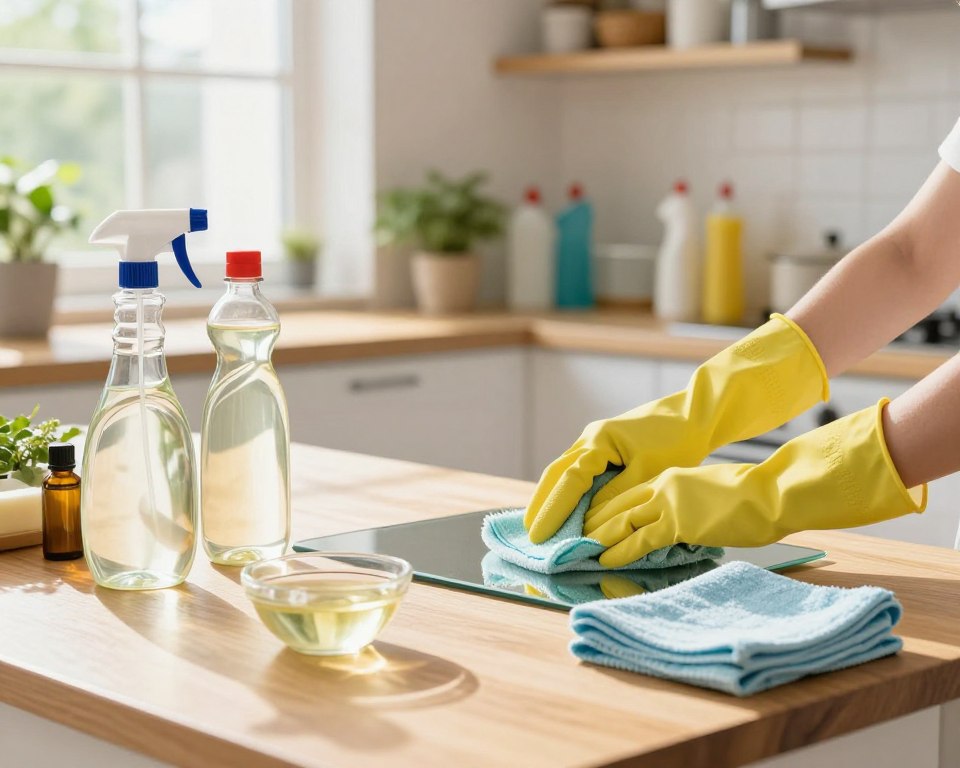
You don’t need expensive sprays for streak-free windows and mirrors. Mix vinegar and water in a spray bottle. Wipe with a microfiber cloth for a crystal-clear finish that brightens any room.
Neutralizing Odors in the Laundry
Vinegar is great for keeping clothes smelling fresh. Add half a cup of white vinegar to the rinse cycle. It gets rid of odors and softens fabrics, making it a top household cleaning tip for a fresh wardrobe.
- Always dilute vinegar with water for delicate surfaces.
- Use a soft cloth to prevent scratching glass.
- Test a small, hidden area before applying to new materials.
Comparing Cleaning Efficacy of Common Agents
Understanding how different cleaners work is key. Natural solutions are popular, but knowing chemical reactions in cleaning is crucial. The right cleaner keeps your home clean and safe.
Hydrogen Peroxide vs. Bleach
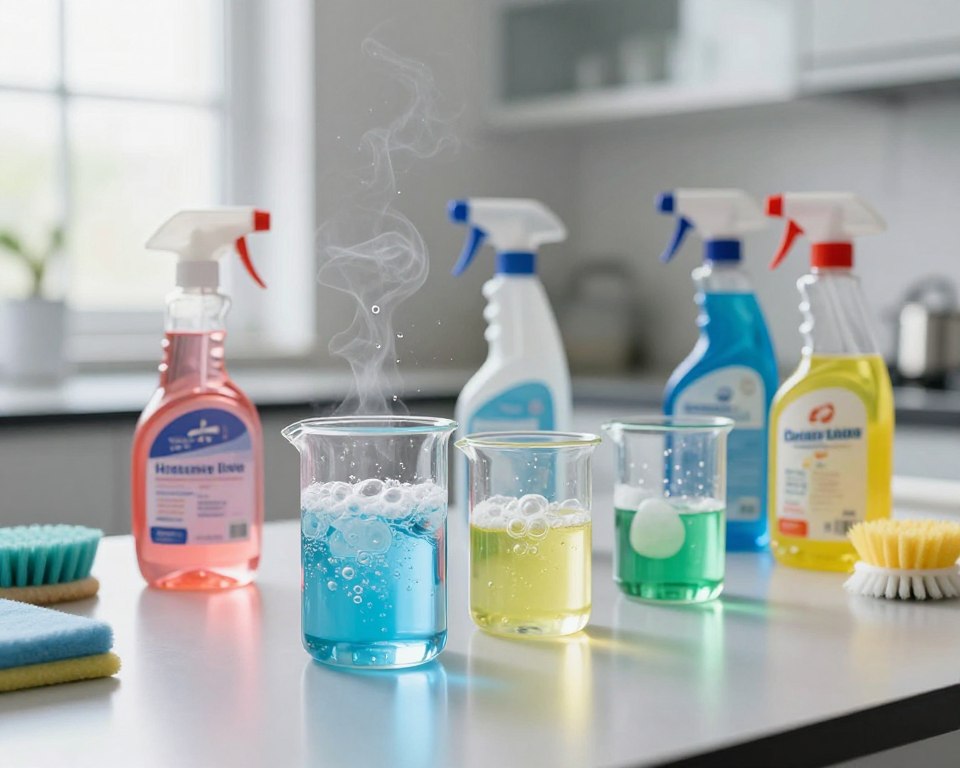
Hydrogen peroxide and bleach are strong oxidizers but for different uses. Hydrogen peroxide is gentle and safe for many surfaces. Bleach, on the other hand, is a strong disinfectant for tough stains and germs.
Never mix hydrogen peroxide and bleach. They can cancel each other out or cause harm. Bleach is best for deep cleaning non-porous surfaces. Hydrogen peroxide is good for light cleaning and stain removal on fabrics.
Vinegar vs. Commercial All-Purpose Cleaners
Distilled white vinegar is great for dissolving mineral deposits and soap scum. It’s perfect for daily cleaning in kitchens and bathrooms. But, it doesn’t have the surfactants in commercial cleaners to tackle grease and oils.
Commercial cleaners have a mix of ingredients for a deeper clean on greasy surfaces. Vinegar is a natural choice, but not always the best for tough jobs. Knowing chemical reactions in cleaning helps choose the right product.
When to Choose One Over the Other
Choosing the right cleaner depends on the task. Vinegar is best for hard water stains. For germ-killing, hydrogen peroxide or a commercial disinfectant might be better.
Always check the surface before cleaning. The wrong cleaner can damage or not work. Use the table below to guide your cleaning.
| Cleaning Agent | Best Use Case | Primary Strength | Safety Note |
|---|---|---|---|
| Hydrogen Peroxide | Stain removal | Oxidation | Avoid mixing |
| Distilled Vinegar | Descaling | Acidity | Avoid natural stone |
| Bleach | Deep disinfection | Whitening | Use ventilation |
| All-Purpose Cleaner | General grime | Surfactants | Check labels |
By understanding your home’s needs, you can keep it clean and safe. Remember, chemical reactions in cleaning are complex. Stick to one product at a time for safety.
Surface Compatibility and Material Safety
Knowing how different materials react to cleaning agents is key for home care. Many think natural ingredients are always safe. But, chemical reactions in cleaning can change a lot based on the surface. The wrong product can cause permanent damage to your home’s finishes.
Protecting Natural Stone Surfaces
Natural stone, like marble, granite, and limestone, is very sensitive to acidic substances. Applying vinegar or other acidic cleaners can cause a chemical reaction. This reaction dissolves the calcium carbonate in the stone, leading to dull, white marks.
Always choose pH-neutral cleaners made for stone. Stay away from harsh chemicals that can harm the sealant or the material over time.
Cleaning Wood and Finished Furniture
Wood is a porous material that doesn’t do well with too much moisture or strong oxidizing agents. Some cleaners might promise a deep shine but can damage the varnish or cause the wood to warp. Use products made for wood care to keep the finish without harming it.
Safe Practices for Stainless Steel Appliances
Stainless steel is tough but can still be damaged by improper cleaning. Certain chemical reactions in cleaning can lead to pitting or rust if the solution is too acidic or has abrasive particles. To keep your appliances looking new, always wipe in the direction of the grain and use mild, non-abrasive cleaners.
| Surface Type | Avoid Using | Recommended Approach |
|---|---|---|
| Natural Stone | Vinegar, Lemon Juice | pH-neutral stone soap |
| Finished Wood | Strong Oxidizers | Damp cloth, wood polish |
| Stainless Steel | Bleach, Steel Wool | Mild soap, microfiber cloth |
By understanding these material needs, you can keep your home in great shape. Consistency and caution are key to avoiding damage during cleaning.
Personal Protective Equipment for Home Cleaning
Keeping yourself safe while cleaning is as crucial as the cleanliness itself. Even with common household cleaning solutions, wearing the right gear is essential. A little extra preparation can prevent accidents and keep your home healthy.
Importance of Ventilation in Small Spaces
Many cleaning tasks happen in small, closed areas like bathrooms or laundry rooms. Without good airflow, fumes from cleaning solutions can make you feel sick. Always open a window or use an exhaust fan before starting to keep the air fresh.
Using Gloves and Eye Protection
Your skin and eyes are at risk from chemical splashes. Durable rubber gloves protect your skin from harsh ingredients. Safety glasses or goggles shield your eyes from accidental splashes while cleaning.
- Always wear gloves to protect your skin from dryness or chemical burns.
- Use protective eyewear when cleaning overhead surfaces or using spray bottles.
- Keep your workspace clear to avoid tripping while wearing protective gear.
Handling Concentrated Cleaning Solutions
When using cleaning solutions that are very strong, be extra careful. Always check the label to see if you need to dilute it first. Never mix different products because it can create dangerous reactions that are harmful to breathe or touch.
By following these simple safety tips, you can keep your home clean without risking your health. Remember, consistency is key when protecting yourself during cleaning. Staying informed and prepared makes every cleaning session safer and more effective.
Best Practices for Sequential Cleaning
Deep cleaning your home often means using more than one product. But safety always comes first. When dealing with tough grime, using different cleaners one after another is common. Yet, knowing about chemical reactions in cleaning is key to keeping your space safe.
Rinsing Surfaces Between Applications
Using hydrogen peroxide and vinegar together safely means applying them one after the other. First, apply the first product, then wipe it off. Rinse the surface thoroughly with water before using the next cleaner. This ensures no leftover residues on the surface.
Removing all traces of the first cleaner stops unwanted chemical reactions in cleaning. Water acts as a neutral buffer, making way for the next cleaner. Always use a clean, damp cloth to wipe down until no product remains.
Allowing Surfaces to Dry Completely
After rinsing, let the surface dry completely before using another solution. This drying step is crucial. It ensures that any leftover droplets of the previous cleaner evaporate. This pause helps avoid accidental mixing.
Don’t rush the drying process. Taking your time between applications is key to a safe and professional cleaning. A dry surface is ready for the next cleaning step.
Avoiding Cross-Contamination of Tools
Using the same sponge or cloth for different cleaners can be dangerous. If a sponge is in vinegar and then in hydrogen peroxide, it can create a harmful mix. Always use fresh, clean cloths for each cleaner to avoid chemical reactions in cleaning.
Color-coding your cleaning rags helps keep track of which tool was used with which product. This prevents accidental chemical transfer from one surface to another. Keeping your tools organized is as important as choosing the right cleaner.
| Cleaning Step | Action Required | Safety Goal |
|---|---|---|
| Initial Application | Apply first agent | Target specific grime |
| Rinsing Phase | Use fresh water | Remove all residues |
| Drying Phase | Air dry or towel dry | Ensure zero moisture |
| Final Application | Apply second agent | Sanitize safely |
Environmentally Friendly Alternatives to Mixing
You don’t need risky DIY cleaning mixes to have a sparkling home. Many people find that simple, natural ingredients work better and are safer. Using non-toxic staples keeps your home clean without the danger of harmful chemicals.
Using Castile Soap for General Cleaning
Castile soap is a great, plant-based cleaner for everyday tasks. It’s very concentrated, so a little goes a long way. It’s gentle on surfaces but powerful at removing dirt and grime.
Unlike harsh chemicals, castile soap is biodegradable and fragrance-free. It’s perfect for families who want to avoid harmful chemicals. Just mix it with water as directed to make a versatile spray for your home.
The Power of Baking Soda and Water Pastes
Baking soda is great for extra cleaning power. Mixing it with water creates a paste that’s mildly abrasive and effective. It’s perfect for cleaning sinks, tubs, and tile grout.
This method is simple and safe. You won’t have to worry about harmful fumes or damaging surfaces. It’s a gentle way to remove buildup without harsh chemicals.
Commercial Eco-Friendly Cleaning Products
If you like pre-mixed solutions, there are many green cleaning products available. These products are rigorously tested for safety and effectiveness. They help you keep your home clean while supporting sustainable practices.
When buying these products, look for eco-friendly certifications. Choosing well-known brands means your cleaning efforts are backed by science. These products make it easy to keep your home clean while reducing your environmental impact.
Understanding Labels and Safety Data Sheets
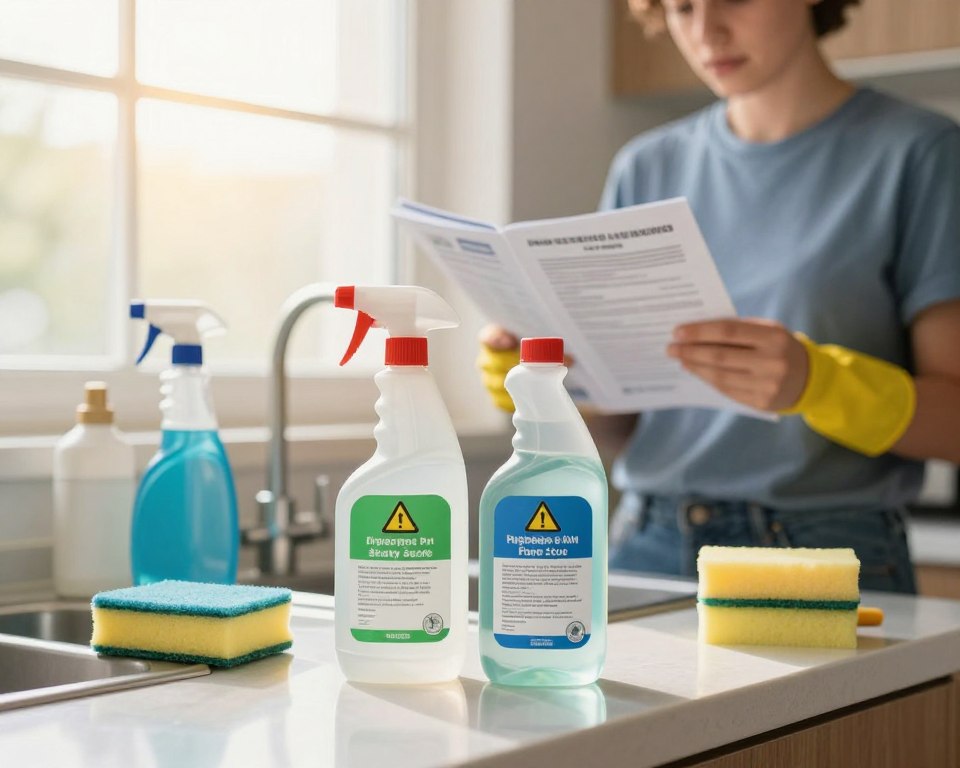
Your safety at home starts with understanding the fine print on your cleaning products. Many homeowners treat labels as mere suggestions, but they actually serve as your first line of defense against accidental exposure. By taking a few extra seconds to read these instructions, you can manage your cleaning solutions with confidence and care.
Reading Manufacturer Warnings
Every bottle of cleaner comes with specific guidelines designed to protect your health. Manufacturers are legally required to disclose potential risks and provide clear instructions for safe handling. Ignoring these warnings can lead to skin irritation, respiratory issues, or damage to your household surfaces.
Always look for signal words like “Danger,” “Warning,” or “Caution.” These terms indicate the level of severity regarding the product’s chemical makeup. When you use cleaning solutions, ensure you follow the recommended dilution ratios and application methods provided by the brand.
Identifying Hazardous Chemical Combinations
One of the most critical aspects of home safety is knowing which substances should never meet. Mixing certain agents can trigger volatile reactions that release toxic gases into your living space. You must avoid combining acids with bleach or other oxidizers, as these pairings are notoriously dangerous.
“The most effective way to prevent household accidents is to treat every chemical with respect and never assume that two safe products will remain safe when combined.”
If you are ever in doubt about whether two cleaning solutions are compatible, it is best to keep them separate. Using them sequentially with a thorough rinse in between is a much safer approach for your home environment.
Where to Find Reliable Cleaning Information
When the label is not enough, a Safety Data Sheet (SDS) is your best resource. These documents provide deep insights into the chemical properties, physical hazards, and emergency procedures for specific products. You can usually find these sheets on the manufacturer’s official website or by searching the product name online.
Reliable information helps you make informed choices about the cleaning solutions you bring into your home. Refer to the table below to understand common safety indicators found on product packaging.
| Symbol/Term | Meaning | Action Required |
|---|---|---|
| Corrosive | Can burn skin or eyes | Wear gloves and goggles |
| Flammable | Risk of fire | Keep away from heat |
| Toxic | Harmful if ingested | Store out of reach |
| Ventilation | Requires airflow | Open windows/doors |
By prioritizing these safety habits, you ensure that your cleaning solutions remain effective tools rather than household hazards. Staying informed is the simplest way to maintain a healthy and clean living space for your entire family.
Common Mistakes to Avoid in Home Maintenance
Keeping your home safe is more than just cleaning. It’s about knowing how to handle chemicals safely. Mixing hydrogen peroxide and vinegar is a bad idea. It makes a harmful acid that can hurt your skin and lungs.
Mixing Vinegar with Bleach
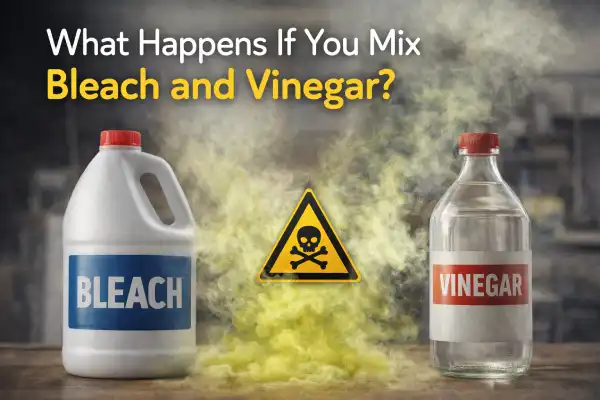
Mixing vinegar with bleach is very dangerous. It creates toxic chlorine gas that can harm your breathing and eyes. Even a little bit can cause serious problems.
Don’t try to make your bleach stronger by adding vinegar. Keep these cleaners separate to protect your air quality.
Combining Ammonia and Bleach
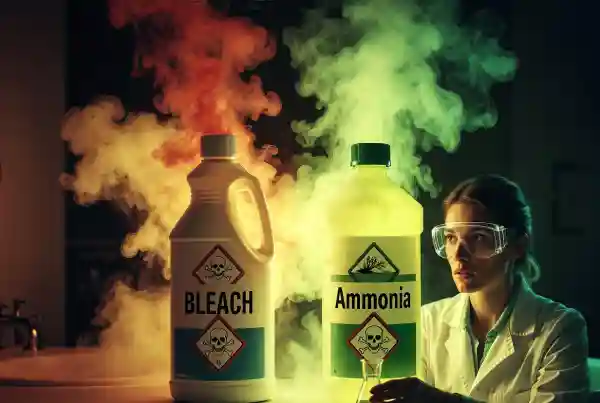
Mixing ammonia with bleach is also very risky. It makes harmful vapors that can hurt your health. These vapors can cause chest pain, breathing trouble, and even pneumonia.
Many cleaners have ammonia, so always check the labels. If you’re not sure, it’s best to avoid mixing it with anything else.
Storing Chemicals in Unlabeled Containers
Storing chemicals right is as important as cleaning. Many accidents happen because people put liquids in unlabeled bottles. Always keep chemicals in their original, labeled containers to know what you’re dealing with.
If you need to use a different container, make sure it’s clearly labeled. This simple step helps avoid accidents and keeps your home safe for everyone.
Professional Recommendations for Home Hygiene
Keeping your home clean is key to a healthy living space. By following household cleaning tips, you can make your home safe and welcoming for your family.
Establishing a Safe Cleaning Routine
Consistency is more important than occasional deep cleans. Create a schedule with daily and weekly tasks to stay on track.
Consistency is the secret ingredient to a clean home. Start with high-traffic areas, as they get dirty fast. Use safe household cleaning tips to keep your home tidy.
Prioritizing Surface Sanitization
Sanitizing surfaces is crucial to stop germs from spreading. Focus on areas like light switches and doorknobs.
“A clean home is not just about aesthetics; it is a fundamental requirement for physical well-being and mental clarity.”
Choose the right cleaning products for your home’s materials. Proper household cleaning tips help sanitize without damaging your home.
When to Call Professional Cleaning Services
DIY cleaning is great for everyday, but sometimes you need pros. For deep cleaning or after illness, experts can do a better job.
| Cleaning Type | Frequency | Best For |
|---|---|---|
| Daily Maintenance | Every Day | General tidiness and dust control |
| Deep Sanitization | Monthly | High-touch areas and allergen removal |
| Professional Service | Bi-Annually | Deep carpet cleaning and upholstery |
Professional cleaners have the right tools and supplies. Using them now and then can save your home and keep your family healthy.
Conclusion
Keeping your home clean is all about smart chemistry. Hydrogen peroxide and distilled white vinegar are great, but they shouldn’t mix. This avoids harmful peracetic acid. Using safe cleaning hacks keeps your home clean and safe.
Protecting your family starts with reading labels and choosing the right cleaner. Simple steps like good ventilation and using the right containers help a lot. These steps prevent accidents and keep the air clean.
Knowing when to use natural cleaners or commercial products is key. Brands like Seventh Generation offer good alternatives. Using these safe cleaning hacks helps you take care of your home with confidence.
Your focus on safety makes your home better for everyone. Tell your friends about these tips to help them avoid mistakes. A clean home is a happy home when you put health and science first.
Can You Mix Hydrogen Peroxide and Vinegar for Cleaning?
Is it safe to mix hydrogen peroxide and vinegar in the same spray bottle?
No, it’s not safe. Mixing them creates peracetic acid, which is corrosive and can irritate your eyes, skin, and lungs.
What should I do if I accidentally mixed these two chemicals?
If mixed, don’t use it. Open windows and pour it down the drain with cold water running. Don’t seal the bottle to avoid gas buildup.
Can I use vinegar and hydrogen peroxide on the same surface if I use them one at a time?
Yes, sequential cleaning is safe. Spray vinegar, wipe, rinse with water, and then apply hydrogen peroxide.
Why is peracetic acid dangerous for home use?
Peracetic acid is industrial-strength. It can damage metal, stone, and rubber seals, and its vapors irritate the respiratory system.
What are some safe cleaning hacks that don’t involve mixing dangerous chemicals?
Use baking soda and water for scrubbing, or Dr. Bronner’s Castile Soap for cleaning. Vinegar is safe for descaling coffee makers.
Is it safe to mix vinegar with baking soda?
Mixing vinegar and baking soda isn’t toxic. It creates water, carbon dioxide, and sodium acetate. But it reduces the cleaning power of both.
What is the most dangerous cleaning mixture to avoid?
Avoid mixing bleach with other substances. Mixing bleach with vinegar or ammonia creates toxic gases, posing a serious risk.