Did you know that nearly 10% of all household chemical exposures reported to poison control centers involve the accidental combination of common cleaning agents? Many homeowners think using more solutions will clean better. But, this often leads to unintended chemical reactions. It’s crucial to know that mixing two cleaning sprays is dangerous and important for a healthy home.
When you mix different formulas, you risk creating harmful fumes. These fumes can harm your family and pets. Chemical properties vary a lot between brands. Even mild household liquids can produce toxic gases when mixed. We will look into why keeping your supplies separate is the safest choice.
Key Takeaways
- Mixing household chemicals can lead to the release of toxic, respiratory-irritating gases.
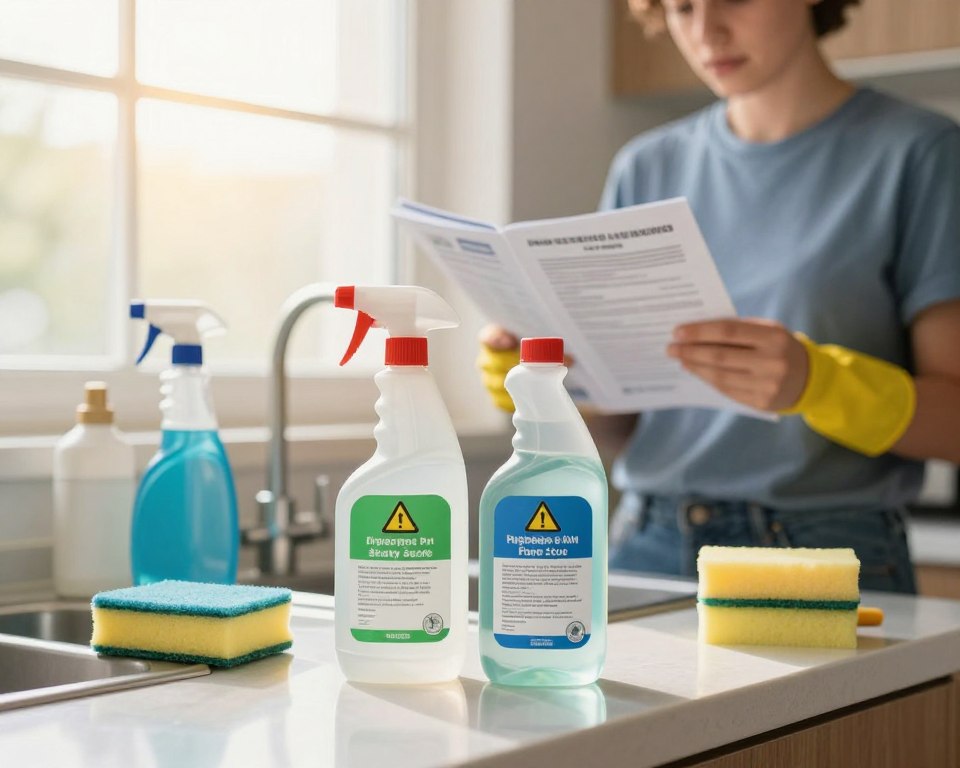
- Always read product labels to identify active ingredients before using them on any surface.
- Proper ventilation is vital when using any chemical agent to prevent fume buildup.
- If you are unsure about a combination, never mix products; use them sequentially instead.
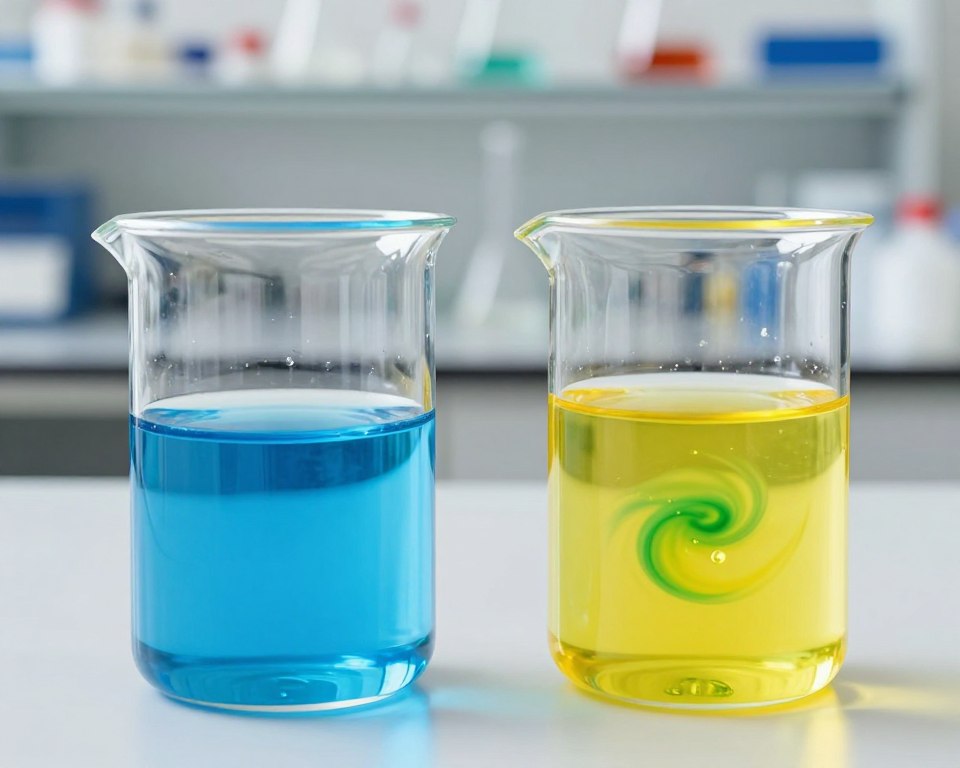
- Signs of a dangerous reaction include unusual odors, bubbling, or unexpected color changes.
Understanding Household Cleaning Chemistry
Every cleaning product under your sink has a special formula. These formulas are made for specific tasks. Using household cleaning products means you’re relying on years of chemical engineering. Knowing how these work helps keep your home safe and clean.
The Science of Surfactants and Solvents
Surfactants and solvents are key in most cleaners. Surfactants make water work better by lowering its surface tension. Think of them as tiny magnets that pull grease and oil into the water.
Solvents dissolve things that water can’t. They’re great at breaking down sticky stuff. Together, surfactants and solvents make a strong cleaner that works well on different surfaces.
Why Manufacturers Formulate Cleaners Separately
Companies test household cleaning products a lot to make sure they’re safe and work well. They pick the right pH level for each product. This ensures it’s safe for what it’s cleaning, like glass or wood.
Mixing different cleaners can mess up their effectiveness. Safety is the main reason they’re made to be used alone. This way, you avoid making your home unsafe with bad chemical reactions.
Is It Safe to Mix Glass Cleaner With Multi-Surface Cleaner?
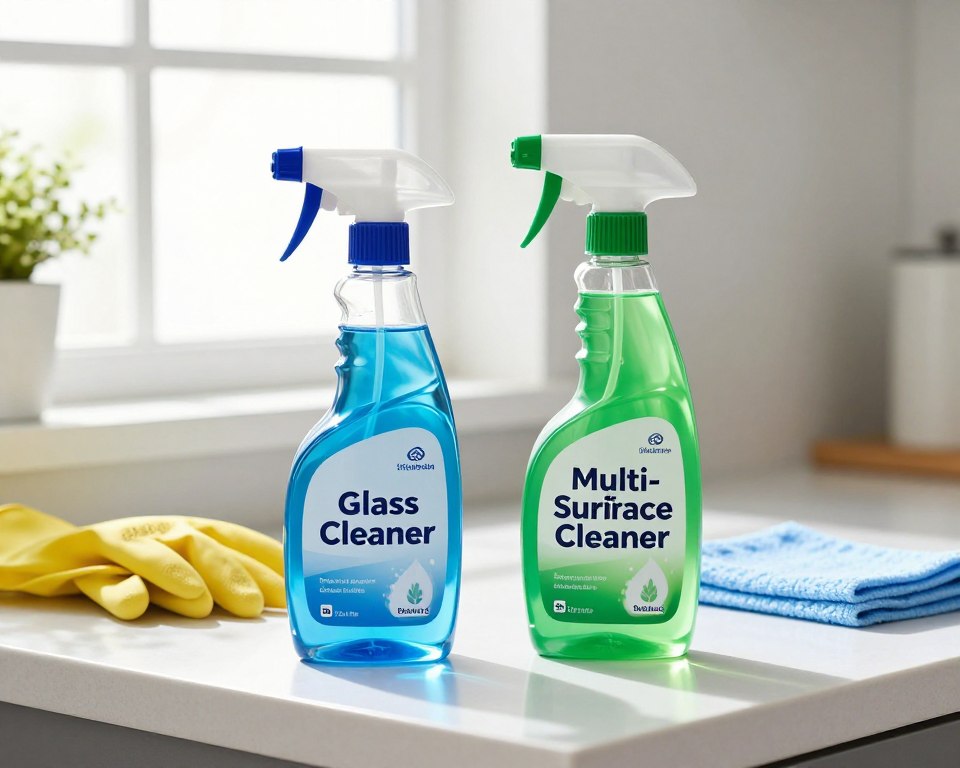
Mixing household chemicals seems convenient but hides dangers. Many think combining two products makes a better cleaner. But, is it safe to mix glass cleaner with multi-surface cleaner? The answer is a clear no.
The Risks of Combining Proprietary Formulas
Companies spend years perfecting their formulas. When you mix cleaners, you upset this balance. Glass cleaners often have ammonia, which reacts badly with bleach in multi-surface cleaners.
“The chemistry of cleaning is precise; introducing unknown variables into a proprietary blend is a recipe for disaster.”
This mix creates toxic chloramine gas, harming your lungs. Even without immediate effects, the mix might not work well. Always follow the maker’s advice for safety.
Why Dilution Does Not Equal Safety
Some think adding water makes a mix safe. But, dilution does not stop chemical reactions from happening. A little concentrated chemical can still release harmful fumes.
Water just spreads the chemicals, not changing their nature. Relying on dilution is risky. Always use products as directed for a safe home.
Common Ingredients Found in Glass Cleaners
The secret to a streak-free shine is in the glass cleaner‘s chemical makeup. These products break down surface tension. This lets them lift dirt without leaving cloudy residues. Knowing these ingredients helps us see why they’re different from regular household cleaners.
The Role of Ammonia in Streak-Free Shine
Ammonia is a key ingredient in top-notch formulas. It cuts through grease, fingerprints, and oily smudges on windows. Its quick evaporation ensures a clear, polished finish.
But, ammonia is strong and needs care. It can create dangerous fumes when mixed with bleach. Always use these products in well-ventilated areas for safety.
Isopropyl Alcohol and Its Evaporative Properties
Isopropyl alcohol is also crucial in a good glass cleaner. It’s responsible for the quick drying that prevents streaks. As it evaporates, it takes away impurities, leaving the surface clean.
Together, these ingredients make a special formula. It works well on glass but can harm other surfaces. Check the table below for how these ingredients work.
| Ingredient | Primary Function | Benefit |
|---|---|---|
| Ammonia | Degreasing | Removes oily residue |
| Isopropyl Alcohol | Solvent | Ensures fast evaporation |
| Surfactants | Wetting Agent | Prevents water spotting |
| Distilled Water | Carrier | Dilutes active ingredients |
Typical Components of Multi-Surface Cleaners
Every multi-surface cleaner has a special mix of ingredients. This mix is designed to be safe and effective. You can use these cleaners on many surfaces without needing different products for each area.
Knowing what’s in your cleaner helps protect your furniture and countertops. It lets you use these products wisely.
pH-Neutral Formulas Explained
Many cleaners have pH-neutral formulas. These are gentle on many materials. They don’t harm delicate finishes like natural stone or polished metal.
Choosing a pH-neutral multi-surface cleaner is usually the safest option. These cleaners clean well without damaging your surfaces. They keep your home looking great.
The Inclusion of Disinfectants and Bleaching Agents
Some cleaners are stronger, with disinfectants or bleaching agents. These add-ons kill bacteria and remove stains well. But, they can also be harsher on surfaces.
Be careful with multi-surface cleaners that have these strong ingredients. Always check the label for things like:
- Quaternary ammonium compounds for effective disinfection.
- Sodium hypochlorite, commonly known as bleach, for whitening and sanitizing.
- Hydrogen peroxide, which acts as a powerful oxidizing agent.
When using a multi-surface cleaner with these agents, be careful. They can react badly with other products. Always follow the manufacturer’s instructions for safety.
The Dangers of Unintended Chemical Reactions
Mixing cleaners might seem like a good idea for extra power. But, chemical reactions in cleaning products can be very dangerous. Many think mixing two cleaners will just make them stronger. But, this often creates harmful substances that are worse than the originals.
“The most important rule of home safety is to never mix cleaning chemicals, as the resulting reactions can be invisible, immediate, and life-threatening.”
The Risk of Creating Chloramine Gas
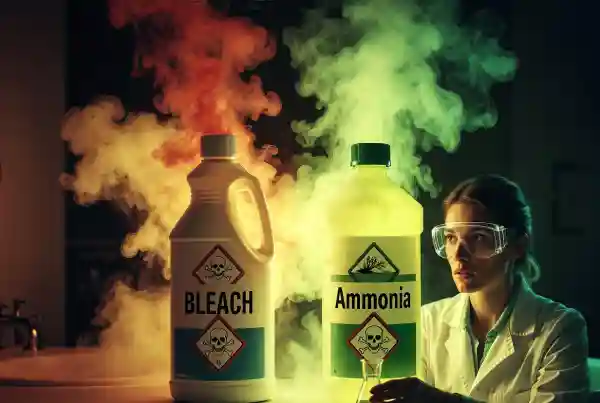
Mixing bleach with ammonia is a big mistake. It causes chemical reactions in cleaning products that release chloramine gas. This gas can hurt your breathing, cause chest pain, and irritate your eyes.
If you mix these, get out of the room fast to get air. The fumes are very toxic and can harm your lungs if you breathe them in too much. Always check labels to avoid mixing these two.
Potential for Corrosive Byproducts
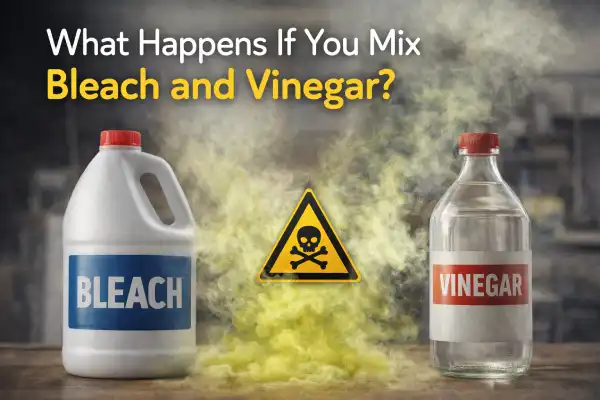
Some mixes can also damage your home. For example, mixing bleach with vinegar makes chlorine gas, which is very acidic. These chemical reactions in cleaning products can damage your countertops, discolor stainless steel, and harm your floors.
The damage from these corrosive agents can’t be fixed. It’s essential to use each cleaning agent alone. This way, you keep your health and home safe.
Identifying Signs of Hazardous Fumes or Reactions
Keeping your home clean is important, but not at the cost of your health. Mixing different cleaning products can lead to chemical reactions that release harmful fumes. It’s crucial to recognize these dangers early to protect yourself and your family.
Physical Symptoms of Chemical Exposure
Your body often shows signs if something is wrong while cleaning. If you start coughing, wheezing, or feel short of breath, stop right away. These signs usually mean you’ve inhaled harmful vapors from mixing the wrong liquids.
Other signs include stinging or burning in your eyes, nose, and throat. If your skin itches or burns after touching a surface, it might be a sign of a corrosive. Always prioritize your health by moving to a well-ventilated area if you feel these symptoms.
Visual Indicators of Dangerous Mixtures
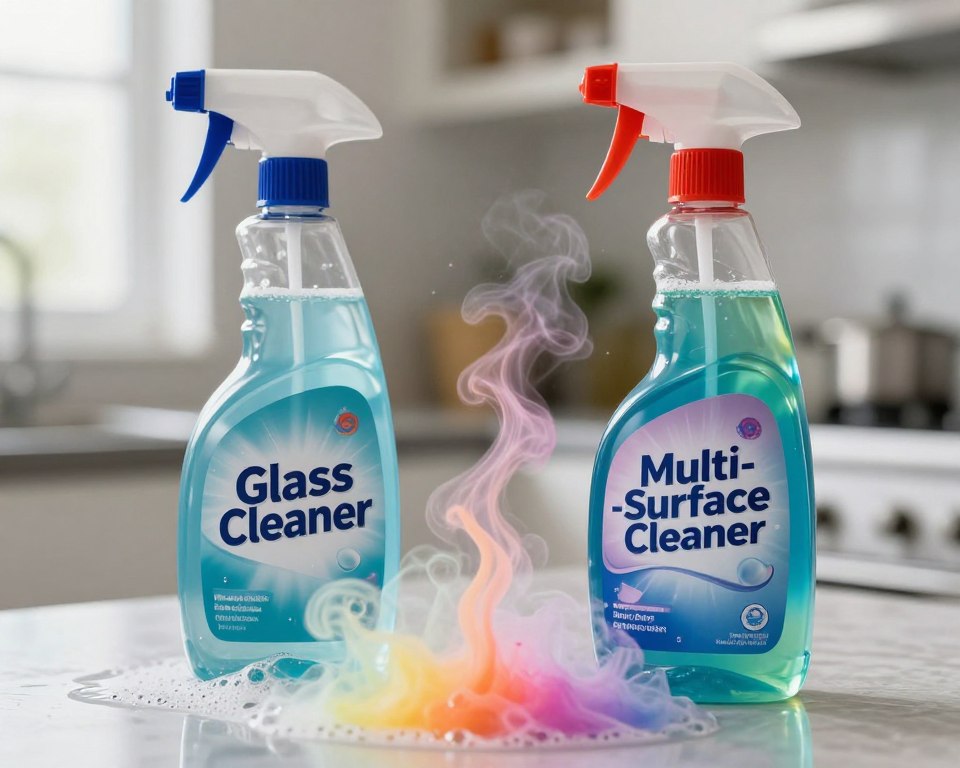
Watch for visual changes in your cleaning solution too. Unexpected bubbling or fizzing means chemical reactions are happening. This usually happens when the pH levels of the mixed agents clash.
Be cautious of sudden color changes or thick, strong smells that weren’t there before. If your solution starts smoking or leaves a film, stop using it at once. These signs are clear warnings that the mixture is unsafe.
| Indicator Type | Common Sign | Action Required |
|---|---|---|
| Physical | Burning eyes or throat | Exit the room immediately |
| Visual | Unexpected bubbling | Ventilate the area |
| Olfactory | Pungent or sharp odors | Seek fresh air |
| Surface | Discoloration or residue | Rinse with water |
Proper Storage and Handling of Cleaning Agents
Keeping your cleaning cabinet organized is key to safety at home. Properly managing your household cleaning products reduces the chance of spills or harmful reactions. A quick check of your storage can give you and your family peace of mind.
Organizing Your Cleaning Supplies Safely
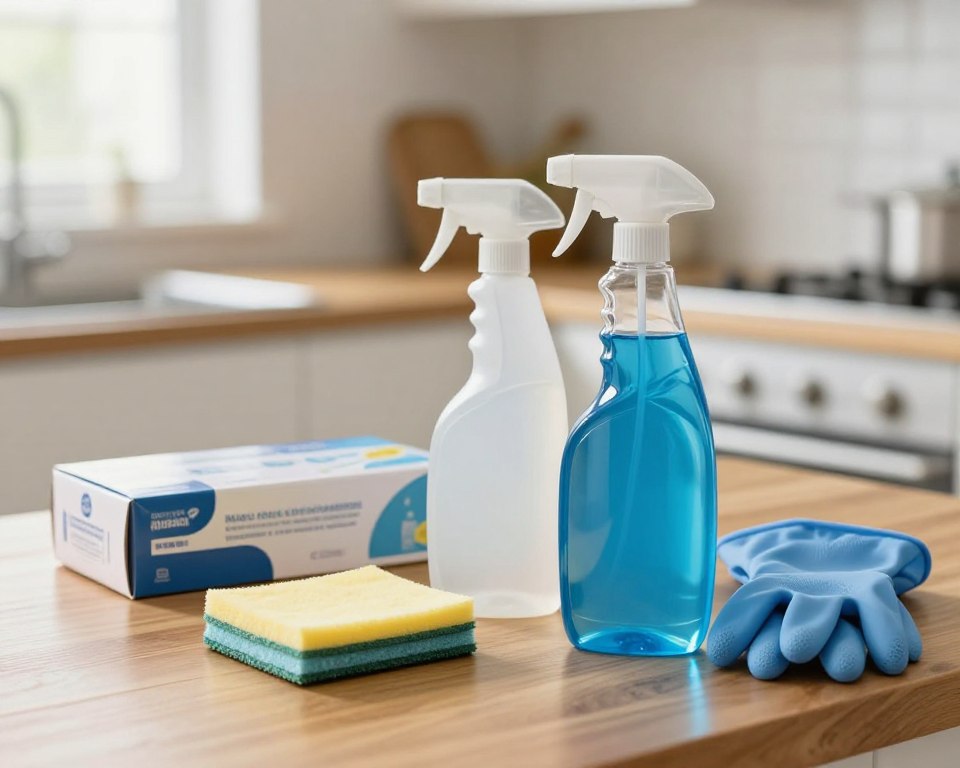
For a safe home, store chemicals in a cool, dry spot. Make sure these areas are completely inaccessible to kids and pets. Learn more about safe storage at our guide on how to safely store household cleaners.
Here are some easy steps to better storage:
- Use high shelves or locked cabinets to prevent unauthorized access.
- Keep liquids stored upright to avoid leaks that could lead to unintended mixing.
- Store incompatible household cleaning products on separate shelves or in different bins.
The Importance of Original Labeling
Always keep items in their original containers. These bottles are made to match the chemicals inside, and the labels have crucial safety instructions. If you move liquids to generic bottles, you might forget what’s inside, leading to accidents.
If you must use a different container, label it clearly and waterproof. Never count on remembering what’s inside. Keeping original labels ensures anyone using your household cleaning products can follow the manufacturer’s safety and usage guidelines.
Best Practices for Cleaning Glass Surfaces
You don’t need a lot of chemicals to make your glass shine. Getting a clean look is more about the tools and how you use them than the glass cleaner brand. With the right tools, you can keep your surfaces looking great without complicated chemicals.
Choosing the Right Cloth for Glass
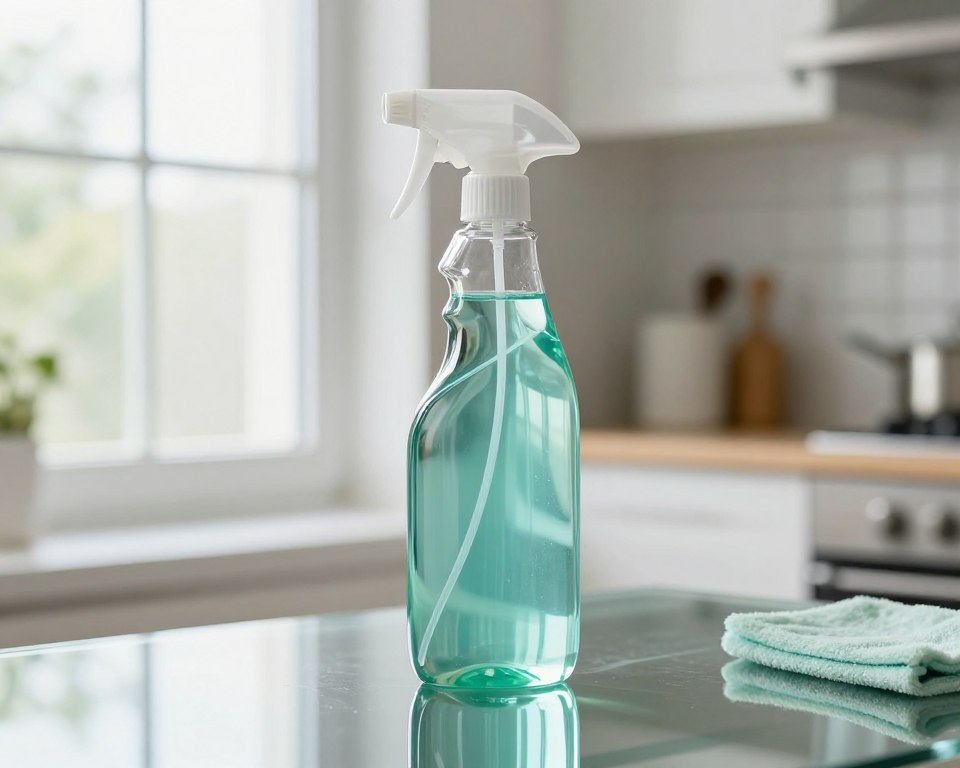
The key to a streak-free shine is the right cloth. Paper towels can leave fibers or lint, which mess up your windows. Instead, use high-quality tools that pick up dirt well.
- Microfiber cloths: These are the best because they catch dust and dirt in their fibers.
- Squeegees: Great for big windows, they get rid of liquid before it dries into streaks.
- Lint-free cotton rags: A good choice if you don’t have microfiber.
Techniques for Streak-Free Results
With the right tools, your cleaning method makes all the difference. When using glass cleaner, remember to use it sparingly to avoid too much residue. Follow these steps for a perfect finish every time.
- Spray a light mist of glass cleaner on your cloth, not the glass, to control the amount.
- Wipe the glass in a consistent “S” pattern, starting from the top and moving down.
- Use a second, dry microfiber cloth to buff the surface right away. This removes any leftover moisture and stops streaks.
Consistency is key for keeping your home in top shape. By following these simple steps, your glass surfaces will stay clear for longer. This method keeps your home looking its best and ensures safe, efficient use of supplies.
Effective Methods for Multi-Surface Maintenance
Learning home maintenance means knowing how materials react to cleaners. Consistency is key to keeping your home looking great and protecting your belongings.
Adapting Cleaning Techniques for Different Materials
Each surface needs special care to avoid damage. For example, granite is porous and acidic cleaners can etch it. It needs a gentle, pH-balanced cleaner.
Wood surfaces do well with oils or polishes, not water-heavy cleaners that can warp them.
Stainless steel needs a special approach to avoid streaks and spots. Always wipe in the grain direction. Using the right tool for each surface is crucial to avoid mixing cleaners, which can be dangerous.
When to Use Specialized Cleaners Versus General Solutions
A good multi-surface cleaner is great for daily use on sealed surfaces like laminate or glass. These cleaners are versatile, saving time and space. But, they’re not always the best for every situation.
For delicate materials or tough grime, use a specialized cleaner. A multi-surface cleaner might dull antique wood or stain unsealed marble. Choosing the right product keeps your surfaces looking great for years.
| Surface Type | Recommended Care | Cleaning Agent |
|---|---|---|
| Granite Countertops | Gentle, pH-neutral wipe | Specialized Stone Cleaner |
| Hardwood Floors | Dusting and light damp mop | Wood-Specific Polish |
| General Laminate | Quick daily wipe down | Multi-surface cleaner |
| Stainless Steel | Wipe with the grain | Specialized Steel Polish |
Why You Should Never Combine Cleaning Products
It’s important to know why you shouldn’t mix cleaning products. Many think mixing two products makes it stronger. But, this can lead to bad chemical reactions or a product that doesn’t work well.
The Myth of Increased Cleaning Power
Some think that if one cleaner is good, two will be better. But, mixing cleaners often neutralizes their active ingredients. For example, vinegar and baking soda might fizz, but they cancel each other out.
This fizzing creates mostly water and salt. So, you’re left with a weak solution. You’re wasting time and money. Always stick with the original formula, not your own mix.
Long-Term Damage to Surfaces and Finishes
Mixing cleaners can also harm your home. Some mixes can etch stone, strip wood, or dull fixtures. Before mixing, check if a cleaner is toxic to avoid damage.
Improper mixes can leave sticky residues that attract dirt. This means you’ll have to clean more often. This exposes your surfaces to harsh chemicals.
To understand the risks, here’s a table comparing standard formulas to DIY mixes.
| Mixture Type | Expected Result | Actual Outcome |
|---|---|---|
| Vinegar + Baking Soda | Super-powered scrub | Neutralized water and salt |
| Bleach + Ammonia | Enhanced disinfection | Toxic chloramine gas |
| Glass Cleaner + Multi-Surface | Streak-free shine | Cloudy, streaky residue |
What to Do If You Accidentally Mix Cleaners
Mistakes happen when we rush through cleaning. Knowing how to react to a mix-up is key for cleaning safety. Even with care, accidents can occur quickly. The most crucial step is to stay calm and manage the situation well.
Immediate Steps for Ventilation and Safety
If you think you’ve mixed dangerous chemicals, get yourself and others away fast. Don’t investigate or clean up while fumes are present. Fresh air is your best defense against harmful vapors.
Open windows and doors wide for good air flow. If it’s a small area, like a bathroom, turn on the exhaust fan and leave the door open. Never try to fix the mix by adding more chemicals, as it could make things worse.
When to Seek Medical Assistance
Watch your body closely after an accident. If you feel chest pain, have trouble breathing, get dizzy, or have severe throat irritation, get medical help right away. Don’t wait for symptoms to go away.
If you’re not feeling well, call your local poison control or emergency services. Have the product bottles ready to read the ingredients. Knowing the risks, like if Pine-Sol is toxic when mixed, helps you handle these moments safely and quickly.
Eco-Friendly Alternatives for Safer Home Cleaning
Switching to eco-friendly cleaning is a smart move. It helps you avoid harsh chemicals. Natural ingredients work well and don’t have strong smells. This choice is good for your health and the planet.
Using Vinegar and Water Solutions
White vinegar is a key part of green cleaning. If you’re wondering is white vinegar safe for cleaning, the answer is usually yes. It’s great for removing dirt and mineral buildup.
To make a simple cleaner, mix equal parts water and white vinegar in a spray bottle. It’s perfect for glass, countertops, and tile. Always test it first on a small area, like marble, which can be damaged by acid.
The Benefits of Plant-Based Cleaning Agents
Plant-based cleaners are a strong choice for home care. They use coconut, corn, or citrus to clean. These cleaners are good for the environment and don’t have harmful chemicals.
But, be careful when making your own cleaners. Don’t mix vinegar with castile soap. The vinegar will ruin the soap, making it useless.
Keep your homemade cleaners consistent and store them well. Use clear labels on your containers. This way, you can keep your home clean and safe without harming the environment.
Professional Advice on Maintaining a Safe Cleaning Routine
Keeping your home clean is more than just using the right products. It’s about having a clear plan for cleaning safety. A set routine helps you avoid taking shortcuts that could be dangerous. This way, your home stays safe and healthy for everyone.
Establishing a Consistent Cleaning Schedule
Being consistent is key to a good cleaning plan. Breaking tasks into smaller daily or weekly jobs helps you avoid rushing. Planning ahead lets you use the right cleaner for each surface without feeling stressed.
- Create a list of surfaces and the cleaners needed for each.
- Set aside time for deep cleaning to avoid mixing harsh chemicals.
- Use a calendar to keep track of when you last cleaned each area.
Training Household Members on Chemical Safety
Keeping your home safe is a team effort. Everyone needs to know the basics of cleaning safety to avoid accidents. Teaching your family is the best way to protect them long-term.
Here are some easy steps to educate your family:
- Labeling: Make sure everyone knows to keep products in their original containers with clear labels.
- Storage: Teach everyone to store chemicals in cool, dry places, out of children’s and pets’ reach.
- Emergency Awareness: Ensure all adults know where safety data sheets are and who to call in case of an emergency.
Creating a culture of open communication helps everyone contribute to a safe home. When everyone knows the risks, you can keep your home clean while keeping your family safe.
Conclusion
Keeping your home clean shouldn’t hurt your health. Mixing different cleaners can release harmful gases. It’s safer to use each product as directed.
Choosing plant-based or fragrance-free cleaners is a smart move. They lower your risk of breathing in harmful chemicals. For more tips on keeping your home safe, check out safe cleaning products during pregnancy.
Using the right tool for each job is key. Always open windows for good air flow. Reading labels helps you avoid dangerous chemicals.
Sticking to a good cleaning routine is important. Keep your supplies in order and out of reach of kids and pets. This way, your home stays clean and safe for everyone.
FAQ
Is it safe to mix glass cleaner with multi-surface cleaner?
No, it’s not safe to mix glass cleaner with multi-surface cleaner. Glass cleaners, like Windex, have ammonia. Multi-surface cleaners, like Clorox Clean-Up, may have bleach or other disinfectants. Mixing them can create hazardous chemical reactions, making a toxic chloramine gas that’s harmful to breathe.
What happens if I mix ammonia-based cleaners with bleach?
Mixing ammonia and bleach makes chloramine gas. This gas can cause respiratory distress, coughing, nausea, and eye irritation. In high amounts, it can damage your lungs or cause serious health problems.
Does diluting a mixture of cleaning products with water make it safe to use?
No, diluting doesn’t make it safe. Adding water might slow things down, but it doesn’t stop the chemical problems. Always use cleaning products as directed by brands like Lysol or Mr. Clean for cleaning safety.
Can mixing different cleaners actually improve their cleaning power?
This is a dangerous myth. Mixing products like vinegar and baking soda can neutralize their effectiveness. It leaves you with a less effective solution. Also, mixing multi-surface cleaner with glass cleaner can leave a cloudy residue that’s hard to clean.
What should I do if I accidentally mix two different household cleaning products?
If you mix cleaners by accident, immediately leave the area to get fresh air. Open windows for ventilation. Don’t try to fix it by adding more chemicals. If you feel short of breath or dizzy, call Poison Control or get medical help right away.
Can mixing cleaners cause permanent damage to my home surfaces?
Yes, mixing cleaners can cause permanent damage. The byproducts can etch, discolor, or dull surfaces. Using a multi-surface cleaner on the wrong surface can lead to expensive repairs, like for marble or granite.
Are eco-friendly cleaners like Seventh Generation safe to mix together?
Even plant-based cleaning agents from brands like Seventh Generation or Mrs. Meyer’s Clean Day are made to work alone. While they’re safer for the environment, mixing them can still cause problems. It’s best to use one product at a time for safer home cleaning.
How can I tell if a chemical reaction is occurring in my mop bucket or spray bottle?
Look for visual indicators like bubbling, fizzing, or cloudy liquid. Also, listen to your body. A sharp, pungent odor or burning in your nose or throat means a hazardous reaction. Get out of the room right away.