Did you know over 80% of household toxins are in common supplies? Many owners unknowingly expose their pets to harmful chemicals daily.
Keeping your home clean is key, but the right supplies matter. Even mild cleaners can leave films that irritate pets’ paws or upset their stomachs.
To protect your pets, take a proactive approach to home care. Choosing natural cleaners ensures a healthier environment for your pets to enjoy.
Key Takeaways
- Most household chemicals contain hidden toxins that impact animal health.
- Invisible films left behind can cause skin irritation or digestive issues.
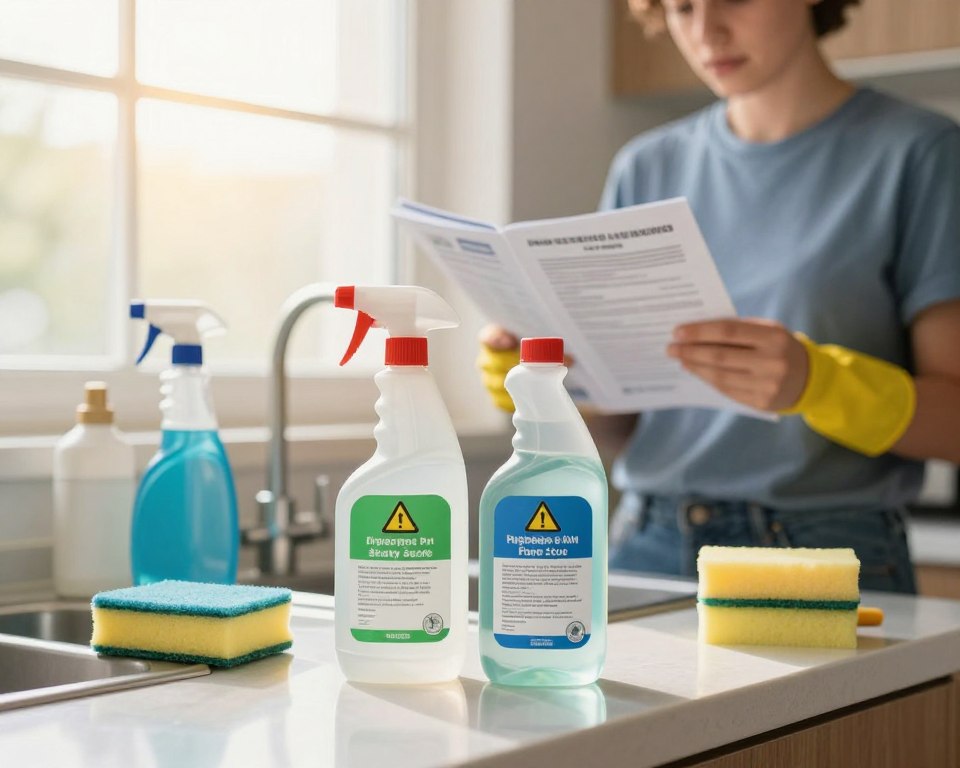
- Always check labels for ingredients that might be harmful to animals.
- Switching to natural alternatives significantly reduces chemical exposure.
- Maintaining a tidy home should never compromise the well-being of your pets.
Understanding the Risks of Floor Cleaning Residues
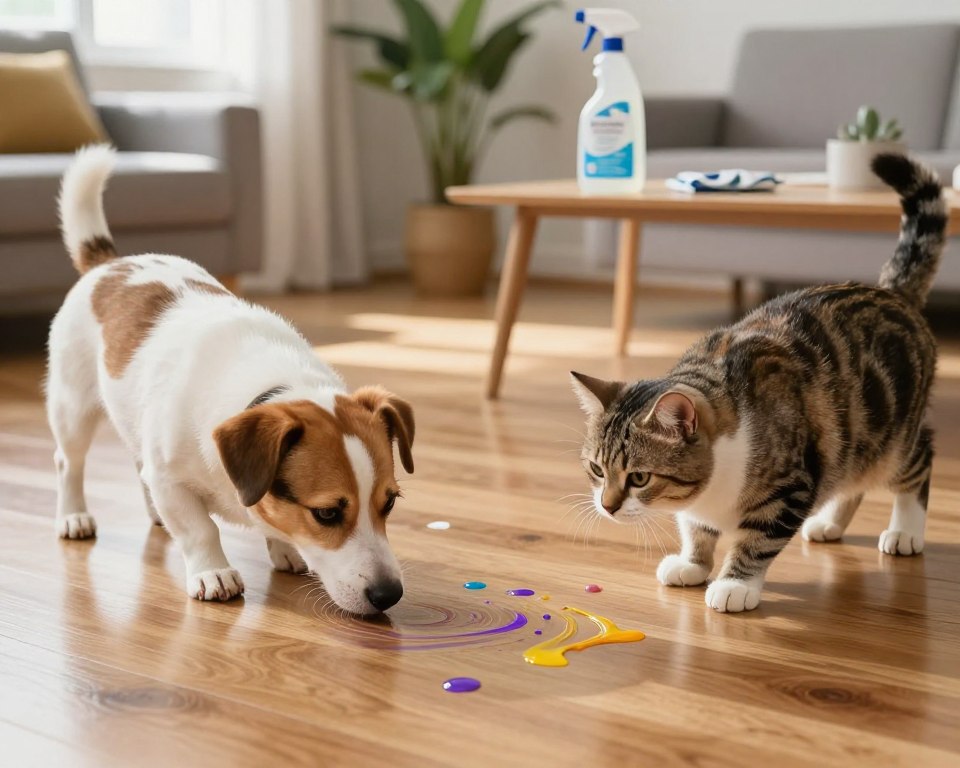
Your daily cleaning might leave more than just a fresh smell. Many think a floor is clean if it looks it, but that’s not always true. Invisible chemicals can stay on surfaces for hours or days, affecting cleaning product residues and pets’ health.
The Science of Surface Residue
When you clean your floors, the active ingredients don’t just disappear. Many cleaners leave a thin film for shine or scent. This film traps dust, allergens, and chemicals.
These substances stick to surfaces, making them hard to rinse off. Over time, they build up, creating a chemical environment. Understanding this is key for keeping pets safe at home.
Why Pets Are More Vulnerable to Chemicals
Pets are always in touch with the floor, unlike humans who wear shoes. This makes them more likely to be affected by cleaning product residues and pets’ health issues.
Also, pets are smaller, so even a little chemical can harm them more. Their grooming habits make them even more vulnerable. When pets lick their paws, they ingest floor residue. This constant exposure can cause irritation or serious health problems if the products are not safe for pets.
Are Cleaning Product Residues on Floors Safe for Dogs and Cats?
Many pet owners wonder, “Are Cleaning Product Residues on Floors Safe for Dogs and Cats?” It’s a good question. Our pets spend a lot of time on the floors we clean every day.
We all want a clean home, but the chemicals we use can stay around. Understanding the potential risks helps make our homes safer for pets.
The Reality of Household Exposure
Many cleaning products are safe for humans but not pets. Dogs and cats can get sick from these chemicals more easily.
Pets walk, sit, and sleep on our floors. They get exposed to chemicals that stay behind. If a cleaner has harsh solvents or fragrances, pets can get sick from them.
Differentiating Between Safe and Hazardous Residues
Finding safe cleaning products takes some effort. Look for transparency in ingredient lists instead of just “natural” or “green” labels.
Bad residues have ingredients that don’t go away fast. Safe products use plant-based stuff that breaks down easily and doesn’t harm pets.
Choosing the right cleaning products makes your home safe for pets. Prioritizing your pet’s well-being means a healthier home for all.
Common Toxic Ingredients to Avoid in Floor Cleaners
Keeping your floors clean doesn’t have to harm your pets. Many pet owners unknowingly use harmful chemicals in floor cleaners for pets at home. Reading labels is key to keeping your home safe for your pets.
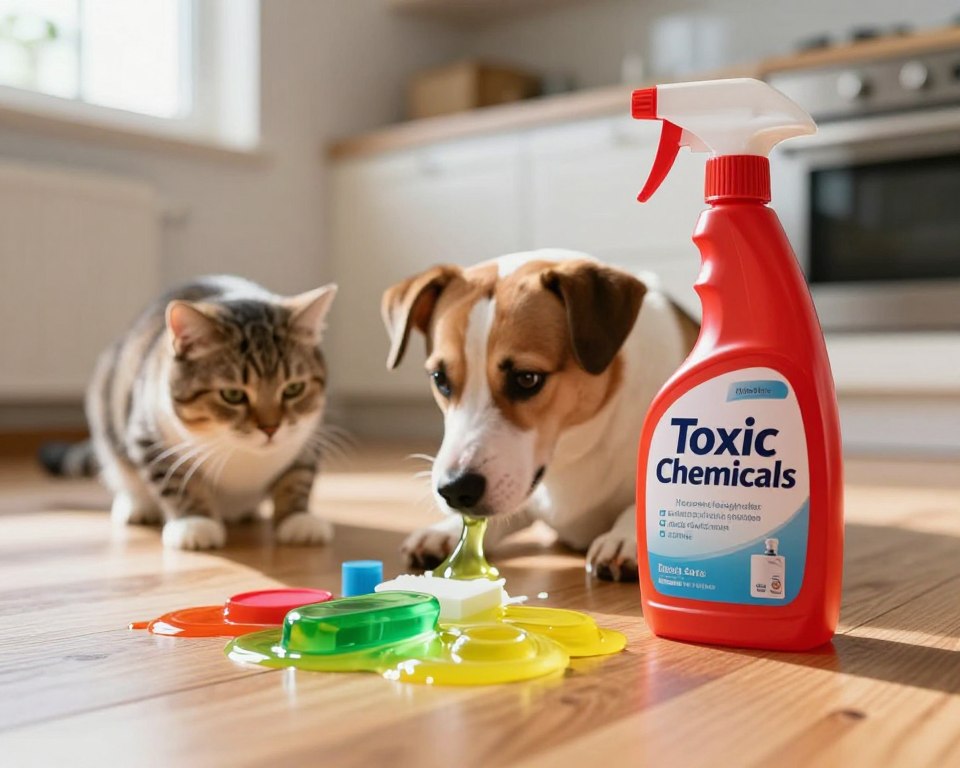
If you’re not sure about your cleaning products, do some research. Check if household cleaning products are safe before cleaning. This way, you can avoid harmful ingredients for your pets.
Phthalates and Synthetic Fragrances
Many cleaners use synthetic fragrances for a fresh smell. But these fragrances often have phthalates, which are harmful. These chemicals can disrupt your pet’s hormones over time.
Ammonia and Chlorine Bleach Dangers
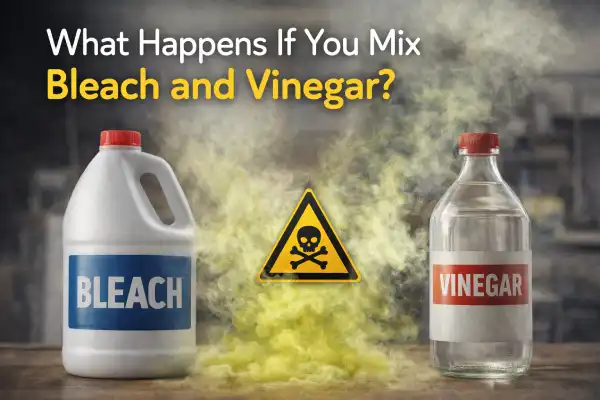
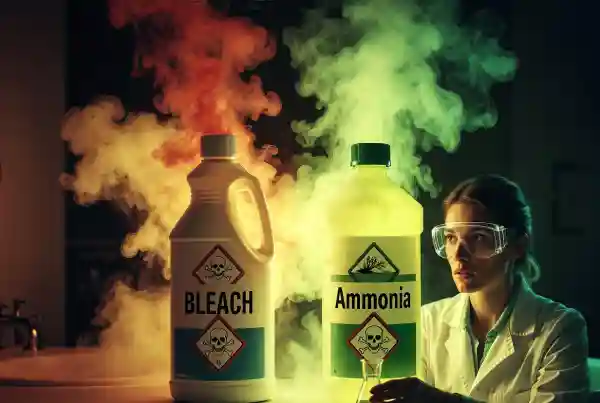
Ammonia and chlorine bleach are strong cleaners but can harm pets. They can irritate your pet’s skin and respiratory system. Avoid products with these ingredients.
- Chlorine Bleach: Can cause skin irritation and toxic fumes.
- Ammonia: Often triggers sneezing, coughing, and eye watering in pets.
- Synthetic Fragrances: Frequently mask hidden phthalates.
Quaternary Ammonium Compounds
Quats are in antibacterial cleaners but can irritate pets. They can cause skin problems in dogs and cats. Look for safer, plant-based cleaners that clean well without harming your pets.
How Pets Interact with Floor Residues
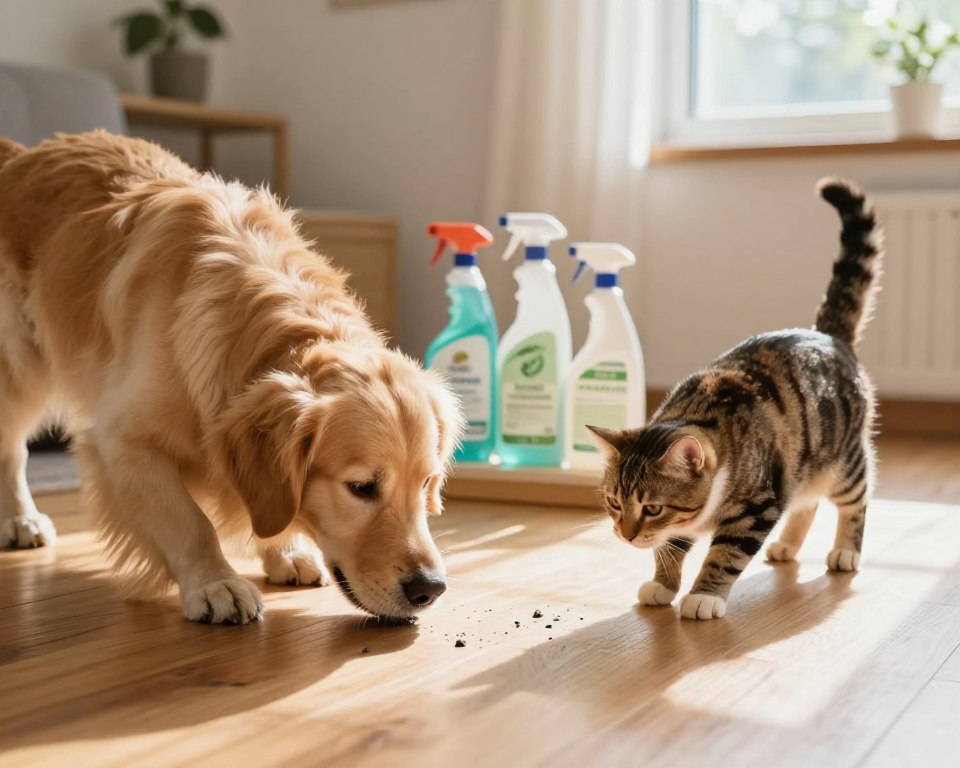
Dogs and cats live at floor level, which means they face cleaning residues in ways we don’t. We walk on floors with shoes or slippers, but pets walk, sit, and sleep right on them. This constant contact links cleaning product residues and pets’ health in every home.
Grooming Habits and Ingestion Risks
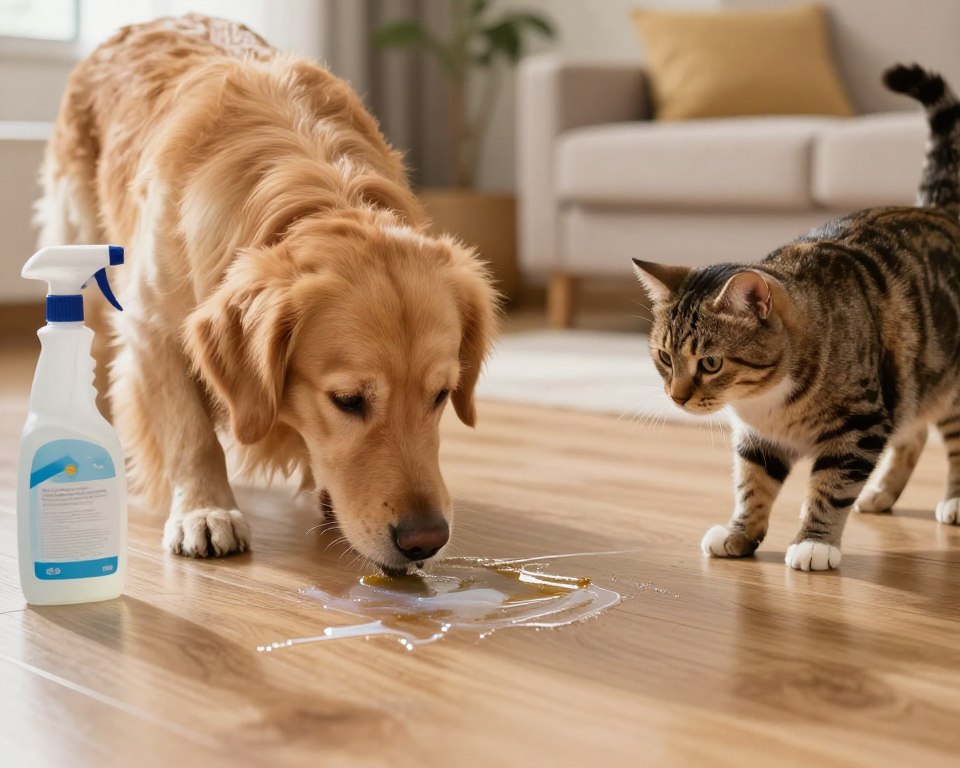
Pets often ingest chemicals through grooming. When they walk on a cleaned floor, tiny particles stick to their fur and paws. Then, when they groom themselves, they lick these chemicals into their bodies.
This creates a cycle of ingestion that many owners miss. Even if a floor looks clean, invisible films can build up on pets’ coats. This shows why we need to focus on non-toxic, pet-safe cleaning products.
Dermal Absorption Through Paw Pads
Pets are also at risk through their paw pads. A dog’s paw pads are vascular and sensitive, designed for traction and feedback. Unfortunately, this makes them an efficient pathway for chemical absorption into the bloodstream.
When a pet walks on a floor treated with harsh cleaners, chemicals can get into their skin. This exposure is often silent, with no immediate signs of irritation. To better understand these risks, consider the following comparison of how different exposure pathways affect your animals:
| Exposure Pathway | Primary Risk | Severity Level |
|---|---|---|
| Grooming (Ingestion) | Digestive upset or toxicity | High |
| Paw Pad Contact | Systemic absorption | Moderate |
| Sleeping on Floors | Skin irritation | Low to Moderate |
By understanding these unique interactions, you can protect your pets. Prioritizing cleaning product residues and pets’ health keeps your home safe for all family members.
Signs of Chemical Exposure in Dogs and Cats
Your pet’s health can be quietly affected by cleaning products. Animals often get close to the ground, making them first to meet harmful chemicals in floor cleaners for pets. It’s key to watch for small changes in their behavior to keep your home safe.
Acute Symptoms to Watch For
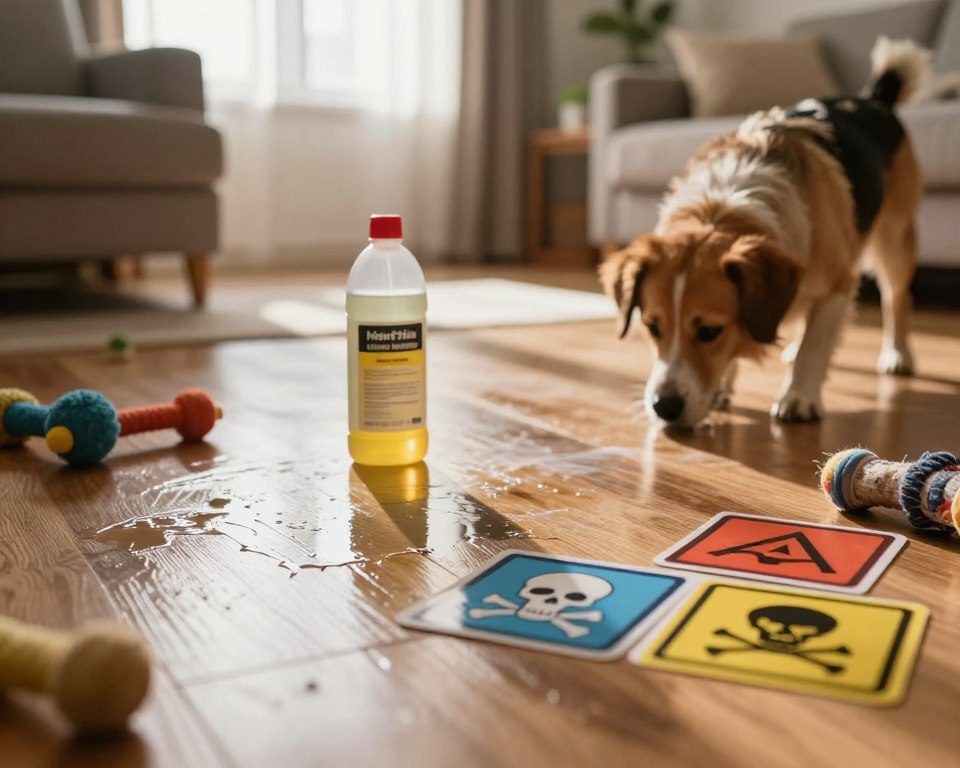
When pets touch harsh cleaners, they react fast. You might see your dog or cat suddenly coughing or sneezing after mopping. Signs like watery eyes, too much drooling, or red paws are clear signs of irritation.
If your pet seems very tired or starts vomiting after cleaning, it’s serious. These signs mean they’ve touched or eaten harmful chemicals in floor cleaners for pets. Always call your vet if these signs don’t go away or get worse.
Long-Term Health Implications of Chronic Exposure
While quick reactions are obvious, chronic exposure is sneaky. Long-term contact with toxins can harm a pet’s liver and kidneys. This can weaken their immune system, making them more likely to get sick.
Watch for ongoing skin problems or changes in appetite. Chronic irritation can cause dermatitis or breathing issues that grow slowly. Being alert helps you catch these problems early, before they become serious.
| Exposure Type | Primary Indicators | Urgency Level |
|---|---|---|
| Acute | Sneezing, watery eyes, vomiting | High – Seek immediate care |
| Chronic | Dry skin, lethargy, weight loss | Moderate – Consult your vet |
| Severe | Seizures, collapse, difficulty breathing | Critical – Emergency intervention |
Best Practices for Pet-Safe Floor Cleaning
Keeping floors clean doesn’t mean using harsh chemicals that harm pets. By following a few pet-safe floor cleaning tips, you can keep your home clean and pets healthy. Making small changes can make a big difference.
Choosing the Right Cleaning Tools
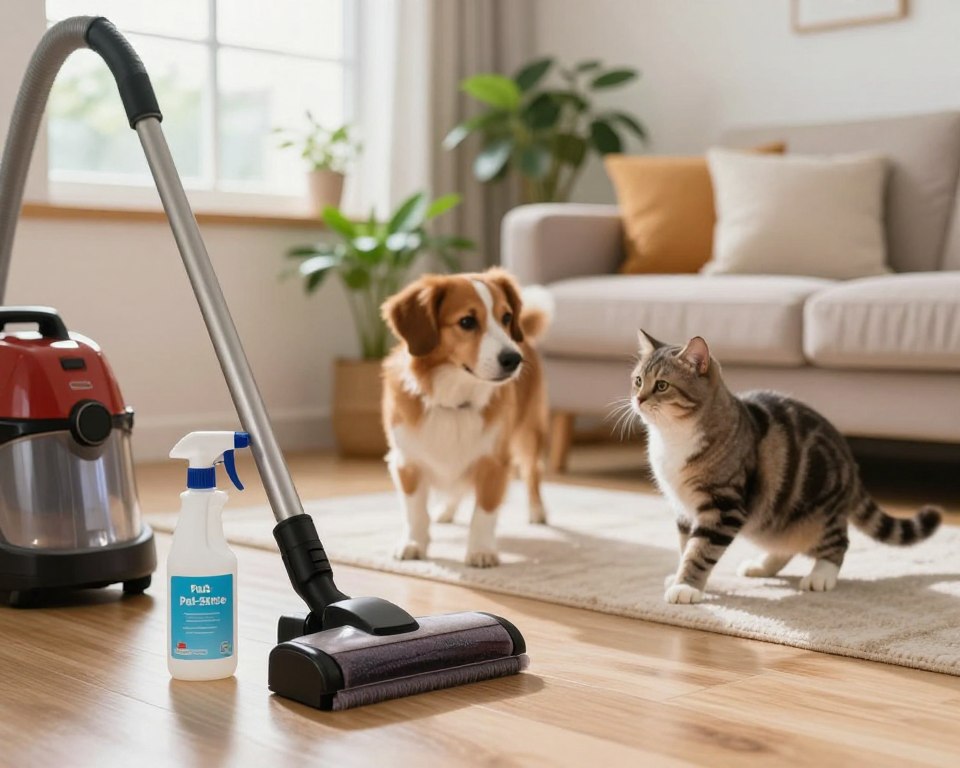
The tools you choose are crucial in avoiding chemical residue on floors. High-quality microfiber mops are great for picking up dirt with just water or mild cleaners. They help avoid using strong detergents that can be harmful.
When using special products, always check the ingredients first. You might also use a pet-safe rug deodorizer to keep carpets fresh without synthetic fragrances. A steam cleaner is also a good choice, as it sanitizes without chemicals.
Ventilation Strategies During and After Cleaning
Good airflow is key when cleaning. Always open windows or doors to let fumes out. If you can’t open windows, use fans or portable units to move air.
Consistency is key in these cleaning tips. Keep pets in a well-ventilated area until floors are dry. This prevents them from walking on wet floors and tracking it to their bedding or fur.
Natural and Eco-Friendly Cleaning Alternatives
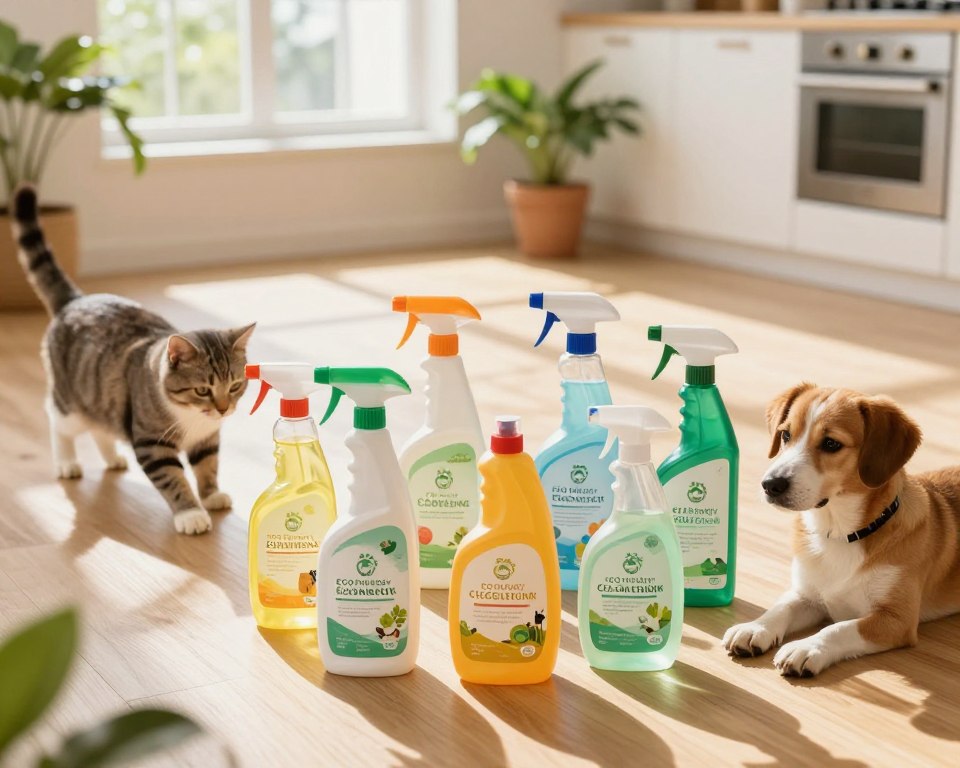
You don’t need strong cleaners to keep your home clean for pets. Many cleaners have harsh chemicals that stay on surfaces. By using non-toxic floor cleaners for pets, you lower the risk of pets getting sick or irritated.
The Efficacy of Vinegar and Water Solutions
White vinegar is a powerhouse in natural cleaning. Mixed with water, it makes a solution that removes dirt and mineral deposits. It’s cheap, works well, and doesn’t leave harmful chemicals behind.
Using Baking Soda for Deodorizing Floors
Baking soda is great for getting rid of pet smells. It’s a gentle cleaner that really gets rid of odors, not just covers them up. Using these pet-friendly floor care solutions keeps your home smelling fresh for everyone.
Plant-Based Surfactants Explained
Many eco-friendly floor cleaning products for pets use plant-based surfactants. These come from things like coconut or corn. They clean without leaving harmful chemicals, making them safe for pets and the planet.
Evaluating Pet-Friendly Floor Cleaning Products
Finding pet-friendly floor cleaning products can be tricky. Many brands say they are safe, but not all are. It’s important to choose products that keep your floors clean and your pets safe.
Reading Labels for Pet Safety
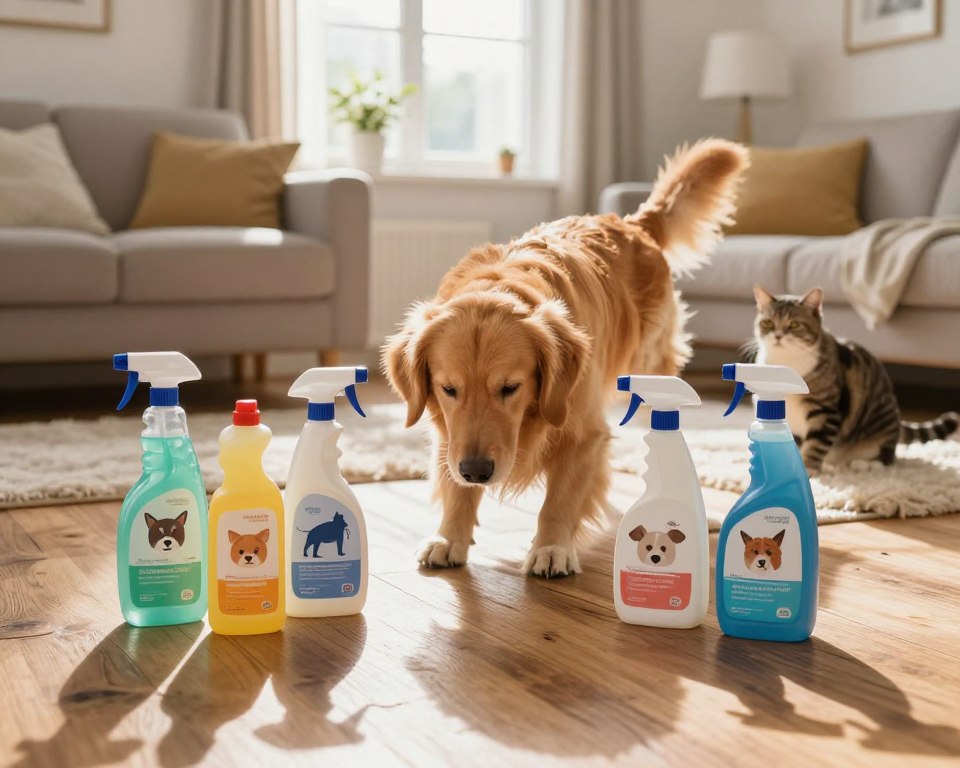
When looking for the best floor cleaners for pet owners, check the ingredients. Brands that are open about what’s in their products are usually trustworthy. Look for clear ingredient lists, not vague terms like “surfactants” or “fragrance.”
Stay away from cleaners with harsh chemicals like ammonia, bleach, or phthalates. These can harm your pet’s health. Choose products that use non-toxic, plant-based ingredients instead.
Certifications to Look For
Feeling lost among all the options? Look for third-party certifications. The EPA’s Safer Choice label is a top choice for eco-friendly floor cleaning products for pets. It means the product has been tested for safety and environmental health.
Other good organizations, like the Leaping Bunny program, also offer trusted certifications. Products with these seals are safe and ethical. By choosing these products, you can be sure you’re keeping your pets safe.
Proper Dilution and Rinsing Techniques
To keep your floors clean and pets healthy, mastering dilution and rinsing is key. Many think more soap means cleaner floors, but it often leaves a sticky film. This film traps dirt and can harm pets. Finding the best floor cleaners for pet owners is important, but how you use them matters more.
The Importance of Following Manufacturer Guidelines
Always check the label before cleaning. Manufacturers give specific ratios to ensure the product works well without leaving harmful residues. Using too much can harm pets, as they might lick the floor.
Precision is your best friend when mixing. Stick to the recommended amount, even if you think more is better. Over-concentrated mixtures are hard to remove and can be toxic to your pets.
Why a Second Water-Only Rinse Matters
Even with mild products, a second rinse with water is crucial. This step removes any remaining chemicals or fragrances that could irritate your pet’s paws. It’s the best way to make sure your floors are safe for pets.
“The most overlooked step in household sanitation is the final rinse. Removing the chemical residue is just as important as the cleaning process itself to prevent long-term health issues in animals.”
Here’s why rinsing is so important for your home:
| Cleaning Step | Purpose | Pet Safety Impact |
|---|---|---|
| Initial Scrub | Removes grime | Moderate risk of residue |
| Water Rinse | Neutralizes chemicals | High safety improvement |
| Air Drying | Evaporates moisture | Prevents paw irritation |
Adding a thorough water rinse to your routine helps protect your pets. This simple step keeps your home safe from chemical exposure.
Managing Floor Cleaning in Multi-Pet Households
Having many pets means keeping floors clean and safe is crucial. It can feel overwhelming, but a good plan helps a lot. By picking the right pet-friendly floor cleaning products, your home stays clean and your pets stay healthy.
Coordinating Cleaning Schedules with Pet Activity
Timing your cleaning right is key. Clean when pets are sleeping or outside. Consistency is key to avoid stepping on pets while cleaning.
For active pets, move them to a different room or outside one by one. This stops accidents and keeps pets away from wet floors. Using pet-friendly floor care solutions means you can clean safely without harming your pets.
Creating Safe Zones During Drying Times
Even safe cleaners need pets to stay off wet floors. Use baby gates or playpens to make safe zones. These secure environments let pets relax while floors dry.
Remember, things like bleach are very dangerous. Keep pets away from wet floors to avoid accidents. Setting up these safe zones is a proactive step for a safer home.
When to Consult a Veterinarian
Knowing when to call a vet is key for pet owners. Some cleaning accidents need vet help fast to keep pets safe. Staying calm and acting quickly helps a lot.
Identifying Emergency Situations
Call your vet or an animal hospital right away if your pet acts strangely or seems very sick. If you’re not sure about a product, like is Lysol toxic to dogs, it’s safer to be cautious.
Look out for these critical warning signs of poisoning or chemical reaction:
- Difficulty breathing, wheezing, or persistent coughing.
- Sudden seizures, tremors, or loss of coordination.
- Excessive drooling, foaming at the mouth, or vomiting.
- Severe lethargy or an inability to stand up.
- Chemical burns or redness around the mouth, paws, or skin.
Information to Provide Your Vet
When you call your vet, having the right info ready is crucial. Keeping the product container close is wise. This helps the vet give the best advice fast.
Be ready to share these essential details with your vet:
- The Product Label: Read the ingredients list and look for the manufacturer’s contact information.
- Method of Exposure: Explain if the pet ingested the cleaner, walked through it, or inhaled fumes.
- Time of Incident: Note exactly when the exposure occurred and how long ago it happened.
- Current Symptoms: Describe any changes you have observed in your pet since the exposure.
If you can’t reach your vet, call a 24-hour emergency clinic or a pet poison control hotline. Your quick response is crucial to protect your pet.
Creating a Long-Term Pet-Safe Cleaning Routine
Creating a cleaning schedule is key to a safe home for pets. It ensures your pets can move around without danger from chemicals. Choosing non-toxic floor cleaners for pets is a big step towards a safe home.
Establishing Weekly Cleaning Habits
Keeping floors clean is easy with a regular routine. Pick a day each week for a deep clean. This stops dust and allergens from building up.
Using tools like microfiber mops is great. They pick up dirt without harsh chemicals.
- Schedule your cleaning during times when pets are resting in another room.
- Focus on high-traffic areas where your pets spend the most time lounging.
- Always allow floors to dry completely before letting your pets back into the space.
Maintaining a Non-Toxic Home Environment
Seeing your home as a non-toxic sanctuary changes how you clean. It’s not just about the products, but your pets’ long-term health. Using non-toxic floor cleaners for pets keeps all surfaces safe.
“The smallest changes in our daily habits can lead to the greatest improvements in the health and well-being of our beloved pets.”
By sticking to these habits, you create a healthy space for everyone. A clean home should never risk your pet’s safety. Stay consistent, keep things simple, and enjoy a safe environment.
Conclusion
Your home is a safe place for your pets. The products you use to clean your floors are very important for their health. Making small changes in your daily routine can make a big difference.
Choosing pet-safe floor cleaning tips helps keep your pets safe from harmful chemicals. Using plant-based cleaners or simple mixes like vinegar and water is a good choice. It keeps your home safe from the dangers in many common cleaners.
Being consistent is key. Creating a routine that includes good air flow and thorough cleaning is crucial. This keeps your home free from harmful chemicals and keeps your floors clean.
Choosing a non-toxic home is good for your pets’ health. By following these pet-safe cleaning tips, you can enjoy time with your pets in a safe and happy place.
FAQ
Are Cleaning Product Residues on Floors Safe for Dogs and Cats?
Not all residues are safe. Traditional cleaners can harm pets. Use non-toxic cleaners to keep them safe.
What are the best floor cleaners for pet owners?
Good options include Bona Pet System, Better Life, and Mrs. Meyer’s Clean Day. They use safe ingredients.
How can I tell if a floor cleaner is truly pet-friendly?
Look for the EPA Safer Choice seal. Avoid harmful chemicals like benzalkonium chloride and synthetic fragrances.
Is it safe to use vinegar and water on all floor types?
Vinegar and water is safe for most floors. But avoid using it on unsealed hardwood or marble, as it can dull the finish.
Why is a second rinse important for pet safety?
Even safe cleaners can leave residue. A second rinse with water removes it. This keeps pets safe.
Can floor cleaner fumes hurt my cat or dog?
Yes, pets are sensitive to fumes. Ammonia or bleach can cause problems. Always ventilate well while cleaning.