Did you know indoor air can be up to five times more polluted than outside air? Many homeowners unknowingly trap invisible toxins in their homes after cleaning. Protecting your respiratory health is as important as keeping your home clean.
It’s crucial to know how long cleaning product fumes last to keep your family safe. Many think a quick clean is safe, but vapors stay on surfaces and fabrics for hours.
This guide helps keep your home healthy. By balancing cleaning with air flow, you can control your home’s air quality.
Key Takeaways
- Indoor air quality often drops significantly immediately following the use of standard household agents.
- Vapors can persist on porous surfaces like curtains and upholstery for several hours.
- Opening windows is a critical step to reduce peak concentrations of airborne irritants.
- Switching to low-VOC products helps minimize the total chemical load in your living space.
- Ventilation is most effective when paired with safer, non-toxic alternatives for daily chores.
Understanding the Importance of Indoor Air Quality
Your home should be a safe haven, but cleaning products might harm your indoor air quality. We often clean to remove dirt and grime, but ignore the invisible particles from chemical cleaners. It’s crucial to understand how these substances affect the air we breathe every day.
Many household cleaners have synthetic scents and additives to make your home smell nice. But, these fragrances often hide volatile organic compounds that release into your space. Just because a room smells good doesn’t mean the air is safe to breathe.
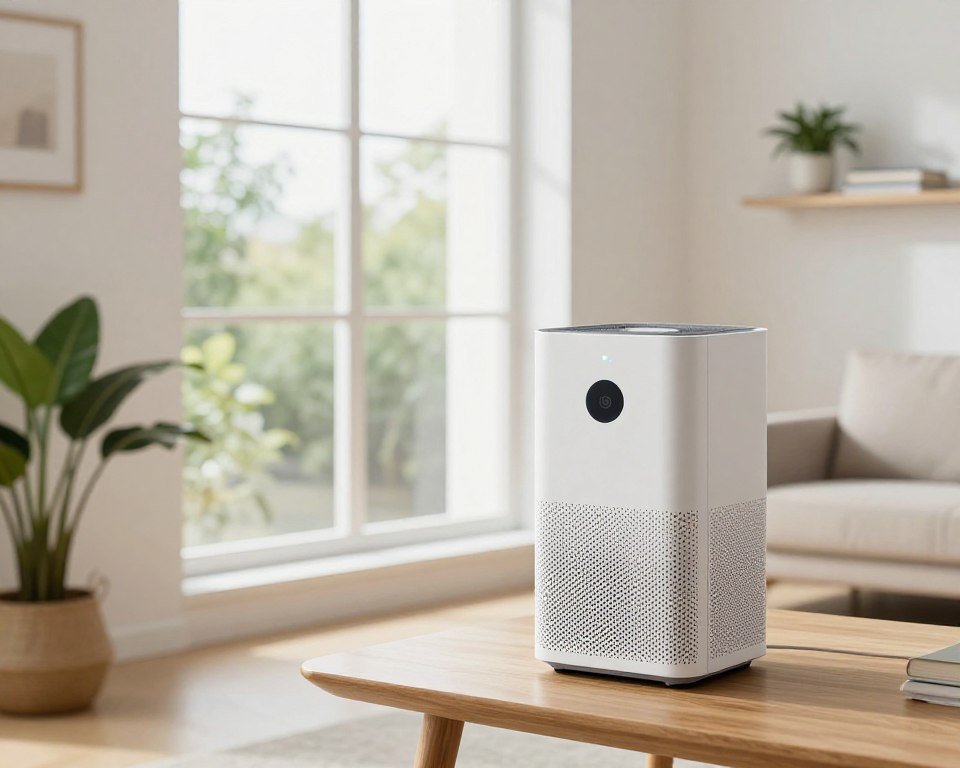
Improving indoor air quality is key to a healthy home. Using harsh chemicals introduces pollutants that stay long after surfaces look clean. Being aware of these risks helps you choose better for your family’s health.
To see how cleaning habits affect your home, look at this comparison:
| Cleaning Practice | Air Impact Level | Primary Concern |
|---|---|---|
| Aerosol Sprays | High | Chemical particulates |
| Bleach-based cleaners | High | Respiratory irritation |
| Natural vinegar solutions | Low | Minimal off-gassing |
| Synthetic scented soaps | Moderate | Hidden VOCs |
Your aim should be to reduce airborne irritants. By improving your indoor air quality with better ventilation and product choices, you make your home safer. These small actions today lead to a healthier home for the future.
The Science Behind Chemical Residue and Volatile Organic Compounds
When you do chemical cleaning, you’re dealing with tiny molecules. These molecules are in many household products. They are called Volatile Organic Compounds, or VOCs. These particles can stay in the air for a long time.
These substances are not just in strong cleaners. They’re also in many everyday items. For example:
- Adhesives and glues used for home repairs.
- Synthetic sealants found in bathrooms and kitchens.
- Various aerosol-based chemical cleaning agents.
- Certain personal care products, such as those discussed in guides on nail polish remover safety.
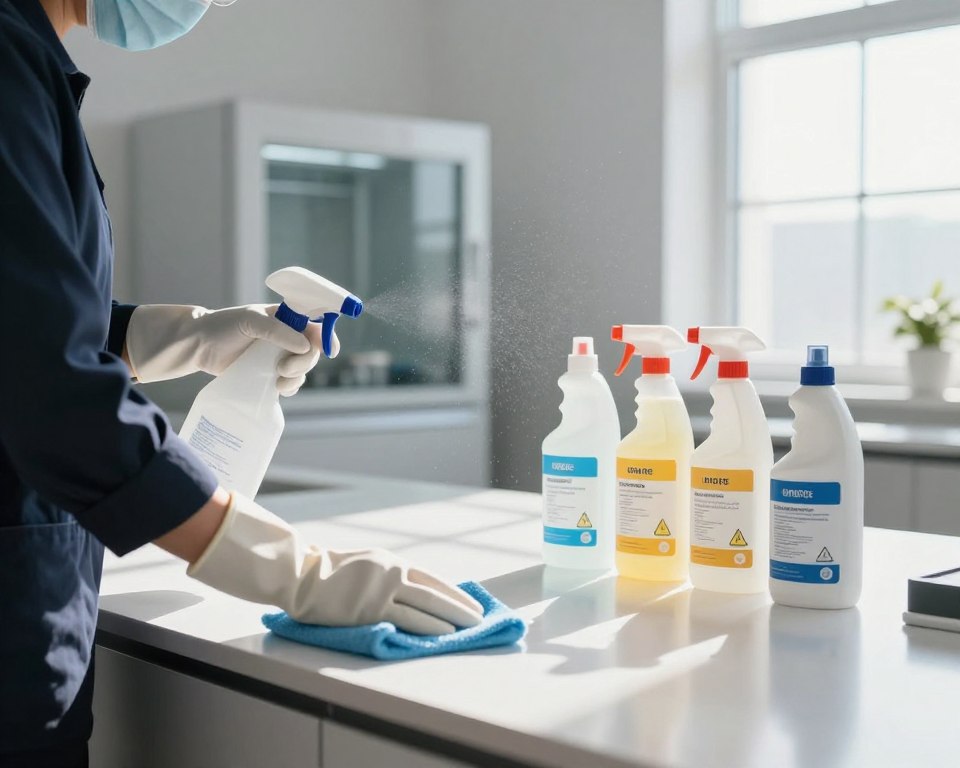
Knowing how these substances work is key. VOCs are gases, so they don’t just disappear. They mix with the air, where your family and pets can breathe them in.
Remember, proper ventilation is crucial. Fresh air helps cut down on these particles. By doing this, you keep your home clean and safe to breathe.
How Long Should You Ventilate a Room After Cleaning With Chemicals?
Ever wondered how long should you ventilate a room after cleaning with chemicals? You’re not alone. Many think cleaning a surface means the air is safe too. But, particles can stay in the air long after cleaning.
The time needed to air out a room varies. It depends on the cleaning products and room size. Generally, open windows and use fans for at least 30 minutes to hours. This lets any disinfectant spray or chemical residue clear out.
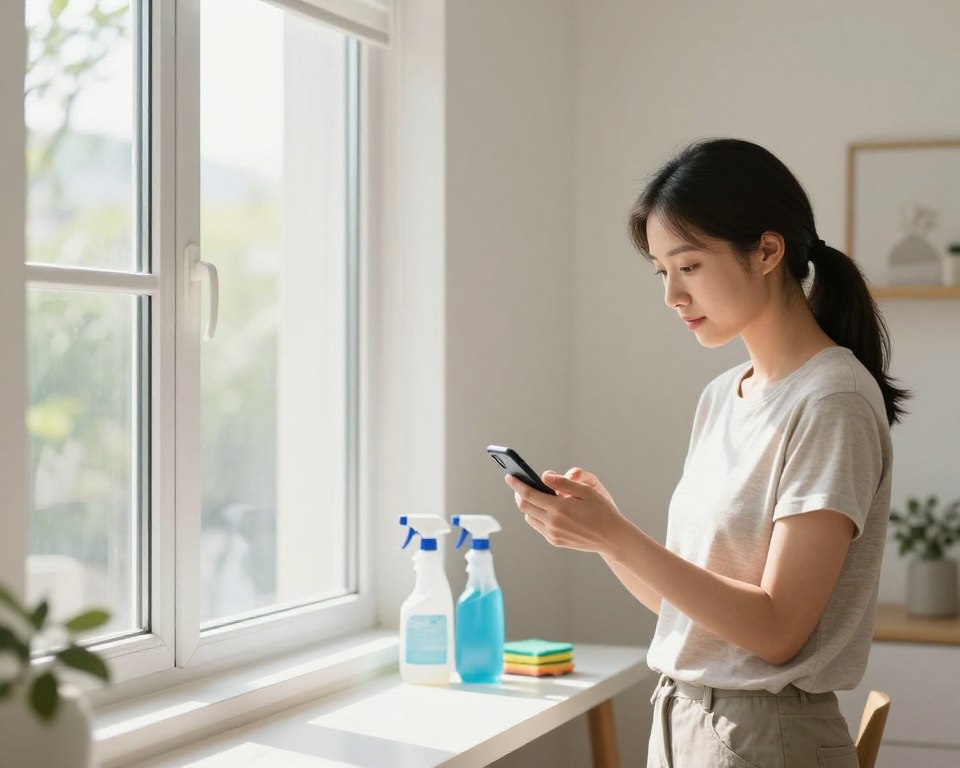
Good room ventilation means more than just one open window. It’s about moving fresh air through. Here are some tips for your next cleaning:
- Small, enclosed spaces: Aim for a minimum of 60 minutes of active airflow.
- Large, open-concept areas: Keep windows open for at least two hours to ensure full air exchange.
- High-potency chemicals: If you are using heavy-duty cleaners, extend your ventilation time to four hours or until no chemical odor remains.
- Use mechanical assistance: Always keep exhaust fans or portable air circulators running to speed up the process.
By following these tips, you can lower harmful air in your home. Good room ventilation keeps your family safe. It makes your home a healthy place to breathe. Always err on the side of caution and leave windows open a bit longer.
Factors That Influence Necessary Ventilation Time
To keep your home safe, you need to know what affects proper ventilation duration. Many think a quick airing out is enough. But, many factors decide how fast chemical fumes leave your home.
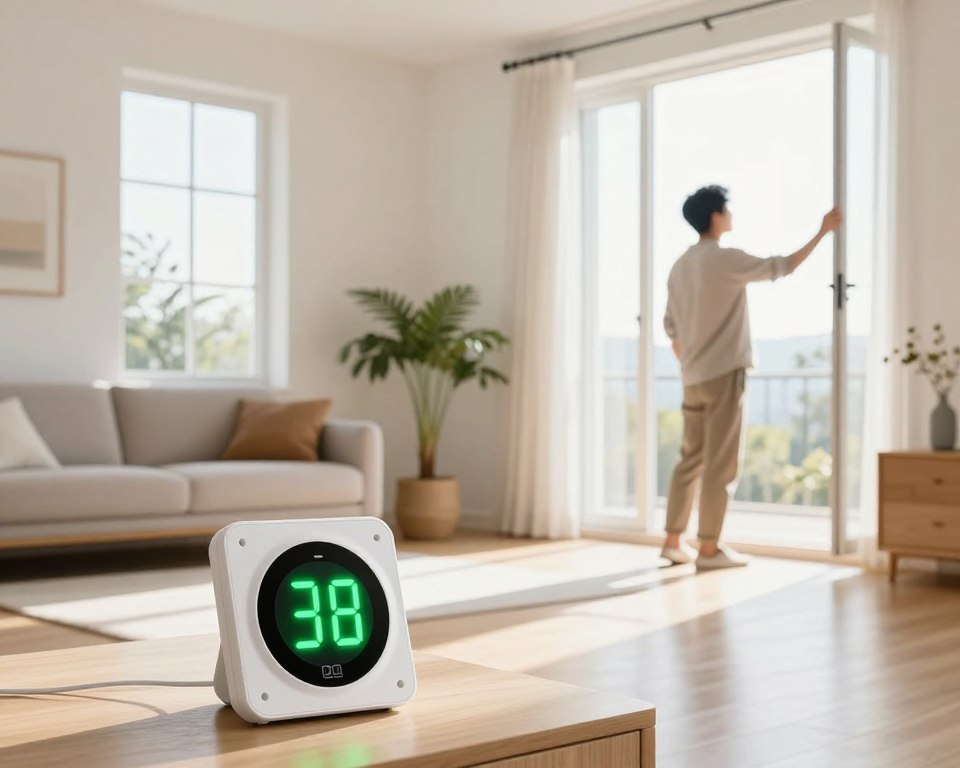
Room Size and Ceiling Height
The size and height of your room matter a lot. Bigger rooms with high ceilings hold more air. This means they need more time to fully exchange air compared to small spaces like closets or bathrooms.
Cleaning a big, vaulted living area takes longer than a small laundry room. Remember to consider the room’s total cubic footage when planning your cleaning.
Airflow and Cross-Ventilation Efficiency
Good air movement is key to removing chemical residues. Opening windows on opposite sides of a room helps air move better. This makes it faster to refresh the air.
Without air moving in and out, fumes can stay in corners. Using fans to push air toward an open window helps a lot. It makes your proper ventilation duration better.
The Potency and Type of Cleaning Agents Used
Not all cleaning products are the same. Their chemical makeup is important. Stronger products release more chemicals, so they need more time to be safe.
“Indoor air quality is a silent pillar of health; understanding how chemicals interact with your home environment is the first step toward a safer living space.”
Humidity and temperature also affect how fast chemicals evaporate. Warmer, more humid air can make chemicals release faster. So, it’s important to watch your home’s climate while cleaning.
| Factor | Impact on Time | Recommendation |
|---|---|---|
| Large Room Size | Increases | Extend duration |
| High Humidity | Variable | Use dehumidifiers |
| Strong Chemicals | Increases | Ventilate longer |
| Cross-Drafts | Decreases | Maximize airflow |
Identifying Signs of Poor Air Quality After Cleaning
If you feel uncomfortable right after cleaning, your home’s indoor air quality might be bad. We often ignore the air we breathe, but our bodies quickly notice when it’s off. Staying alert to these changes is key for your health.
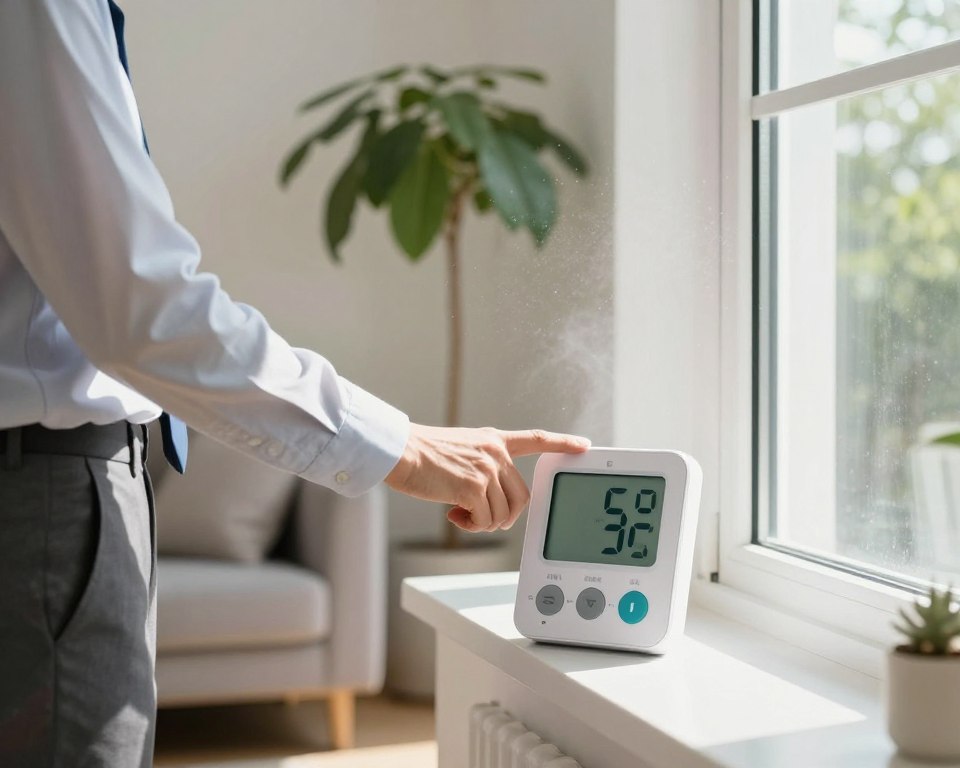
Signs that your air needs better ventilation include sudden headaches, dizziness, or nausea. You might also feel irritation in your eyes, nose, and throat when moving around. These symptoms usually mean there are chemical vapors still in the air.
If you see these signs, act fast to improve your indoor air quality. Open windows or turn on exhaust fans to get rid of the stale air. Prioritizing your comfort and safety keeps your home a healthy place for everyone.
Step-by-Step Guide to Proper Room Ventilation
To have a fresh, healthy home, you need more than just cleaning surfaces. You must plan for air movement. A systematic approach to room ventilation helps remove harmful particles. This keeps your home safe for your family.
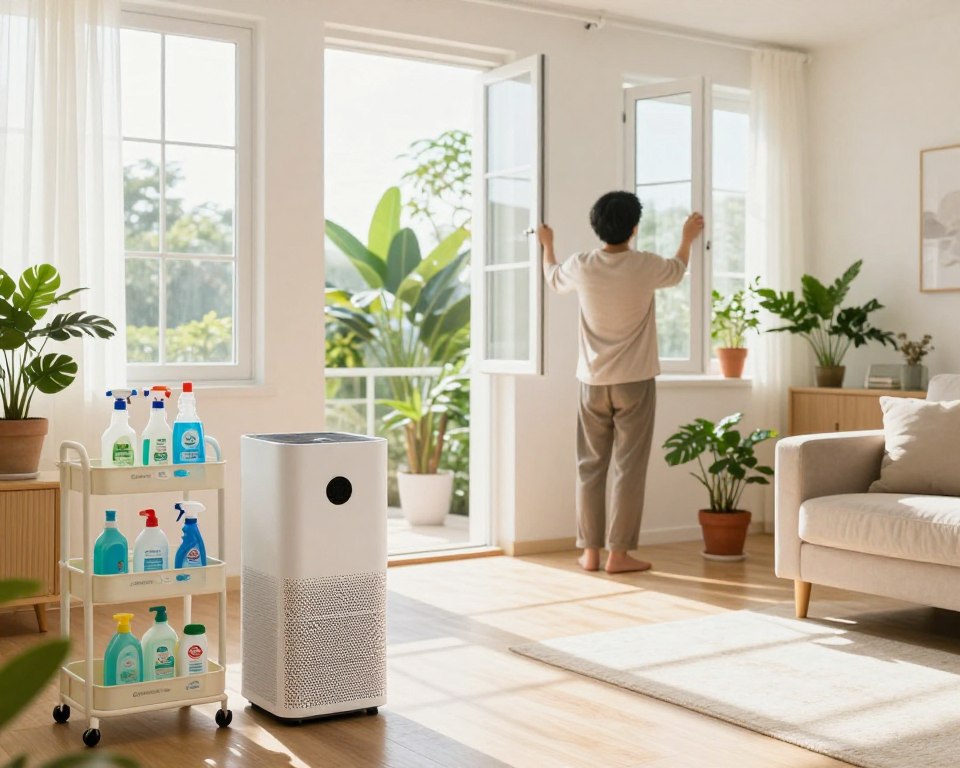
Opening Windows and Creating Cross-Drafts
Opening windows is the best way to refresh your air. Open windows on opposite sides to create a strong cross-draft. This pushes out stale air and brings in fresh air, which is key for good proper ventilation duration.
Utilizing Ceiling Fans and Portable Air Circulators
When natural wind isn’t enough, mechanical help can make a big difference. Set ceiling fans to push air toward open windows. For small spaces like bathrooms, run the exhaust fan for 30 minutes after cleaning to remove chemicals.
Portable fans are great for directing airflow. Place a fan in a doorway to push fumes out. Keeping air moving helps avoid chemical buildup in tight spots.
Managing HVAC Systems During the Cleaning Process
Your home’s heating and cooling system affects air quality. Turn off the HVAC during heavy cleaning to avoid pulling chemicals into the ductwork. After airing out, turn it back on for proper ventilation duration in your whole home.
If you can’t turn off the system, make sure air filters are clean. This helps keep room ventilation good even after cleaning is done.
Safety Precautions When Working With Harsh Chemicals
Good cleaning safety begins before you start cleaning. Preparing your space and body can avoid health risks. Simple steps can keep your home safe, not a danger zone.
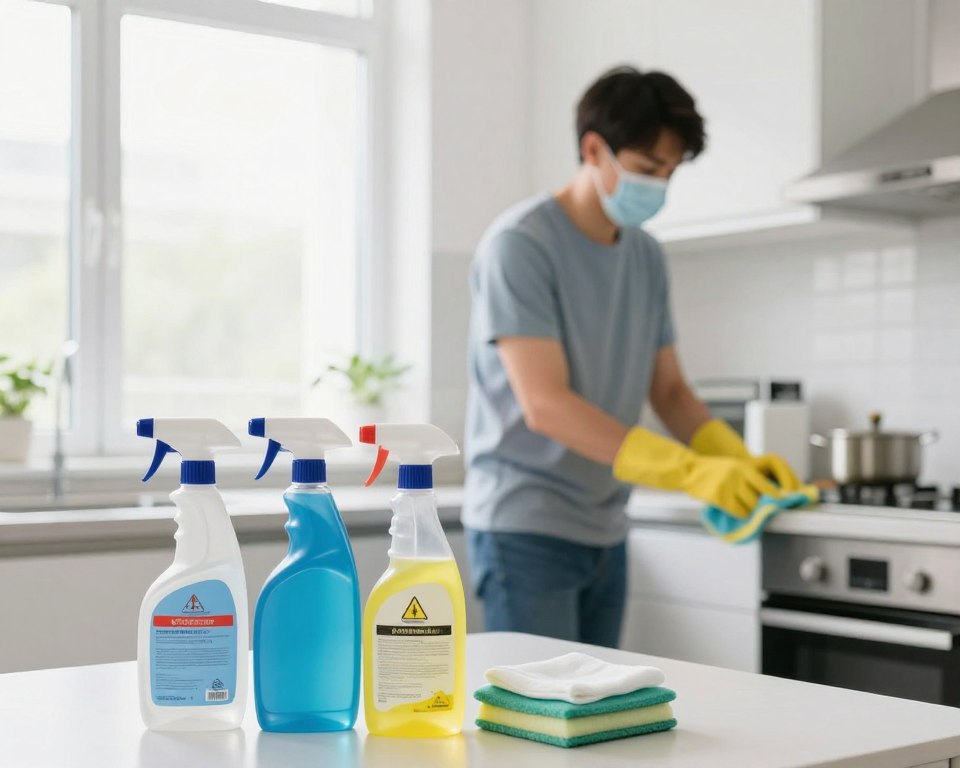
Wearing Personal Protective Equipment
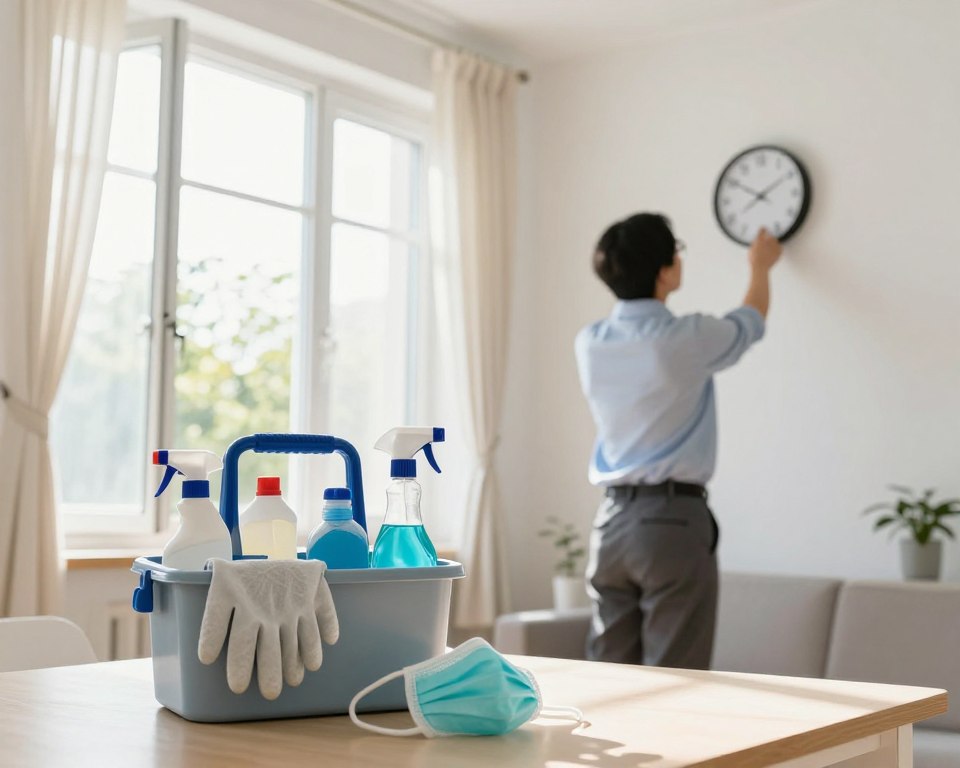
When doing chemical cleaning, your skin and lungs need protection. Always wear rubber gloves to avoid irritation or burns. If you’re in a small area, wear a mask to avoid breathing in strong fumes.
- Use nitrile or heavy-duty rubber gloves.
- Wear safety goggles to protect your eyes from accidental splashes.
- Ensure your skin is covered with long sleeves if using potent sprays.
Diluting Cleaning Solutions Correctly
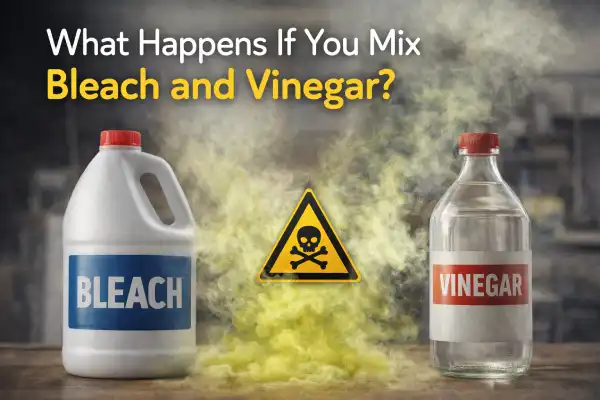
Many think more product means a cleaner home, but it’s risky. Always follow the label’s dilution instructions. Never mix different cleaning products, as it can cause harmful reactions.
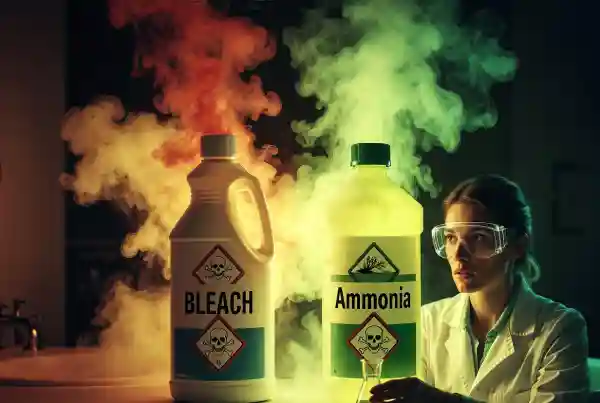
“Mixing cleaning chemicals like bleach and ammonia can create toxic fumes that cause asphyxiation. Always keep these substances strictly separated to protect your respiratory health.”
Respecting your cleaning supplies’ chemistry is key to cleaning safety. If unsure about a product, check the safety data sheet online. These precautions make chemical cleaning safer for you and your family.
The Role of Humidity and Temperature in Air Clearing
Heat and moisture play big roles in your home’s air quality. When you use cleaning products, the chemicals turn from liquid to gas. This change, called evaporation, depends a lot on your home’s conditions.
Hotter temperatures make chemicals evaporate faster. This might seem good, but it can actually make more harmful fumes in your home. Keeping your home’s climate in check is key to avoiding these fumes.
Humidity also affects air after cleaning. High humidity can trap particles, making it tough for air to move around. On the other hand, a dry environment helps air clear faster with good ventilation.
To keep your home healthy, try to keep the temperature just right while you ventilate. Don’t overheat the room, as this can make cleaning agents release fumes too quickly. By controlling your environment, your home will be fresh and safe sooner after cleaning.
When to Leave the Room During and After Cleaning
At times, the best thing to do is leave the room while cleaning products work. Heavy-duty agents can increase chemical exposure if you stay in a small space. It’s safer to leave the area until surfaces are dry and the air is clear.
Make sure to watch the ventilation time for specific products. Industrial-strength cleaners can release harmful compounds that cause breathing problems or irritation. If you feel dizzy or notice a strong, burning smell, get out of the room right away.
“The air we breathe indoors is often more polluted than the air outside, specially after a deep cleaning session with harsh chemicals.”
To avoid chemical exposure, follow these guidelines for leaving a room:
- Leave the room right away if you’re using aerosol sprays or heavy degreasers.
- Wait 30 to 60 minutes after finishing before going back into the room.
- Make sure the ventilation time has passed so fumes can fully clear.
Your safety is key in any home maintenance task. If you’re sensitive to smells, it’s better to stay out longer than needed. These simple steps help keep your home clean without risking your health.
Natural Methods to Speed Up Air Purification
You can make your home’s air much cleaner by adding simple, natural steps to your usual air flow routine. While machines are key, these extra steps remove chemical smells better. By keeping air circulation steady, you make your home healthier for your family.
Using Houseplants for Air Filtration
Many people use indoor plants to make their air cleaner. But, it’s important to know they can’t clean the air fast or fully. Certain species, like spider plants or peace lilies, can take in some toxins.
But plants can’t replace the need for good air circulation. Think of them as a gentle, long-term helper, not a quick fix for bad air. To help them work better, keep their leaves clean so they can breathe well.
Deploying Activated Charcoal or Baking Soda
For fast odor and chemical removal, chemical-free helpers work great. Activated carbon filters are better at removing chemicals than regular HEPA filters. They’re a top pick for keeping air clean after cleaning.
The best way to keep your home smelling fresh is to mix passive absorption with active air flow.
It’s easy to use these materials to improve your home’s air circulation and cleanliness:
- Activated Charcoal: Put bags of charcoal in corners or near where you cleaned to catch airborne particles.
- Baking Soda: Use open containers of baking soda to get rid of sour smells and freshen the air.
- Strategic Placement: Put these items near vents or fans so they catch the moving air.
By using these natural tools, you make your home’s air health better. This way, your home stays a safe, easy place to breathe long after cleaning. Keeping air circulation steady is key, and these natural helpers add the final touch.
Common Mistakes That Trap Chemical Fumes Indoors
Even with good intentions, your daily habits might trap harmful pollutants inside. Many homeowners focus too much on chemical cleaning and forget about the air. Closing doors or windows creates a sealed space where vapors can build up to dangerous levels.
One common mistake is relying on recirculating range hoods in the kitchen. These systems filter grease but don’t remove volatile organic compounds. Instead of venting these substances outside, they push the air back into your living space, trapping pollutants inside.
It’s essential to know that air circulation is key to avoiding lingering odors and toxins. When cleaning, aim to move air from inside to outside your home. Not doing so can cause headaches, dizziness, or respiratory issues.
“The quality of the air we breathe indoors is just as vital as the cleanliness of the surfaces we touch. Proper ventilation is the silent partner of every effective cleaning routine.”
To see the difference between healthy and harmful habits, consider this comparison. Making these small changes will greatly improve your indoor environment during and after your next chemical cleaning session.
| Action | Impact on Air Quality | Recommended Strategy |
|---|---|---|
| Closing interior doors | Traps fumes in small spaces | Keep doors open for flow |
| Using recirculating hoods | Recycles chemical particles | Use external exhaust vents |
| Ignoring window placement | Stagnant air pockets | Create cross-ventilation |
| Cleaning without fans | Slows air purification | Use fans to push air out |
By avoiding these common mistakes, you keep your home safe. Always prioritize fresh air flow to maintain a healthy and comfortable indoor environment for everyone.
Special Considerations for Homes With Pets and Children
Children and pets are smaller and more sensitive. They need extra care when cleaning. Their bodies react differently to airborne particles than healthy adults. Protecting your loved ones means choosing safe products for your home.
Children are very sensitive to chemical fumes. Their organs are still growing, and their lungs are smaller. This makes them breathe in more chemicals. Keep them away from freshly cleaned areas until the air is safe.
Pets, like cats and dogs, also have sensitive lungs. Many household cleaners can be toxic if they breathe them in. Always check if a mold remover spray is toxic before cleaning.
To keep your family safe, follow these essential safety steps:
- Relocate pets and children: Move them to a different room or outside while you clean.
- Wait for full ventilation: Don’t let them back in until the air is fresh and smells clean.
- Choose safer alternatives: Use non-toxic or natural cleaners to reduce health risks.
- Store products securely: Keep all cleaning supplies in locked cabinets that pets and toddlers can’t reach.
By following these simple steps, you can keep your home safe for everyone. Consistency is key for good indoor air quality. Always put your family’s health first, even if it means cleaning slower.
When to Seek Professional Help for Chemical Exposure
It’s crucial to know the signs of chemical exposure for your family’s safety. Most household tasks are routine, but keeping a safe cleaning environment is key. Be alert for any unusual physical reactions while cleaning.
If you or a family member starts feeling sick, it’s important to know if it’s just a minor issue or a serious problem. This knowledge can be a lifesaver.
If you have trouble breathing, feel dizzy, or see things blurry, get help right away. Don’t wait if symptoms get worse or feel too hard to handle. For more information on what to do if you inhale cleaning product fumes, check out this health resource or call your local poison control center.
“The best approach to home maintenance is one that prioritizes the health of the occupants above the cleanliness of the surfaces.”
The table below shows common symptoms and what to do to stay safe while cleaning.
| Symptom Level | Common Indicators | Recommended Action |
|---|---|---|
| Mild | Watery eyes, sneezing | Ventilate area, step outside |
| Moderate | Persistent cough, skin rash | Consult a doctor, monitor closely |
| Severe | Difficulty breathing, blurred vision | Seek emergency medical care |
Always have the product label or container ready when calling for help. Giving medical staff the exact chemicals involved will help them treat you better. Stay calm, get to fresh air, and put your health first.
Maintaining Long-Term Air Health in Your Home
Keeping your indoor air clean starts with small changes. Using low-VOC cleaning products reduces chemicals in your home. Regular room ventilation is key to a fresh and safe home every day.
Poor air quality can cause discomfort. Knowing how indoor air pollution can cause headaches is important. Making these habits part of your routine helps protect your family’s health.
Creating a sustainable home is more than cleaning. It’s about being proactive. You can track your progress by focusing on specific home care areas. The table below shows simple habits for better air quality all year.
| Habit Category | Action Item | Frequency |
|---|---|---|
| Product Selection | Switch to low-VOC cleaners | Every purchase |
| Airflow Management | Optimize room ventilation | Daily |
| Filtration | Clean HVAC filters | Quarterly |
| Natural Purifiers | Add air-filtering plants | Ongoing |
By following this guide, you create a strong home environment. Small steps lead to big improvements in your air quality. Prioritizing your home’s air health makes it a safe and comfortable place for all.
Conclusion
Your home is a safe place, and keeping it that way is important. You need to manage the chemicals you use every day. This means making sure your home has good air flow and knowing how things release particles.
Small actions can add up over time. Using products that don’t release harmful chemicals and keeping your home well-ventilated is key. You can find out more about keeping your home safe by reading about off-gassing in your new home. Using smart sensors can also give you peace of mind and help your family breathe better.
Take control of your home’s air quality by making smart choices. Every step you take helps make your home safer for everyone. Start using these simple tips today to make your home fresher and more comfortable.
FAQ
How Long Should You Ventilate a Room After Cleaning With Chemicals?
For a deep clean, keep the room well-ventilated for 2 to 4 hours. The time needed depends on the cleaning products used. If you’re using strong disinfectants like Clorox Bleach, wait until the smell is completely gone. This ensures the air quality is good.
Why is indoor air quality so important during my cleaning routine?
Good indoor air quality is key because many cleaning products release harmful particles and VOCs. These products might make your home smell nice. But, they can also irritate your respiratory system if not cleared properly.
What are the best ways to improve air circulation after using harsh cleaners?
To improve air flow, open windows on opposite sides of your house. This creates a cross-draft. Also, use fans from brands like Honeywell or Vornado. They help move stale air outside faster than just opening windows.
Does the size of the room affect the required ventilation time?
Yes, room size matters a lot. Big rooms need more air exchange than small ones. Cleaning a small space like a bathroom or closet with strong products requires extra safety steps. A portable exhaust fan can help.
What cleaning safety precautions should I take to avoid chemical exposure?
Start with safety first. Always wear gloves and don’t mix different cleaners. Mixing bleach and ammonia can create dangerous gas. Reading labels carefully helps avoid accidents.
Are there natural ways to speed up the removal of chemical residue?
Yes, there are natural methods. Use scrubbers or place bowls of baking soda to absorb odors. Moso Natural Activated Charcoal bags also work well. While plants help, these methods are quicker for cleaning up.
Why must I be extra careful with pets and children during chemical cleaning?
Children and pets are more at risk from chemicals because of their size and developing bodies. Pets, like birds and cats, have sensitive lungs. Keep them in a safe, well-ventilated area until it’s safe to let them back in.
How do temperature and humidity affect how long chemicals stay in the air?
Humidity and temperature greatly affect how chemicals evaporate. High humidity keeps particles in the air longer. Warmer temperatures can make VOCs off-gas faster. Adjusting your HVAC or using a dehumidifier can help achieve better ventilation.