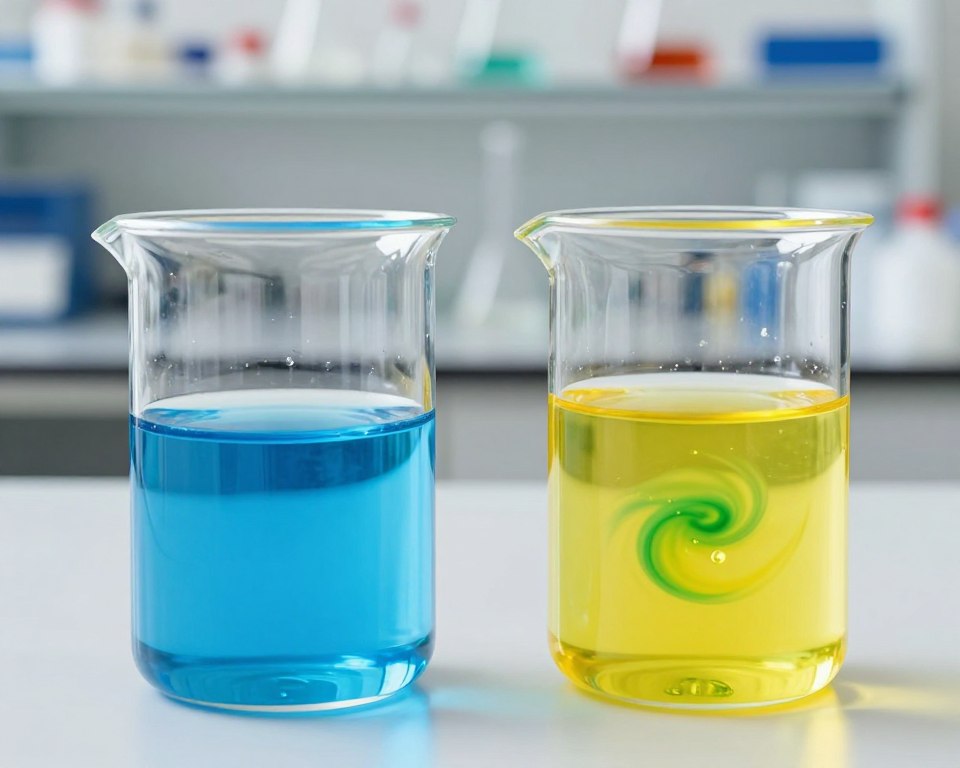
Did you know thousands of emergency calls happen every year from household chores gone wrong? Many think mixing two strong disinfectants makes a better cleaner. But, this mistake causes a dangerous chemical reaction that releases harmful gases in your home.
It’s crucial to understand the chemistry of these products for your family’s safety. When sodium hypochlorite meets acidic agents, it creates chlorine gas. This gas can badly hurt your breathing. Your health should always come first when keeping your bathroom clean.
This guide will help you keep your home clean without risking your health. We’ll see why these products shouldn’t be mixed and how to use them safely. Knowing this can help prevent accidents while you clean.
Key Takeaways
- Combining household chemicals often creates toxic fumes that are harmful to breathe.
- Chlorine gas is a common byproduct of improper cleaning agent combinations.
- Always read product labels carefully before starting any deep cleaning project.
- Never combine different brands or types of disinfectants in the same area.
- Proper ventilation is necessary whenever you use strong chemical solutions.
- Seek immediate medical attention if you experience difficulty breathing after cleaning.
Understanding Household Chemical Safety
Creating a healthy home is more than just cleaning surfaces. It’s about knowing the products you use every day. Many think all cleaning agents are safe if used right. But proper handling is key to avoid accidents. Learning about the chemicals in your home helps keep your family safe.
The Importance of Chemical Awareness
Knowing about chemicals is crucial for a safe home. When you understand how different ingredients work, you can make informed decisions about cleaning. This knowledge helps prevent accidents that happen because of not paying attention.
Putting safety first means reading labels and knowing what your supplies can do. Even everyday items can be dangerous if used wrong. Staying informed lets you keep your home clean without risking your health.
Common Household Hazards
One big risk in homes is mixing the wrong cleaning agents. The dangers of mixing bleach and toilet bowl cleaner are often overlooked. These mixtures can release harmful fumes in small, closed spaces like bathrooms.
Remember, convenience should never risk safety. Always keep cleaning products in their original containers and in a cool, dry spot. Being aware of these dangers helps make your cleaning efforts safe and beneficial for your home.
What Happens If You Mix Bleach With Toilet Bowl Cleaner?
Mixing bleach and toilet bowl cleaner in the cleaning closet can be very dangerous. Many think using strong products together will clean faster. But, this is a dangerous misconception. Mixing certain substances can create a hazardous environment, not just clean it.
The Immediate Chemical Reaction
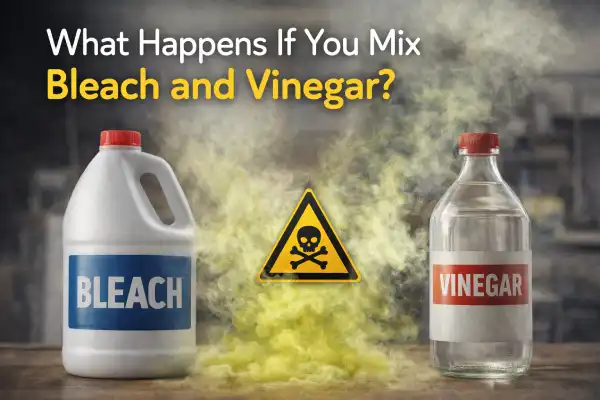
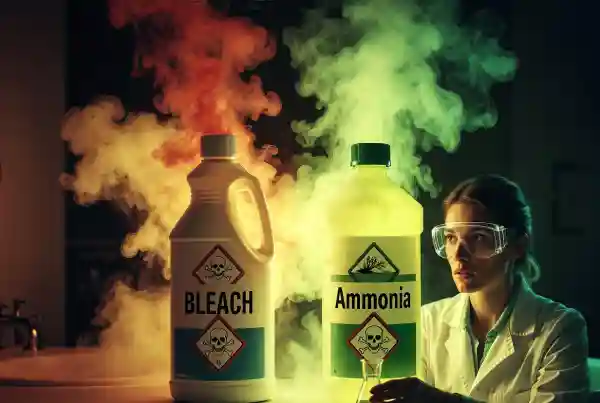
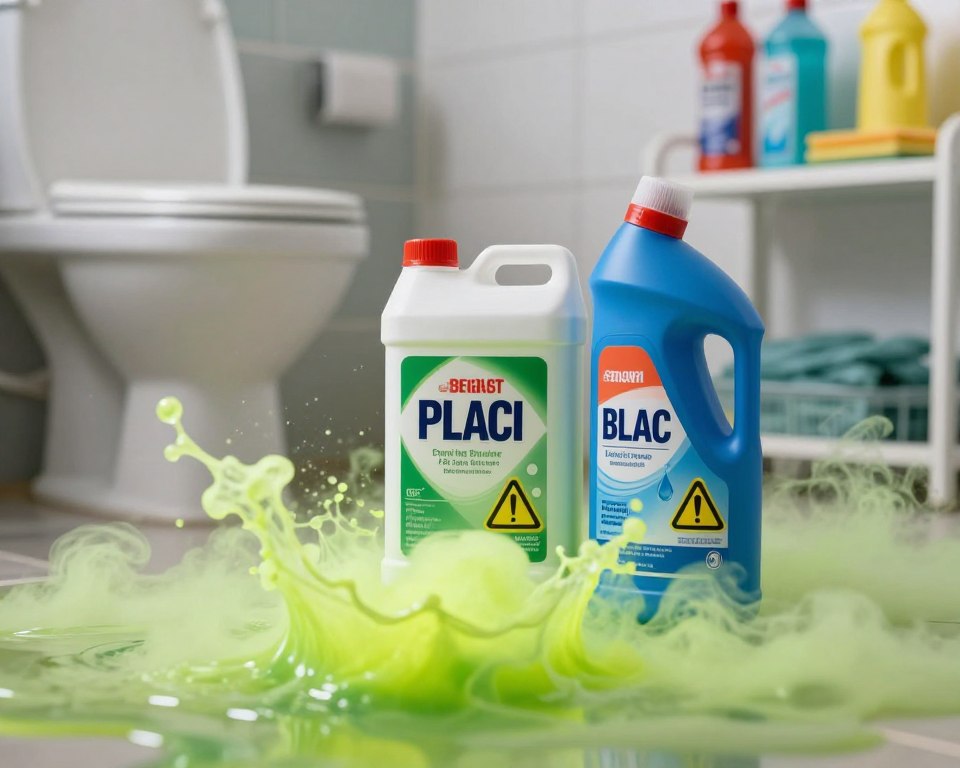
Mixing bleach with acid-based toilet bowl cleaners causes a big problem. This bleach and toilet bowl cleaner reaction releases chlorine gas instantly. This gas is invisible and very toxic, filling a bathroom quickly.
The reaction happens fast, so you might not have time to get out before the fumes hit you. The gas is a strong irritant that attacks your body’s mucous membranes. It’s important to know this is not a slow buildup, but an explosive chemical event.
Why This Combination Is Specificall Dangerous
This mix is deadly because of how chlorine gas affects the body. The gas is very soluble, meaning it quickly absorbs into your respiratory tract’s moisture. Once inhaled, it turns into hydrochloric acid in your lungs, causing severe internal chemical burns.
The dangers of this mix include several health problems right away:
- Rapid respiratory distress and trouble breathing.
- Severe irritation of the eyes, nose, and throat.
- Potential for chemical pneumonia if exposure lasts long.
- Increased heart rate and panic due to lack of oxygen.
Knowing these dangers is the first step to keeping your home safe. Always check product labels and never mix cleaners unless it’s safe, as the label says. Your health and safety should always be the top priority when cleaning.
The Chemistry Behind the Reaction
Looking into how bleach and acidic cleaners react shows why they’re so dangerous. When they mix, they start a bleach and toilet cleaner chemical reaction. This reaction is much more harmful than most people think.
Sodium Hypochlorite and Acidic Cleaners
The main ingredient in bleach is sodium hypochlorite. Toilet bowl cleaners use strong acids like hydrochloric or phosphoric acid to break down mineral deposits.
When you mix these two, the acid quickly attacks the sodium hypochlorite. This makes the bleach unstable and releases its energy in a dangerous way.
The Formation of Chlorine Gas
The first thing that happens is the quick release of chlorine gas. This gas is very toxic and fills the room right away when the bleach and toilet cleaner chemical reaction starts.
The gas then looks for moisture in the air and your body. It mixes with the water in your eyes, throat, and lungs. This creates hydrochloric acid and other harmful substances.
This action causes serious tissue damage when it touches you. Since these acids form on your mucous membranes, the dangers are both quick and severe.
Identifying Common Toilet Bowl Cleaner Ingredients
Many people buy toilet bowl cleaners without checking their ingredients. These cleaners often have strong chemicals that can react with other products. Knowing what’s in your cleaners helps avoid a bleach and toilet bowl cleaner reaction at home.
Acid-Based Cleaners
Toilet bowl cleaners use acids to remove tough stains. They contain hydrochloric acid or phosphoric acid. These acids are good at cleaning but can be dangerous when mixed with bleach.
Surfactants and Disinfectants
Surfactants help the cleaner stick to the bowl’s sides. They make it easier to reach deep into dirt and bacteria. Disinfectants are added to keep your bathroom germ-free.
How to Check Labels for Acids
Before cleaning, read the label on your cleaner. Look for “acidic,” “contains acid,” or specific chemical names. If you see these, be careful not to mix it with bleach. Always prioritize your safety by storing different cleaners apart.
Immediate Health Effects of Chlorine Gas Exposure
Exposure to toxic gases in your bathroom can lead to sudden and alarming health consequences. When you accidentally combine incompatible cleaning agents, the resulting chemical reaction releases hazardous fumes. These fumes impact your body almost instantly. Understanding the harmful effects of mixing bleach with toilet bowl cleaner is essential for maintaining a safe home environment.
Respiratory Tract Irritation
The most common reaction to inhaling chlorine gas involves your respiratory system. You may experience immediate coughing, wheezing, and a distressing sense of shortness of breath. The gas irritates your airways. In severe instances, the harmful effects of mixing bleach with toilet bowl can progress to chemical pneumonitis or even fluid accumulation in the lungs.
“Safety is not just a practice; it is a fundamental responsibility we owe to ourselves and our families to prevent avoidable accidents.”
Eye and Skin Reactions
Beyond your lungs, your eyes and skin are highly sensitive to these toxic fumes. You might notice a sharp, burning sensation in your eyes, often accompanied by excessive watering or redness. If the gas makes direct contact with your skin, it can cause significant irritation or chemical burns.
It is vital to recognize that the harmful effects of mixing bleach with toilet bowl cleaner are not limited to just one area of the body. Your mucous membranes in the nose and throat are also at risk of rapid inflammation. Always prioritize proper ventilation to avoid these dangerous health outcomes.
Long-Term Respiratory Risks and Complications
The harmful effects of mixing bleach with toilet bowl cleaner go beyond the first moment. Many think the danger ends when the air clears. But, the truth is more complex. Persistent exposure to toxic fumes can cause lasting damage, affecting your life for years.
Chronic Lung Damage
Inhaling chlorine gas from these chemicals can harm your lungs. Over time, this can cause chronic scarring or reduce lung capacity. It’s important to know that the body may not fully recover from such damage.
If you’ve mixed these chemicals, the damage might add up. Even small, repeated exposures can harm your lungs over time. Always choose safety by avoiding mixing household chemicals, like in other dangerous mixtures.
Impact on Pre-existing Conditions
People with respiratory problems face a higher risk of serious complications. If you have asthma, chronic bronchitis, or emphysema, mixing bleach with toilet bowl cleaner can be deadly. These conditions make lungs more sensitive to irritants.
For those with health issues, even brief exposure to these fumes can lead to long recovery times and hospital stays. Protecting your health means being careful with the products you use at home. Knowing these risks shows why it’s crucial to avoid mixing bleach and acidic cleaners.
Recognizing the Symptoms of Chemical Fume Inhalation
When cleaning your home, your body might warn you of danger. Look out for any physical changes while you work. Knowing about bleach and toilet cleaner chemical reaction risks is key to staying safe.
Early Warning Signs
The first signs of exposure are often mild but serious. If you notice these symptoms, leave the area and find fresh air. Learn more about toilet bowl cleaner safety to avoid risks.
Common early signs include:
- A sudden, persistent coughing fit.
- Irritation or burning sensations in the throat.
- A runny nose or watery, stinging eyes.
- A feeling of tightness in the chest.
When to Seek Emergency Medical Attention
Some symptoms may go away with fresh air, but others need quick medical help. If the bleach and toilet cleaner chemical reaction has caused serious inhalation, your health is at risk. Call emergency services if you’re in severe distress.
“When in doubt, always prioritize your respiratory health by seeking medical advice immediately after any accidental chemical exposure.”
You should seek emergency help if you experience the following:
- Severe difficulty breathing or shortness of breath.
- Dizziness, lightheadedness, or confusion.
- Persistent chest pain or pressure.
- Nausea or vomiting after inhaling fumes.
Your safety is the most important thing. If you feel unwell, listen to your body and get to a safe, well-ventilated location right away.
Emergency Procedures for Accidental Mixing
If you accidentally mix household cleaners, staying calm and acting fast is key. Exposure to toilet bowl cleaner and bleach fumes can happen quickly. But, your quick response can greatly lower the risk of harm.
Evacuation and Ventilation Steps
The first thing to do is leave the area immediately. Don’t stay to clean up or try to figure out the smell. Breathing in these vapors is dangerous.
Go to a place with lots of fresh air, like outside or a room with an open window. Once you’re safe, make sure the bathroom door is closed. Open nearby windows or turn on exhaust fans to clear the air.
Neutralizing the Area Safely
Many people try to “fix” the reaction by adding more products. Never add more chemicals to the mix. This can cause a new reaction or release more gas.
If the spill is small and you can do it without breathing the fumes, use a lot of water to dilute it. But, if the fumes are strong, let professionals handle it or wait until the area is well-ventilated for hours.
When to Call Poison Control
If you or someone in your home has trouble breathing, burning eyes, or severe coughing, get medical help fast. Call your local poison control center or 911 if symptoms get worse or don’t go away.
| Action Step | Priority Level | Reasoning |
|---|---|---|
| Evacuate the room | Critical | Prevents inhalation of toxic fumes |
| Ventilate the area | High | Clears the air of chemical gases |
| Call Poison Control | Immediate | Provides expert medical guidance |
| Avoid adding water | Moderate | Prevents further chemical reactions |
Proper Ventilation Techniques for Bathroom Cleaning
Cleaning your bathroom doesn’t have to be risky if you focus on air circulation. It’s crucial to avoid airborne chemical buildup. This helps you steer clear of the dangers linked to toilet bowl cleaner and bleach fumes.
Using Exhaust Fans Effectively
Most bathrooms have an exhaust fan to remove moisture and odors. Always turn it on before starting to clean. Consistency is key for a safe cleaning environment.
To maximize your ventilation, follow these steps:
- Switch the fan on at least five minutes before you begin cleaning.
- Keep the fan running throughout the entire process to ensure continuous air exchange.
- Leave the fan active for another ten minutes after you finish to clear any lingering particles.
Opening Windows and Doors
Opening a bathroom window is a great way to let in fresh air. Also, opening the bathroom door creates a cross-breeze. This helps get rid of toilet bowl cleaner and bleach fumes faster.
If there’s no window, open the bathroom door wide. Place a portable fan in the doorway. Point the fan to blow air out. Always prioritize your safety by keeping your workspace well-ventilated.
Safe Alternatives for Cleaning Your Toilet
Keeping your bathroom clean doesn’t mean using harsh chemicals. You can choose safer supplies to clean your home. This way, you can stay safe while keeping your bathroom clean.
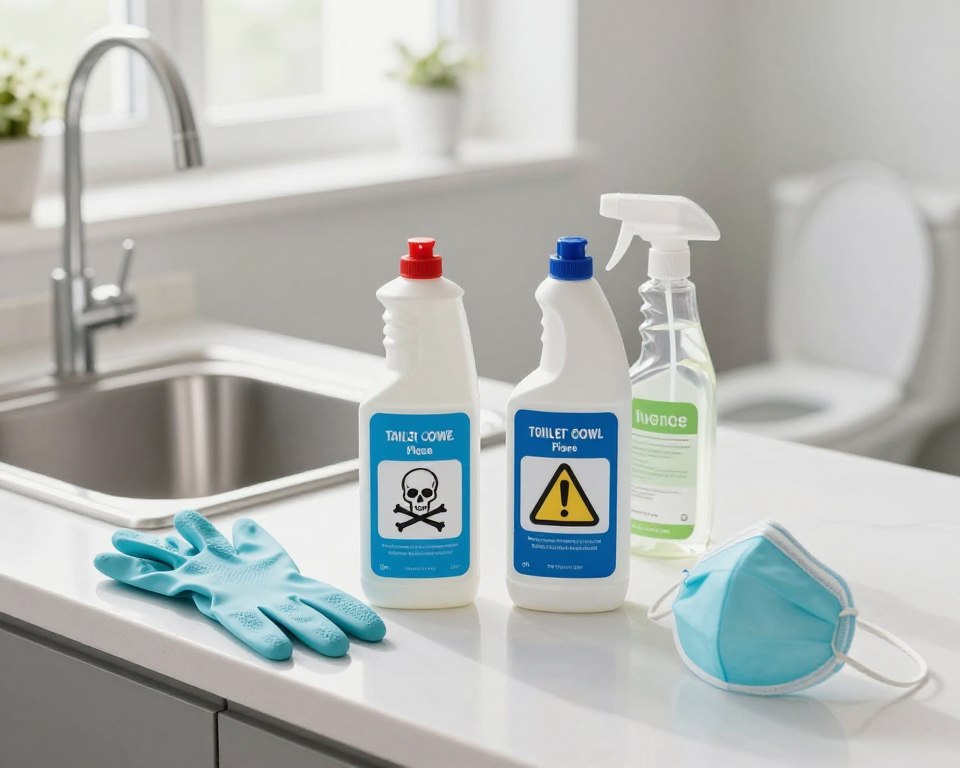
Using Vinegar and Baking Soda
Many cleaning solutions are in your kitchen. Mixing white vinegar and baking soda makes a strong, natural scrub. It removes grime without harmful chemicals.
Just sprinkle baking soda in the bowl and add vinegar. The natural fizzing action breaks down tough stains. Then, use a toilet brush to clean away dirt. This method avoids the dangers of mixing the wrong chemicals.
Commercial Non-Bleach Cleaners
Store-bought cleaners can be safe too. Look for products with third-party certifications. These show they meet safety and environmental standards.
Switching to these products is easy for better home safety. Learn more about saying goodbye to bleach for toilet cleaning. These modern cleaners keep your bathroom clean while you follow bleach and toilet bowl cleaner safety precautions.
- Vinegar: Excellent for breaking down mineral deposits.
- Baking Soda: A gentle abrasive that deodorizes naturally.
- Certified Cleaners: Verified for safety and performance.
How to Properly Store Household Cleaning Products
Many homeowners forget the importance of storage when it comes to bleach and toilet bowl cleaner safety precautions. Keeping things organized is key to household safety. It stops the accidental mixing of harmful chemicals. By having a special place for your supplies, you lower the chance of dangerous reactions at home.
Organizing by Chemical Compatibility
Storing chemicals safely means keeping them apart. Bleach should never be near acidic cleaners or ammonia-based products. If you’re not sure about your supplies, learn more about is mold remover spray toxic to understand labels better.
Grouping your products by their chemical type helps avoid mistakes. Keep oxidizers like bleach away from acids or heavy-duty degreasers. This simple step is a big safety measure for your family.
“The best way to prevent chemical accidents is to ensure that incompatible substances never share the same shelf space, regardless of how tightly the caps are sealed.”
Keeping Products Out of Reach of Children
Security is also crucial. Always lock away these items in a cabinet or store them on high shelves. This keeps them safe from children and pets. Curious kids can easily open unlocked cabinets, which is risky.
Use child-proof locks on any cabinet with cleaning agents. These bleach and toilet bowl cleaner safety precautions are vital for a safe home. Use the table below to organize your storage well.
| Storage Category | Recommended Location | Safety Action |
|---|---|---|
| Bleach Products | Cool, dry, high shelf | Keep away from acids |
| Acidic Cleaners | Locked cabinet | Store separately |
| General Sprays | High, out of reach | Check for leaks |
| Ammonia Products | Isolated area | Label clearly |
Reading and Understanding Product Warning Labels
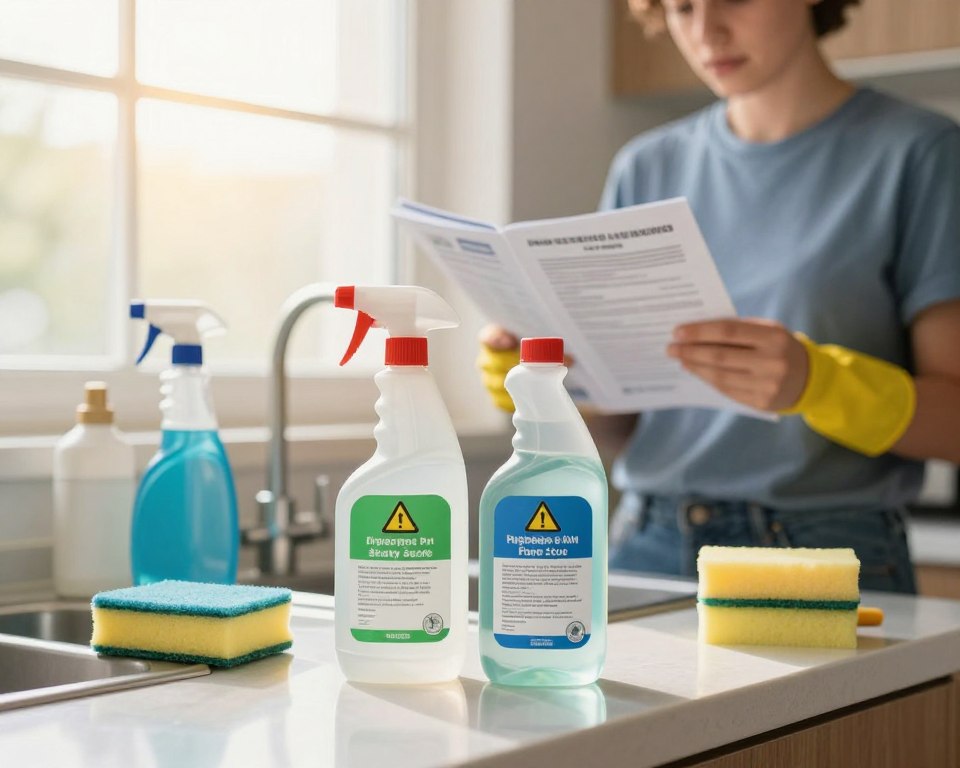
It’s wise to read the label on cleaning products to keep your home and family safe. Many people skip the fine print, but those instructions are crucial for a safe home. Always verify the usage instructions before starting any cleaning project.
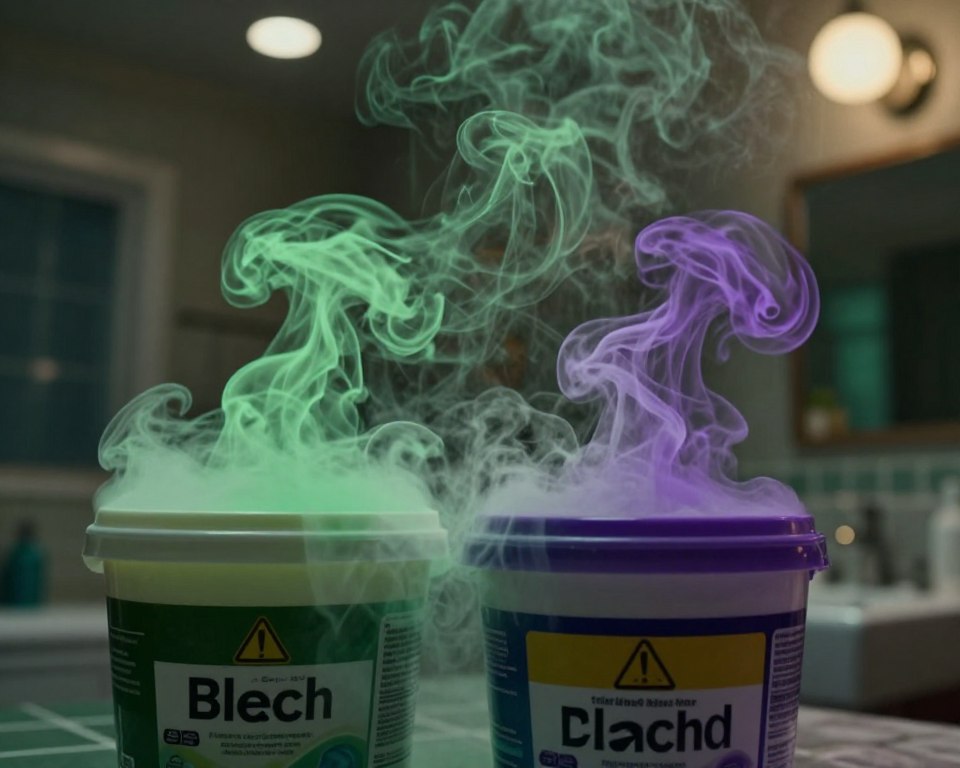
Interpreting Hazard Symbols
Manufacturers use special icons to warn you of dangers. These symbols are universal, helping you spot risks quickly. Pay close attention to symbols for corrosiveness, flammability, or toxicity.
Seeing a skull and crossbones or a flame icon means the product needs careful handling. Ignoring these warnings can cause accidents or harmful chemical reactions. Knowledge is your best defense against accidents at home.
Following Manufacturer Instructions
Every cleaning product has guidelines for safe use. These guidelines often warn about mixing chemicals to avoid bleach and toilet bowl cleaner toxic fumes. Never mix cleaning products just because they’re for cleaning.
By following the manufacturer’s directions, you use the chemicals correctly. If a label warns against mixing, take that advice seriously to avoid harmful gas. Staying informed keeps your bathroom safe and healthy.
Debunking Common Myths About Cleaning Product Combinations
Many think mixing cleaners saves time and boosts results. But, the truth is far from it. Mixing cleaners often leads to bleach and toilet bowl cleaner toxic fumes that harm your health.
The Myth of “More Is Better”
Some believe more cleaner means a cleaner home. But, using more doesn’t make things cleaner. It can leave harmful residues behind.
Mixing cleaners can also cause dangerous chemical reactions. These reactions are hard to control. Always use one product at a time for your safety.
Misconceptions About Natural Cleaners
Many think all natural cleaners are safe to mix. But, even eco-friendly ingredients can react badly when combined. Always be careful, as some mixtures can still be harmful.
If unsure about mixing products, it’s best to avoid it. Learn about potential risks by checking if an ammonia-based cleaner is toxic before cleaning. Staying informed helps prevent bleach and toilet bowl cleaner toxic fumes in your bathroom.
The Role of Professional Cleaning Services in Safety
At times, the safest choice is to hire experts. Many people like to do their own cleaning. But, some tasks need a deep understanding of chemicals. Knowing why you shouldn’t mix bleach with toilet bowl cleaner is crucial, and pros learn this through training.
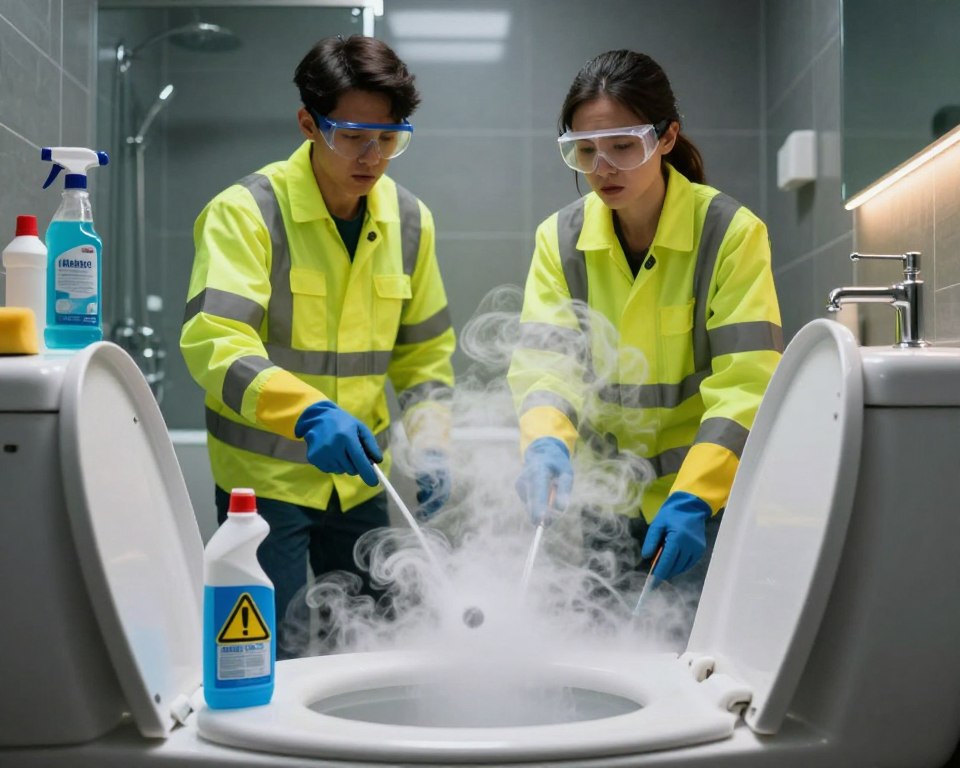
When to Hire Professionals
Think about hiring pros for big cleaning jobs that use many chemicals. If you’re unsure about how products mix, it’s safer to let experts handle it.
Professionals can tackle tough stains and deep clean without risky mixes. By choosing them, you keep your home safe for your family.
Safety Standards in Professional Cleaning
Professional cleaners follow strict rules to keep everyone safe. They know how to spot and handle dangerous materials. They also know why you shouldn’t mix bleach with toilet bowl cleaner and follow safety rules to avoid harmful gases.
These services give you peace of mind by using safe, effective products. They focus on safety, so you don’t have to worry about the chemicals.
| Feature | DIY Cleaning | Professional Cleaning |
|---|---|---|
| Chemical Knowledge | Limited | Extensive Training |
| Safety Protocols | Often Overlooked | Strictly Followed |
| Equipment | Standard Household | Industrial Grade |
| Risk Management | High Potential | Minimized |
Educating Your Household on Chemical Hazards
Keeping your home safe is more than just reading labels. It’s about making sure everyone knows the dangers of common items. Talking openly about these risks is key to a safe home. When everyone knows why you shouldn’t mix bleach with toilet bowl cleaner, accidents are less likely.
Teaching Children About Cleaning Safety
Children are naturally curious. It’s essential to teach them that cleaning supplies are not toys. They should never touch or handle these items without an adult nearby.
Explain the dangers in simple terms that kids can understand. Tell them that mixing certain liquids can be very harmful. Keeping these items out of reach helps protect your children.
Creating a Household Safety Plan
Having a safety plan is a smart move. It should be clear and easy for everyone to follow. This plan should cover what to do in case of a spill and how to get fresh air fast.
Make sure everyone knows what to do if they accidentally mix chemicals. They should leave the area and find fresh air. Preparation is your best defense against accidents, keeping your home safe for your family.
Conclusion
Keeping your home clean shouldn’t harm your health. Knowing why you shouldn’t mix bleach with toilet bowl cleaner is key. It helps keep your home safe from hidden dangers.
Simple steps can prevent big accidents. Always keep products like Clorox in their original containers. This avoids confusion. Always check labels before cleaning to use the right supplies.
Using safer options like white vinegar or baking soda is wise. It keeps things clean without risks. By knowing about chemical reactions, you can protect your family.
Check your cleaning supplies now. Making small changes can prevent big risks. Your focus on safety makes your home a healthy place for all.
Educating Your Household on Chemical Hazards
The Importance of Chemical Awareness
Being aware of household chemicals is key to safety. We often think cleaning products are safe to mix. But knowing what each chemical does is crucial for family safety. Many cleaners are safe alone but deadly when mixed wrong.
Common Household Hazards
Your utility closet holds many strong chemicals. Products like ammonia-based cleaners and acidic descalers are designed for specific tasks. Mixing bleach with other cleaners is a common mistake that can lead to poisoning.
The Immediate Chemical Reaction
Mixing bleach with toilet bowl cleaner causes a violent reaction. Sodium hypochlorite in bleach turns into a gas when it meets an acid. You might see bubbling, smell a strong odor, or see a haze.
Why This Combination Is Specificall Dangerous
This mix creates chlorine gas, which is very dangerous. It quickly reacts with moisture in your body. In small, closed spaces like bathrooms, these fumes can become very harmful fast.
Sodium Hypochlorite and Acidic Cleaners
To understand the reaction, look at the ingredients. Bleach has sodium hypochlorite in water. When it meets an acid, like in Lysol Power Toilet Bowl Cleaner, it reacts. The acid removes the bleach’s stabilizers, causing the chlorine to turn into gas.
The Formation of Chlorine Gas
The chlorine gas doesn’t just stay in the air. It looks for moisture. When you breathe it in, it reacts with your body’s water, causing harm. This is why mixing bleach and toilet bowl cleaner is so dangerous.
Acid-Based Cleaners
Many toilet cleaners, like Zep Commercial Acidic Toilet Bowl Cleaner, use strong acids. These acids are good at removing tough stains but can react with bleach. This reaction can release harmful chlorine gas.
Surfactants and Disinfectants
Cleaners also have surfactants and disinfectants. While these are usually safe, some products warn against mixing. Knowing what’s in your cleaner is important for safety.
Respiratory Tract Irritation
Exposure to chlorine gas can start with a cough. The gas irritates your windpipe, causing a burning feeling. You might also feel like you can’t breathe well.
Eye and Skin Reactions
Your eyes and skin are very sensitive to these fumes. Exposure can cause redness, tearing, and stinging. If the liquid splashes on your skin, it can burn, causing redness, itching, and blisters.
Chronic Lung Damage
Severe exposure can damage your lungs. This can lead to chronic bronchitis or RADS, causing asthma-like symptoms. These problems can last for years.
Impact on Pre-existing Conditions
People with asthma, COPD, or allergies are at higher risk. They might experience airway closure, needing emergency care. This can cause long-term lung damage.
Early Warning Signs
Early signs include a metallic taste, throat tickle, and watery eyes. You might also feel dizzy or nauseous. These are signs of poor air quality.
When to Seek Emergency Medical Attention
If you have persistent coughing, wheezing, or blue lips, call 911. These are signs of severe oxygen lack. Even if symptoms seem to go away, delayed lung problems can occur.
Evacuation and Ventilation Steps
If you accidentally mix chemicals, don’t try to clean it up. Leave the room and close the door. Move everyone to a well-ventilated area or outside. Open windows to let the fumes out.
Neutralizing the Area Safely
After the air clears, deal with the remaining liquid carefully. Don’t add more chemicals. Flush the toilet with lots of water to dilute and remove the mixture. Wear protective gear and use a fan if you must enter the room.
Using Exhaust Fans Effectively
Always turn on your bathroom exhaust fan before cleaning. A good fan pulls chemical vapors out of your air. Make sure it’s clean so it can move air well while you clean with products like Clorox.
Opening Windows and Doors
Keep the bathroom door open and crack a window. This creates a breeze that prevents fumes from concentrating in small areas.
Using Vinegar and Baking Soda
For a safer option, use vinegar and baking soda. They create a fizz that lifts stains naturally. This mixture is safer than industrial chemicals.
Commercial Non-Bleach Cleaners
Look for cleaners with the EPA Safer Choice label. Brands like Seventh Generation or Mrs. Meyer’s Clean Day use safer acids. They are safe to use without the risk of chlorine gas.
Organizing by Chemical Compatibility
Proper storage is key to safety. Never store bleach next to acidic cleaners or ammonia. If a bottle leaks or tips over, the reaction could happen while you’re away.
Keeping Products Out of Reach of Children
Always store chemicals in a high cabinet or a locked cupboard. Children might think colorful bottles are toys. Keeping these items secure prevents accidents.
Interpreting Hazard Symbols
Modern labels use symbols to warn of danger. Symbols like the skull and crossbones or “corrosive” should be taken seriously. They warn of the dangers of mixing bleach with toilet bowl cleaner.
Following Manufacturer Instructions
Companies like Reckitt and The Clorox Company test their products for safety. Their instructions are not suggestions but the only safe way to use the product. If a label says “Do not mix with other household chemicals,” it’s for a reason.
The Myth of “More Is Better”
Many think mixing cleaners is better. But this is the most dangerous myth. Mixing cleaners doesn’t double the cleaning power; it creates a new, harmful substance.
Misconceptions About Natural Cleaners
Just because a cleaner is natural doesn’t mean it’s safe. Even natural acids can react with bleach to create toxic fumes. Always treat bleach as a standalone product.
When to Hire Professionals
If your bathroom is heavily fouled or you’re unsure of previous chemicals, hire pros like The Maids or Merry Maids. They know how to clean safely and have the right gear.
Safety Standards in Professional Cleaning
Professional companies follow OSHA guidelines and use MSDS to train staff. This ensures they handle chemicals safely, giving homeowners peace of mind.
Teaching Children About Cleaning Safety
Start teaching children about cleaning safety early. Show them the “Danger” symbols and explain that cleaning supplies are for adults only. Use examples to show why mixing bleach and toilet bowl cleaner is dangerous.
Creating a Household Safety Plan
Every home should have the American Association of Poison Control Centers’ number on the fridge. Make sure everyone knows what to do if there’s a chemical spill and where to find fresh air.