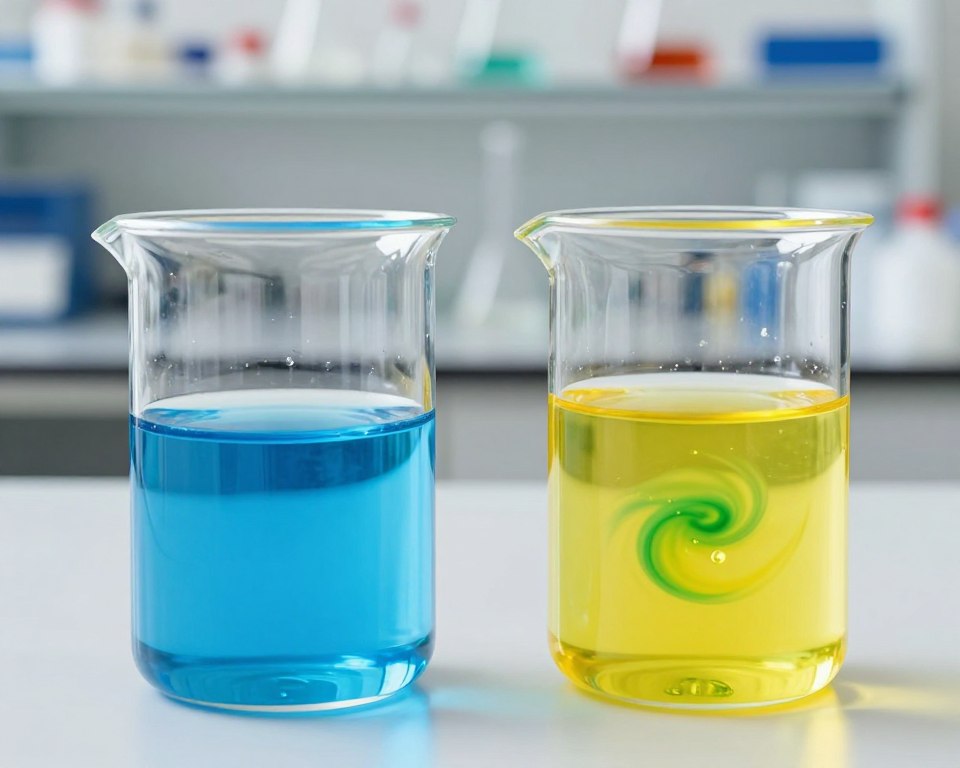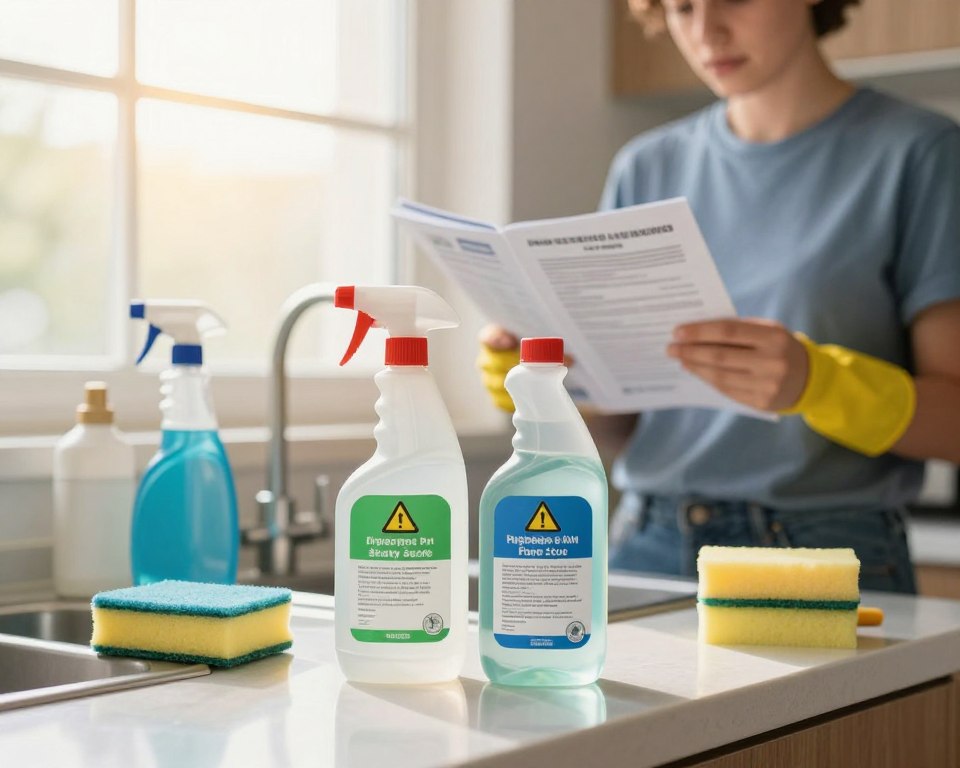
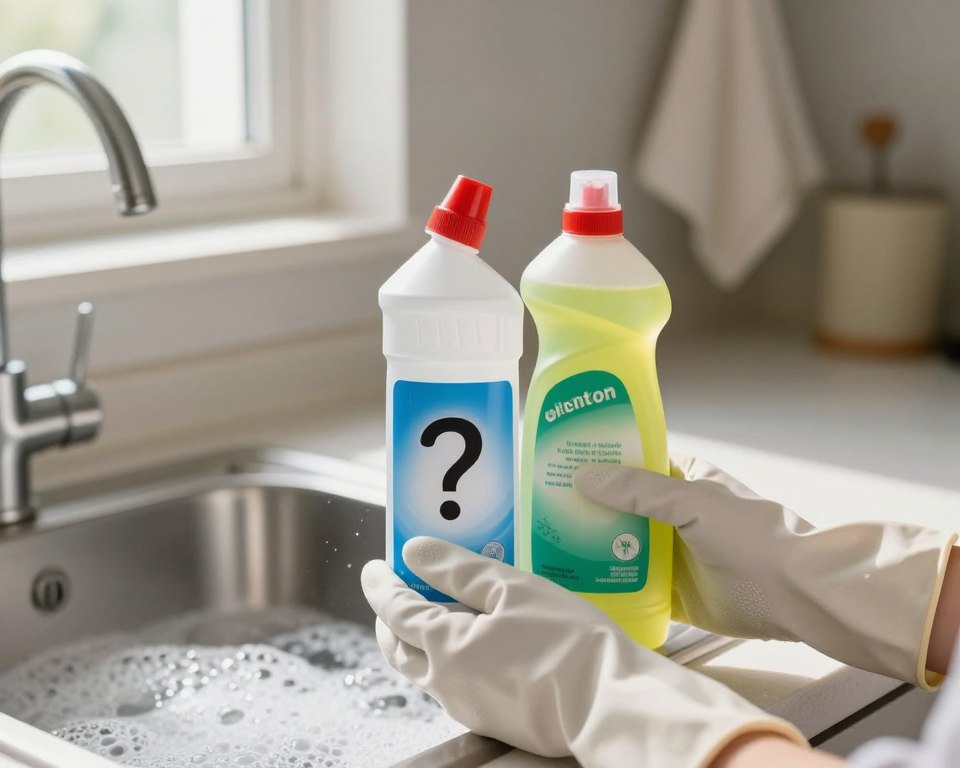
Did you know that nearly 50% of accidental poisonings at home happen because of mixing chemicals wrong? Many people think mixing two strong cleaners will make a better disinfectant. But, this often causes dangerous chemical reactions.
It’s crucial to understand the chemistry of what you use at home. Some products are safe, but others can release harmful fumes when mixed. Make sure to check the facts, like the truth about common household cleaners, to stay safe.
Keeping your family safe starts with learning. By knowing which substances can be mixed safely, you keep your home clean without risks.
Key Takeaways
- Never mix household cleaners unless the labels say it’s okay.
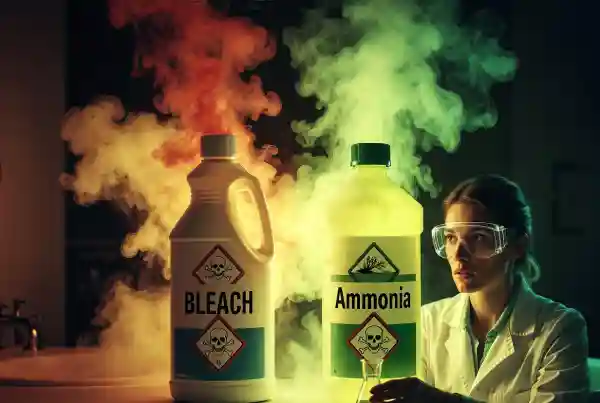
- Mixing chlorine-based products with ammonia can release toxic gases that are bad to breathe.
- Most dish detergents don’t have ammonia, but it’s still best to be careful.
- Make sure your cleaning area has good air flow to avoid fume buildup.
- If you accidentally make a harmful mix, get out of the room fast and get medical help.
Understanding the Chemistry of Household Cleaners
Every bottle under your sink has a special formula. It’s made to fight specific types of dirt, like grease or harmful germs. Knowing the science behind these cleaners helps you understand the warning labels.
Cleaning agents are engineered to work independently. This ensures they are effective and safe. Mixing different cleaners can cause harmful reactions. Safety should always be your top priority when cleaning your home.
“Chemistry is the study of matter, but I prefer to see it as the study of change. Every cleaning product you use is a tool designed to change the state of your surfaces from dirty to clean.”
Learning about these chemicals helps protect your family. Following the instructions on the labels keeps your cleaning safe and effective. This knowledge is a critical layer of defense against harmful substances in your daily life.
Can You Mix Bleach and Dish Soap Safely
When it comes to Can You Mix Bleach and Dish Soap Safely, the answer is no. Mixing them for daily cleaning is not a good idea. These two substances don’t mix well and can lead to poor cleaning results. Chemistry is a delicate balance, and mixing them can disrupt this balance.
Bleach is a strong oxidizer, while dish soap uses surfactants to clean. When you mix them, the bleach breaks down the soap’s surfactants. This makes both products less effective, wasting your cleaning supplies.
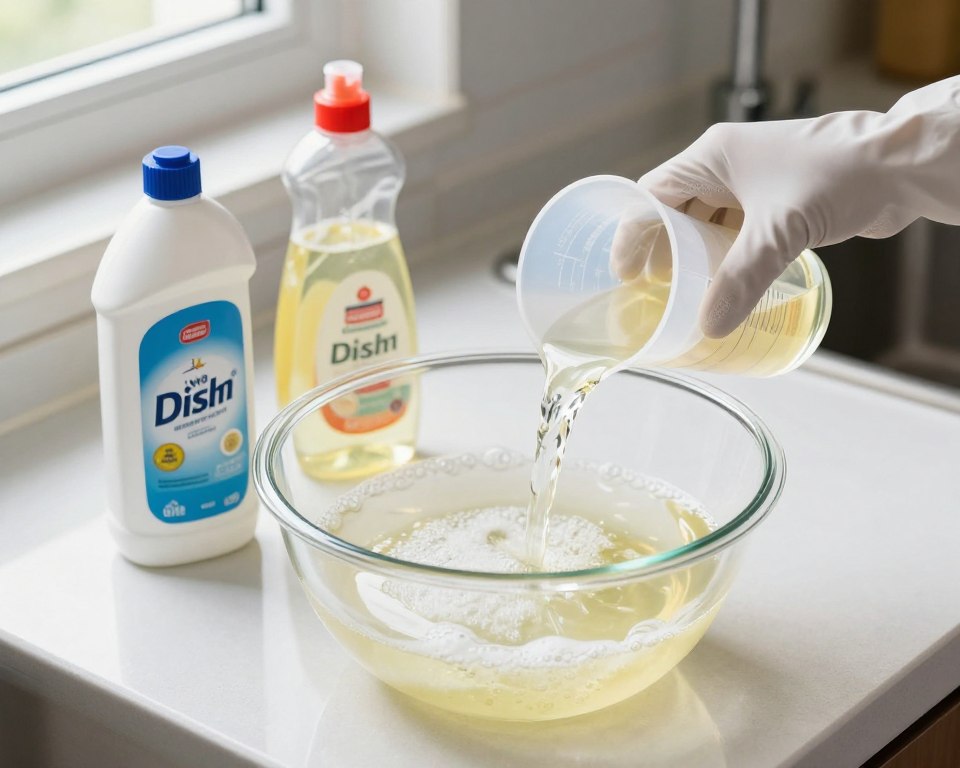
Some professional pressure washers mix bleach and dish soap for outdoor tasks. But they mix it right before use to keep it effective. For homeowners, mixing at home is not recommended due to the difficulty in getting the right mix and timing.
Storing a mix of bleach and dish soap is risky because chlorine reacts quickly. Over time, the mix will lose its effectiveness. It is much safer and more efficient to use each cleaner as directed by the manufacturer.
The Dangers of Mixing Bleach and Dish Soap
Many people think mixing cleaning agents makes a stronger solution for tough stains. But, the dangers of mixing bleach and dish soap are real and often not understood. It’s key to know that not all household products should be mixed, as it can cause harmful chemical reactions.
Understanding Chloramine Gas Formation
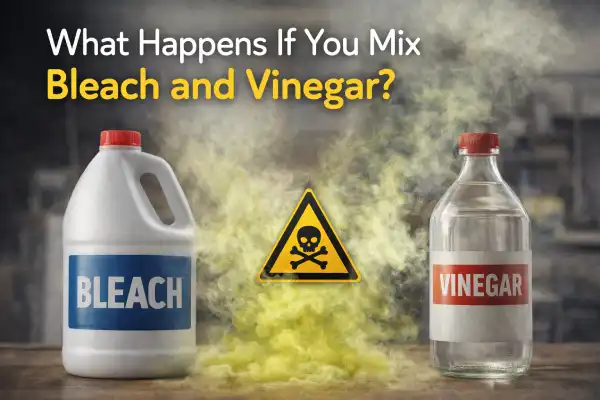
When bleach meets other common ingredients, like ammonia or certain soap surfactants, it can release chloramine gas. This gas is very toxic and can fill a room quickly, posing a big risk to your air quality.
When you mix bleach and dish soap, you might not see anything happen right away. But, the chemical reaction is already happening. The vapors are invisible and smellless at first, making them very dangerous. Always treat these substances as separate to avoid creating a chemical hazard at home.
Health Risks Associated with Toxic Fumes
Being exposed to these toxic fumes can cause immediate and uncomfortable symptoms. Many people get watery eyes, persistent coughing, and chest tightness. In severe cases, you might feel nauseous or have trouble breathing.
If you experience any of these symptoms while cleaning, leave the area right away and get some fresh air. Always prioritize your safety by not mixing cleaners just because they’re common household items. Always check the labels to use products as the manufacturer intended.
Identifying Common Household Cleaning Products
Knowing the chemistry of your cleaning supplies is key to a safer home. Many keep various bottles under the sink, but few know each product’s unique purpose. Learning how these agents work helps you clean better and keep your home safe.
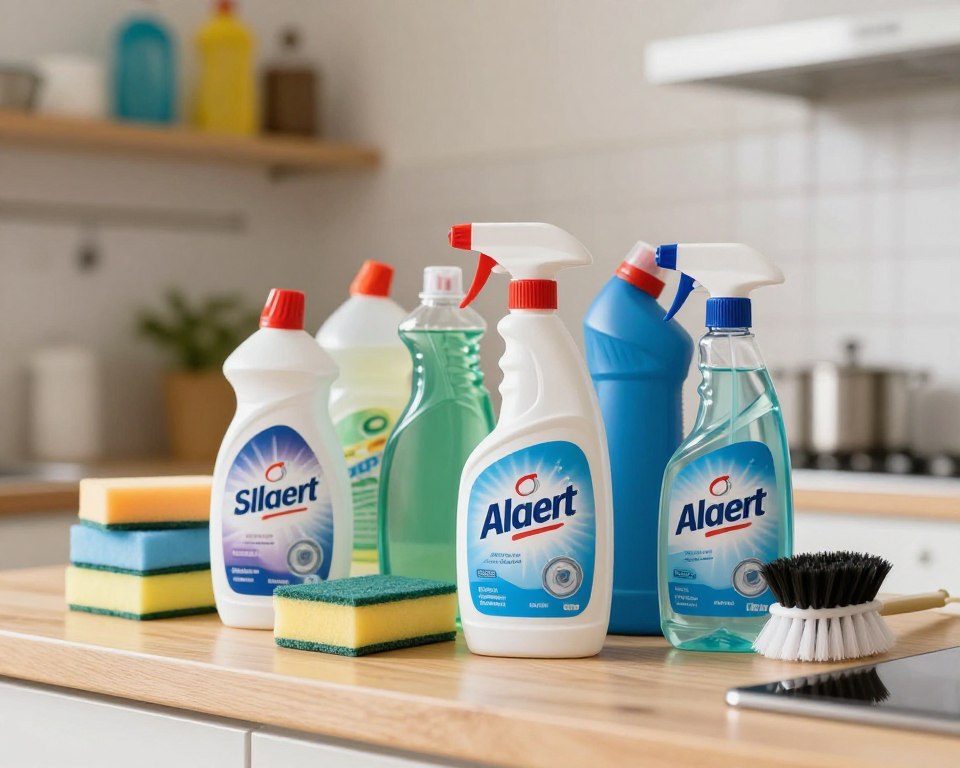
“Cleanliness is not just about the appearance of a home, but the health and safety of those who live within it.”
What Makes Bleach a Powerful Disinfectant
Bleach is a potent disinfectant that uses chlorine’s destructive power. This chemical breaks down bacteria and viruses on hard surfaces. It’s great for getting rid of tough mold and mildew in damp spots.
Because of its strength, bleach is a heavy-duty tool for cleaning. It’s essential to use it right, as its main job is to kill germs. When used correctly, it offers a level of cleanliness hard to find with other products.
The Role of Surfactants in Dish Soap
Dish soap, on the other hand, uses surfactants. These molecules help water mix with oil. They lower water’s surface tension, making it easier to remove grease and grime from dishes and countertops.
Surfactants are what make dish soap so effective. They don’t kill germs like bleach does, but they’re incredibly effective at removing physical dirt. By understanding these roles, you can pick the right cleaner for each job in your home.
Why Chemical Reactions Occur in Cleaning
Every cleaner has a special mix of chemicals. Makers test these mixes for years to make sure they work well. But, mixing different cleaners can upset this balance, leading to bad and even dangerous results.
It’s key to understand the science behind these reactions to keep your home safe. Knowing that is bleach toxic when inhaled is important. Yes, it is, and even more so when mixed with other substances.
The Science of pH Levels in Cleaning Agents
The pH scale shows if a substance is acidic or alkaline, from 0 to 14. Cleaning products are made to be at certain points on this scale. Acidic cleaners remove mineral deposits, while alkaline ones break down grease.
Mixing an acid with a base causes a reaction. This reaction can release heat or gases as the chemicals try to find a new balance. This is why mixing your own cleaning solutions is not a good idea.
How Incompatible Ingredients Interact
Mixing bleach and dish soap is a common mistake. Many think it makes the cleaner better, but it’s dangerous. The soap’s surfactants can react with bleach’s sodium hypochlorite, creating harmful vapors.
“The safety of your home depends on respecting the chemical integrity of the products you use. Never assume that two safe cleaners will remain safe when combined.”
The bleach and dish soap reaction shows how bad mixing can be. Here’s a quick guide on how different cleaners react when mixed.
| Cleaner Type | pH Range | Common Use | Risk Level |
|---|---|---|---|
| Acidic | 0 – 6 | Descaling | High if mixed |
| Neutral | 7 | General Cleaning | Low |
| Alkaline | 8 – 14 | Degreasing | High if mixed |
Keeping different cleaners separate avoids bad reactions. Always use products as the labels say. This way, you can avoid bleach and dish soap chemical reactions and keep your home safe.
Recognizing Symptoms of Chemical Exposure
Knowing the early signs of chemical exposure is crucial for homeowners. Mixing the wrong cleaning agents can release harmful gases. Staying alert to your body’s reactions helps protect you and your family.
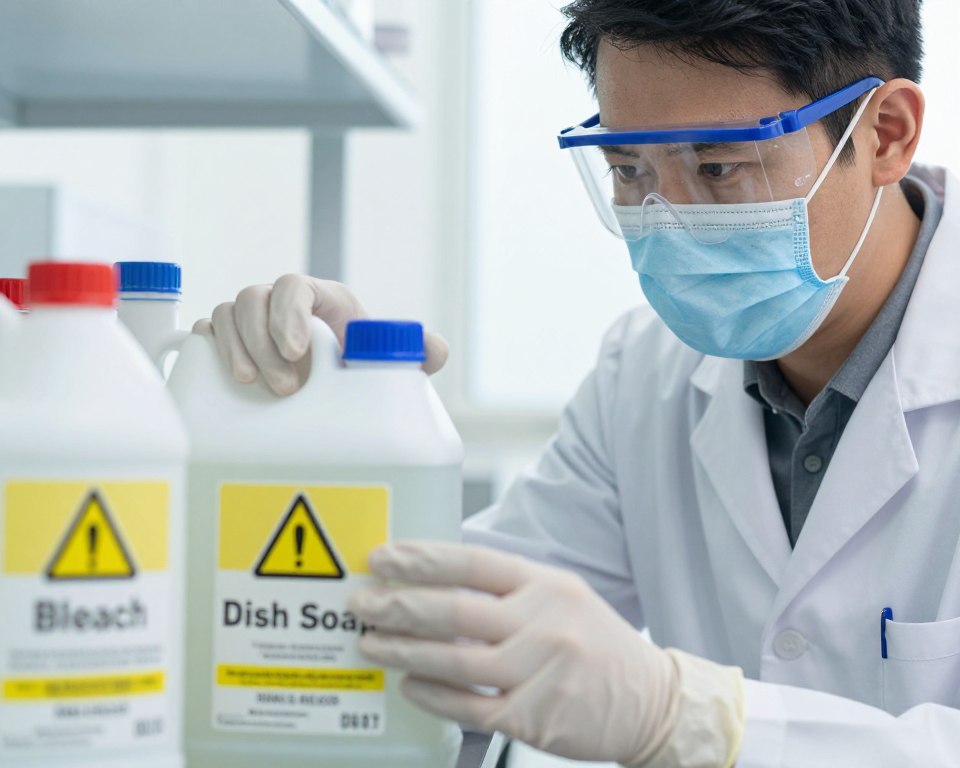
Immediate Physical Reactions to Toxic Fumes
Exposure symptoms can show up quickly, within seconds or minutes. You might feel a sharp pain in your nose or throat. Many people also get watery, burning eyes or a persistent cough.
You could feel shortness of breath or a tight chest. Hearing a wheezing sound while breathing is a sign your lungs are struggling. These signs mean you need to get out of the area fast.
“When dealing with household chemicals, your senses are your first line of defense. If a product smells wrong or causes immediate physical discomfort, trust your instincts and move to fresh air.”
When to Seek Medical Attention
Minor irritation might go away after you get some fresh air. But, some symptoms need medical help. Call emergency services if you have trouble breathing, chest pain, or dizziness that doesn’t get better.
If you feel lightheaded or confused, don’t wait. The table below shows when to seek urgent care:
| Symptom Type | Common Indicators | Recommended Action |
|---|---|---|
| Mild Irritation | Watery eyes, mild cough | Move to fresh air, ventilate |
| Moderate Distress | Persistent wheezing, throat pain | Monitor closely, call Poison Control |
| Severe Reaction | Difficulty breathing, chest pain | Seek emergency medical care |
Save your local Poison Control center’s number in your phone. If you’re unsure about your symptoms, calling a professional is best. Quick action helps avoid serious health problems and ensures a safe recovery.
Proper Ways to Clean with Bleach and Dish Soap
To get a truly clean surface, you need to know how to use bleach and dish soap right. Many think mixing these products makes a stronger cleaner. But, this is not safe. It’s better to use them for different cleaning tasks.
Sequential Cleaning Methods for Best Results
For the best results, clean with these products one after the other. Start by washing the surface with soapy water. This removes grease, food, and other dirt. Wondering if Dawn dish soap is toxic? It’s safe for cleaning when used alone to get rid of grime.
After removing physical dirt, it’s time for sanitizing. Bleach works best when there’s no organic matter around. So, apply it only after the surface is clean. This way, bleach can effectively kill germs and viruses.
“Cleanliness is the hallmark of a healthy home, but safety must always be the foundation of your cleaning routine.”
Rinsing Surfaces Thoroughly Between Products
Rinsing well is key when using bleach and dish soap. Make sure to remove all soap before using bleach. Any leftover soap can weaken bleach or create harmful chemicals.
After soaping up, clean the area with a damp cloth until it’s soap-free. Let it dry a bit before using bleach. By doing this, your cleaning is both effective and safe for your family.
Safe Cleaning Practices for Every Room
Setting up clear cleaning rules for your kitchen and bathroom is key to safety. Organizing your cleaning supplies and sticking to routines keeps your home clean and safe. These household cleaning safety tips help create a healthy space for your family and pets.
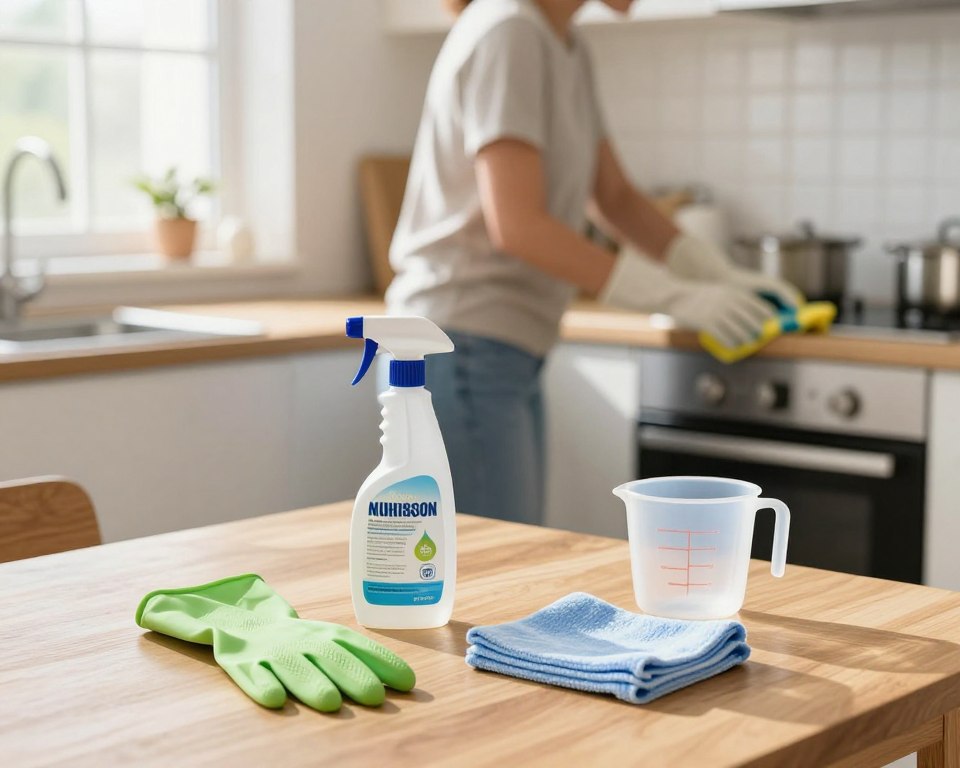
Kitchen Sanitation Protocols
The kitchen is a busy place where keeping things clean is crucial. Always store cleaning products in their original containers and away from food. Remember, mixing two cleaning sprays is dangerous and should be avoided.
Instead, use one cleaner at a time. Thoroughly rinse surfaces with water after using a disinfectant. This step removes chemical residue and keeps your countertops safe.
Bathroom Deep Cleaning Safety
Bathrooms need stronger cleaners, making safe cleaning practices even more important. Since these areas are often small and poorly ventilated, good airflow is essential. Always open a window or turn on an exhaust fan before cleaning.
Here are some key tips for safe deep cleaning:
- Never mix bleach-based cleaners with acidic products like toilet bowl cleaners.
- Use a single product for each task to avoid chemical reactions.
- Keep cleaning supplies in a dedicated bin to prevent spills or mixing.
Following these household cleaning safety tips ensures a deep clean without risking your health. Consistency is crucial for a safer home. Make these habits a regular part of your cleaning routine.
Ventilation Strategies for Safer Cleaning
When you clean your floors or counters, remember the air quality too. Good airflow helps spread out particles and smells, keeping your home fresh. This way, you avoid harmful fumes and protect your breathing.
The Importance of Airflow in Small Spaces
Small rooms like bathrooms or closets are tough on air quality. Without big windows, smells can build up fast. It’s crucial to use products safely, knowing if they’re ammonia-based or not.
Keep the door open in tight spaces to let air move. Turn on the exhaust fan if you have one. This helps remove bad air before it bothers you.
Using Fans and Open Windows Effectively
Household fans can make cleaning safer. A fan in a doorway pushes out old air. A window fan brings in fresh air. This keeps air moving and fumes away.
For cleaning many rooms, open windows on opposite sides. This makes a natural breeze that clears the air quickly. Keep air flowing the whole time you clean.
| Ventilation Method | Best Use Case | Effectiveness |
|---|---|---|
| Exhaust Fan | Small Bathrooms | High |
| Window Cross-Breeze | Living Areas | Very High |
| Portable Box Fan | Enclosed Spaces | Moderate |
| Natural Airflow | General Maintenance | Low |
Personal Protective Equipment for Home Cleaning
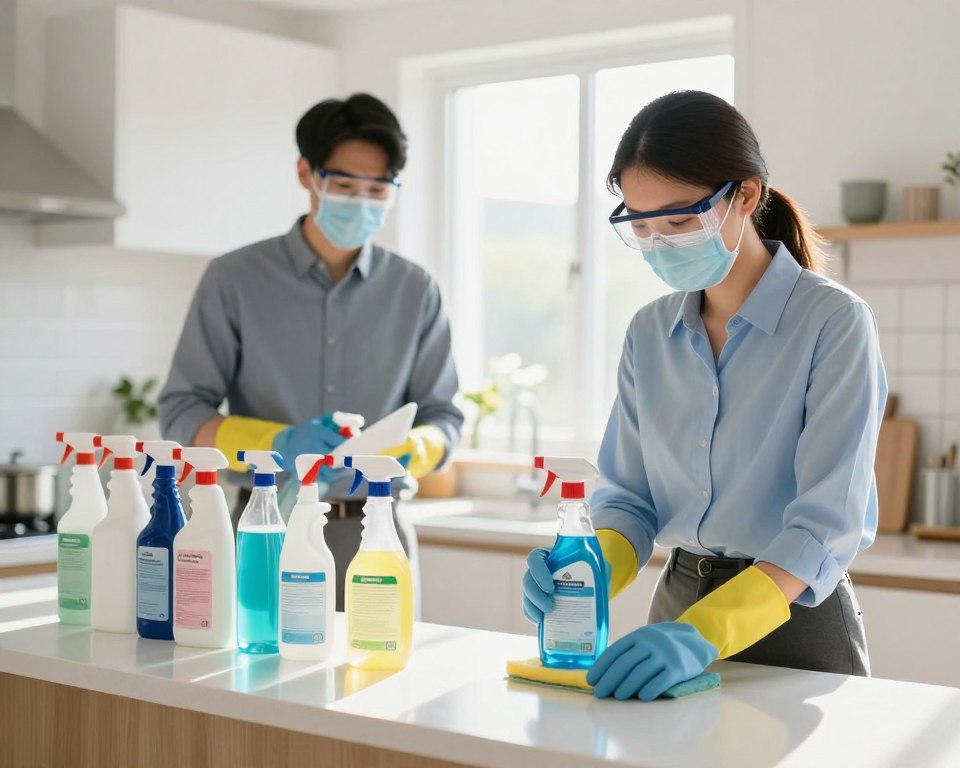
Wearing protective gear is key to keeping your skin safe from harsh chemicals. It’s a simple step to take for your health. Basic gear can make a big difference in your safety during cleaning.
Choosing the Right Gloves and Eye Protection
Your skin absorbs chemicals easily, which can cause irritation. Always use chemical-resistant gloves made of nitrile or rubber. They protect your hands from spills or splashes.
Eye protection is also crucial when dealing with liquids that might splash. Safety goggles that fit snugly around your eyes are the best choice. They keep your eyes safe from splashes and prevent irritation.
When to Use Respiratory Masks
Some cleaning tasks release strong vapors that can harm your lungs or throat. If you’re in a small, poorly ventilated space, a respiratory mask is essential. Choose masks rated for chemical vapors to avoid inhaling harmful fumes.
Also, use a mask if you have sensitivities or breathing problems. Even with safe cleaning practices, extra protection is reassuring. Always check the label to see if the cleaner needs specific respiratory protection.
Storing Cleaning Supplies to Prevent Accidents
Keeping your cleaning supplies organized is crucial to avoid accidents. When everything is in its place, you’re less likely to grab the wrong bottle. Safety starts with how you manage your inventory.
Organizing Chemicals to Avoid Accidental Mixing
Storing different chemicals in separate areas is the best way to prevent dangerous reactions. For example, never keep bleach near acidic cleaners or ammonia-based products. Physical separation is key to avoiding hazardous situations.
Always store cleaning agents in a cool, dry place that’s out of reach of kids and pets. High shelves or locked cabinets add extra security. Keeping these items away from food areas also reduces cross-contamination risks.
Keeping Products in Original Containers
It’s essential to keep all chemicals in their original containers. These bottles are designed to hold the product safely and have important warning labels. Never transfer cleaning agents into unmarked jars or food containers, as this can lead to confusion and accidental ingestion or mixing.
If a label becomes unreadable, it’s best to dispose of the product safely. Keeping the original packaging ensures you have the manufacturer’s usage instructions and emergency contact information. This helps maintain a safer and more organized home environment.
| Storage Habit | Safety Level | Recommended Action |
|---|---|---|
| Storing bleach near ammonia | Dangerous | Separate immediately |
| Using original containers | Excellent | Maintain labels |
| Accessible low cabinets | High Risk | Use child-proof locks |
| Dedicated storage bin | Safe | Organize by type |
Alternatives to Mixing Harsh Chemicals
Starting to clean smarter means choosing safer options. Many people want to avoid the dangers of mixing chemicals. Yet, they still want a clean home. The right tools can help you get great results without the risks.
Natural Cleaning Solutions That Work
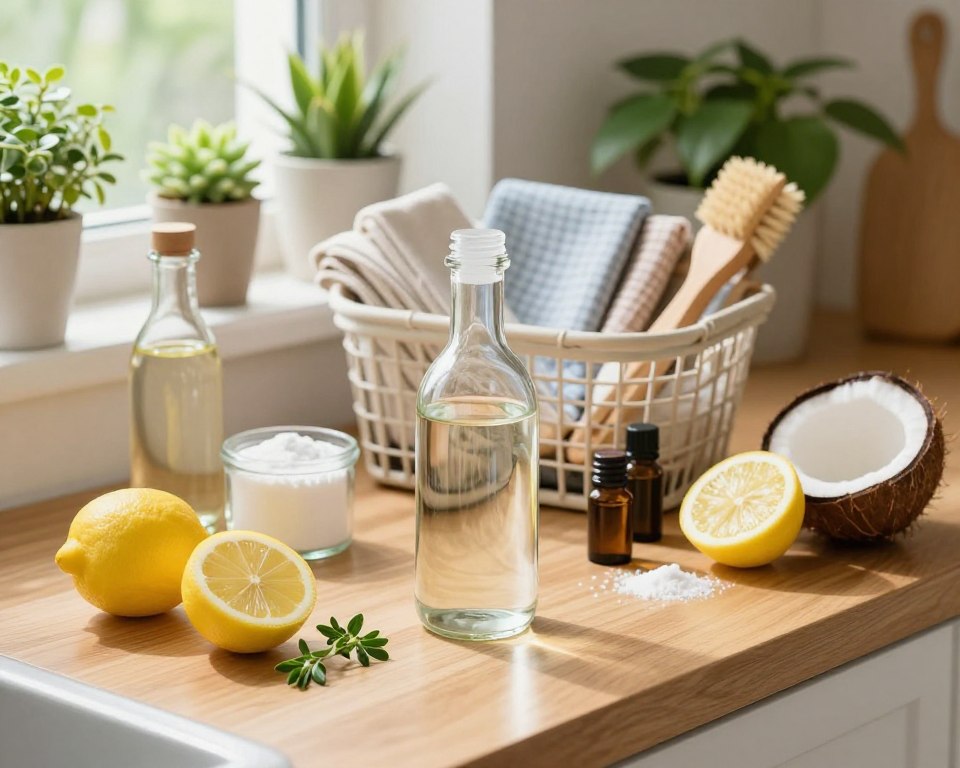
Nature has many strong cleaners for common tasks. White vinegar is great for removing mineral deposits and grime. It works well on glass or tile surfaces.
When you mix baking soda with vinegar, you get a paste. This paste is perfect for scrubbing sinks and bathtubs. These natural cleaners are safer and easier to handle than harsh chemicals.
Using pantry staples lets you clean with confidence. You won’t have to worry about harmful fumes. But, remember to use natural acids carefully on delicate surfaces like marble.
Commercial Multi-Purpose Cleaners Explained
Store-bought cleaners are a convenient option. They are made to be safe and effective on many surfaces. You don’t have to mix anything yourself.
Choosing a good commercial cleaner means no worries about chemical reactions. Look for products with clear labels and safety information. A reliable multi-purpose cleaner is a smart way to keep your home clean and safe.
| Cleaning Option | Primary Benefit | Best Use Case |
|---|---|---|
| White Vinegar | Natural acidity | Glass and mineral buildup |
| Baking Soda | Gentle abrasion | Scrubbing sinks and tubs |
| Multi-Purpose Spray | Convenience | General surface cleaning |
| Castile Soap | Biodegradable | Floors and mild messes |
What to Do If You Accidentally Mix Chemicals
If you mix cleaning products by mistake, acting fast is key for your safety. Even a small error can cause serious problems. So, it’s crucial to know how to react quickly.
By staying calm and following a plan, you can handle the situation well. This way, you can avoid any big risks.
Immediate Steps for Evacuation and Ventilation
If you smell something odd or feel irritation, get out of the area right away. Don’t try to clean up or investigate while the fumes are there. Getting to fresh air is the best way to avoid toxic fumes.
Once you’re in a safe spot, open windows and doors to let air in. If it’s safe, turn on exhaust fans to help clear the air. Never go back into the room until you’re sure the air is fresh.
“Safety is not just a slogan; it is a way of life that protects you and your loved ones from preventable accidents.”
Contacting Poison Control Centers
If you or someone else feels sick after exposure, don’t wait. Call the Poison Control Center right away at 1-800-222-1222 in the U.S. They offer free, confidential advice 24/7.
When you call, have the product labels ready. Tell the specialist exactly what you mixed. They might ask about how much you used and for how long. Following their advice is crucial for your recovery and getting the right care.
Common Myths About Mixing Cleaning Products
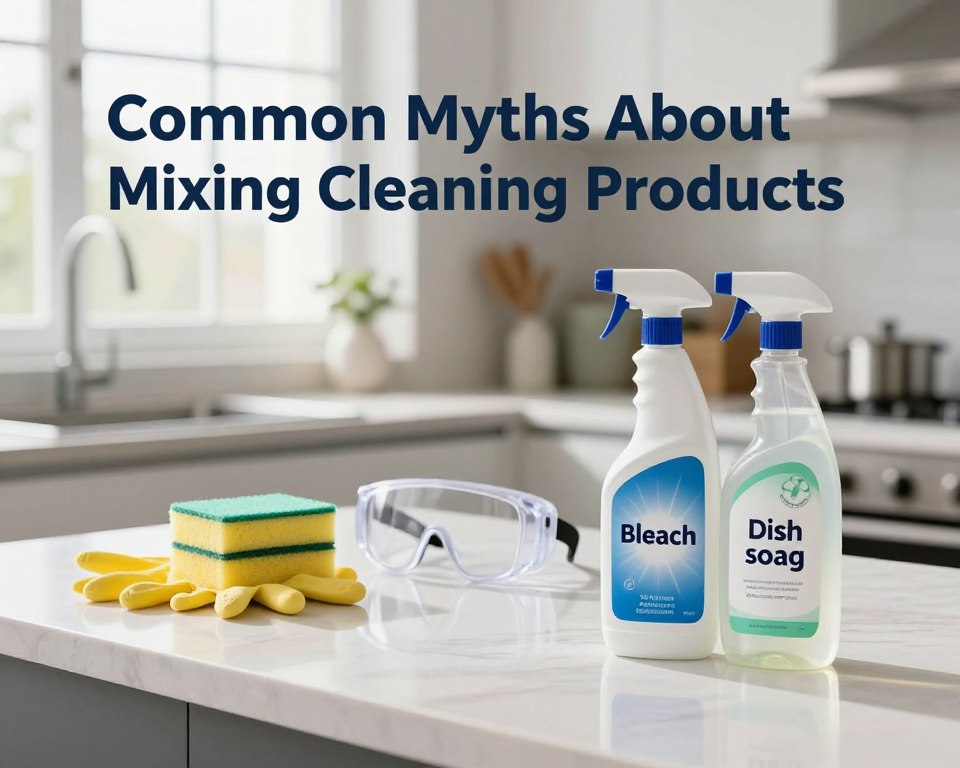
Many think adding more chemicals makes their home cleaner. But science says it’s not true. Mixing products often leads to dangerous reactions, not a cleaner home.
It’s essential to trust science, not online myths. These myths can harm your health and family. Knowing the truth is the first step to a safer home.
Debunking Household Cleaning Hacks
Many social media hacks suggest mixing household items for tough stains. These videos seem impressive but ignore the fundamental chemistry. Mixing products can release harmful gases.
One myth is that mixing bleach with acidic cleaners whitens better. But this is extremely dangerous and can release toxic fumes. Always follow the label, not DIY mixtures.
Why More Chemicals Do Not Mean More Clean
Extra chemicals don’t make cleaning better. Often, they neutralize each other, making them useless. Mixing products creates a chemical soup that’s less effective than one cleaner.
Using too many products can leave harmful residues on surfaces. These attract dirt and can damage floors and countertops. A simple, targeted approach is best for a clean, healthy home.
Educating Your Household on Cleaning Safety
Keeping your home safe is more than just buying cleaning supplies. It’s about teaching everyone how to use them safely. By following household cleaning safety tips, you can make your home healthier and safer for everyone.
Teaching Children About Chemical Hazards
Children are naturally curious, so it’s important to teach them that cleaning supplies are not toys. Explain it in simple terms that they can understand. Consistency is key in teaching them about the dangers.
Use visual reminders like warning stickers on cabinets. Tell them to always ask an adult before touching any cleaning product. This way, safety becomes a team effort, not just rules.
Creating a Safe Cleaning Routine for Everyone
Having a routine helps keep your home tidy and safe. Give each family member tasks that fit their age and abilities. This way, everyone knows what to do and when.
Here’s a table to help your family stay safe while cleaning:
| Task Category | Safety Priority | Action Required |
|---|---|---|
| Surface Wiping | Ventilation | Open windows before starting |
| Chemical Storage | Accessibility | Keep products in high cabinets |
| Product Usage | Label Reading | Check instructions every time |
| Emergency Prep | Awareness | Post Poison Control number |
By following these household cleaning safety tips, you build a safe and aware home. This way, everyone can clean with confidence. Remember, education is the most powerful tool for keeping your home safe.
Conclusion
Keeping your home healthy is more than just cleaning. You need to know how different things mix in your sink or bucket.
Mixing bleach with acids or ammonia can release harmful gases. These gases are bad for your lungs. Always avoid mixing these chemicals, as even simple items can cause dangerous reactions. For more on potential dangers, check this guide on is mold remover spray toxic.
Use gentle cleaners like hydrogen peroxide for everyday cleaning. This reduces the risk of harmful fumes. Save the Poison Help number, 1-800-222-1222, in your phone for quick help if needed. If you face big problems, call a professional.
Being careful with cleaning products keeps your family safe. Always check product labels and follow cleaning rules. This way, your home stays a safe place for everyone.
FAQ
Can You Mix Bleach and Dish Soap Safely for general home cleaning?
Mixing bleach and dish soap is not usually recommended for home cleaning. Mixing bleach and dish soap can make the soap less effective. It’s safer to use them separately, unless you’re following a professional method.
What is the primary bleach and dish soap chemical reaction I should worry about?
The main worry is the release of toxic fumes. If your dish soap has ammonia or organic compounds, it can react with bleach. This can cause serious respiratory problems.
What are the specific dangers of mixing bleach and dish soap in a poorly ventilated area?
Mixing bleach and dish soap can release harmful gases. These gases can cause watery eyes, chest pain, and shortness of breath. It’s crucial to avoid these fumes, as they can be dangerous in small spaces.
What are the proper ways to clean with bleach and dish soap to ensure maximum safety?
Use a sequential cleaning process for safety. Start with a grease-cutting soap like Dawn to clean the surface. Then, rinse well with water. Finish with a diluted bleach solution to disinfect. This method prevents the bleach from being neutralized by the soap.
Why is ventilation so important when following household cleaning safety tips?
A: Ventilation strategies protect against chemical exposure. Even with proper use, fumes can accumulate in small areas. Always open windows and use fans to ensure airflow. If you smell a strong odor or feel throat irritation, leave the area immediately.
How should I store my cleaning supplies to prevent an accidental chemical reaction?
Keep products in their original containers with labels. Store bleach away from soaps and other cleaners. This helps prevent spills and dangerous mixtures.
What should I do if I accidentally mix bleach and dish soap and feel sick?
If you think you’ve mixed bleach and dish soap, evacuate the area immediately. Don’t try to clean it up. Call the Poison Control Center at 1-800-222-1222. If you have trouble breathing or chest pain, go to the Mayo Clinic or your local ER.
Are there safer alternatives to mixing harsh chemicals for deep cleaning?
Yes, there are safer options. Use commercial multi-purpose cleaners from brands like Seventh Generation or Mrs. Meyer’s. For natural solutions, try distilled white vinegar and baking soda separately. They are effective without the risk of toxic fumes.