New parents often face many choices when getting ready for a baby. One big question is what to use to clean baby clothes. Do they need special products or can they use what they already have at home?
The American Academy of Pediatrics says most babies are okay with regular cleaning agents. Many families find that what they already have works well. Knowing about is baby safe laundry detergent helps parents make smart choices.
Safety is always the top concern for parents. Baby skin is soft and takes in things easily, so it’s sensitive to harsh chemicals or strong smells. By making sure to rinse well and avoiding extra additives, you can keep your baby’s environment safe.
Key Takeaways
- Standard cleaning products are generally acceptable for most infants.
- Newborn skin is highly sensitive, requiring careful attention to potential irritants.
- Fragrance-free and dye-free options are often the safest choices for sensitive skin.
- Double rinsing helps remove chemical residues that might trigger skin reactions.
- Evidence-based guidance prioritizes skin compatibility over expensive marketing claims.
Understanding the Composition of Baby Skin and Sensitivity
Baby skin is very delicate and needs special care. Unlike adult skin, which has a strong defense, baby skin is still growing. Knowing how to choose the right detergent for baby clothes is key to keeping them healthy.
The Unique Barrier Function of Newborn Skin
Newborn skin is much thinner than adult skin. This makes it more open to the environment. Substances on clothes can easily get into the skin.
This thin skin has trouble keeping moisture in and out. It’s still growing and can’t block irritants well.
Pediatric dermatologists stress the need for gentle care. A weak skin barrier can lead to dryness and irritation. Keeping the barrier strong is crucial for a baby’s comfort.
Common Triggers for Contact Dermatitis in Infants
Contact dermatitis is an allergic reaction to something on the skin. In babies, it shows as red, itchy patches. Common culprits are synthetic fragrances and harsh chemicals in laundry products.
Baby skin is very sensitive. Even a little bit of chemical can cause a reaction. Knowing what to avoid in laundry can help keep your baby’s skin happy.
Can You Wash Baby Clothes With Regular Laundry Detergent Safely
Many new parents wonder if they can wash baby clothes with regular detergent. They often feel they must buy expensive, special products. But, the truth is, the chemical differences are usually small.
When using regular detergent for baby clothing, the goal is to avoid harsh additives. These can cause skin reactions.
Differentiating Between Regular and Baby-Specific Detergents
Standard detergents and those for babies have the same main ingredients. The big difference is in marketing and what’s left out. Some baby brands focus on being hypoallergenic, but many “free and clear” options are just as safe.
When picking a laundry detergent for baby clothes, look at the ingredients. “Free and clear” products are usually the safest. Remember, fabric softeners can also be a problem, as they can irritate sensitive skin.
The Role of Fragrances and Dyes in Skin Irritation
Fragrances and dyes often cause skin problems in babies. They’re added for smell and color but don’t clean. So, can I use regular laundry detergent for baby clothes? Yes, if you avoid these irritants.
Sensitivity can differ in each child. Watch for signs of redness or rashes. Choosing fragrance-free and dye-free options can help avoid skin issues. Here’s a table to help you understand the differences in laundry supplies.
| Feature | Standard Detergent | Baby-Specific Detergent | Free & Clear Detergent |
|---|---|---|---|
| Fragrances | High | Low/None | None |
| Synthetic Dyes | Common | Rare | None |
| Cleaning Power | High | Moderate | High |
| Cost Efficiency | High | Low | Moderate |
Identifying Harmful Ingredients in Standard Detergents
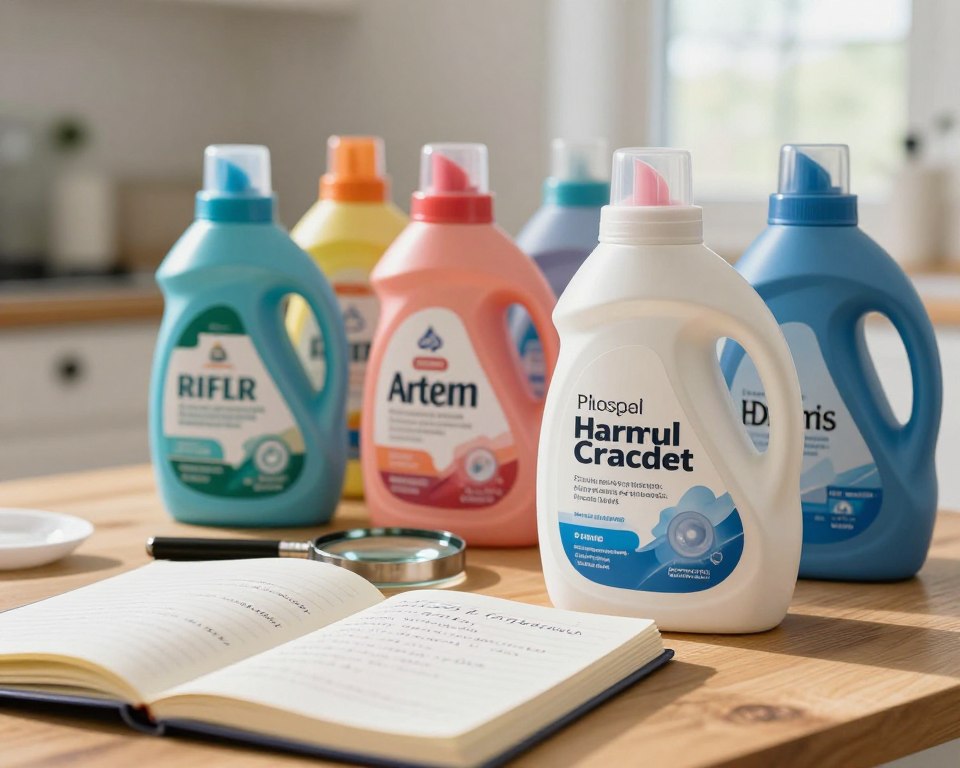
Finding out what irritates your child’s skin is key to a safer laundry room. Many standard detergents clean well but can harm skin. Knowing what’s in them helps parents choose better, like Gain Flings vs Arm & Hammer.
The Impact of Optical Brighteners on Delicate Skin
Optical brighteners make clothes look whiter. They absorb UV light and shine blue. But, they stay on clothes, touching your baby’s skin.
This can irritate or cause contact dermatitis in babies. It’s safer to avoid these chemicals.
Why Synthetic Fragrances Pose Risks for Newborns
Synthetic fragrances make clothes smell fresh for a long time. But, they contain many hidden chemicals, like phthalates. These are bad for newborns.
- Fragrances often cause allergic reactions.
- It’s hard to know what’s causing a reaction.
- Strong smells can hurt a baby’s breathing.
Surfactants and Their Potential for Residue Buildup
Surfactants clean clothes by removing dirt. But, they must be rinsed off well to avoid skin problems. If not, they can leave a residue.
This residue can cause skin irritation. Make sure your washing machine isn’t too full and add an extra rinse to keep your baby’s clothes safe.
When Regular Detergent Is Acceptable for Baby Laundry
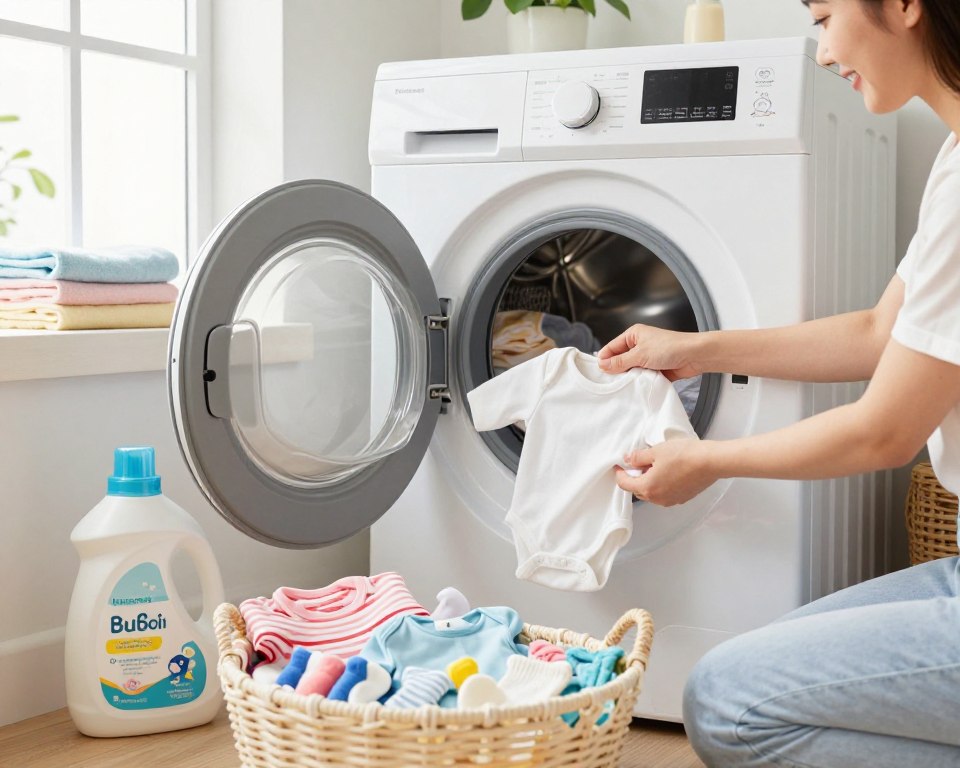
Many parents wonder if they can use regular detergent for baby clothes to make life easier. While special products are often suggested, many babies can handle regular detergent. It’s important to watch your baby closely when making this change.
Assessing Your Baby’s Skin Tolerance
Every baby is different, so there’s no one answer for when to switch. When you ask, “can I use regular laundry detergent for baby clothes,” it depends on your baby’s skin. Look out for signs of skin problems.
Watch for these common signs of skin sensitivity:
- Unexplained redness or patches on the skin.
- Increased fussiness or signs of itching.
- Dry, flaky, or bumpy skin texture.
- Small rashes appearing in areas where clothing fits snugly.
The Importance of the Rinse Cycle
Getting rid of chemical residue is key to avoiding irritation. Proper rinsing is crucial when using regular detergent for baby clothes. Most washing machines have an “extra rinse” setting for this.
If your machine doesn’t have an extra rinse button, you can manually run a second rinse. This step helps remove chemicals from the fabric. Thorough rinsing is a safety measure, even when introducing a new product.
Testing a Small Batch of Clothing First
Before washing your baby’s whole wardrobe with a new detergent, test it first. Start with a few items, like onesies or pajamas, and have your baby wear them for a day. This way, you can see if there’s a reaction without risking the whole wardrobe.
If your baby seems fine after 24 to 48 hours, you can start washing more clothes with the new detergent. Consistency is vital during this trial. By taking these steps, you can figure out if regular detergent works for your baby.
Best Practices for Washing Baby Clothes Effectively
Learning how to do laundry is as important as picking the right detergent for your baby. Using consistent baby clothes washing tips keeps clothes soft, clean, and safe from chemicals. This way, delicate fabrics last longer.
Sorting Laundry by Fabric Type and Soil Level
Start with organizing your laundry before washing. Separate clothes by fabric and how dirty they are. This prevents damage to soft fibers.
Dirty clothes need different cleaning than clean ones. Grouping similar items helps the machine clean better. This is a key baby clothes washing tip for keeping clothes in good shape.
Choosing the Right Water Temperature for Sanitization
Water temperature is key for cleaning and keeping fabrics safe. Hot water is good for tough stains but can shrink baby clothes. Always check the care label for the safe temperature.
Warm water works well for everyday clothes. It dissolves detergent and removes oils. For extra cleanliness, use a sanitizing cycle instead of hot water. This keeps clothes clean without harming them.
Avoiding Overloading the Washing Machine
Don’t overload the washing machine. Clothes need to move freely for effective cleaning. Too much in the machine can leave detergent residue, a problem with Tide Original vs Tide Free &.
Leave enough space for clothes to tumble. This ensures a good rinse and removes all soap. Following these baby clothes washing tips keeps your baby’s skin safe.
| Action | Benefit | Frequency |
|---|---|---|
| Sorting by Soil | Prevents cross-contamination | Every load |
| Checking Labels | Avoids fabric damage | Before every wash |
| Limiting Load Size | Ensures better rinsing | Every load |
| Using Warm Water | Balances cleaning and safety | As needed |
The Role of Fabric Softeners and Dryer Sheets
Soft fabrics feel great against a newborn’s skin. But, traditional laundry conditioners can be harmful. They might make clothes feel nice but can also harm your baby’s health.
Why Traditional Softeners Are Often Discouraged
Traditional fabric softeners coat clothes in chemicals. This makes them feel smooth but traps dirt and bacteria. They also have synthetic fragrances and preservatives that can cause allergies in babies.
Dryer sheets release chemicals in the dryer heat. These chemicals stay on clothes, making them smell nice and feel soft. But, for a baby’s sensitive skin, this can cause irritation or allergic reactions.
Natural Alternatives for Softening Baby Fabrics
There are natural ways to make baby clothes soft without harsh chemicals. Distilled white vinegar is a great natural fabric softener. It’s added to the rinse cycle to remove detergent buildup, making clothes soft.
Wool dryer balls are another good choice. They help separate clothes and improve airflow, reducing drying time and static. They’re reusable, don’t have any smell, and are free from chemicals found in dryer sheets.
The Risks of Chemical Residue on Bedding and Clothing
Standard laundry accessories can leave chemical residue on clothes. Babies are often in contact with these clothes, exposing their skin to chemicals. This can dry out, irritate, or even cause serious skin problems.
It’s crucial to choose your baby’s skin health over the benefits of chemical softeners. By avoiding these products, you can lower the risk of skin sensitivity. Here’s a comparison of traditional and natural softening methods.
| Method | Mechanism | Safety Profile | Effectiveness |
|---|---|---|---|
| Traditional Softener | Chemical coating | Low (Potential irritant) | High (Texture) |
| Dryer Sheets | Heat-activated film | Low (Synthetic scents) | Medium (Static control) |
| White Vinegar | Mineral removal | High (Natural) | High (Softness) |
| Wool Dryer Balls | Mechanical agitation | High (Hypoallergenic) | High (Static control) |
How to Properly Rinse Baby Clothes to Remove Residue
Removing detergent residue is key to keeping a newborn’s skin safe. Even mild soaps can leave particles in fabric, causing skin issues. Some wonder if laundry sanitizer additives are needed. But, the best way to clean clothes is through thorough rinsing, not extra chemicals.
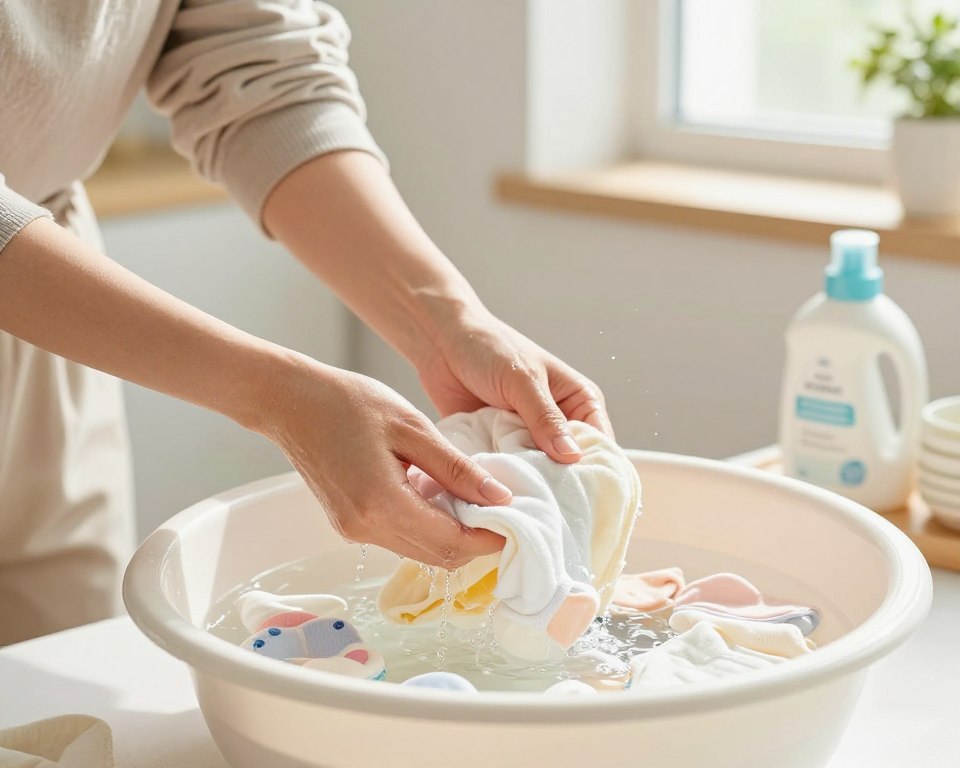
Utilizing the Extra Rinse Setting
Today’s washing machines have special cycles for better cleaning. Using the extra rinse setting adds a second wash with fresh water. This helps remove soap well and is safe for babies without extra work.
The Benefits of Using Vinegar as a Natural Rinse Aid
White distilled vinegar is a natural way to rinse clothes. It goes in the fabric softener spot and gets rid of detergent residue. Studies show it’s safer than chemical softeners, which can cause skin problems.
“The goal of any laundry routine for infants should be the complete removal of surfactants, as even trace amounts can disrupt the delicate pH balance of newborn skin.”
Signs That Your Detergent Is Not Rinsing Out Properly
Knowing when baby clothes aren’t rinsed well is important. Look for signs that show detergent is still in the clothes:
- Stiffness or crunchiness: Clothes that feel stiff or crunchy have soap residue.
- Visible white streaks: White streaks on dark clothes mean they weren’t rinsed enough.
- Persistent chemical odor: Clothes with a strong smell after washing have trapped fragrance.
- Skin sensitivity: If a baby gets red or itchy from new clothes, rinse them more.
Comparing Liquid Detergents Versus Powdered Options
Choosing the best detergent for washing baby clothes is more than a simple choice. The type of detergent affects how well it cleans and rinses. Knowing these differences helps keep baby clothes in good shape.
Solubility Differences in Cold Water Washes
Liquid detergents work well in cold water. They dissolve quickly, which is good for keeping fabrics soft and preventing shrinkage. Powdered detergents need warmer water to dissolve fully.
If the water is too cold, powder might not dissolve completely. This can leave behind particles that don’t clean well and can irritate baby’s skin.
Residue Potential of Powdered Detergents
Powdered detergents can leave behind residue buildup. This is because they contain solid ingredients that need a good rinse to go away. If the washing machine is too full or the water pressure is low, these particles can stay in the fabric.
This residue can irritate the skin and make clothes feel stiff. It’s important to choose a detergent that dissolves well to avoid this problem.
Which Format Is Gentler for Sensitive Skin
Experts often recommend liquid laundry detergent for baby clothes. Liquids are easier to use and work well with gentle ingredients. This makes them safer for babies with sensitive skin.
| Feature | Liquid Detergent | Powdered Detergent |
|---|---|---|
| Cold Water Solubility | Excellent | Poor to Moderate |
| Residue Risk | Low | Higher |
| Skin Compatibility | High | Moderate |
| Ease of Use | High | Moderate |
Addressing Stains on Baby Clothes Without Harsh Chemicals
Dealing with tough stains on baby clothes needs a careful plan that steers clear of harsh chemicals. Many parents find that cleaning baby clothes with regular detergent works well if they use good pre-treatment methods. Quick action can often remove organic messes before they stick to your child’s clothes.
Pre-treating Common Baby Stains Naturally
For fresh stains, rinse the area right away with cold water. Hot water can set in stains like milk or formula, making them hard to get out later. For tough spots, try soaking in cool water to loosen debris without harsh additives found in liquid fabric softener products.
“The best way to keep clothes clean is to treat the stain as soon as it happens, using gentle, natural methods that respect the fabric and the skin.”
The Effectiveness of Baking Soda and Lemon Juice
Baking soda is great for lifting stains because it’s a mild abrasive and deodorizer. Mix it with water to make a paste, then apply it to the stain. Let it sit for 15 minutes before washing.
Lemon juice is a natural bleach because of its citric acid. It works well on white cotton in sunlight. Always rinse well to avoid any acid that might irritate skin later.
When to Use Enzyme-Based Cleaners Safely
Enzyme-based cleaners are good at breaking down stains like breast milk and food. They use proteins to digest stains, not harsh chemicals. You can use these cleaners with regular detergent as a pre-treatment.
Choose fragrance-free, hypoallergenic enzyme cleaners to avoid skin irritation. Always test a small area first if you’re unsure. This way, you keep your baby’s clothes clean and their skin healthy.
Environmental Considerations and Sustainable Laundry Habits
Adopting sustainable laundry habits helps protect the planet and your baby’s sensitive skin. By choosing eco-friendly practices, you avoid harsh chemicals and support environmental health. This way, your cleaning routine is safe and effective.
Choosing Eco-Friendly Detergents That Are Baby-Safe
Many parents choose plant-based ingredients for best detergent for washing baby clothes. These products avoid synthetic dyes and heavy perfumes that can irritate skin. They use biodegradable surfactants, keeping water clean and fabrics soft for your baby.
Look for certifications that show the detergent is free from toxic additives. Eco-conscious brands are open about their ingredients, helping parents with sensitive skin. You can compare brands like Purex Free & Clear and All Free & Clear to find the best fit.
Reducing Your Carbon Footprint While Washing Baby Gear
Small changes in your laundry routine can save a lot of energy. Washing in cold water is a big energy saver. Cold water is usually enough for most baby clothes, unless they’re very dirty.
Waiting for a full load before washing saves water and electricity. These habits help reduce your carbon footprint without compromising on cleanliness.
The Benefits of Concentrated Detergent Formulas
Concentrated detergent formulas are a big step forward in sustainable cleaning. They have less water, which means smaller plastic containers and less waste. Using a safe laundry detergent for babies in this form means fewer bottles and less shipping waste.
These formulas work just as well as regular ones when used correctly. Always follow the instructions to avoid too much residue. Choosing concentrated options is a smart move for a greener home.
Managing Laundry for Babies with Eczema or Allergies
When your baby has eczema, picking their clothes and bedding is a big deal. Their skin is very sensitive because it’s not as strong as healthy skin. Keeping their environment safe is key to managing their skin problems.
Consulting with Pediatricians Regarding Laundry Choices
Talk to a pediatrician before choosing new laundry products. They can give advice based on your baby’s health and skin condition. They might recommend a detergent for sensitive baby skin that’s safe for your baby.
Your doctor can also find out what chemicals might be making your baby’s skin worse. Following their advice helps avoid skin irritation. This way, you make sure your laundry is safe for your baby.
The Necessity of Hypoallergenic and Fragrance-Free Products
For babies with allergies, using hypoallergenic and fragrance-free products is a must. Fragrances and dyes can cause allergic reactions. Always check labels to make sure the detergent is safe for your baby.
Hypoallergenic products are made to be safe for sensitive skin. They are tested to avoid common allergens. Keeping things simple is the best way to fight eczema.
Creating a Laundry Routine That Minimizes Flare-Ups
Being consistent is key to a good laundry routine for sensitive babies. Always do an extra rinse to remove any leftover detergent. Even the best detergent for sensitive baby skin can irritate if not rinsed well.
The table below shows the differences between regular detergents and those for sensitive skin:
| Feature | Standard Detergent | Sensitive Skin Formula |
|---|---|---|
| Fragrances | High (Synthetic) | None |
| Dyes | Commonly Included | Excluded |
| Optical Brighteners | Frequently Used | Avoided |
| Clinical Testing | General Purpose | Dermatologist Tested |
By following these guidelines, you choose a safe laundry detergent for babies that helps their skin. Sticking to this routine can make your baby’s skin happier and more comfortable.
Transitioning from Baby Detergent to Family Detergent
Switching to a shared laundry routine needs a thoughtful approach to keep your child’s skin safe. As kids grow, their skin gets stronger, making it okay to use regular household products. But, this change should be done carefully to avoid skin problems.
Determining the Right Age to Switch
Pediatric dermatologists often say the first birthday is a good time to start using regular laundry products. By then, a child’s skin is more protected than a newborn’s. But, every child’s skin is different, so their history is key.
If your child has eczema or is very sensitive, wait longer to switch. Talking to a pediatrician can help decide what’s best for your child. Keeping skin stable is more important than using one detergent for everyone.
“The transition to family laundry products should be viewed as a test of the child’s skin resilience rather than a race to simplify household chores. Always observe the skin’s response to new surfactants before fully integrating the entire family’s wardrobe.”
Gradual Introduction of New Laundry Products
Introducing new laundry products slowly is the best way to make the change. Start by washing a few items, like shirts or socks, with the new detergent. This lets you see how the skin reacts without risking a big problem.
If there’s no bad reaction after a week, you can wash more clothes with the new detergent. Using a fragrance-free or hypoallergenic detergent at first helps avoid skin problems. This way, you can see if the new product works well with your child’s skin.
Monitoring Skin Reactions During the Transition Period
Be very careful during the transition. Look for signs like redness, dry patches, or itching after wearing new clothes. These signs often show up in tight spots like the waist or wrists.
The table below shows important things to think about when deciding if your child is ready for the change:
| Factor | Baby Detergent | Family Detergent |
|---|---|---|
| Fragrance Content | Typically None | Often High |
| Skin Barrier Needs | High Protection | Moderate Resilience |
| Transition Strategy | Baseline Standard | Gradual Introduction |
| Monitoring Period | Constant | Two-Week Observation |
If you see any signs of trouble, go back to the old laundry routine right away. Let the skin fully heal before trying again. Being consistent and patient is the best way to make the switch to family laundry work.
Conclusion
Keeping your baby’s clothes clean is key. You need to balance cleaning with keeping their skin safe. Most standard, fragrance-free, and dye-free detergents are safe for newborns. They get rid of dirt without leaving harsh chemicals that can irritate their skin.
Following consistent baby clothes washing tips makes laundry easy and gentle. Adding an extra rinse cycle removes surfactants that can cause skin irritation. Using natural agents like baking soda to treat stains keeps clothes in good shape without using harmful additives.
Watching your baby closely is the best way to know if something is wrong. Look for signs of skin sensitivity when trying new products or switching to family detergents. Making small changes helps you spot any issues early.
Using these proven tips makes caring for your baby’s clothes easier. You can keep their clothes clean and their skin safe. These tips help you do laundry with confidence and care.
FAQ
Can I use regular laundry detergent for baby clothes from birth?
Yes, you can use regular laundry detergent for baby clothes from birth. Just make sure it’s fragrance-free and dye-free. Standard “Free and Clear” detergents like Tide Free & Gentle are good choices.
Is it necessary to buy expensive baby-specific brands like Dreft?
Not necessarily. While Dreft is popular, it often has fragrances that can irritate babies. Many pediatricians say a standard detergent for sensitive baby skin is just as good and cheaper.
What are the best baby clothes washing tips for removing stains?
For effective cleaning, pre-treat stains with baking soda and water or a plant-based enzyme cleaner like Puracy. Always rinse with cold water first to prevent stains from setting.
Are dryer sheets safe for washing baby clothing?
Most experts say no to traditional dryer sheets. They leave a chemical film on fabrics that can irritate an infant’s skin. Use wool dryer balls or a splash of white vinegar in the rinse cycle instead.
How do I know if my baby is having a reaction to the detergent?
Look for signs of contact dermatitis, like red patches, dry skin, or small bumps in tight clothing areas. If you see these symptoms, switch to a more safe laundry detergent for babies that is strictly hypoallergenic.
Should I use liquid or powder detergent for my infant’s laundry?
Liquid detergent is usually the best for washing baby clothes. It dissolves completely in all water temperatures, leaving less potentially irritating residue than powdered versions.
Can I wash baby clothes with the rest of the family’s laundry?
Yes, you can wash the entire family’s laundry together. Just make sure you’re using regular detergent for baby clothing that is free of dyes and scents to save time and energy.