Choosing the right laundry detergent for your baby’s clothes is key to keeping them healthy. Infant skin is up to five times thinner than adult skin. This makes it very sensitive to chemicals.
Even small amounts of chemicals left on clothes can cause irritation or allergic reactions. This is because their skin absorbs these substances easily.
Pediatric dermatologists tell parents to use hypoallergenic products. They say this to avoid synthetic additives. Many parents ask if fabric softeners are safe for.
The main thing is to pick a newborn laundry detergent without harsh smells or colors. This helps keep a baby’s immune system strong.
Understanding the impact of these residues is crucial for parents. Using fragrance-free products greatly lowers the risk of skin irritation from the start.
Key Takeaways
- Newborn skin is significantly more permeable than adult skin, increasing the risk of chemical absorption.
- Synthetic fragrances and dyes are common triggers for infant skin irritation and contact dermatitis.
- Pediatric experts recommend fragrance-free products to protect a baby’s developing immune system.
- Residual chemicals on clothing can cause discomfort due to constant, prolonged contact with delicate skin.
- Selecting hypoallergenic, dye-free, and fragrance-free cleaning agents is a proactive step in infant care.
Understanding the Newborn Skin Barrier
Effective newborn skin care starts with knowing that a baby’s skin is very different from an adult’s. A baby’s skin is thinner and less strong against the outside world. This means we need to be careful about what touches their clothes and bedding.
The Unique Composition of Infant Skin
The main difference is in the stratum corneum, the top skin layer. In babies, this layer is much thinner. This leads to more water loss and makes it harder to keep the skin hydrated.
Babies also have a bigger surface area compared to their body weight. This means more of what touches their skin can get inside their body. Keeping their skin barrier strong is key to good newborn skin care.
| Feature | Infant Skin | Adult Skin |
|---|---|---|
| Epidermal Thickness | Significantly Thinner | Thicker, More Robust |
| Barrier Function | Developing/Permeable | Fully Developed |
| Absorption Rate | High | Low |
| Sensitivity | High Risk | Lower Risk |
Why Newborns Are More Susceptible to Irritants
Babies’ immune systems are still growing fast. This makes them more likely to get skin problems from chemicals or harsh cleaners. Their immune system might see common laundry chemicals as threats, causing rashes or irritation.
Even a little bit of fragrance or chemical can upset a baby’s skin. Using gentle laundry is important to protect their skin. Paying close attention to their skin needs is crucial for their skin health.
Is Fragrance-Free Laundry Detergent Safer for Newborns
Many parents ask if fragrance-free laundry detergent is better for newborns. A baby’s skin is very thin and can easily react to things outside. Choosing the right laundry products is key to keeping a baby’s skin safe.
Defining Fragrance in Consumer Products
The term “fragrance” in cleaning products means a mix of many chemicals. Companies don’t have to say what’s in these mixes. Some of these chemicals, like phthalates, can harm growing bodies.
“The lack of transparency in fragrance labeling makes it difficult for parents to identify potential allergens, necessitating a move toward truly clean alternatives.”
Choosing a fragrance-free detergent means avoiding these unknown chemicals. This helps keep your baby safe from harmful chemicals on their skin or in the air.
The Difference Between Unscented and Fragrance-Free
Many people think “unscented” and “fragrance-free” mean the same thing. But they don’t. Unscented products might have fragrances to hide other smells, but they still have chemicals.
A fragrance-free detergent doesn’t have these additives. This choice helps avoid skin problems and keeps laundry safe for babies.
Common Chemicals in Standard Laundry Detergents
Most cleaning products use synthetic compounds that can irritate a baby’s skin. These products are good at removing stains but are too harsh for a baby’s sensitive skin. Choosing a baby-safe laundry detergent means knowing what these ingredients do to fabrics and skin.
Surfactants and Their Role in Cleaning
Surfactants are the main cleaning agents in detergents. They make water work better by breaking down dirt and oils. But, some surfactants can remove natural oils from the skin if they stay on clothes.
Parents should look for detergents with plant-based surfactants instead of petroleum-based ones. These are gentler and less likely to cause skin problems in babies. Finding a reliable baby-safe laundry detergent is key to reducing these risks.
Optical Brighteners and Potential Skin Reactions
Optical brighteners make clothes look whiter and brighter. They work by absorbing UV light and then emitting blue light. This makes yellowing less noticeable on fabrics. But, they don’t clean clothes.
The big worry with optical brighteners is that they stay on clothes. This means babies are always touching these chemicals. For newborns with sensitive skin, this can cause irritation or allergic reactions.
Preservatives and Stabilizers to Watch For
Liquid detergents need preservatives to stop bacteria and mold. But, some preservatives like Methylisothiazolinone (MI) and Methylchloroisothiazolinone (MCI) can cause skin problems. These chemicals can lead to allergic reactions in kids and adults.
Also, 1,4-Dioxane is a known carcinogen that might be in some detergents. It’s not listed as an ingredient but can be a byproduct of making detergents. Choosing products that are tested well can help avoid these dangers.
| Chemical Category | Primary Function | Risk to Newborns |
|---|---|---|
| Synthetic Surfactants | Removes dirt and oil | Can strip natural skin oils |
| Optical Brighteners | Enhances fabric appearance | Persistent skin contact/irritation |
| MI/MCI Preservatives | Prevents microbial growth | High risk of contact dermatitis |
| 1,4-Dioxane | Manufacturing byproduct | Potential carcinogenic contaminant |
The Link Between Fragrances and Contact Dermatitis
Many parents don’t know that the smell of clean laundry can harm newborns. These products are meant to make clothes smell good. But the chemicals in them can irritate the skin. It’s important to check if is baby safe laundry detergent is safe for your baby’s skin.
Identifying Symptoms of Detergent-Related Rashes
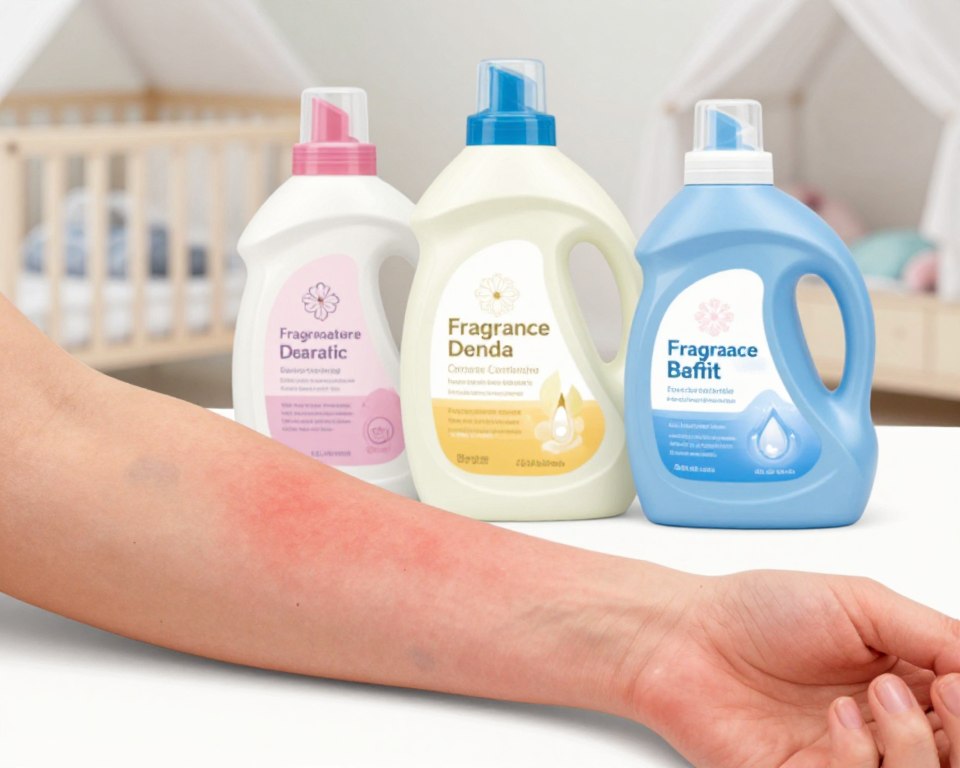
It’s key to spot early signs of a reaction. Contact dermatitis shows as localized redness, dry patches, or small bumps where clothes touch the skin. Look for these signs in skin folds like the neck, armpits, or groin.
Long-term irritation might look like a rough, scaly texture. If your baby seems uncomfortable when dressed, it could be the fabric. Watching for these signs helps you tell if it’s a heat rash or a chemical reaction.
| Symptom Type | Common Appearance | Typical Location |
|---|---|---|
| Contact Dermatitis | Red, inflamed, scaly | Skin folds and contact points |
| Heat Rash | Small, pinkish bumps | Back, chest, and neck |
| Normal Newborn Skin | Smooth, soft, uniform | General body surface |
How Fragrance Allergens Trigger Immune Responses
The immune system reacts strongly to synthetic fragrances. When these molecules get into the skin, the body sees them as threats. This leads to an inflammatory immune response, which is what causes allergic contact dermatitis.
Being exposed to these allergens again and again can make the immune system more sensitive. Even a little bit of fragrance left on clothes can cause long-term skin problems. Choosing fragrance-free laundry helps prevent these issues and lets the skin heal.
Evaluating Hypoallergenic Claims on Detergent Labels
The term “hypoallergenic” is seen on many products, but its true meaning is often misunderstood. People think it means a product has no irritants. But, when you buy a hypoallergenic laundry detergent, you’re mostly trusting a marketing promise, not a strict medical standard.
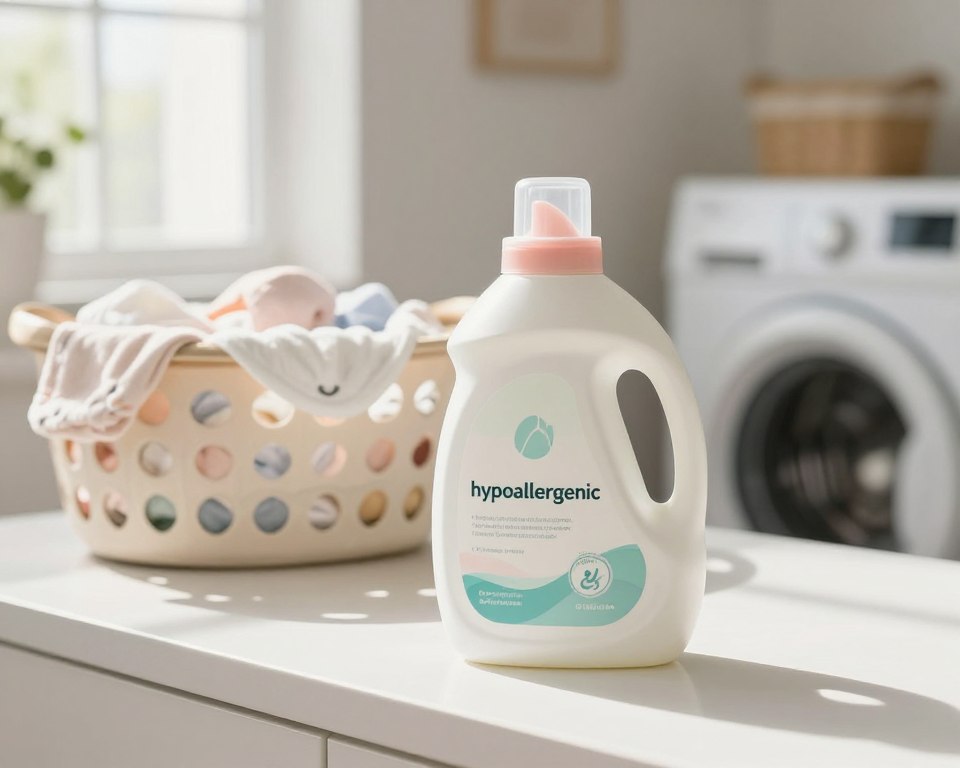
What Hypoallergenic Actually Means in the US Market
In the US, “hypoallergenic” is not checked by the FDA for laundry items. Companies use this label to hint that their product might be safer for sensitive skin. But, there’s no set test or legal threshold for using this term.
“Marketing is the art of telling a story that the consumer wants to hear, but safety is found in the ingredient list, not the front label.”
Since “hypoallergenic” isn’t clearly defined, a hypoallergenic laundry detergent might still have things that can irritate skin. It’s key to see these labels as a starting point, not a guarantee. Always check the ingredient list instead of just the label.
The Limitations of Regulatory Oversight for Baby Products
Parents often spend more on products for babies. These “baby” detergents are often just regular formulas in softer colors. The chemicals are usually the same as the adult versions, so the higher price doesn’t always mean it’s safer.
There’s not much oversight for these everyday items. Instead of trusting vague labels, look for third-party certifications. Groups like the Environmental Working Group (EWG) or the EPA’s Safer Choice program give safer, evidence-based checks. These outside reviews offer the clear info that labels often don’t.
Natural Versus Synthetic Detergent Ingredients
The debate between natural and synthetic detergent ingredients often centers on skin safety and cleaning performance. Synthetic detergents have long dominated the market. But, many parents are now choosing plant-derived alternatives to protect their newborn’s sensitive skin. Knowing the chemical makeup of these products helps in making informed choices for infant laundry.
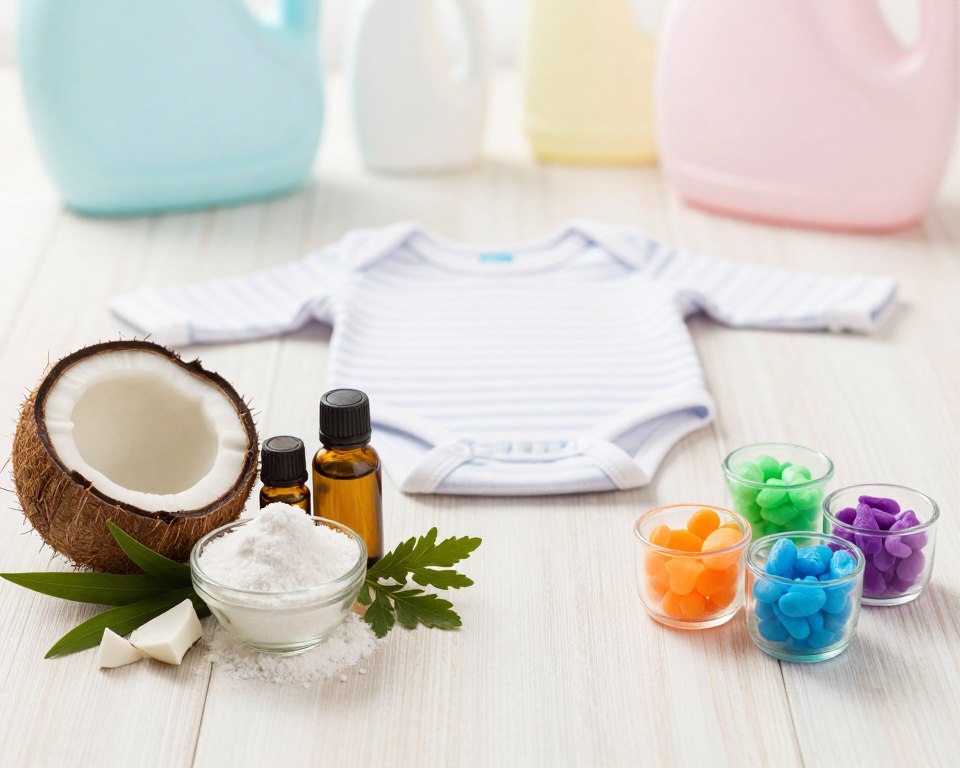
Plant-Based Surfactants and Their Efficacy
Plant-based surfactants, such as decyl glucoside or sodium coco-sulfate, are gentler on the skin than petroleum-derived alternatives. They effectively lift dirt and oils from fabric fibers without stripping the skin of its natural moisture. This makes them a reliable choice for infants with reactive skin.
Modern formulations also use enzymes like protease and lipase to enhance cleaning power. These biological catalysts break down organic stains at lower temperatures. This reduces the need for harsh chemical additives that might cause irritation.
Are Essential Oils Safe for Newborn Laundry
A common misconception is that essential oils are inherently safe because they are derived from plants. In reality, many essential oils are potent skin sensitizers that can trigger allergic reactions in newborns. Even natural fragrances can lead to contact dermatitis when residues remain on clothing fibers.
For the safest laundry routine, it is best to avoid products containing added essential oils or botanical fragrances. Opting for truly fragrance-free options ensures that the baby is not exposed to unnecessary volatile compounds. The following table outlines the primary differences between these ingredient categories.
| Ingredient Type | Source | Skin Impact | Cleaning Efficacy |
|---|---|---|---|
| Synthetic Surfactants | Petroleum | Higher risk of irritation | High |
| Plant-Based Surfactants | Coconut/Sugar | Generally gentle | High |
| Essential Oils | Botanical Extracts | Potential sensitizer | None (Fragrance only) |
| Enzymes | Biological Fermentation | Low risk | Excellent for stains |
Best Practices for Washing Newborn Clothing
Making a few changes to how you wash clothes can help prevent skin problems in newborns. Choosing a gentle laundry detergent for babies is key. But how you clean those clothes matters too. A regular cleaning routine helps get rid of irritants from delicate fabrics.
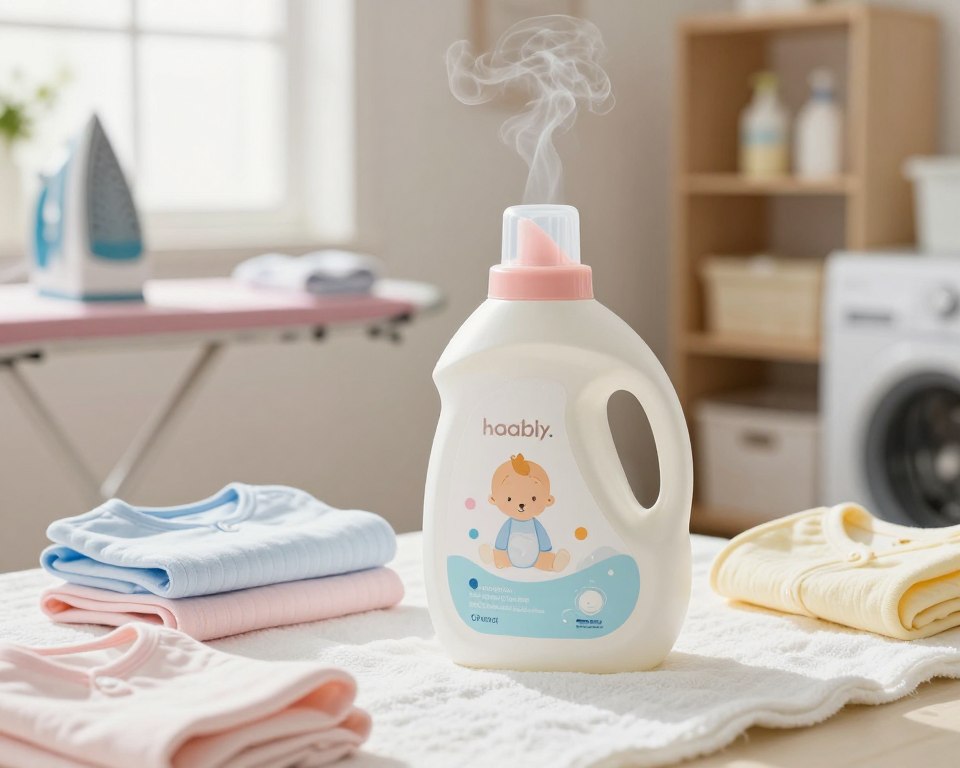
The Importance of Double Rinsing Cycles
Even with good detergent, some residue can stay in fabric. This can cause skin problems. Adding an extra rinse cycle helps get rid of all detergent.
This is very helpful in areas with hard water. It makes clothes cleaner for your baby’s sensitive skin. It’s a small change that makes a big difference.
Managing Fabric Softeners and Dryer Sheets
Fabric softeners and dryer sheets add chemicals and fragrances to clothes. These can irritate your baby’s skin. It’s like checking if certain sprays are safe for babies.
“The goal of infant laundry care is to remove dirt and bacteria without leaving behind chemical residues that can compromise the skin barrier.”
To keep clothes soft without harm, try these:
- Wool dryer balls: They soften clothes naturally by improving airflow and reducing static.
- White vinegar: A little in the rinse cycle softens clothes and gets rid of odors.
- Fragrance-free options: Use softeners made for gentle laundry detergent for babies and without harmful chemicals.
Removing extra chemicals makes clothes safer for your baby. These habits keep clothes soft, clean, and safe.
How to Read Laundry Detergent Ingredient Lists
Reading the fine print on laundry detergent bottles can be tough. Many brands list their ingredients, but the terms are often hard to understand. Knowing what these labels mean is a critical step to ensure the products are safe for your baby.
Some harmful chemicals might not be listed on the packaging. These are byproducts of manufacturing that don’t show up on the ingredient list. When checking your household items, you might also think about if cleaning products are safe during. The same rules of transparency apply to both prenatal and postnatal health.
Decoding Complex Chemical Names
Laundry detergents often have surfactants, preservatives, and stabilizers with long names. These can be good for cleaning but might irritate a newborn’s skin. Transparency is key to avoid synthetic fragrances or harsh dyes.
Terms like “surfactants” include many types of cleaning agents. Some come from plants, while others are made from petroleum. If you see vague terms like “cleaning agents” or “fragrance” without details, it might mean the manufacturer is hiding something.
“Knowledge is the only true defense against unnecessary chemical exposure.”
Resources for Checking Ingredient Safety
Since labels can be incomplete, using third-party verification is wise. Groups like the Environmental Working Group (EWG) check for hidden contaminants, like 1,4-dioxane, which are common in many detergents.
Using these resources helps you look beyond what’s on the front of the bottle. By checking ingredients against trusted databases, you can make informed choices based on facts, not just marketing. Here are some steps to follow when shopping:
- Check the product against the EWG Verified database for hidden toxins.
- Look for certifications that mandate full ingredient disclosure.
- Prioritize brands that provide a complete list of components on their official website.
Environmental and Health Considerations Beyond the Skin
Your laundry choices affect more than just your baby’s skin. The chemicals in your detergent can also impact your home. Making smart choices helps keep your baby’s airways safe and supports the planet.
Volatile Organic Compounds and Indoor Air Quality
Many laundry detergents use synthetic fragrances for scent. These fragrances contain volatile organic compounds (VOCs). When clothes dry, these VOCs can spread into your home.
For a newborn, high VOC levels can harm indoor air quality. Reducing exposure to these chemicals is key to a safer nursery. Choosing fragrance-free products helps keep your home clean.
Biodegradability and Long-Term Safety
Detergent ingredients don’t just disappear after washing. Non-biodegradable parts can harm water systems and wildlife. Choosing eco-friendly detergents is a responsible choice for the future.
Modern enzyme-based detergents are a great alternative. They work well even in cold water and at low doses. This reduces energy use and minimizes environmental impact.
| Feature | Synthetic Fragrance Detergent | Fragrance-Free Enzyme Detergent |
|---|---|---|
| VOC Emission | High | Negligible |
| Biodegradability | Variable | High |
| Cold Water Efficacy | Moderate | Excellent |
| Environmental Impact | Higher | Lower |
When to Consult a Pediatrician About Skin Irritation
Many infant skin issues get better on their own. But, knowing when to see a pediatrician is crucial for your baby’s comfort. Newborn skin is very sensitive and can react to changes in the environment.
It’s important to know the difference between minor irritation and a true allergic reaction. This skill is essential for any caregiver. Understanding this helps avoid unnecessary stress.
If you’re unsure, it’s always best to get a professional opinion. This ensures your infant’s well-being.
Differentiating Between Normal Newborn Rashes and Allergic Reactions
Newborns often get skin conditions like milia or heat rash. These are usually harmless and go away without treatment. They look like small, white bumps or mild redness in skin folds.
An allergic reaction to laundry detergent, known as contact dermatitis, is different. It shows up as itchy, inflamed patches where clothes touch the skin.
If you see hives, blistering, or skin that’s cracked and weeping, it’s a serious sign. These symptoms get worse with more exposure to the allergen.
| Symptom Type | Common Newborn Rash | Allergic Reaction |
|---|---|---|
| Appearance | Small bumps or mild redness | Hives, swelling, or weeping skin |
| Distribution | Face, neck, or skin folds | Areas covered by clothing |
| Duration | Short-lived | Persistent until trigger is removed |
| Action Required | Monitor and keep clean | Consult pediatrician immediately |
When to Switch Detergents Immediately
Switch your laundry detergent right away if you notice a skin reaction. If your baby seems uncomfortable or is scratching more, it’s time to change your laundry routine.
It’s also important to follow safety rules with the product. If it gets in your baby’s eyes, rinse them well with water for a few minutes. If your baby swallows it, make sure they drink lots of water and call your pediatrician or poison control.
Consistency is key for managing sensitive skin. If you think your detergent is causing problems, stop using it and switch to a gentle, fragrance-free option. This helps your baby’s skin recover.
Comparing Popular Detergent Options for Sensitive Skin
Parents often look for the best laundry detergent for newborns in the laundry aisle. Many brands promise gentle cleaning, but it’s hard to know which is best. Choosing a fragrance-free detergent means looking beyond the labels to the actual ingredients.
Analyzing Tide Free and Gentle
Tide Free and Gentle is a top choice for families with sensitive skin. It’s approved by the National Eczema Association and the National Psoriasis Foundation. These groups say it’s safe because it doesn’t have dyes or perfumes that can cause skin problems.
Analyzing All Free Clear
All Free Clear is a favorite among doctors and parents. It removes allergens like dust mite matter and pet dander. But, it’s important to remember it might still have preservatives that could irritate some babies.
Analyzing Seventh Generation Free and Clear
Seventh Generation Free and Clear uses plants for cleaning. This fragrance-free detergent is made from enzymes and surfactants from plants, not petroleum. It’s a good choice for parents who want a natural option. But, it’s still important to watch for any skin reactions after the first use.
Creating a Safe Laundry Routine for Your Baby
Having a regular laundry routine is key to keeping your newborn’s skin healthy. A good newborn laundry detergent helps protect against harsh chemicals. This is the first step in making a safe laundry routine for your baby.
Pre-Washing New Clothes Before First Use
Many think new clothes are clean right from the store. But, they often have chemicals to make them look better. These can irritate your baby’s skin.
Always wash new baby clothes, blankets, and toys before they meet your baby. Use a gentle, baby-safe detergent to remove these chemicals. A good wash cycle can stop allergic reactions from the start.
Storage Tips for Clean Baby Linens
After washing, it’s important to store baby linens right. Don’t keep them in dusty or damp places. Use clean, breathable containers or drawers without strong smells or mothballs.
Choose concentrated powder detergents when you can. They have fewer additives. Keep your laundry area tidy to avoid mixing with adult clothes. These steps help keep everything your baby touches clean and safe.
| Action Item | Frequency | Key Benefit |
|---|---|---|
| Pre-wash new items | Before first use | Removes chemical residues |
| Double rinse cycle | Every load | Eliminates detergent buildup |
| Clean storage bins | Monthly | Prevents dust accumulation |
| Sort by fabric type | Per load | Ensures proper cleaning |
Conclusion
Choosing the right laundry detergent is key for keeping baby skin safe. It’s best to pick fragrance-free and dye-free options to avoid skin problems. Many parents choose special baby products, but research shows some regular detergents are safer for babies.
For a closer look, check out acomparison of Dreft versus Persilto see how they affect skin. Brands like Tide Free and Gentle or Molly’s Suds are good for babies with eczema or very sensitive skin. Always check the ingredients for anything that might irritate.
Keeping laundry safe is more than just picking a detergent. Double rinsing clothes and avoiding fabric softeners helps get rid of harmful chemicals. Choosing products that are third-party tested and have simple ingredients makes your home safer for your child. Making smart choices now helps your child’s skin stay healthy for years to come.
FAQ
The Unique Composition of Infant Skin
Newborn skin is much thinner than adult skin, making it more open to chemicals. This means that even small amounts of detergent can get deep into the skin. Because of this, newborns need special care when it comes to what they touch and breathe.
Why Newborns Are More Susceptible to Irritants
Infant skin is still growing and is very sensitive. When they come into contact with new chemicals, their immune system can react strongly. This can lead to skin problems and other issues, making it important to choose safe laundry products.
Defining Fragrance in Consumer Products
In the U.S., “fragrance” on labels can mean many different chemicals. These can include harmful substances like phthalates. Because these chemicals are not listed, “fragrance” is a big unknown for babies.
The Difference Between Unscented and Fragrance-Free
“Unscented” products might still have chemicals to hide smells. But “fragrance-free” means no added scents. For the safest choice, look for “fragrance-free” on labels.
Surfactants and Their Role in Cleaning
Surfactants clean clothes by removing dirt. But some can strip away natural oils from baby’s skin. Look for gentle, plant-based surfactants that clean well without harming the skin.
Optical Brighteners and Potential Skin Reactions
Optical brighteners make clothes look whiter but don’t clean. They stay on clothes and can irritate baby’s skin. Avoiding these chemicals is best for sensitive skin.
Preservatives and Stabilizers to Watch For
Liquid detergents need preservatives to prevent mold. But some, like Methylisothiazolinone, can cause allergic reactions. These are common in regular detergents and can lead to rashes.
Identifying Symptoms of Detergent-Related Rashes
A rash from detergent looks like contact dermatitis. It shows as redness, dry patches, and bumps. These signs are often in tight spots like waistbands.
How Fragrance Allergens Trigger Immune Responses
When fragrance molecules get into baby’s skin, their immune system may react. This can start an inflammatory process. Over time, even small amounts can cause big reactions.
What Hypoallergenic Actually Means in the US Market
“Hypoallergenic” isn’t strictly regulated in the U.S. It means the product might be less likely to cause an allergic reaction. But it’s not a guarantee. Always check the ingredients and look for third-party certifications.
The Limitations of Regulatory Oversight for Baby Products
There’s no standard testing for “baby” labels. Look for third-party certifications like EWG Verified. These organizations check the safety of ingredients.
Plant-Based Surfactants and Their Efficacy
Modern chemistry has made plant-based surfactants as good as synthetic ones. These are often from coconut or sugar. They clean well and are gentler on skin.
Are Essential Oils Safe for Newborn Laundry
Many “natural” brands use essential oils for scent. But they’re not always safe for babies. Essential oils can be strong skin irritants. For the first few months, it’s best to avoid them.
The Importance of Double Rinsing Cycles
Even the best detergent can leave residue. Use an “extra rinse” setting to remove all surfactants and cleaning agents. This ensures clothes are safe for baby’s skin.
Managing Fabric Softeners and Dryer Sheets
Fabric softeners and dryer sheets are very chemical-heavy. They can irritate baby’s skin. Use wool dryer balls instead for a chemical-free way to soften clothes.
Decoding Complex Chemical Names
Ingredient lists can be hard to understand. Watch for words like “-isothiazolinone” and “sulfate.” These are common irritants. Knowing these helps keep your baby safe.
Resources for Checking Ingredient Safety
If you don’t know an ingredient, check the EWG’s Guide to Healthy Cleaning. It rates products for safety. This helps you make informed choices.
Volatile Organic Compounds and Indoor Air Quality
Synthetic fragrances pollute indoor air with VOCs. For babies, breathing these chemicals is as bad as skin contact. Fragrance-free detergents help keep the air clean.
Biodegradability and Long-Term Safety
Choose a biodegradable detergent to protect the environment. This also ensures safety for your baby. It’s a holistic approach to keeping them safe.
Differentiating Between Normal Newborn Rashes and Allergic Reactions
Newborns often get “baby acne” or milia, which are harmless. But if a rash is itchy, spreading, or appears after wearing new clothes, see a doctor. Broken skin, oozing, or discomfort also need medical attention.
When to Switch Detergents Immediately
If a rash follows the lines of your baby’s clothes, stop using the detergent right away. Switch to a fragrance-free one and double-rinse all clothes. If symptoms don’t improve in 48 to 72 hours, see a pediatrician.
Analyzing Tide Free and Gentle
Tide Free and Gentle is recognized by the National Eczema Association. It’s good at removing stains but may still bother sensitive babies. It’s better than regular Tide but not the safest option.
Analyzing All Free Clear
All Free Clear is often recommended by pediatricians. It’s 100% free of perfumes and dyes. It’s a good balance between safety and cost, but it’s still a synthetic-based formula.
Analyzing Seventh Generation Free and Clear
Seventh Generation Free and Clear is a plant-based option that scores well on safety databases. It avoids optical brighteners and synthetic fragrances. It’s a top choice for parents looking for a natural option without sacrificing cleaning power.
Pre-Washing New Clothes Before First Use
New clothes often have chemicals like formaldehyde or sizing agents. These can irritate newborn skin. Always wash new items in a baby-safe detergent before they touch your baby’s skin.
Storage Tips for Clean Baby Linens
After washing, store baby clothes in a clean, dry place. Keep them away from scented laundry products. Fragrance can transfer from clothes, so separate them from baby clothes.
Is fragrance-free laundry detergent safer for newborns?
Yes. Newborn skin absorbs chemicals more easily than adult skin. Fragrances can cause skin and respiratory problems in babies. Using fragrance-free detergent is safer for their developing immune system.
What is the difference between “unscented” and “fragrance-free” detergents?
“Unscented” products might still have chemicals to hide smells. But “fragrance-free” means no added scents. Always choose “fragrance-free” for the safest option.
Should I use a hypoallergenic laundry detergent for my baby?
While “hypoallergenic” implies safety, it’s not strictly regulated in the U.S. It’s a marketing term. Check the ingredients and look for third-party certifications for safer choices.
Are optical brighteners harmful to a baby’s skin?
Optical brighteners can irritate baby’s skin. They stay on clothes and can cause rashes. Avoiding these chemicals is best for sensitive skin.
Can I use essential oils to scent my baby’s laundry?
It’s generally not recommended for newborns. Essential oils can be strong sensitizers. For the first few months, choose scent-neutral detergents.
Do I really need to wash new baby clothes before they are worn?
Absolutely. New clothes often have irritating chemicals. Pre-washing in a baby-safe detergent removes these before they touch your baby’s skin.
Is Tide Free and Gentle or All Free Clear better for newborns?
Both are good for sensitive skin and free of dyes and perfumes. All Free Clear is often recommended for its simplicity. But Seventh Generation Free and Clear is better for very sensitive babies because it avoids certain synthetic brighteners.
Why is a double rinse recommended for baby laundry?
Even the best detergent can leave residue. Double-rinse ensures all surfactants and cleaning agents are removed. This keeps clothes safe for baby’s skin.
Are dryer sheets safe for baby clothes?
Standard dryer sheets are too chemical-heavy for baby’s skin. Use wool dryer balls instead for a chemical-free way to soften clothes.
How can I tell if my baby is having an allergic reaction to their detergent?
Look for signs like redness, dryness, and itchy patches, often in tight spots. If the rash goes away when undressed or gets worse after washing, the detergent is likely the cause. Consult a pediatrician if the rash persists or causes distress.