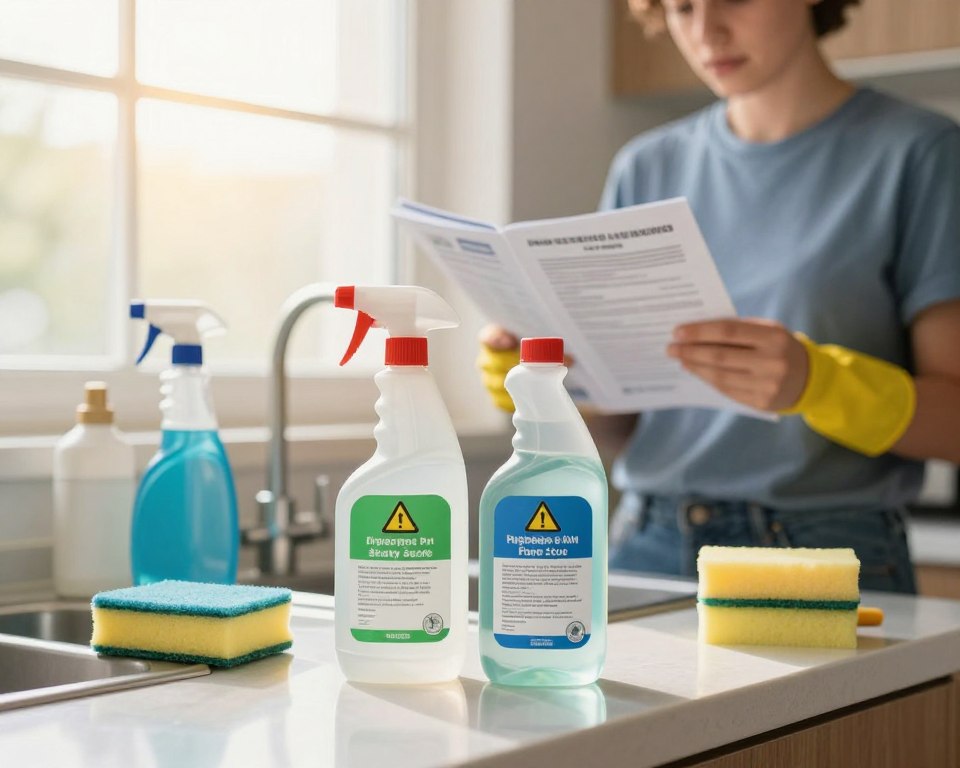
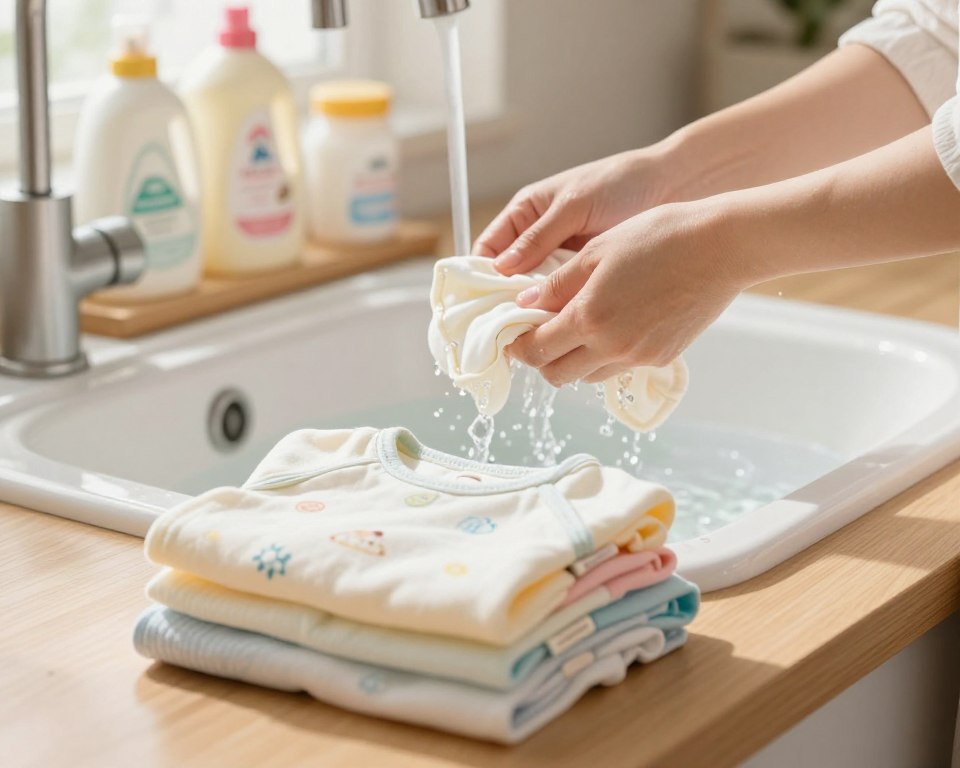
Newborn skin is very thin and can easily react to chemicals. As a pharmacist, I often talk to parents worried about skin problems from fabric chemicals.
It’s key to follow a good baby laundry guide to keep your baby safe. Many parents don’t know that regular wash cycles can leave tiny chemical bits. An extra rinse cycle is a simple way to make sure all detergent is gone from clothes.
Having a regular washing baby clothes routine helps avoid skin issues. This baby clothes cleaning advice is based on science to keep clothes safe and your baby healthy. By cutting down on chemical exposure, you make a safer space for your newborn from the start.
Key Takeaways
- Newborn skin is highly sensitive to chemical residues found in standard laundry products.
- An additional cycle helps eliminate trapped surfactants that cause contact dermatitis.
- Consistent hygiene practices significantly reduce the risk of skin irritation for infants.
- Pharmacists recommend prioritizing thorough removal of cleaning agents over heavy scent usage.
- Evidence-based routines protect delicate skin while maintaining the quality of infant garments.
Understanding the Sensitivity of Newborn Skin
It’s key to know how a baby’s skin works for good baby clothes care tips. A newborn’s skin is much thinner and less able to protect itself. This makes babies very sensitive to things that wouldn’t bother adults.
Newborn skin hasn’t faced many environmental stressors yet. Things like harsh sunlight, changing temperatures, and chemicals are new to it. Because of this, it’s very highly reactive to things like synthetic fragrances and dyes in laundry products. This can cause contact dermatitis, with symptoms like redness, itching, and swelling.
Parents should think about how products affect a baby’s skin. Many laundry detergents have additives that stay in fabric long after washing. To keep your baby safe, it’s important to know about are fabric softeners safe for babies.
The table below shows why babies need special care for their clothes:
| Feature | Newborn Skin | Adult Skin |
|---|---|---|
| Skin Thickness | Significantly thinner | Fully developed |
| Barrier Function | Immature and permeable | Robust and protective |
| Reaction to Chemicals | High sensitivity | Low sensitivity |
| Sweat Gland Activity | Limited | Fully functional |
Being careful with baby laundry is not just a choice; it’s a dermatological necessity. By avoiding allergens, you help your baby’s skin grow strong. Gentle care makes sure clothes are comfy, not irritating.
The Role of Detergent Residue in Skin Irritation
It’s important to know how detergent residue affects baby skin. When washing baby clothes, parents often focus on removing stains. But, they might overlook the chemicals left on fabric fibers. These chemicals can irritate a newborn’s sensitive skin.
These chemicals disrupt the skin’s natural pH balance. They can strip away essential oils and moisture. This can cause dryness, redness, or even contact dermatitis. Effectively removing detergent residue through thorough rinsing helps avoid these issues.
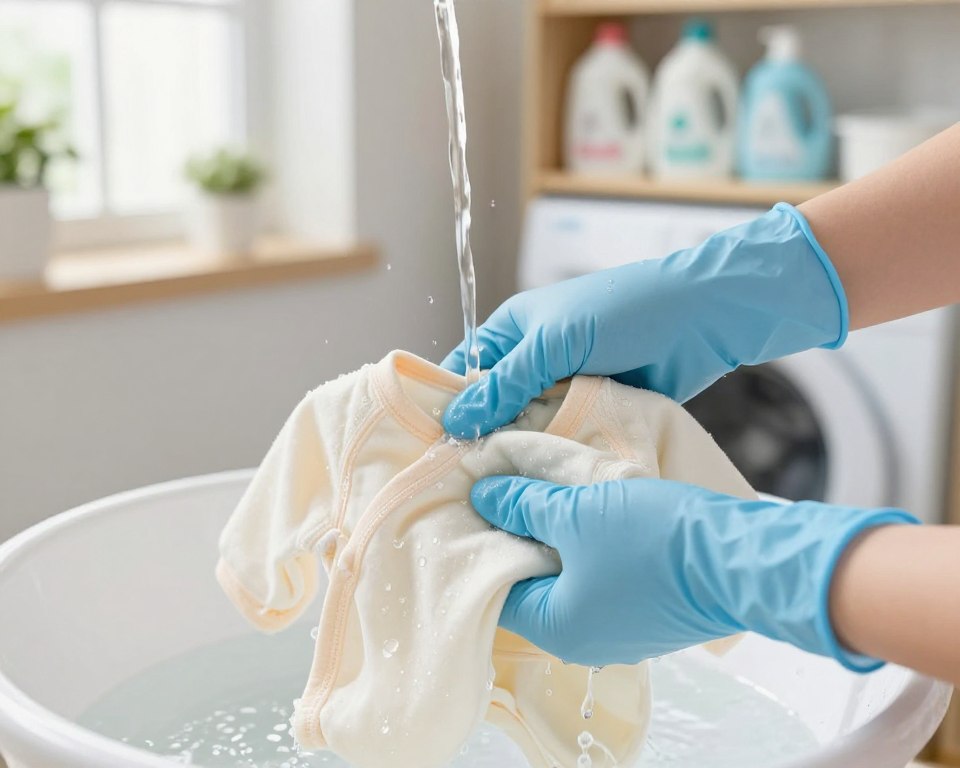
Not all laundry detergents are safe for sensitive skin. You can find out if is baby safe laundry detergent is right for you by checking the surfactants. High-concentration formulas can leave behind chemicals that cause discomfort if not rinsed well.
The table below shows how different residues can affect baby skin:
| Residue Type | Mechanism of Action | Potential Skin Effect |
|---|---|---|
| Anionic Surfactants | Disrupts lipid barrier | Dryness and flaking |
| Fragrance Agents | Allergic sensitization | Redness and itching |
| Optical Brighteners | Chemical contact | Contact dermatitis |
| Enzyme Residue | Protein breakdown | Localized inflammation |
By focusing on removing these agents, parents can lower the risk of skin irritation. Making sure to rinse clothes well ensures they are soft and clean for your baby. Taking care to remove detergent residue is key to protecting your baby’s skin.
Do Baby Clothes Need an Extra Rinse After Washing
Deciding if baby clothes need an extra rinse is about finding a balance. Many parents wonder: Do Baby Clothes Need an Extra Rinse After Washing? It really depends on your washing machine and the detergent you use.
Modern washing machines use less water than old ones. This is good for saving water but can make it hard to get rid of soap. If clothes feel stiff or smell faint after drying, your machine might not be rinsing well enough.
Thinking about Do Baby Clothes Need an Extra Rinse After Washing? Look at your laundry routine. An extra rinse is key if you have hard water. It helps remove any chemicals that could irritate your baby’s skin.
But, you don’t always need an extra rinse. It’s not needed if you use the right amount of good detergent or if your machine has a special delicate cycle. Think about these things when you’re setting your laundry:
- Detergent dosage: Too much detergent can cause buildup that a single rinse can’t remove.
- Fabric density: Thicker fabrics need more water to rinse well.
- Machine capacity: Too many clothes in the machine means they can’t move freely, making rinsing less effective.
- Skin sensitivity: If your baby gets irritated, an extra rinse is a simple, proactive step to reduce chemical exposure.
So, should you rinse baby clothes extra? Watch your baby’s skin and how clothes feel. If everything is fine, you’re good. But if you think there’s still soap, adding an extra rinse is an easy fix.
Signs Your Baby May Be Reacting to Laundry Products
Knowing how to spot reactions to laundry products is key for parents of sensitive skin baby laundry. Babies have thinner skin, making them more prone to irritation from household cleaners. Spotting these signs early helps avoid bigger problems.
Look for redness, dry patches, or persistent itching where clothes touch the skin most. This includes the neck, armpits, and diaper area. If you see these signs, it might mean your detergent or softener isn’t washing away fully.
Some babies may also react with respiratory issues to strong fragrances or chemicals. If your baby sneezes or has a runny nose after wearing new clothes, it could be an allergic reaction. Sticking to a consistent sensitive skin baby laundry routine helps find these triggers.
To track your baby’s reaction to new products, use this checklist:
- Check for localized redness or hives immediately after wearing new clothes.
- Observe if the baby seems unusually fussy or attempts to scratch specific areas.
- Monitor for any changes in skin texture, such as bumps or rough patches.
- Note if symptoms improve when you switch to a fragrance-free, hypoallergenic detergent.
Spotting reactions early is the best way to avoid long-term skin problems. By being careful with your sensitive skin baby laundry, you keep your baby comfortable and safe from harmful chemicals.
How Modern Washing Machines Handle Rinsing Cycles
Modern washing machines are amazing, but they save water at the cost of cleaning clothes. They use less water than old machines, so they must clean clothes differently. This is to make sure clothes are clean, even with less water.
When clothes are for babies, it’s important to get rid of all soap. Many machines have sensors to know when clothes are dirty. But these sensors might not always get it right for baby clothes. To make sure clothes are clean, you should change the machine’s settings yourself.
“The evolution of appliance technology requires a shift in user behavior; we can no longer rely on automatic cycles to handle delicate items without intentional oversight.”
To get rid of all soap, try these changes. Make the load smaller to help water move better. Also, choose the “extra rinse” cycle. This is a simple way to make sure clothes are really clean.
| Feature | Standard Machine | High-Efficiency (HE) |
|---|---|---|
| Water Usage | High | Low |
| Rinse Efficiency | High | Moderate |
| Best Practice | Standard Cycle | Extra Rinse Cycle |
| Residue Risk | Low | Higher |
To keep your baby safe, you need to manage your washing machine’s settings. Knowing your machine’s limits helps keep clothes clean and safe for your baby’s skin.
Selecting the Right Detergent for Delicate Baby Skin
Finding a safe baby laundry detergent in the laundry aisle is key. An infant’s skin is thinner and more sensitive than an adult’s. This means it can easily react to harsh chemicals. Choosing the right detergent is crucial for keeping your baby’s skin healthy and irritation-free.
Fragrance-Free and Dye-Free Options
Synthetic fragrances and artificial dyes can cause skin problems in babies. They don’t clean clothes but can stay on fabrics. Look for baby laundry detergent that is fragrance-free and dye-free to protect your baby’s skin.
It’s important for parents to carefully read detergent labels. Avoid products with “parfum” or “fragrance” as they may contain unknown chemicals. Choosing hypoallergenic formulas can help prevent skin issues. For example, comparing Tide Original vs Tide Free can help you understand why certain products are better for sensitive skin.
The Difference Between Biological and Non-Biological Detergents
The main difference between these detergents is enzymes. Biological detergents have enzymes to break down stains. But, these enzymes can sometimes stay in fabric and cause skin problems.
Non-biological detergents are better for newborns because they don’t have enzymes. This reduces the chance of an allergic reaction. Here’s a table to help you choose the right detergent for your home.
| Feature | Biological Detergent | Non-Biological Detergent |
|---|---|---|
| Enzyme Content | Contains active enzymes | Enzyme-free |
| Stain Removal | High efficiency on proteins | Moderate efficiency |
| Skin Sensitivity | Higher risk of irritation | Lower risk of irritation |
| Best Use Case | Heavy stains/Adult clothing | Newborn/Sensitive skin |
The best baby laundry detergent cleans well without leaving residues. Non-biological, fragrance-free options are safer for your baby’s clothes.
Step-by-Step Guide to Washing Baby Clothes Effectively
Managing lots of baby laundry needs a plan to keep clothes clean and lasting. A regular routine helps keep clothes in good shape and protects baby’s skin. By following baby clothes care tips, you can make laundry easier and keep clothes in top condition.
Sorting Fabrics by Material and Soil Level
Sorting laundry right is key. Separate clothes by fabric and how dirty they are to avoid mixing. For example, dirty diapers should not be washed with delicate items like fancy dresses.
To keep fragile clothes safe, put them in a mesh bag before washing. This stops them from getting damaged. For more tips on keeping your baby’s clothes in great shape, check out these professional guidelines on washing baby clothes.
Choosing the Correct Water Temperature
Choosing the right water temperature is important. Warm water is good for getting rid of tough stains and germs. But, it can shrink or damage some fabrics. Most makers say to use cold water for everyday washing to keep clothes looking good.
If you’re worried about deep cleaning, you might think about using a special laundry sanitizer. But, for most washing, a good detergent is enough. You might not need a laundry sanitizer additive unless you have special cleaning needs. Always check the care label on each item for the best washing temperature.
The Impact of Water Hardness on Laundry Rinsing
Many parents don’t realize how water hardness affects laundry. Water hardness is the amount of minerals like calcium and magnesium in your water. These minerals can mess with how well laundry detergent works.
Using detergent in hard water can cause problems. The minerals in the water can stick to the detergent, making it less effective. This leads to a buildup that’s hard to wash out. So, the importance of rinsing baby clothes is even higher in these areas to avoid this buildup.
If your baby’s clothes feel stiff or look dull, it might be because of the water. These minerals can irritate your baby’s skin, causing discomfort or rashes. It’s key to rinse baby clothes well to avoid these issues.
To handle laundry better in hard water areas, try these tips:
- Reduce detergent usage: Too much soap in hard water can lead to more residue. This is because the extra soap can’t dissolve fully.
- Utilize extra rinse cycles: An extra rinse cycle can help get rid of the mineral-soap complexes stuck in the fabric.
- Consider water softeners: Some families get a whole-home water softening system. This can make laundry better and protect delicate clothes.
- Check water quality reports: Knowing your local water quality can help you adjust your laundry routine. This way, you can deal with specific mineral levels.
In short, the importance of rinsing baby clothes grows when your water is full of minerals. By changing your laundry routine, you can keep your baby’s clothes soft, clean, and free from irritating buildup.
Natural Alternatives to Traditional Fabric Softeners
Softening baby clothes doesn’t need harsh chemicals. Many parents use traditional softeners, but they can cause skin issues. Choosing natural alternatives keeps clothes soft and safe for your baby.
Using White Vinegar for Softening
White vinegar is a cheap, effective way to soften clothes naturally. It’s added to the rinse cycle to remove detergent buildup. This makes clothes soft and clean, without synthetic fragrances or chemicals.
Vinegar’s scent goes away during drying, leaving clothes fresh and soft. It’s a safe, evidence-based method for keeping clothes soft and safe for sensitive skin.
Why Commercial Softeners Can Be Problematic
Commercial fabric softeners leave a chemical coating on clothes. This coating makes clothes feel smooth but can reduce their absorbency. It also traps moisture and bacteria, causing skin irritation.
Another concern is the safety of children’s sleepwear. These clothes are treated with flame-retardant materials. The chemical residue from softeners can compromise these flame-resistant properties, making clothes more flammable. It’s best to avoid these products for safety.
| Feature | Commercial Softeners | White Vinegar |
|---|---|---|
| Chemical Content | Synthetic surfactants/fragrances | Natural acetic acid |
| Flame Retardancy | May reduce effectiveness | Maintains fabric integrity |
| Skin Impact | Potential for irritation | Hypoallergenic and safe |
| Environmental Impact | Often contains microplastics | Biodegradable and eco-friendly |
Managing Laundry for Babies with Eczema or Allergies
Managing baby eczema starts with checking the laundry. Standard cleaning can make things worse. A specialized strategy is key to keeping skin healthy.
Consulting with Pediatric Dermatologists
Working with a pediatric dermatologist is crucial. They give evidence-based recommendations for your baby’s clothes. They help find out what might be causing problems.
Take your laundry products to your appointment. A dermatologist can check for allergens or irritants in sensitive skin baby laundry. Following their advice is the best way to prevent flare-ups.
Specialized Laundry Protocols for Sensitive Skin
Using a strict cleaning method is important for baby eczema laundry tips. The goal is to get rid of chemicals that can irritate skin. Experts suggest a double-rinse cycle to remove all surfactants.
Be careful with what you add to the wash. Avoid fabric softeners and dryer sheets because they can cause skin problems. Use high-quality, fragrance-free detergents in small amounts instead.
| Feature | Standard Protocol | Eczema-Safe Protocol |
|---|---|---|
| Rinse Cycle | Single rinse | Double or triple rinse |
| Detergent Type | Standard scented | Fragrance-free/Dye-free |
| Fabric Softener | Commercial liquid | Strictly avoided |
| Water Temp | Variable | Warm to hot (per label) |
Being consistent is key when managing these conditions. Following these specialized protocols helps create a safe space for your baby’s skin. Always watch for any changes in your baby’s skin to keep them comfortable.
The Importance of Pre-Washing New Baby Clothes
New clothes look perfect on the shelf, but they often have chemicals that need to be washed off before use. Many parents think clothes are clean right from the store. But, this is not always true. Pre-washing new baby clothes is key to keeping your baby safe and comfy.
Textiles get treated with manufacturing chemicals to look better. These include optical brighteners and sizing agents. They make clothes look fresh and wrinkle-free for stores.
But, these chemicals are not safe for a baby’s sensitive skin. They can cause skin problems like contact dermatitis. Since a baby’s skin is thinner and more absorbent, it’s important to wash off these chemicals before the first wear.
To get new clothes ready, wash them with a gentle, fragrance-free detergent. A regular wash cycle with a good rinse can remove most of these chemicals. By pre-washing new baby clothes, you make a safer, more comfy space for your little one from the start.
Common Mistakes to Avoid When Doing Baby Laundry
Doing baby laundry right means avoiding common mistakes. Using best practices for washing baby clothes keeps fabrics soft. It also keeps them free from irritants that can harm a newborn’s skin.
Overloading the Washing Machine
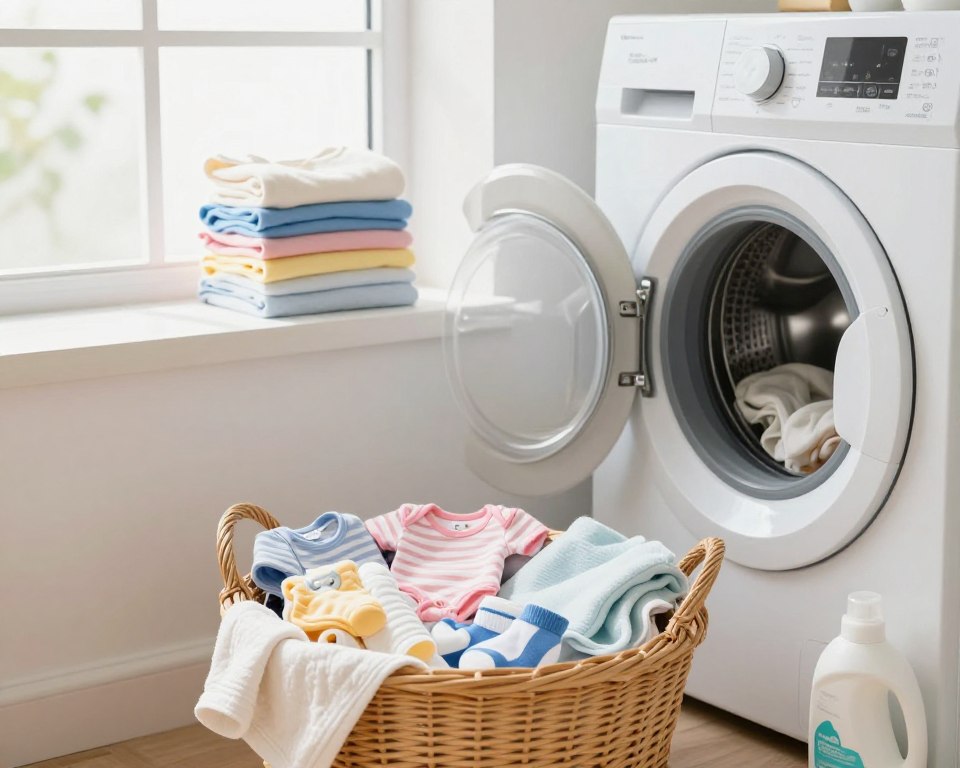
One big mistake is overloading the washing machine. When it’s too full, clothes can’t move well. This stops them from getting clean.
Without enough room, dirt stays in the clothes. Also, the machine can’t rinse well. This leaves dirt and soap behind, which can irritate the skin.
Using Excessive Amounts of Detergent
Many think more detergent means cleaner clothes. But, too much baby laundry detergent can be bad. It’s hard for the machine to rinse it all out.
This can leave a film on clothes that irritates the skin. It might cause rashes or discomfort. Choosing the right detergent is important. Knowing how different ones work, like Gain Flings vs Arm & Hammer, helps pick the safest one for your baby.
| Common Mistake | Primary Consequence | Recommended Action |
|---|---|---|
| Overloading Drum | Poor agitation and dirt retention | Fill only 3/4 of the drum |
| Excessive Detergent | Chemical residue on fabric | Follow manufacturer dosage |
| High Heat Cycles | Fabric damage and shrinkage | Use cold or warm settings |
| Ignoring Labels | Premature wear of garments | Check care tags every time |
Eco-Friendly Laundry Practices for Sustainable Parenting
Managing baby laundry is all about keeping things clean and green. Many think eco-friendly habits mean dirty clothes. But, with the right steps, you can keep your baby’s clothes clean and the planet happy.
Using cold water is a big step towards eco-friendly baby laundry. It cuts down on energy use and is easier on clothes. This means your baby’s clothes will last longer and stay in good shape.
Choosing the right laundry detergent is key. Look for products with the EPA Safer Choice label. These are safe for your baby and the planet. They work well in cold water, so you don’t need to use hot water.
“Sustainability is not about perfection; it is about making conscious, consistent choices that reduce our impact on the world our children will inherit.”
Here are some easy ways to make your laundry routine greener:
- Measure detergent accurately: Too much detergent wastes resources and can leave residue on clothes.
- Air dry when possible: Sunlight is a natural cleaner and saves energy compared to using a dryer.
- Full loads only: Waiting for a full load saves water and energy.
Want to learn more? Check out how to wash baby clothes the eco-friendly way. Adding these habits to your routine makes caring for your baby’s clothes better for the planet. It shows you’re serious about being a sustainable parent.
When to Stop Using Extra Rinse Cycles
Knowing when to stop using extra rinse cycles is a big step in your baby clothes washing routine. As babies grow, their skin gets stronger and can handle more. This means they might not need the super clean clothes they did when they were tiny.
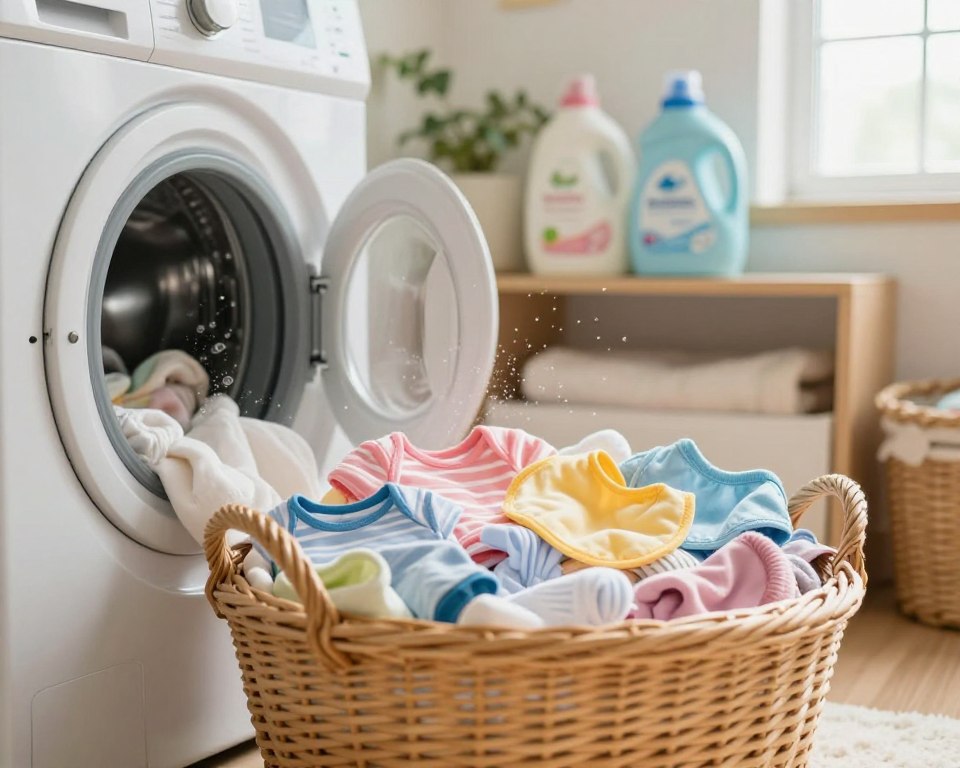
Watching your child’s skin is the best way to know when to change your laundry. If their skin looks good for months without any problems, it might be time to switch to a regular wash cycle. Consistency is key when making this change. It helps you see how their skin reacts to less cleaning.
“The skin barrier of an infant undergoes significant changes during the first year of life, gradually improving its ability to protect against external irritants and maintain hydration.”
When you start to clean clothes less, do it slowly. Start by skipping the extra rinse on one load a week. Watch how their skin does. If it stays healthy, you can stop using extra rinse for all clothes. This is great for parents who used special baby eczema laundry tips before.
| Developmental Stage | Skin Sensitivity Level | Recommended Rinse Strategy |
|---|---|---|
| Newborn (0-6 months) | High | Always use extra rinse |
| Infant (6-12 months) | Moderate | Monitor for reactions |
| Toddler (12+ months) | Low | Standard cycle is usually fine |
Keep an eye out for any signs of skin problems, even after you’ve switched to regular cycles. If you see dry patches or mild rashes, go back to the extra rinse. Being flexible and based on evidence helps your laundry keep up with your child’s needs.
Balancing Hygiene and Chemical Exposure
Keeping baby clothes clean doesn’t mean using harsh chemicals. Many parents think they need strong disinfectants for a clean environment. But, this can expose babies to harmful chemicals. Good baby clothes cleaning advice says using water, agitation, and the right detergent is better.
The key to effective cleaning is water temperature, how you move the clothes, and the right detergent. By focusing on these, you can use eco-friendly baby laundry methods. This keeps your baby’s skin safe without losing cleanliness.
Mechanical action, or the clothes moving against each other, is key to removing dirt. Using a gentle, fragrance-free detergent adds to the cleanliness. This method is safe for babies with sensitive skin and is good for the planet.
Listening to baby clothes cleaning advice helps you avoid false marketing. You can keep your nursery clean with simple, proven methods. Choosing eco-friendly baby laundry is not just a trend. It’s a smart way to reduce your baby’s exposure to irritants.
| Cleaning Factor | Role in Hygiene | Chemical Impact |
|---|---|---|
| Mechanical Agitation | High (Removes physical debris) | None |
| Water Temperature | Moderate (Dissolves oils) | None |
| Detergent Choice | High (Breaks down stains) | Variable |
| Sanitizing Additives | Low (Often redundant) | High |
Conclusion
Keeping a safe space for a baby starts with the little things we do every day. This guide on baby laundry is key to protecting their sensitive skin from harmful chemicals and irritants.
Sticking to good habits is the best way to keep your baby comfortable. Using hypoallergenic detergents and extra rinse cycles helps block allergens. These easy steps can prevent skin problems like contact dermatitis.
Brands like Dreft or Seventh Generation are great for parents looking for gentle cleaners. Choosing fragrance-free and dye-free formulas is best for your baby’s skin health. Every time you do laundry, you’re making your child’s environment safer and cleaner.
Making smart choices helps your family stay healthy. By following these tips, you can feel more confident in your care routine. If you have tips or questions about baby laundry, share them to help other parents too.
# Do Baby Clothes Need an Extra Rinse After Washing?
As a pharmacist, I often talk to parents worried about chemicals on their baby’s clothes. Moving from the womb to the outside world is a big change. Washing clothes right is key to keep babies safe from chemicals.
Brands like Carter’s and Gerber have chemicals in their clothes. These are not good for babies’ skin. I tell parents to rinse clothes twice to keep them safe and clean.
## Understanding the Sensitivity of Newborn Skin
Newborn skin is very different from adult skin. It’s thinner and still growing. This makes babies more likely to get skin problems.
When clothes are washed, chemicals can get into the skin. This can cause problems. So, we need to wash clothes gently to protect babies.
## The Role of Detergent Residue in Skin Irritation
Soap residue can cause skin problems in babies. If clothes aren’t rinsed well, soap stays in the fabric. This can upset the skin’s balance and cause rashes.
By getting rid of soap residue, we can help keep babies’ skin healthy.
## Do Baby Clothes Need an Extra Rinse After Washing?
Whether baby clothes need an extra rinse depends on the washing machine and fabric. Modern machines use less water, but may not get rid of all soap. An extra rinse helps remove soap completely.
If clothes feel slippery or smell strongly, they need more rinsing.
## Signs Your Baby May Be Reacting to Laundry Products
It’s important to watch for signs of skin problems in babies. Look for redness, itching, or bumps. These can happen where clothes fit tight.
If a new product causes a reaction, it’s a sign to change your laundry routine.
## How Modern Washing Machines Handle Rinsing Cycles
New washing machines use less water to save energy. But, this can leave more residue on clothes. Using extra rinse cycles helps keep clothes clean and safe for babies.
## Selecting the Right Detergent for Delicate Baby Skin
Choosing the right detergent is crucial. Look for products that are safe for babies. The EPA Safer Choice label is a good guide.
### Fragrance-Free and Dye-Free Options
Stay away from fragrances, as they can cause allergies. Opt for fragrance-free and dye-free detergents to avoid reactions.
### The Difference Between Biological and Non-Biological Detergents
Biological detergents have enzymes that break down stains. But, they can irritate baby skin. Non-biological detergents are safer for newborns.
## Step-by-Step Guide to Washing Baby Clothes Effectively
Washing baby clothes right is important for their health and clothes’ life. Follow these steps to keep clothes clean and safe.
### Sorting Fabrics by Material and Soil Level
Sort clothes by type and how dirty they are. This prevents dirt and bacteria from spreading.
### Choosing the Correct Water Temperature
Warm water is best for washing clothes. It helps dissolve detergent well. For sanitizing, use hot water if the fabric can handle it.
## The Impact of Water Hardness on Laundry Rinsing
Water hardness can affect washing clothes. Minerals in hard water can leave residue. Use extra rinse cycles or vinegar to remove these minerals.
## Natural Alternatives to Traditional Fabric Softeners
Traditional fabric softeners can be harmful. They can make clothes less flame-resistant and cause allergies. White vinegar is a safer choice.
### Using White Vinegar for Softening Heinz Distilled White Vinegar softens clothes naturally. It removes detergent residue and doesn’t leave a scent.
### Why Commercial Softeners Can Be Problematic
Commercial softeners can trap bacteria and moisture. This can cause heat rashes or worsen conditions like cradle cap.
## Managing Laundry for Babies with Eczema or Allergies
For babies with eczema, laundry needs extra care. Follow these tips to keep their skin safe.
### Fragrance-Free and Dye-Free Options
Stay away from fragrances, as they can cause allergies. Opt for fragrance-free and dye-free detergents to avoid reactions.
### The Difference Between Biological and Non-Biological Detergents
Biological detergents have enzymes that break down stains. But, they can irritate baby skin. Non-biological detergents are safer for newborns.
## Step-by-Step Guide to Washing Baby Clothes Effectively
Washing baby clothes right is important for their health and clothes’ life. Follow these steps to keep clothes clean and safe.
### Sorting Fabrics by Material and Soil Level
Sort clothes by type and how dirty they are. This prevents dirt and bacteria from spreading.
### Choosing the Correct Water Temperature
Warm water is best for washing clothes. It helps dissolve detergent well. For sanitizing, use hot water if the fabric can handle it.
## The Impact of Water Hardness on Laundry Rinsing
Water hardness can affect washing clothes. Minerals in hard water can leave residue. Use extra rinse cycles or vinegar to remove these minerals.
## Natural Alternatives to Traditional Fabric Softeners
Traditional fabric softeners can be harmful. They can make clothes less flame-resistant and cause allergies. White vinegar is a safer choice.
### Using White Vinegar for Softening Heinz Distilled White Vinegar softens clothes naturally. It removes detergent residue and doesn’t leave a scent.
### Why Commercial Softeners Can Be Problematic
Commercial softeners can trap bacteria and moisture. This can cause heat rashes or worsen conditions like cradle cap.
## Managing Laundry for Babies with Eczema or Allergies
For babies with eczema, laundry needs extra care. Follow these tips to keep their skin safe.
### Fragrance-Free and Dye-Free Options
Stay away from fragrances, as they can cause allergies. Opt for fragrance-free and dye-free detergents to avoid reactions.
### The Difference Between Biological and Non-Biological Detergents
Biological detergents have enzymes that break down stains. But, they can irritate baby skin. Non-biological detergents are safer for newborns.
## Step-by-Step Guide to Washing Baby Clothes Effectively
Washing baby clothes right is important for their health and clothes’ life. Follow these steps to keep clothes clean and safe.
### Sorting Fabrics by Material and Soil Level
Sort clothes by type and how dirty they are. This prevents dirt and bacteria from spreading.
### Choosing the Correct Water Temperature
Warm water is best for washing clothes. It helps dissolve detergent well. For sanitizing, use hot water if the fabric can handle it.
## The Impact of Water Hardness on Laundry Rinsing
Water hardness can affect washing clothes. Minerals in hard water can leave residue. Use extra rinse cycles or vinegar to remove these minerals.
## Natural Alternatives to Traditional Fabric Softeners
Traditional fabric softeners can be harmful. They can make clothes less flame-resistant and cause allergies. White vinegar is a safer choice.
### Using White Vinegar for Softening Heinz Distilled White Vinegar softens clothes naturally. It removes detergent residue and doesn’t leave a scent.
### Why Commercial Softeners Can Be Problematic
Commercial softeners can trap bacteria and moisture. This can cause heat rashes or worsen conditions like cradle cap.
## Managing Laundry for Babies with Eczema or Allergies
For babies with eczema, laundry needs extra care. Follow these tips to keep their skin safe.
### Fragrance-Free and Dye-Free Options
Stay away from fragrances, as they can cause allergies. Opt for fragrance-free and dye-free detergents to avoid reactions.
### The Difference Between Biological and Non-Biological Detergents
Biological detergents have enzymes that break down stains. But, they can irritate baby skin. Non-biological detergents are safer for newborns.
## Step-by-Step Guide to Washing Baby Clothes Effectively
Washing baby clothes right is important for their health and clothes’ life. Follow these steps to keep clothes clean and safe.
### Sorting Fabrics by Material and Soil Level
Sort clothes by type and how dirty they are. This prevents dirt and bacteria from spreading.
### Choosing the Correct Water Temperature
Warm water is best for washing clothes. It helps dissolve detergent well. For sanitizing, use hot water if the fabric can handle it.
## The Impact of Water Hardness on Laundry Rinsing
Water hardness can affect washing clothes. Minerals in hard water can leave residue. Use extra rinse cycles or vinegar to remove these minerals.
## Natural Alternatives to Traditional Fabric Softeners
Traditional fabric softeners can be harmful. They can make clothes less flame-resistant and cause allergies. White vinegar is a safer choice.
### Using White Vinegar for Softening Heinz Distilled White Vinegar softens clothes naturally. It removes detergent residue and doesn’t leave a scent.
### Why Commercial Softeners Can Be Problematic
Commercial softeners can trap bacteria and moisture. This can cause heat rashes or worsen conditions like cradle cap.
## Managing Laundry for Babies with Eczema or Allergies
For babies with eczema, laundry needs extra care. Follow these tips to keep their skin safe.
### Fragrance-Free and Dye-Free Options
Stay away from fragrances, as they can cause allergies. Opt for fragrance-free and dye-free detergents to avoid reactions.
### The Difference Between Biological and Non-Biological Detergents
Biological detergents have enzymes that break down stains. But, they can irritate baby skin. Non-biological detergents are safer for newborns.
## Step-by-Step Guide to Washing Baby Clothes Effectively
Washing baby clothes right is important for their health and clothes’ life. Follow these steps to keep clothes clean and safe.
### Sorting Fabrics by Material and Soil Level
Sort clothes by type and how dirty they are. This prevents dirt and bacteria from spreading.
### Choosing the Correct Water Temperature
Warm water is best for washing clothes. It helps dissolve detergent well. For sanitizing, use hot water if the fabric can handle it.
## The Impact of Water Hardness on Laundry Rinsing
Water hardness can affect washing clothes. Minerals in hard water can leave residue. Use extra rinse cycles or vinegar to remove these minerals.
## Natural Alternatives to Traditional Fabric Softeners
Traditional fabric softeners can be harmful. They can make clothes less flame-resistant and cause allergies. White vinegar is a safer choice.
### Using White Vinegar for Softening Heinz Distilled White Vinegar softens clothes naturally. It removes detergent residue and doesn’t leave a scent.
### Why Commercial Softeners Can Be Problematic
Commercial softeners can trap bacteria and moisture. This can cause heat rashes or worsen conditions like cradle cap.
## Managing Laundry for Babies with Eczema or Allergies
For babies with eczema, laundry needs extra care. Follow these tips to keep their skin safe.
### Fragrance-Free and Dye-Free Options
Stay away from fragrances, as they can cause allergies. Opt for fragrance-free and dye-free detergents to avoid reactions.
### The Difference Between Biological and Non-Biological Detergents
Biological detergents have enzymes that break down stains. But, they can irritate baby skin. Non-biological detergents are safer for newborns.
## Step-by-Step Guide to Washing Baby Clothes Effectively
Washing baby clothes right is important for their health and clothes’ life. Follow these steps to keep clothes clean and safe.
### Sorting Fabrics by Material and Soil Level
Sort clothes by type and how dirty they are. This prevents dirt and bacteria from spreading.
### Choosing the Correct Water Temperature
Warm water is best for washing clothes. It helps dissolve detergent well. For sanitizing, use hot water if the fabric can handle it.
## The Impact of Water Hardness on Laundry Rinsing
Water hardness can affect washing clothes. Minerals in hard water can leave residue. Use extra rinse cycles or vinegar to remove these minerals.
## Natural Alternatives to Traditional Fabric Softeners
Traditional fabric softeners can be harmful. They can make clothes less flame-resistant and cause allergies. White vinegar is a safer choice.
### Using White Vinegar for Softening Heinz Distilled White Vinegar softens clothes naturally. It removes detergent residue and doesn’t leave a scent.
### Why Commercial Softeners Can Be Problematic
Commercial softeners can trap bacteria and moisture. This can cause heat rashes or worsen conditions like cradle cap.
## Managing Laundry for Babies with Eczema or Allergies
For babies with eczema, laundry needs extra care. Follow these tips to keep their skin safe.
### Fragrance-Free and Dye-Free Options
Stay away from fragrances, as they can cause allergies. Opt for fragrance-free and dye-free detergents to avoid reactions.
### The Difference Between Biological and Non-Biological Detergents
Biological detergents have enzymes that break down stains. But, they can irritate baby skin. Non-biological detergents are safer for newborns.
## Step-by-Step Guide to Washing Baby Clothes Effectively
Washing baby clothes right is important for their health and clothes’ life. Follow these steps to keep clothes clean and safe.
### Sorting Fabrics by Material and Soil Level
Sort clothes by type and how dirty they are. This prevents dirt and bacteria from spreading.
### Choosing the Correct Water Temperature
Warm water is best for washing clothes. It helps dissolve detergent well. For sanitizing, use hot water if the fabric can handle it.
## The Impact of Water Hardness on Laundry Rinsing
Water hardness can affect washing clothes. Minerals in hard water can leave residue. Use extra rinse cycles or vinegar to remove these minerals.
## Natural Alternatives to Traditional Fabric Softeners
Traditional fabric softeners can be harmful. They can make clothes less flame-resistant and cause allergies. White vinegar is a safer choice.
### Using White Vinegar for Softening Heinz Distilled White Vinegar softens clothes naturally. It removes detergent residue and doesn’t leave a scent.
### Why Commercial Softeners Can Be Problematic
Commercial softeners can trap bacteria and moisture. This can cause heat rashes or worsen conditions like cradle cap.
## Managing Laundry for Babies with Eczema or Allergies
For babies with eczema, laundry needs extra care. Follow these tips to keep their skin safe.
### Fragrance-Free and Dye-Free Options
Stay away from fragrances, as they can cause allergies. Opt for fragrance-free and dye-free detergents to avoid reactions.
### The Difference Between Biological and Non-Biological Detergents
Biological detergents have enzymes that break down stains. But, they can irritate baby skin. Non-biological detergents are safer for newborns.
## Step-by-Step Guide to Washing Baby Clothes Effectively
Washing baby clothes right is important for their health and clothes’ life. Follow these steps to keep clothes clean and safe.
### Sorting Fabrics by Material and Soil Level
Sort clothes by type and how dirty they are. This prevents dirt and bacteria from spreading.
### Choosing the Correct Water Temperature
Warm water is best for washing clothes. It helps dissolve detergent well. For sanitizing, use hot water if the fabric can handle it.
## The Impact of Water Hardness on Laundry Rinsing
Water hardness can affect washing clothes. Minerals in hard water can leave residue. Use extra rinse cycles or vinegar to remove these minerals.
## Natural Alternatives to Traditional Fabric Softeners
Traditional fabric softeners can be harmful. They can make clothes less flame-resistant and cause allergies. White vinegar is a safer choice.
### Using White Vinegar for Softening Heinz Distilled White Vinegar softens clothes naturally. It removes detergent residue and doesn’t leave a scent.
### Why Commercial Softeners Can Be Problematic
Commercial softeners can trap bacteria and moisture. This can cause heat rashes or worsen conditions like cradle cap.
## Managing Laundry for Babies with Eczema or Allergies
For babies with eczema, laundry needs extra care. Follow these tips to keep their skin safe.
### Fragrance-Free and Dye-Free Options
Stay away from fragrances, as they can cause allergies. Opt for fragrance-free and dye-free detergents to avoid reactions.
### The Difference Between Biological and Non-Biological Detergents
Biological detergents have enzymes that break down stains. But, they can irritate baby skin. Non-biological detergents are safer for newborns.
## Step-by-Step Guide to Washing Baby Clothes Effectively
Washing baby clothes right is important for their health and clothes’ life. Follow these steps to keep clothes clean and safe.
### Sorting Fabrics by Material and Soil Level
Sort clothes by type and how dirty they are. This prevents dirt and bacteria from spreading.
### Choosing the Correct Water Temperature
Warm water is best for washing clothes. It helps dissolve detergent well. For sanitizing, use hot water if the fabric can handle it.
## The Impact of Water Hardness on Laundry Rinsing
Water hardness can affect washing clothes. Minerals in hard water can leave residue. Use extra rinse cycles or vinegar to remove these minerals.
## Natural Alternatives to Traditional Fabric Softeners
Traditional fabric softeners can be harmful. They can make clothes less flame-resistant and cause allergies. White vinegar is a safer choice.
### Using White Vinegar for Softening Heinz Distilled White Vinegar softens clothes naturally. It removes detergent residue and doesn’t leave a scent.
### Why Commercial Softeners Can Be Problematic
Commercial softeners can trap bacteria and moisture. This can cause heat rashes or worsen conditions like cradle cap.
## Managing Laundry for Babies with Eczema or Allergies
For babies with eczema, laundry needs extra care. Follow these tips to keep their skin safe.
### Fragrance-Free and Dye-Free Options
Stay away from fragrances, as they can cause allergies. Opt for fragrance-free and dye-free detergents to avoid reactions.
### The Difference Between Biological and Non-Biological Detergents
Biological detergents have enzymes that break down stains. But, they can irritate baby skin. Non-biological detergents are safer for newborns.
## Step-by-Step Guide to Washing Baby Clothes Effectively
Washing baby clothes right is important for their health and clothes’ life. Follow these steps to keep clothes clean and safe.
### Sorting Fabrics by Material and Soil Level
Sort clothes by type and how dirty they are. This prevents dirt and bacteria from spreading.
### Choosing the Correct Water Temperature
Warm water is best for washing clothes. It helps dissolve detergent well. For sanitizing, use hot water if the fabric can handle it.
## The Impact of Water Hardness on Laundry Rinsing
Water hardness can affect washing clothes. Minerals in hard water can leave residue. Use extra rinse cycles or vinegar to remove these minerals.
## Natural Alternatives to Traditional Fabric Softeners
Traditional fabric softeners can be harmful. They can make clothes less flame-resistant and cause allergies. White vinegar is a safer choice.
### Using White Vinegar for Softening Heinz Distilled White Vinegar softens clothes naturally. It removes detergent residue and doesn’t leave a scent.
### Why Commercial Softeners Can Be Problematic
Commercial softeners can trap bacteria and moisture. This can cause heat rashes or worsen conditions like cradle cap.
## Managing Laundry for Babies with Eczema or Allergies
For babies with eczema, laundry needs extra care. Follow these tips to keep their skin safe.
### Fragrance-Free and Dye-Free Options
Stay away from fragrances, as they can cause allergies. Opt for fragrance-free and dye-free detergents to avoid reactions.
### The Difference Between Biological and Non-Biological Detergents
Biological detergents have enzymes that break down stains. But, they can irritate baby skin. Non-biological detergents are safer for newborns.
## Step-by-Step Guide to Washing Baby Clothes Effectively
Washing baby clothes right is important for their health and clothes’ life. Follow these steps to keep clothes clean and safe.
### Sorting Fabrics by Material and Soil Level
Sort clothes by type and how dirty they are. This prevents dirt and bacteria from spreading.
### Choosing the Correct Water Temperature
Warm water is best for washing clothes. It helps dissolve detergent well. For sanitizing, use hot water if the fabric can handle it.
## The Impact of Water Hardness on Laundry Rinsing
Water hardness can affect washing clothes. Minerals in hard water can leave residue. Use extra rinse cycles or vinegar to remove these minerals.
## Natural Alternatives to Traditional Fabric Softeners
Traditional fabric softeners can be harmful. They can make clothes less flame-resistant and cause allergies. White vinegar is a safer choice.
### Using White Vinegar for Softening Heinz Distilled White Vinegar softens clothes naturally. It removes detergent residue and doesn’t leave a scent.
### Why Commercial Softeners Can Be Problematic
Commercial softeners can trap bacteria and moisture. This can cause heat rashes or worsen conditions like cradle cap.
## Managing Laundry for Babies with Eczema or Allergies
For babies with eczema, laundry needs extra care. Follow these tips to keep their skin safe.
### Fragrance-Free and Dye-Free Options
Stay away from fragrances, as they can cause allergies. Opt for fragrance-free and dye-free detergents to avoid reactions.
### The Difference Between Biological and Non-Biological Detergents
Biological detergents have enzymes that break down stains. But, they can irritate baby skin. Non-biological detergents are safer for newborns.
## Step-by-Step Guide to Washing Baby Clothes Effectively
Washing baby clothes right is important for their health and clothes’ life. Follow these steps to keep clothes clean and safe.
### Sorting Fabrics by Material and Soil Level
Sort clothes by type and how dirty they are. This prevents dirt and bacteria from spreading.
### Choosing the Correct Water Temperature
Warm water is best for washing clothes. It helps dissolve detergent well. For sanitizing, use hot water if the fabric can handle it.
## The Impact of Water Hardness on Laundry Rinsing
Water hardness can affect washing clothes. Minerals in hard water can leave residue. Use extra rinse cycles or vinegar to remove these minerals.
## Natural Alternatives to Traditional Fabric Softeners
Traditional fabric softeners can be harmful. They can make clothes less flame-resistant and cause allergies. White vinegar is a safer choice.
### Using White Vinegar for Softening Heinz Distilled White Vinegar softens clothes naturally. It removes detergent residue and doesn’t leave a scent.
### Why Commercial Softeners Can Be Problematic
Commercial softeners can trap bacteria and moisture. This can cause heat rashes or worsen conditions like cradle cap.
## Managing Laundry for Babies with Eczema or Allergies
For babies with eczema, laundry needs extra care. Follow these tips to keep their skin safe.
### Fragrance-Free and Dye-Free Options
Stay away from fragrances, as they can cause allergies. Opt for fragrance-free and dye-free detergents to avoid reactions.
### The Difference Between Biological and Non-Biological Detergents
Biological detergents have enzymes that break down stains. But, they can irritate baby skin. Non-biological detergents are safer for newborns.
## Step-by-Step Guide to Washing Baby Clothes Effectively
Washing baby clothes right is important for their health and clothes’ life. Follow these steps to keep clothes clean and safe.
### Sorting Fabrics by Material and Soil Level
Sort clothes by type and how dirty they are. This prevents dirt and bacteria from spreading.
### Choosing the Correct Water Temperature
Warm water is best for washing clothes. It helps dissolve detergent well. For sanitizing, use hot water if the fabric can handle it.
## The Impact of Water Hardness on Laundry Rinsing
Water hardness can affect washing clothes. Minerals in hard water can leave residue. Use extra rinse cycles or vinegar to remove these minerals.
## Natural Alternatives to Traditional Fabric Softeners
Traditional fabric softeners can be harmful. They can make clothes less flame-resistant and cause allergies. White vinegar is a safer choice.
### Using White Vinegar for Softening Heinz Distilled White Vinegar softens clothes naturally. It removes detergent residue and doesn’t leave a scent.
### Why Commercial Softeners Can Be Problematic
Commercial softeners can trap bacteria and moisture. This can cause heat rashes or worsen conditions like cradle cap.
## Managing Laundry for Babies with Eczema or Allergies
For babies with eczema, laundry needs extra care. Follow these tips to keep their skin safe.
### Fragrance-Free and Dye-Free Options
Stay away from fragrances, as they can cause allergies. Opt for fragrance-free and dye-free detergents to avoid reactions.
### The Difference Between Biological and Non-Biological Detergents
Biological detergents have enzymes that break down stains. But, they can irritate baby skin. Non-biological detergents are safer for newborns.
## Step-by-Step Guide to Washing Baby Clothes Effectively
Washing baby clothes right is important for their health and clothes’ life. Follow these steps to keep clothes clean and safe.
### Sorting Fabrics by Material and Soil Level
Sort clothes by type and how dirty they are. This prevents dirt and bacteria from spreading.
### Choosing the Correct Water Temperature
Warm water is best for washing clothes. It helps dissolve detergent well. For sanitizing, use hot water if the fabric can handle it.
## The Impact of Water Hardness on Laundry Rinsing
Water hardness can affect washing clothes. Minerals in hard water can leave residue. Use extra rinse cycles or vinegar to remove these minerals.
## Natural Alternatives to Traditional Fabric Softeners
Traditional fabric softeners can be harmful. They can make clothes less flame-resistant and cause allergies. White vinegar is a safer choice.
### Using White Vinegar for Softening Heinz Distilled White Vinegar softens clothes naturally. It removes detergent residue and doesn’t leave a scent.
### Why Commercial Softeners Can Be Problematic
Commercial softeners can trap bacteria and moisture. This can cause heat rashes or worsen conditions like cradle cap.
## Managing Laundry for Babies with Eczema or Allergies
For babies with eczema, laundry needs extra care. Follow these tips to keep their skin safe.
### Fragrance-Free and Dye-Free Options
Stay away from fragrances, as they can cause allergies. Opt for fragrance-free and dye-free detergents to avoid reactions.
### The Difference Between Biological and Non-Biological Detergents
Biological detergents have enzymes that break down stains. But, they can irritate baby skin. Non-biological detergents are safer for newborns.
## Step-by-Step Guide to Washing Baby Clothes Effectively
Washing baby clothes right is important for their health and clothes’ life. Follow these steps to keep clothes clean and safe.
### Sorting Fabrics by Material and Soil Level
Sort clothes by type and how dirty they are. This prevents dirt and bacteria from spreading.
### Choosing the Correct Water Temperature
Warm water is best for washing clothes. It helps dissolve detergent well. For sanitizing, use hot water if the fabric can handle it.
## The Impact of Water Hardness on Laundry Rinsing
Water hardness can affect washing clothes. Minerals in hard water can leave residue. Use extra rinse cycles or vinegar to remove these minerals.
## Natural Alternatives to Traditional Fabric Softeners
Traditional fabric softeners can be harmful. They can make clothes less flame-resistant and cause allergies. White vinegar is a safer choice.
### Using White Vinegar for Softening Heinz Distilled White Vinegar softens clothes naturally. It removes detergent residue and doesn’t leave a scent.
### Why Commercial Softeners Can Be Problematic
Commercial softeners can trap bacteria and moisture. This can cause heat rashes or worsen conditions like cradle cap.
## Managing Laundry for Babies with Eczema or Allergies
For babies with eczema, laundry needs extra care. Follow these tips to keep their skin safe.
### Fragrance-Free and Dye-Free Options
Stay away from fragrances, as they can cause allergies. Opt for fragrance-free and dye-free detergents to avoid reactions.
### The Difference Between Biological and Non-Biological Detergents
Biological detergents have enzymes that break down stains. But, they can irritate baby skin.