Many families use oxygen-based boosters for cleaning. They wonder if these products are safe for daily use. Knowing what’s in these cleaners is key to a healthy home.
This article dives into the science behind laundry additives. We look beyond what companies say to share clinical insights. Our aim is to give you the facts to make smart choices about what you use at home.
Key Takeaways
- Oxygen-based boosters mainly use sodium percarbonate to get rid of stains.
- Following safety steps can avoid skin and breathing problems.
- Proven safety steps protect families and pets from harm.
- Understanding the science helps separate truth from marketing.
- Washing clothes well is the best way to remove leftover cleaners.
Understanding the Chemical Composition of OxiClean
A detailed OxiClean ingredients review shows a mix of compounds for tough stains. Knowing these parts helps us see how the product cleans. It also guides us in choosing what we use in our laundry.
The Role of Sodium Percarbonate
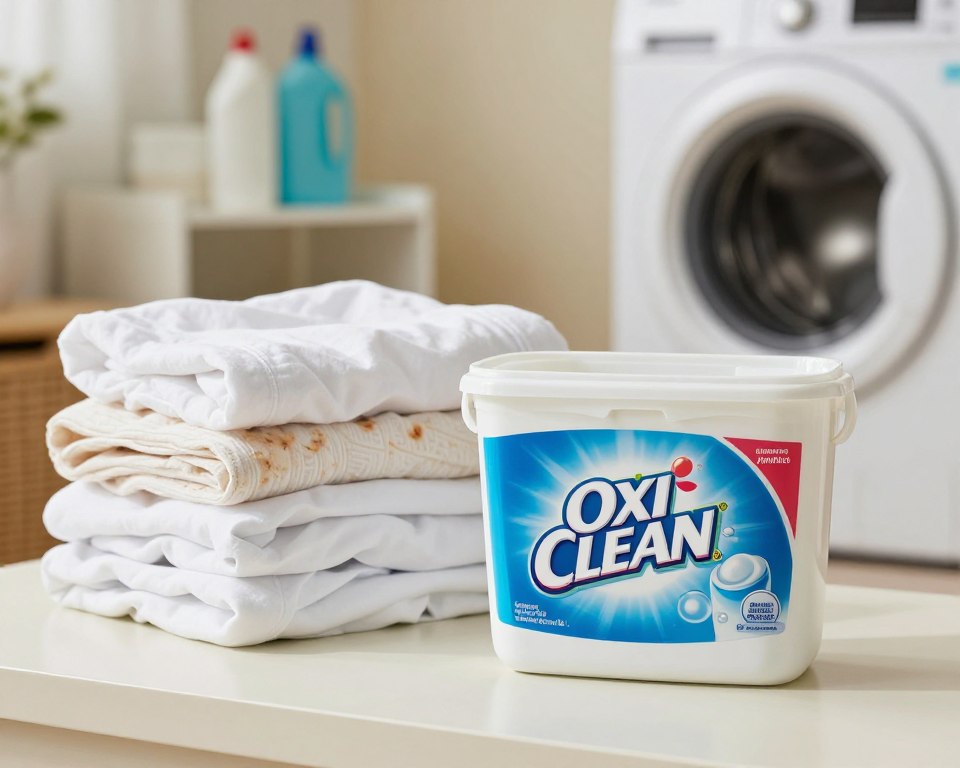
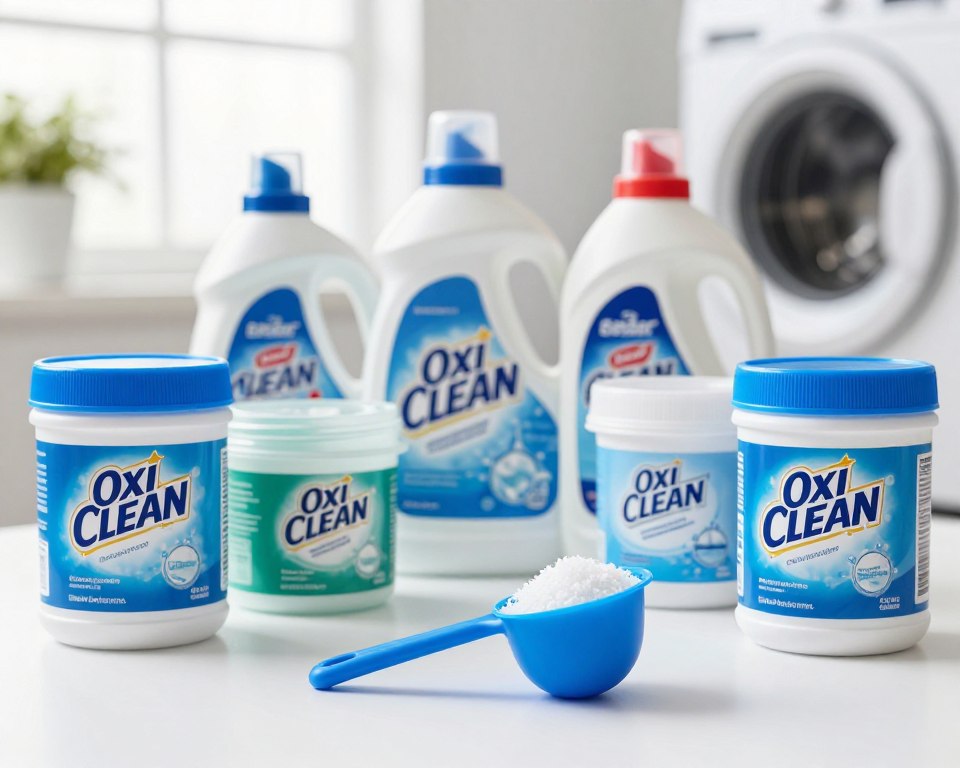
The main ingredient is sodium percarbonate. It’s like powdered hydrogen peroxide mixed with washing soda.
When it mixes with water, it makes oxygen. This reaction helps remove stains and brighten clothes.
Surfactants and Their Function in Cleaning
Surfactants are also in the mix. They help the cleaner work better. These molecules connect water and oily dirt.
They lower water tension. This lets the cleaner get deep into fabric, removing dirt easily.
Additives and Fragrances in OxiClean Formulas
Other ingredients make the product better. Builders soften water, so the cleaner works well everywhere. Fragrances give clothes a fresh smell.
These parts are common in cleaners. But, a OxiClean ingredients review shows they’re important for keeping the product good.
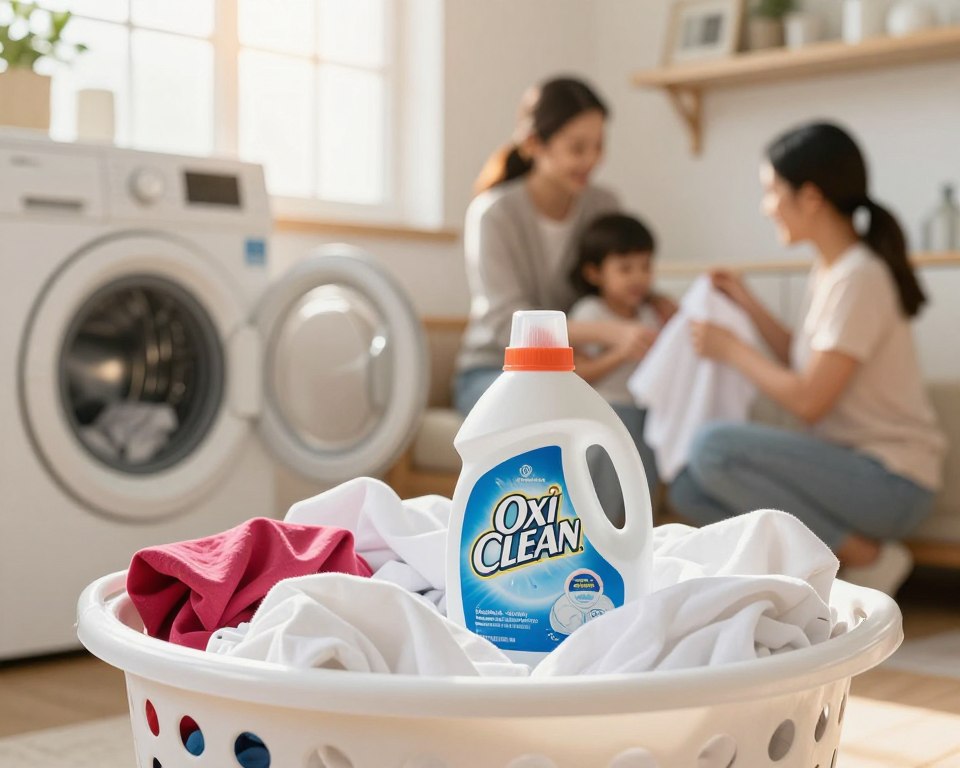
Is OxiClean Toxic or Safe to Use in Laundry
When we think about OxiClean’s safety in laundry, we need to understand its chemistry. Many people worry about chemical harm. But, oxygen-based cleaners are generally safer than harsh cleaning agents.
Defining Toxicity in Household Cleaning Agents
Toxicity in household cleaners means how much they can harm an organism. Most laundry additives are made to remove stains safely. OxiClean laundry detergent safety depends on how it reacts with human tissue.
Remember, any substance can be dangerous if misused. But, OxiClean is safe when used as directed. It’s not as risky as caustic cleaners or industrial solvents.
Clinical Perspectives on Sodium Percarbonate Safety
OxiClean’s main ingredient is sodium percarbonate. It breaks down into hydrogen peroxide and sodium carbonate. This reaction is seen as safe compared to other bleaches.
Experts say oxygen bleach is safer for users and the environment. It decomposes into water, oxygen, and soda ash, leaving little residue. This is why it’s okay for home laundry.
Distinguishing Between Ingestion and Topical Exposure
It’s important to know the difference between types of exposure. OxiClean is safe for laundry but not for eating or touching sensitive areas.
- Topical Exposure: May cause mild skin irritation or redness if not wearing gloves.
- Accidental Ingestion: Can cause stomach problems, throat burning, or nausea, needing quick medical help.
- Inhalation: Dust can irritate the lungs, so avoid making powder clouds.
Always prioritize safety by keeping the container sealed and out of children’s and pets’ reach. Treat the product with care to enjoy its cleaning benefits while avoiding risks.
Potential Health Risks and Skin Irritation
Keeping laundry safe means knowing how cleaners affect the skin. Many use boosters without worry, but it’s key to know about OxiClean skin irritation risks. Using it right keeps clothes clean and skin safe.
Dermatological Reactions to Laundry Additives
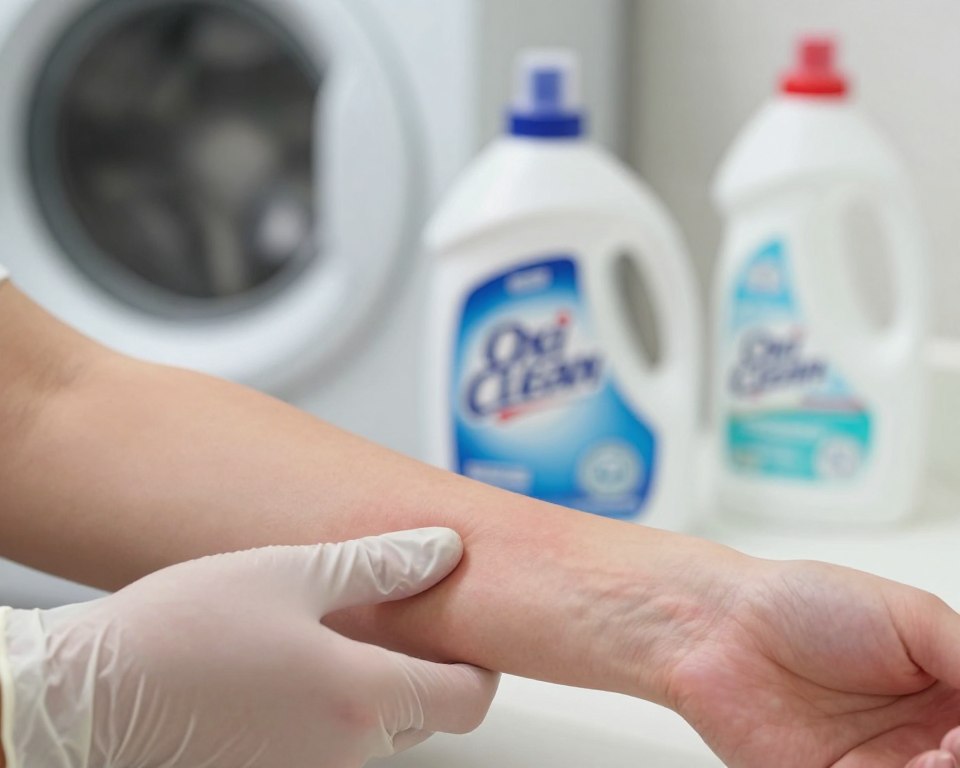
Laundry products have ingredients to fight stains. If not fully rinsed, a residue can stay in clothes. This gritty film can irritate or cause friction on the skin.
People might see redness, itchiness, or dryness from not rinsing clothes well. These signs are usually mild but can last if not fixed. Make sure your washing machine finishes its cycle to avoid these OxiClean skin irritation risks.
Managing Sensitivity for Individuals with Eczema
Those with eczema have a harder time keeping their skin safe. Even a little bit of laundry additive can make things worse. Adding an extra rinse helps get rid of all chemicals.
Using less product can also help. If you still get sensitive, try fragrance-free or hypoallergenic options. Watching how your skin reacts helps you choose safer laundry products.
Proper Handling to Prevent Chemical Burns
Be careful with strong cleaning agents to avoid skin contact. When using powdered boosters, don’t breathe in the dust. Also, avoid letting it sit on wet skin to prevent irritation or burns. Always wash your hands after handling to get rid of any leftover particles.
| Exposure Scenario | Potential Risk | Recommended Action |
|---|---|---|
| Direct Skin Contact | Mild Irritation | Rinse area with water |
| Powder Inhalation | Respiratory Discomfort | Move to fresh air |
| Fabric Residue | Itching or Redness | Perform extra rinse |
| Concentrated Spill | Chemical Burn | Flush skin for 15 minutes |
By following these OxiClean skin irritation risks tips, you can keep your home clean and your skin safe. Sticking to a consistent laundry routine is the best way to avoid accidents.
OxiClean Safety for Families and Children
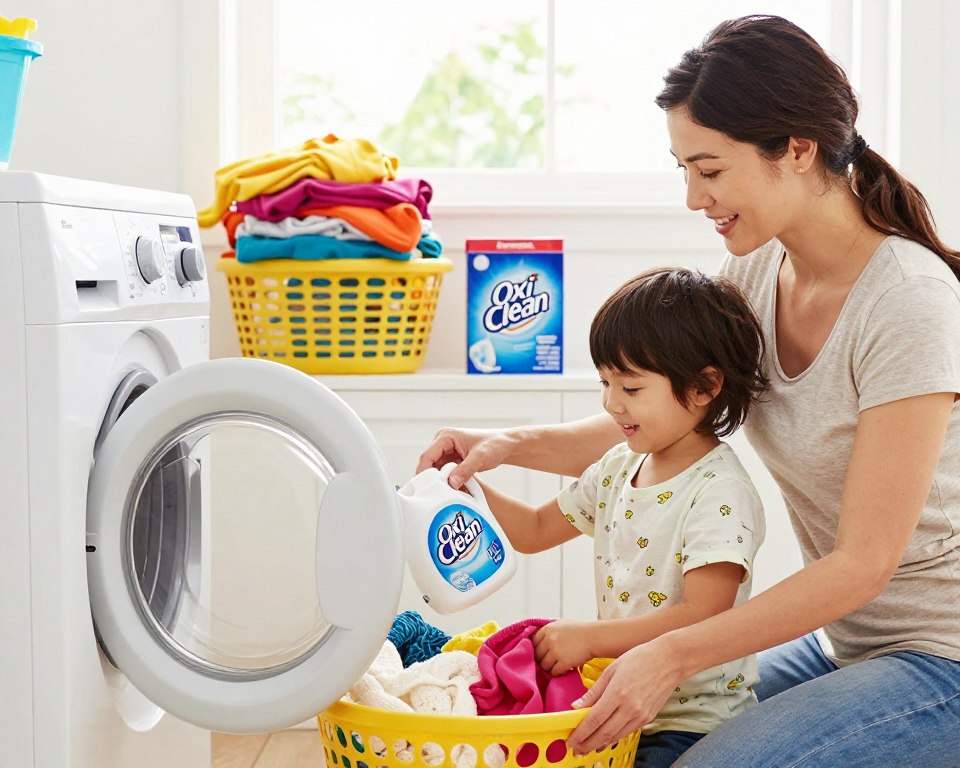
Parents need to be careful when using OxiClean in their homes, keeping it away from kids. These products are great at getting rid of tough stains. But, they can be too harsh for baby’s skin, so we must be careful.
Residue Concerns on Baby Clothing and Bedding
Babies have thinner skin than adults, making them more prone to skin problems from chemicals. If OxiClean isn’t rinsed well, tiny bits can stay in clothes. Prolonged contact with these bits can cause redness, itching, or irritation in babies.
Best Practices for Washing Infant Garments
To keep babies safe, parents should wash their clothes carefully. An extra rinse cycle is key to removing all cleaning agents. This way, clothes are clean before they touch a baby’s skin.
- Always follow the manufacturer’s recommended dosage to avoid oversaturating the fabric.
- Use warm water when possible to improve the solubility of the powder.
- Consider performing a secondary rinse if the baby shows signs of skin sensitivity.
Preventing Accidental Ingestion in the Home
Another big concern is keeping OxiClean powder out of kids’ reach. It should be stored in high, locked cabinets. This way, kids can’t get into it. It’s also important to keep the original container sealed and out of sight to avoid mistakes.
| Safety Category | Recommended Action | Frequency |
|---|---|---|
| Storage | High, locked cabinet | Always |
| Rinsing | Extra cycle | Every infant load |
| Handling | Dry hands only | During use |
| Monitoring | Check for skin rash | As needed |
Impact of OxiClean on Household Pets
Keeping your home clean often means using laundry additives. These products help remove odors and stains from pet bedding and toys. But, it’s important to use them safely to avoid harming your pets.
Risks of Residue on Pet Bedding and Toys
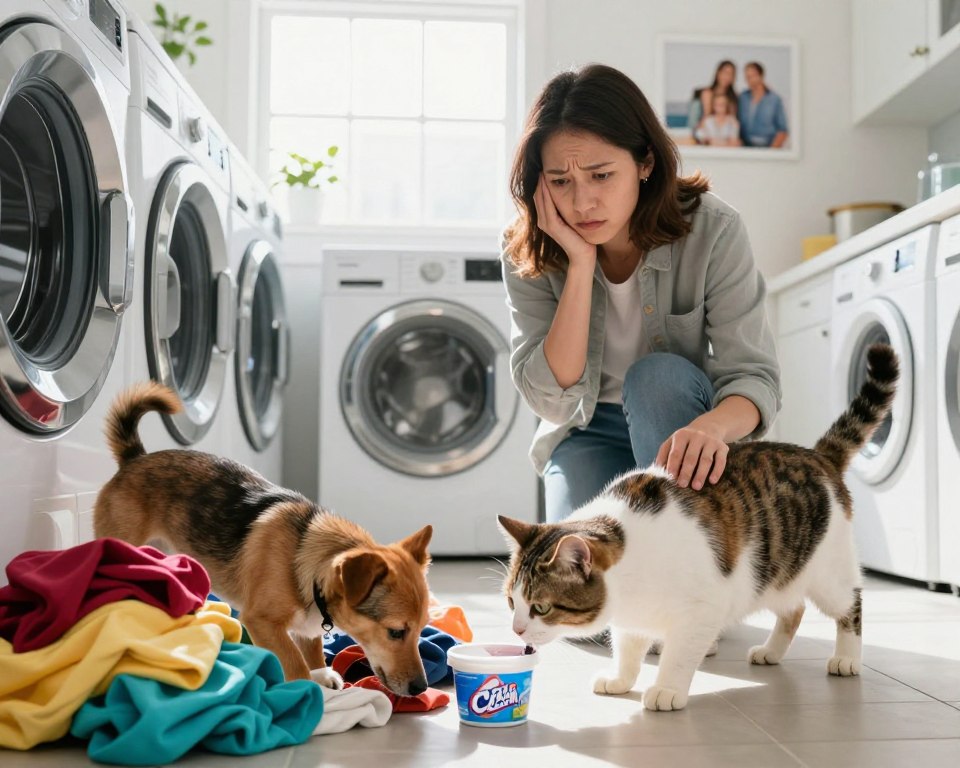
When a cleaning solution is still wet, or if the powder is not fully dissolved, pets can get irritated. After thorough rinsing and drying, the risk of chemical exposure goes down. Proper rinsing is key to avoid any bad reactions.
Pets might lick or chew on their toys, which can lead to chemical exposure. It’s crucial to dry items completely before giving them back to your pets. Thorough drying cycles make the ingredients safe.
Signs of Chemical Sensitivity in Domestic Animals
OxiClean is not dangerous to pets, but eating it can cause discomfort. If a pet eats the cleaner, they might drool a lot, vomit, or have stomach problems. These are signs of irritation.
If you think your pet ate the cleaner, watch them closely. Mild cases usually get better fast, but if symptoms last, see a vet. Knowing these signs helps you act quickly if an accident happens.
Safe Laundry Practices for Pet Owners
To keep pets safe, keep cleaners out of their reach. When washing pet items, add an extra rinse cycle to remove all cleaner. This simple step helps protect your pets.
Also, don’t use too much cleaner on items pets often chew. By following these tips, you can keep your home clean and your pets healthy. Sticking to a consistent laundry routine prevents unnecessary chemical exposure.
Environmental Impact and Eco-Friendly Benefits
Looking into the OxiClean environmental impact shows how it affects our water. As we strive for a greener lifestyle, it’s key to check the eco-friendliness of laundry products.
Biodegradability of OxiClean Ingredients
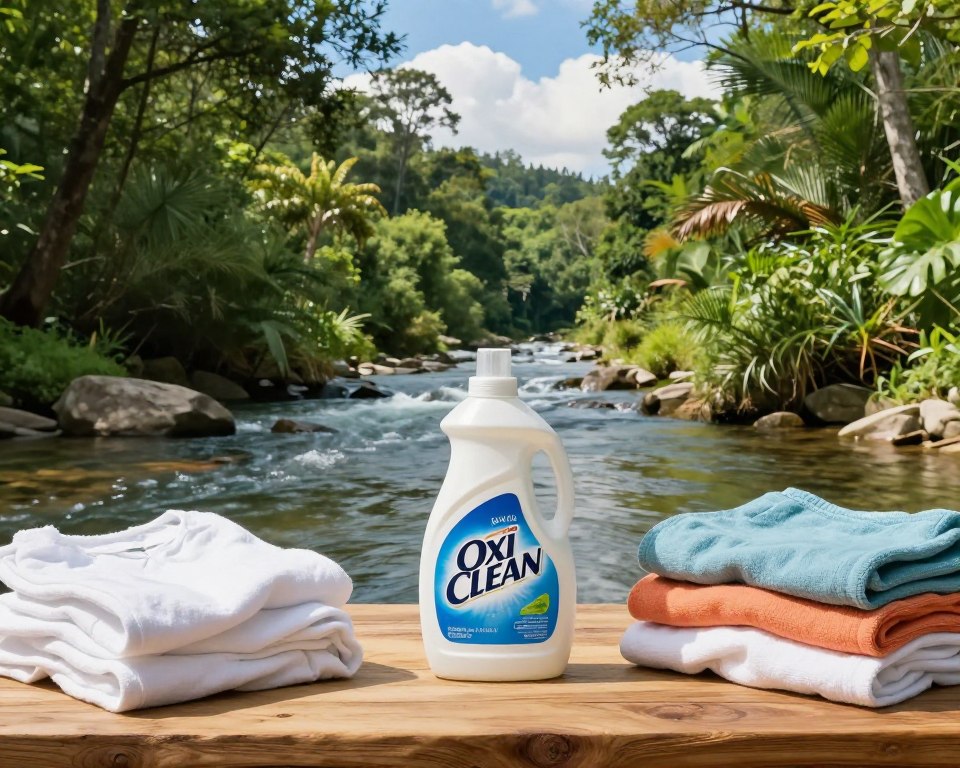
The main ingredient in OxiClean is sodium percarbonate. When mixed with water, it breaks down into oxygen, water, and sodium carbonate, or soda ash.
These breakdown products are naturally occurring and don’t stay in the environment. They decompose into simple, safe elements. This makes OxiClean very biodegradable, offering OxiClean eco-friendly benefits for those looking for green options.
Comparing OxiClean to Traditional Chlorine Bleach
Chlorine bleach is harmful to the environment, creating dangerous organochlorines. These can stay in water and harm the food chain.
Oxygen-based cleaners like OxiClean don’t create these harmful chemicals. Using them means less harsh chemicals go into our water systems.
Water Quality and Aquatic Life Considerations
OxiClean doesn’t have phosphates, which are bad for water. Phosphates can make water oxygen-depleted, harming fish and plants.
Without phosphates, OxiClean helps keep water cleaner. Here’s a table showing how OxiClean and chlorine bleach differ environmentally.
| Feature | OxiClean (Oxygen Bleach) | Traditional Chlorine Bleach |
|---|---|---|
| Primary Byproducts | Oxygen, Water, Soda Ash | Organochlorines, Salt |
| Phosphate Content | None | Often Present |
| Biodegradability | High | Low |
| Aquatic Toxicity | Minimal | High |
Effects of OxiClean on Different Fabric Types
Not all fabrics react the same to oxygen-based cleaners. Knowing which fabric you have is key to keeping your clothes looking great. OxiClean is good for removing stains, but it’s important to know how it works on different fabrics.
Safe Use on Synthetic and Natural Fibers
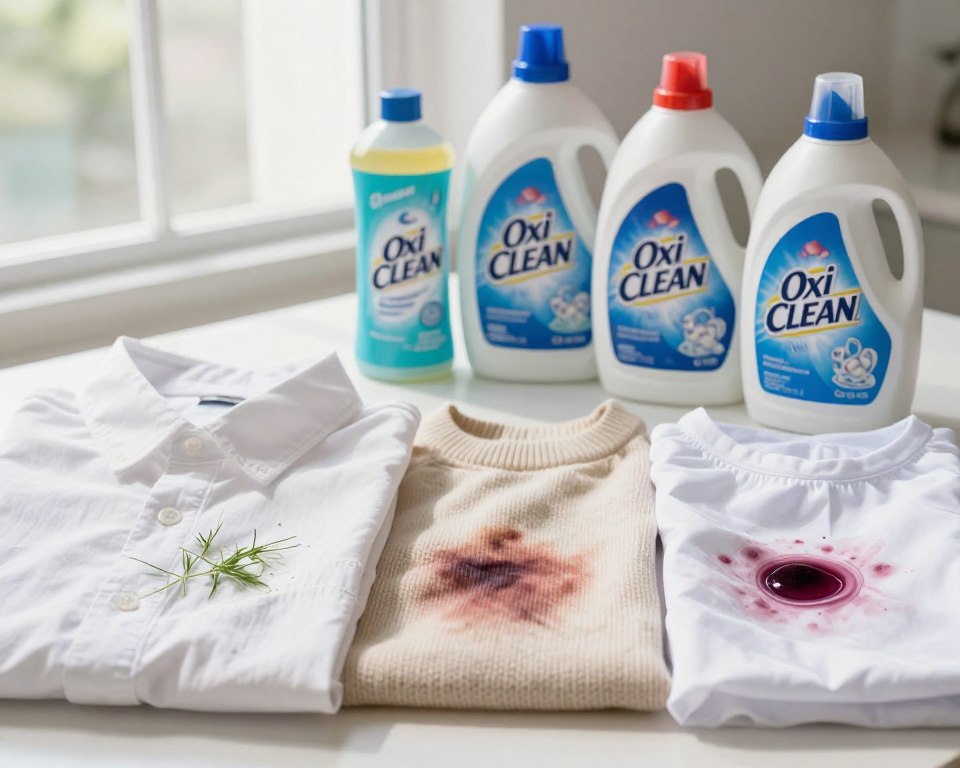
Cotton, polyester, and many blends are usually okay with OxiClean. These fibers can handle the cleaning process without losing their shape or color. This is because OxiClean breaks down stains without the harshness of chlorine bleach.
Always check the care label before using OxiClean. Following the instructions helps keep your clothes looking new for longer.
Risks of Damage to Delicate Fabrics like Wool and Silk
But, some fabrics are too delicate for OxiClean. Wool, silk, and leather can be damaged by the chemical reactions it causes. This can make them yellow, brittle, or lose their shine.
“The chemical structure of protein fibers can be permanently altered by strong oxidizing agents, leading to yellowing, brittleness, or loss of natural luster.”
To avoid damage, don’t use OxiClean on:
- Wool and wool blends
- Silk and silk-like synthetics
- Leather or suede garments
- Items labeled “Dry Clean Only”
Colorfastness Testing Procedures
Even on fabrics that can handle OxiClean, it’s wise to test first. A simple spot test can show how the dye will react. This helps prevent color loss or stains.
To do a colorfastness test, follow these steps:
- Mix the cleaner with water as directed.
- Apply the solution to a hidden area of the fabric.
- Let it sit for a few minutes, then rinse and blot with a clean cloth.
- If the color doesn’t transfer, it’s safe to use OxiClean.
By testing first, you can keep your clothes looking great. Testing is the best way to protect your wardrobe from damage.
OxiClean Performance in Modern Washing Machines
Many users wonder: Is OxiClean harmful in washing machines when used in a regular cycle? According to the manufacturer, this oxygen-based cleaner is safe for most appliances. The key is knowing how machines handle additives during washing.
Compatibility with High-Efficiency (HE) Machines
High-efficiency machines use less water than traditional ones. This makes it crucial for additives to dissolve well. If they don’t, they can leave residue on clothes or in the machine.
To get the best results, put the powder in the drum before adding clothes. This lets the water soak it right away. For more tips, check the official product support resources to use it right for your machine.
Preventing Buildup in Internal Components
Buildup happens when particles don’t dissolve and stick to the machine’s parts. This is usually because of how you use the product. By placing the powder at the bottom of the drum, you avoid clumps.
“The longevity of a washing machine is directly tied to the maintenance of its internal components. Using additives correctly prevents the accumulation of residue that can impede mechanical efficiency over time.”
Optimizing Dosage for Different Load Sizes
Getting the dosage right is key to safe and effective cleaning. Too much product can cause too many suds, which can set off error codes. Always measure your load to know how much powder to use.
| Load Size | Recommended Dosage | Water Level |
|---|---|---|
| Small Load | 1/4 Scoop | Low |
| Medium Load | 1/2 Scoop | Medium |
| Large/Full Load | 1 Full Scoop | High |
By following these steps, you keep your laundry routine effective and safe for your machine. Knowing how your machine works helps you use OxiClean safely and effectively.
Comparing OxiClean to Alternative Non-Toxic Detergents
Choosing the right laundry additive is important. It’s about finding a balance between cleaning power and safety. Many people look for OxiClean alternative non-toxic detergents to avoid harsh chemicals. Knowing how these products compare helps make better laundry choices.
Plant-Based Detergent Options
Plant-based cleaning agents are becoming popular. They use enzymes and coconut-derived surfactants. These products often don’t have synthetic fragrances or optical brighteners, which can irritate skin.
Even though they are gentler, they might not remove heavy stains as well as traditional oxygen-based boosters. It’s crucial to check the ingredients of these products. Some may still have preservatives or stabilizers that can cause reactions in sensitive people. Make sure your chosen detergent doesn’t have hidden irritants, like some liquid fabric softener products do.
DIY Natural Laundry Boosters
Many people use household items like baking soda, white vinegar, or hydrogen peroxide to boost their wash cycles. These DIY solutions are simple and don’t have many chemicals. Baking soda helps remove odors, and vinegar softens fabrics and removes mineral buildup.
But, DIY methods might not be as strong as specialized oxygen bleach additives for tough stains. They’re great for everyday cleaning but might not whiten or brighten as much as commercial products. Finding the right balance of natural boosters and your laundry needs is important for the best results.
Evaluating Cleaning Efficacy vs. Safety Profiles
When comparing products, look at their formulation. For example, OxiClean Versatile Remover Free is a non-chlorine bleach without perfumes or dyes. It shows that OxiClean Eco-friendly benefits can be achieved without losing cleaning power.
The following table summarizes the trade-offs between different laundry approaches:
| Option | Cleaning Power | Safety Profile |
|---|---|---|
| Commercial Oxygen Bleach | High | Moderate |
| Plant-Based Detergents | Moderate | High |
| DIY Boosters | Low to Moderate | Very High |
The right choice depends on your household’s needs and the stains you face. By considering the OxiClean Eco-friendly benefits and the ease of DIY or plant-based options, you can find a laundry system that fits your health and environmental goals.
Regulatory Standards and Safety Labeling
Understanding household chemicals is key to keeping safe. Knowing how OxiClean laundry detergent safety is monitored is crucial. This includes federal oversight of common cleaning agents.
Understanding EPA and Consumer Product Safety Commission Guidelines
In the U.S., the EPA and CPSC set rules for chemical products. The EPA’s Safer Choice label shows a product meets health and environmental safety standards.
But, this label doesn’t mean a product is completely safe for everyone. It’s a starting point for safety, not a complete guarantee.
Interpreting Safety Data Sheets (SDS) for OxiClean
Every cleaning product has a Safety Data Sheet (SDS). It lists the chemical makeup, hazards, and how to handle it.
By reading the SDS, you learn about potential risks like eye irritation. This helps you use the product safely at home. It’s also useful when comparing it to other products like Gain Flings vs Arm & Hammer.
The Importance of Following Manufacturer Instructions
Following guidelines is crucial for safety. Manufacturer instructions help avoid risks from wrong use.
Using the product as directed keeps it safe. Always use the right amount and follow rinse cycle advice. This is key for OxiClean laundry detergent safety in your home.
| Regulatory Tool | Primary Purpose | Consumer Benefit |
|---|---|---|
| EPA Safer Choice | Ingredient screening | Environmental assurance |
| Safety Data Sheet | Hazard identification | Safe handling guidance |
| Label Instructions | Usage protocols | Risk reduction |
Common Misconceptions About OxiClean Toxicity
It’s important to know the real safety of laundry boosters. Many people get confused by online reports. Looking at the OxiClean ingredients review helps us understand these products better.
Debunking Myths Regarding Carcinogenic Potential
Some worry that laundry additives can cause cancer. But, science says the main parts of OxiClean are not cancer-causing. It has sodium percarbonate, which breaks down into safe stuff like oxygen and water.
Clarifying the Difference Between Oxygen Bleach and Chlorine Bleach
People often mix up oxygen and chlorine bleach because they both say “bleach.” But they work differently. Chlorine bleach can release harmful gases if not used right. Oxygen bleach, on the other hand, is gentler and safer.
| Feature | Oxygen Bleach | Chlorine Bleach |
|---|---|---|
| Active Agent | Sodium Percarbonate | Sodium Hypochlorite |
| Byproducts | Oxygen, Water, Soda Ash | Chloramines, Salt |
| Fabric Safety | Color-safe for most | Can damage fibers |
| Environmental Impact | Biodegradable | Potentially harmful |
Addressing Concerns About Long-Term Exposure
When we talk about OxiClean toxicity information, it’s key to use it right. Following the instructions helps avoid long-term risks. The ingredients break down quickly, so there’s little chance of harm.
Choosing facts over fears helps keep our homes safe. Sticking to the label ensures these cleaners are helpful, not worrisome. This way, we can use them without worry.
Best Practices for Safe Laundry Routine
Using powdered cleaning agents safely at home is key. Wondering if OxiClean is harmful in washing machines? Safety mostly depends on how you handle it. By sticking to safe handling, you keep your home clean and your family safe.
Proper Storage and Handling of Powdered Cleaners
Keep powdered laundry boosters in their sealed containers to avoid spills. Store them in a cool, dry place where kids and pets can’t get to. Never mix OxiClean with other household chemicals like vinegar or bleach, as it can release harmful fumes.
Want to know about other household powders? Check out info on Ajax powder to see how different chemicals need different storage. Having a special spot for these products helps avoid mixing dangerous stuff.
Ensuring Thorough Rinsing Cycles
Managing residue is crucial for a safe laundry routine. Modern machines work well, but too much stuff can block water flow. Here’s how to keep your clothes clean:
- Don’t overload the washing machine to ensure water can move around.
- Use an extra rinse cycle for sensitive skin or baby clothes.
- Make sure the detergent dispenser is clean and free of old residue.
Protective Measures for Frequent Users
Users who do laundry often should take extra steps to stay safe. Wear gloves to avoid skin irritation, and be careful not to breathe in the powder dust. It can irritate your lungs.
By following these tips, you also help the environment. You reduce chemical waste and keep your machine running well. Careful and consistent use is the best way to clean effectively and safely.
When to Avoid Using OxiClean
It’s just as important to know when not to use OxiClean as it is to know how to use it. This product works well for many stains, but it’s not for every fabric or situation. Knowing its limits helps keep your belongings safe and your family healthy.
Specific Fabric Restrictions and Warnings
OxiClean is made for fabrics that can handle water and color. You should never use it on wool, silk, leather, or suede. These materials can get damaged by the oxygen-based chemistry in OxiClean. Always test a small, hidden area of water-washable rugs and upholstery first to avoid damage.
Before using OxiClean, always check the care label. If it says “dry clean only” or warns against bleach, choose a different cleaner. Using OxiClean on these materials can weaken the fibers or cause colors to run.
Situations Where Alternative Cleaners are Preferable
In some cases, an OxiClean alternative non-toxic detergents is a better choice. For people with sensitive skin or chemical sensitivities, plant-based or fragrance-free cleaners are gentler. These cleaners don’t have the strong oxidizing agents that can cause reactions.
“The most effective cleaning routine is one that balances efficacy with the specific physiological needs of the household members. When in doubt, prioritize mild, hypoallergenic formulations over high-potency boosters.”
Here’s a table to help decide when to choose a different cleaner:
| Scenario | Recommended Action | Reasoning |
|---|---|---|
| Delicate Protein Fibers | Use mild wool/silk wash | Prevents fiber degradation |
| Severe Chemical Sensitivity | Use plant-based detergent | Reduces potential for irritation |
| Non-Colorfast Fabrics | Use cold water/gentle soap | Prevents dye migration |
| Antique or Vintage Textiles | Professional cleaning | Preserves structural integrity |
Identifying Allergic Reactions in Household Members
It’s important to watch for OxiClean skin irritation risks in your home. If you see redness, itching, or rashes after washing clothes with OxiClean, stop using it right away. These signs mean the product might not be rinsing off fully.
Sensitivity can develop over time, even if you’ve used OxiClean before without issues. If someone in your family gets uncomfortable, switch to a fragrance-free, hypoallergenic detergent. Do an extra rinse cycle on all affected items. If the problem doesn’t go away, see a dermatologist to check for other causes.
Conclusion
Getting your laundry clean doesn’t have to harm your family or pets. OxiClean is a strong tool for removing stains, but it needs to be used carefully.
The chemicals in OxiClean are usually safe for most homes. But, following the maker’s instructions is key. Storing it right and rinsing well helps avoid skin problems or accidental spills.
You can keep your home clean and safe by making smart choices. By following safety steps, you protect your loved ones and still get great cleaning results. Stick to proven methods for cleaning. This way, your home stays clean and safe for everyone.
FAQ
Is OxiClean laundry detergent safe for sensitive skin?
Generally, yes. But, the alkaline residue can irritate. People with sensitive skin or eczema should use the “Free” version and rinse extra to avoid irritation.
Is OxiClean harmful in washing machines over the long term?
No, if used correctly. Use warm water to dissolve the powder and avoid overdosing to prevent buildup in HE models.
What is the OxiClean environmental impact compared to chlorine bleach?
OxiClean has a lower environmental impact. It breaks down into safe components, unlike chlorine bleach, which can harm aquatic life and waterways.
Are there effective OxiClean alternative non-toxic detergents?
Yes, many brands offer plant-based oxygen boosters. These are safer for sensitive skin but might not be as effective on grease.
Where can I find detailed OxiClean toxicity information?
The best source is the manufacturer’s Safety Data Sheet (SDS). It classifies OxiClean as a minor irritant but confirms it’s not toxic under normal use.
What are the primary OxiClean Eco-friendly benefits?
OxiClean is biodegradable and doesn’t release harmful VOCs. It doesn’t create toxic byproducts during wastewater treatment, making it safer for the environment.
Can I use OxiClean on all types of clothing?
No. Avoid using it on wool, silk, or leather. It damages protein fibers, causing thinning, holes, or a “crunchy” texture.
Is OxiClean safe for households with pets?
Yes, as long as items are thoroughly rinsed and dried. The main risk is from ingesting the damp solution or dry powder, not finished laundry.