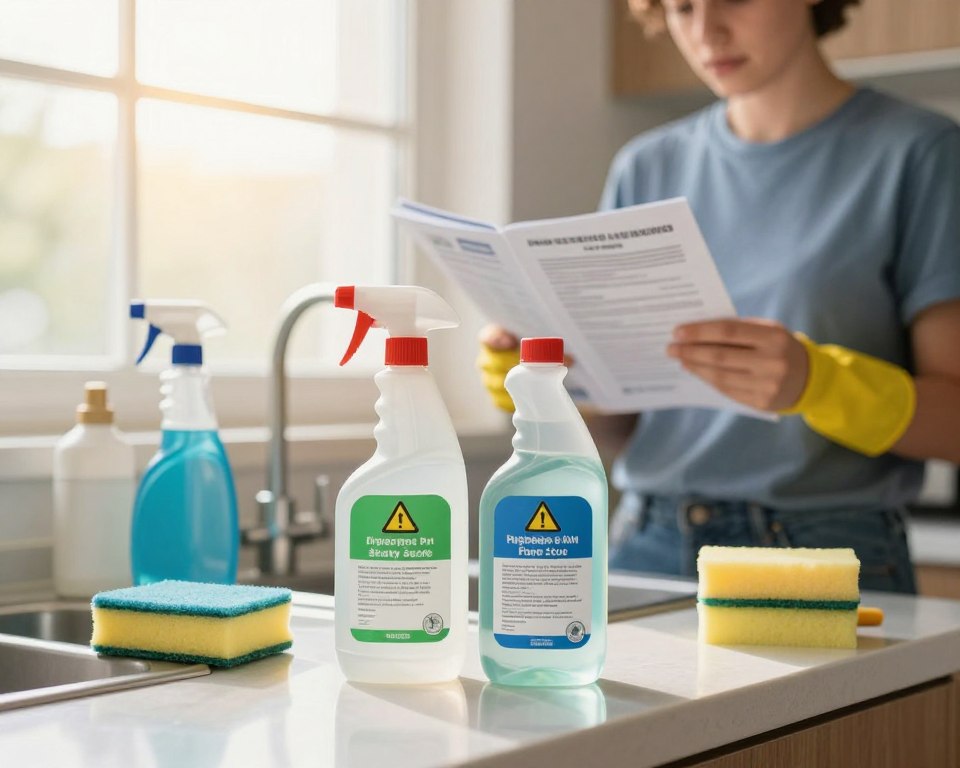
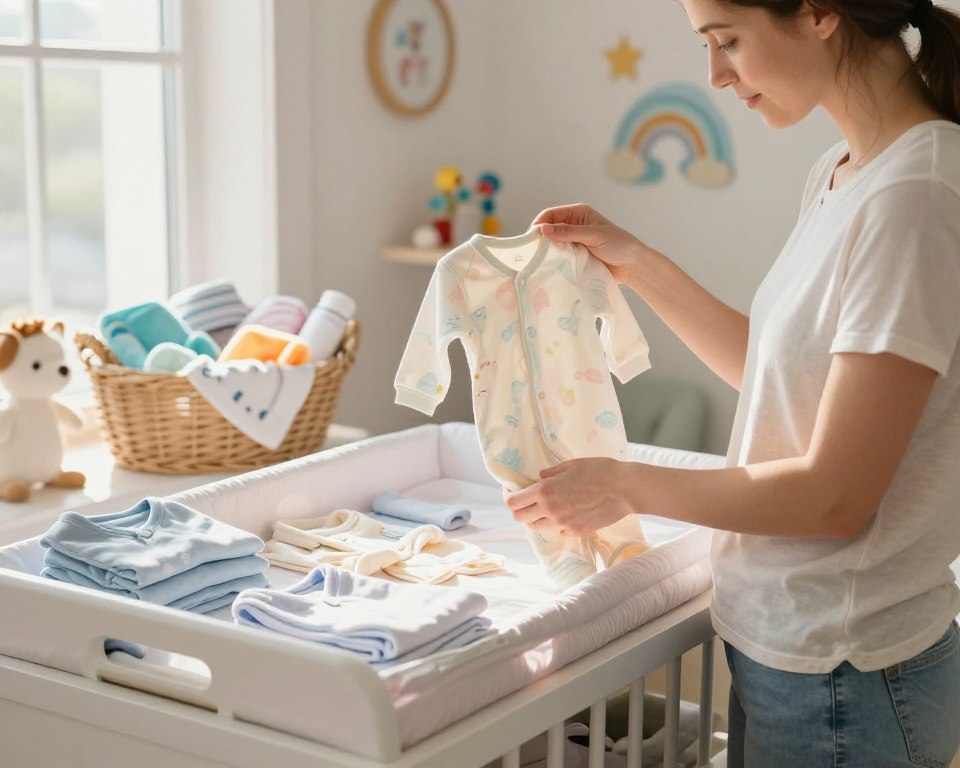
Many parents think clothes from the store are clean and safe right away. But, doctors and experts say this isn’t true. Clothes can have chemicals, dyes, and finishes from making them. These can make baby’s skin sensitive.
Cleaning these clothes is a must for their safety. It removes dust and allergens that can cause rashes or irritation. When setting up your nursery, think about using fragrance-free laundry. Choosing gentle cleaning helps keep your baby safe.
Key Takeaways
- New garments often contain manufacturing chemicals that require removal.
- Pre-washing infant items is essential for preventing skin irritation.
- Retail packaging does not guarantee a sterile or hypoallergenic product.
- Always check care labels to determine appropriate cleaning temperatures.
- Selecting fragrance-free detergents minimizes exposure to harsh additives.
The Reality of Manufacturing and Shipping Processes
Many parents think store-bought items are ready to use right away. But, the truth is different. The path of new baby clothes from the factory to the store has many steps that affect their cleanliness. Knowing about these steps helps us understand why we need to wash these clothes thoroughly before wearing them.
Chemical Residues from Textile Production
Textile making uses chemicals to make fabrics look good and wrinkle-free. These chemicals, like sizing agents and resins, stay on the fabric of new baby clothes even after they’re made.
These chemicals are not washed off before the clothes are sent out. They help the clothes during production but can be tough on a baby’s skin. It’s key to know that these chemicals are common in the textile world.
Contamination During Storage and Transit
After making, clothes are touched by many people during packaging. They’re then put in boxes and shipped far away. During this trip, new baby clothes might pick up dust, moisture, and other dirt.
Stockrooms and warehouses can be dusty, and this dust can get on the clothes. Even if the box looks clean, the clothes inside might be dirty. So, the clothes we bring home are rarely clean.
Should You Wash New Baby Clothes Before the First Wear
Many parents wonder if they should wash new baby clothes before the first wear. Even if clothes look clean, they might not be. Washing them first removes irritants that could harm a newborn’s sensitive skin.
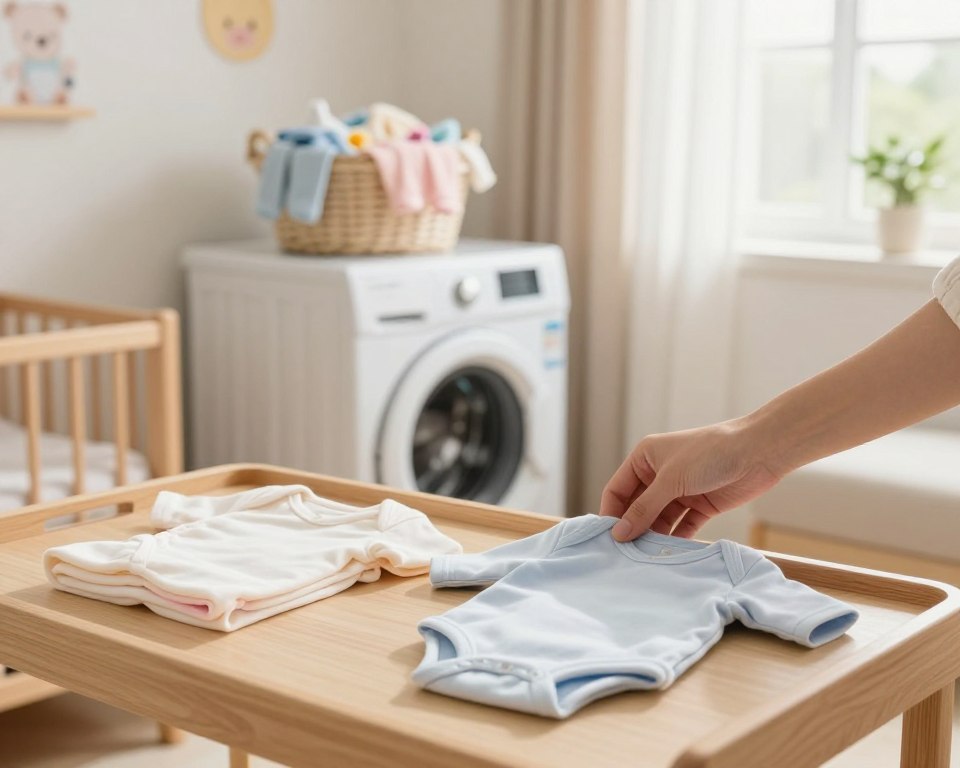
Understanding Newborn Skin Sensitivity
Newborn skin is much thinner and more open than adult skin. This means babies can soak up substances through their skin more easily. Their immune systems are still growing, making them more vulnerable to environmental toxins.
Minimizing exposure to harmful substances is key for a baby’s first weeks. Washing baby clothes before they’re worn helps remove chemicals from production. This simple step protects their sensitive skin.
The Risk of Contact Dermatitis
Contact dermatitis is a common skin issue caused by allergic reactions or irritation. In babies, it shows up as red, itchy, or inflamed patches. New clothes can have chemicals like sizing agents or resins that can cause these reactions.
When these chemicals touch a baby’s skin, the risk of a rash goes up. Proactive cleaning removes these irritants before they can harm the skin. Keeping baby clothes clean is a crucial part of caring for them.
Common Chemicals Found in New Textiles
When you buy new baby clothes, you get more than fabric. The making process uses special treatments to make clothes look better and last longer. These treatments happen before the clothes hit the stores.
These substances help clothes during their journey from factory to you. Knowing about them helps you get your baby’s clothes ready.
Formaldehyde and Its Use in Fabric Finishing
Formaldehyde resins are used to make clothes wrinkle-resistant and stop mildew. This keeps clothes looking fresh and clean, even when they’re stored for a long time.
Even though these treatments work well, they can stay on the fabric. For babies with sensitive skin, these chemicals might cause irritation.
Synthetic Dyes and Their Potential Irritants
Companies use synthetic dyes for bright colors and patterns in new baby clothes. These dyes are attached to the fabric to keep colors from fading early on.
Some people might get skin irritation from these dyes, mainly if the fabric isn’t washed well after dyeing. Reducing exposure to these dyes is why many suggest washing clothes before wearing them.
The Impact of Fragrances and Softeners in Retail Environments
Knowing what’s in retail clothes is key to keeping them safe for babies. Clothes often have special treatments for softness and smell. But these can leave chemicals that might bother your baby’s skin.
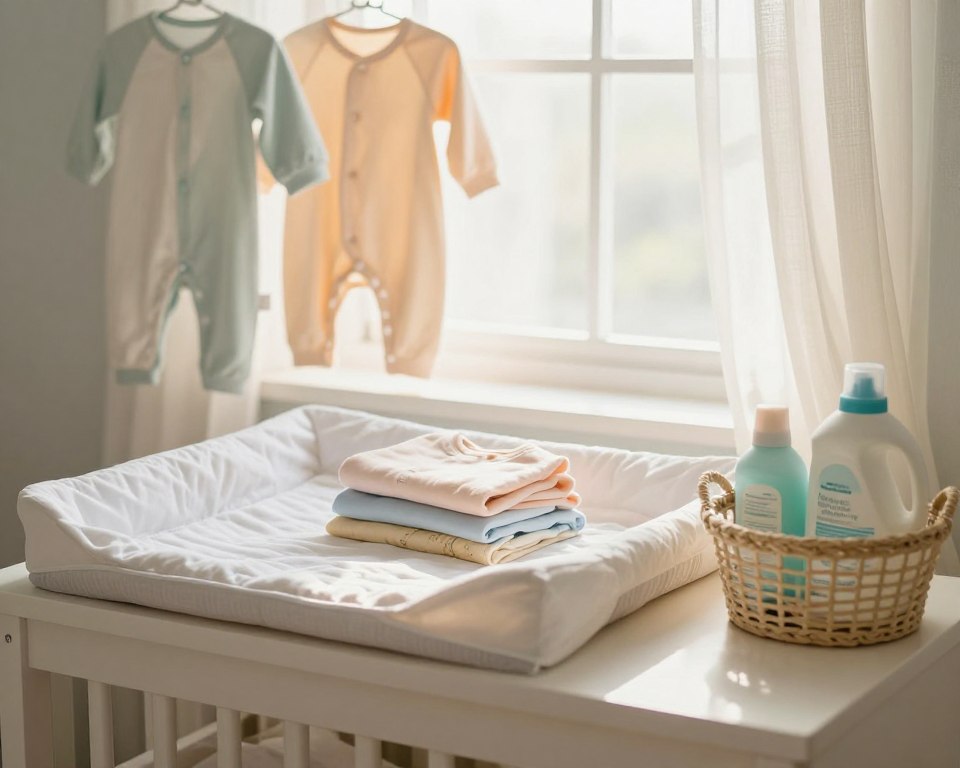
Why Stores Use Scented Products
Stores use fragrances to make clothes smell nice. This helps hide the smells of chemicals used in making clothes. They want clothes to smell fresh and clean.
Stores also make clothes feel soft with chemicals. These chemicals can make clothes feel sticky. This is bad for things like burp cloths and towels because they can’t breathe well.
How Fragrances Trigger Respiratory Issues in Infants
Babies have very sensitive lungs. When clothes smell of chemicals, these smells can make babies uncomfortable. This can even make it hard for them to breathe.
To keep babies safe, wash new clothes before using them. This removes the chemicals and makes clothes soft and breathable again. It’s important for your baby’s skin.
| Additive Type | Purpose in Retail | Impact on Fabric |
|---|---|---|
| Synthetic Fragrances | Masking chemical odors | Potential respiratory irritant |
| Chemical Softeners | Improving tactile feel | Reduces moisture absorbency |
| Finishing Agents | Preventing wrinkles | Leaves waxy residue on fibers |
Assessing the Risks of Unwashed Clothing
It’s important to wash baby clothes before wearing to protect their delicate skin. New clothes may look clean, but they often have hidden residues. These come from the manufacturing and retail environments.
Items go through many places before they hit the store. This means they’re exposed to many contaminants.
Allergic Reactions and Skin Rashes
New clothes can have chemical finishes and synthetic dyes. They may also carry residues from previous wearers. These can cause contact dermatitis, leading to redness, itching, and inflammation.
A newborn’s skin is much thinner than an adult’s. It absorbs these irritants more easily.
By washing baby clothes before wearing, you remove these allergens. This reduces the chance of painful rashes. Keeping your baby’s skin clean is key in early care.
The Danger of Inhaling Fabric Dust
New textiles can collect a lot of fabric dust and particles. This dust includes tiny fibers, bacteria, and pollutants. If inhaled, it can irritate a baby’s sensitive lungs.
Infants are more at risk because their lungs are still growing. By washing baby clothes before wearing, you remove loose fibers and dust. This keeps your newborn in a safer, cleaner environment from the start.
Best Practices for Washing Newborn Garments
When you start to wash baby clothes, picking the right detergent is key. Newborns have thinner skin than adults, making them more prone to irritation. A safe laundry routine is crucial to avoid discomfort.
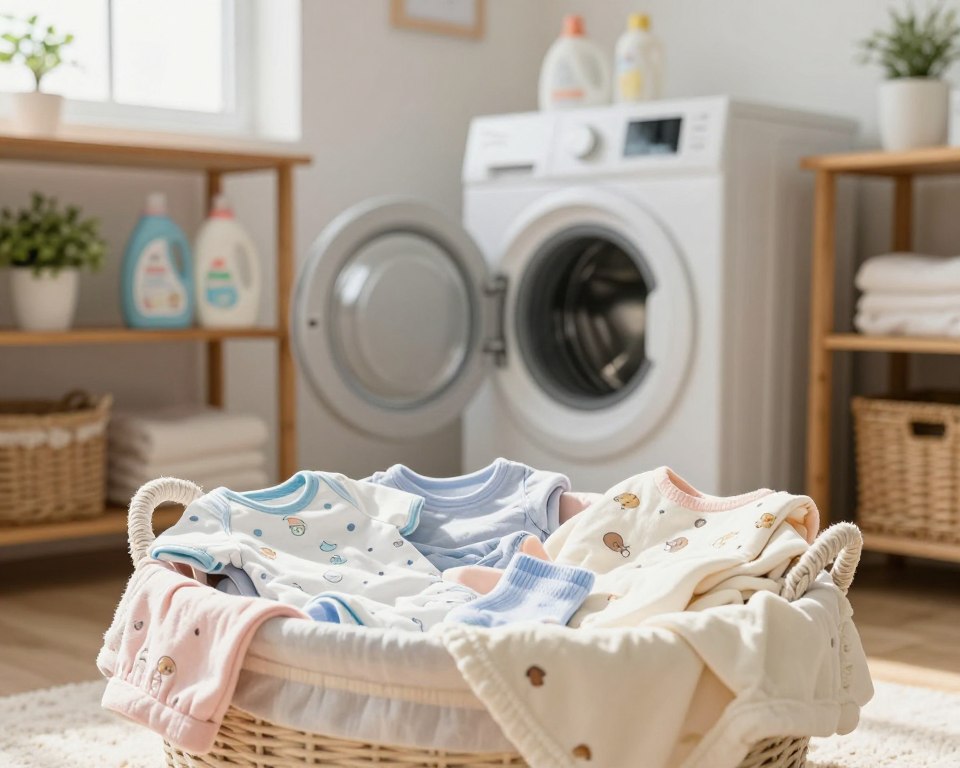
Selecting the Right Detergent for Sensitive Skin
Dermatologists and pediatricians suggest using free and clear detergents for babies. These formulas clean without harsh chemicals. Choosing tested products for kids reduces the risk of skin reactions.
Look for hypoallergenic labels on detergents. These avoid additives that can cause inflammation in young ones. Using these gentle agents when washing baby clothes helps protect your child’s skin.
The Importance of Fragrance-Free and Dye-Free Formulas
Fragrances and synthetic dyes can cause contact dermatitis in infants. They add no benefit to baby clothes but can be allergens. This can lead to red, itchy, or inflamed skin.
Choosing fragrance-free and dye-free formulas is vital. It reduces the chemical load on fabrics, essential for preventing allergic responses. Washing baby clothes with these ingredients makes a safer space for your newborn.
Step-by-Step Guide to Cleaning New Baby Clothes
It’s key to have a regular routine for newborn clothes cleaning. This keeps clothes in good shape and safe for your baby. By following a baby clothes washing guide, you make sure each item is cleaned right before it reaches your baby’s skin.
Sorting Fabrics by Material Type
Start by sorting clothes by their material and weight. Wash heavier items like cotton sleepers separately from light ones like muslin swaddles. This prevents damage from rubbing.
Always zip, snap, or button all fasteners before washing. This step stops hardware from getting caught on other fabrics. It also keeps clothes from getting damaged during washing.
Setting the Correct Water Temperature
Choosing the right water temperature is crucial for newborn clothes cleaning. Warm water is good for dissolving detergent and removing factory residues. But, always check the care label first.
Water that’s too hot can shrink natural fibers like cotton too soon. Follow the manufacturer’s advice to keep clothes lasting longer while cleaning them well.
Utilizing the Extra Rinse Cycle
Adding an extra rinse cycle is a must in any baby clothes washing guide. This step removes leftover chemicals or detergent that could irritate your baby’s skin.
Deep rinsing adds extra protection for your baby. It’s great for babies with sensitive skin or those who easily get skin rashes.
| Fabric Type | Water Temp | Cycle Setting | Drying Method |
|---|---|---|---|
| Organic Cotton | Warm | Gentle | Low Heat |
| Bamboo Blends | Cold | Delicate | Air Dry |
| Synthetic Fleece | Warm | Normal | Low Heat |
| Wool Knits | Cold | Hand Wash | Flat Dry |
Natural and Eco-Friendly Cleaning Alternatives
Many parents want to keep their newborn clothes cleaning safe. They look for ways to avoid harmful chemicals. Using things you find at home is a safe and effective way to clean clothes.
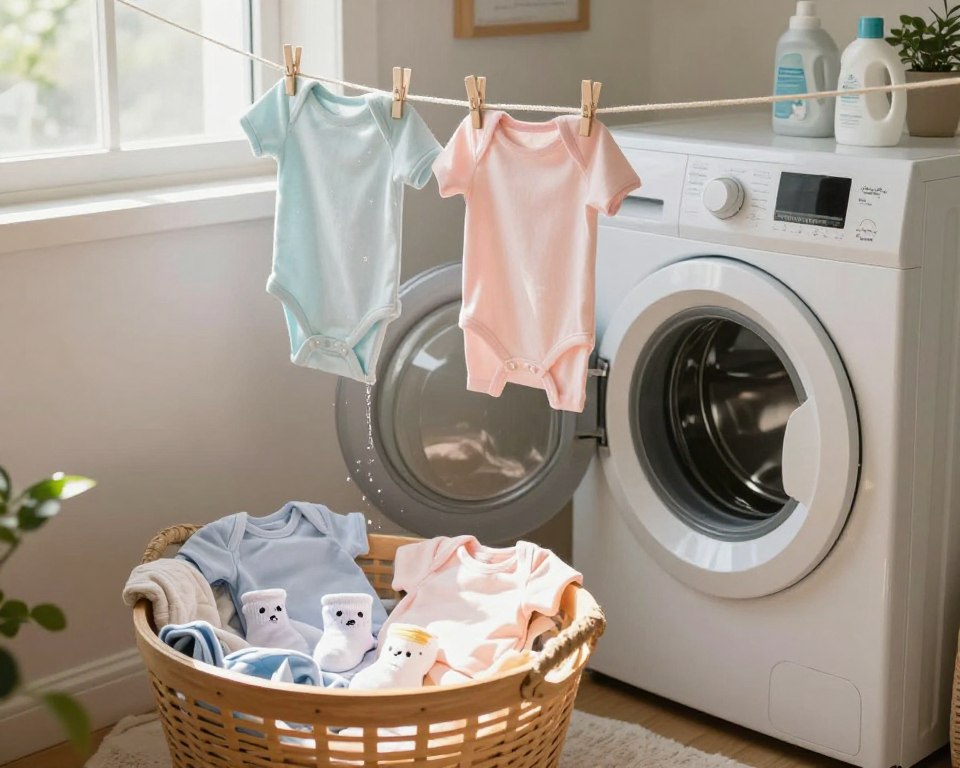
Using Vinegar as a Natural Fabric Softener
Distilled white vinegar is a great natural alternative to fabric softeners. It makes clothes soft by removing mineral deposits and soap residue. This keeps clothes soft for your baby’s skin without harmful chemicals.
Adding vinegar to your newborn clothes cleaning routine is easy. It gets rid of bad smells and removes buildup from previous washes. It’s safe for the environment and your baby.
Baking Soda for Odor Removal and Deep Cleaning
Baking soda is a strong, natural deodorizer. It removes tough stains and smells from baby clothes. Adding half a cup to your wash makes your detergent work better.
This powder is safe for washing baby clothes often. It cleans well without harsh chemicals. Using these natural ingredients makes your laundry routine safer for your baby.
Handling Different Fabric Types Safely
Effective baby clothes care starts with checking the care label. Each garment has a label that shows the best way to wash and dry it. Not following these instructions can cause the clothes to wear out faster, shrink, or lose their softness. This is important for keeping your baby comfortable.
Caring for Organic Cotton
Organic cotton is great for babies because it’s breathable and free from harmful chemicals. Wash these clothes in cool or warm water with a gentle, fragrance-free detergent. Learn more about caring for baby clothes to make them last longer.
Don’t use harsh chemical softeners, as they can irritate your baby’s skin. Instead, choose natural softeners or let the wash cycle do the work. Make sure your detergent is safe for delicate skin by checking if baby safe laundry detergent is needed.
Washing Bamboo and Synthetic Blends
Bamboo and synthetic blends need gentle care. They can pill and snag if washed in hot water or with rough cycles. Use a gentle wash and consider a mesh laundry bag for extra protection.
- Sort by weight: Separate heavy items like denim from lightweight bamboo knits.
- Temperature control: Use cold water to keep synthetic fibers from losing their shape.
- Avoid over-drying: Take clothes out while still a bit damp to keep them stretchy.
Drying Techniques to Protect Delicate Fibers
Learning how to dry clothes right is key to good baby clothes care. Washing gets rid of dirt, but drying decides if clothes stay soft and in shape. Using too much heat can make clothes wear out faster, so picking the right drying method is crucial.
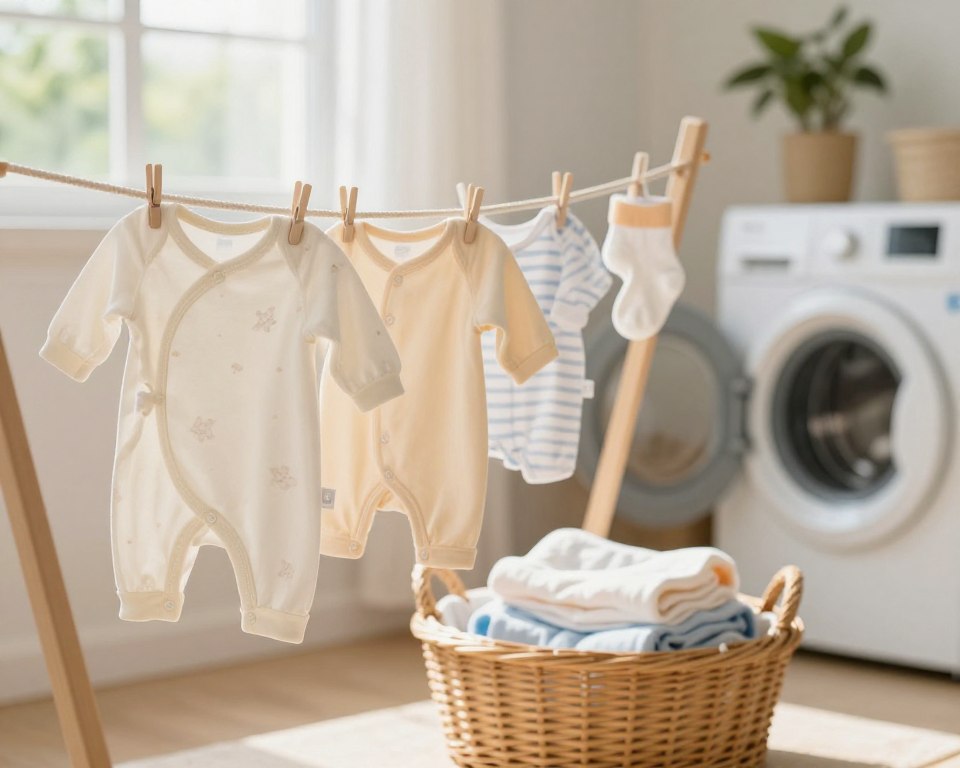
Air Drying Versus Machine Drying
Air drying or line drying is the safest way for delicate baby clothes. It avoids the damage from tumble dryers’ high heat and stress. Natural air keeps cuffs and necklines stretchy, keeping your baby comfortable.
Machine drying is quicker, but you must use low heat. Always pick the lowest setting to avoid damaging fibers. Fragrance-free dryer balls can also help reduce static without harming the fabric.
Preventing Shrinkage in Newborn Sizes
Shrinkage is a big worry for newborn clothes, as they’re made from soft cotton blends. To stop it, never use high heat, as it makes fibers shrink fast. Take clothes out of the dryer when they’re still a bit wet and let them air dry flat.
Good baby clothes care means knowing how fabrics react to heat. The table below shows the best drying methods for common baby fabrics to keep them lasting longer.
| Fabric Type | Recommended Method | Heat Setting | Key Benefit |
|---|---|---|---|
| Organic Cotton | Air Dry | N/A | Prevents fiber stress |
| Bamboo Blends | Low Tumble | Low/Delicate | Maintains softness |
| Synthetic Blends | Air Dry | N/A | Reduces static buildup |
| Wool/Knits | Flat Dry | N/A | Prevents misshaping |
Storage Solutions for Clean Baby Clothes
Keeping baby clothes clean is more than just washing them. It also means having a good storage plan. Proper baby garments care goes beyond the laundry room. It makes sure clothes stay clean until they’re needed.
Organizing Clothes to Prevent Dust Accumulation
Dust and particles can harm a baby’s sensitive skin. Vacuum storage bags are a great way to keep clothes dust-free. They seal clothes away from dust.
These bags also save space in closets or drawers. They’re perfect for storing clothes that are too small or out of season.
Choosing Non-Toxic Storage Containers
Choose bins or boxes that don’t release harmful chemicals. Go for breathable storage options like cotton bins or untreated wooden crates. They let air in.
Stay away from plastic containers with BPA or phthalates. These can harm your baby’s health over time. Good, non-toxic storage is key to keeping your baby safe.
When You Can Skip the Wash
Is it okay to skip washing new baby clothes before the first wear? Many parents want to dress their newborns in fresh outfits. But, experts say it’s not safe without washing first.
They warn that not washing can harm a baby’s sensitive skin. This is because of possible irritants in the clothes.
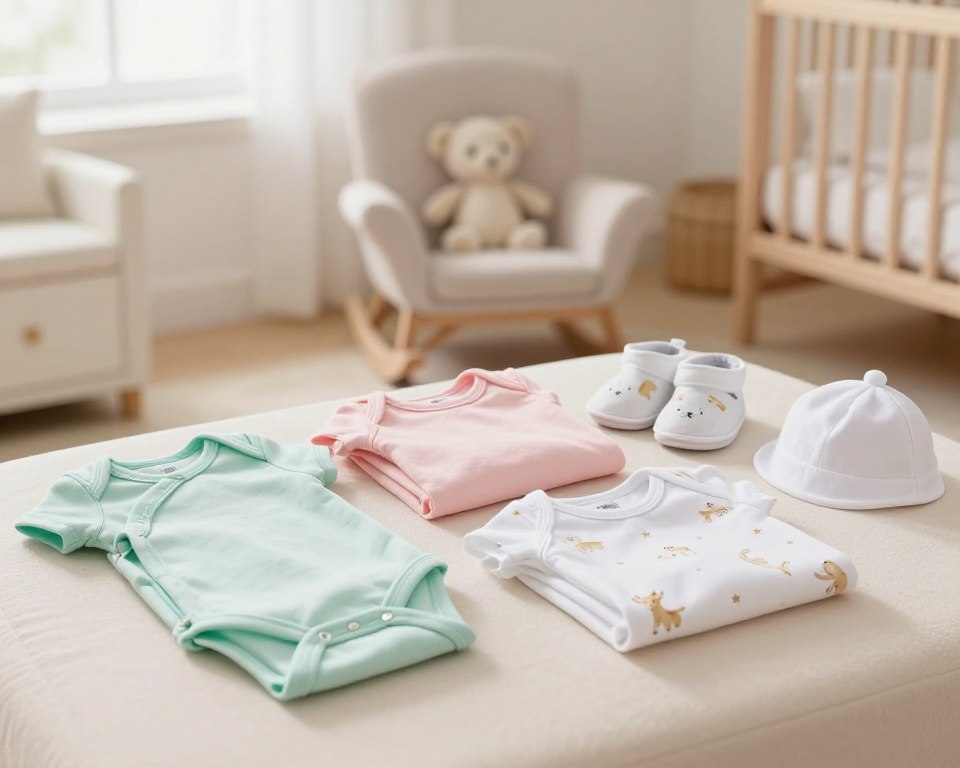
Evaluating Second-Hand Versus Brand New Items
It’s important to know that both new and used clothes need washing. New clothes might have chemicals like formaldehyde or synthetic dyes. These can cause skin irritation.
Used clothes can have leftover detergent, allergens, or other harmful substances. Washing them is the best way to make sure they’re safe for a baby’s skin.
Exceptions for Emergency Situations
In very rare cases, a parent might need to use clothes without washing them. This could happen if there’s no laundry facility nearby.
But, this should only be done in emergencies. As soon as you can, wash the clothes to remove any irritants. Keeping clothes clean is key for a baby’s skin health.
Identifying Signs of Skin Irritation
Watching your baby’s skin is key to baby garments care. Newborns have very thin skin. This makes them more likely to react to chemicals from clothes or shipping.
Recognizing Eczema and Contact Dermatitis
Contact dermatitis shows up as a red, itchy rash where clothes touch the skin. It’s often caused by dyes, formaldehyde, or harsh cleaners in fabrics. Look out for redness, dry spots, or bumps. It might mean your baby clothes need a check for irritants.
Eczema, or atopic dermatitis, can get worse from synthetic materials or dust. While it might run in families, environmental triggers can also cause flare-ups. Watching your baby’s skin helps you tell if it’s a reaction or a long-term problem.
When to Consult a Pediatrician
Minor redness might go away with better laundry habits. But, some signs need a doctor’s help. If the rash oozes, crusts, or gets warm and swollen, see a pediatrician. Also, if it doesn’t get better with fragrance-free clothes, it’s time to visit the doctor.
Knowing when to use home remedies and when to see a doctor is part of baby garments care. A doctor can give advice on creams or figure out if it’s an allergy or contact issue. Always get help if your baby seems uncomfortable or if the rash spreads fast.
| Condition | Primary Indicator | Common Cause |
|---|---|---|
| Contact Dermatitis | Localized red, itchy rash | Chemical residues in fabric |
| Atopic Eczema | Dry, scaly, inflamed patches | Genetic factors or irritants |
| Heat Rash | Small, clustered red bumps | Overheating or trapped moisture |
Common Myths About Baby Laundry
Creating a baby clothes washing guide means knowing what’s real and what’s not. Many parents buy expensive, branded products thinking they’re necessary. But, the truth is, caring for a baby is simpler and cheaper than what stores say.
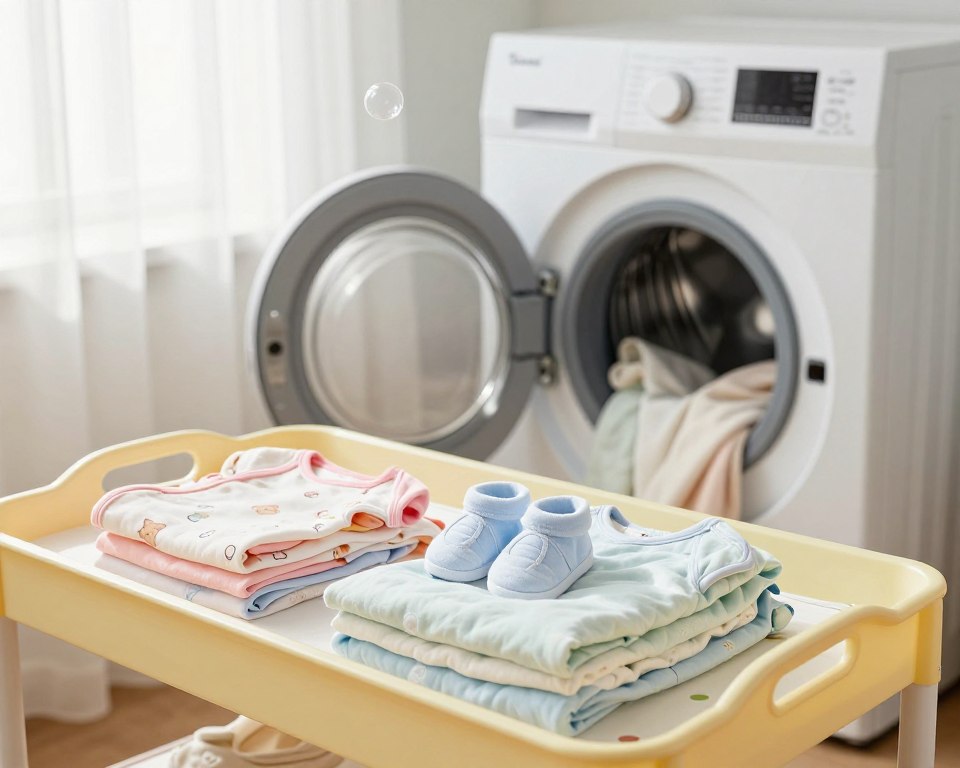
Debunking the Need for Specialized Baby Detergents
The market is full of detergents for babies, with fancy packaging and high prices. But, doctors say these special formulas aren’t always needed for a baby’s health.
The key for your baby clothes washing guide is not the brand. It’s the soap’s ingredients. Choose products without common irritants that can cause skin or breathing problems. This is like checking if disinfectant wipes are safe near babies.
When picking a detergent, focus on these features instead of a “baby” label:
- Fragrance-free formulas to prevent respiratory irritation.
- Dye-free ingredients to minimize the risk of skin reactions.
- Hypoallergenic certifications from reputable health organizations.
Addressing the Myth That New Clothes Are Sterile
Many think new clothes are clean and ready to wear right away. But, new clothes are rarely sterile. They often have residues from making, storing, and shipping them.
Textiles may get chemical treatments to prevent wrinkles or mold during shipping. They’re also handled by many people and exposed to dust in warehouses before you get them.
Following a baby clothes washing guide helps remove these hidden contaminants. Treating new clothes as possibly contaminated is a good way to protect your baby from harmful chemicals.
Maintaining Hygiene Throughout the First Year
The way you care for infant clothing changes over the first year. As your baby moves from lying still to crawling, their clothes need more care. Keeping their clothes clean and comfy is key.
Transitioning from Newborn to Infant Laundry Needs
At first, laundry is about spit-up and sweat. But as your baby starts to move, their clothes get dirtier. You’ll need to wash their clothes more often to keep them clean.
- Increased frequency: More activity means more clothes changes.
- Fabric durability: Older babies need clothes that last through many washes.
- Sorting by activity: Keep play clothes and sleepwear separate to avoid dirt and allergens.
Managing Stains and Sanitization
When your baby starts eating solid foods, laundry gets tougher. Stains from food need quick action to avoid lasting damage. A gentle, enzyme-based stain remover works well without harming your baby’s skin.
Keeping clothes clean is crucial all year. You don’t need harsh chemicals, but clothes must be well washed. Here’s how to keep things clean:
- Pre-treat stains: Treat stains right away.
- Use appropriate temperatures: Check labels to clean clothes right without harming them.
- Consistent cycles: Always add an extra rinse to remove any leftover detergent that could irritate skin.
Sticking to a cleaning routine helps keep your baby safe from irritants. Proper infant clothing care keeps your baby comfortable as they grow. It’s all about washing clothes to keep them clean without damaging them.
Conclusion
Having a regular laundry routine is key for your baby’s safety. It helps remove harmful chemicals and dirt from clothes. This makes sure your baby’s skin stays safe and healthy.
Parents are very important in keeping their baby’s skin safe. Choosing detergents without fragrances and using extra rinse cycles helps a lot. These small steps can make a big difference in your baby’s comfort.
Starting these habits early makes caring for a newborn easier. You can control the things that touch your baby by focusing on cleanliness and safe care. If you have tips or questions, feel free to share. We’re here to help keep your home safe for your growing family.
FAQ
Is it necessary to wash baby clothes before the first wear?
Yes. Washing clothes before wearing them removes harmful chemicals and dust. This is crucial for your baby’s sensitive skin.
What is the best detergent for newborn clothes cleaning?
Use a fragrance-free and dye-free detergent. Brands like Tide Free & Gentle are good choices because they are gentle on skin.
Can I use fabric softener on baby garments?
No. Fabric softeners can make clothes less absorbent and irritate skin. Use vinegar instead for a safer alternative.
Should I wash second-hand or “hand-me-down” clothes?
Yes. Wash second-hand clothes to remove odors and allergens. This ensures they are safe for your baby.
What temperature should I use for washing baby clothes?
Use warm water for washing. This kills bacteria without shrinking clothes. Always check the care label.
How can I tell if my baby is having a reaction to their clothing?
Look for signs like red patches, bumps, or dry skin. If a rash persists, consult a doctor to rule out other conditions.
Do I need to wash baby blankets and bedding too?
Yes. Wash all items that come into contact with your baby’s skin. This includes blankets, crib sheets, and swaddles.