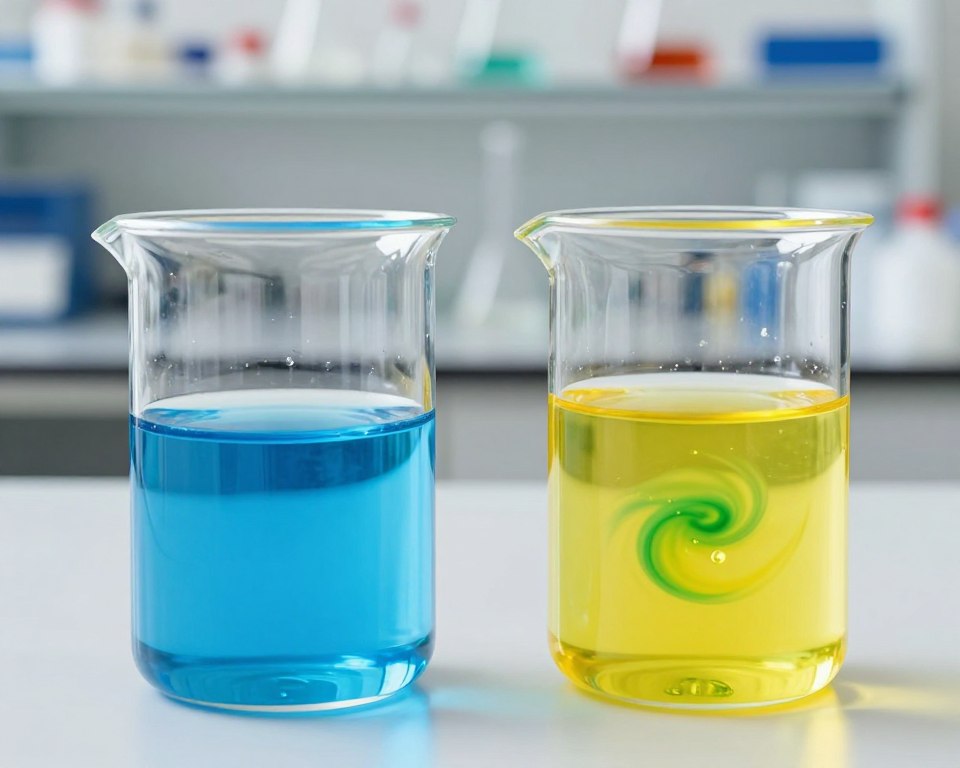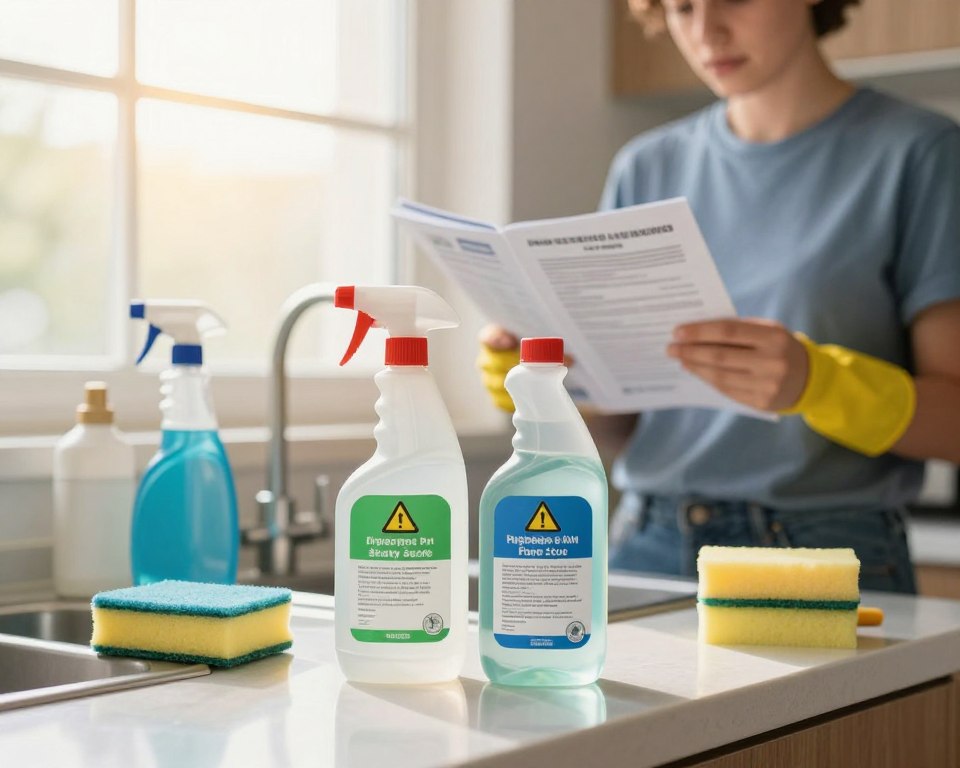
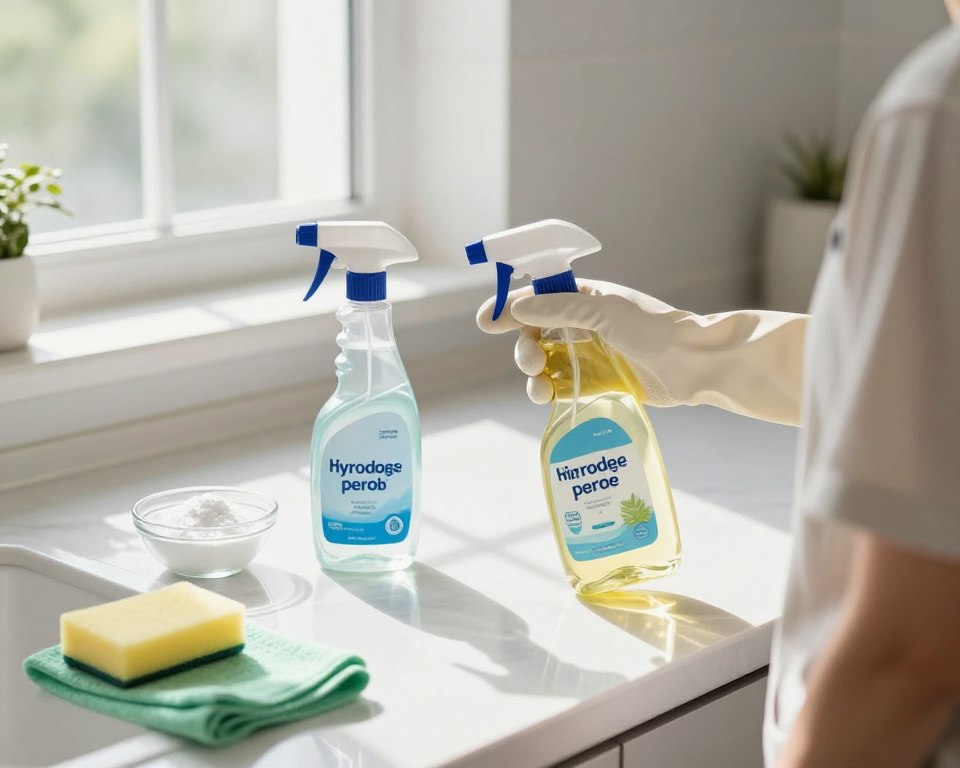
Did you know that nearly 70% of homeowners try to make their own cleaning solutions? They use common items from their pantry. But, chemistry doesn’t always agree with these experiments. Mixing two strong cleaners might seem like a good idea, but it can cause unwanted reactions.
It’s key to understand the science behind household cleaning with hydrogen peroxide and vinegar. When these two mix, they create peracetic acid. This can irritate your skin, eyes, and lungs. Safety should always come first when cleaning your home.
Before using these cleaners, check if hydrogen peroxide is safe for your home. Our guide helps you clean without risking your health. Let’s find safer ways to keep your home clean.
Key Takeaways
- Combining these two substances creates peracetic acid, which is a corrosive irritant.
- Always use cleaning agents separately to avoid dangerous chemical reactions.
- Proper ventilation is necessary when using any strong household chemical.
- Hydrogen peroxide is effective on its own when used at a 3% concentration.
- Never combine these liquids with chlorine bleach, as this creates toxic fumes.
- Always test a small, hidden area before applying any solution to surfaces.
The Science Behind Mixing Hydrogen Peroxide and Vinegar
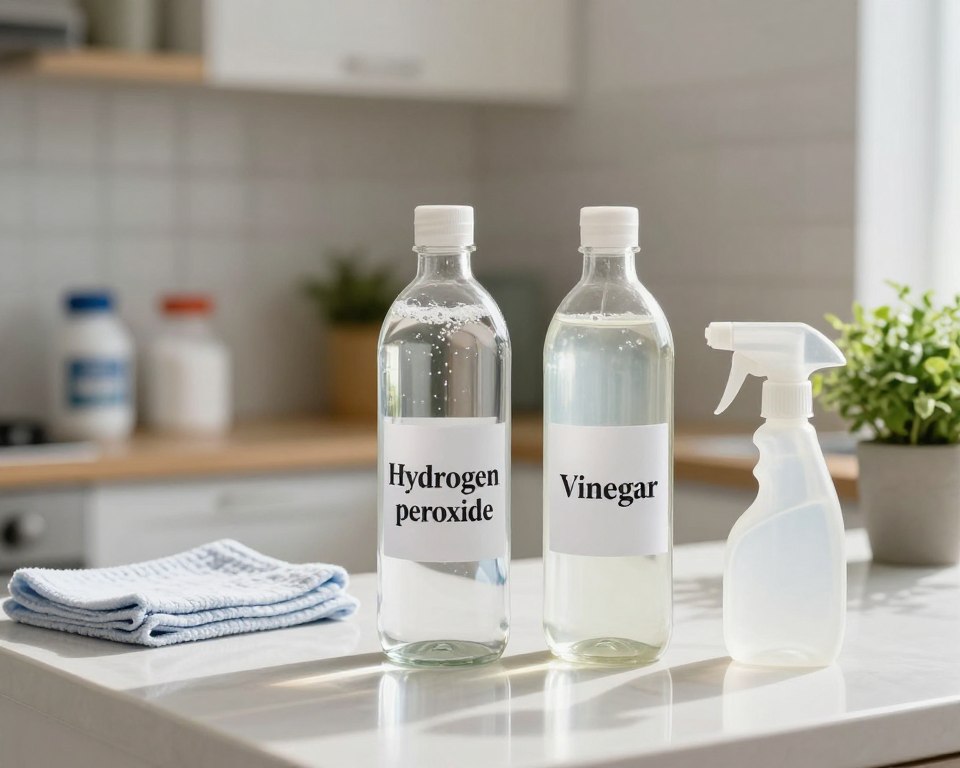
Mixing hydrogen peroxide and vinegar might seem like a good idea. But, the chemical reaction that happens can be dangerous. Many think it will make a super-powered cleaner. But, the truth is more complicated. When you mix hydrogen peroxide and vinegar, you start a reaction that’s best to avoid.
Understanding the Chemical Reaction
When these two liquids meet, they start a reaction that makes peracetic acid and water. This isn’t just mixing; it’s a change in the liquids’ nature. The mix is more powerful than either one alone.
This reaction is hard to control at home. So, it’s not safe to mix them in a spray bottle or bucket. The result won’t clean your surfaces well.
Why Peracetic Acid is Formed
Peracetic acid is a strong cleaner used in professional settings. It’s great at killing germs but can damage many things. Experts carefully control it in work settings.
At home, you can’t control this acid. It forms quickly and can be unpredictable. So, mixing hydrogen peroxide and vinegar for disinfection is risky. It can harm your home’s surfaces and fixtures.
Potential Risks of Peracetic Acid Exposure
The main danger is the acidic vapors it releases. These vapors can irritate your body if you breathe them in or touch your skin. Symptoms include:
- Severe irritation of the eyes and throat
- Difficulty breathing or respiratory distress
- Skin burns or irritation upon contact
- Damage to household surfaces like stone or metal
Using a homemade hydrogen peroxide vinegar cleaning solution can be harmful. It doesn’t clean well and can hurt your health. It’s safer to use them separately and follow the instructions on each product.
Can You Mix Hydrogen Peroxide and Vinegar for Cleaning Safely
Is it safe to mix hydrogen peroxide and vinegar for cleaning? Experts say no. These common cleaners can become dangerous when mixed. It’s key to know that even everyday items can be harmful when combined in the wrong way.
The Dangers of Combining Chemicals in One Container
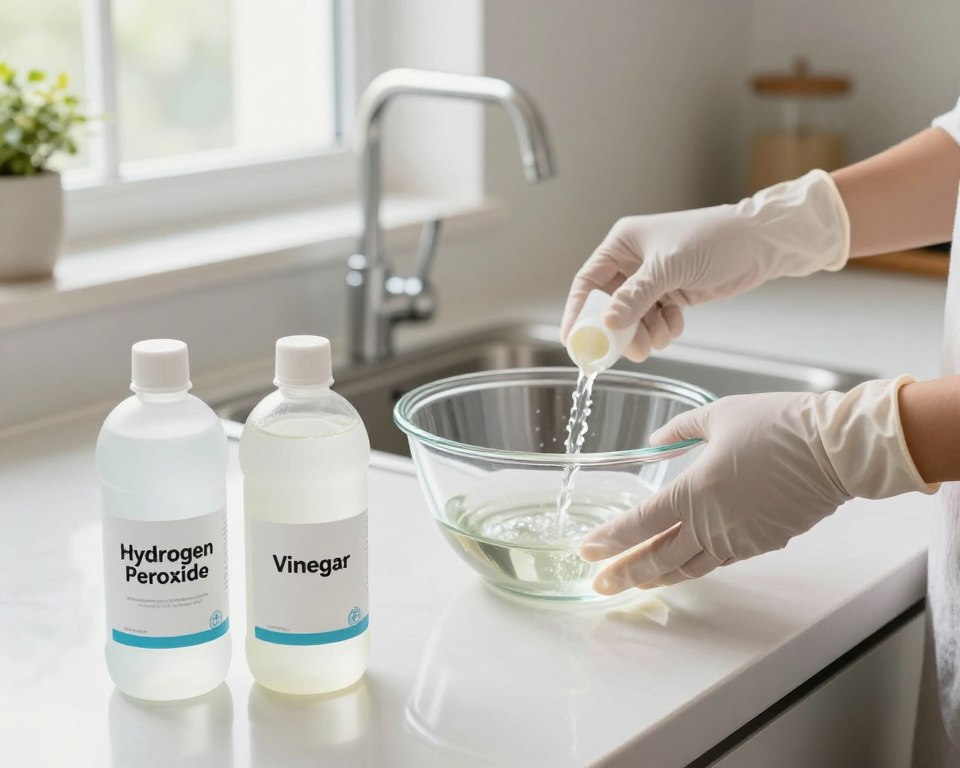
Mixing these two liquids in one bottle is risky. They react to form peracetic acid, which is harsh and can build up gas. This buildup can cause the bottle to leak or even burst, putting you and your home at risk.
“The chemistry of household cleaning requires respect; mixing reactive agents without professional guidance is a recipe for unnecessary accidents.”
Why Professional Chemists Advise Against Mixing
Chemists and safety groups say don’t mix these substances. For more on the dangers, check out this guide on mixing hydrogen peroxide and vinegar. Safety is always first when keeping your home clean.
Understanding Corrosive Byproducts
The byproduct, peracetic acid, is very corrosive. It can harm your home and is bad for your eyes, skin, and lungs. It can also damage things like:
- Metal fixtures and faucets
- Rubber seals on appliances
- Natural stone countertops
If you want to mix hydrogen peroxide and vinegar safely, don’t. Use them separately to keep your home safe and clean for your family.
The Myth of the Super Cleaner
The internet is full of viral cleaning tips, but some are myths. Many look for DIY cleaning with hydrogen peroxide and vinegar to clean their homes fast. But, believing these two make a better cleaner is a science mistake.
Where the Idea Originated
The idea of a “super cleaner” comes from peracetic acid’s use in food plants. When hydrogen peroxide and vinegar mix, they make peracetic acid. But, food plants use special equipment and exact amounts for safety and cleaning.
At home, you can’t match these conditions. Trying vinegar and hydrogen peroxide cleaning hacks often leads to a weak solution. Remember, you need professional tools for professional results.
Why People Believe It Works Better
These mixtures bubble, which looks like they’re working hard. But, this bubbling is just the chemicals breaking down. This makes them less effective over time.
Seeing bubbles makes people think it’s cleaning better. But, this visual doesn’t mean it’s really cleaning well. It’s a trick of the mind.
The Reality of Cleaning Efficacy
Mixing these items makes a solution that’s hard to control. The acid’s strength changes a lot, so it’s not reliable for cleaning. For safe cleaning, use them separately.
Using DIY cleaning with hydrogen peroxide and vinegar can irritate your lungs. The fumes can make breathing hard without cleaning well. Always choose safe, proven methods for cleaning your home.
Safe Ways to Use Hydrogen Peroxide in Your Home
Using hydrogen peroxide helps keep your home clean without harsh chemicals. It’s a great choice for those who want to avoid the dangers of mixing hydrogen peroxide with vinegar.
Effective Applications for Surfaces
Hydrogen peroxide is great for surfaces that trap bacteria. It’s perfect for cleaning wooden cutting boards, getting rid of food and germs. It also brightens bathroom grout, making your tiles look fresh and renewed.
Make sure the surface is clean and dry before applying. This makes the solution work better. By focusing on these areas, your home stays clean and safe.
Proper Dilution Ratios for Household Use
For most home cleaning, a 3% hydrogen peroxide solution is perfect. It’s strong enough to kill bacteria but gentle on surfaces.
If a 3% solution is too strong, you can dilute it with water. But never mix it with acids. Sticking to 3% ensures your solution is effective.
Storage Tips for Stability
Hydrogen peroxide breaks down quickly if not stored right. Keep it in its dark container to keep it stable. Light makes it turn into water, making it useless for cleaning.
Store it in a cool, dry place, away from sunlight and heat. This keeps it strong until you use it all up. Always check the expiration date to ensure it’s ready for your next cleaning.
Safe Ways to Use Vinegar for Household Cleaning
Many people use household cleaning with hydrogen peroxide and vinegar. But, distilled white vinegar alone is very effective. It’s a natural way to clean without harsh chemicals.
The Power of Acetic Acid
Vinegar works well because of its acetic acid. It has a pH of about 2.5. This makes it hard for bacteria and mold to grow.
Its acidity helps break down tough deposits and soap scum. It’s not an EPA-registered disinfectant. But, it’s good for keeping things clean.
Surfaces to Avoid When Using Vinegar
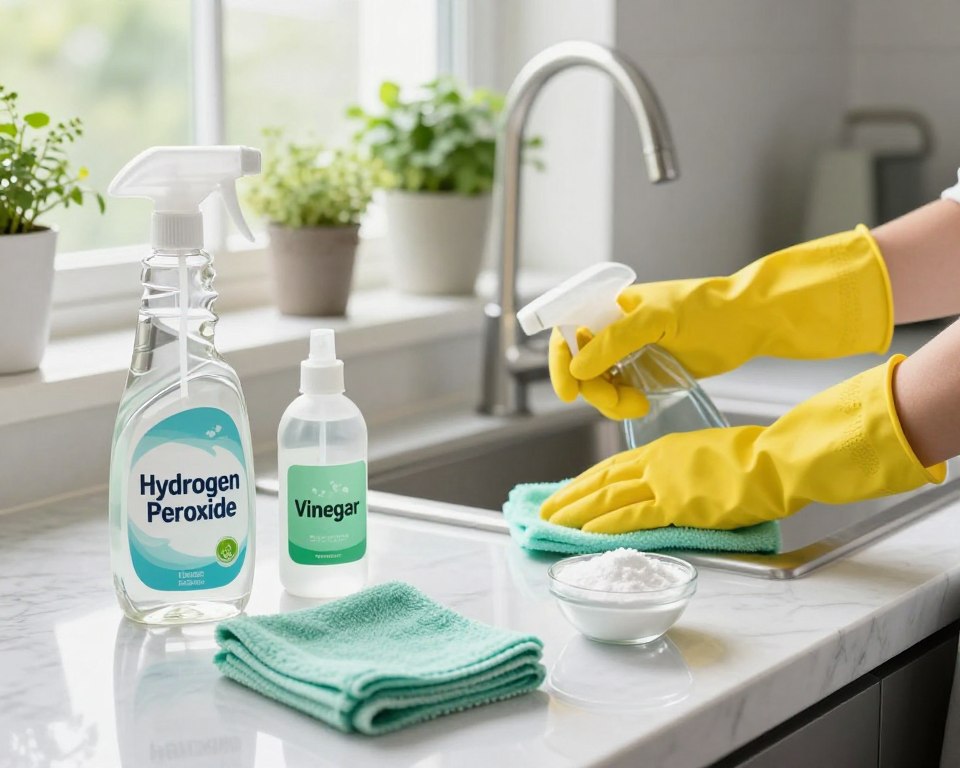
Vinegar isn’t good for all surfaces. You should avoid using it on natural stone surfaces like marble, granite, or limestone.
Its acidity can etch these surfaces, making them dull. Always check the care instructions before using vinegar on delicate surfaces.
Best Practices for Vinegar-Based Solutions
Always dilute vinegar with water. A safe mix is one part vinegar to one part water.
This mix is gentle on most surfaces but strong against grime. By following these tips, you can clean safely and effectively.
Comparing Hydrogen Peroxide and Vinegar as Disinfectants
Hydrogen peroxide and vinegar are common in many homes. But they have different uses. Many look for the best cleaning solutions with hydrogen peroxide and vinegar. Yet, these two are not the same for cleaning your home.
Knowing what each cleaner does helps you pick the right one. Don’t mix hydrogen peroxide and vinegar. This mix is not only useless but also risky.
EPA Standards for Disinfection
The Environmental Protection Agency (EPA) sets strict rules for disinfectants. The EPA registers products for industrial use, not for home use.
True disinfection needs a product to pass tough tests against germs and viruses. Homemade mixes don’t go through these tests. So, they can’t be trusted as safe or effective cleaners.
When to Use Hydrogen Peroxide
Hydrogen peroxide is a powerful disinfectant. It kills many types of germs. It’s great for places like light switches, doorknobs, and kitchen counters where germs hide.
For best results, let the solution sit for a few minutes before cleaning. This time is key for the solution to kill germs.
When to Use Vinegar
Vinegar is better for cosmetic cleaning than deep cleaning. Its acid helps dissolve mineral deposits, remove soap scum, and cut through grease on glass or tile.
Use vinegar to keep your fixtures clean and shiny. By following these tips, you can keep your home clean and safe without using untested mixes.
The Dangers of Mixing Other Common Household Cleaners
Many everyday items under your sink can be dangerous if mixed. Some cleaning shortcuts can lead to serious health problems. It’s crucial to know that chemical safety is key to a healthy home.
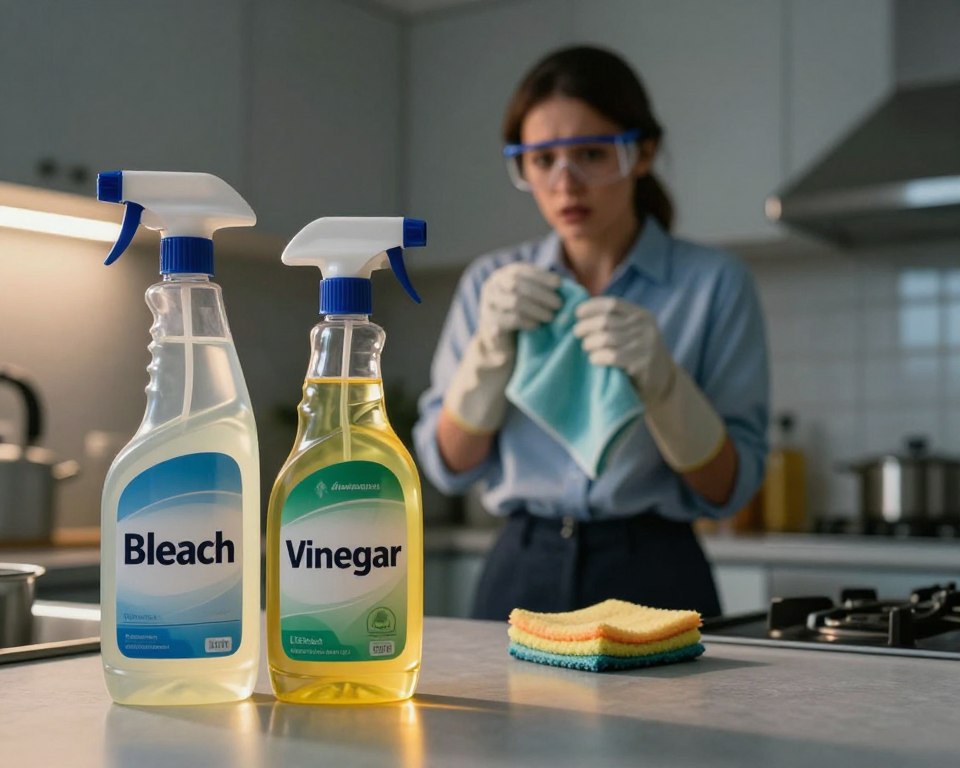
Why You Should Never Mix Bleach and Vinegar
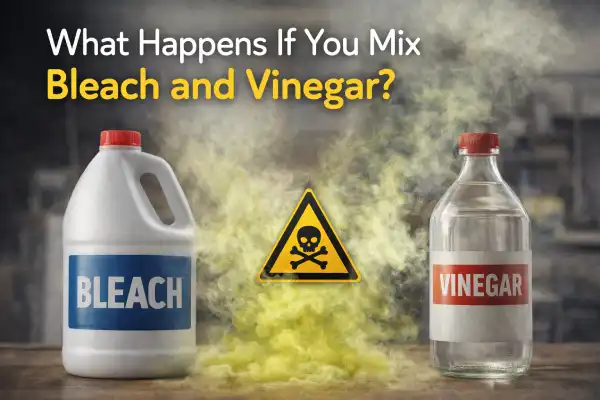
People often wonder, can you mix bleach and vinegar for cleaning? The answer is a clear no. Mixing these two products creates chlorine gas.
Chlorine gas is very harmful. It can damage your lungs, eyes, and even be life-threatening. Even a little bit can be dangerous in a closed space. You should never mix these substances.
Risks of Combining Ammonia and Bleach
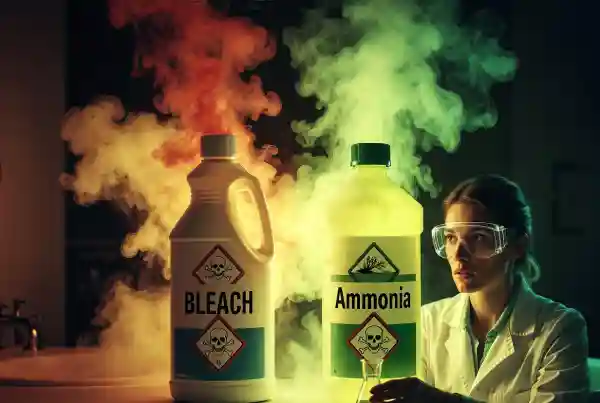
Mixing bleach and ammonia is also risky. Many glass cleaners or sprays have ammonia. This mix creates chloramine vapors.
These vapors can really hurt your lungs and throat. If you’re curious, you can learn more about ammonia-based cleaners to keep your home safe. Always check labels to avoid dangerous mixes.
General Rules for Chemical Safety
To keep your home safe, remember: never mix different commercial products. These cleaners are made to work alone, and mixing them can be harmful.
Always read labels before cleaning. If unsure, it’s safer to use one product at a time. Your health and safety are more important than quick cleaning.
How to Properly Sequence Your Cleaning Routine
Knowing the right order of your cleaning products is key to a safe and clean home. Many look for quick fixes, but how to safely mix hydrogen peroxide and vinegar for cleaning needs a careful approach. This includes the right timing and how you apply them.
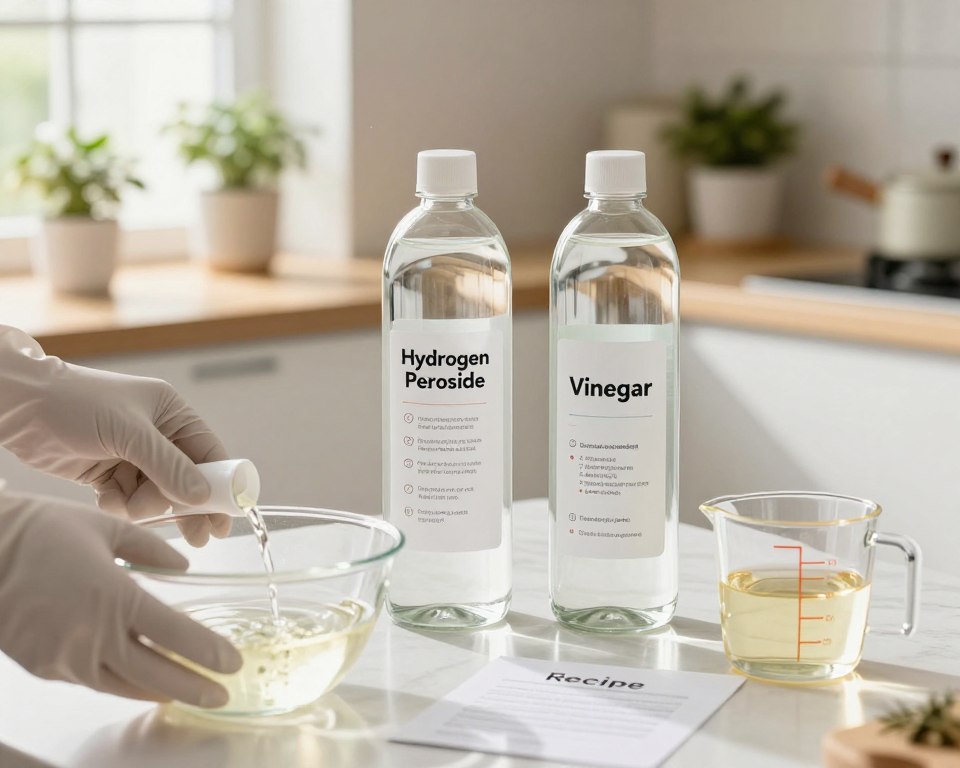
Using One Product After Another Safely
When using both agents on one surface, never mix them in the same container. First, apply the first cleaner and wipe the area well. Then, make sure the surface is dry before using the second product.
This method stops the chemicals from reacting when wet. Keeping them separate helps each solution work well and protects your surfaces from harmful reactions.
The Importance of Rinsing Between Applications
Rinsing is a crucial step often missed. After using the first cleaner, use a damp cloth with water to clean off any leftover residue. This step is essential when learning how to safely mix hydrogen peroxide and vinegar.
“Chemical safety in the home is not just about the products you choose, but the rigorous habits you maintain while using them.”
Removing the first cleaner completely makes a clean base for the next step. This stops harmful byproducts from forming if residues are left behind.
Ventilation Requirements for Chemical Use
Always keep your indoor air quality high by ensuring good ventilation. Open windows or use exhaust fans to get rid of any vapors quickly. Good airflow is crucial for anyone learning how to safely mix hydrogen peroxide and vinegar for cleaning.
| Step | Action | Purpose |
|---|---|---|
| 1 | Apply First Cleaner | Target specific grime |
| 2 | Wipe and Rinse | Remove chemical residue |
| 3 | Dry Surface | Prevent cross-reaction |
| 4 | Apply Second Cleaner | Final sanitization |
DIY Cleaning Alternatives That Are Actually Safe
Forget the risks of mixing harsh chemicals. Instead, try these effective, natural cleaning alternatives. Many look for best cleaning solutions with hydrogen peroxide and vinegar. But, safer options exist that don’t cause dangerous reactions.
You can keep your home clean without harming your family or pets. This way, you avoid toxic fumes.
Natural Solutions Using Baking Soda
Baking soda is a must-have for cleaning. It’s a gentle abrasive that scrubs away grime without scratching surfaces. It’s also alkaline, making it great for deodorizing drains and trash cans.
To use it, sprinkle baking soda on a damp sponge or directly on surfaces. Learn more about natural cleaning products that keep your home fresh and safe. It’s a simple, cost-effective way to tackle tough stains.
Lemon Juice and Essential Oil Combinations
For a pleasant scent and extra cleaning power, use lemon juice and essential oils. Lemon juice has citric acid that breaks down mineral deposits and soap scum. Adding antimicrobial essential oils creates a refreshing, fragrant environment.
- Tea Tree Oil: Known for its natural antifungal properties.
- Lavender Oil: Provides a calming scent while helping to sanitize surfaces.
- Lemon Oil: Boosts the grease-cutting ability of your homemade sprays.
Always use high-quality oils and dilute them properly in water. While these mixtures are generally safe, check if a mold remover spray is toxic before using it on large areas. Natural scents are a healthier choice than synthetic fragrances in commercial products.
Castile Soap for General Cleaning
Castile soap is a vegetable-based soap great for household chores. It’s biodegradable and free from harsh synthetic detergents. Dilute it with water to make a multi-purpose spray for various surfaces.
Castile soap is highly concentrated, so a little goes a long way. Choosing these methods over best cleaning solutions with hydrogen peroxide and vinegar keeps your cleaning routine safe and effective. These simple alternatives let you enjoy a clean home without worry.
Environmental Impact of Household Cleaning Chemicals
Choosing the right cleaning agents is a simple way to protect both your family and the planet. Many common household products contain harsh synthetic chemicals. These chemicals linger in our water systems long after we rinse them away. By opting for natural alternatives, you can maintain a sparkling home while supporting a healthier ecosystem.
Biodegradability of Peroxide and Vinegar
Hydrogen peroxide and white vinegar are widely celebrated for their exceptional environmental profiles. They are simple compounds that break down naturally into harmless substances like water and oxygen. This makes them far superior to many commercial cleaners that contain persistent pollutants.
When you use these products individually, you ensure that no toxic residues enter the drain. Sustainability is truly about choosing ingredients that nature can easily process. By keeping these substances separate, you maintain their safety and their ability to decompose without leaving a trace.
Reducing Your Chemical Footprint
It is tempting to mix various cleaners to create a “super solution,” but this often leads to unintended consequences. Mixing hydrogen peroxide and vinegar creates peracetic acid, which is chemically unstable and can release harmful fumes when exposed to heat. This reaction not only creates a potential respiratory irritant but also complicates the waste stream.
“The most sustainable cleaning routine is one that relies on simple, effective ingredients used with intention and care.”
You can significantly reduce your chemical footprint by avoiding the creation of these unnecessary byproducts. Sticking to single-ingredient cleaners prevents the release of irritants into your home environment. This mindful approach ensures that your cleaning habits remain as gentle on the earth as they are on your surfaces.
| Cleaning Agent | Environmental Breakdown | Safety Profile |
|---|---|---|
| Hydrogen Peroxide | Water and Oxygen | High (when used alone) |
| White Vinegar | Biodegradable Acid | High (when used alone) |
| Mixed Solution | Peracetic Acid | Low (corrosive/unstable) |
Health Precautions for Sensitive Individuals
Keeping your home clean is important, but not at the cost of your health. Many cleaning products are effective but can be risky for those with sensitivities. By being proactive, you can make sure cleaning is safe for everyone.
Respiratory Sensitivities to Acidic Vapors
People with asthma, allergies, or other breathing issues need to be extra careful with cleaning products. Even mild cleaners can release vapors that hurt the throat and lungs if the room is not well-ventilated. These vapors can cause coughing, throat burning, or breathing problems.
Always make sure to ventilate by opening windows or using exhaust fans. If you’re worried about chemical exposure, learn more about is bleach toxic when inhaled. Never underestimate the importance of fresh air for a healthy home.
Skin Protection and Glove Usage
Your skin protects you, but it can get irritated by strong cleaners. Wearing protective gloves is a simple way to avoid chemical burns or skin reactions. Make sure your gloves are made of a material that can handle the chemicals you’re using.
Be careful not to splash cleaners, as this can hurt your eyes or skin. If you spill something on your skin, wash it with cool water right away. If you feel any discomfort or reaction while cleaning, stop, leave the room, and get some fresh air to recover.
| Safety Measure | Action Required | Benefit |
|---|---|---|
| Ventilation | Open windows wide | Reduces vapor concentration |
| Hand Protection | Wear nitrile gloves | Prevents skin irritation |
| Eye Safety | Avoid splashing | Protects sensitive membranes |
| Immediate Action | Seek fresh air | Allows respiratory recovery |
Best Practices for Storing Cleaning Supplies
Storing cleaning agents right is key to a safe home. Many focus on how well products work, but where they’re stored is just as important. Organization is the first line of defense against accidents.
Labeling Your Homemade Solutions
Creating your own cleaning solutions can make it hard to remember what’s in them. Use clear, waterproof labels to mark each container. Never rely on your memory to tell solutions apart.
Also, write the date you made each solution on the label. This keeps track of how long they’ve been stored. Clear labeling prevents accidental mixing of harmful chemicals.
Keeping Chemicals Out of Reach of Children and Pets
The best way to stop accidents is to keep cleaning products out of kids’ and pets’ reach. Use high shelves or locked cabinets. Always ensure that lids are tightened firmly after use to avoid spills.
Also, keep your supplies in a cool, dry spot away from sunlight. Extreme temperatures can change the cleaners’ makeup. A dedicated, safe storage area makes your home safer for everyone.
Common Mistakes People Make When Cleaning
Many think mixing different cleaners will make a stronger solution. But, this can lead to dangerous reactions. Safety is key when cleaning your home.
Over-Mixing Products
Trying to make a stronger cleaner can be risky. For example, mixing hydrogen peroxide and vinegar can create peracetic acid. This can be harmful and irritating. Also, mixing rubbing alcohol with bleach can make chloroform, a toxic substance.
Remember, you should never mix bleach and vinegar. This combination can release chlorine gas, which is dangerous to breathe. Never mix chemicals together, as it can be deadly.
Ignoring Manufacturer Instructions on Appliances
Ignoring appliance manuals is another common mistake. People often think a general cleaner is safe for all surfaces. But, using the wrong cleaner can damage your appliances.
Always read the cleaning instructions provided by the manufacturer. These guidelines help protect your appliances and ensure they work well for a long time. Following these recommendations is the best way to keep your home safe and your appliances in good condition.
Conclusion
Getting your home spotless is more than just mixing random stuff. The idea of using vinegar and hydrogen peroxide cleaning hacks is tempting. But, these mixes can be harmful to your health and your home’s surfaces.
Using proven methods separately is safer. This way, your home stays clean without risking dangerous reactions.
You should always know which cleaning chemicals to avoid to keep your family and pets safe. Mixing the wrong things, like bleach and ammonia, can release toxic fumes. These fumes are bad for your lungs.
Always check the labels to avoid harmful chemicals. This is the best way to stay safe from harmful byproducts.
Being smart about cleaning means being patient and following the rules. Opt for safe, single-ingredient cleaners or trusted products. This keeps your home a healthy place for everyone.
By being careful and informed, you can keep your home clean and safe. Stay alert, learn more, and clean the right way.
FAQ
Can You Mix Hydrogen Peroxide and Vinegar for Cleaning?
No, you should never mix them in the same container. Combining them creates peracetic acid, which is a corrosive substance that can irritate your respiratory system and damage surfaces.
What is the best cleaning solution with hydrogen peroxide and vinegar?
The best way to use them is separately. Use vinegar to cut through grease and mineral deposits, and use hydrogen peroxide to disinfect surfaces. For a powerful clean, apply one, wipe it dry, and then apply the other.
How to safely mix hydrogen peroxide and vinegar for cleaning?
Safety experts agree that you should not mix them. Instead, use a “sequencing” method: spray the surface with vinegar, wipe it down, and then follow up with a spray of hydrogen peroxide. This prevents the two from reacting in a bottle.
Are there any vinegar and hydrogen peroxide cleaning hacks for the bathroom?
A safe hack is to use vinegar to remove soap scum from the shower tiles first. Once the tiles are rinsed and dry, spray 3% hydrogen peroxide on the grout to kill mold and mildew.
Is a hydrogen peroxide vinegar cleaning solution toxic?
When mixed together in a bottle, the resulting peracetic acid can be toxic if the vapors are inhaled in a poorly ventilated space. It is also highly irritating to the skin and eyes.
Can you mix bleach and vinegar for cleaning instead?
Absolutely not. Mixing bleach and vinegar creates chlorine gas, which is extremely dangerous and can cause severe lung damage or even be fatal in high concentrations.
What are the risks of DIY cleaning with hydrogen peroxide and vinegar?
The primary risks include respiratory irritation from acidic fumes, skin burns, and damage to household materials like stone, metal, or rubber seals due to the corrosive nature of the resulting acid.
Why is mixing hydrogen peroxide and vinegar for disinfection a bad idea?
While the resulting peracetic acid is a disinfectant, the homemade version is unstable and unpredictable. It is safer and more effective to use a dedicated, EPA-registered disinfectant or to use the two ingredients separately in a sequence.
What should I do for safe household cleaning with hydrogen peroxide and vinegar?
Keep them in their original containers, label them clearly, and use them one at a time. Ensure the room is well-ventilated and that you are using the correct product for the specific surface you are cleaning.