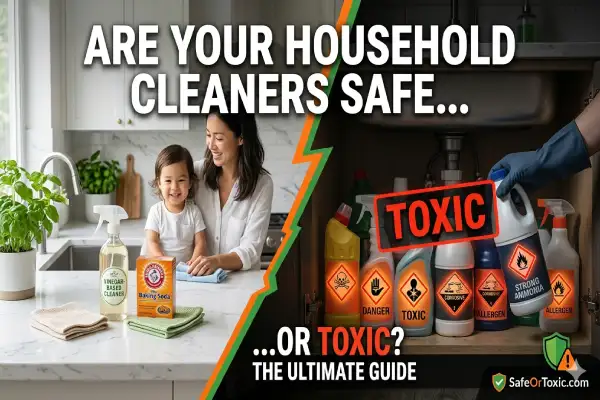
Did you know that nearly 30% of household cleaning accidents happen when people mix common chemicals without knowing the danger? Many think mixing products makes them better, but it often causes harmful reactions. It’s crucial to understand the science behind these substances to keep your home safe.
While some look for ways to make their cleaning stronger, safety should always be the top priority. You might wonder about the best ways to clean outside, like what can I mix with bleach for pressure washing. But, most mixes are not good. Keeping these agents separate is the best way to protect your family from harmful fumes and unstable chemicals.
Key Takeaways
- Combining household cleaners often creates dangerous, invisible chemical reactions.
- Most cleaning agents are designed to work best on their own.
- Adding external substances to chlorine-based products can render them ineffective.
- Always prioritize ventilation and safety gear when handling potent chemicals.
- Consult manufacturer labels to avoid accidental exposure to harmful vapors.
Understanding the Chemistry of Household Cleaners
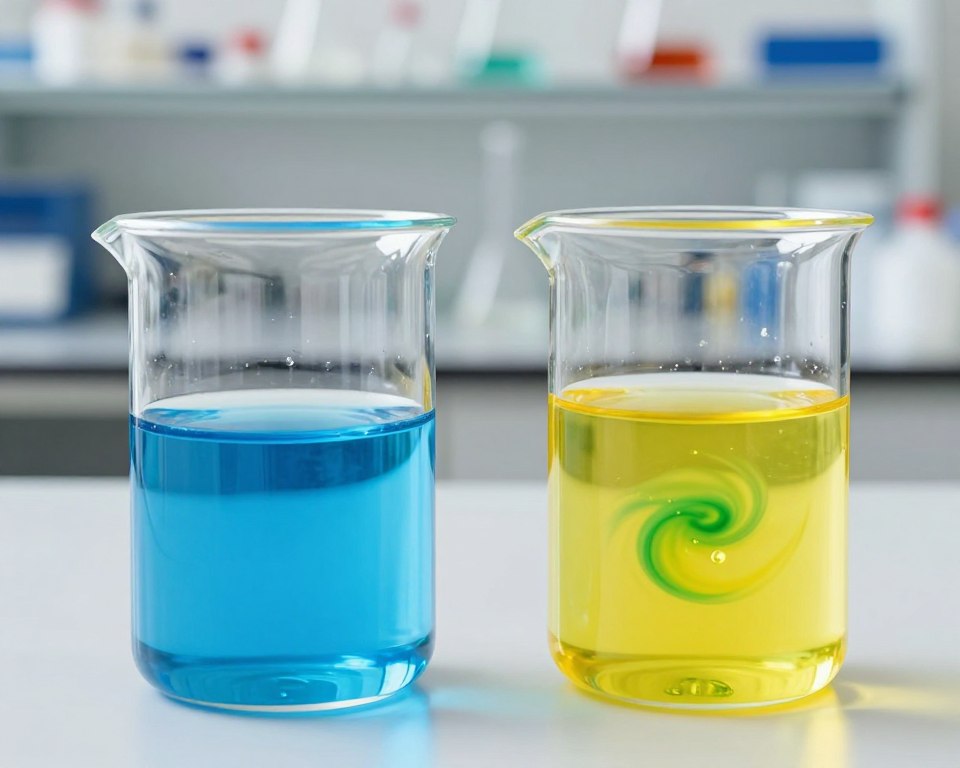
Many people think mixing household cleaners is safe, but chemistry says it’s not. Each cleaner has special ingredients for a specific job. Mixing them without knowing their effects can be dangerous and harm your chemical safety.
It’s important to know that certain household cleaning products shouldn’t be mixed. They work best on their own. Before mixing two cleaners, think about the science behind cleaning.
The Role of Sodium Hypochlorite in Bleach
Chlorine bleach is common because it kills germs well. The key ingredient, sodium hypochlorite, is very effective against mold and mildew.
It’s a strong oxidizer that breaks down stains and germs. But, it can react badly with other substances. Always use bleach alone to avoid problems.
Surfactants and Additives in Dish Soap
Dish soaps have surfactants that make water work better. They help water spread out, so it can clean dishes well.
These ingredients are made for specific jobs, not for mixing with others. Knowing the dangers of mixing cleaning sprays is key to a safe home. Always use cleaners as the maker says to.
What Happens If You Mix Bleach and Dish Soap
Mixing common household items can lead to dangerous chemical reactions. Many think mixing two strong cleaners will clean better. But this is often a dangerous mistake. Knowing what happens if you mix bleach and dish soap is key to keeping your family safe.
The Formation of Chloramines
When you mix chlorine-based bleach with certain dish soaps, it can be very dangerous. Dish soaps often have ammonia or other nitrogen-based compounds. These react badly with sodium hypochlorite, leading to toxic chloramine gases.
These gases are very irritating and can cause immediate discomfort. If you want to know more about the risks, check out bleach mixing dangers. The chemical reaction happens fast and is often hard to see until symptoms start.
Why These Chemicals Should Never Meet
The main reason to avoid mixing these is the unpredictable fumes they produce. A bleach and dish soap chemical reaction can release vapors that are harmful when breathed in. You can learn more about the dangers of inhaling bleach at is bleach toxic when inhaled.
To keep your home safe, follow these simple tips:
- Always store cleaning products in their original containers to avoid confusion.
- Never experiment by mixing different cleaning agents in a bucket or spray bottle.
- Ensure your workspace is well-ventilated whenever you use strong chemicals.
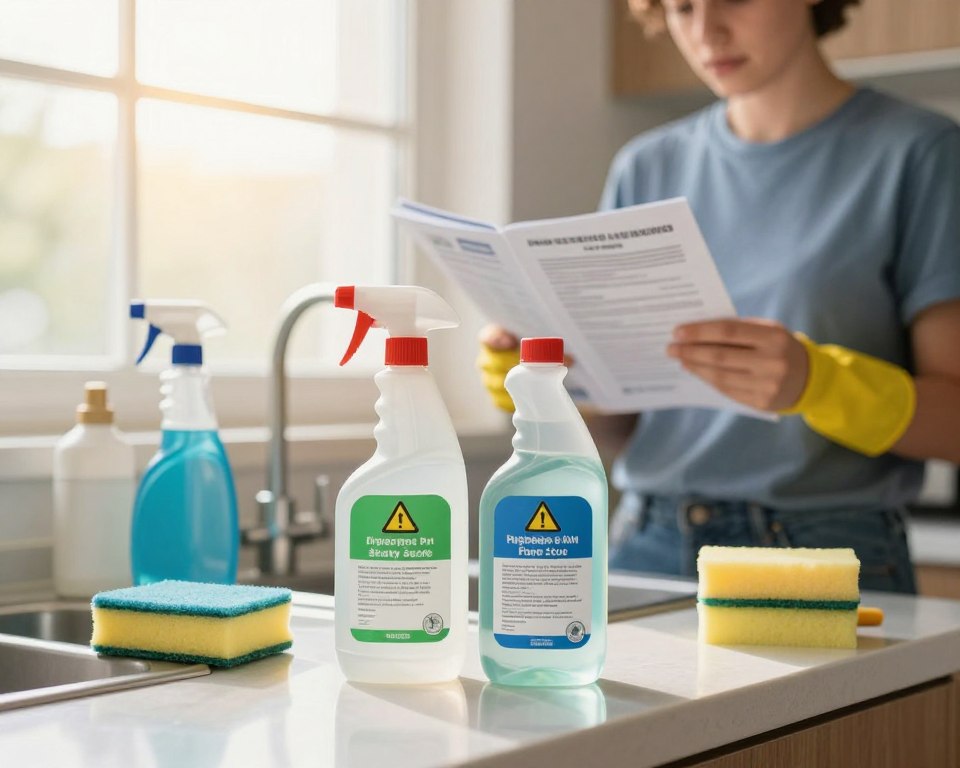
- Read the warning labels on every bottle before you start your cleaning routine.
By keeping these products separate, you ensure your cleaning is both effective and safe. Prevention is always the best strategy when dealing with household chemicals.
The Dangers of Mixing Bleach and Dish Soap
Many people think mixing cleaning agents makes a stronger solution. But, the dangers of mixing bleach and dish soap are real and often overlooked. When these two products combine, they can create harmful gases in your home.
Respiratory Irritation and Damage
The main risk is the release of chloramine gases. These gases can irritate your body. If you breathe them in, you might feel pain in your nose, throat, and lungs right away.
It is vital to understand that these gases can cause serious problems. This includes pneumonia and fluid buildup in the lungs. You can find out more about these dangers by checking the dangers of mixing bleach and dish soap.
Long-term Health Implications
The consequences of combining bleach and dish soap can affect your health for a long time. Even a short exposure to these fumes can make your airways sensitive or irritated. Protecting your long-term well-being means being careful with chemicals in your home.
It’s important to be careful when using cleaning products. Knowing that even a little bit of mixed chemicals can be harmful is key. By learning about the consequences of combining bleach and dish soap, you can keep your family safe from health risks.
Identifying the Chemical Reaction
It’s easy to think that common household products are safe to mix. But, knowing the signs of a bleach and dish soap reaction is crucial. It can prevent a serious health issue.
Visual Indicators of a Dangerous Mixture
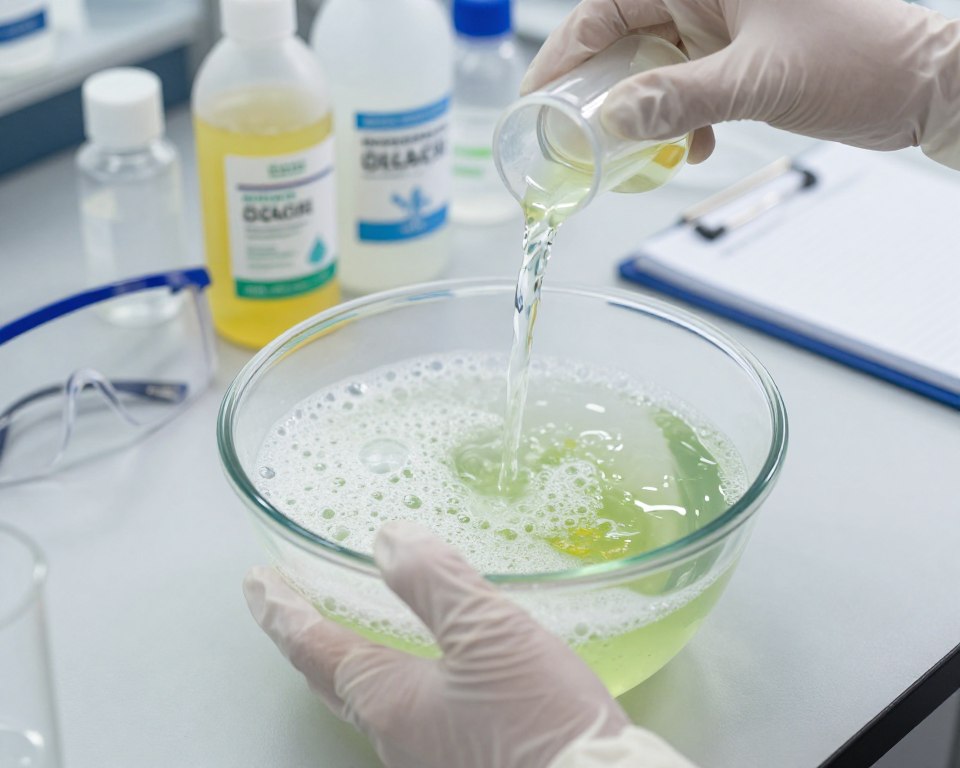
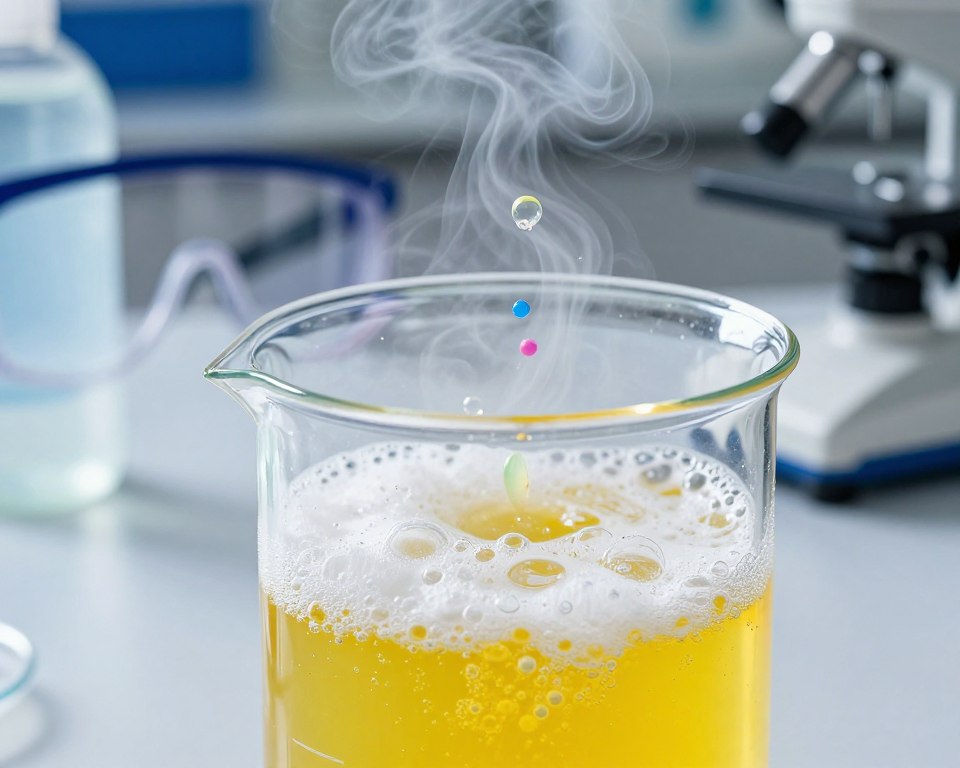
Some dangerous reactions happen at a molecular level. But, watch for any sudden changes in your cleaning bucket. Look out for bubbling, fizzing, or color changes. These signs mean a bleach and dish soap chemical reaction is happening.
Even if the liquid looks fine, it might not be safe. Many harmful gases are colorless and invisible. So, don’t rely just on what you see. Always make sure the area is well-ventilated.
Recognizing Pungent Odors
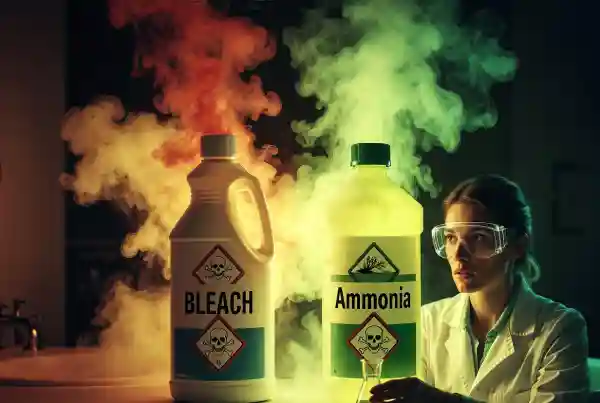
Your sense of smell can warn you of chemical dangers. If you smell a strong, sharp, or bleach-like odor, get out fast. This is crucial if your dish soap reacts badly with bleach, like when mixing bleach and ammonia.
Ammonia has a distinct, stinging smell. If you smell it after mixing products, it might be a bleach and dish soap reaction. If the air feels harsh, get outside for fresh air.
Acting quickly on these signs helps keep you and your family safe. Spotting a bleach and dish soap chemical reaction early is key to avoiding harm.
Immediate Health Risks and Symptoms
If you notice strange reactions while cleaning, you might be dealing with the harmful effects of mixing bleach and dish soap. These substances release toxic gases that can overwhelm your senses quickly. Recognizing these physical warning signs is the first step in protecting yourself and your family from further harm.
Respiratory Distress and Coughing
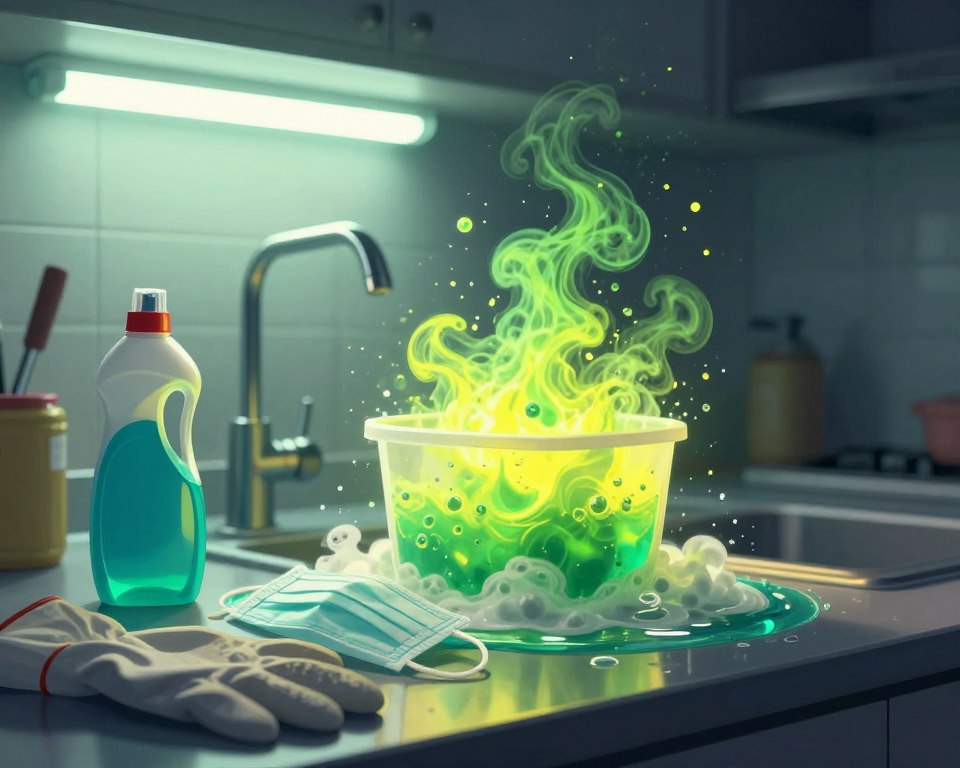
The most common reaction to inhaling these fumes is intense respiratory distress. You may find yourself coughing uncontrollably as your lungs try to expel the irritants. This reaction often happens within seconds of exposure.
Many people also report a sudden feeling of tightness in the chest or significant shortness of breath. If you experience these symptoms, it is vital to move away from the area immediately. Prioritizing fresh air can help reduce the severity of the reaction.
Skin and Eye Irritation
Beyond breathing issues, the consequences of combining bleach and dish soap often manifest as physical irritation. The fumes can cause your eyes to water, sting, or turn red almost instantly. This is your body’s way of signaling that the environment is no longer safe.
Direct contact with the mixture or concentrated vapors can also lead to skin redness or a burning sensation. Protecting your skin and eyes is essential when handling any household chemicals. If you feel any discomfort, wash the affected area with plenty of water and seek medical advice if the irritation persists.
Why Dish Soap Ingredients Matter
Knowing what’s in your dish soap is key to a safe home. Most soaps are gentle, but their complex formulas can act strangely with other things. Understanding these ingredients helps you steer clear of harmful reactions that can harm your air quality.
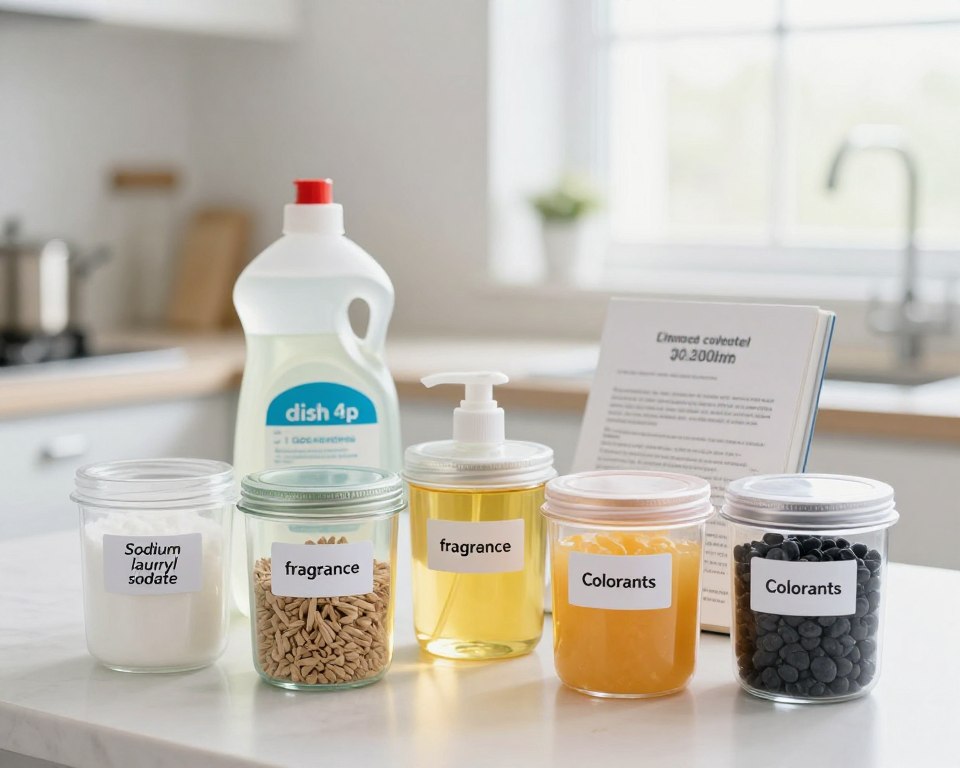
The Impact of Ammonia-based Additives
Many household items, like glass cleaners, have ammonia in them. Even a little bit of ammonia from pet waste can be risky if you mix it with bleach. When bleach and ammonia meet, they create harmful vapors that are bad to breathe.
Always check the labels to make sure you’re not mixing things that shouldn’t be together. If you’re not sure about a cleaner, it’s safer to not mix it with anything else. Keeping your cleaning products apart stops these bad chemical mix-ups.
Fragrances and Their Chemical Interactions
Dish soaps also have special fragrances and additives. These are usually safe for your skin, but they can react strangely with strong cleaners like bleach. The scents in these products might change or break down when they meet harsh chemicals.
This can lead to weird smells or even gases that can irritate you. To keep your home safe, treat each cleaning product as something special. Using just one product at a time helps keep your home a healthy and comfy place for everyone.
Common Household Cleaning Mistakes to Avoid
Many think that using more chemicals makes their home cleaner. But this is a dangerous myth. Combining different cleaning products can be risky for your health.
Mixing Bleach with Vinegar
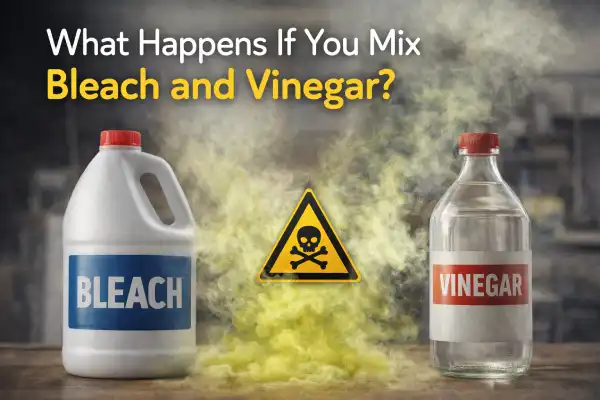
Mixing bleach and vinegar is a big mistake. Both are common cleaners, but they don’t mix well. When you mix them, they release chlorine gas.
Chlorine gas is very harmful to people and pets. It can cause serious breathing problems and eye burns. Always use these cleaners separately and clean surfaces well after each use.
Combining Bleach with Toilet Bowl Cleaners
Toilet bowl cleaners have strong acids to fight tough stains. Adding bleach to these cleaners causes a volatile chemical reaction. This mix creates dangerous fumes that can fill a small bathroom quickly.
It’s important to avoid mixing these cleaners. Never add bleach to your toilet bowl products. Stick to the instructions for each cleaner to stay safe.
| Chemical Combination | Resulting Hazard | Safety Level |
|---|---|---|
| Bleach + Vinegar | Chlorine Gas | Extremely Dangerous |
| Bleach + Acidic Cleaners | Toxic Fumes | Extremely Dangerous |
| Bleach + Ammonia | Chloramine Vapor | Extremely Dangerous |
| Soap + Water | Safe Solution | Safe |
Proper Storage and Handling of Bleach
Where you store your bleach is as crucial as how you use it. Keeping your cleaning supplies in a safe place is a fundamental step in protecting your home. By following simple guidelines, you can make sure your cleaning is both effective and safe.
Keeping Chemicals in Original Containers
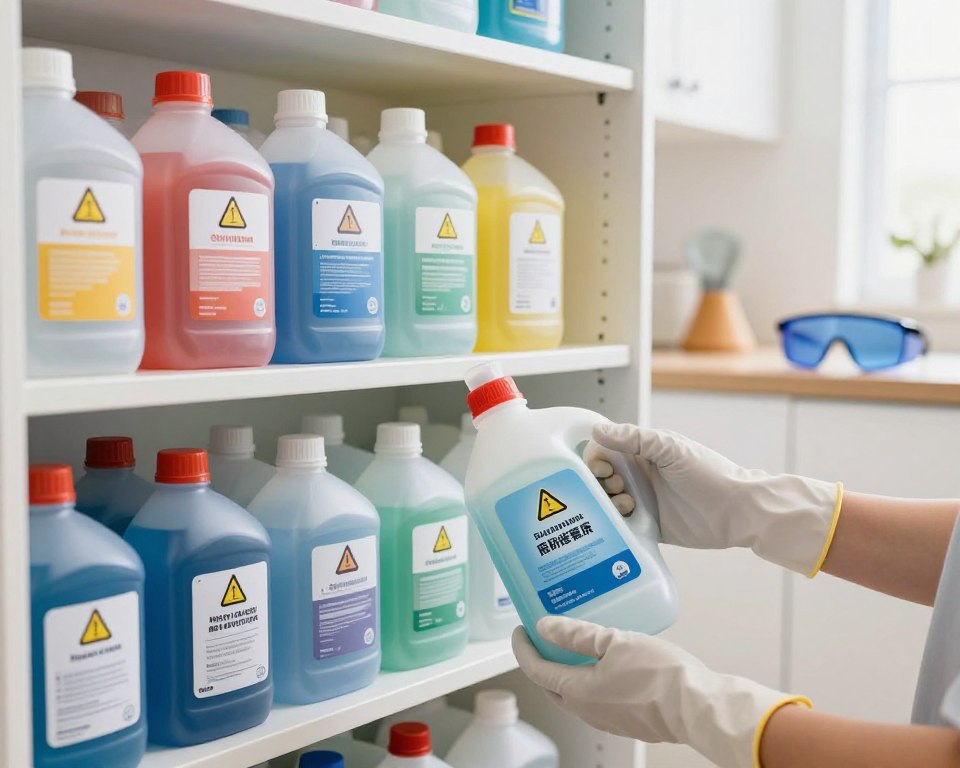
Always store bleach in its original, factory-sealed container. These bottles are made to handle the chemical properties of the liquid. They also have essential safety labels with emergency instructions. Moving bleach to other containers can lead to confusion and accidents.
Keeping products in their original packaging gives you quick access to the manufacturer’s warnings. This is one of the most important mixing bleach and dish soap safety tips. Remember, bleach works best in its original concentrated form and doesn’t need other cleaners to do its job.
Ventilation Requirements During Use
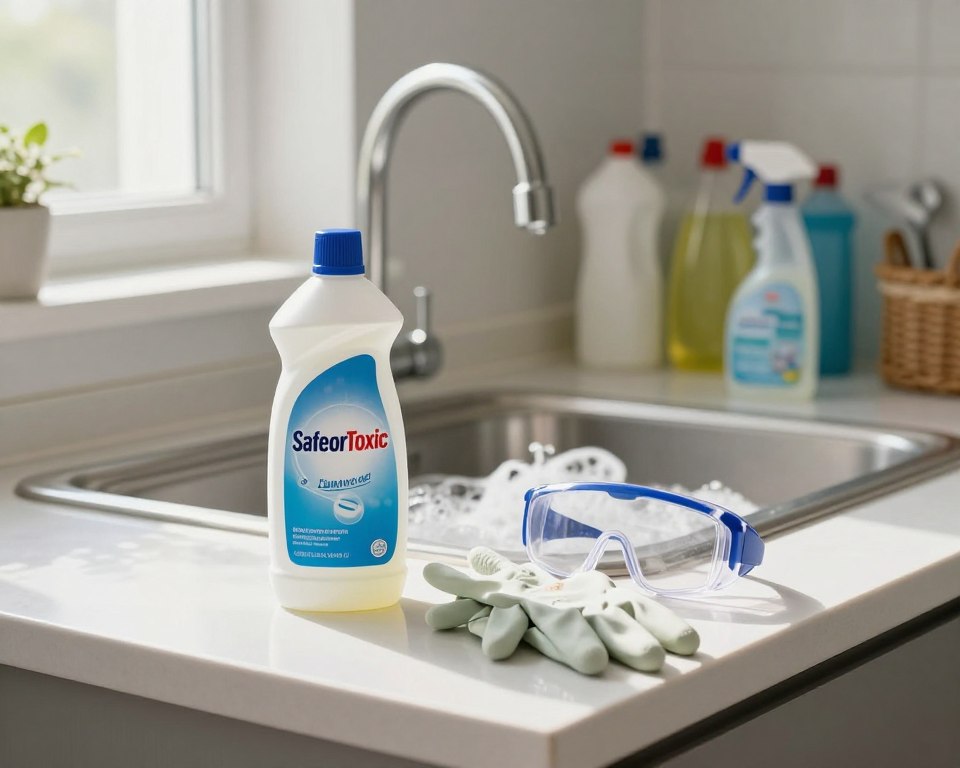
Good airflow is key when working with strong cleaning agents. Before starting, open windows or turn on exhaust fans for fresh air. This helps spread out any fumes that might come up during cleaning.
In small, enclosed spaces like bathrooms, keep the door open and use a fan to push air out. Following these bleach and dish soap mixture precautions lowers the risk of breathing in strong vapors. Always prioritize your respiratory health when cleaning for a safe home.
Safe Alternatives for Effective Cleaning
You can make your living space shine with safer, non-toxic cleaners. Many people use harsh chemicals without knowing natural options work just as well. Choosing these alternatives keeps your home healthy for everyone.
Using Hydrogen Peroxide Safely
Hydrogen peroxide is a versatile and strong disinfectant. It’s a great choice instead of harsh chemicals. It kills bacteria and viruses on hard surfaces. Always check the concentration and follow the manufacturer’s guidelines for safe use.
Keep this solution in its original dark bottle to keep it strong. Light can weaken it, making it less effective. Always handle with care to avoid spills or damage to sensitive materials.
The Benefits of Baking Soda and Vinegar
Baking soda and vinegar are great for cleaning without toxic fumes. Baking soda is good for scrubbing sinks, tubs, and tile grout. Vinegar is a natural deodorizer and grease cutter.
But don’t mix them in a sealed container because it can create pressure. Use them one after the other to clean tough grime. Following these bleach and dish soap mixture precautions keeps your home clean and air quality safe.
| Cleaning Agent | Primary Use | Safety Level | Best For |
|---|---|---|---|
| Hydrogen Peroxide | Disinfecting | High | Countertops |
| Baking Soda | Scrubbing | Very High | Sinks/Tubs |
| White Vinegar | Deodorizing | High | Glass/Floors |
What to Do If You Accidentally Mix Chemicals
If you accidentally mix cleaning agents, act fast. It’s natural to feel scared when you notice a strange smell or reaction. But, staying calm is key to making the right choices. Your main goal is to get away from the area to avoid potentially toxic fumes.
Evacuating the Area Immediately
When you see a chemical reaction, stop and leave the room right away. Don’t try to clean up the spill or fix the mixture yourself. This could make things worse and cause respiratory distress.
Quickly move to a place with clean air, like outside or a different room. Make sure kids and pets are also moved away from the area. After you’re in a safe place, check how you’re feeling. If you have trouble breathing or feel dizzy, get medical help fast.
Ventilating the Space Safely
Once everyone is safe, work on clearing the air in the room. If you can, open windows or doors from outside to let in fresh air. This helps to dilute the hazardous gases. Don’t go back into the room until you’re sure the air is clean.
If the air is hard to clear or the fumes are strong, keep the room closed. Wait for the vapors to go away naturally. It’s always safer to be careful when dealing with chemicals. Here’s a table with the important steps to follow in an emergency.
| Action Step | Priority Level | Goal |
|---|---|---|
| Evacuate the room | Critical | Prevent inhalation |
| Open windows | High | Improve ventilation |
| Monitor symptoms | High | Assess health status |
| Seek medical help | Critical | Ensure safety |
First Aid Measures for Chemical Exposure
Act fast if you accidentally spill chemicals at home. If you see harmful fumes or spills, try to avoid them. Stay calm to think clearly and keep everyone safe.
Rinsing Skin and Eyes
If you touch a harmful mixture, clean it off quickly. Rinse skin or eyes with cool, clean water for 15 minutes. This removes chemicals that could irritate or harm you.
“Prompt irrigation is the most effective way to neutralize the impact of chemical contact on sensitive tissues.”
Not all surfaces clean up the same way. Learn if bleach is safe on skin by checking expert advice. Use a steady, gentle water stream to avoid pushing chemicals deeper.
Moving to Fresh Air
Breathing in toxic gases is dangerous and needs quick action. Move the person to a place with lots of fresh air fast. Getting away from the fumes is key to helping the body recover.
After reaching a safe area, watch the person closely. Look for signs like trouble breathing, coughing, dizziness, or feeling unwell. Wait for medical advice while keeping an eye on these signs.
- The regularity and depth of their breathing.
- Any signs of persistent coughing or wheezing.
- The presence of dizziness or lightheadedness.
- General alertness and responsiveness.
If the person has trouble breathing or seems distressed, call emergency services right away. Your quick action can make a big difference.
When to Seek Professional Medical Help
If you accidentally mix cleaning agents, knowing when to call for help is crucial. Stay calm but act fast if you see any physical changes. Knowing the harmful effects of mixing bleach and dish soap is key to keeping safe.
Recognizing Severe Respiratory Distress
Your lungs are the first to react to toxic fumes. If you have severe respiratory distress, like trouble breathing or chest pain, get medical help right away. Don’t wait for symptoms to get better on their own, as they can get worse fast.
Reactions to household chemicals can happen later. Even if you feel a bit better after getting fresh air, watch your breathing closely. If you’re worried about the harmful effects of mixing bleach and dish soap, it’s better to talk to a pro than guess.
Contacting Poison Control Centers
When unsure about chemical risks, expert advice is just a call away. Dial 1-800-222-1222 for the Poison Control Center. They know how to handle toxic exposures and will tell you what to do next.
Have the product labels ready when you call for accurate info. Remember, mixing common items can be dangerous, like when you mix bleach and vinegar. Always put your safety first and seek medical help if you think you’ve been exposed to harmful fumes.
Educating Your Household on Chemical Safety
Keeping your family safe from accidents needs everyone’s help. When everyone knows the dangers of mixing bleach and dish soap, your home is safer. Talking openly is the best way to stop accidents.
Creating a Safety-First Cleaning Routine
Having a regular cleaning routine helps everyone stay safe. Always tell family members to read product labels before cleaning. This simple step helps them know the dangers and how to use the products right.
Never mix different cleaning products, even if you think it might work. Mixing them can cause harmful reactions. Sticking to these rules keeps your home safe.
Labeling and Organizing Supplies
Keeping things organized is key to safety. Always use original containers for cleaning products. If you move a product, label it clearly with its name and warnings.
Put cleaning supplies where kids and pets can’t get them. Organizing them well lowers the chance of picking the wrong bottle. Following these mixing bleach and dish soap safety tips makes your home a safer place.
Conclusion
Keeping your home clean shouldn’t hurt your health. Mixing things like Clorox bleach and Dawn dish soap can be dangerous. It can harm your breathing.
By being careful with what you mix, you can keep your family safe. Just remember to read labels and keep cleaners in their original packaging. This helps avoid accidents.
Instead of using harsh chemicals, try baking soda or white vinegar for cleaning. They work well and are safer than harmful mixes.
Being smart about cleaning is key to a safe home. Tell your friends and family about the dangers of mixing certain products. A healthy home is built on caution and smart cleaning.
FAQ
What happens if you mix bleach and dish soap accidentally?
Mixing bleach and dish soap can lead to a dangerous chemical reaction. It releases toxic chloramine gases, causing immediate harm like coughing, watery eyes, and shortness of breath.
Are there specific bleach and dish soap safety tips I should follow?
Yes! Always use bleach and dish soap separately. Rinse surfaces well between products and ensure good ventilation with fresh air.
What are the primary consequences of combining bleach and dish soap?
Combining them can cause severe respiratory irritation, lung damage, and skin or eye burns. In poorly ventilated areas, the toxic gas can be life-threatening.
Can I mix Clorox with Dawn dish soap?
No. Avoid mixing Clorox bleach with Dawn or any dish soap. Many soaps react with bleach to form dangerous gases. It’s safer to use them one after the other, with a full rinse in between.
What should I do if I inhale fumes from a bleach and dish soap reaction?
Leave the area immediately to breathe fresh air. If symptoms like chest pain or difficulty breathing persist, call 911 or contact the Poison Control Center at 1-800-222-1222 right away.
What are some bleach and dish soap mixture precautions for deep cleaning?
Keep chemicals in their original containers and read labels carefully. Avoid mixing cleaners and always ensure proper ventilation while using strong disinfectants.