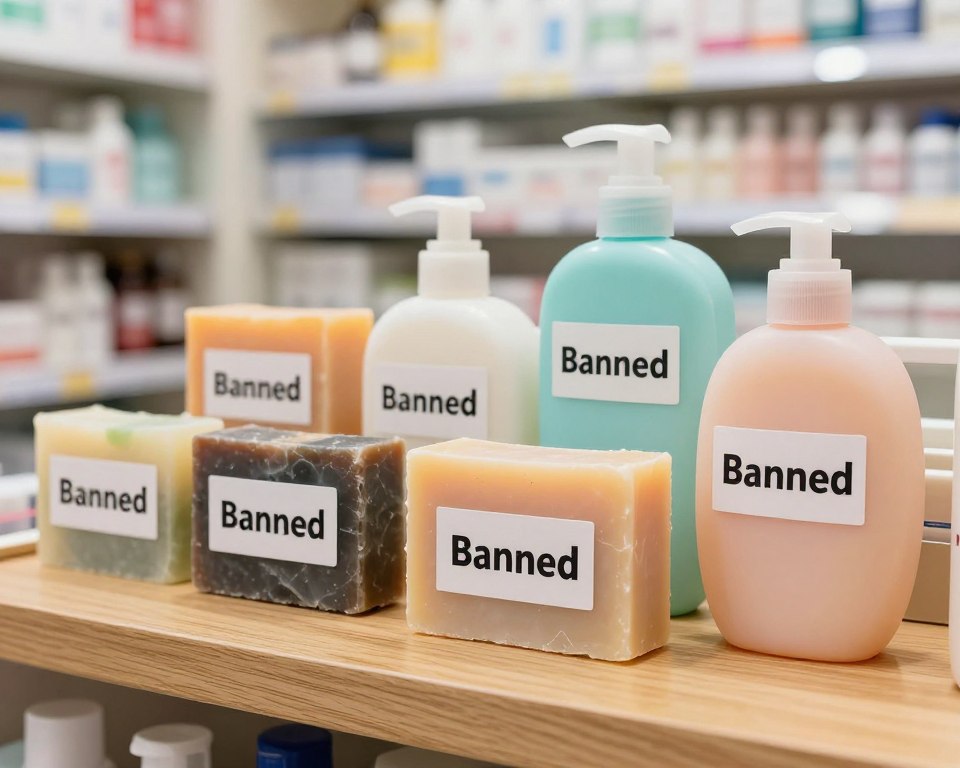
Did you know that approximately 40% of all consumer soaps were impacted by a significant regulatory change in 2016? On September 2, the U.S. Food and Drug Administration (FDA) announced a ban on 19 specific active ingredients, including a widely used antibacterial compound. This decision was not made lightly; it followed years of advocacy from health organizations and a growing body of evidence regarding potential health risks.
Triclosan, a synthetic antibacterial and antifungal agent, was commonly found in many personal care products. However, the FDA concluded that washing with plain soap and water is just as effective for preventing illness. This ban marked a pivotal moment in consumer product regulation, emphasizing the importance of safety and efficacy in the products we use daily.
As consumers, understanding the implications of this ban is crucial. It empowers us to make informed choices about the products we purchase and use in our homes. This guide will delve into the story of triclosan, exploring its history, the reasons behind the ban, and how to identify safer alternatives.
Key Takeaways
- Triclosan was widely used in personal care products until its ban in 2016.
- The FDA’s ruling affected around 40% of the soap market.
- Years of advocacy led to the decision to restrict its use.
- The ban highlights the importance of safety in consumer products.
- Understanding this issue helps consumers make informed choices.
Introduction to Triclosan and Its Common Uses
Triclosan is a widely recognized chemical compound with a complex history in consumer products. It is classified as an antibacterial and antifungal agent, specifically designed to combat harmful microorganisms. The chemical formula for triclosan is 5-chloro-2-(2,4-dichlorophenoxy)phenol. This compound was first patented in 1966 by the Swiss chemical company Ciba.
Initially, triclosan was limited to medical applications. However, by the early 1970s, it began to transition into the consumer market. This shift marked the start of its widespread use in various products.
What is Triclosan?
Triclosan functions primarily as a bactericide, disinfectant, and fungicide. It works by inhibiting fatty acid synthesis in microorganisms, which disrupts their cell membranes, leading to bacterial death. This mechanism of action makes it effective against a range of bacteria and fungi.
Regulatory oversight of triclosan is divided between two federal agencies. The FDA oversees its use in personal care products, while the EPA regulates its incorporation into textiles and plastics. This division of responsibility highlights the compound’s diverse applications.
Common Consumer Products Containing Triclosan
Before regulatory changes, triclosan was found in a wide array of consumer products. These included:
- Liquid hand soaps
- Bar soaps
- Body washes
- Toothpastes, notably Colgate Total
- Deodorants
- Laundry detergents
- Fabric softeners
- Facial tissues
- Antiseptics for wound care
- Medical devices
Additionally, triclocarban, a similar antibacterial compound, was primarily used in bar soaps. Both chemicals were prevalent in many household items, often marketed for their germ-fighting properties.
The journey of triclosan from a hospital antiseptic to a common ingredient in everyday products occurred gradually. Manufacturers added it to various items, from kitchen utensils to children’s toys, often emphasizing its protective qualities against germs.
In summary, understanding the chemical nature and historical prevalence of triclosan is crucial. It sheds light on why the regulatory actions surrounding its use were significant, addressing a compound that had become ubiquitous in American households.
| Product Type | Common Uses | Regulatory Agency |
|---|---|---|
| Hand Soaps | Antibacterial cleansing | FDA |
| Toothpastes | Oral hygiene | FDA |
| Textiles | Antimicrobial properties | EPA |
| Medical Devices | Infection control | FDA |
| Toys | Germ protection claims | EPA |
Regulatory Actions Leading to Triclosan Bans in Soaps
The regulatory landscape surrounding antibacterial agents has evolved significantly over the years. This evolution reflects a growing concern for consumer safety and the effectiveness of these products. In the United States, the Food and Drug Administration (FDA) took significant steps in this direction, culminating in a ban on certain active ingredients.
FDA’s Ban on Triclosan in Consumer Soaps
On September 2, 2016, the FDA announced a ban affecting 19 specific active ingredients, including triclosan and triclocarban. This decision was the result of a lengthy regulatory process that began decades earlier. The FDA first proposed rulemaking for topical antimicrobial drug products in 1974, but it was not finalized until 2016.
In 2013, the FDA required manufacturers to demonstrate that antibacterial soaps were safe and more effective than plain soap and water. Unfortunately, the data provided was inadequate. The FDA concluded that the evidence was insufficient to establish the safety of long-term exposure to these ingredients.
The banned ingredients included various antimicrobial compounds, such as:
- Cloflucarban
- Fluorosalan
- Hexachlorophene
- Hexylresorcinol
- Iodophors
- Iodine complexes
- Nonylphenoxypoly (ethyleneoxy) ethanoliodine
- Poloxamer—iodine complex
- Povidone-iodine (5 to 10 percent)
- Undecoylium chloride iodine complex
- Methylbenzethonium chloride
- Phenol (greater than 1.5 percent)
- Phenol (less than 1.5 percent)
- Secondary amyltricresols
- Sodium oxychlorosene
- Tribromsalan
- Triclocarban
- Triclosan
- Triple dye
International Regulatory Responses
Internationally, the European Union’s European Chemicals Agency (ECHA) found that no safe use could be demonstrated for triclosan in biocidal products. This led to a phase-out for hygienic uses beginning in 2017. The EU had already restricted triclosan in food contact materials since 2010, showcasing a precautionary approach.
Canada also took action, declaring triclosan toxic to the environment in 2012 under the Canadian Environmental Protection Act. This designation triggered processes to limit its use, including potential bans in personal care products.
The Florence Statement on Triclosan and Triclocarban, signed by over 200 scientists and medical professionals, documented the consensus on the hazards of these compounds. It emphasized the lack of demonstrated benefit from their common uses.
Overall, these regulatory actions reflect a significant shift in how health authorities evaluate product safety. As consumers, understanding these changes helps us make informed choices about the products we use.
| Regulatory Body | Action Taken | Year |
|---|---|---|
| FDA | Ban on 19 active ingredients including triclosan | 2016 |
| EU ECHA | Phase-out of triclosan in biocidal products | 2017 |
| Canada | Declared triclosan toxic to the environment | 2012 |
| EU | Restricted triclosan in food contact materials | 2010 |
Understanding Health and Environmental Concerns
As awareness grows about the safety of consumer products, it is essential to examine the health and environmental implications of certain chemicals. The use of antibacterial agents, particularly in everyday items, has raised several concerns. One significant issue is the potential for antibiotic resistance, which can develop when bacteria are exposed to low levels of these chemicals over time.
Antibiotic Resistance and Bacterial Impact
Research indicates that sub-lethal concentrations of certain antibacterial agents can lead to the development of resistance mechanisms in bacteria. This phenomenon, known as cross-resistance, means that bacteria can become resistant not only to the antibacterial agent itself but also to clinically important antibiotics. Laboratory studies have identified resistant strains of Escherichia coli and Salmonella enterica, both of which are significant contributors to foodborne illnesses. This situation raises serious concerns about treatment options for infections.
The European Commission’s Scientific Committee on Consumer Safety (SCCS) highlighted in 2010 that low concentrations of certain chemicals can trigger resistance mechanisms in bacteria. This evidence underscores the importance of careful consideration regarding the use of these agents in consumer products.
Endocrine Disruption and Hormonal Effects
Another critical concern is the potential for endocrine disruption. Some studies suggest that certain antibacterial agents may interfere with hormone regulation in the body. For instance, the chemical structure of these agents is similar to thyroid hormones, which can disrupt normal thyroid function. Animal studies have shown that exposure can significantly suppress total serum thyroxine (T4) concentrations, which are vital for metabolism and development.
Additionally, research from the University of Florida indicates that these agents can disrupt estrogen metabolism in women, potentially affecting reproductive health. Such findings highlight the need for ongoing investigation into the long-term effects of these chemicals on human health.
Environmental Persistence and Bioaccumulation
The environmental impact of these chemicals is also concerning. Studies have shown that they do not degrade easily in wastewater treatment facilities, leading to continuous release into waterways. Once in the environment, these chemicals can bioaccumulate in aquatic organisms, posing risks to ecosystems.
For example, USDA scientists found that these chemicals in biosolids, when used as fertilizer, can be slowly degraded and taken up by crops, such as soybeans. This raises questions about their potential entry into the food supply.
Moreover, a study conducted in 2011 revealed that soap dispensers containing these chemicals in hospitals became contaminated with Pseudomonas aeruginosa, a bacterium resistant to the antibacterial agent. This contamination contributed to healthcare-associated infections, emphasizing the need for safer alternatives.
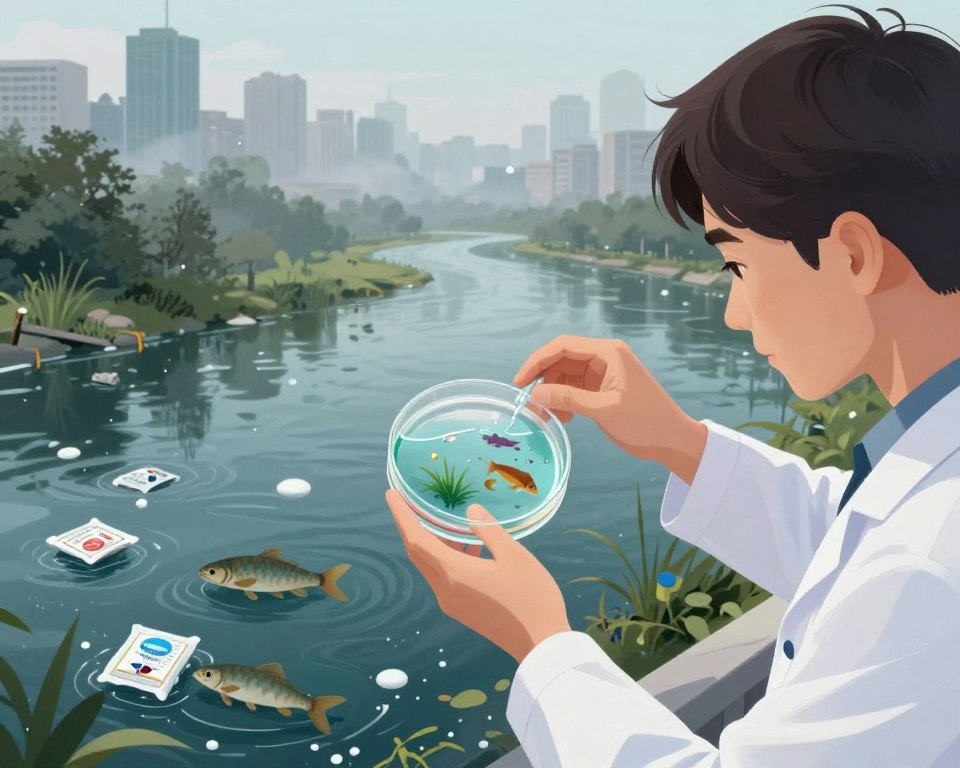
In summary, the health and environmental concerns surrounding the use of certain antibacterial agents are multifaceted. The potential for antibiotic resistance, endocrine disruption, and environmental persistence underscores the importance of informed choices regarding consumer products. For further insights into these issues, consider exploring the FDA’s findings on the matter here.
Evaluating the Efficacy of Triclosan-Containing Antibacterial Soaps
The effectiveness of antibacterial agents in consumer products has been a topic of extensive research. A critical examination reveals how these products compare to traditional methods of hand hygiene, specifically plain soap and water.
Comparison with Plain Soap and Water
The FDA required manufacturers to demonstrate that antibacterial soaps containing triclosan reduced infections more effectively than regular soap and water. Unfortunately, the evidence provided was insufficient to support this claim. The agency concluded that there is no additional benefit from these products compared to their non-antibacterial counterparts.
Plain soap works through a mechanical action. It lowers the surface tension of water, allowing dirt, oils, and microorganisms to be washed away. This process does not require any antimicrobial additives to be effective for everyday handwashing.
Scientific Studies on Effectiveness
Numerous studies have assessed the effectiveness of triclosan-containing products. A pivotal peer-reviewed study stated, “The results of our review call into question the marketing of soaps containing triclosan as a product providing efficacy beyond the use of plain soap in the community setting.” This statement directly challenges the claims made by manufacturers.
Furthermore, the American Medical Association’s Council on Scientific Affairs noted in 2000 that no data existed to support the efficacy of antimicrobial ingredients in consumer products. Despite this, triclosan-containing products remained prevalent for years.
In 2005, the FDA’s Nonprescription Drugs Advisory Committee voted 11-1 that antibacterial soaps were no more effective than regular soap and water in fighting infections. This consensus highlighted the lack of evidence for the marketed benefits of these products.
Additionally, a study from Virginia Tech revealed that triclosan could react with chlorine in tap water, forming chloroform, a probable human carcinogen. This finding raised concerns about the safety of these products, further complicating the discussion around their use.
- The FDA’s requirement was clear: manufacturers needed to show clinical benefits over plain soap and water.
- The data provided was deemed insufficient to demonstrate any additional benefits.
- Scientific consensus has consistently shown that plain soap is effective for everyday handwashing.
- Washing with plain soap and water remains one of the most important steps to avoid illness.
- The potential risks associated with triclosan, including chemical reactions that may produce harmful byproducts, cannot be overlooked.
This evidence empowers consumers to confidently use plain soap and water for everyday handwashing. The simpler, less expensive option is equally effective for preventing illness in community settings.
| Study | Findings | Year |
|---|---|---|
| FDA Review | No additional benefit from antibacterial soaps over plain soap | 2016 |
| AMA Council | No data supporting efficacy of antimicrobial ingredients | 2000 |
| FDA Advisory Committee | Antibacterial soaps no more effective than regular soap | 2005 |
| Virginia Tech Study | Triclosan can form chloroform with chlorine | 2005 |
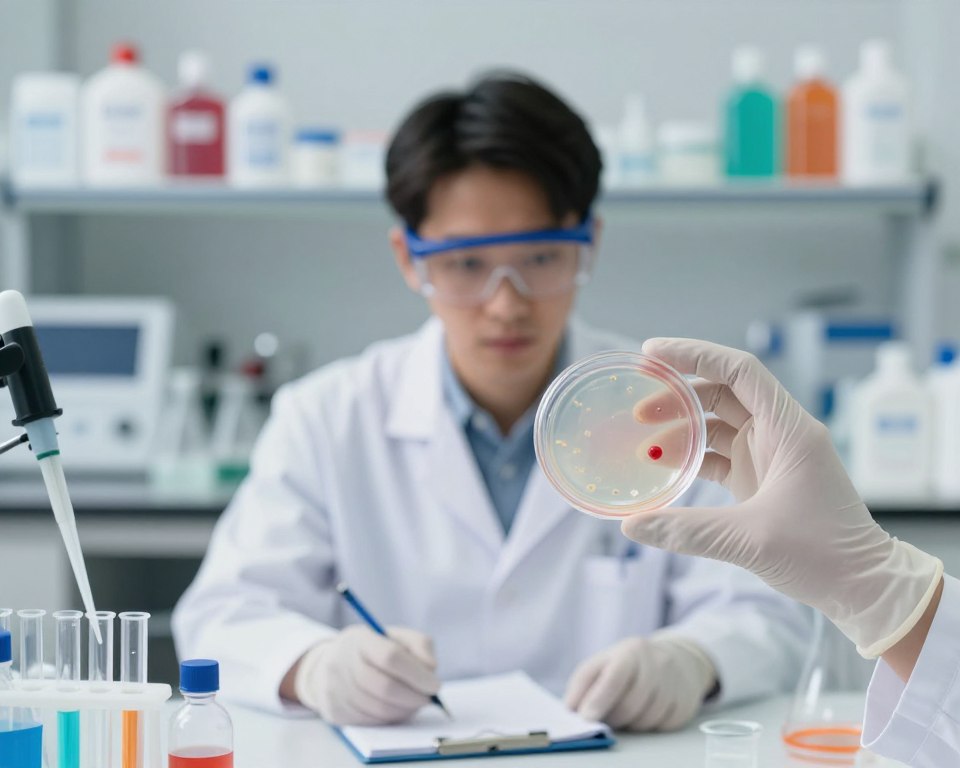
Safe and Effective Alternatives to Triclosan-Containing Products
In light of recent regulatory changes, consumers are increasingly seeking safe and effective alternatives to products that previously contained certain chemicals. With the ban on specific antibacterial agents, it is essential to explore viable options that maintain hygiene without compromising safety.
Several alternative antibacterial agents remain available in consumer products, allowing for continued protection against harmful microorganisms. These alternatives include:
Alternative Antibacterial Agents
The FDA has extended its review period for three key antibacterial agents: benzalkonium chloride, benzethonium chloride, and chloroxylenol. These agents are still permitted in consumer products while manufacturers work to provide the necessary safety and efficacy data.
These alternatives function through different mechanisms compared to traditional antibacterial agents. However, consumers should remain informed about their long-term safety profiles, as these are still under evaluation.
Natural and Chemical-Free Options
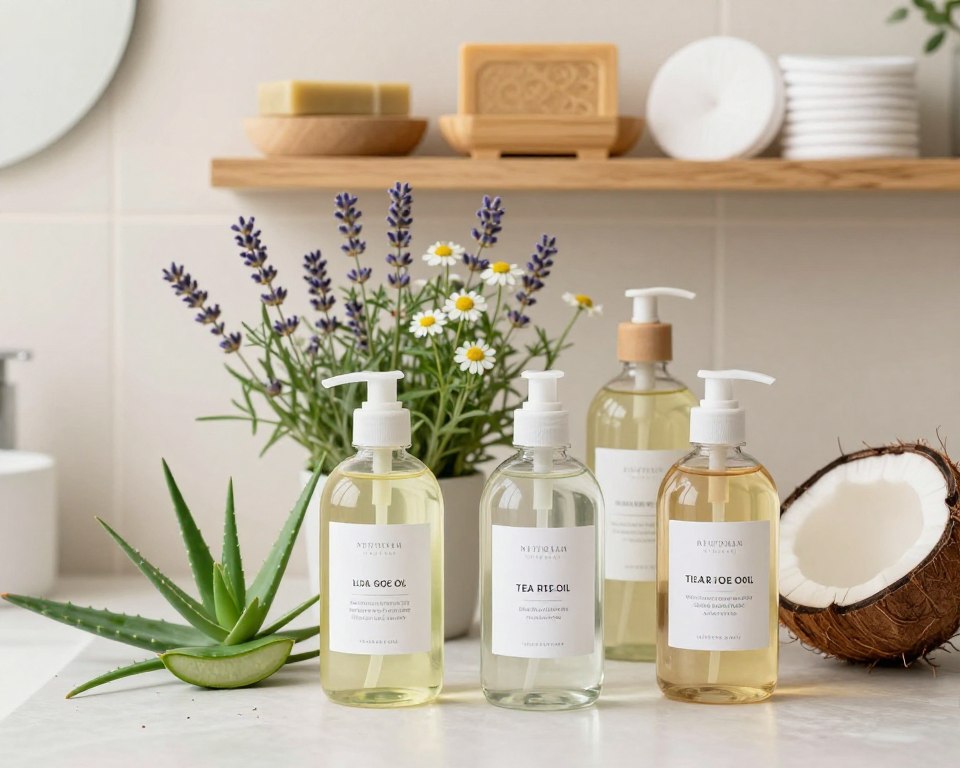
For those seeking more natural solutions, several options are gaining popularity. Natural antimicrobial agents, such as essential oils (like tea tree oil, thyme oil, and oregano oil), organic acids, and plant extracts, are increasingly accepted as alternatives. Their effectiveness can vary based on application and concentration.
Moreover, the most fundamental approach to maintaining hygiene does not require special products at all. Frequent and thorough handwashing with plain soap and warm water remains one of the most effective strategies for preventing infections. The FDA and CDC endorse this practice, recommending lathering for at least 10 to 15 seconds before rinsing.
When cleaning household surfaces, using detergent and water effectively removes contaminants without introducing unnecessary chemicals into the home environment. This method aligns with recommendations from health organizations, which emphasize regular cleaning and handwashing.
Here are some practical tips for consumers:
- Read ingredient labels carefully. Products that previously contained triclosan may now list alternative antimicrobials like benzalkonium chloride or chloroxylenol.
- Wash hands frequently with regular soap, ensuring thorough lathering and rinsing.
- Use alcohol-based hand sanitizers with at least 60% ethanol or isopropanol when soap and water are unavailable.
- Regularly wash food-contact surfaces and children’s hands and toys with detergent and water.
A 2017 dermatology study noted that the shift away from traditional antibacterial agents might lead to increased exposure to alternative compounds. Researchers cautioned about potential increases in allergic and irritant contact dermatitis associated with some replacement chemicals.
In conclusion, the market shift away from certain antibacterial agents has opened doors for innovation in safer antimicrobial technologies. Options such as silver-based systems and biotechnology-derived antimicrobials are emerging, but they too require careful evaluation as they enter the consumer market.
| Alternative Agent | Usage | Regulatory Status |
|---|---|---|
| Benzalkonium Chloride | Antibacterial in various products | Under FDA review |
| Benzethonium Chloride | Used in personal care items | Under FDA review |
| Chloroxylenol | Common in disinfectants | Under FDA review |
| Essential Oils | Natural antimicrobial options | Generally recognized |
How the Triclosan Ban Affects Consumers and Industry
The impact of regulatory changes on consumer products is becoming increasingly evident. The 2016 ban on certain chemicals, including triclosan, has led to significant shifts in the market. Major manufacturers began reformulating their products well before the official ban, responding to growing public pressure and scientific concerns.
For instance, companies like Johnson & Johnson and Procter & Gamble publicly committed to phasing out triclosan from their product lines. Colgate-Palmolive also reformulated its popular liquid soaps to exclude this chemical. These proactive measures highlight how consumer advocacy can influence industry practices.
Additionally, GlaxoSmithKline announced in 2011 that it would remove triclosan from its Aquafresh and Sensodyne toothpastes. This decision reflected market pressure, even in categories where triclosan was still permitted under certain conditions. The state of Minnesota took a significant step in 2013, ordering all state-run agencies to stop purchasing products containing triclosan.
Grassroots movements have also played a role. The University of Texas Student Government unanimously passed a resolution in 2012 to ban triclosan-containing soap on campus. This action preceded federal regulation by several years, showcasing how institutional advocacy can drive change.
Despite the 2016 ban on triclosan in consumer hand soaps and body washes, a 2017 survey found that it remained the second most prevalent antibacterial agent in products listed in the National Drug Code Directory. This indicates ongoing use in non-soap applications, such as toothpaste and healthcare antiseptics.
When navigating store shelves today, consumers should understand that “antibacterial” on a label does not automatically mean a product contains triclosan. The active ingredient could be benzalkonium chloride, chloroxylenol, or another permitted antimicrobial, each with its own safety profile.
When choosing antibacterial products, consumers should look beyond marketing claims. It’s essential to examine the Drug Facts label for the specific active ingredient. Research whether that ingredient has been adequately evaluated for long-term safety in its intended application.
The sudden regulatory changes have created significant supply chain disruptions for affected industries. Manufacturers have scrambled to find alternative antimicrobial agents, and existing inventory has become obsolete overnight. Chemical buyers are facing write-offs and disposal costs for non-compliant materials.
For everyday hand hygiene, the simplest guidance remains: plain soap and water with proper technique provides effective cleaning without exposure to antimicrobial chemicals whose long-term safety profiles may still be under evaluation.
The triclosan case demonstrates how consumer awareness and advocacy, combined with scientific evidence and regulatory action, can reshape product markets. This encourages continued vigilance about ingredient safety in personal care products.
Conclusion
The regulatory actions surrounding antibacterial agents have reshaped the landscape of consumer safety. The FDA’s 2016 ban on triclosan in consumer products was based on substantial evidence highlighting potential health risks without proven benefits. More than 200 scientists endorsed the Florence Statement, which documented these hazards.
Washing with plain soap and water remains one of the most important steps consumers can take to avoid illness. This simple practice requires no specialized products, reinforcing the idea that “antibacterial” does not always mean “better.” Advocacy groups continue to call for broader restrictions on chemicals like triclosan, pushing for a safer future.
As consumers, understanding these changes empowers us to make informed choices about the products we use. The market shift demonstrates that scientific evidence and consumer demand can effectively drive innovation toward safer alternatives. For more information on this topic, consider exploring the findings here.
FAQ
What is Triclosan and why was it banned from some soaps?
Triclosan is an antibacterial agent that was commonly used in various consumer products, including hand soaps. It was banned due to concerns about its safety, potential to contribute to antibiotic resistance, and its environmental impact.
What are common consumer products that contained Triclosan?
Common products included antibacterial soaps, body washes, toothpaste, and some household cleaning products. However, many of these items have been reformulated to exclude this ingredient following regulatory actions.
What regulatory actions led to the ban on Triclosan in soaps?
The U.S. Food and Drug Administration (FDA) banned Triclosan in consumer soaps due to insufficient evidence supporting its effectiveness over regular soap and water. Similar actions were taken by regulatory bodies in the European Union and Canada.
What health concerns are associated with Triclosan?
Health concerns include its potential role in antibiotic resistance, possible endocrine disruption affecting hormonal balance, and environmental issues related to its persistence and bioaccumulation in ecosystems.
How does Triclosan compare to plain soap and water?
Studies indicate that plain soap and water are just as effective, if not more so, at reducing germs and bacteria on hands. This has led to a shift in recommendations towards using regular soap for hand hygiene.
What are some safe and effective alternatives to Triclosan-containing products?
Alternatives include other antibacterial agents like Benzalkonium Chloride and Chloroxylenol, as well as natural options such as essential oils that have antimicrobial properties without the risks associated with Triclosan.
How has the ban on Triclosan affected consumers and the industry?
The ban has prompted significant market changes, leading manufacturers to reformulate products to exclude Triclosan. Consumers are encouraged to choose safer antibacterial options and read labels carefully to ensure product safety.