Did you know that polyvinyl chloride is the third most produced synthetic plastic globally? It’s very versatile for building and everyday items. But, it also has a mixed reputation when it comes to health.
Many experts say PVC is risky at every stage, from making to throwing away. The chemicals added to make it flexible are a big worry.
This article looks closely at PVC to see how it affects your health. We’ll check out its chemical makeup, how you might be exposed, and what laws say about it. Our aim is to help you make informed decisions about what you buy for your home.
Key Takeaways
- Polyvinyl chloride is the third most common plastic manufactured worldwide.
- The material is frequently associated with health concerns throughout its entire lifecycle.
- Chemical additives used for flexibility are a primary focus of safety research.
- Exposure can occur through manufacturing, daily use, and environmental degradation.
- Understanding the science helps consumers choose safer alternatives for their families.
Understanding the Chemical Composition of Polyvinyl Chloride
To understand PVC toxicity, we need to look at what makes up this plastic. Polyvinyl chloride is a man-made material used in many products. It’s known for being strong yet flexible.
The Polymerization Process of Vinyl Chloride Monomer
The making of PVC starts with vinyl chloride monomer. This happens through free-radical polymerization. It’s a step-by-step process that creates long chains of molecules.
This chain structure makes PVC stiff. But, it’s not flexible enough for many uses. So, it’s modified to become the flexible items we use every day. Knowing about these PVC chemicals helps us understand how it reacts in different situations.
“The versatility of polyvinyl chloride is not found in the base polymer alone, but in the sophisticated chemical cocktail added to tailor its performance for specific applications.”
Additives and Plasticizers in PVC Production
Manufacturers add special ingredients to make PVC flexible and strong. Without these, PVC would be too hard to use. Here’s a list of the main things added to PVC during production.
| Additive Type | Primary Function | Impact on Material |
|---|---|---|
| Plasticizers | Increase flexibility | Makes material pliable |
| Heat Stabilizers | Prevent degradation | Enhances thermal resistance |
| Fillers | Reduce costs | Increases density and bulk |
| Pigments | Coloring | Provides aesthetic finish |
These additives are key to making PVC useful. But, they also raise concerns about PVC toxicity. By changing how much of these PVC chemicals are used, makers can create different types of PVC. This ranges from hard pipes to soft medical tubing.
Is PVC Toxic to Human Health
Polyvinyl chloride (PVC) is stable, but additives used in it raise health concerns. The base polymer is safe, but additives make it flexible. These additives can move over time.
Experts look at these mobile compounds when asking is PVC toxic. Knowing how they work helps us understand PVC health risks in our homes.
Exposure Pathways in Residential Environments
In homes, people breathe in and eat plasticizers. As PVC products get older, additives like phthalates leak out. This is called off-gassing and makes these chemicals part of our dust and air.
Children are more at risk because they play on floors and touch their mouths a lot. This means they can eat dust with these chemicals. So, old plastic items in our homes are a big deal for indoor air quality.
Potential Long-term Health Effects of Phthalate Exposure
Phthalates are known as endocrine disruptors. They can mess with our hormones by acting like or blocking them. This is bad because hormones control growth, metabolism, and more. Even a little bit over time can be harmful.
Studies show that long-term exposure to phthalates can affect human development. While it’s hard to say is PVC toxic for sure, experts agree it’s smart to avoid phthalate products. Keeping your home well-ventilated and clean can also help.
The Role of Phthalates and Stabilizers in PVC Safety
To understand PVC chemicals, we must know how it’s made. The safety of a product depends on its use and the additives used during making.
Differentiating Between Rigid and Flexible PVC
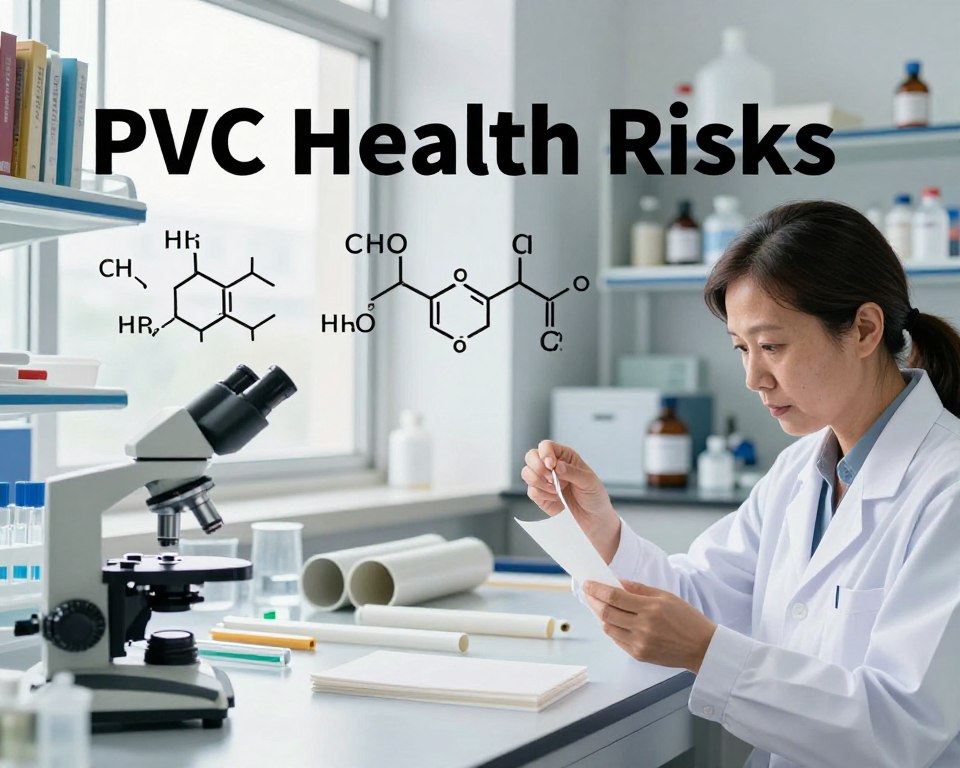
Polyvinyl chloride (PVC) is changed for different uses. Rigid PVC, or uPVC, is used in buildings for pipes, windows, and siding. It doesn’t need many chemicals because it keeps its shape.
Flexible PVC is soft and bendy. It has more plasticizers, like phthalates, to be soft. You find it in:
- Electrical cable insulation
- Medical tubing and blood bags
- Soft films and consumer packaging
- Vinyl flooring and upholstery
Regulatory Standards for Phthalate Content in Consumer Goods
Because of PVC health risks, rules are set to control additives. These rules help keep harmful chemicals low, mainly in kids’ items and places where we’re sensitive.
These rules are key to keeping chemicals safe. You can learn more about PVC safety in this detailed briefing. By following these rules, we reduce exposure to harmful plastics in our homes.
PVC Toxicity and Indoor Air Quality
The air in your home can change due to synthetic materials breaking down slowly. Many items like flooring, wall coverings, and furniture have polyvinyl chloride. Over time, these can lead to PVC toxicity by changing your indoor air.
Off-gassing of Volatile Organic Compounds
As these materials get older, they release chemicals into the air. This is called off-gassing. These chemicals, like plasticizers, are often VOCs.
These chemicals keep coming out, but slowly. Even though the amounts are small, being in a room without fresh air for a long time can build up these chemicals. Checking your indoor air quality is a good idea if you’re worried about these chemicals.
Impact of Temperature and Humidity on PVC Degradation
How fast materials break down depends on the environment. Heat and moisture make it happen faster. When PVC gets hot, it starts to break down and release chemicals.
It’s worth noting that PVC starts to break down visibly at 135°C. But, even in homes, heat from things like ovens can still affect materials. Several things can make this breakdown happen faster:
- Ambient Temperature: Warmer rooms make plasticizers move more.
- Relative Humidity: Moisture helps break down some plastic stabilizers.
- UV Exposure: Sunlight adds energy that changes chemicals, increasing PVC toxicity risks.
By controlling these factors, you can slow down material breakdown. Keeping your home’s environment stable helps keep your items in good shape and improves the air quality.
Environmental Impact and Lifecycle Concerns
Looking at PVC’s environmental footprint means examining its whole journey. It’s made with energy and uses chlorine-based chemistry, making waste management hard. This makes the PVC Environmental Impact a big topic in science.
Dioxin Formation During Manufacturing and Disposal
The lifecycle of PVC raises big concerns about toxic byproducts. Burning waste with PVC in it releases dioxins, harmful chemicals. These chemicals stay in the food chain, harming wildlife and people.
Studies on chemical stability show why safe disposal is key. Burning materials at low temperatures can release dangerous pollutants. Learn more about chemical exposures and their effects on health at this link.
Persistence of PVC in Landfills and Ecosystems
PVC also stays in landfills for a long time. It doesn’t break down easily, turning into microplastics that get into soil and water. These microplastics can harm local ecosystems.
These small plastics can carry harmful additives into the environment. This can hurt soil health and pose risks to aquatic life. We need better waste management and alternatives to PVC to solve these problems.
| Environmental Factor | PVC Characteristics | Potential Risk |
|---|---|---|
| Incineration | High chlorine content | Dioxin release |
| Landfill Life | Decades of persistence | Microplastic formation |
| Ecosystem Impact | Chemical leaching | Soil and water contamination |
Veterinary Perspectives on PVC Exposure
As a vet, I often see pets eating plastic, worrying about chemical harm. Pets love to chew on things, which can be bad. They might get stuck or eat harmful chemicals.
Risks to Household Pets from Chewing PVC Products
Pets eating plastic can get bits with phthalates and other chemicals. Studies show PVC can harm human lungs, and pets might face similar risks. Long-term exposure can cause big health problems, as studies on plastic effects show.
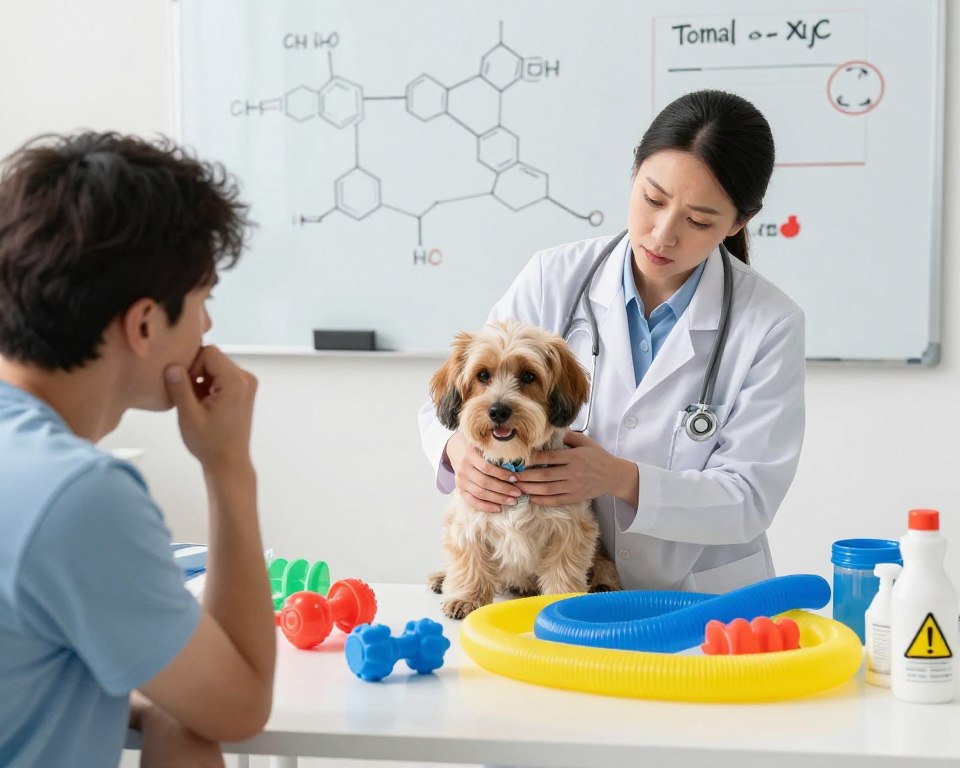
Image Disclosure Regarding Veterinary Educational Content
Some images here are AI-made for learning. They help show vet ideas but don’t replace a vet’s check-up.
Understanding AI-Generated Veterinary Illustrations
AI pictures help show hard-to-see vet cases. They help explain PVC toxicity but are not real photos. They aim to make learning easier, not replace real medical proof.
Limitations of Visual Diagnostics in Veterinary Care
Visual checks, AI or photos, have limits in vet work. To really know if a pet has PVC toxicity, a vet must do tests. Just looking can miss important health issues.
Occupational Hazards in the PVC Manufacturing Industry
The PVC production process has its own set of challenges for workers. The chemicals used in making PVC can be dangerous. But, thanks to modern safety measures, workers are protected.
Vinyl Chloride Monomer Exposure Risks for Workers
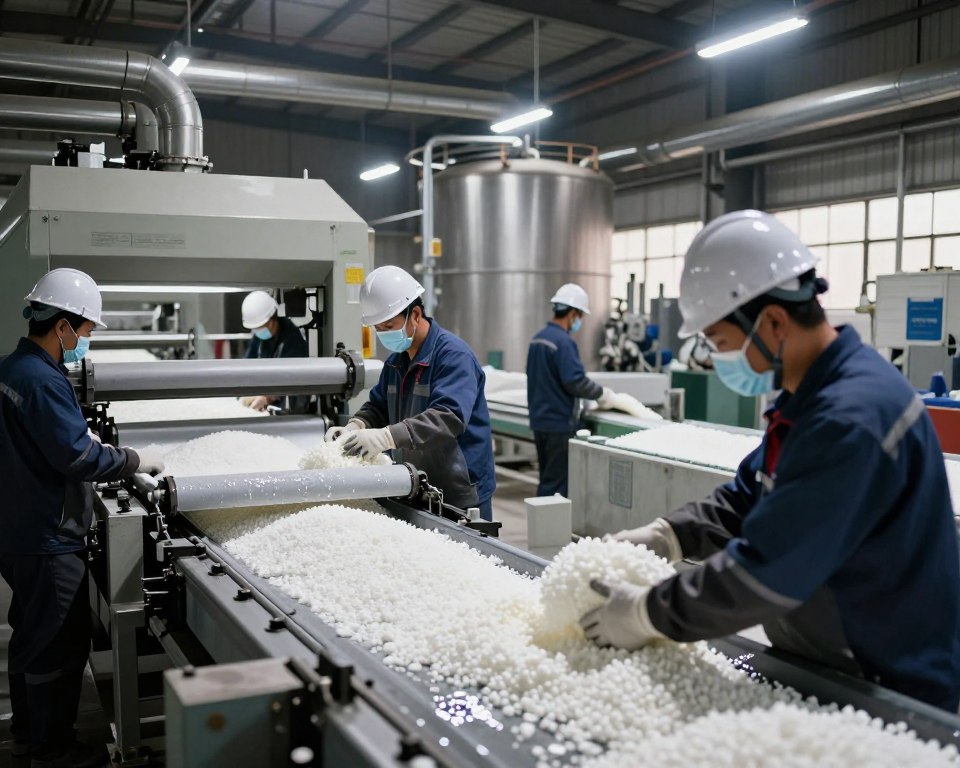
Vinyl chloride monomer (VCM) is key to making PVC. But, it’s also a potent carcinogen. Workers handling VCM face risks if safety systems fail.
Long-term exposure to VCM can cause serious health problems. These include liver damage and certain cancers. Since VCM is colorless and odorless at low levels, it’s a hidden danger. So, factories focus on keeping it out of the air.
Safety Protocols and Protective Equipment Standards
Factories use strict safety rules to protect workers. They have systems to keep chemicals away from people. This is the first step in keeping workers safe.
Workers in risky areas must follow certain rules:
- Continuous air quality monitoring to detect leaks in real-time.
- Mandatory use of respiratory protection equipment in designated zones.
- Strict adherence to decontamination procedures before leaving the production area.
- Regular medical surveillance programs to track the long-term health of employees.
These steps help factories meet safety standards. By focusing on proactive risk management, companies keep their workers safe and production going.
Comparing PVC to Alternative Materials
To lessen the PVC environmental impact, we must look at other materials. Industries are moving away from chlorine-based polymers. This change helps make products safer for people and the planet.
Polyethylene and Polypropylene as Safer Alternatives
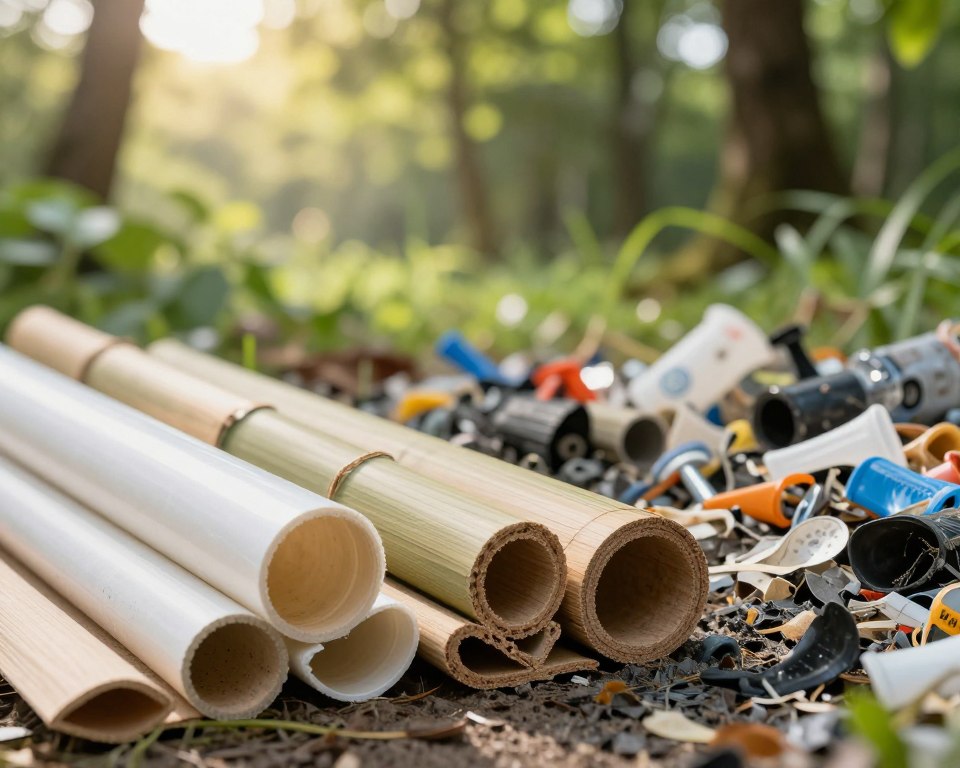
Polyethylene and polypropylene are better choices because they don’t have harmful additives. They don’t need phthalates for flexibility, which reduces chemical risks. People often pick these safer options, like looking into if laundry sheets are safer than liquid detergents.
These plastics are chemically stable and don’t release harmful gases. They avoid the complex stabilizers in vinyl, making them cleaner. This change helps lessen the PVC environmental impact.
Evaluating the Sustainability of Bio-based Plastics
The industry is also looking at bio-based plastics from renewable sources like corn or sugarcane. These aim to use less fossil fuels while meeting consumer needs. But, their sustainability depends on how they’re made and disposed of.
Looking at their whole life cycle is key. Bio-based plastics are exciting, but they must be managed well to avoid new environmental problems. Here’s a comparison of these materials.
| Material Type | Chlorine Content | Common Additives | Sustainability Potential |
|---|---|---|---|
| PVC | High | Phthalates/Stabilizers | Low |
| Polyethylene | None | Minimal | Moderate |
| Polypropylene | None | Minimal | Moderate |
| Bio-based Plastics | None | Variable | High |
Choosing the right material is about balancing performance and safety. By picking alternatives that reduce the PVC environmental impact, we can create a greener future.
Regulatory Landscape and Global Safety Bans
International policies are focusing more on PVC harmful effects in products. As we learn more about chemicals, governments are getting stricter. They want to lower the risk of health problems from synthetic additives.
Restrictions on PVC in Children’s Toys and Medical Devices
Agencies are removing harmful plasticizers from items for kids and medical use. Toys, often mouthed, have strict phthalate limits. This is to stop kids from getting chemicals from plastic.
The medical field is also changing. Clinical safety standards now push for safer materials in medical items. This is to avoid toxic chemicals in critical care.
The Evolution of International Chemical Safety Policies
The European Chemicals Agency (ECHA) says PVC needs better control. This has led to calls for a full review of its use and disposal. These efforts are part of a Restriction Roadmap to remove harmful substances in the EU.
Global policies are getting better at handling chemical risks. By setting common testing rules, they aim for safer products worldwide. Here’s how different areas are tackling these issues.
| Region | Primary Focus | Regulatory Status |
|---|---|---|
| European Union | Phthalate Phase-out | Strict/Active |
| United States | Consumer Product Safety | Moderate/Targeted |
| International | Chemical Lifecycle | Developing |
The main goal is to lessen PVC harmful effects by using safer additives. As rules get stronger, companies are switching to better materials. This is a big step in keeping people safe worldwide.
Managing PVC Exposure in the Home
Knowing what materials are in your home is key to handling PVC safety concerns. Modern homes use a lot of synthetic materials. By understanding what’s in your home, you can make it safer.
Identifying PVC Products in Your Living Space
Polyvinyl chloride, or PVC, is everywhere in our homes. Knowing where it is helps you control your exposure.
- Flooring: Vinyl sheet floors and luxury vinyl tiles use plasticizers for flexibility.
- Shower Curtains: Vinyl curtains can release chemicals in warm, humid places.
- Placemats and Tablecloths: Vinyl coatings are common in kitchen surfaces.
- Children’s Toys: Some toys have phthalates for softness, but rules have changed a lot lately.
Practical Steps to Reduce Exposure to Plasticizers
You don’t need to redo your whole house to reduce exposure. Simple habits can greatly improve your PVC safety concerns and air quality.
“The most effective way to improve indoor air quality is to increase ventilation and reduce the accumulation of dust, which often acts as a carrier for semi-volatile organic compounds.”
Here are some ways to make your home safer:
- Improve Ventilation: Open windows often to let in fresh air, after using new vinyl products.
- Dust Frequently: Vacuum with a HEPA filter to catch dust with plasticizers.
- Choose Alternatives: Pick cotton, glass, or natural linoleum instead of vinyl for curtains and floors.
- Wash Hands: Make sure everyone washes their hands before eating to remove dust and residues.
By making these small changes, you can tackle PVC safety concerns and keep your home comfortable. Paying attention to what you bring into your home is the best way to stay healthy and worry-free.
The Science of PVC Degradation Over Time
The physical properties of Polyvinyl chloride change as it ages. People often think of PVC as a permanent part of homes. But, it changes when exposed to environmental stressors. Understanding how PVC changes over time is key to addressing PVC Safety Concerns.
How Sunlight and Heat Accelerate Chemical Leaching
Sunlight and heat break down plastic polymers. Ultraviolet radiation causes photolysis, breaking chemical bonds. This leads to yellowing and the release of hydrogen chloride gas.
Heat also makes plasticizers move out of the material. As these additives leave, the material loses its flexibility and strength. This is a big reason for PVC Safety Concerns in homes.
Signs of Material Breakdown in Older PVC Items
It’s important to spot when plastic has degraded. Look for a sticky or tacky surface, which means plasticizers are escaping. You might also see cracking, brittleness, or a chemical smell.
Items that have been around for a while often show these signs. When a product looks or smells different, it’s likely the chemicals have changed. The table below shows how different factors affect PVC degradation.
| Environmental Factor | Primary Chemical Effect | Physical Symptom |
|---|---|---|
| UV Radiation | Photolysis | Yellowing and surface cracks |
| High Heat | Plasticizer migration | Tacky or sticky texture |
| Humidity | Hydrolysis | Loss of structural rigidity |
| Oxidation | Polymer chain scission | Increased brittleness |
Watching for these changes helps keep your home safe from PVC Safety Concerns. Replacing worn-out items is a good way to reduce chemical exposure.
Advancements in PVC Recycling and Waste Management
To tackle the PVC environmental impact, we need new recycling methods. PVC’s complex makeup makes it hard to process in standard systems. People worry about the safety of household items, like the toxicity of cleaning products and the life cycle of plastics.
Challenges in Mechanical and Chemical Recycling
PVC recycling is tough because of its additives. These additives mess up the sorting and processing of other plastics. This makes the recycled material not good enough for many uses.
So, a lot of PVC goes to landfills or incinerators. This hurts the environment a lot.
Chemical recycling might solve this problem. It breaks down PVC into its basic parts. But, it uses a lot of energy and is expensive to do on a big scale. Scientists are trying to make this process better and safer.
Innovations in Sustainable PVC Alternatives
The industry is moving towards greener options. New plasticizers and polymers are being made. They are as strong as PVC but better for the planet.
These next-generation materials work better with recycling systems. Using them helps reduce the PVC environmental impact.
Choosing these alternatives is crucial. It helps create a more circular economy. This is key for better waste management and protecting our environment from plastic pollution.
Conclusion
Polyvinyl chloride is everywhere in our lives because it’s versatile and cheap to make. We need to weigh its benefits against the risks of chemicals used in it.
By choosing safer options, we can change the market. Opting for polyethylene or bio-based products helps. This pushes companies to use cleaner, safer materials.
Knowing what’s in our products is key to staying safe. Making small changes in what we buy can make a big difference. It helps keep our homes and pets healthy.
Pushing for better rules on chemicals is important. Supporting groups that fight for openness helps keep us safe. By picking safer products, we help create a better world.
FAQ
Is PVC toxic to human health in everyday residential settings?
PVC itself is stable, but the additives used in making it can be toxic. These additives, like phthalates, make PVC flexible but can leak out. This can lead to health problems, such as endocrine issues and breathing difficulties, in homes with poor air.
What are the most significant PVC health risks for children?
Kids are more at risk from PVC because they put things in their mouths and are still growing. The CPSC has banned some phthalates in toys. These chemicals can harm hormone development, leading to reproductive and growth problems.
How does PVC environmental impact affect the ecosystem over time?
PVC’s impact is huge from start to finish. It can release toxic dioxins during production or fires. In landfills, it breaks down into microplastics that harm soil and water, threatening wildlife and the food chain.
Are there specific PVC safety concerns regarding indoor air quality?
Yes. Vinyl products, like flooring and wall coverings, release harmful VOCs. This is worse in hot or humid conditions, making the air even more toxic.
What are the common PVC chemicals used as stabilizers and plasticizers?
PVC often contains phthalates for flexibility and organotin or lead to prevent it from degrading. Some brands are now using safer alternatives, but older products may still have these harmful chemicals.
Can PVC be recycled effectively to reduce its impact?
Recycling PVC is hard because of its chlorine content and additives. Mixing it with other plastics can ruin the batch. So, much PVC waste ends up in landfills or incinerators, showing the challenge of managing PVC waste.
As a pet owner, should I be worried about PVC toxicity in toys?
As a vet, I say be careful. Pets, like dogs, can get sick from chewing on PVC toys. They can also choke on pieces. It’s better to choose toys made from natural rubber or labeled “PVC-free.”
What are the safest alternatives to PVC for home construction and consumer goods?
Safer options include polypropylene (PP), polyethylene (PE), and bio-based plastics. They don’t use harmful chemicals or phthalates. Brands like Gerflor offer PVC-free flooring that’s durable and safe.
How do I identify if a product contains PVC?
Look for the Resin Identification Code #3 or the letters “V” or “PVC” on labels. Common items include shower curtains, vinyl siding, and some food packaging. Checking these labels helps reduce your family’s exposure to PVC chemicals.
Does heat increase the PVC harmful effects in my kitchen or bathroom?
Yes, heat makes PVC more toxic. Heat weakens PVC’s chemical bonds, causing more chemicals to leak out. This is a big concern in kitchens and bathrooms where things get hot.