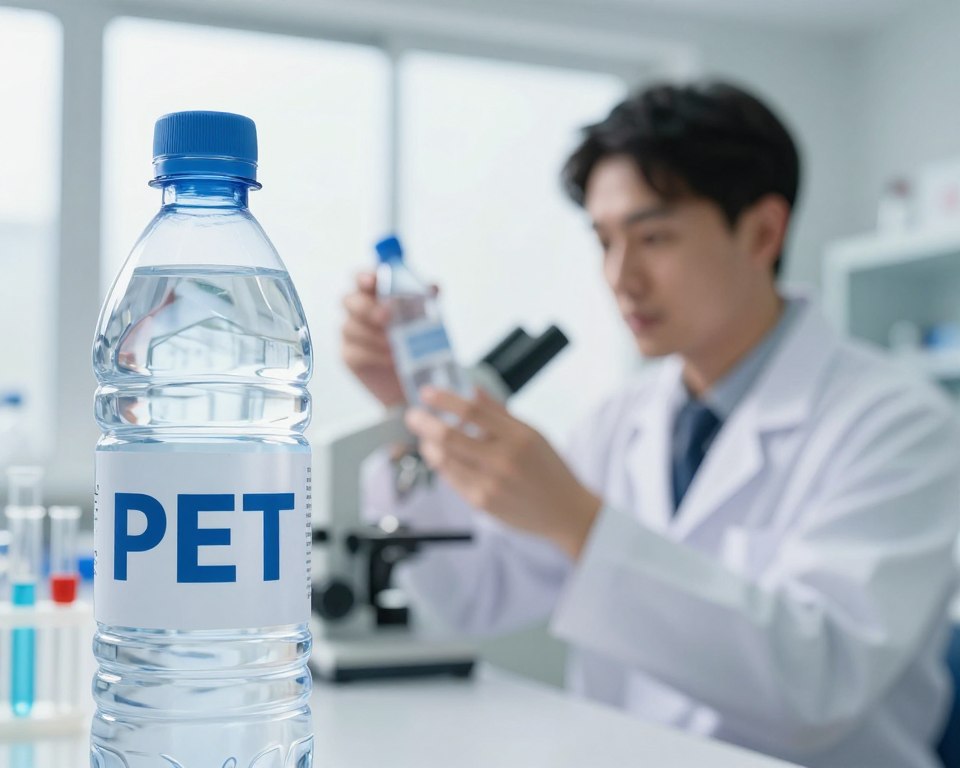
Every year, the world makes almost 100 million metric tons of polyethylene terephthalate. This huge amount makes it very common in our homes. You can find it in water bottles and food containers.
As a pharmacist, I get asked a lot about the health risks of these items. People are concerned about chemicals leaking and long-term effects. Understanding the science behind these plastics is key to making good choices for your family.
We need to separate lab worries from real-life use. This look at the rules and chemical makeup helps us see if it’s safe.
Key Takeaways
- Global production of this material reaches 100 million metric tons annually.
- Pharmacists evaluate both chemical composition and real-world exposure levels.
- Regulatory agencies set strict limits to ensure consumer protection.
- Distinguishing between laboratory findings and actual health risks is vital.
- Evidence-based guidance helps consumers navigate common health concerns.
Understanding the Chemical Composition of PET Plastic
To understand the safety of common containers, we need to look at the material’s molecular structure. Understanding PET plastic safety means examining the basic building blocks of this versatile material.
What is Polyethylene Terephthalate
Polyethylene terephthalate, or PET, is a thermoplastic polymer resin in the polyester family. It’s known for its strength and clarity. These traits make it a top choice for packaging drinks, food, and personal care items.
PET is made of long chains of molecules. This design gives it the strength to handle stress while being light enough for easy transport. Since it’s a thermoplastic, it can be melted and reshaped many times, making it recyclable.
The Polymerization Process and Additives
Making PET involves a complex chemical reaction called polymerization. Manufacturers use specific catalysts to make this process efficient. Antimony trioxide is the most common catalyst, and it’s often studied for its presence in products.
Additives are crucial for creating strong, high-quality products. But they’re chemically bound in the plastic. Rigorous manufacturing standards ensure these components stay locked in the plastic. Here’s a table showing why PET is a reliable packaging material.
| Property | Technical Characteristic | Benefit to Consumer |
|---|---|---|
| Density | 1.38 g/cm³ | Lightweight handling |
| Clarity | High transparency | Visual product inspection |
| Thermal Stability | Glass transition ~70°C | Maintains shape at room temp |
| Chemical Resistance | High barrier to oxygen | Preserves product freshness |
By understanding PET plastic safety through its chemical synthesis, we see why it’s made for stability. The polymerization process creates a strong structure that keeps internal components from migrating under normal use.
Is PET Plastic Safe for Daily Use
Looking into the risks of using PET plastic means understanding its limits. This material is everywhere in food and drink packaging. But, its safety depends on how it’s handled and stored. Most say it’s safe under normal conditions.
But, is PET plastic safe for long-term use? The answer depends on how it reacts to stressors. By following guidelines, homes can reduce chemical exposure.
Analyzing Leaching Potential in Consumer Products
Leaching happens when plastic chemicals mix with what’s inside. For PET, the big worry is antimony, used in making it. Studies show that at room temperature, these chemicals don’t migrate much.
The risks of using PET plastic are low for its usual use. To stay safe, remember a few things:
- Don’t keep acidic liquids in PET for too long.
- Watch for signs of damage, like scratches or cloudiness.
- Use containers once and then throw them away.
Temperature Sensitivity and Chemical Stability
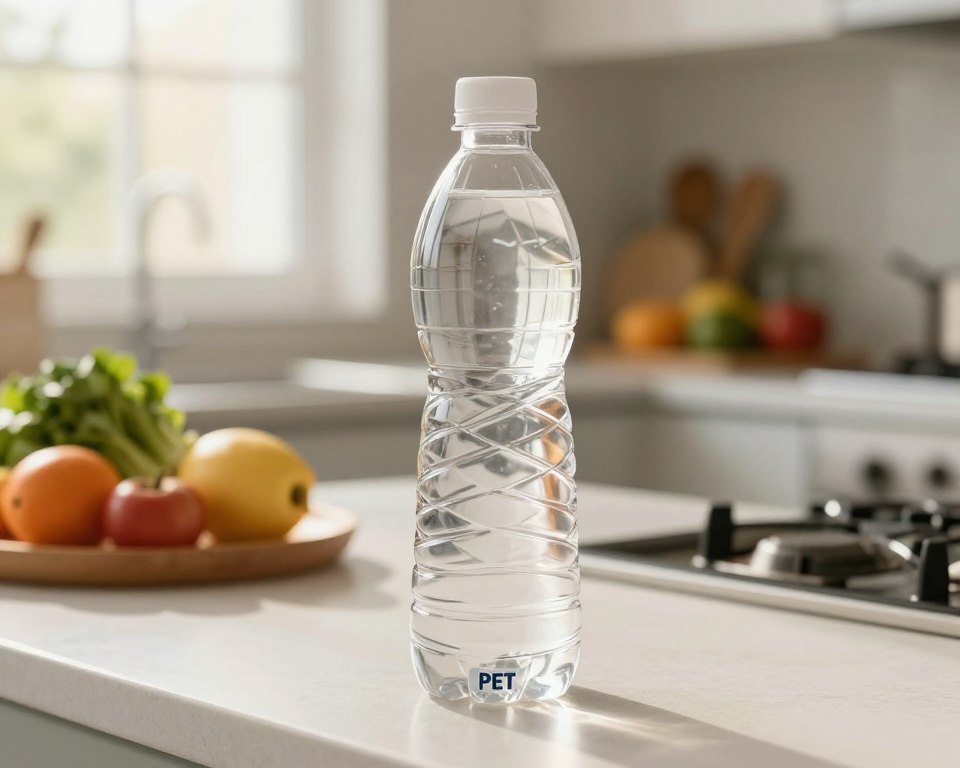
How PET plastic reacts to heat is key. It softens and deforms at about 70°C (158°F). This is when it starts to lose its shape.
At this temperature, the plastic’s molecules open up. This lets chemicals move from the plastic into food or drinks faster. So, don’t microwave PET or leave it in a hot car.
To keep chemical stability, avoid direct heat. Wondering is PET plastic safe for daily use? Treat it like a temperature-sensitive material. Avoiding extreme heat keeps it safe for your home.
Regulatory Standards and Safety Certifications
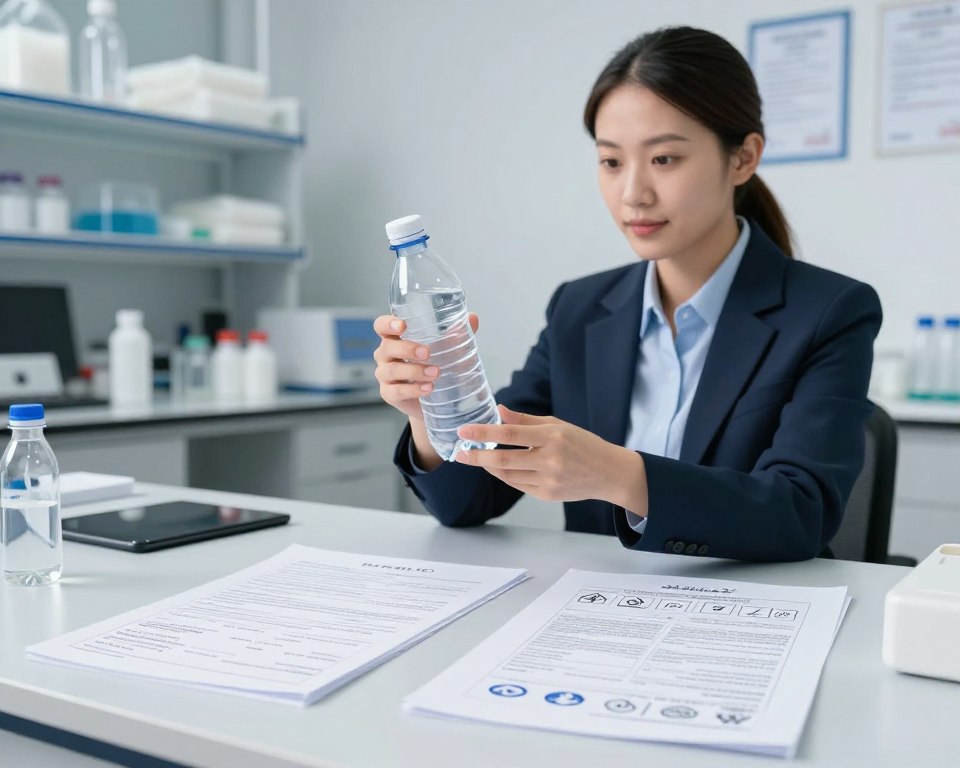
When we think about how safe is PET plastic, we must consider the strict rules set by health authorities worldwide. These groups make sure that packaging materials are safe for people. They do this by setting high standards for testing.
FDA Guidelines for Food-Contact Plastics
In the U.S., the FDA watches over polyethylene terephthalate under Title 21 of the Code of Federal Regulations. It says that any food packaging must be safe for use. The FDA also checks that chemicals from the plastic don’t get into food or drinks too much.
“The safety of food-contact materials is determined by the potential for chemical migration, which must be kept at levels that pose no significant health risk to the consumer.”
Manufacturers have to test their products a lot to show they’re safe. They use a rule that says no more than 1.5 micrograms of chemicals per person per day. This stringent limit keeps chemical exposure safe, even with regular use.
International Safety Standards and Compliance
Other places like the European Food Safety Authority (EFSA) also have strict safety rules. They work together to make sure understanding PET plastic safety is a worldwide effort. This teamwork helps keep safety standards the same everywhere, for both new and recycled plastics.
- Rigorous Testing: All food-grade PET must undergo standardized migration testing.
- Chemical Monitoring: Agencies track potential contaminants to ensure they stay below safety thresholds.
- Global Harmonization: International standards help maintain safety across different manufacturing regions.
Government rules are a big help for keeping people safe. By following these rules, the plastic industry makes sure packaging is safe. These rules get updated with new science, showing a long-term commitment to safety.
Potential Health Risks Associated with PET
Understanding health risks from PET involves looking at how substances move from packaging to contents. This material is usually stable, but researchers keep checking PET plastic safety concerns for consumer safety. It’s key to know the difference between possible risks and actual health effects.
Endocrine Disruption and Chemical Migration
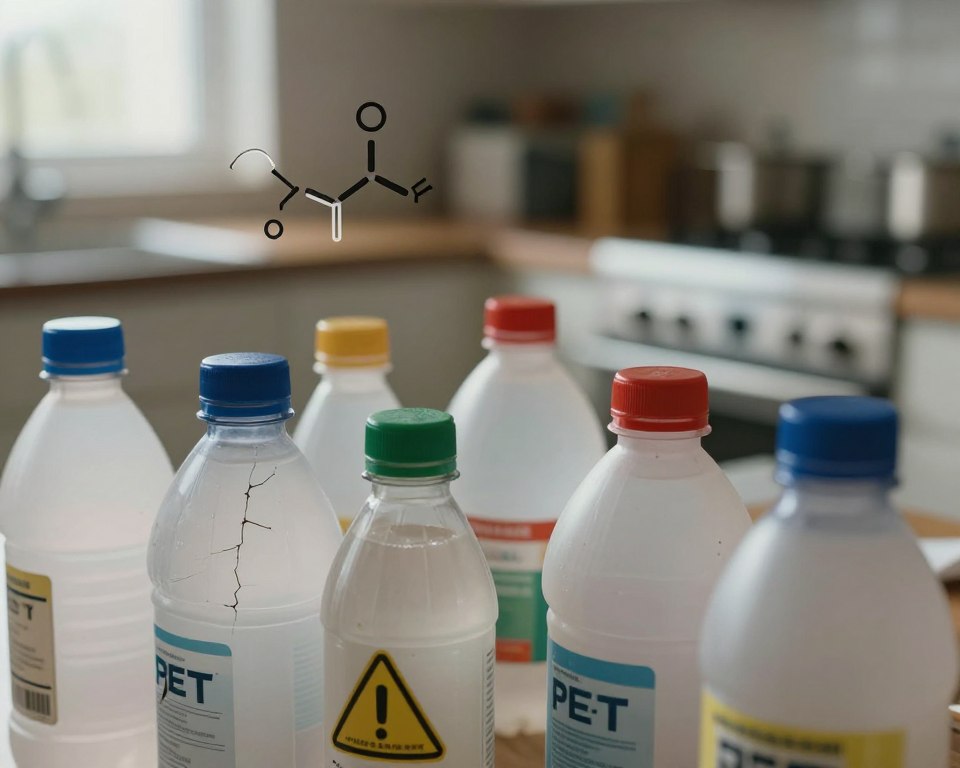
Chemicals can move from plastic to food or drinks. Some additives might disrupt hormones in the body. But, is PET plastic dangerous in everyday use?
Studies show that chemical migration is very low under normal use. Most health groups say the risk of hormone disruption from PET is small. Still, we need to keep watching as new research comes out.
Antimony Trioxide Concerns in Manufacturing
Antimony trioxide is used in making PET. It raises PET plastic health risks because it might leak into drinks. This is more likely when containers get hot or sit for a long time.
Lab tests suggest antimony can harm organs at high doses. But, the amounts in products are closely watched. Standards keep these levels safe for people to drink. We should look at real-life exposure, not just worst-case scenarios, when talking about PET plastic toxicity.
The Role of PET in Food and Beverage Packaging
PET plastic is widely used in packaging because it’s strong and resistant to chemicals. It’s a key part of global supply chains, keeping products safe for consumers. Knowing the benefits of PET plastic helps us understand today’s food safety standards.
Why PET is the Industry Standard for Bottled Water
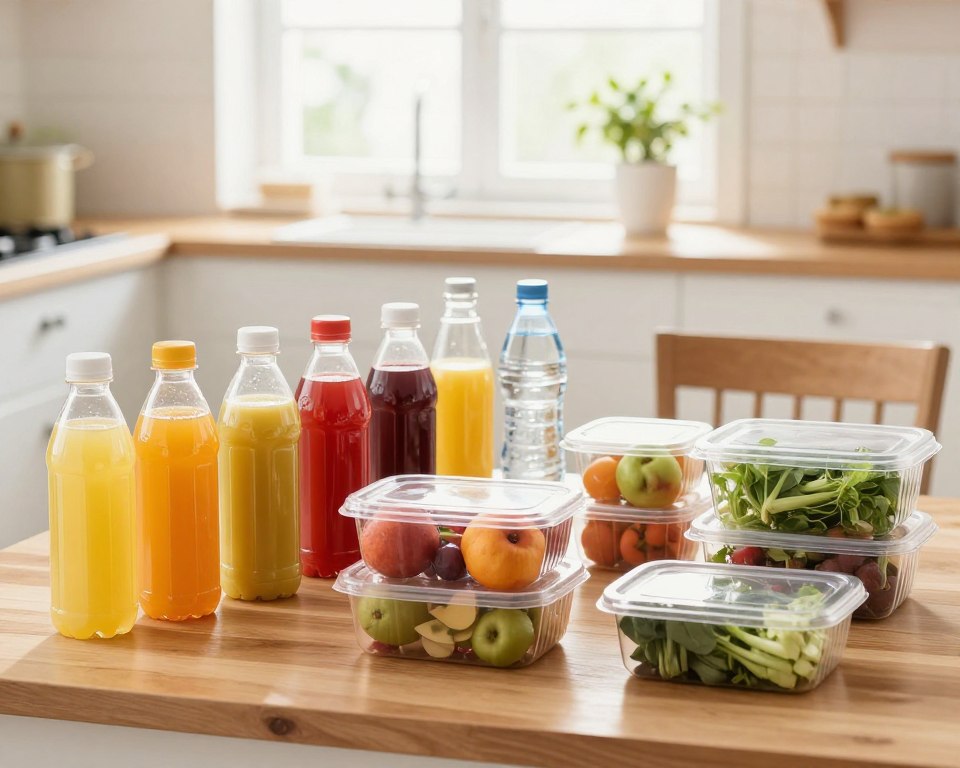
PET is chosen for bottled water because it’s clear, strong, and keeps moisture out. These traits are crucial for keeping water pure during transport. It prevents contaminants from getting in, which helps keep food and drinks fresh longer.
Also, PET is light, which saves on shipping costs and reduces carbon emissions. By cutting down on waste, PET helps meet sustainability goals. It’s a top pick for those who need reliable, safe packaging.
Impact of Storage Duration on Plastic Integrity
Even though PET is stable, how long it’s stored can affect its quality. Extreme temperatures or sunlight can damage it over time. So, it’s important to store PET properly to keep it working well.
The table below shows how PET compares to other packaging materials:
| Material Property | PET Plastic | Glass | Aluminum |
|---|---|---|---|
| Weight | Very Low | High | Low |
| Durability | High (Shatterproof) | Low (Fragile) | High |
| Moisture Barrier | Excellent | Impermeable | Impermeable |
| Recyclability | High | High | High |
To get the most out of PET, store it in cool, dry places out of sunlight. This keeps the plastic stable and the contents safe. Always check for damage to make sure the packaging is still good.
Comparing PET to Other Plastic Types
Choosing the right household containers means knowing the difference between PET and other plastics. Not all plastics are safe or stable. Learning about the benefits of PET plastic helps you make smart choices for your needs.
PET Versus Polycarbonate and BPA-Free Alternatives
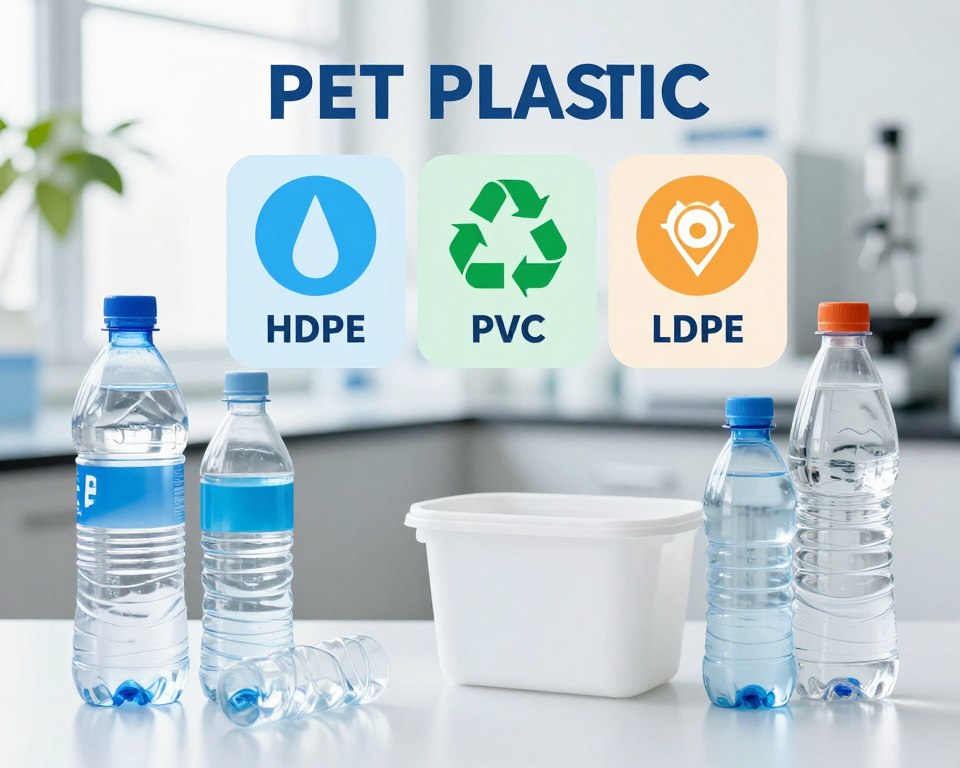
Polycarbonate plastics were once common in water bottles and food containers. They often had bisphenol A (BPA), which might harm health. PET, on the other hand, is BPA-free, making it safer for many uses.
Today, some products are labeled “BPA-free.” But it’s key to check the actual material. PET is stable without BPA. For more on PET, visit what is PET plastic to see its safety benefits.
Identifying Resin Identification Codes
To know what a container is made of, look for the Resin Identification Code (RIC). It’s a number in a triangle on the bottom. PET is marked with the number 1, used for clear, recyclable bottles.
Knowing these codes helps you avoid other plastics with different properties. By spotting the number 1, you confirm the benefits of PET plastic in your home. Here’s a table to compare common plastics.
| Plastic Type | Resin Code | Common Use | Safety Note |
|---|---|---|---|
| PET | 1 | Water/Soda Bottles | BPA-Free; Stable |
| HDPE | 2 | Milk Jugs | High Chemical Resistance |
| Polycarbonate | 7 | Reusable Bottles | May contain BPA |
Using these codes helps you choose safe and durable products. Knowledge is your best tool for understanding packaging materials.
Environmental Impact and Sustainability
Looking at sustainability of PET means checking its whole journey. From raw material to final disposal, it’s a big issue. The use of fossil fuels in making PET is a big problem. We need to find a balance between easy packaging and the planet’s health.
The Lifecycle of PET Plastic Products
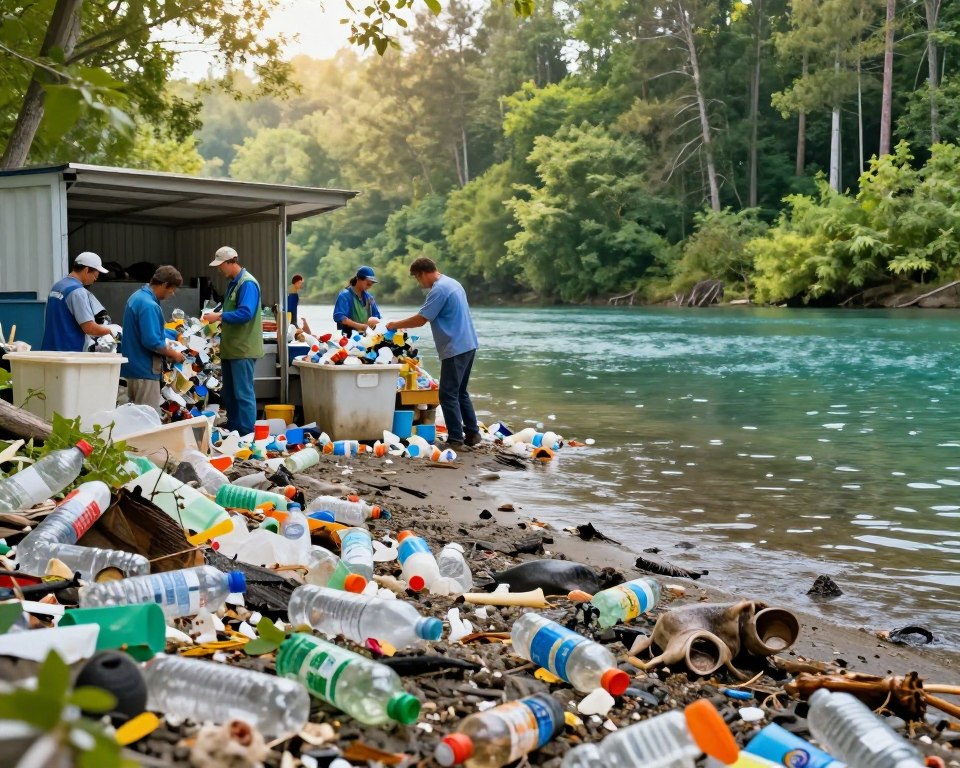
The lifecycle of PET starts with oil and gas refinement. This process uses a lot of energy, making a big carbon footprint. After that, PET is known for being strong and lasting long, which is good for food but bad for waste.
At the end of their life, PET products usually go to landfills or the environment. Even though PET can be recycled, not enough is done. This means most of it stays in the environment for a long time. We need to move towards recycling more.
Microplastic Pollution and Ecosystem Health
When PET breaks down, it turns into microplastics. These small pieces are everywhere in our environment. They harm many living things because they can be eaten by a lot of creatures.
Scientists are studying how these microplastics affect us and the environment. While we don’t know all the health risks to humans, we know they harm animals. We must stop so much plastic from getting into nature to protect our planet.
| Impact Category | Production Phase | Disposal Phase |
|---|---|---|
| Energy Consumption | High (Fossil Fuel Intensive) | Low (Energy Recovery Potential) |
| Waste Persistence | Minimal | High (Centuries of Degradation) |
| Ecosystem Risk | Moderate (Emissions) | High (Microplastic Accumulation) |
PET Plastic Recycling Options and Challenges
Managing plastic containers’ lifecycle needs a close look at PET plastic recycling options. As demand for green materials grows, recycling polyethylene terephthalate is key. It’s a vital part of today’s waste management.
Mechanical Versus Chemical Recycling Processes
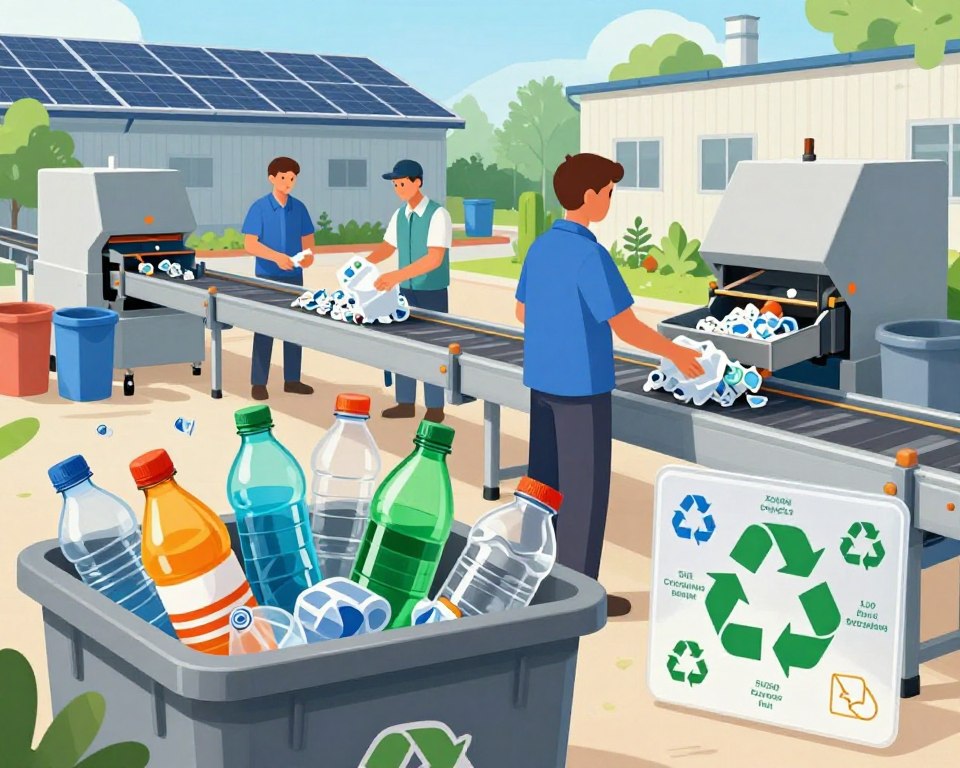
The industry mainly uses two ways to deal with waste. Mechanical recycling collects, washes, and shreds plastic into flakes. Then, it melts them down to make new items. This method is efficient but can lower material quality over time.
Chemical recycling breaks down plastic into its original parts. This method cleans the plastic and makes it almost as good as new. It uses more energy but keeps food packaging quality high.
| Feature | Mechanical Recycling | Chemical Recycling |
|---|---|---|
| Process Type | Physical melting | Molecular breakdown |
| Material Quality | Decreases over cycles | Maintains virgin quality |
| Energy Usage | Lower | Higher |
The Reality of Post-Consumer Recycled PET
The U.S. recycles about 1.9 billion pounds of PET each year. Yet, the system faces challenges like low collection rates and high contamination. To achieve a circular economy, we need to invest in sorting tech and teach consumers.
“The transition to a circular economy is not merely a technical challenge; it is a systemic shift that requires collaboration between manufacturers, recyclers, and the public.”
Looking at PET plastic recycling options, the quality of the starting material is crucial. Food residue or other plastics can mess up recycling. So, the industry keeps working to make recycled plastic a safe, good choice.
Best Practices for Handling PET Containers
Following a few basic rules can greatly reduce the risks of using PET plastic. Proper handling keeps the material stable and prevents damage. These simple habits keep your food and drinks safe.
Avoiding Heat Exposure and Microwave Usage
PET plastic doesn’t handle temperature changes well. Never microwave PET containers because they can’t handle high heat. Heat can warp the plastic and make chemicals leak into your food or drink.
Also, don’t leave plastic bottles in hot places, like a car in the summer. Heat speeds up plastic breakdown, increasing risks of using PET plastic. Keep your containers cool, dry, and out of sunlight to keep them good.
Proper Cleaning and Maintenance of Reusable Bottles
Keeping your PET bottles clean is key to stopping bacteria. Clean them with mild dish soap and warm water every day. Don’t use rough scrubbers that can scratch the inside and trap bacteria.
Be careful with cleaning products too. Avoid using strong cleaners like Comet cleaner on food or water containers. Harsh chemicals can leave hard-to-remove residues. Always choose gentle, safe cleaning methods for your containers.
Scientific Research on PET Toxicity
Looking into PET container safety is a complex task. It involves a lot of research and observations. This material is everywhere in our lives, but there are still worries about its safety. Scientists keep studying it to understand how it affects what’s inside.
Reviewing Peer-Reviewed Studies on Chemical Migration
Studies often look at how chemicals like antimony move from the plastic into food or water. They use very sensitive methods to find these chemicals. But, finding a chemical doesn’t always mean it’s harmful to our health.
As a doctor, I say we need to look at how much of these chemicals people actually get exposed to. Many studies use extreme conditions that don’t happen in real life. It’s important to know the difference between lab results and real-world effects to understand PET plastic health risks well.
Limitations of Current Toxicological Data
Even with a lot of research, we still don’t know everything about long-term effects. Many studies have small groups, which makes it hard to apply their findings to everyone. Also, different labs use different tests, making it tough to compare results.
It’s hard for scientists to mimic real-life situations in their labs. Real life has many variables like the plastic’s makeup, the liquid’s pH, and how long it’s stored. We need big, long studies to give us clear answers for both doctors and consumers.
Image Disclosure and Educational Context
We believe in being open about how we create our content. This way, we can keep our readers’ trust. We use pictures and diagrams to make complex ideas about plastic safety and science easier to understand. These visuals help turn hard-to-grasp information into something more accessible.
Understanding the Use of AI-Generated Visuals
Some pictures in this article were made with artificial intelligence. These tools help us create diagrams that show how chemicals work or what polymers look like. We use these images just to help explain things better.
Even though these images are meant to be helpful, they’re not real photos of tiny things. They’re more like models to help us see ideas from scientific studies. We make sure all the images we use match the facts we share in this guide.
Purpose of Educational Illustrations in Veterinary and Health Contexts
When we talk about vet health and human safety, our goal is to give a basic understanding of risks. It’s key to remember that these pictures are not medical advice. They can’t replace a real check-up from a vet or doctor.
If you’re worried about your pet or your health, talk to a vet or doctor. We aim to give you solid advice to help you make smart choices. We hope these educational tools will spark important talks with your healthcare team.
PET Plastic in Veterinary and Pet Care Applications
Many pet owners wonder: Is PET plastic dangerous for daily use? PET is common in pet bowls and containers because it’s light and strong. But, it’s important to know its limits for pet care.
Safety Considerations for Pet Water and Food Bowls
PET plastic is safe for pets to eat from, but it needs regular checks. Scratches can hide bacteria, which is more dangerous than the plastic itself.
Wash these bowls with gentle cleaners. Don’t use harsh chemicals or hot water that can damage the plastic. If they get cloudy or have deep scratches, it’s time to get new ones.
Risks of Chewing and Ingestion of Plastic Fragments
Pets that chew a lot can harm PET containers. This can make the plastic sharp and dangerous. Eating these pieces can upset their stomach or even block their intestines.
Watching how your pet interacts with their bowls is key. If they chew a lot, switch to stainless steel or ceramic. This reduces the risk. Always think about your pet’s nature and chewing habits when deciding if is PET plastic dangerous for them.
| Material Type | Durability | Safety for Chewers | Maintenance |
|---|---|---|---|
| PET Plastic | Moderate | Low | Hand wash only |
| Stainless Steel | High | High | Dishwasher safe |
| Ceramic | High | Moderate | Dishwasher safe |
Consumer Awareness and Informed Decision Making
Knowing about PET plastic safety concerns is key to a safer life. Manufacturers give info on packaging, but it’s up to you to understand it. By learning about materials and how to use them, you can shop smarter.
How to Read Product Labels Effectively
Look for a Resin Identification Code on plastic containers. For PET, it’s a number 1 inside a triangle. Spotting this code helps you know what your bottles and containers are made of.
But there’s more to it than just the recycling code. Check for specific use instructions from the manufacturer. Important things to look for include:
- Temperature ratings: Make sure it’s safe for the microwave or dishwasher.
- Intended use: Is it for one-time use or long-term storage?
- Certification marks: Look for FDA or international food-contact standards.
Balancing Convenience with Health Precautions
Plastics are handy and durable, but they can also pose risks. You don’t have to get rid of all plastics. Just be smart about how you use them.
Here are some tips to reduce risks:
- Avoid heat: Only microwave plastics that are safe for it.
- Inspect for wear: Toss containers with cracks, cloudiness, or deep scratches.
- Prioritize glass or stainless steel: Use these for storing food or heating it up.
Make choices based on facts, not fear. By understanding plastic’s limits, you can enjoy today’s packaging safely.
Future Innovations in Sustainable Packaging
We’re moving towards a circular economy, changing how we use food-grade containers. Leaders are exploring new materials for long-term environmental health. They’re looking closely at PET plastic recycling options to make sure they’re safe and efficient.
Bioplastics and Plant-Based Alternatives
Scientists are working on bioplastics from renewable sources like corn and sugarcane. These materials are strong like regular plastics but better for the planet. Plant-based alternatives could help us use less oil.
But these new plastics must be safe for food. Researchers are testing how they handle liquids and heat. They want to make plastics that are easy to recycle and safe for our food.
Advancements in Circular Economy Technologies
New technologies are making PET plastic recycling options better. Now, we can turn plastic waste back into its original form. This means we can make new, safe plastic from old materials.
The table below shows how new packaging compares to old PET:
| Material Type | Primary Source | Recyclability | Sustainability Impact |
|---|---|---|---|
| Traditional PET | Petroleum | High (Mechanical) | Moderate |
| Bio-PET | Plant-based | High (Mechanical) | High |
| Compostable Bioplastics | Organic Matter | Low (Industrial) | Very High |
These new technologies are big steps forward. They help us find a balance between convenience and caring for the environment. Soon, packaging will likely use a mix of old and new materials.
Conclusion
For decades, scientists have shown that PET plastic is safe for storing food and drinks. The FDA and EFSA keep a close eye on products to make sure they are safe. To understand if PET plastic is safe, we look at the data from NAPCOR. They provide facts about the circular economy.
Even though some people worry about risks, the science shows PET plastic is mostly safe. If we handle it right and follow storage rules, there’s little to worry about. Recycling helps keep the system going, making it better for our planet.
Knowing the facts helps us make smart choices for our health and the environment. By learning about materials and standards, we can shop with confidence. Supporting new ideas will make packaging even safer and more efficient for all of us.
FAQ
Is PET plastic safe for long-term beverage storage?
Generally, yes. PET plastic is safe if stored properly. Keep it in cool, dark places. But, avoid high-heat areas like garages or cars, as it can damage the plastic.
What are the primary PET plastic safety concerns regarding chemical leaching?
The main concerns are antimony trioxide and acetaldehyde. These can leach into liquids under high heat or long storage. But, the FDA and EFSA ensure these levels are safe.
Is PET plastic dangerous if it contains BPA?
No, PET plastic is safe because it doesn’t have Bisphenol A (BPA). Unlike other plastics, PET doesn’t need BPA for flexibility or clarity.
How can I better approach understanding PET plastic safety in my kitchen?
Start by looking for the Resin Identification Code “1” on PET containers. They’re meant for single use. Avoid microwaving or using boiling liquids in PET containers.
Are there specific PET plastic health risks for children or pets?
While PET is non-toxic, it can still pose physical hazards. Thin PET bottles can be chewed or crushed, leading to sharp plastic fragments. Use durable, dishwasher-safe materials for pet bowls instead.
What are the main benefits of PET plastic compared to other materials?
PET plastic is lightweight, reducing carbon footprint. It also keeps food and drinks fresh by blocking oxygen and carbonation.
What are the risks of using PET plastic after it has been left in a hot car?
Extreme heat can cause antimony to migrate faster. This can change the taste of water. Discard bottles exposed to over 150°F to avoid this.
Does PET plastic toxicity increase with recycled materials?
No, PET plastic toxicity is closely monitored in recycled products. The FDA ensures that recycled PET is purified to remove contaminants.
How safe is PET plastic for the environment?
PET plastic is safe for the environment if recycled properly. It doesn’t leak toxins into soil. But, it can contribute to microplastic pollution if not disposed of correctly.
What are the most effective PET plastic recycling options available to consumers?
The most common recycling is mechanical recycling. This involves sorting, cleaning, and grinding bottles into flakes. New chemical recycling technologies also allow for infinite recycling without quality loss.