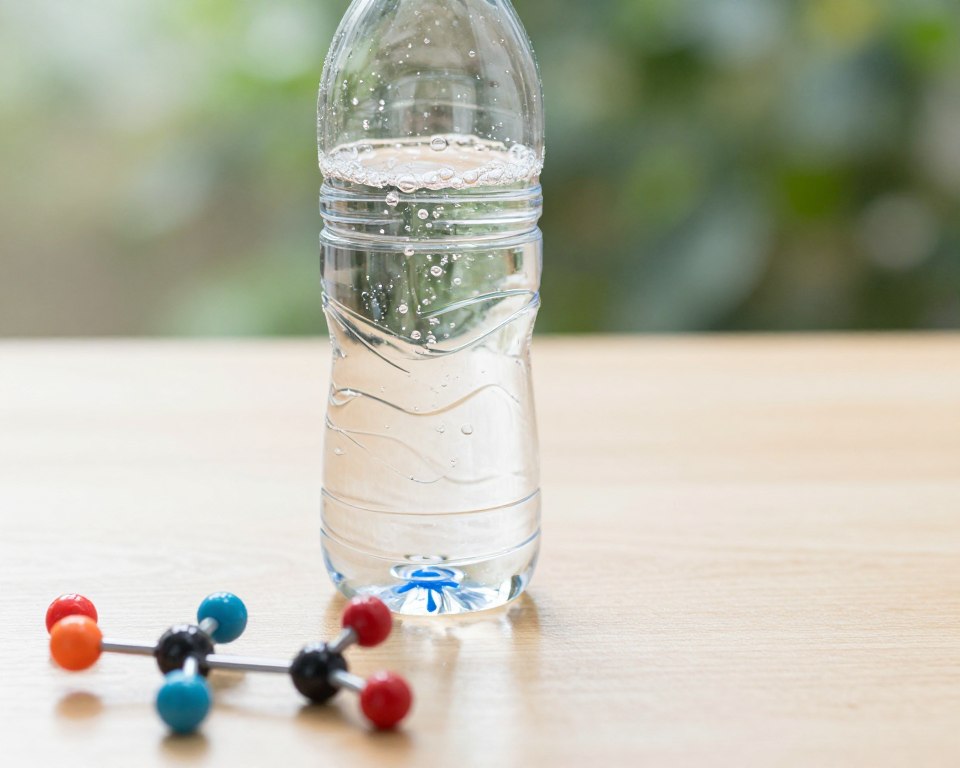
Recent research from Columbia University shows a shocking truth. A single liter of common store-bought water has about 240,000 tiny fragments. Scientists used advanced SRS microscopy to find these small pieces as synthetic polymers. This finding makes us think twice about our daily habits.
As a pharmacist, I get asked a lot about chemicals from packaging getting into our drinks. It’s crucial to understand the difference between seeing these fragments and if they really harm us. Knowing how materials break down helps us make better choices.
This study looks into the science behind how safe our containers are. We’ll see how temperature, how long it’s stored, and its quality affect its safety. My aim is to give you a clear, science-backed view on if these containers are really a danger to you.
Key Takeaways
- Advanced microscopy has identified hundreds of thousands of microscopic synthetic fragments in common beverage containers.
- The mere presence of particles does not automatically equate to a significant health hazard for the average consumer.
- Material degradation is influenced by environmental factors like heat exposure and prolonged storage duration.
- Pharmacists emphasize the need for clinical data to differentiate between physical ingestion and systemic toxicity.
- Informed decision-making relies on understanding the specific chemical composition of various packaging materials.
Understanding the Composition of Plastic Water Bottles
Knowing what’s in your plastic water bottle is key to understanding plastic water bottle safety. These bottles are made from hydrocarbons, which come from oil or natural gas. Through a process called polymerization, these materials turn into the plastic we use every day.
Types of Plastics Used in Beverage Containers
There are two main types of plastics: thermoset and thermoplastics. Most drink containers are made from thermoplastics. These plastics can be melted and reshaped many times, unlike thermosets.
This ability makes thermoplastics great for making lots of bottles quickly. Materials like Polyethylene Terephthalate (PET) and High-Density Polyethylene (HDPE) are common. They keep drinks in while being light.
| Plastic Type | Common Code | Primary Use | Key Characteristic |
|---|---|---|---|
| PET | 1 | Water Bottles | Clear and rigid |
| HDPE | 2 | Milk Jugs | Durable and opaque |
| LDPE | 4 | Squeeze Bottles | Flexible and soft |
The Role of Additives and Stabilizers
Pure polymers don’t have the right properties for use. To make them better, additives are added. These improve the plastic’s strength, flexibility, and how it holds up to the environment.
Stabilizers help the plastic not break down when it’s exposed to light or heat. Without them, the plastic could become weak or change color. By mixing these chemicals right, makers keep the bottle safe for a long time.
The Science Behind Plastic Bottle Leaching
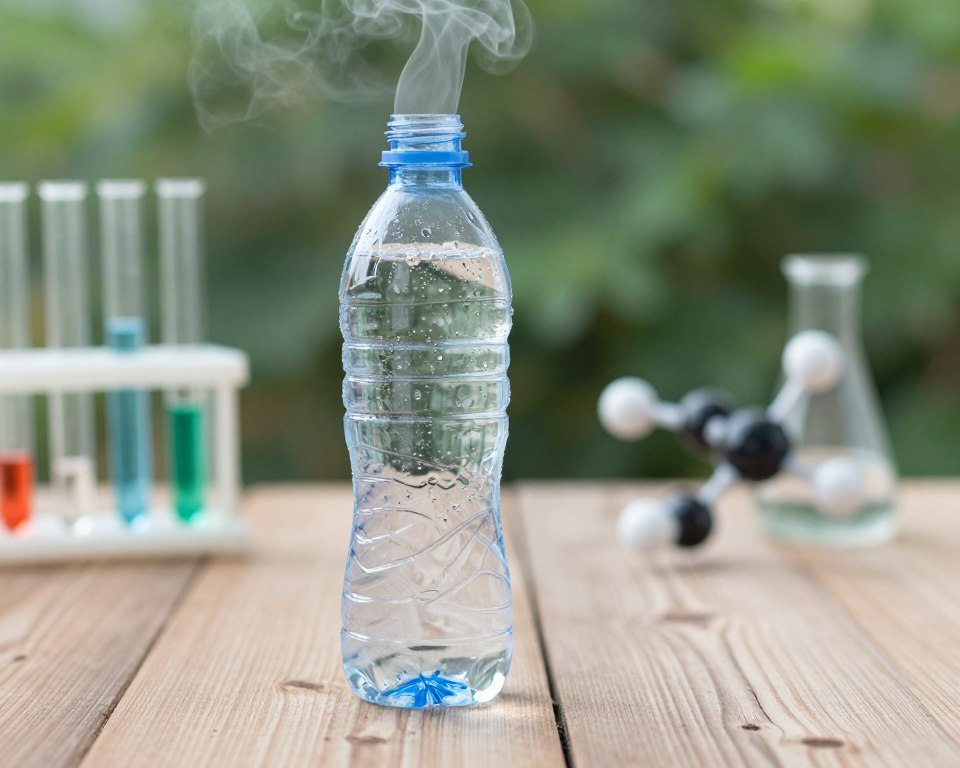
Studies show that plastic bottles and water inside them interact at a molecular level. This is called plastic bottle leaching. It’s when molecules from the plastic get into the water. Knowing this is key for those who care about their drinking water.
How Chemical Migration Occurs
Chemicals move from plastic to water when molecules or additives break free. Plastics are not solid; they’re made of complex chains with gaps. These gaps let substances move from the plastic into the water, causing plastic bottle chemical contamination.
This movement is driven by the concentration gradient. Substances move from high concentration in the plastic to lower concentration in the water. Molecular diffusion is the main reason for this transfer. It happens slowly, even when the bottle is just sitting there.
Factors Influencing Leaching Rates
Several things can make chemicals move faster. Temperature is the biggest factor. Heat makes molecules move more, making the plastic more open. This is why hot places increase the risk of contamination.
How long the liquid stays in the bottle also matters. The longer it stays, the more time molecules have to move into the water. The acidity or pH level of the liquid also affects how fast this happens. Keeping the bottle at room temperature is essential to reduce these interactions.
Do Plastic Water Bottles Release Chemicals into Your Drinking Water
Many people wonder: Do plastic water bottles release chemicals into the water? This question has become more pressing as testing methods improve.
New lab tools help scientists spot things they couldn’t before. They can now check bottled water more accurately than ever.
Evidence from Recent Scientific Studies
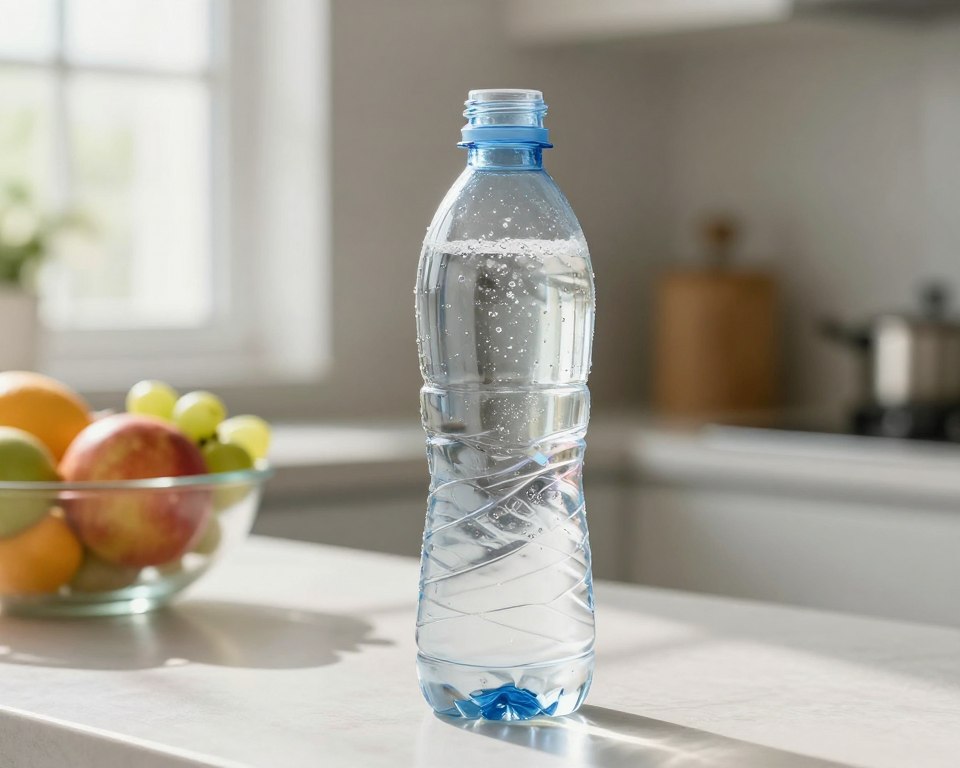
A major study in 2024 used a new method to look at what’s in bottles. It found that about 90% of plastic bits in bottled water are nanoplastics.
These tiny pieces are under 1 μm, hard to find with old tech. This shows plastic is more common in water than thought.
Distinguishing Between Detectable Levels and Health Risks
It’s key to know the difference between finding particles and health risks. Just because we can find something doesn’t mean it’s harmful.
Experts say we’re still learning about the effects of these tiny plastics. Even though we can find them, we don’t know if they’re bad for us yet.
It’s important to stay calm when looking at these findings. Scientific investigation is still going on to see if these plastics affect our health over time.
The Controversy Surrounding BPA in Water Bottles
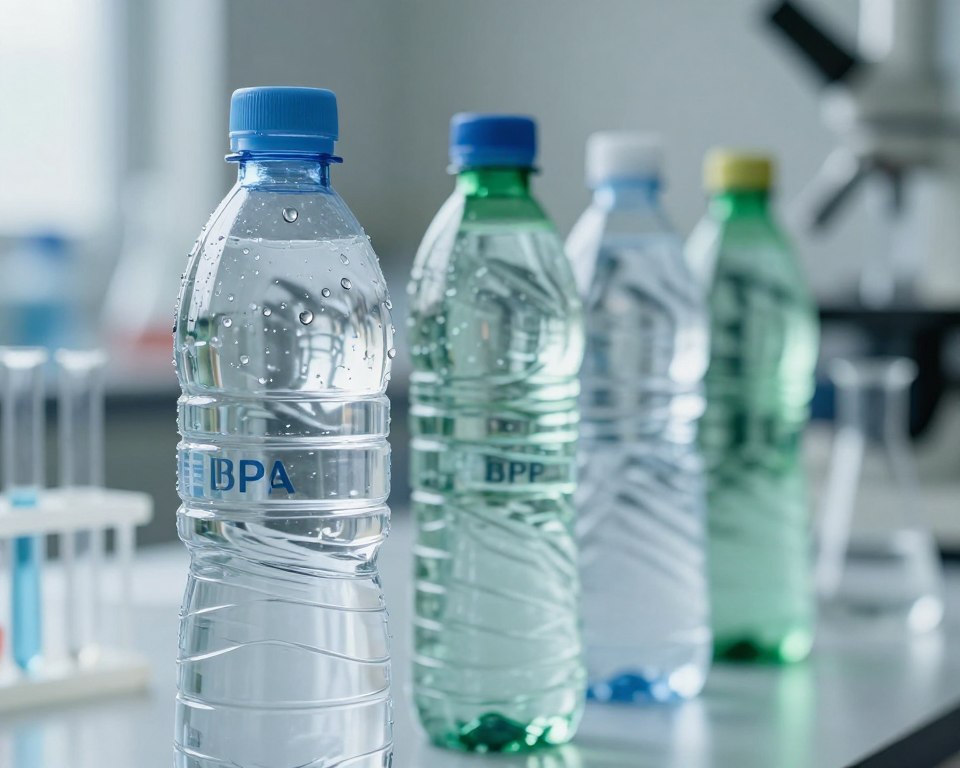
Looking into consumer safety, we see Bisphenol A’s role in plastic bottles. Known as BPA, it was key in making hard, unbreakable containers. It’s linked to Resin Identification Code (RIC) 7, covering many plastics.
What is Bisphenol A and Why Was It Used
Bisphenol A is a chemical used to make polycarbonate plastics and epoxy resins. It was chosen for its exceptional durability and clearness. This made bottles strong and safe for transport.
The structure of BPA made bottles light but strong. But, studies on harmful chemicals in plastic bottles raised concerns. Long-term exposure could lead to the release of additives.
“The shift toward safer alternatives in consumer packaging reflects a broader commitment to public health and environmental stewardship.”
Regulatory Shifts and the Move Toward BPA-Free Plastics
Concerns about BPA in water bottles led to big changes. Rules and advocacy groups pushed for safer options. This led to a big change in how companies make materials.
Now, “BPA-free” labels help people avoid certain chemicals. Companies use new materials like PET, which doesn’t need BPA. This proactive shift meets new safety standards while keeping bottles convenient.
Phthalates and Their Presence in Plastic Packaging
When we check if plastic bottles are safe, we need to look at more than just the main plastic. We also have to think about the chemicals added to it. These chemicals, called phthalates, are often talked about when we talk about harmful chemicals in plastic bottles and other products.
Understanding Plasticizers and Their Function
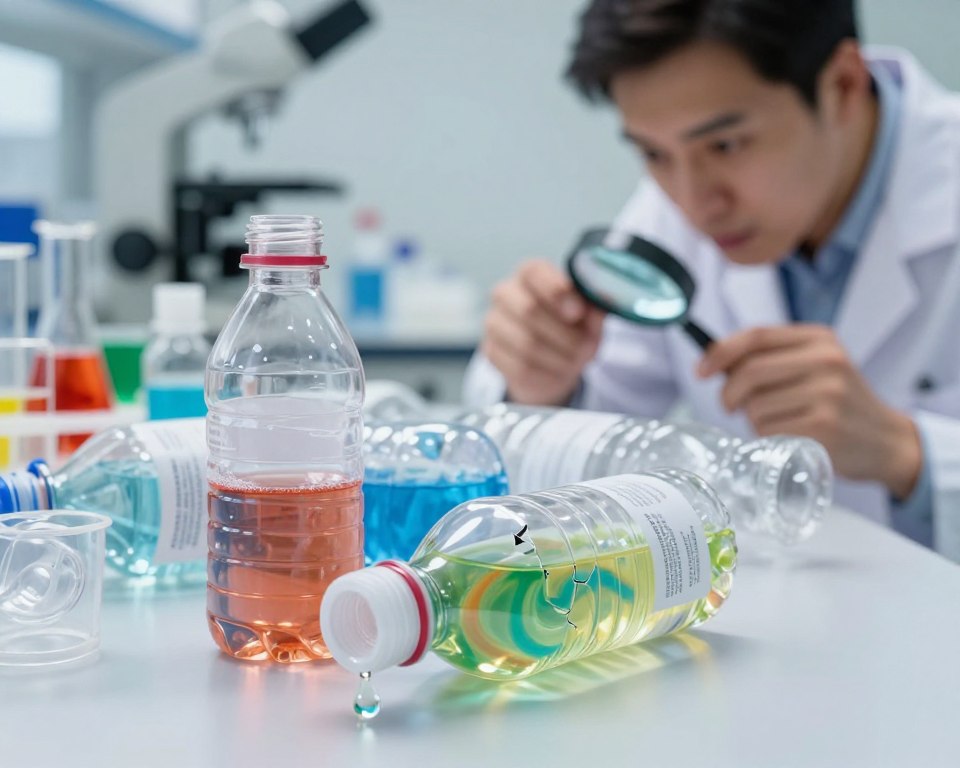
Phthalates are chemicals used to make plastics flexible. They help plastics like PVC to be soft and strong. They work by fitting between the plastic’s molecules, making it easier to bend without breaking.
This molecular flexibility is why some plastics feel soft. Manufacturers add these chemicals to make the plastic just right for what we need. But, because these chemicals don’t stick too well to the plastic, they can leak out over time.
Potential Endocrine Disruption Concerns
The big worry about these chemicals is how they might mess with our hormones. Some studies say that certain phthalates can act like hormones in our bodies. This has led health groups to look closer at harmful chemicals in plastic bottles and other products we use.
Scientists are still studying how these chemicals affect us over time. They say that while we’re all exposed to them, it’s smart to try to avoid them. Here’s a list of common plasticizers and what they’re used for.
| Plasticizer Type | Primary Function | Common Application |
|---|---|---|
| DEHP | High flexibility | Medical tubing and vinyl |
| DINP | Durability | Consumer goods and toys |
| DIDP | Heat stability | Wire insulation and flooring |
| DBP | Softening agent | Adhesives and coatings |
The Impact of Heat and Sunlight on Plastic Integrity
The strength of a plastic bottle can change over time. Environmental factors like temperature changes can affect it. Knowing this helps us store drinks safely.
Why Leaving Bottles in Hot Cars is Risky
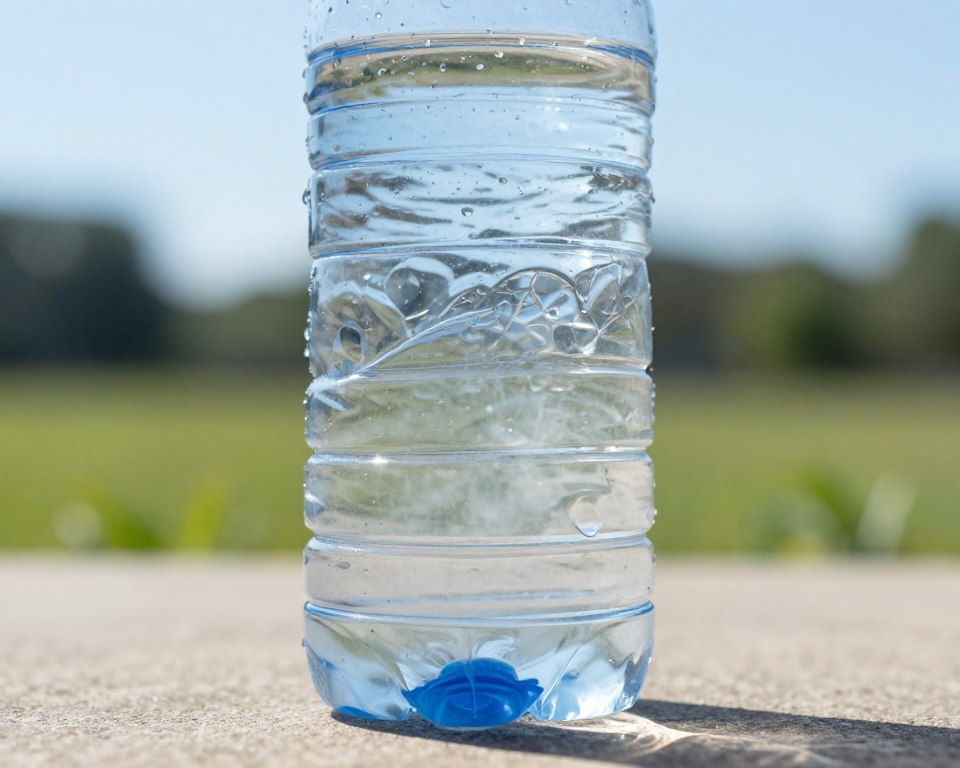
Leaving water bottles in a hot car is dangerous. The plastic, usually made of PET, can get too soft. This can lead to plastic bottle leaching.
Antimony, a metal in PET, can also get into the water when it’s hot. The amount of chemical migration depends on the heat.
“Thermal stress acts as a catalyst for chemical migration, turning a stable container into a potential source of unwanted additives when left in extreme conditions.”
Chemical Breakdown Under UV Exposure
UV rays from sunlight also harm plastic. They can break the plastic’s chemical bonds. This makes the container weaker and can lead to more plastic bottle leaching.
To keep your water safe, follow these tips:
- Store containers in a cool, shaded area away from sunlight.
- Don’t leave plastic bottles in cars for too long.
- Look for signs of damage, like cloudiness or brittleness.
While the risk is low at room temperature, heat and UV stress are important. By avoiding these, your plastic bottle will stay safe. Always be aware of plastic bottle leaching to stay safe.
Microplastics and Nanoplastics in Bottled Water
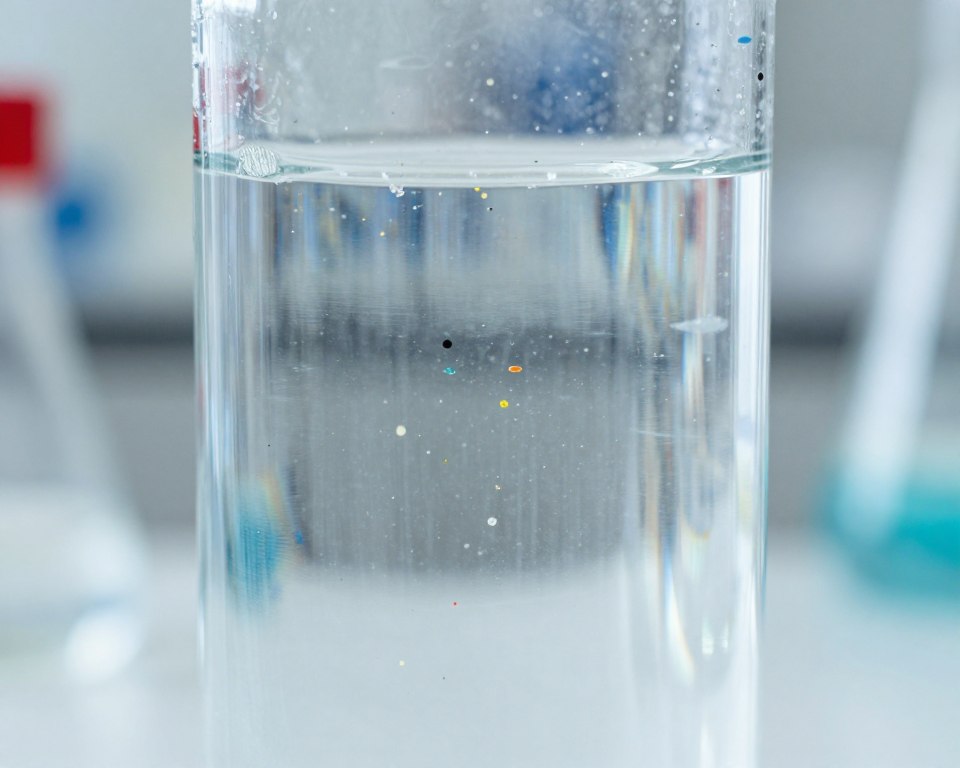
Researchers are now looking into tiny plastic pieces in drinks. This is different from worries about chemicals. They find two main types of these contaminants based on size.
The Emerging Research on Particle Ingestion
Studies on particle ingestion have grown fast. New tools help find tiny particles that were hard to see before. Scientists split these contaminants into two groups:
- Microplastics: Particles from 5 millimeters to 1 micrometer.
- Nanoplastics: Particles smaller than 1 micrometer.
The big worry about nanoplastics is they can get into our cells. This could affect our health over time. Scientists are trying to figure out how these particles affect us.
How Microplastics Enter the Water Supply Chain
Plastic bottles can break down and add to water contamination. This happens during making and bottling. The stress from these processes can break plastic into tiny pieces.
Several things help these particles build up:
- Mechanical Abrasion: Opening and closing caps can create small debris.
- Material Degradation: Changes in temperature can weaken plastic bottles.
- Filtration Limitations: Some filters can’t catch particles as small as nanometers.
The industry is working hard to understand how much of these particles we eat. This research is key to making bottled water safer for everyone.
Evaluating PET and HDPE Safety Standards
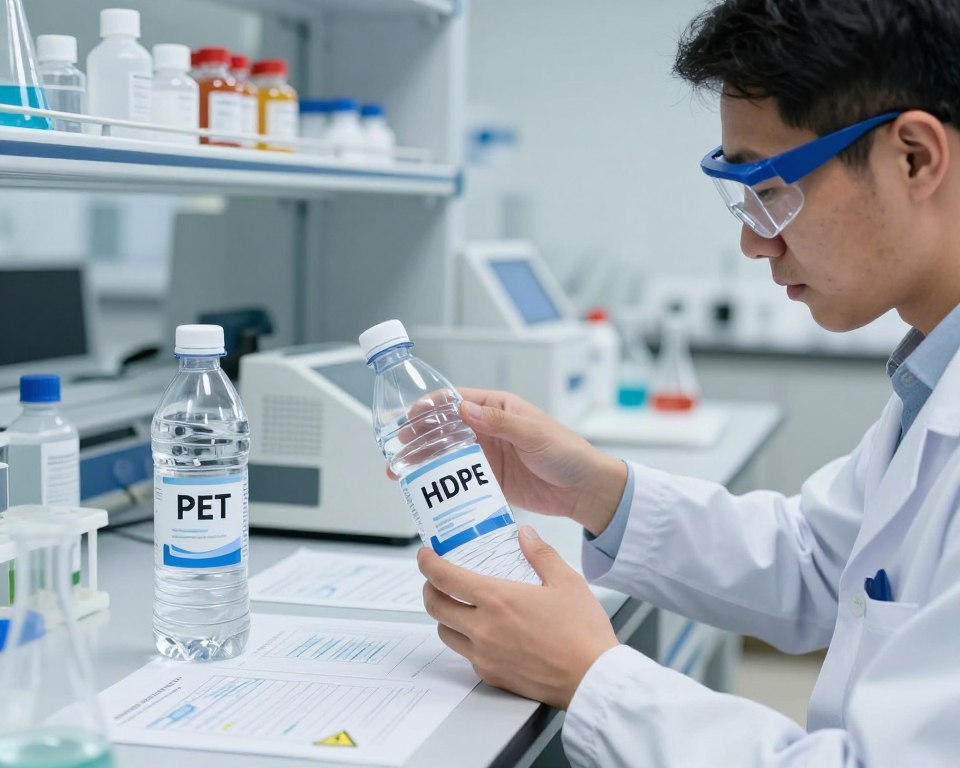
Understanding plastic container safety starts with knowing the resin types used. Most bottles have a Resin Identification Code (RIC) on the bottom. This code is a number in a triangle. It tells us about the plastic’s chemical makeup.
Polyethylene Terephthalate Characteristics
Polyethylene Terephthalate, or PET or PETE, is marked as 1 in recycling. It’s a strong, lightweight plastic. It blocks oxygen and carbon dioxide well, making it top for water and soda bottles.
PET is safe for most foods and drinks. But, it’s meant for one-time use. Washing it many times or heating it too high can damage it. Throwing it away properly helps it get recycled into new things.
High-Density Polyethylene and Its Applications
High-Density Polyethylene, or HDPE, is marked as 2. It’s stronger and more chemical-resistant than PET. It’s often in milk jugs, juice bottles, and cleaning product containers.
HDPE is durable and can handle more heat than thin plastics. It’s great for products needing to last longer or handle more stress. Here’s a comparison of PET and HDPE.
| Feature | PET (RIC 1) | HDPE (RIC 2) |
|---|---|---|
| Primary Use | Water and Soda | Milk and Juice |
| Clarity | Transparent | Opaque/Translucent |
| Durability | Moderate | High |
| Heat Resistance | Low | Moderate |
Health Risks Associated with Long-Term Exposure
The quick convenience of portable hydration is clear. But, we must look at the health risks of plastic water bottles over time. Our bodies can’t handle the complex chemicals in many plastics for long.
Potential Effects on Hormonal Balance
Many plastic containers have substances that mess with our hormones. These can change how our body signals and works.
Hormonal balance is key for our health and how we feel. Even small amounts of these chemicals can affect our growth, mood, and energy.
Chronic Exposure and Cellular Health
Chemicals in plastics can also affect our whole body. For example, antimony in PET plastic can get into our water.
Studies show that drinking water with these chemicals can raise our cholesterol and change how we handle sugar. These findings are still being looked into. But they show why we should choose safer options.
Keeping our cells healthy means avoiding synthetic chemicals. Choosing safer materials can help reduce the health risks of plastic water bottles. This supports our long-term health.
Regulatory Oversight and Safety Testing in the United States
Understanding how federal agencies watch over the materials we use daily is key. When we talk about the health risks of plastic water bottles, it’s important to know they’re not left unchecked. A system of checks ensures makers follow safety rules before their products hit the shelves.
The Role of the FDA in Packaging Safety
The Food and Drug Administration (FDA) is in charge of checking food-contact items in the U.S. This includes the plastics in drinks containers, seen as indirect food additives. Makers must prove these plastics are safe for their intended use under the Federal Food, Drug, and Cosmetic Act.
The FDA looks at scientific data to make sure chemicals don’t get into water in harmful amounts. If a new plastic is made, it must go through a detailed pre-market notice process. This proactive approach helps find and fix potential health risks of plastic water bottles early on.
How Safety Limits are Established
Setting safety limits involves a lot of testing and risk models. Agencies like the Environmental Protection Agency (EPA) also play a part by setting water quality standards. For example, the EPA has a limit of 6 parts per billion for antimony in drinking water.
These limits are checked and updated as new research comes in. By setting these limits, regulators help keep people safe from too much exposure. The table below shows who does what to keep these standards in place.
| Agency | Primary Responsibility | Focus Area |
|---|---|---|
| FDA | Food-contact materials | Plastic packaging safety |
| EPA | Water quality standards | Contaminant levels in water |
| CDC | Public health research | Long-term exposure studies |
This teamwork between agencies helps keep an eye on the health risks of plastic water bottles through testing and water checks. While nothing is perfect, this system helps protect people all over the country.
Best Practices for Storing and Using Plastic Bottles
Many people worry about chemicals in plastic bottles. But, the biggest risk is from how we handle them. Keeping your bottles clean is key to plastic water bottle safety.
Proper Storage Conditions for Longevity
Keep your bottles in a cool, dry place. Avoid direct sunlight. High heat can damage plastic and let chemicals into your water.
When you reuse a bottle, thorough cleaning is a must. Use warm, soapy water and a bottle brush. This keeps bacteria away and keeps your bottle safe.
When to Discard Single-Use Plastic Bottles
Single-use bottles have a short life. Check them often for damage like scratches or cracks. These can harbor bacteria.
If you see damage or a bad smell, throw the bottle away. Following these tips keeps your plastic water bottle safety in check.
Alternatives to Traditional Plastic Water Bottles
Switching from plastic containers is a big step towards reducing chemical exposure. Many people are looking for ways to avoid BPA in water bottles. This is because BPA has been a concern for those who watch what they eat and drink.
Choosing materials that don’t react with chemicals is key. This way, your water stays safe and free from harmful additives.
Benefits of Stainless Steel Containers
Stainless steel is the top choice for reusable water bottles. These bottles are very durable and don’t rust easily. This makes them perfect for everyday use.
They don’t release chemicals into your water, even when it’s hot. Many people like stainless steel because it keeps water tasting fresh. It doesn’t hold onto smells or tastes from other drinks.
You can find out more about avoiding plastic by choosing high-quality steel bottles. Learn how at this link.
Glass and Borosilicate Options
Glass is a very safe material for storing food and drinks. It doesn’t contain synthetic chemicals, so your drink stays pure. Borosilicate glass is special because it’s very resistant to temperature changes.
Glass is heavier than other materials, but it’s easy to clean. It’s a top choice for those who want no chemicals in their water. You can see if your water is clean because glass is clear.
Silicone and BPA-Free Polymer Alternatives
If you want something light or can be folded up, try food-grade silicone. It’s a safe rubber that’s good for food. It’s flexible, can handle heat, and doesn’t have BPA in water bottles.
Some companies make BPA-free polymers that are stronger than regular plastic. These are good for a long time if you take care of them. Always check if they’re certified safe.
| Material | Chemical Safety | Durability | Weight |
|---|---|---|---|
| Stainless Steel | Excellent | High | Moderate |
| Borosilicate Glass | Excellent | Moderate | Heavy |
| Food-Grade Silicone | Good | High | Light |
| BPA-Free Polymer | Moderate | Moderate | Light |
Image Disclosure and Educational Context
Some images in this article are made with artificial intelligence. We value transparency in our teaching materials. This means we’re open about how we make our content and the tools we use.
These images help explain complex scientific ideas that are hard to show with regular photos. They make it easier to understand the concepts we talk about.
Understanding AI-Generated Visuals in Health Content
We aim to make learning better with these images. This tech helps connect abstract chemical processes to visual understanding.
Remember, these images are for learning only. They show general ideas, not specific medical facts. We make sure our written content is based on solid, peer-reviewed research.
Limitations of Visual Representations in Scientific Education
Even though these images are useful, they can’t replace real medical advice or tests. They can’t show the tiny details of chemical reactions as they happen.
See these graphics as supplementary aids, not proof of anything. Always trust the text and scientific studies for the best health and safety info.
Consumer Tips for Minimizing Chemical Exposure
Managing plastic bottle chemical contamination is key to better health. Only 9% of plastic waste is recycled. So, using fewer single-use containers is crucial for health and the planet.
Reading Recycling Codes and Labels
Most plastic containers have a resin identification code inside a small triangle on the bottom. These numbers tell you the plastic type. Understanding these codes helps avoid harmful plastics.
For example, #1 (PET) is common in single-use water bottles but not for reuse. On the other hand, #2 (HDPE) and #5 (PP) are safer for long-term use. Stay away from #3 (PVC) and #7 (often with BPA) to avoid water bottle toxicity.
“The most effective way to limit chemical exposure is to prioritize materials that are chemically inert, such as high-quality stainless steel or glass, when dealing with hot liquids.”
Filtering Tap Water as a Safer Strategy
Switching to filtered tap water is a smart move. It helps avoid plastic bottle risks. Using a certified home filter keeps your water quality high and reduces plastic use.
The table below shows common plastics and their safety levels:
| Resin Code | Plastic Type | Safety Profile |
|---|---|---|
| #1 | PET/PETE | Single-use only; avoid heat. |
| #2 | HDPE | Generally stable; low leaching. |
| #5 | Polypropylene | High heat resistance; safer choice. |
| #7 | Other/Polycarbonate | Often contains BPA; use caution. |
Filtering your own water is a green habit. It cuts down on plastic bottle chemical contamination. It also keeps you safe from water bottle toxicity in single-use bottles. By using a reusable vessel and a good filter, you protect your health and the environment.
Conclusion
Today, we need to find a balance between easy access to water and keeping our health safe. Plastic water bottles are handy but can have downsides like chemicals and harm to the environment. Knowing about these issues helps us make better choices every day.
Studies show that while plastic bottles may have tiny particles, the risks are low if we use them wisely. Keeping them cool and away from heat helps them last longer. Choosing strong, safe options like stainless steel or glass is a smart move to avoid harmful chemicals.
Choosing the right materials is key for our health and the planet. Keeping up with new research helps us make safe choices. Simple changes in how we carry and drink water can greatly improve our health.
We encourage you to check your water bottles and think about switching to safer ones. Paying attention to the quality of our drinking containers makes every sip safe. Making smart choices now helps us live healthier in the long run.
FAQ
Do plastic water bottles release chemicals when they are exposed to heat?
Yes. When Polyethylene Terephthalate (PET) bottles get very hot, like in a car, the plastic can break down. This makes it easier for things like antimony to get into the water. To keep your water safe, store it in a cool, dark place.
Is Bisphenol A (BPA) still found in standard bottled water?
Most water bottles from big brands like Aquafina or Dasani are BPA-free. But, older, rigid bottles might still have BPA. The FDA has made sure most bottles are now BPA-free.
What are the potential health risks of plastic water bottles regarding endocrine disruption?
Plastic water bottles can have phthalates and other chemicals that can mess with hormones. While one bottle might be safe, drinking from them over time could be harmful. Scientists are still studying this.
Are there microplastics or nanoplastics in my bottled water?
Yes, studies have found tiny plastic particles in bottled water. These come from the manufacturing process or when the cap is opened and closed. Scientists are still figuring out how these tiny pieces affect our health.
How can I identify which plastics are safer for daily use?
Look for the Resin Identification Code (RIC) on the bottom of the bottle. Plastics with #1 (PET), #2 (HDPE), #4 (LDPE), and #5 (PP) are safer. Avoid #3 (PVC) and #7 (Other/Polycarbonate) to stay safe.
Is it safe to refill and reuse a single-use plastic water bottle?
As a pharmacist, I don’t recommend reusing PET bottles. They can leach chemicals and are hard to clean. The biggest risk is bacteria, not chemicals. If you must reuse, make sure the bottle is in good condition.
What are the best alternatives to plastic for someone concerned about chemical exposure?
For the best safety, choose stainless steel or glass bottles. They don’t react with water and don’t release harmful chemicals. Switching to these and filtering your tap water is the best choice for safety and the environment.