Did you know we spend almost 25 years sleeping? That’s a lot of time with our skin touching fabrics treated by cleaners. These products get rid of tough stains, but they can also cause skin irritation.
As a pharmacist, I often talk about the safety of Enzymes in Laundry Detergents. Protease and amylase break down organic matter at a molecular level. But, their effectiveness raises questions about their safety for people with sensitive skin.
This guide offers a clinically verified analysis of how these additives affect the skin barrier. We aim to clear up misconceptions with scientific facts. Knowing how these substances work is key to a comfortable wash.
Key Takeaways
- Biological catalysts are highly effective at breaking down protein and starch-based stains.
- Clinical evidence suggests that properly rinsed fabrics rarely cause adverse skin reactions.
- Protease and amylase are generally considered safe for most users when used as directed.
- Individuals with specific dermatological conditions may benefit from extra rinse cycles.
- Pharmacist-verified data helps distinguish between genuine chemical risks and common myths.
The Science Behind Enzyme Technology in Laundry Care
Every top-notch laundry detergent uses special proteins to fight tough stains. This enzyme technology in laundry care has changed how we clean clothes. It makes cleaning effective at lower temperatures.
How Enzymes Function at a Molecular Level
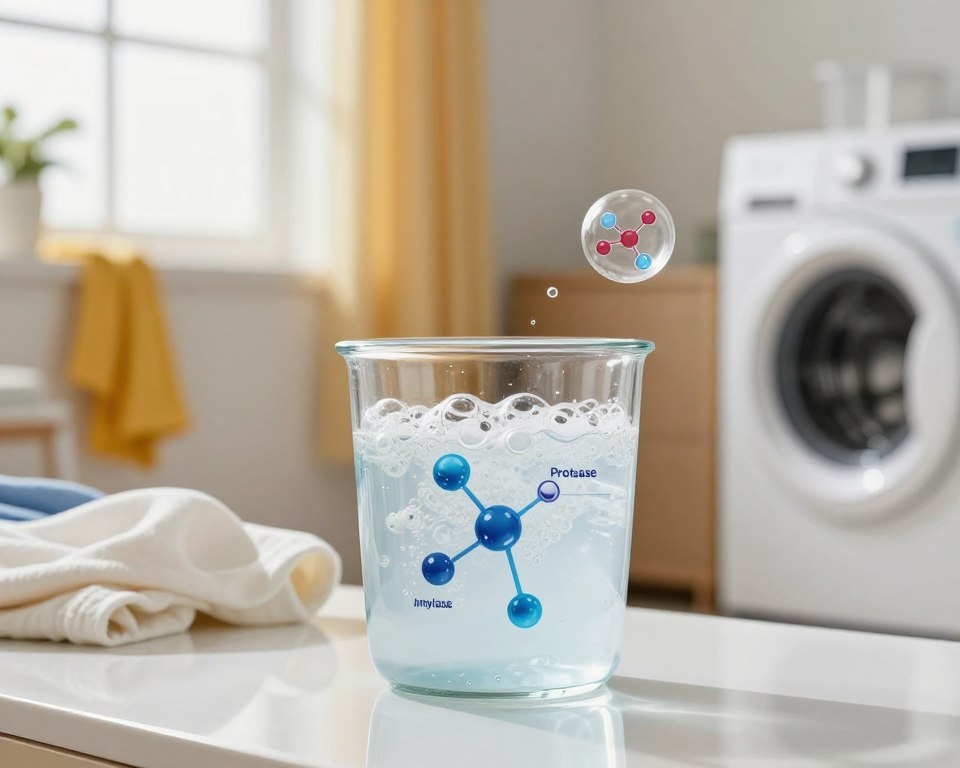
Enzymes speed up chemical reactions without getting used up. In laundry, they target and break down stain molecules. This makes the stains easy to wash away.
Each enzyme is made to tackle different types of stains. Some break down protein stains, while others target starch. This precision lets enzyme-based detergents clean deeper than regular soaps.
Distinguishing Between Biological and Non-Biological Detergents
The main difference is in their cleaning agents. Biological detergents use enzymes to digest organic stains. Non-biological detergents use surfactants to lift dirt.
Surfactants are good at removing oils but can’t digest stains like enzymes do. People choose based on their cleaning needs and skin sensitivity. Here’s a table showing their differences.
| Feature | Biological Detergents | Non-Biological Detergents |
|---|---|---|
| Primary Mechanism | Enzymatic Hydrolysis | Surfactant Emulsification |
| Target Soil | Proteins, Starches, Fats | Surface Oils, Dust |
| Cleaning Efficiency | High on organic stains | Moderate on general dirt |
| Temperature Needs | Effective in cold water | Often requires heat |
Knowing these differences helps pick the right enzyme-based detergents. With enzyme technology in laundry care, families can keep clothes clean and save water and energy.
Understanding Protease and Amylase in Modern Formulations
Today’s cleaning agents work well thanks to protease and amylase. These enzymes are key in laundry detergent enzymes. They help remove stains better, even at lower water temperatures. This means clothes stay clean without harsh chemicals.
The Role of Protease in Breaking Down Protein Stains
Proteases break down protein chains by hydrolyzing peptide bonds. This action effectively removes tough stains like blood and sweat. Without protease, surfactants alone can’t get rid of these stains.
Proteases break down protein-based soils. This lets the detergent remove debris from fabric fibers. It’s great for clothes worn during exercise or exposed to organic matter. Clothes stay cleaner and last longer.
The Function of Amylase in Removing Starch-Based Soils
Amylases work alongside proteases to target starches. They turn complex carbohydrates from foods like pasta into simple sugars. These broken-down starches then dissolve in wash water and are washed away.
Adding amylase to a formula helps manage a wide range of stains. This combination ensures food spills don’t set into fabric. Below is a table showing how these enzymes improve laundry care.
| Enzyme Type | Primary Target | Cleaning Benefit |
|---|---|---|
| Protease | Proteins (Blood, Sweat) | Removes stubborn organic stains |
| Amylase | Starches (Pasta, Sauces) | Prevents soil redeposition |
| Combined | Mixed Soils | Optimizes overall wash efficiency |
Using these enzymes leads to efficient cleaning with enzymes and keeps fabrics intact. Knowing how they work helps us choose better cleaning products for our daily needs.
The Rise of Enzymes in Laundry Detergents
Early experiments with pancreatic extracts led to today’s cleaning agents. The move from simple soap to enzymes in laundry detergents changed how we clean clothes.
Historical Evolution of Enzymatic Laundry Products
In 1913, chemist Otto Röhm created the first enzyme-based detergent, Burnus. It used pancreatic extracts to break down protein stains.
This was a big step forward. It could remove tough stains that soap couldn’t. Over time, these early products became more stable and effective.
Why Manufacturers Prefer Enzyme-Based Detergents Today
Today, enzyme-based detergents are preferred for their better cleaning. They work well even in cold water, saving energy.
The benefits of enzymes in detergents go beyond cleaning. They allow for more concentrated formulas. This means less plastic packaging is needed.
| Feature | Traditional Soap | Enzyme-Based Detergent |
|---|---|---|
| Cleaning Mechanism | Surface tension reduction | Biological stain degradation |
| Temperature Needs | High heat required | Effective in cold water |
| Environmental Impact | High surfactant load | Biodegradable catalysts |
| Stain Specificity | General purpose | Targeted (Protein/Starch) |
Using these proteins, companies make products that clean well and are good for the planet. This change helps laundry care stay efficient and green.
Common Skin Reactions to Laundry Additives
Skin reactions to laundry additives can be divided into two main types. Both can be uncomfortable, but they come from different body processes.
Knowing the difference is key to finding relief and picking safer laundry products. Accurate identification of the cause is vital for your skin’s health.
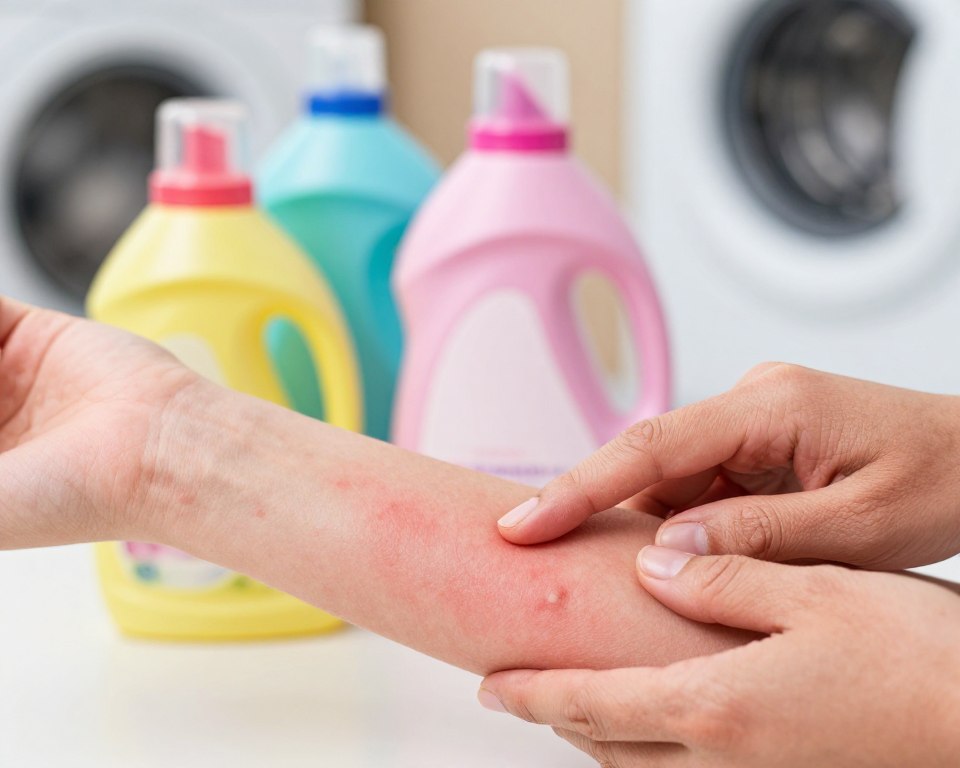
Differentiating Between Irritant Contact Dermatitis and Allergic Reactions
Irritant contact dermatitis is a common skin issue from laundry. It happens when harsh chemicals or enzymes damage the skin barrier.
This reaction doesn’t involve the immune system. It’s caused by substances that remove the skin’s natural oils.
“The distinction between irritation and allergy is fundamental to dermatological care, as the management strategies for each are entirely different.”
Allergic reactions, or allergic contact dermatitis, are immune-related. Your body sees a certain ingredient as a threat and fights it.
Unlike irritation, which can affect anyone, an allergic reaction only happens in those sensitized to a specific allergen. Even a small amount can cause a reaction.
Symptoms of Detergent-Induced Skin Sensitivity
Knowing the signs of a reaction helps figure out how serious it is. Symptoms often show up in tight spots like the waist, underarms, or inner thighs.
Signs of detergent sensitivity include:
- Erythema: Visible redness or flushing of the skin surface.
- Pruritus: Persistent itching that may worsen after wearing freshly washed garments.
- Localized Inflammation: Swelling or the development of small, dry patches.
If you see these signs, watch how your skin reacts to different laundry cycles. Consistent observation helps tell if it’s a temporary irritation or a serious allergy.
Are Protease and Amylase Inherently Irritating?
Many people think that laundry detergent enzymes cause skin problems. But, research shows they are not usually the main cause of skin irritation. These proteins are great at removing stains, but they don’t have to be harsh on human skin.
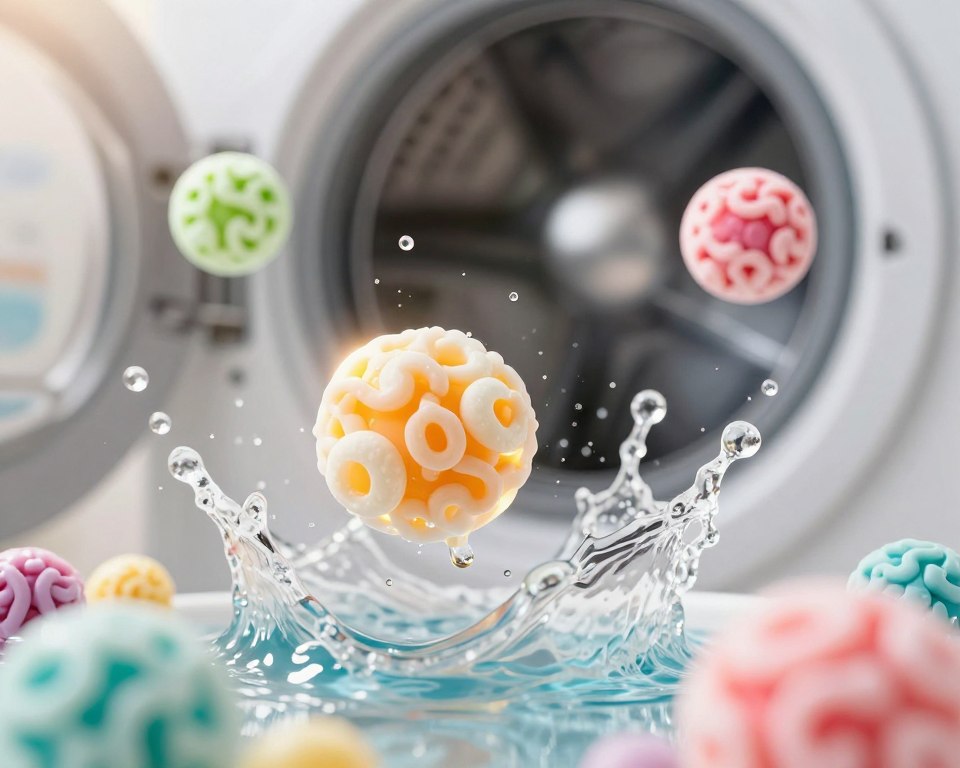
Analyzing the Molecular Size and Skin Penetration
Enzymes are made from microbes like Bacillus subtilis and Aspergillus niger. Their big size means they can’t get past the skin’s outer layer. This layer, called the stratum corneum, keeps them out.
The skin is very good at keeping big molecules from getting in. So, it’s very unlikely that laundry detergent enzymes will cause a big reaction in the skin. They only work on the surface of clothes during washing.
Pharmacist Perspective on Enzyme Sensitization
In my work, I see people blaming enzymes for skin problems when it’s really something else. Often, it’s things like fragrances, preservatives, or harsh cleaners that cause trouble. Enzymes get blamed just because they’re listed on the label.
It’s important to look at how different parts of a detergent might affect the skin. Here’s a table that shows how different ingredients interact with the skin.
| Ingredient Category | Primary Function | Irritation Level |
|---|---|---|
| Laundry detergent enzymes | Stain removal | Low (Large molecule size) |
| Synthetic Fragrances | Scent masking | High (Common allergen) |
| Preservatives | Shelf-life stability | Moderate (Contact sensitizer) |
| Anionic Surfactants | Dirt emulsification | Moderate (Can strip oils) |
The Role of Surfactants and Fragrances in Skin Irritation
Laundry detergent is more than just enzymes. Other ingredients can cause skin irritation. Knowing what’s in your detergent is key for those with sensitive skin.
Why Enzymes Often Get Blamed for Other Chemical Irritants
People often blame enzymes for skin problems. But, surfactants and fragrances are more likely to cause irritation. Surfactants clean clothes but can also remove skin oils.
Fragrances are big troublemakers. They can cause allergic reactions, even in small amounts. Because they’re in so many products, they’re often blamed for reactions that aren’t their fault.
The Synergistic Effect of Detergent Ingredients on Skin Barrier Function
Detergent ingredients work together in ways that affect the skin. Surfactants, builders, and fragrances can weaken the skin’s barrier. This barrier keeps moisture in and irritants out.
When the barrier is broken, the skin can’t protect itself as well. Clinical observation shows that avoiding these chemicals is better than just focusing on enzymes.
Identifying High-Risk Ingredients for Sensitive Skin
When checking if your laundry is safe, look beyond enzymes. Enzymes get a lot of attention, but they’re not usually the main cause of skin problems. Other chemicals in laundry can also harm your skin and cause discomfort.
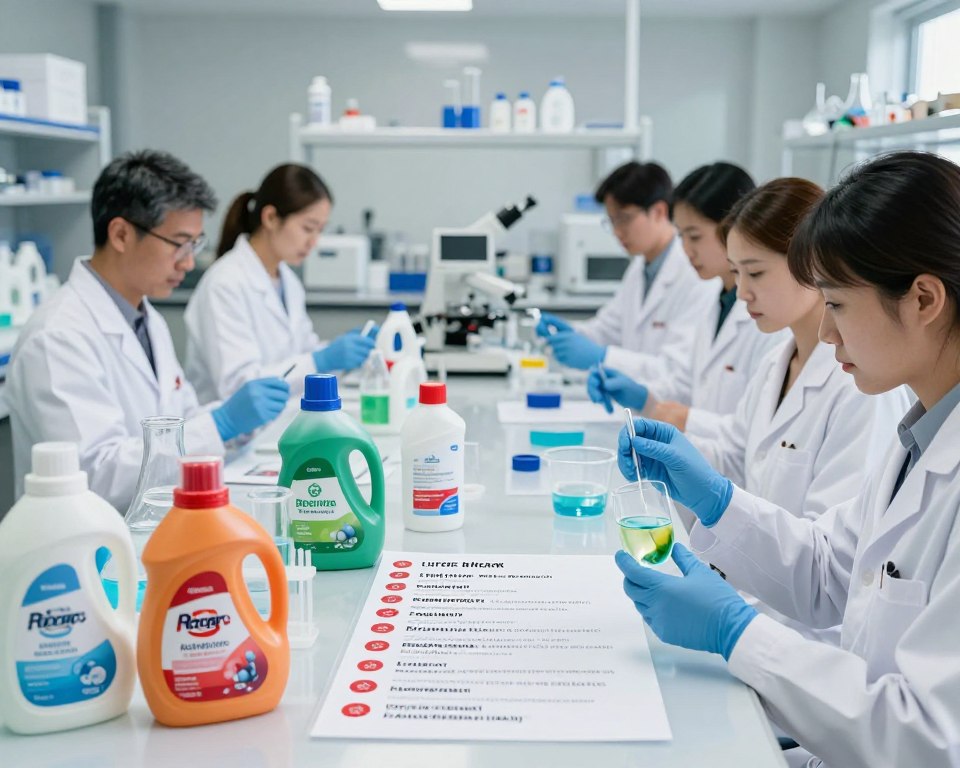
Common Culprits Beyond Enzymes
Many additives can cause skin issues. Synthetic dyes are used for looks but can be allergens. Optical brighteners stay on fabric, touching your skin all day.
Preservatives like methylisothiazolinone stop germs but can also irritate skin. If you’re wondering if baby safe laundry detergent is right for you, it’s worth checking.
Reading Labels to Avoid Potencial Triggers
Understanding ingredient labels is key to skin health. Companies must list ingredients, but details can vary. Look out for fragrances, which can hide many chemicals.
By checking labels against known irritants, you can choose safer products. The table below lists ingredients to watch out for if you have sensitive skin.
| Ingredient Category | Common Example | Primary Function | Risk Level |
|---|---|---|---|
| Preservatives | Methylisothiazolinone | Prevents bacterial growth | High |
| Optical Brighteners | Stilbene derivatives | Enhances fabric whiteness | Moderate |
| Synthetic Fragrances | Limonene/Linalool | Provides scent | High |
| Synthetic Dyes | Acid Blue 9 | Coloring agent | Low to Moderate |
Best Practices for Washing Clothes with Sensitive Skin
Washing clothes the right way is key for people with sensitive skin. Certain habits in your laundry routine can help avoid irritation. By focusing on removing residue, you protect your skin better.
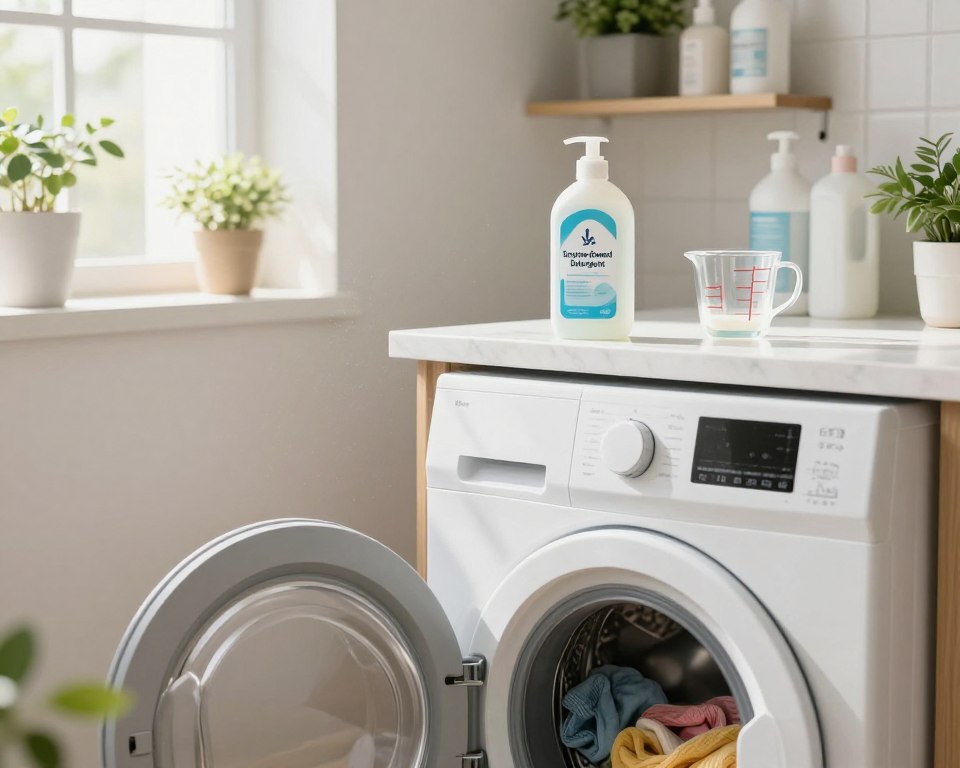
The Importance of Extra Rinse Cycles
Proper rinsing is the best way to remove enzyme laundry additive from clothes. Modern machines use less water, which can leave behind surfactants and proteins. An extra rinse cycle helps get rid of these irritants.
Adding an extra cycle is great for those with sensitive skin. It lowers the amount of chemicals left on your skin. Consistency is key in keeping your skin healthy through laundry habits.
Choosing the Right Water Temperature for Enzyme Activation
Knowing the right temperature for your detergent is important for efficient cleaning with enzymes. Even in cooler water, modern enzymes work well. Using cooler water saves energy and is good for the planet.
It’s important to find a balance between saving energy and cleaning well. If you wash in cold water, make sure your detergent is made for it. This prevents residue buildup. Here’s a table with tips for washing clothes with sensitive skin.
| Wash Setting | Benefit for Sensitive Skin | Energy Impact |
|---|---|---|
| Extra Rinse | Removes residual enzymes | Minimal increase |
| Cold Water | Reduces chemical reactivity | 30% lower usage |
| Full Load | Prevents over-concentration | High efficiency |
| Low Spin | Reduces fiber friction | Neutral |
Evaluating Hypoallergenic and Enzyme-Free Alternatives
Choosing between enzyme-based and enzyme-free detergents is key for those with sensitive skin. Laundry detergent enzymes work well on tough stains but might not be right for everyone. It’s about finding a balance between your skin’s needs and stain removal.
When to Switch to Enzyme-Free Detergents
If you keep getting skin irritation, it’s time to think about enzyme-free detergents. These avoid biological catalysts that can cause reactions. But, you’ll miss out on the benefits of enzymes in detergents, like tackling protein and starch-based stains at lower temperatures.
“The goal of any skin-conscious laundry routine is to minimize exposure to possible allergens while keeping your clothes clean.”
Going to an enzyme-free detergent means changing how you wash clothes. You might need to use hotter water or more scrubbing to get clothes as clean as before. This change is for those who value skin health over quick stain removal.
Pros and Cons of Natural Laundry Alternatives
Natural or hypoallergenic detergents are a good compromise. They avoid harsh chemicals and sometimes enzymes to lower allergy risks. Yet, they might not clean as well as regular detergents.
- Hypoallergenic detergents: Keep enzymes but remove common irritants like fragrances.
- Enzyme-free formulas: Are safest for those allergic to enzymes but need hotter water.
- Natural alternatives: Use plant-based surfactants, which are gentle but might need extra stain treatment.
Choosing depends on your skin’s sensitivity. If it’s reactive, enzyme-free or hypoallergenic products are a logical step to avoid more irritation. Finding the right balance helps protect your skin while keeping clothes clean.
Testing Detergents for Personal Skin Compatibility
Before trying a new laundry product, do a simple skin test. Even top-notch enzyme laundry additives can cause skin issues. This test helps avoid problems with your clothes.
How to Perform a Patch Test with Laundry Residue
A patch test is a smart way to check if a detergent will cause a reaction. Mix a bit of the detergent with water, like in a rinse cycle. Put this mix on a small skin area, like your inner forearm, and cover it with a breathable bandage.
Keep the residue on for 48 hours to see if you get any redness, itching, or swelling. If you feel any discomfort, wash the area with cool water right away. This test helps you choose the right product for you, like comparing Tide Original vs Tide Free.
Monitoring Skin Health Over Time
Watching your skin health closely is key, even more so if you have ongoing skin issues. Your skin’s sensitivity can change due to many reasons. Always be careful when trying a new enzyme laundry additive.
Keep track of how your skin reacts over weeks. If you keep getting dry skin or rashes, think about your laundry and products. Keeping your routine simple and safe is best for your skin.
The Impact of Fabric Types on Enzyme Retention
The way a fabric is woven affects how well enzymes and surfactants are washed out. Many people think a standard wash cycle works for all clothes. But, the material’s structure often holds onto residue.
Understanding these interactions is key to avoiding skin irritation from laundry products.
Synthetic Fibers Versus Natural Cotton and Silk
Synthetic fibers like polyester and nylon have a special structure. They don’t absorb water as well as natural fibers. This makes it hard to rinse away detergent residue from these materials.
Natural fibers like cotton, silk, and wool absorb more water. This helps cleaning agents get in, but also means they can hold onto things longer. For those curious about the science, understanding enzyme laundry detergents is key to choosing the right care for different fabrics.
How Fabric Weave Affects Rinsability
The weave of a fabric greatly affects how well water can wash out additives. Tightly woven fabrics, like high-thread-count cotton, have small pockets. These pockets are hard for water to reach, leading to residual buildup that can irritate the skin.
On the other hand, looser weaves or knits let water move better. This helps remove detergent parts more effectively. If you have sensitive skin, picking the right laundry settings is important. Choosing a longer rinse cycle or using more water can help with fabrics that trap residue.
Environmental and Health Considerations of Enzyme Cleaners
Enzyme-based detergents are a big step towards greener cleaning. They use biological catalysts to clean well at lower temperatures. This cuts down on energy use at home.
Biodegradability of Modern Laundry Enzymes
One key benefit of enzymes in detergents is they break down easily. Unlike synthetic chemicals, enzymes turn into simple amino acids. This makes them safe for the environment.
These proteins come from nature, meeting the need for eco-friendly cleaning products. They help reduce the impact of wastewater from your home.
Balancing Cleaning Efficiency with Skin Safety
It’s important to clean well without harming your skin. Enzyme cleaners for laundry are great at getting rid of tough stains. But, they must be made to avoid skin irritation.
By mixing enzymes with gentle surfactants, makers keep the cleaning power up. This way, your skin stays safe. Here’s a comparison of traditional and enzyme-based cleaners.
| Feature | Synthetic Surfactants | Biological Enzymes |
|---|---|---|
| Origin | Petroleum-based | Naturally derived |
| Biodegradability | Low to Moderate | High |
| Wash Temperature | High required | Effective in cold |
| Skin Impact | Can be harsh | Generally mild |
In the end, enzyme-based detergents are a smart choice for laundry. They balance cleaning power with skin safety. This way, you keep your home clean and support a healthier planet.
Regulatory Standards for Detergent Safety in the United States
The rules for household detergents in the U.S. mix environmental rules with industry standards. Many think all household chemicals get tested before they hit the market. But, the truth is, safety and environmental protection are spread out.
How the EPA and FDA Monitor Laundry Product Ingredients
In the U.S., the Environmental Protection Agency (EPA) watches over the environmental effects of detergent chemicals. They check how these chemicals act in water, making sure enzymatic laundry products don’t harm the environment long-term.
The Food and Drug Administration (FDA) doesn’t usually check laundry detergents. This is because these products clean clothes, not the body. You can find out more about U.S. laundry detergent rules to understand why this is.
“Regulatory oversight in the detergent industry relies heavily on a combination of federal environmental mandates and proactive industry self-regulation to ensure consumer safety.”
Transparency in Ingredient Labeling Requirements
Being open about what’s in products is key for those who care about health and safety. Even though the law doesn’t require listing every chemical, companies are starting to share more.
This move towards openness helps people choose better. It lets them spot possible skin irritants without needing to know chemistry.
| Regulatory Body | Primary Focus | Scope of Oversight |
|---|---|---|
| EPA | Environmental Impact | Water safety and chemical toxicity |
| FDA | Cosmetic/Drug Safety | Limited to direct skin-contact products |
| Industry Groups | Voluntary Disclosure | Ingredient transparency and labeling |
Clear communication between makers and users is key for trust. As things change, more companies are showing what’s in their products. This makes a safer world for everyone.
Expert Tips for Managing Laundry-Related Dermatitis
Dealing with skin irritation needs a careful look at your laundry habits. Many find relief by changing products. But, some keep feeling pain that needs a doctor’s help.
When to Consult a Dermatologist
If your skin keeps getting irritated, even with hypoallergenic or enzyme-free detergents, see a dermatologist. They can check for other causes of dermatitis. This includes things like environmental allergens or skin conditions that look like laundry reactions.
Your doctor might do patch tests to find out what chemicals bother you. This is important if you think enzyme cleaners for laundry are causing your problems. They can make a plan to help your skin heal.
Lifestyle Adjustments for Chronic Skin Sensitivity
Choosing the right detergent is just the start. Making small changes at home can also help your skin. Using fragrance-free fabric softeners and keeping your washing machine clean are good steps.
Regular washing machine cleaning stops residue buildup. Consistency is key for managing chronic sensitivity. Even a little bit of leftover chemical can cause a flare-up.
Here are some easy ways to keep your laundry area skin-friendly:
- Double-rinse all loads to get rid of surfactants.
- Don’t use liquid fabric softeners because they have strong fragrances.
- Choose hypoallergenic detergents without dyes and perfumes.
- Leave your washing machine door open between cycles to stop mold and bacteria.
Conclusion
Modern laundry care uses advanced chemistry for deep cleaning. Enzymatic laundry products are a big step forward. They target stains at low temperatures with biological catalysts.
These products are mostly safe for most people. Skin reactions can happen, but they’re often from fragrances or surfactants, not the enzymes. Knowing what irritates your skin is key to avoiding problems.
Regularly rinsing clothes extra helps remove leftover detergent. This reduces skin contact with active ingredients. By rinsing well and choosing the right products, you can safely use enzyme technology in your laundry.
Make smart laundry choices by reading labels and watching how your skin reacts. Making informed choices means cleaner clothes and healthier skin. Your laundry routine should balance cleaning power with your skin’s needs.
FAQ
How Enzymes Function at a Molecular Level
Enzymes are biological catalysts that speed up the breakdown of complex stains. They work by breaking down insoluble soils into water-soluble parts. This makes it easy to rinse them away.
Distinguishing Between Biological and Non-Biological Detergents
Biological detergents use enzymes to target organic matter. Non-biological detergents, like Persil Non-Bio, use chemical surfactants and mechanical agitation. Biological detergents are better for sensitive skin and work well at lower temperatures.
The Role of Protease in Breaking Down Protein Stains
Proteases are enzymes that break down proteins. They are great at removing stains like blood and grass. Without proteases, these stains need high-heat cycles to remove.
The Function of Amylase in Removing Starch-Based Soils
Amylases target carbohydrates, like starch in pasta and gravy. They break down starch into simple sugars. These sugars then dissolve in water, preventing fabric discoloration.
Historical Evolution of Enzymatic Laundry Products
The use of enzymes in laundry started in the early 1900s. By the 1960s, more stable enzymes were introduced. Today, advanced bio-engineering makes enzymes work well in different conditions.
Why Manufacturers Prefer Enzyme-Based Detergents Today
Manufacturers like enzymes because they allow for cold-water formulas. Brands like Tide use them to keep performance high while reducing chemical and energy use.
Differentiating Between Irritant Contact Dermatitis and Allergic Reactions
Irritant contact dermatitis is a skin reaction from harsh chemicals. Allergic reactions involve the immune system. Enzymes are rarely the cause of true allergies.
Symptoms of Detergent-Induced Skin Sensitivity
Symptoms include redness, itching, and dryness. These often appear where clothes fit tightly. In my experience, these symptoms are more often caused by fragrances or preservatives than enzymes.
Analyzing the Molecular Size and Skin Penetration
Enzymes are large protein molecules. Their size prevents them from penetrating the skin’s outer layer. This makes them unlikely to cause internal sensitization.
Pharmacist Perspective on Enzyme Sensitization
In my practice, I’ve seen many misattributed sensitivities. While enzymes are biological, they are not primary irritants. Most “detergent rashes” go away when switching to fragrance-free products.
Why Enzymes Often Get Blamed for Other Chemical Irritants
Enzymes are often blamed, but synthetic fragrances and surfactants are more likely to irritate the skin. These chemicals disrupt the skin’s lipid barrier.
The Synergistic Effect of Detergent Ingredients on Skin Barrier Function
High pH levels and surfactants can strip the skin. If a detergent is not rinsed well, any remaining ingredient can cause irritation. Surfactants are usually the main cause of irritation.
Common Culprits Beyond Enzymes
Look for Methylisothiazolinone and synthetic dyes on labels. These are known allergens that can cause contact dermatitis.
Reading Labels to Avoid Potent Triggers
For reactive skin, look for the “Safer Choice” label. Brands like All Free Clear remove dyes and perfumes while keeping cleaning power.
The Importance of Extra Rinse Cycles
Extra rinse cycles are key to avoiding skin irritation. They remove proteins and surfactants trapped in fabric.
Choosing the Right Water Temperature for Enzyme Activation
Enzymes work best in temperatures between 60°F and 100°F. Hot water can deactivate them, making them useless.
When to Switch to Enzyme-Free Detergents
If you have an open skin barrier, try an enzyme-free detergent. Soap-based products like Charlie’s Soap are good options.
Pros and Cons of Natural Laundry Alternatives
“Natural” doesn’t always mean safe. Vinegar or baking soda are gentle but lack the cleaning power of enzymes. This can lead to oil and bacteria buildup.
How to Perform a Patch Test with Laundry Residue
Wash a small fabric piece in the detergent, then rinse and apply it to your skin for 24 hours. Watch for any reactions.
Monitoring Skin Health Over Time
Skin sensitivity can change. Keep a laundry log to track changes in brands or rinse settings.
Synthetic Fibers Versus Natural Cotton and Silk
Synthetic fibers can trap detergent molecules more than natural fibers. Use enzymes like cellulase with caution on delicate fibers like silk or wool.
How Fabric Weave Affects Rinsability
Tight weaves or heavy fabrics need more water to rinse. Make sure the load is not too big to allow for effective rinsing.
Biodegradability of Modern Laundry Enzymes
Enzymes in detergents are biodegradable. They break down into harmless amino acids in wastewater, unlike some synthetic agents.
Balancing Cleaning Efficiency with Skin Safety
Enzyme cleaners save energy and protect fabric longevity. They work well at lower temperatures, making clothes softer for sensitive skin.
How the EPA and FDA Monitor Laundry Product Ingredients
The EPA’s Safer Choice program helps identify safer products. The FDA doesn’t regulate detergents, but the CPSC oversees labeling.
Transparency in Ingredient Labeling Requirements
Consumers want full disclosure. Companies like Procter & Gamble now list all ingredients online, explaining their functions.
When to Consult a Dermatologist
If a rash persists, see a dermatologist. Patch testing can identify specific allergens.
Lifestyle Adjustments for Chronic Skin Sensitivity
Ensure your washing machine is clean monthly. This prevents mold or detergent buildup that can irritate the skin.
Are enzymes in laundry detergents safe for babies?
Yes, generally. Most enzymes are safe because they don’t penetrate the skin. For newborns, use fragrance-free “baby” detergents like Dreft Pure Gentleness or Seventh Generation Baby.
What are the main benefits of enzymes in detergents?
Enzymes remove tough stains at lower temperatures. This saves energy, protects fabric, and provides a deeper clean than surfactants alone.
Can I use enzyme-based detergents on silk or wool?
Use caution. Protease enzymes can weaken silk and wool over time. It’s best to use a dedicated delicate wash for these materials.
Why should I use an enzyme laundry additive?
Enzyme additives are great for spot treatments or boosting a wash load. They work well without needing high-chemical detergents for every load.
Do enzyme-based detergents work in cold water?
Yes, they are designed to work in cold water. This makes them efficient at lower temperatures where traditional chemical reactions slow down.
Is it possible to be allergic to laundry detergent enzymes?
While rare, it’s not impossible. Most “enzyme” allergies are actually reactions to fragrances, dyes, or preservatives. Try a fragrance-free biological detergent first.
Are enzyme cleaners for laundry better for the environment?
Yes. Enzyme-based detergents are biodegradable and save energy. They are generally more sustainable than detergents relying on synthetic chemicals.