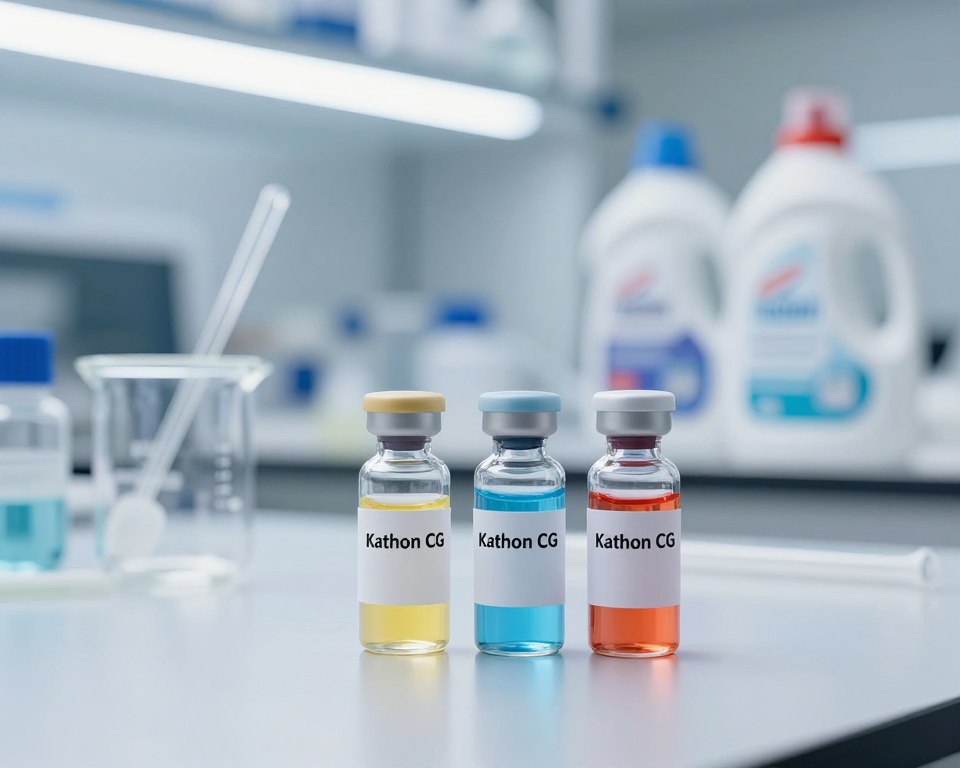
Nearly 15 million Americans suffer from contact dermatitis every year. Many don’t know that their daily cleaning routine is the main cause. We often overlook the chemicals in our household items.
As a pharmacist, I see many patients with skin irritation. The culprit is often in common US Detergents. These products use Isothiazolinone Preservatives to stop germs and last longer.
Kathon CG is a big worry for doctors because it can make skin sensitive. Knowing how these chemicals affect your skin is key to getting better. This guide will help you spot and avoid these irritants.
Key Takeaways
- Contact dermatitis affects millions of Americans, often triggered by everyday household chemicals.
- Common additives are used to extend product shelf life but can cause severe skin reactions.
- Pharmacists observe a rising trend in patients presenting with sensitivities linked to cleaning agents.
- Identifying specific chemical names on labels is essential for preventing recurring skin irritation.
- Evidence-based awareness empowers consumers to make safer choices for their homes and families.
The Chemistry and Function of Kathon CG in Household Products
Modern cleaning agents rely on strong antimicrobial preservatives. These keep water-based formulas safe from bacteria, mold, and yeast. This is key during storage and use.
Without these preservatives, many liquid products would spoil fast. This could lead to contamination risks for users. A common solution is Kathon CG, a special preservative blend.
Understanding Isothiazolinones
Kathon CG combines two active compounds: methylchloroisothiazolinone (MCI) and methylisothiazolinone (MI). This blend is used widely because it protects against many microbes.
The compounds’ structure makes them very reactive. This helps them fight off microorganisms. But, it also makes them strong skin sensitizers. This can cause an immune response and lead to contact dermatitis.
Why Manufacturers Choose Kathon CG
Manufacturers like Kathon CG because it works well at very low doses. It’s used in many products at just 15 ppm. This makes it a cost-effective choice for big batches.
Even so, Kathon CG safety is a topic of debate. Dermatologists and toxicologists are always trying to find a balance. They aim to keep products fresh while avoiding skin irritation.
| Feature | Kathon CG | Alternative Preservatives |
|---|---|---|
| Concentration Needed | Very Low (15 ppm) | Moderate to High |
| Spectrum of Activity | Broad (Bacteria/Fungi) | Often Narrow |
| Skin Sensitization Risk | High | Low to Moderate |
| Cost-Effectiveness | High | Variable |
Isothiazolinone Preservatives (Kathon CG) in US Detergents
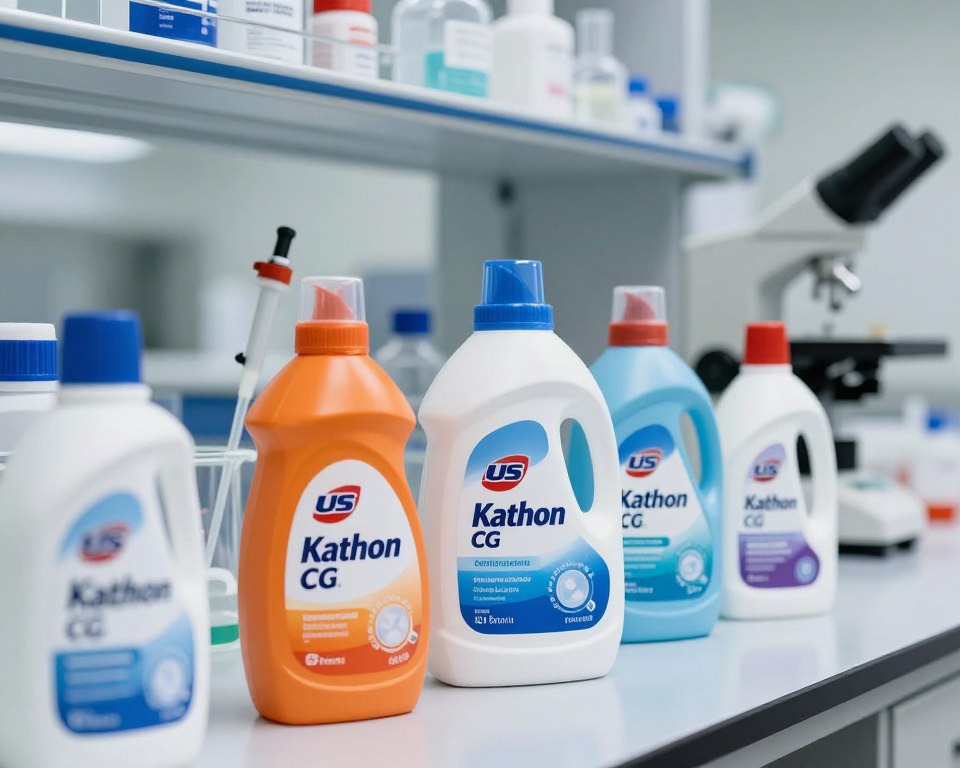
Isothiazolinone preservatives are found in many cleaning products in American homes. People often check labels on lotions and shampoos but not on detergents. These substances prevent microbes but can be harmful to those with sensitive skin.
Common Detergent Categories Containing Preservatives
The US detergent market offers a wide range of cleaners. These products use additives to last longer and stay clean. Here are some common types that often include these additives:
- Liquid laundry detergents
- Manual dishwashing liquids
- All-purpose surface cleaners
- Fabric softeners and conditioners
It’s key to know that preservatives in detergents are not just in one type of product. Because these items are used often, people can be exposed more than they think. My experience shows that patients often miss these products when looking for the cause of their skin issues.
The Prevalence of Kathon CG in Liquid Laundry Detergents
Kathon CG is a mix of methylchloroisothiazolinone (MCI) and methylisothiazolinone (MI). It’s used in about 0.0015% concentration in many cleaning products. You can find more about it through Kathon CG technical insights by experts.
These products are diluted in water, but skin can be exposed for a long time. Even after rinsing, some of these chemicals can stay on fabrics. This means skin contact can continue throughout the day.
| Product Category | Preservative Function | Exposure Risk Level |
|---|---|---|
| Liquid Laundry Detergent | Prevents bacterial spoilage | Moderate to High |
| Manual Dish Soap | Maintains shelf stability | High (Direct contact) |
| Surface Cleaners | Inhibits mold growth | Low (Occasional use) |
| Fabric Softener | Prevents microbial bloom | Moderate (Residual contact) |
The Mechanism of Contact Dermatitis
Contact dermatitis is more than just skin irritation. It’s a complex immune response to certain chemicals. When our skin meets specific chemical preservatives, it may react defensively. This can lead to lasting sensitivity.
Understanding this process helps us see how household products affect our bodies.
Allergic Contact Dermatitis Explained
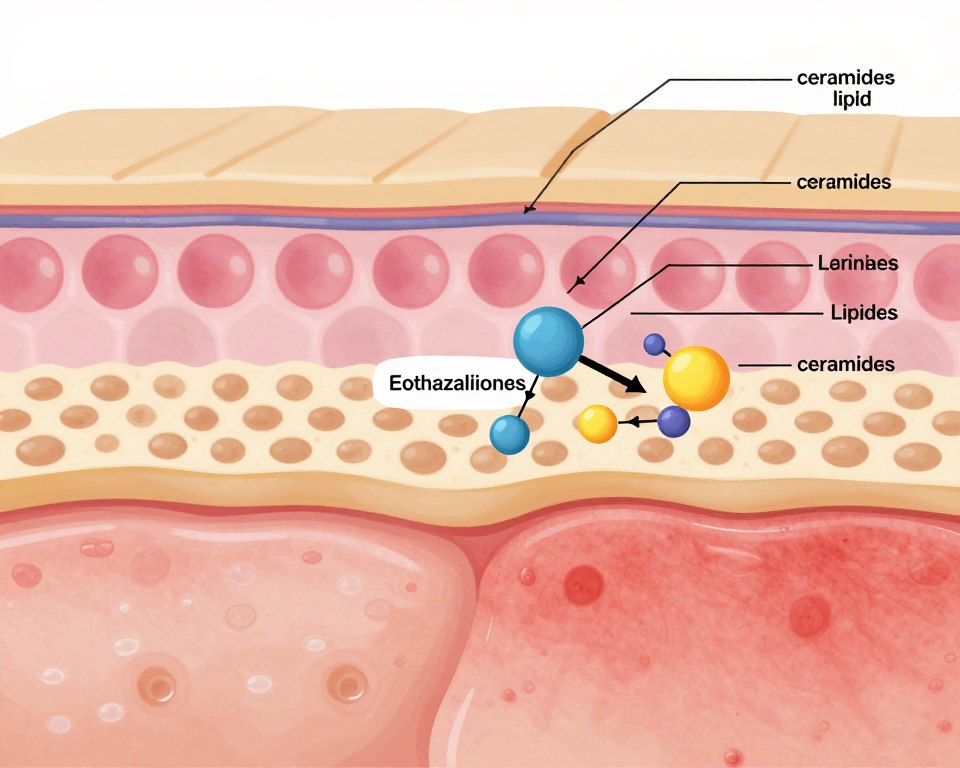
Allergic contact dermatitis (ACD) is an inflammatory reaction. It’s caused by the immune system reacting to a substance as a threat.
This reaction doesn’t happen right away. First, the immune system learns to recognize the chemical. After that, even small amounts can cause a big inflammatory response.
How Skin Barrier Disruption Facilitates Sensitization
The skin acts as a protective barrier against the environment. When it’s weakened, chemicals can penetrate deeper. This makes the skin more prone to sensitization.
Several things can damage the skin’s defenses:
- Chronic dryness that creates tiny cracks in the skin.
- Mechanical friction from clothes or washing too much.
- Existing irritation from harsh cleaners or detergents.
Once the barrier is broken, the risk of a permanent allergy increases. Keeping the skin intact is key to avoiding chronic contact dermatitis.
Symptoms and Clinical Presentation of Isothiazolinone Allergy
If your laundry makes you break out in a rash, it’s key to know about isothiazolinone allergy. Many people deal with skin problems without knowing their cleaning products are the cause. Spotting these signs early can stop more serious skin issues.
Identifying Early Signs of Skin Irritation
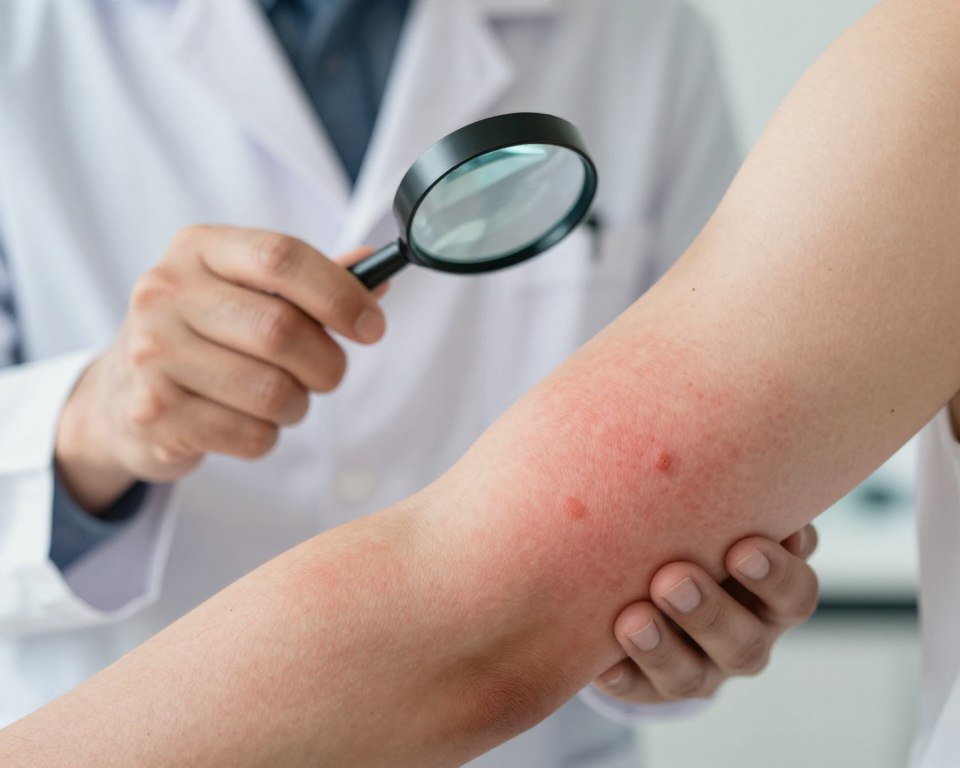
The signs of this allergy often start with erythema, or red skin. People might notice small, raised papules or fluid-filled vesicles where they touch treated fabrics. These are common in contact dermatitis, when the skin is already weak.
In my work, I see many with chronic hand eczema not knowing their cleaning is the main cause. If you’re worried about your products, check if is Gain detergent is safe for sensitive. Spotting these signs early helps in choosing better skin care and products.
Differentiating Between Irritant and Allergic Reactions
Telling the difference between irritation and an allergic reaction is key to managing it well. Irritant contact dermatitis shows up right away with redness, burning, or stinging. This happens because the chemical damages the skin’s outer layer.
An allergic reaction, on the other hand, is an immune response that takes 48 to 96 hours to show up. Unlike irritation, which depends on the dose, even a small amount of an allergen can cause a big reaction. Knowing this delay is important, as it explains why symptoms can last long after stopping a product.
The Rise of Sensitization Rates in the United States
In the last 20 years, skin sensitization to isothiazolinones has become a big problem. Dermatologists see more patients with allergic contact dermatitis than ever before. This is because we use more chemicals in our daily products.

Trends in Dermatological Data
Studies show a big jump in sensitivity to methylchloroisothiazolinone and methylisothiazolinone (MCI/MI). For example, one study found a big increase from 3.35% to 11.14% between 2006 and 2012. This shows how our skin is facing more challenges from chemicals in products.
The table below shows how sensitization rates have changed over the years:
| Observation Period | Sensitization Rate | Clinical Significance |
|---|---|---|
| 2006 – 2008 | 3.35% | Baseline monitoring |
| 2009 – 2010 | 6.80% | Moderate increase |
| 2011 – 2012 | 11.14% | High clinical alert |
The Impact of Increased Exposure in Domestic Environments
The increase in Kathon CG sensitivity is mainly because these preservatives are everywhere. They are in cleaning products at home and work. People often touch these chemicals without knowing it, because they are hidden in labels.
This means we need to take better care of our skin. These chemicals are in things like laundry detergent and dish soap. So, our skin gets exposed to them a lot. We need to be more aware of these chemicals to protect our skin.
Regulatory Landscape for Preservatives in the United States
The United States does not have one body that oversees all detergent ingredients. This makes it different from the European Union. American Isothiazolinone Regulations are not strict for many cleaning products.

FDA and EPA Oversight of Detergent Ingredients
In the U.S., different agencies handle chemical safety. The Food and Drug Administration (FDA) looks after cosmetics and personal care items. The Environmental Protection Agency (EPA) deals with household cleaning products.
This split leads to a patchwork approach to safety. A substance might be okay in one category but not in another. This makes it hard for both makers and buyers.
Current Labeling Requirements and Transparency Gaps
It’s hard for shoppers to know what’s in their cleaning products. Many detergents don’t list all their ingredients. This makes it tough to find out what might cause problems.
These transparency gaps affect people with skin issues the most. They can’t always find out what’s in their cleaning stuff. They have to look for voluntary company info or third-party labels.
For those with skin problems, it’s hard to shop safely. Proactive research and checking labels are the best ways to avoid bad chemicals at home.
How to Identify Kathon CG on Product Labels
Learning to read labels is key to avoiding harmful chemicals. Companies use long, technical names that are hard to understand. Knowing these names helps you spot dangers before they reach your home.
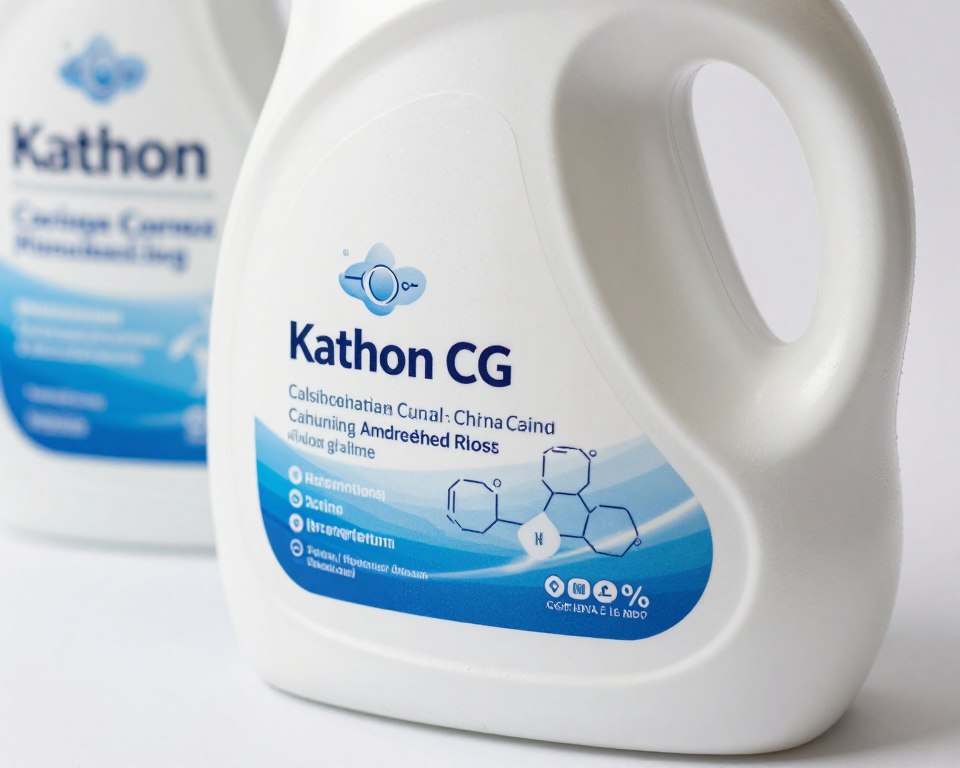
Decoding Chemical Names and Synonyms
Kathon CG is a mix of two strong preservatives. You’ll find these in many liquid soaps and shampoos, as well as in detergent ingredients. Knowing these names is vital for those with sensitivities.
Methylisothiazolinone (MI)
Methylisothiazolinone, or MI, stops bacteria from growing. It’s used because it works well at small amounts. But, it can cause skin reactions in some people.
Methylchloroisothiazolinone (MCI)
Methylchloroisothiazolinone, or MCI, is often paired with MI. Together, they protect against many bacteria. If you react to one, you might also react to the other.
Reading Ingredient Lists for Hidden Preservatives
Don’t just look at the front of the bottle. The important stuff is in the fine print. Consistency is key in avoiding allergens.
“The most effective tool for preventing allergic contact dermatitis is the ability to accurately interpret the ingredient list on household products.”
Keep a list of these names on your phone. If you’re unsure about a product, check the company’s website. Knowing what’s in your products is the best way to avoid Kathon CG and other harmful chemicals.
The Role of Patch Testing in Diagnosis
If you think you’re allergic to household cleaners, patch testing is key. It’s the best way to know for sure. This method helps doctors find out what’s causing your skin to get inflamed.
They put small amounts of possible allergens on your skin. This lets them see how your body reacts safely in a doctor’s office.

What to Expect During a Dermatologist Visit
At your visit, the dermatologist will put patches on your back. These patches need to stay dry and not be touched for a while. You’ll come back in 48 and 96 hours for the final check.
Tell your doctor if you think you’re sensitive to certain ingredients. Ask them to include Kathon CG in your test. If they don’t, the test might not find the problem.
Interpreting Patch Test Results for Isothiazolinones
Reading the results needs a doctor’s skill. A positive test for isothiazolinones shows redness, swelling, or blisters under the patch. This shows what’s causing your skin issues.
After finding out what you’re allergic to, your doctor can help you read labels. Knowing what you can’t use helps keep your skin safe. This is the first step to better skin health and avoiding future pain.
Managing Daily Exposure in the Home
Keeping your skin safe from harmful chemicals is easy with daily habits. Many US detergents clean well but have strong preservatives that can cause skin issues. By being proactive, you can make your home safer and cut down on skin problems.
Strategies for Laundry and Dishwashing Safety
Wearing nitrile gloves is a smart move when using liquid dish soap or doing laundry. Nitrile is better than latex because it blocks more preservatives in detergents.
Also, make sure your washing machine rinses clothes fully. If you get skin irritation, try rinsing your clothes twice. This can remove chemicals that might irritate your skin.
Selecting Hypoallergenic Alternatives
When buying cleaning products, check the ingredient list. I tell my patients to choose products with minimal ingredient lists. This means fewer chances of finding a chemical that can cause a reaction.
Always check if a product is safe from Kathon CG before buying. Many brands now have fragrance-free and chemical-conscious options for sensitive skin. By picking these, you control your home’s environment and support your skin’s health. Being consistent with your choices helps manage chronic sensitivities well.
The Impact of Rinse-Off Versus Leave-On Products
Using household cleaners can mix up rinse-off and leave-on exposure. Products like laundry detergents are meant to be washed away. Yet, they often leave tiny residues on fabrics. This can turn a rinse-off product into a source of ongoing, low-level contact with preservatives like Kathon CG.
Why Detergents Pose a Unique Risk
Detergents are made to remove oils and dirt, which can harm the skin’s natural barrier. When a product has sensitizing agents, it can get into the skin more easily. Even brief contact with these chemicals can cause a reaction in someone who is already sensitive.
“The persistence of chemical residues on textiles is a frequently overlooked factor in the management of allergic contact dermatitis. Patients often focus on lotions while ignoring the very clothes they wear against their skin all day.”
Detergent residue is an accidental exposure, unlike leave-on products. Because the skin is often covered by clothes for hours, the exposure time is longer. This creates a prolonged exposure window that acts like a leave-on cream.
The Importance of Proper Rinsing Techniques
Reducing the amount of preservative left on surfaces is key for those with sensitivities. Using an extra rinse cycle in your washing machine can cut down surfactants and preservatives in fibers. Consistency is key in lowering chemical loads in your home.
| Product Type | Primary Exposure | Risk Level | Mitigation Strategy |
|---|---|---|---|
| Leave-on (Lotions) | Direct/Prolonged | High | Avoidance |
| Rinse-off (Detergents) | Residual/Indirect | Moderate | Extra Rinsing |
| Surface Cleaners | Occasional/Contact | Low | Use Gloves |
It’s not just laundry; making sure dishes and countertops are well rinsed is also important. If you think your cleaning routine is causing skin irritation, try switching to fragrance-free and preservative-minimized products. Taking these steps helps keep your skin barrier strong and prevents unwanted flare-ups.
Cross-Reactivity and Co-Sensitization Risks
When you react to one chemical, you might also react to similar ones. This is called co-sensitization. It makes treating contact dermatitis harder.
People who react to one chemical are more likely to react to others. It’s not because the chemicals are the same. It’s because they look similar to the body. Knowing this helps in finding long-term solutions for skin problems.
Understanding Related Chemical Compounds
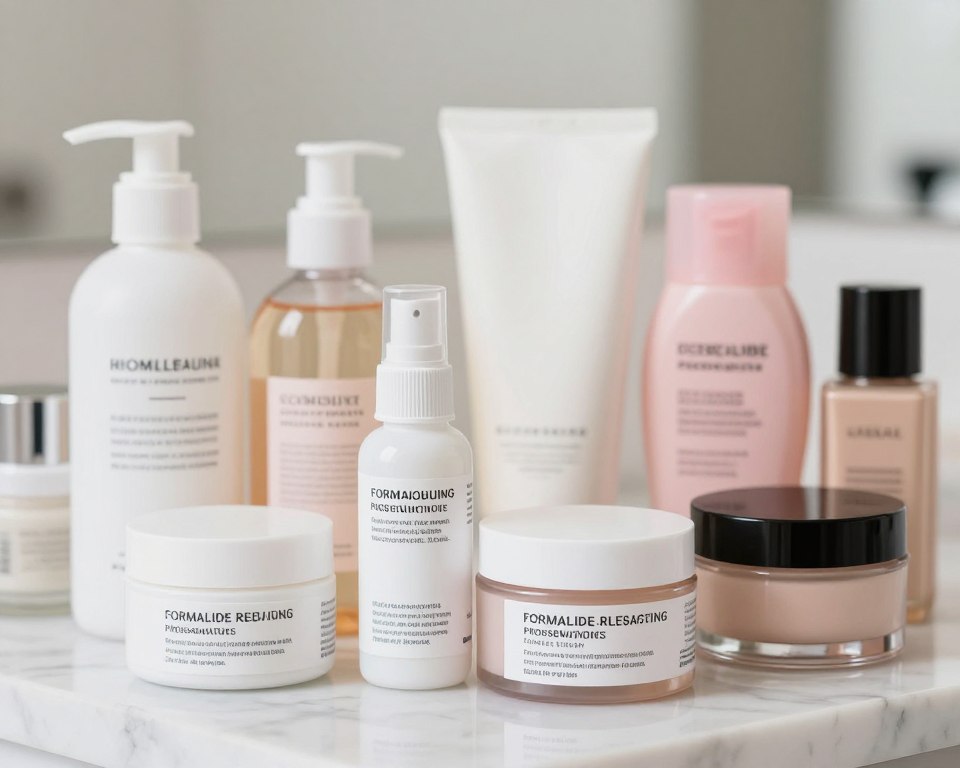
There’s a clear connection between Kathon CG and formaldehyde. They might be different, but they can cause similar reactions in people who are already sensitive.
Formaldehyde-releasing preservatives are common in cleaners and personal care items. If you’re allergic to isothiazolinones, you’re more likely to react to these too. This makes it hard to avoid all allergens.
Managing Multiple Chemical Sensitivities
Dealing with multiple allergies means changing your whole environment. Just removing one product isn’t enough. You need to check every item that touches your skin.
Practical steps for managing these risks include:
- Reviewing ingredient lists for both primary allergens and their known chemical relatives.
- Consulting with a dermatologist to identify a complete list of substances to avoid.
- Transitioning to products with minimal, transparent ingredient lists that have been verified as safe for sensitive skin.
Being proactive helps avoid accidental exposure. Being aware of the connections between preservatives is key to protecting your skin. It keeps you comfortable every day.
Advocacy and the Push for Safer Preservative Alternatives
A movement towards greener chemistry is changing how we use preservatives in everyday items. This shift is about keeping people safe and healthy. It’s about finding ways to keep products fresh without harming us.
The Shift Toward Greener Chemistry
The chemical industry is now looking for safer ways to protect against germs. They want to avoid causing skin problems. They’re looking at natural or similar-to-nature ingredients that are safer.
Groups are working hard to make sure these new products are safe. They want to keep them labeled as safe choices. You can read more about this here.
This change in green chemistry is big. It’s not just a trend. It’s a new way of thinking about keeping products safe for our skin and the planet.
Consumer Demand and Corporate Responsibility
People today want to know what’s in their products. They want clear labels. This has made companies rethink what they use in their products.
Companies are now focusing on making products that are safe. They’re doing research and removing known allergens. This builds trust with their customers.
Here’s a table showing the differences between old and new ways of preserving products.
| Feature | Traditional Preservatives | Greener Alternatives |
|---|---|---|
| Sensitization Risk | High (Common Allergen) | Low (Hypoallergenic) |
| Chemical Origin | Synthetic/Petrochemical | Bio-based/Natural-identical |
| Regulatory Status | Strictly Regulated | Proactively Evaluated |
| Consumer Impact | Potential Skin Irritation | Improved Skin Tolerance |
Navigating Product Claims and Greenwashing
Marketing on household cleaning products often hides the truth about what’s inside. Many brands say they are eco-friendly, but this doesn’t always mean it’s true. People need to look beyond the labels to see what detergent ingredients are in their homes.
Understanding Natural and Organic Labels
Terms like “natural” or “organic” are used a lot, but they’re not clear in cleaning products. A product might use plant-based surfactants but also synthetic preservatives. Isothiazolinone regulations don’t stop a company from calling a product natural if it has these chemicals.
These terms are not strictly controlled, so they can be misleading. To make a smart choice, follow these steps:
- Ignore what’s on the front of the package.
- Always check the ingredient list on the back.
- Look for specific chemical names instead of brand promises.
Why Fragrance-Free Does Not Mean Preservative-Free
Many people think “fragrance-free” means a product is safe for everyone. But, it’s not always true. Fragrances and preservatives are common causes of skin allergies. A product without scent can have detergent ingredients that cause skin problems.
Companies use preservatives to keep water-based formulas from growing bacteria. Even without synthetic fragrances, they might use isothiazolinones to keep the product stable. It’s important for people with sensitive skin to check the ingredient list every time they buy something new.
Long-Term Outlook for Patients with Contact Dermatitis
Getting lasting relief from contact dermatitis means always being aware of what you put on your skin. It might seem hard to manage a chronic skin issue, but many people keep their skin clear by being careful. Making sure to keep Kathon CG safety in mind helps avoid future skin problems at home.
Living with Chronic Sensitization
Living with chronic sensitization means always checking the chemicals in your products. If your immune system sees a certain preservative as an allergen, touching it again can cause a big reaction. Being consistent is key to avoiding these skin issues.
Many people find that knowing how to read labels helps them feel better about their condition. By making checking ingredients a part of your shopping, you take back control of your health. This proactive approach is vital for keeping your skin healthy and strong.
Building a Safe Personal Care and Cleaning Routine
Creating a safe space means checking every product that comes near your skin, from laundry to hand soap. Make a list of safe brands that don’t use bad preservatives. Keeping a Kathon CG safety rule at home stops you from accidentally touching things that can irritate your skin.
Keeping a record of safe products is a good idea. Always test new items on your skin before using them everywhere. This simple step can greatly lower the chance of a big reaction.
| Strategy | Action Item | Benefit |
|---|---|---|
| Ingredient Auditing | Check labels for Kathon CG safety | Prevents accidental exposure |
| Routine Patch Testing | Test new products on skin | Identifies reactions early |
| Brand Loyalty | Stick to verified safe lines | Reduces daily decision fatigue |
| Home Environment | Remove legacy detergents | Eliminates hidden triggers |
Conclusion
Isothiazolinone preservatives, like Kathon CG, are common but often overlooked causes of contact dermatitis in the U.S. To manage your exposure, you need to be proactive about household safety and knowing what’s in your products.
Start by being careful about what you bring into your home. You can reduce risks by checking labels on laundry and cleaning products. Don’t just trust the marketing; look for the actual chemical names that might cause problems.
Making informed choices is key to avoiding allergic reactions. If you keep getting skin irritation, talk to a dermatologist. They can do patch tests to help you choose safer products.
By learning about these ingredients, you make your home a healthier place for everyone. Stay alert, stay informed, and keep pushing for clear labeling in the products you use daily.
FAQ
Understanding Isothiazolinones
Isothiazolinones are a type of chemical used as biocides. They are found in many consumer goods. Methylisothiazolinone (MI) and Methylchloroisothiazolinone (MCI) are the most common. These chemicals stop bacteria, fungi, and algae from growing in water-based solutions.
Why Manufacturers Choose Kathon CG
Kathon CG is a mix of MCI and MI. It’s very effective at low concentrations. This makes it great for keeping products fresh without changing their cost or texture. But, it can also cause skin reactions.
Common Detergent Categories Containing Preservatives
Preservatives are in many products, not just cosmetics. They’re in laundry soaps, degreasers, and dishwashing liquids. These products need strong protection because they’re mostly water.
The Prevalence of Kathon CG in Liquid Laundry Detergents
In the US, more people use liquid detergents. This means more exposure to isothiazolinones. Many people don’t know that even “high-efficiency” liquids can cause skin problems.
Allergic Contact Dermatitis Explained
Allergic contact dermatitis is a delayed reaction. It takes time for the immune system to react to Kathon CG. Once it does, it can cause itching, redness, and blisters.
How Skin Barrier Disruption Facilitates Sensitization
The skin acts as a shield. When it’s damaged, chemicals like isothiazolinones can get in deeper. This increases the risk of an allergic reaction.
Identifying Early Signs of Skin Irritation
Early signs include itching and a rash. For laundry detergent allergies, this often shows up where clothes are tight. For dish soap, it starts in the web spaces between fingers.
Differentiating Between Irritant and Allergic Reactions
Irritant dermatitis happens right away. It feels like burning or dry, cracked skin. Allergic reactions to Kathon CG take longer to show up. If you get a rash days after using a product, it’s likely an allergy.
Trends in Dermatological Data
Studies show a big increase in isothiazolinone sensitivity. This is often called an “epidemic” of contact dermatitis. It’s caused by more chemicals in our environment.
The Impact of Increased Exposure in Domestic Environments
We use more liquid cleaners and wipes now. This means more chemicals on our skin. It’s hard for our skin to recover, leading to more hand eczema.
FDA and EPA Oversight of Detergent Ingredients
In the US, different agencies regulate different products. The FDA looks at cosmetics, while the EPA handles household cleaners. This can lead to different safety standards than in the EU.
Current Labeling Requirements and Transparency Gaps
Household detergents don’t always list all ingredients. Some companies only list them online or in Safety Data Sheets. This makes it hard for consumers to avoid certain allergens.
Decoding Chemical Names and Synonyms
To avoid these allergens, look for specific terms on labels. Common ones include Methylisothiazolinone (MI/MIT), Methylchloroisothiazolinone (MCI/MCIT), and others.
Reading Ingredient Lists for Hidden Preservatives
Check the “Inactive Ingredients” or “Preservative” section. If it’s vague, contact the manufacturer or check the Environmental Working Group (EWG) database.
What to Expect During a Dermatologist Visit
If you think you’re allergic, a dermatologist will do a patch test. They apply small amounts of allergens, like Kathon CG, to your back. These stay on for 48 hours to see if you react.
Interpreting Patch Test Results for Isothiazolinones
A positive result means your immune system remembers the chemical. This confirms the allergy. It’s the proof you need to avoid it.
Strategies for Laundry and Dishwashing Safety
The best way to manage is to avoid these chemicals. Use “Free and Clear” detergents. Always wear nitrile gloves when using unknown cleaning products.
Selecting Hypoallergenic Alternatives
Choose products with fewer ingredients. Look for brands like Seventh Generation or Molly’s Suds. Always check the label, as formulas can change.
Why Detergents Pose a Unique Risk
Detergents are “rinse-off,” but they can be used in high amounts. Residuals in fabrics can stay on skin for hours, making them act like “leave-on” products.
The Importance of Proper Rinsing Techniques
Using an “extra rinse” cycle can help. But for those with allergies, even a small amount can cause a reaction.
Understanding Related Chemical Compounds
Being allergic to one isothiazolinone can mean you’re also allergic to others. This includes Benzisothiazolinone (BIT) and Octylisothiazolinone (OIT).
Managing Multiple Chemical Sensitivities
People allergic to Kathon CG often react to other chemicals too. This includes formaldehyde-releasing preservatives. It’s important to look at your home’s chemical profile to avoid new allergies.
The Shift Toward Greener Chemistry
Consumer pressure is pushing for safer alternatives. Organic acids like sodium benzoate or potassium sorbate are less likely to cause allergies. They provide protection without the risks.
Consumer Demand and Corporate Responsibility
By choosing safe products, we tell companies we care about skin health. This encourages them to make safer products for the US market.
Understanding Natural and Organic Labels
“Natural” doesn’t mean safe in detergents. A product can have plant-based surfactants but use synthetic preservatives. Always read the label to be sure.
Why Fragrance-Free Does Not Mean Preservative-Free
“Fragrance-free” doesn’t mean hypoallergenic. These products can have strong biocides. Always check for specific preservative names.
Living with Chronic Sensitization
Once sensitized, the allergy is usually lifelong. But it can be managed. By being careful and reading labels, most people can stay symptom-free.
Building a Safe Personal Care and Cleaning Routine
Knowledge is key. Keep a list of safe products. If unsure, stick to solid soaps or powdered detergents, which need fewer preservatives.
What exactly is Kathon CG and why is it in my detergent?
Kathon CG is a mix of Methylchloroisothiazolinone and Methylisothiazolinone. It’s used in detergents because it’s very effective at preventing bacterial and fungal growth at low costs.
How can I tell if my skin rash is caused by Kathon CG?
Kathon CG allergies show up as a delayed rash, 48 to 96 hours after exposure. If you get itching and redness where clothes rub or after dishwashing, it might be an allergy. A dermatologist can confirm this with a patch test.
Why is Isothiazolinone Usage so common if it causes allergies?
Manufacturers like these chemicals because they’re effective at low concentrations. They keep products fresh for years, despite the risk of skin reactions.
Are Isothiazolinone Regulations different in the US compared to other countries?
Yes. In the US, different agencies regulate different products. This can lead to different safety standards than in the EU.
Does a “natural” or “fragrance-free” label mean the detergent is safe for me?
No. These labels don’t mean the detergent is safe. Always check the ingredient list for specific preservatives like Methylisothiazolinone or Benzisothiazolinone.
Can I develop an allergy to these preservatives even if I’ve used them for years?
Yes. You can develop an allergy at any time. Repeated exposure, when the skin is damaged, can trigger an immune response.
If I am allergic to Kathon CG, what other chemicals should I avoid?
If you’re allergic to Kathon CG, be careful of other isothiazolinones like Benzisothiazolinone (BIT). You may also react to formaldehyde-releasing preservatives.
What are the best alternatives for someone with an isothiazolinone allergy?
Use “Free and Clear” detergents that don’t have these biocides. Powdered detergents are safer because they need fewer preservatives. Always wear nitrile gloves for household chores.