Did you know over 70% of household cleaning products make environmental claims without clear federal standards? As a pharmacist, I often see patients confused by these labels on laundry products.
Many people think eco-friendly products are safe for their health and the water. But, the term often doesn’t have strict scientific checks. We must look beyond marketing buzzwords to really know what’s in our homes.
To make smart choices, we need to focus on facts, not just labels. Scientific scrutiny helps us avoid being misled. This guide will help you check your laundry detergents with confidence and clarity.
Key Takeaways
- Most environmental claims on laundry labels lack strict federal regulation.
- “Biodegradable” does not automatically mean a product is non-toxic or environmentally neutral.
- Pharmacists and chemists prioritize ingredient lists over front-of-package marketing slogans.
- Consumers should look for third-party certifications instead of vague terms.
- Evidence-based evaluation protects both your household health and the environment.
The Reality of Greenwashing in the Laundry Aisle
Shopping for laundry can be tricky with all the confusing claims. Many people want to live more sustainably but face misleading ads. Over 70% of household cleaning waste comes from packaging, not the product itself.
The Rise of Eco-Marketing
Brands know people are willing to spend more on eco-friendly products. This has led to more marketing that focuses on buzzwords than facts. Sustainability is now a key sales point, but without clear standards.
Companies use images of nature to seem green and safe. These images aim to skip over critical thinking and appeal to our desire for better choices. Without third-party checks, these claims can hide the product’s true environmental impact.
Identifying Vague Claims on Packaging
To make smart choices, we must look beyond the marketing. Terms like “natural” or “eco-friendly” are not always backed by science. If a label doesn’t show specific data, it might just be for show.
By learning to spot greenwashing, you can protect your home. Look for clear ingredient lists and recognized certifications. Being skeptical is key to real green living.
Is Biodegradable Always Safe? Understanding the Science
The term “biodegradable” is often seen on laundry labels. But its true meaning is more complex than what ads say. Many people think that if a product is labeled as biodegradable, it’s safe for the environment. Yet, Is “Biodegradable” Always Safe is a question that needs a deeper look at how materials act in nature.
Defining Biodegradability in Aqueous Environments
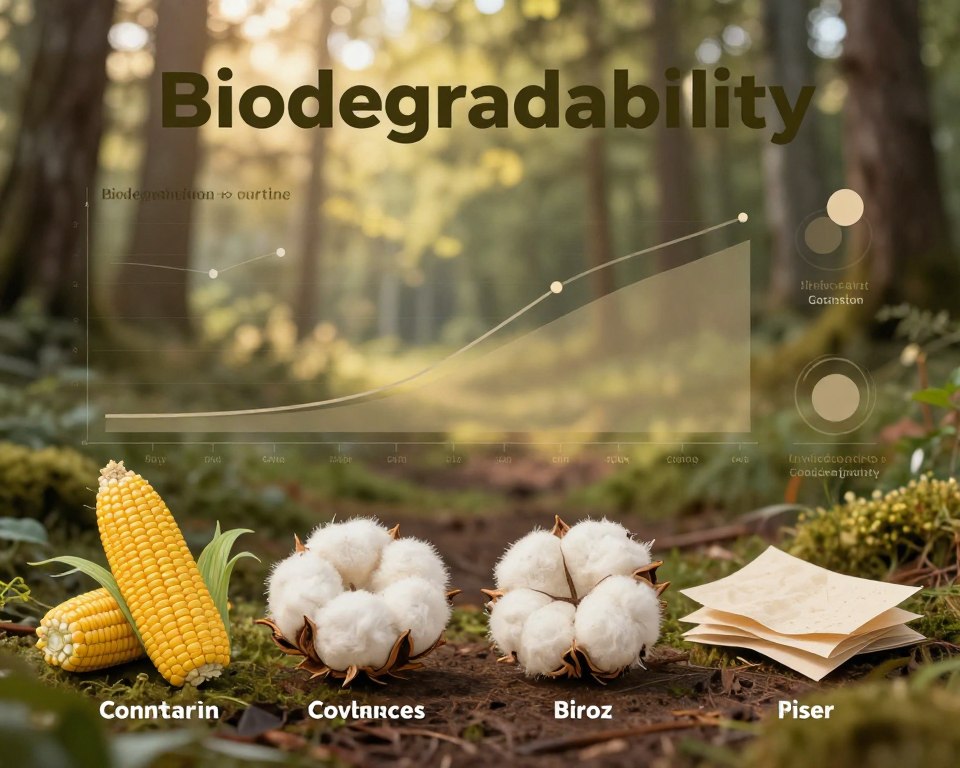
Biodegradability means a substance can be broken down by microorganisms like bacteria or fungi. This happens mainly in water, like in wastewater treatment plants or rivers. Environmental persistence is key; if a substance doesn’t break down fast, it can harm water ecosystems.
The speed of breakdown changes a lot depending on the environment. For example, some “biodegradable” trash bags took 23 years to break down in a simulated landfill. This shows a big difference between what lab tests say and what really happens in the world for many biodegradable products.
“Biodegradability is not an intrinsic property of a material, but a function of the environment it’s in.”
The Difference Between Primary and Ultimate Biodegradation
To really know how a detergent affects the environment, we need to understand two breakdown stages. These biodegradability facts are key to knowing if the chemicals we wash down drains are safe:
- Primary Biodegradation: This is when a chemical’s structure first changes. Even though it might not be the same, it could leave behind harmful compounds.
- Ultimate Biodegradation: This is the highest level of safety. It means a substance is fully broken down into water, carbon dioxide, and minerals.
True safety comes from ultimate biodegradation. If a product only goes through primary breakdown, harmful parts can stay in water for a long time. To really protect the environment, look for signs of complete mineralization, not just structural changes.
Regulatory Landscape for Eco-Claims in the United States
The legal rules for environmental safety claims in the U.S. aim to stop false marketing. Many brands say their products are eco-friendly, but these claims must meet strict standards. Knowing these rules helps you tell real eco-products from those just trying to sound green.
Federal Trade Commission Green Guides
The Federal Trade Commission (FTC) sets the main rules through the Green Guides. These guides help companies avoid making false claims about their products’ environmental safety. The FTC doesn’t make new laws but enforces existing ones against unfair or deceptive practices.
Companies must have solid scientific proof for any claim of biodegradability. If a product doesn’t break down quickly after being thrown away, the claim is seen as false. Even with these rules, the guides sometimes can’t keep up with new chemical discoveries.
State-Level Regulations and Consumer Protection
States also have their own laws to protect consumers and the environmental safety. Places like California have laws about using terms like “biodegradable” or “compostable” on packaging. These local laws add an extra layer of protection when federal rules are too general.
It’s important to remember that these laws have limits. Many claims are too vague because it’s hard for agencies to check every product. By knowing both federal and state laws, you can make smarter choices when shopping.
| Regulatory Body | Primary Focus | Enforcement Scope |
|---|---|---|
| Federal Trade Commission | Preventing deceptive marketing | National commerce |
| State Attorney General | Consumer protection laws | State-specific compliance |
| EPA (Safer Choice) | Environmental safety standards | Voluntary product certification |
Decoding Common Laundry Label Terminology
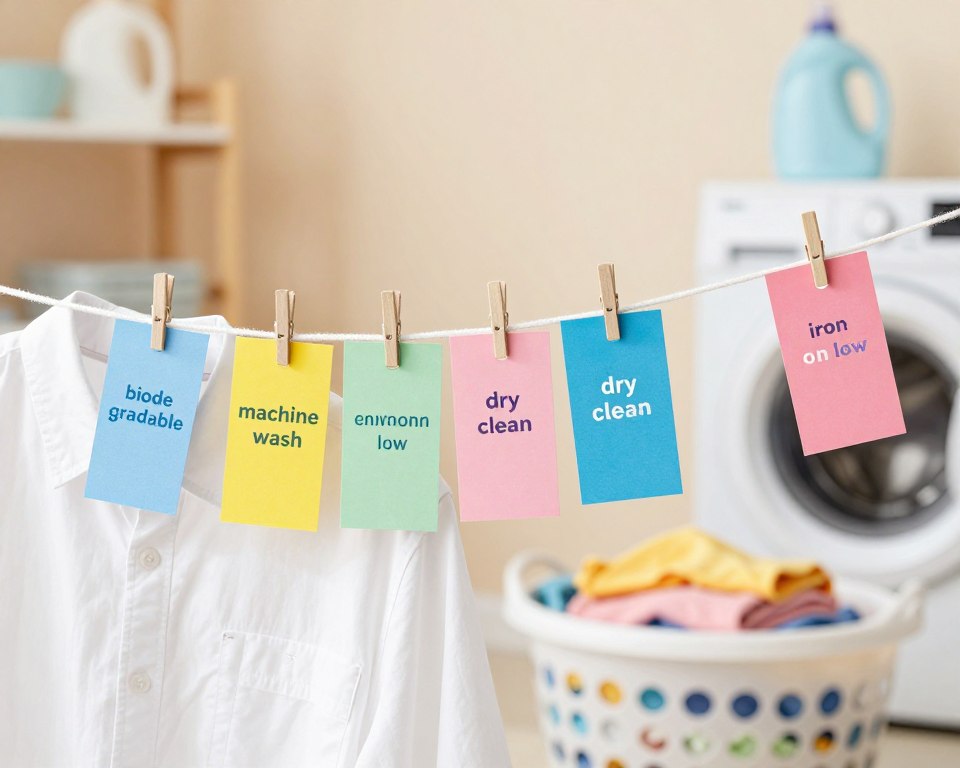
Shopping for laundry can feel like trying to crack a secret code. Manufacturers make big claims, but these terms often lack clear meanings. To take back control, it’s key to learn how to read laundry symbols and ingredient lists.
Natural vs. Plant-Derived Ingredients
The word “natural” is often misused in cleaning products. In the U.S., there’s no federal rule to define natural ingredients. This means a natural source can be heavily processed, changing its true nature.
Plant-derived ingredients are seen as safer, but they’re not always better. A chemical’s safety depends on its molecular structure and amount, not where it comes from. It’s important to look for ingredient transparency over marketing terms that don’t tell you much.
The Meaning of Non-Toxic and Hypoallergenic
“Non-toxic” labels often mean the product isn’t immediately dangerous. But they rarely consider long-term effects or how the product might affect the environment. This term is used without a clear test to prove it’s safe.
“Hypoallergenic” labels suggest a product is less likely to cause allergies. But, there’s no one standard for this claim. Detergent ingredients that can irritate skin can be in products labeled as hypoallergenic. Always check the ingredient list to avoid possible irritants, not just trust the label.
The Role of Surfactants in Biodegradability
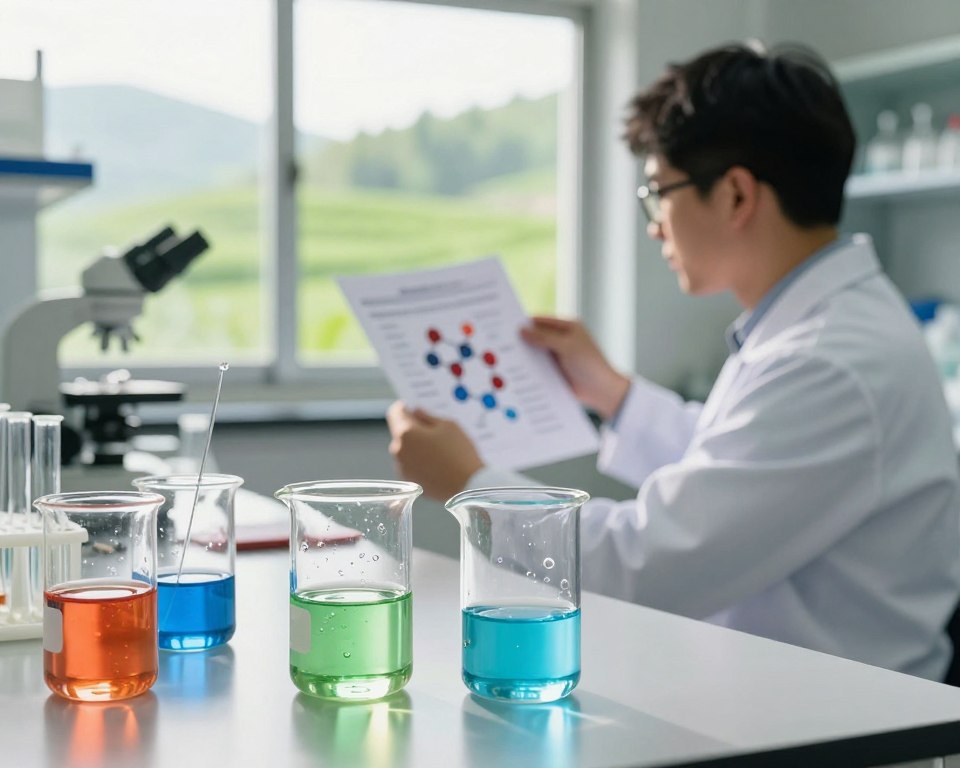
To understand eco-friendly materials, we must look at surfactants in laundry. These compounds clean clothes by breaking down water’s surface tension. They are key to cleaning but also affect how fast they break down in water.
Anionic vs. Non-Ionic Surfactants
Surfactants are divided by their charge. Anionic ones have a negative charge and clean well. Non-ionic ones don’t have a charge and work better in cold water.
When we talk about biodegradability facts, molecular shape matters. Straight molecules are easier for microbes to break down than complex ones. Here’s a table showing surfactant types and their characteristics:
| Surfactant Type | Primary Use | Biodegradation Rate |
|---|---|---|
| Anionic | Deep cleaning | Generally high |
| Non-Ionic | Grease removal | Variable |
| Cationic | Fabric softening | Lower |
Impact of Surfactant Persistence in Waterways
The danger of a detergent depends on how long it stays in water. If it doesn’t break down, it can harm fish and plants. This is key to understanding a product’s environmental impact.
“The environmental fate of surfactants is determined by their chemical structure, which dictates their susceptibility to microbial degradation in wastewater treatment plants and natural water bodies.”
Choosing quick-breaking surfactants is important. Knowing about biodegradability facts helps pick safe products. By doing this, we help our waterways and use better eco-friendly materials.
- Look for linear alkylbenzene sulfonates (LAS) for better biodegradability.
- Avoid products with non-biodegradable surfactants.
- Choose detergents that are open about their impact on water.
Environmental Impact of Synthetic Fragrances and Dyes
Looking at the environmental safety of laundry products shows us the harm of synthetic scents and colors. These additives make clothes smell good and look bright. But, they also add hard-to-break-down chemicals to our water.

Bioaccumulation of Synthetic Compounds
Synthetic fragrances include polycyclic musks, which stay in the environment for a long time. These chemicals don’t break down well in water treatment plants. So, they get into our local waterways.
These chemicals then build up in water animals. This is called bioaccumulation. Fish and other sea creatures absorb these toxins. They then pass these toxins up the food chain.
Why Fragrance Transparency Matters
Knowing what’s in fragrances is key for environmental safety and health. Many products hide hundreds of chemicals under “fragrance.” This makes it hard for us to know what we’re using.
I tell patients with chemical sensitivities to avoid synthetic scents. Choosing fragrance-free products helps their skin and reduces harmful chemicals in our environment.
| Feature | Synthetic Additives | Natural Alternatives |
|---|---|---|
| Biodegradability | Low/Persistent | High/Rapid |
| Bioaccumulation Risk | High | Negligible |
| Skin Sensitivity | Common Trigger | Rarely Irritating |
| Environmental Impact | Significant | Minimal |
Choosing products with clear labels helps our environment. By picking products with known ingredients, we help keep our water clean.
Pharmacist Perspective on Skin Safety and Chemical Residue
As a pharmacist, I often talk to patients about skin irritation from laundry. Many think their clothes are clean after one wash cycle. But, detergent residue stays in fabric fibers long after washing.
This leftover chemistry can be tough on sensitive skin. Knowing how these chemicals affect your body is key to avoiding irritation.
Dermal Absorption and Sensitive Skin
The skin protects us, but it’s not a complete barrier. Dermal absorption happens when laundry chemicals get into the skin. This can cause inflammation in those with sensitive skin.
Surfactants and fragrances on clothes can harm the skin’s natural oils. This can make the skin lose more moisture and become more sensitive. People with eczema or psoriasis are at higher risk.
The Link Between Detergent Residue and Contact Dermatitis
Contact dermatitis is common in my practice, often from household irritants. Detergent residue on clothes can cause skin irritation. This is not always an allergy but often irritation from chemicals.
To keep your skin safe, I suggest a few laundry changes. Using the right amount of detergent is key. Also, adding an extra rinse can help remove more chemicals from your clothes.
| Factor | Impact on Skin | Recommended Action |
|---|---|---|
| Excess Detergent | High irritation risk | Measure precisely |
| Extra Rinse Cycle | Lowers chemical load | Use for all loads |
| Synthetic Fragrances | Common allergen | Choose fragrance-free |
| Fabric Softeners | Leaves waxy residue | Avoid or use sparingly |
Biodegradable vs. Non-Biodegradable: A Comparative Analysis
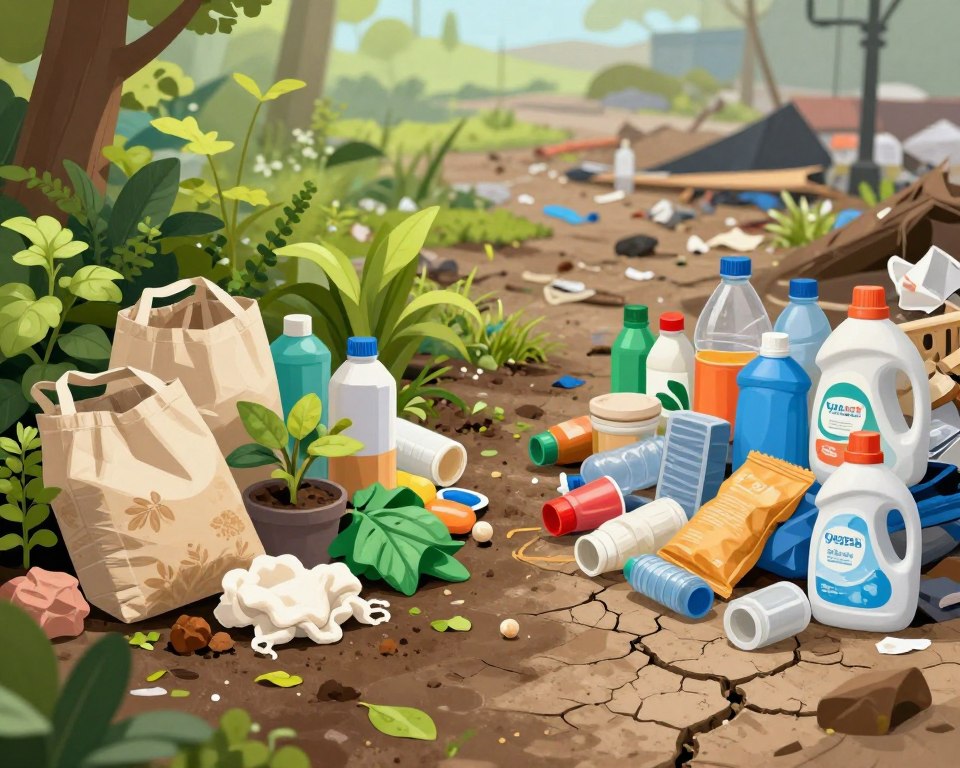
It’s important to know the difference between biodegradable vs. non-biodegradable substances when doing laundry. Companies face a challenge in making cleaners that work well and are safe for the environment. This comparison shows why certain ingredients are used and how they affect our water systems.
Performance Trade-offs in Cleaning Efficacy
Some eco-friendly detergents might not get rid of tough stains as well as regular ones. This is because strong cleaners that tackle grease and oil are often harder to break down naturally. Performance trade-offs are a common issue in chemistry, as makers choose between effective cleaning and quick breakdown.
Non-biodegradable parts usually keep clothes clean better, no matter the water temperature. But, biodegradable options might need warmer water or longer washes to clean as well. Here’s a table showing the common trade-offs in making detergents:
| Feature | Biodegradable | Non-Biodegradable |
|---|---|---|
| Cleaning Power | Moderate to High | Very High |
| Environmental Impact | Low Persistence | High Persistence |
| Cost Efficiency | Higher Production Cost | Lower Production Cost |
Evaluating Environmental Persistence
The big worry with biodegradable vs. non-biodegradable stuff is how long they stay in nature. Non-biodegradable stuff doesn’t break down well, which can harm water and life in it. This can change the water’s chemistry over time.
When thinking about the long-term effects, remember these key points:
- Bioaccumulation: Non-biodegradable stuff can build up in animals in water.
- Waterway Health: Stuff that breaks down fast is safer for water systems.
- Regulatory Compliance: Laws are getting stricter on biodegradable vs. non-biodegradable stuff to protect us.
Choosing products that break down fast is a good way to help the environment. Even though they might not clean as well, the move towards safer cleaners is getting better.
How to Identify Truly Sustainable Laundry Products
Choosing the right laundry products is key. Many brands claim to be green, but it’s the chemicals and supply chain that really matter. Look beyond the marketing for eco-friendly alternatives that truly help the planet.
Analyzing Ingredient Lists for Transparency
Real transparency means listing all ingredients clearly. Some brands hide bad stuff with vague terms like “surfactants” or “fragrance.” When looking for eco-friendly laundry detergent, choose brands that are upfront about what’s in their products.
To make safe and eco-friendly choices, follow these tips:
- Look for biodegradable surfactants that break down fast.
- Stay away from optical brighteners, which harm the environment.
- Check for certifications that show the product is safe for water.
The Importance of Concentrated Formulas
The way detergent is packaged matters too. Concentrated formulas use less water and packaging, which is better for the planet. This reduces the carbon footprint from shipping heavy, water-filled jugs.
Studies show that using concentrated refills can cut transport emissions by 62% compared to regular bottles. By picking these sustainable products, you cut down on plastic waste and energy needed for shipping. This simple switch helps the environment without losing cleaning power.
The Lifecycle of Laundry Detergent Ingredients
Understanding the environmental impact of cleaning products means looking at their entire journey. This includes from raw material extraction to final disposal. A lifecycle assessment is key to seeing how a product affects the planet. By studying the path of laundry detergent ingredients, we can make better choices.
Sourcing Raw Materials
The start of a detergent’s journey is important for its environmental impact. Makers often pick between synthetic materials from petroleum or plant-based ones. While plant-based options seem greener, they need land, water, and fertilizers, which also harm the environment.
Petroleum-based ingredients come from fossil fuels, which emit a lot of carbon. It’s vital to know how these materials are sourced. This knowledge helps us see why some products are worse for the planet than others.
Manufacturing Processes and Carbon Footprint
The making of detergent is very energy-intensive. Big factories need a lot of power to mix and package the detergent. This makes the product’s carbon footprint big before it even hits the stores.
Using efficient manufacturing, like concentrated formulas, can cut down energy use. This includes less fuel for transport and storage. The table below shows the main stages of a detergent’s life and their environmental effects.
| Lifecycle Stage | Primary Input | Environmental Impact |
|---|---|---|
| Raw Material Extraction | Petroleum or Plant Feedstock | Land use and resource depletion |
| Manufacturing | Energy and Processing Agents | High carbon emissions and waste |
| Distribution | Logistics and Packaging | Transportation-related fuel usage |
| End-of-Life | Waterway Discharge | Biodegradability and aquatic toxicity |
Navigating Third-Party Certifications and Seals
Third-party certifications are a trusted guide for finding sustainable products. Many brands use terms like “green” or “eco-friendly” without real oversight. Verified seals mean a product has passed tough tests for the environment and safety.
Understanding EPA Safer Choice
The EPA Safer Choice program helps find products with safer chemicals. To get this label, a product must meet the Safer Choice Standard. This standard checks for safety in both human health and the environment.
Every chemical in a product is checked by EPA scientists. This ensures no harmful risks. The program looks at the whole chemical profile of a detergent. It excludes harmful chemicals like carcinogens and toxins.
Choosing products with this seal supports sustainable products. It means you’re picking items that are safe and effective.
Recognizing ECOLOGO and Green Seal Standards
ECOLOGO and Green Seal are top certification bodies in North America. They check products from start to finish, not just claims. These certifications need on-site audits and regular checks.
Green Seal checks if a product works well and is safe for the environment. ECOLOGO makes sure a product meets science-based criteria. By looking for these marks, you know you’re getting sustainable products checked by experts.
| Certification | Primary Focus | Verification Method |
|---|---|---|
| EPA Safer Choice | Chemical ingredient safety | Scientific ingredient review |
| Green Seal | Lifecycle and performance | On-site audits and testing |
| ECOLOGO | Environmental impact | Multi-attribute standards |
Common Myths About Eco-Friendly Laundry Materials
Exploring sustainable laundry means looking beyond common myths. Marketing can hide the truth about how products affect our skin and the planet. By checking facts, we can choose what truly fits our values.
The Myth of All-Natural Safety
Many think “all-natural” means something is safe. But in the U.S., this term isn’t checked by the government. Some natural things can be as harmful as man-made ones, depending on their makeup.
People often believe biodegradable products are safe for skin. But, things like plant extracts or essential oils can cause skin problems. It’s better to look at the actual ingredients than just the label.
Misconceptions About Packaging Recyclability
Another myth is that all detergent bottles can be recycled. Just because a bottle has a recycling symbol, it doesn’t mean it can be recycled where you live. Often, plastics with detergent can’t be recycled and end up in landfills.
It’s important to know the difference between biodegradable vs. non-biodegradable materials. True green living means looking at a product’s whole life cycle, not just its label.
| Common Myth | Scientific Reality | Consumer Action |
|---|---|---|
| “All-natural” means safe | Natural substances can be toxic | Check specific ingredients |
| Recyclable symbol = recycled | Contamination often prevents processing | Clean bottles thoroughly |
| Biodegradable products are always eco-friendly | Persistence depends on the environment | Look for third-party seals |
Practical Tips for Making Eco-Conscious Choices at Home
Making eco-conscious choices at home is easy. You don’t need to change your whole life. Just make small, steady changes to help the planet and keep your home clean.
These changes are simple and quick. They help your clothes last longer and protect the environment. Starting these habits is a key step to green living.
Optimizing Water Temperature and Dosage
Changing your machine settings can save a lot of energy. Washing clothes in cold water is a big energy saver. Most energy is used to heat the water, not to wash the clothes.
Today’s detergents work well in cold water. They keep your clothes clean without needing hot water. Also, using the right amount of detergent is important to avoid wasting chemicals.
Using too much detergent doesn’t make clothes cleaner. It can even cause skin irritation. Always measure your detergent to use just the right amount for your load.
Selecting Sustainable Laundry Accessories
The tools you use also affect the environment. Switching to eco-friendly alternatives helps avoid plastics and synthetic materials. These materials can harm the environment and release harmful microfibers.
Wool dryer balls are a great choice instead of dryer sheets. They help clothes dry faster and use less energy. This is because they improve airflow in the dryer.
For delicate items, use reusable mesh bags made from eco-friendly materials. These bags catch loose fibers. They keep your clothes and local waterways clean from pollution.
Conclusion
Shopping for laundry products needs a change. We should look beyond the marketing words. It’s important to know what’s really in the products, not just what they say on the label.
You can make a difference by checking labels carefully. Look for specific ingredients and trusted certifications. The EPA Safer Choice or ECOLOGO seal is a good sign of a safe product.
Choosing eco-friendly laundry products is good for your health and the environment. Every choice you make can push companies to make better products. This helps keep our water and air clean.
Using science to guide your choices is key to protecting our planet. By doing this, you keep your home safe and help the environment. This is a win-win for everyone.
Let others know about the green laundry products you use. Your stories can inspire others to make better choices. Together, we can make the world a greener place.
FAQ
Is biodegradable always safe for the environment and human health?
Not always. “Biodegradable” means a product can break down, but it’s not always safe. For example, some plastic bags can last up to 23 years in landfills. Also, “biodegradable” doesn’t mean it’s safe for skin.
How can I distinguish between genuine sustainable products and greenwashing?
Look for real data, not just “green” labels. Most cleaning waste comes from packaging. True eco-friendly brands show what’s in their products and use less packaging. This makes a real difference, not just marketing.
What is the difference between primary and ultimate biodegradation?
Primary biodegradation changes a compound but doesn’t remove all toxicity. Ultimate biodegradation breaks it down completely. Knowing this helps us understand how detergents affect water.
Does the Federal Trade Commission regulate “green” claims on laundry labels?
Yes, the FTC has rules to stop false environmental claims. These guides help brands make accurate eco-friendly claims. But, it’s up to us to check for third-party verification.
Why should I be concerned about synthetic fragrances and dyes in my detergent?
Synthetic chemicals can harm water and our health. They can build up in water and affect the food chain. Plus, they can cause skin problems. Choosing fragrance-free options is safer for us and the environment.
Are all-natural ingredients inherently safer than synthetic ones?
No, not always. “Natural” doesn’t mean safe. Some plant-based substances can be harmful. We need to check each ingredient’s safety, whether it’s natural or synthetic.
Which third-party certifications are the most reliable for environmental safety?
Look for the EPA Safer Choice label, ECOLOGO, or Green Seal. These groups test products to ensure they’re safe and effective. These seals are more reliable than “natural” labels.
How does laundry detergent residue affect the skin barrier?
Leftover surfactants and enzymes can irritate the skin. They can make skin red and itchy. Use the right amount of detergent and extra rinse cycles for sensitive skin.
What are the best practical steps to make my laundry routine more sustainable?
Start by using eco-friendly products. But, how you use them matters too. Use cold water and concentrated formulas to cut down on waste. Switch to wool dryer balls for less chemical waste and energy use.
Why is there a performance trade-off between biodegradable vs. non-biodegradable detergents?
Making products both effective and eco-friendly is hard. Some synthetic cleaners work well but harm the environment. Biodegradable options might need more to work as well. It’s about finding the right balance for your needs and the planet.